Roof Design
OBJECTIVE :
For the given roof styling. Create an ASSEMBLY by developing the essential flanges for the outer roof and creating the reinforcements.
Provide appropriate dimensions and check for Draft analysis.
Do a curvature study on the roof and perform calculations to determine the position of the Bow-roofs.
OVER VIEW OF ROOF :
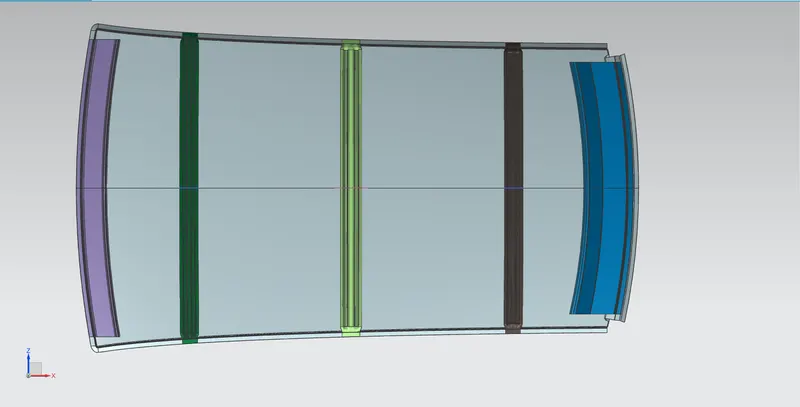
Here i attached the over view of the roof with the front and rear roof rail and bow roof 1 ,center roof and bow roof 2 .the image is attached for the reference
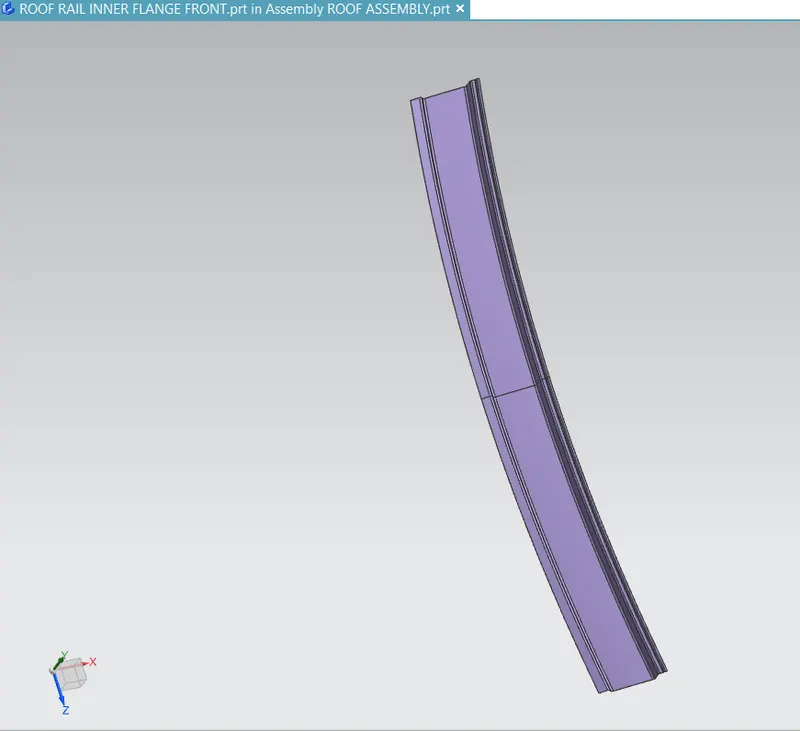
Front roof rail :
The front roof rail is inner portion the roof which is attached with the windshield glass and body side outer .it is used provide additional strength to the car for the driver and co driver while car met accident it turns upside down that time it protect from the heavy injury .the image of the front roof is attached below .
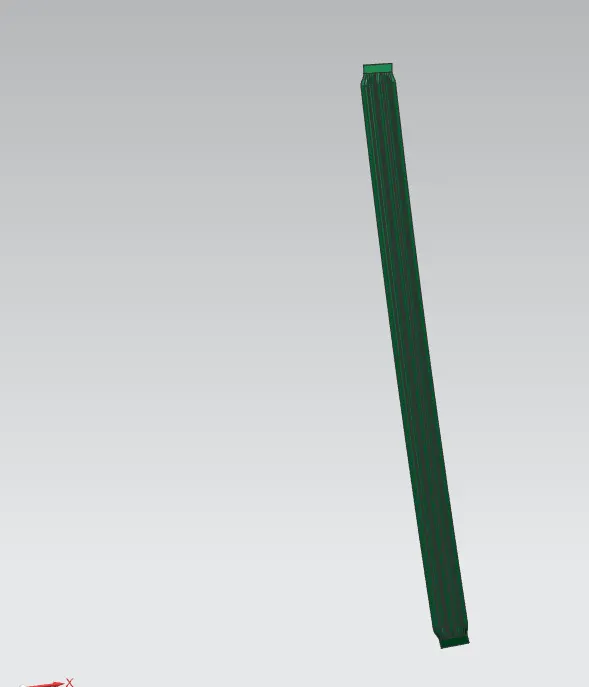
Bow roof rail:
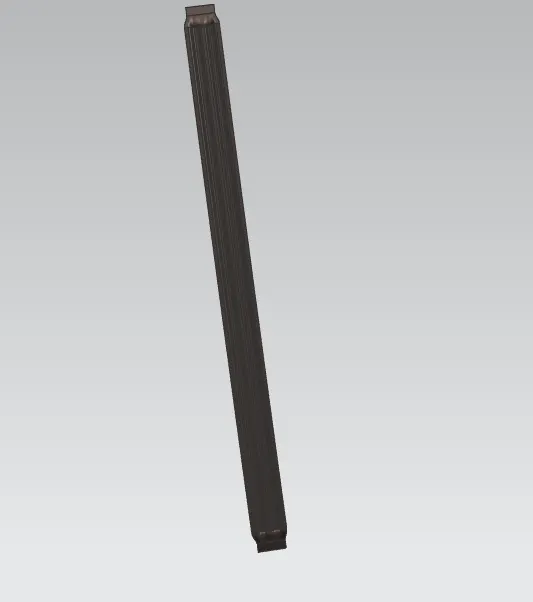
These additional roofs called bow roof are introduced to improve the torsional stiffness and load bearing capacity of the roof structure. The number of bow roof used varies by many factors, one to mention is the roof length.But in this roof we used 2 bow roof one is bow roof 1 which placed 2nd to the front roof rail and other is placed near the rear roof rail .the image of the 2 bow roof are attached below .
Center roof rail :
as per the name this roof is placed between the bow roof 1 and bow roof 2 .these rail is used to give ultimate sterength to the roof .we can give different types of centre roof rail to increase the stength of the roof and provide safety for the passengers in the car .The imnage of the centre roof is attached below
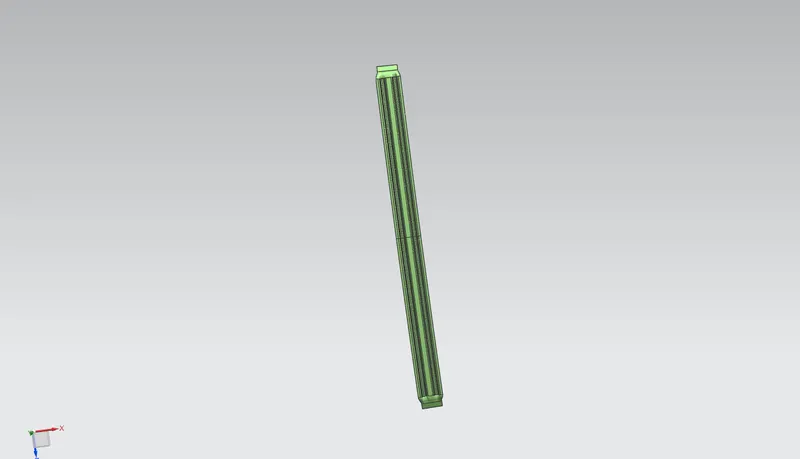
Rear roof rail :
Rear roof rail is placed rear to the roof of the inner side .It is connected with rear door of the car it depends upon the car opening either opn down to top ,or right to left .the reaer roof rail image attached below .
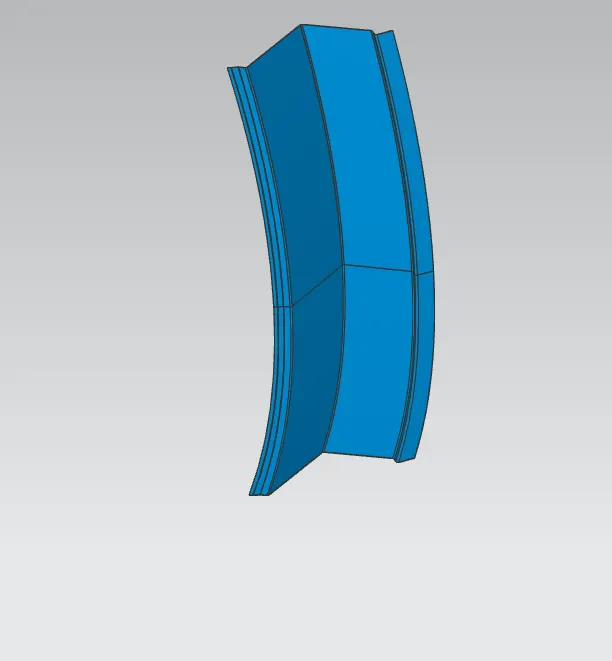
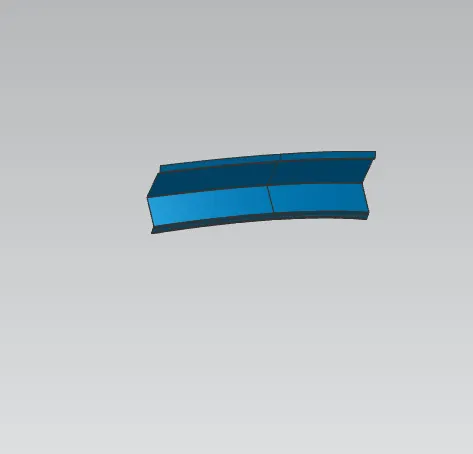
After completing of the design the roof is ready for the temperature test i.e two types of test
Types of test
1.Heat disortion criteria
2.snow load test
Heat disortion crieteria :
Heat distortion criteria (HDC) is a type of test used to evaluate the response of materials to high temperatures. The car roof is subjected to this test to ensure that it can withstand the heat generated by the sun and other environmental factors. Here are some reasons why car roofs are tested for heat distortion criteria:
-
Prevent deformation: Car roofs are made of various materials, such as metal and plastic, which can deform or melt when exposed to high temperatures. This can compromise the structural integrity of the roof and reduce its ability to protect passengers in the event of a crash. By testing the car roof for heat distortion criteria, manufacturers can ensure that the roof will not deform or melt when exposed to high temperatures.
-
Maintain appearance: Exposure to high temperatures can also cause the car roof to discolor or develop unsightly marks. This can reduce the car's aesthetic appeal and decrease its resale value. By testing the car roof for heat distortion criteria, manufacturers can ensure that the roof will maintain its appearance even when exposed to high temperatures.
-
Meet safety standards: Car roofs must meet certain safety standards to protect passengers in the event of a crash. By testing the car roof for heat distortion criteria, manufacturers can ensure that the roof meets these safety standards and will not fail when exposed to high temperatures.
and so there is some calculation for the heat disortion criteria to passed in test and also whther the placement of the bow roof rails placed in correct position or not .
formula for the heat disortion :
W = [1.73 x 10^(-3) x L] + [1.85 x 10^(-8) x (R^2)/t] + [ 1.10x10^(-3) x l] - 2.68
Where,
L = Roof Length in X-Direction[mm](Roof dimension in 0-Y)
R = Roof curvature
R = 2(Rx*Ry)/(Rx+Ry)
Rx = X curvature
Ry = Y curvature
t = Roof plate thickness [mm]
l = Bow Roof Span [mm]
Judgment Condition
OK< 2.7
here i attached the image of the calculation of heat disortion is shown below
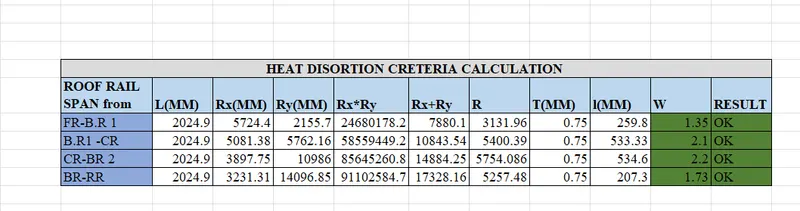
From the above table, we can conclude that the positions at which the bow roofs are placed satisfy the heat distortion condition and is good to go for manufacturing.All values are <2.7 so it is passed .
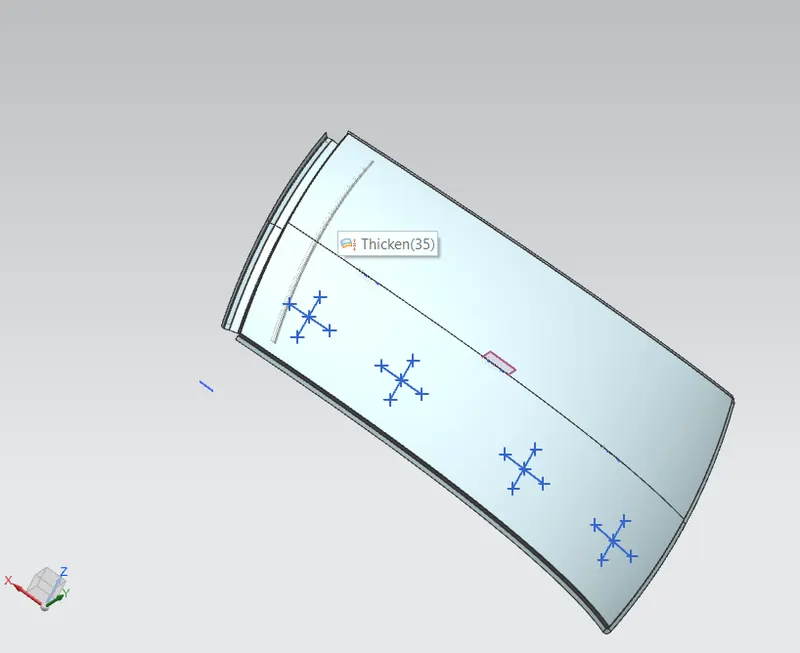
Based on the above image we have to calculate the heat range .
Snow load criteria :
Snow load testing of car roofs is a type of test that evaluates the roof's ability to withstand the weight of snow that accumulates on it. This type of testing is important because heavy snow loads can cause the roof to collapse, which can be dangerous for the occupants of the car. Here are some reasons why snow load testing is performed on car roofs:
-
Safety: Snow load testing helps to ensure that the car roof can withstand the weight of heavy snow loads without collapsing. This is important to protect the occupants of the car from injury in the event of a roof collapse.
-
Compliance: Snow load testing is often required by building codes and safety standards to ensure that car roofs meet minimum load-bearing requirements.
-
Product development: Snow load testing is also used by manufacturers during the development of new car models to evaluate the load-bearing capacity of different materials and designs.
in summary, snow load testing is an important step in ensuring the safety and durability of car roofs. It helps to ensure that car roofs can withstand heavy snow loads without collapsing and meet safety standards and building codes.
And these also having some calculation for the snow criteria .The calculation and vaule attached below
Snow prediction formula :
Qr = [Iy x t2] / [α x s x [(Rx + Ry)/2]2 x 10-8]
Note: The Qr value given over here is correct. There was a typo error in the formula given in the video.
Where,
α = My x Lx2 x 10-12 , My = Y(Ly-Y)
t = Roof plate thickness [mm]
Ly = Distance between the front and rear roof Rails on the Vehicle along with 0Y[mm]
Length of Roof panel with the center point between Roof rail Front /Rear as the front and rear reference point.
Lx = Distance between the Left and Right end of the roof on the Roof BOW [mm]
The width of the roof panel is exposed on the surface.
Y = Distance front Front Roof Rail to Roof BOW[mm]
s = Distance for which Roof BOW bears divided load [mm]
s = L1/2 + L2/2
Iy = Geometrical moment of inertia of Roof BOW (Y cross-section )[mm4]
Rx = Lateral direction curvature radius of roof panel Y cross-section on Roof BOW [mm]
Roof panel curvature Radius of the Length Lx in Front view
Ry = Longitudinal Direction curvature radius of the Roof panel X cross-section on Roof BOW [mm]
Roof panel X curvature radius of length s in Side view
Judgment condition
Qr ≥ 3.1
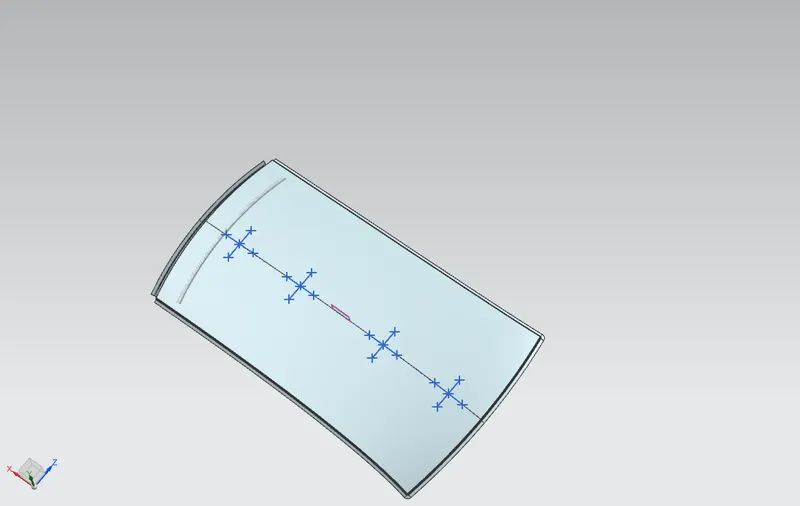
based on the above image we need to calculate the snow load test the value table are attached below .

From the above table, we can conclude that the positions at which the bow roofs are placed satisfy the snow criteria, except the bow roof 2. Thus, to improve, we can add embosses to the roof to increase the strength of the roof.
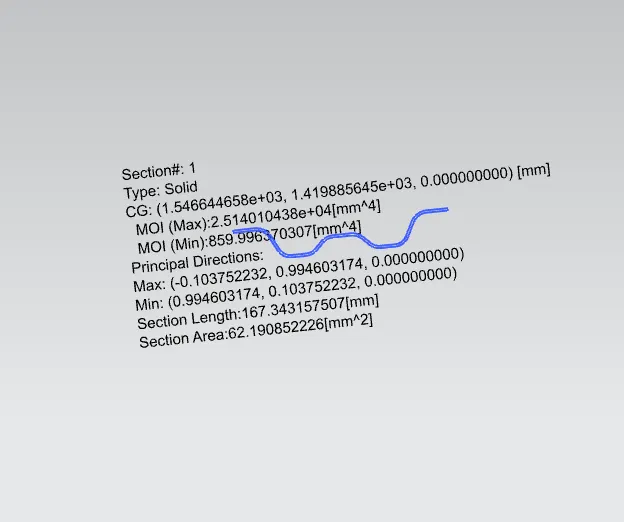
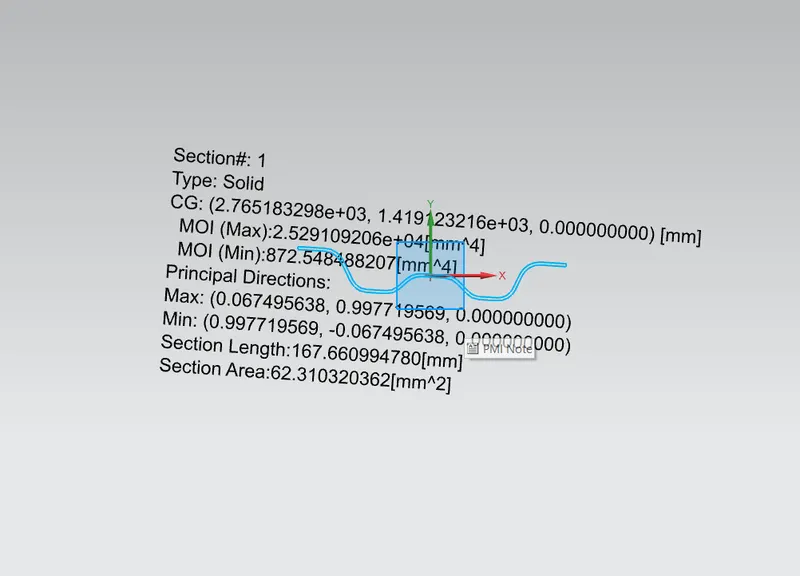
the calculation of the moment of inertia image is attached below .
bow roof 1:
bow roof 2 :
center roof :
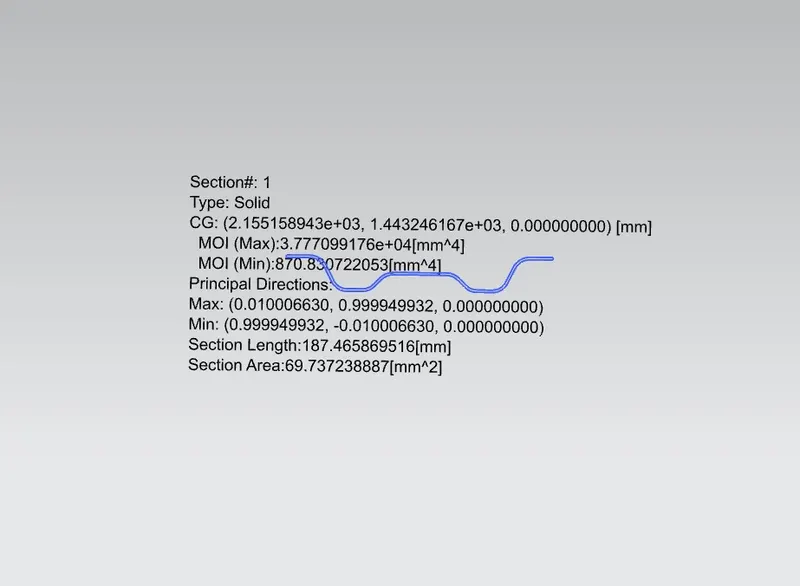
after completing the calculation we need to check the draft analysis of the roof and roof rails .The minimum draft of the angle 7degree consider as a analysis
the images of draft analaysis is attached below .
Roof draft analysis :
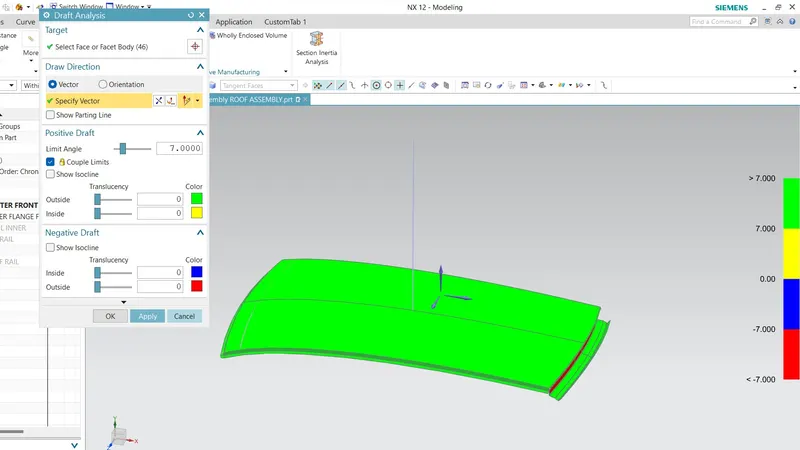
Front roof rail :
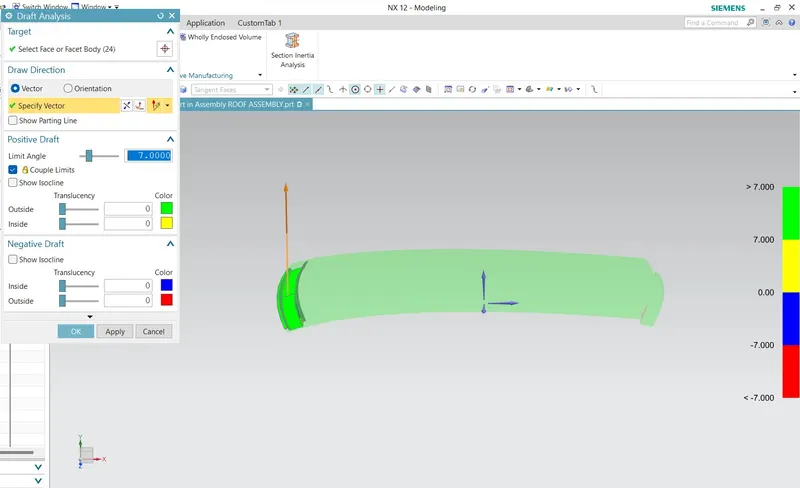
rear roof draft analysis :
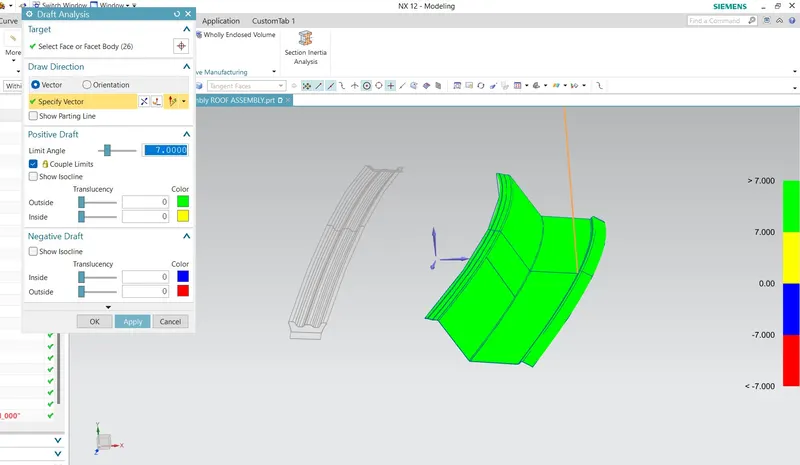
bow roof 1 :
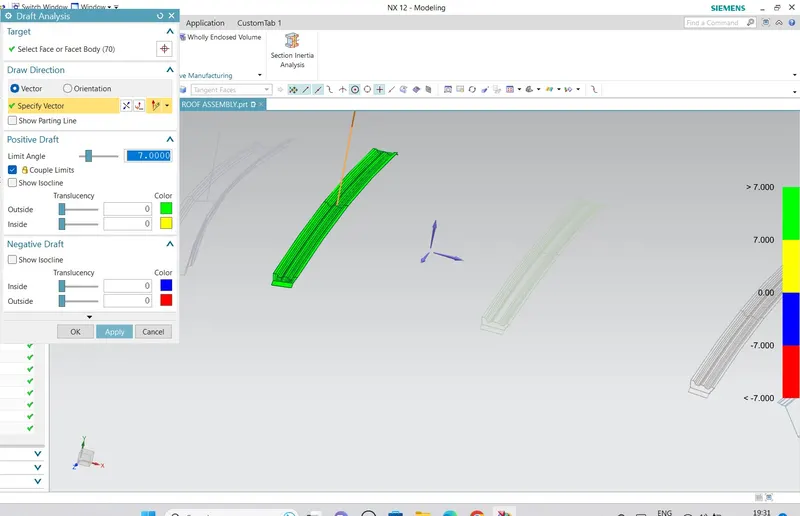
center roof analysis
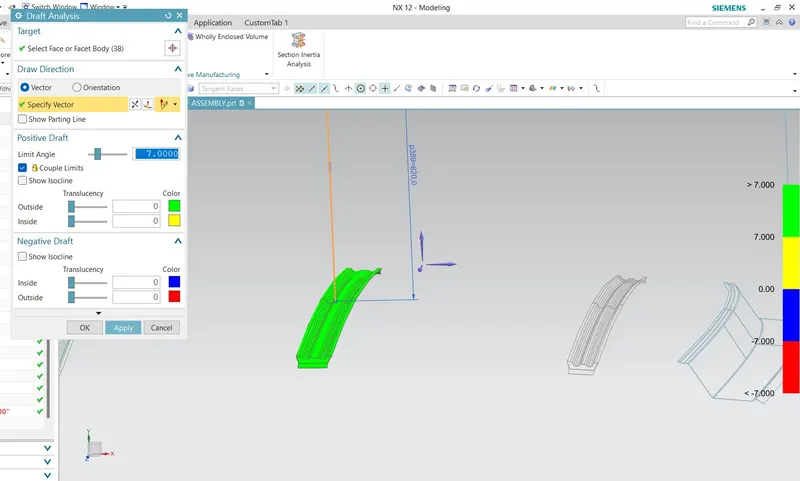
bow roof 2 :
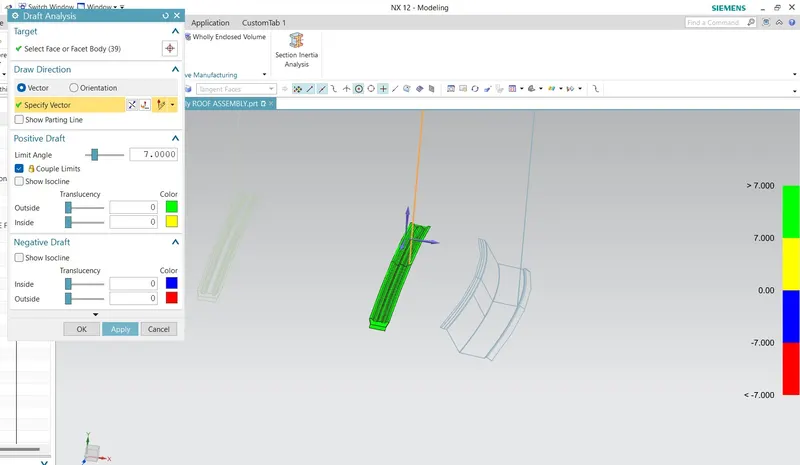
the green which denotes that the designed part are passed the draft analysis
After completing the all above process the desined part is ready for the manufacturing .
after manufacturing process completed there are some test to check the strength of manufactured roof and rails .
The test are shown and explained below .
Car roofs are typically tested for their strength and safety using various methods. Here are some common tests that are performed:
-
Roof Crush Test: In this test, the car is placed on a hydraulic press, and a metal plate is pushed down on the roof until it deforms. The amount of force required to deform the roof is measured, and the car must meet a minimum standard to pass the test.
-
Rollover Test: In this test, the car is driven on a track and made to roll over multiple times. The roof's strength is evaluated based on how well it holds up during the rollover and whether it prevents intrusion into the passenger compartment.
-
Static Load Test: In this test, a weight is placed on the roof of the car and left in place for a specific amount of time. The amount of weight that the roof can handle without deforming is measured, and the car must meet a minimum standard to pass the test.
-
Dynamic Roof Crush Test: This test is similar to the roof crush test but is performed while the car is moving. The car is driven into a barrier or a pole, and the roof's strength is evaluated based on how well it holds up during the impact.
These tests ensure that car roofs meet safety standards and can provide adequate protection to passengers in the event of a crash or rollover.
conclusion :
Therefore we have designed and manufactured the roof of front roof rail ,rear roof rails, bow roof 1 ,bow roof 2 ,and centre roof rail, according to the mastersection and design analaysis.