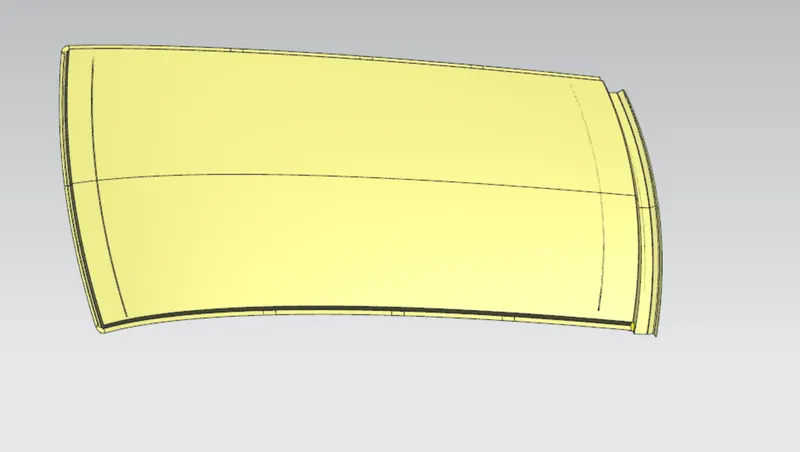
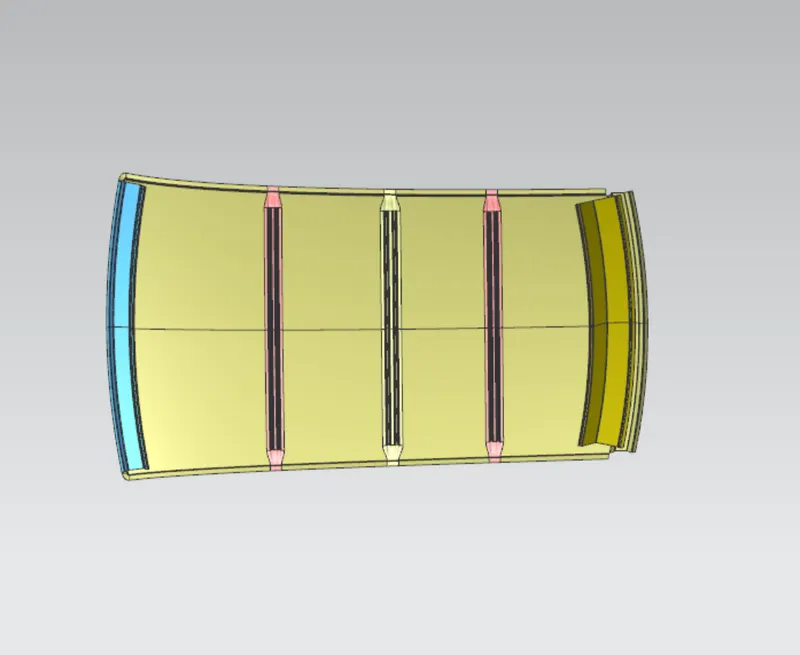
Roof Design
Roof Design
Aim: To design and calculate Heat distorsion, Snow load prediction and curvature study from the input of class A surface of Roof panel and add reinforcement, do the draft analysis for the model.
Introduction: The area of an automobile that is located above the passenger compartment and shields the passengers from the sun, wind, rain, and other environmental factors is known as the roof or car top.
- The upper roof's rails and panels are used to attach the roof to the BIW body, giving it strength and rigidity. The roof is a stylistic surface feature.
- Here, the ditch area is crucial for fixing the reinforcement to the component.
- When it is not the stylistic component, a spot weld is used to attach the rails and reinforcements to the ditch area.
- The minimum tool opening angle needed is 7 degrees.
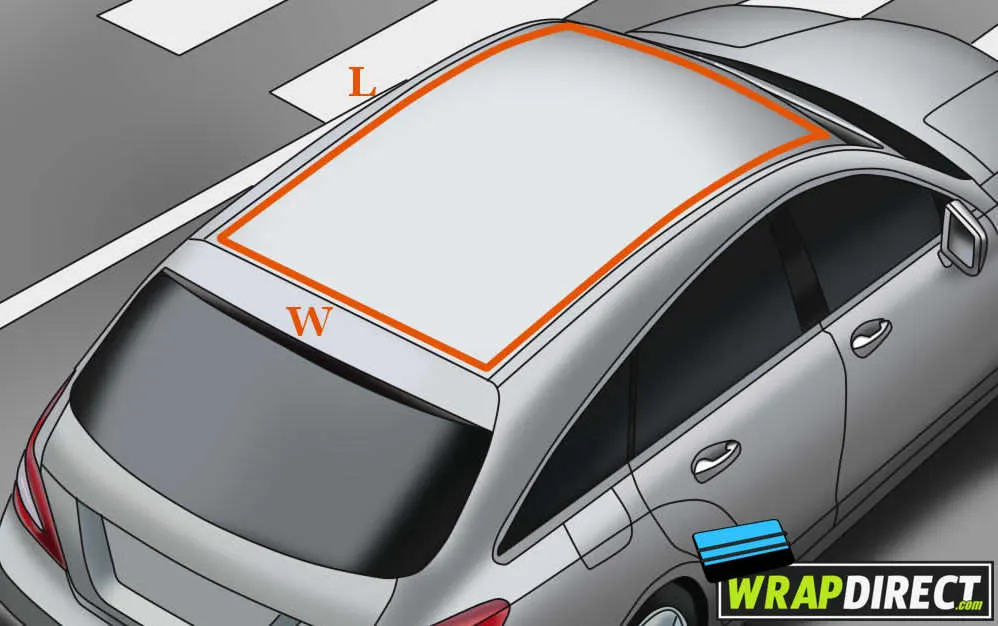
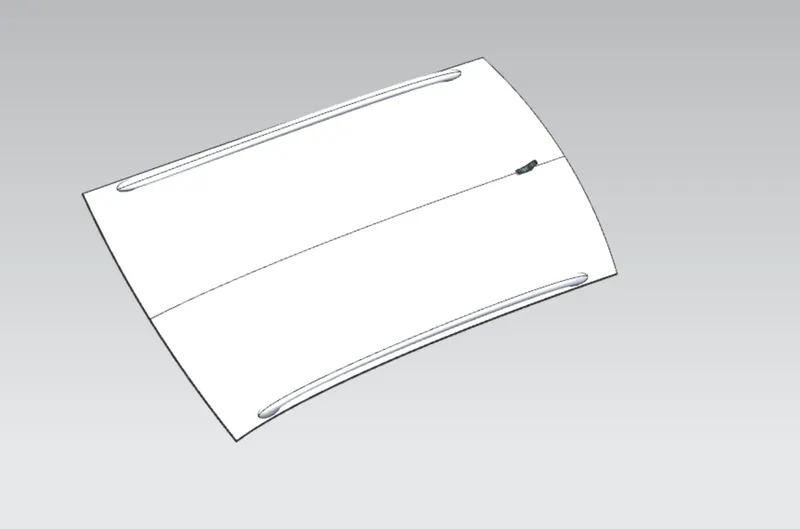
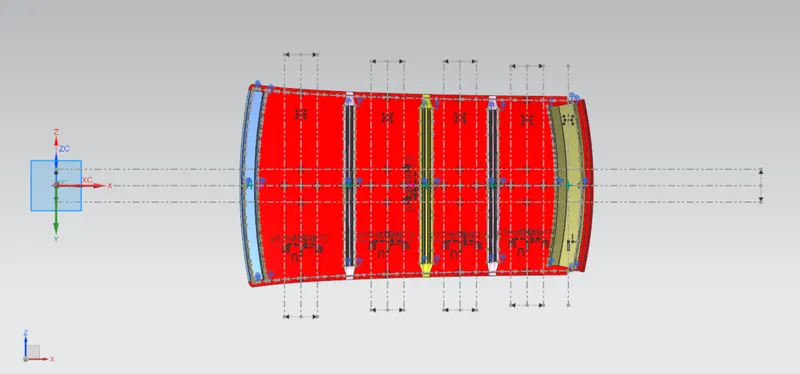
Fig. Class A Styling Input
Design considerations
- Visibility criteria
- Head clearance
- Heat distortion and snow load test
- Draft angle
- Curvature study
- Back door assembly
- Windshield assembly
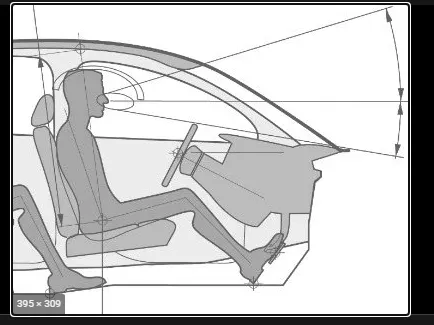
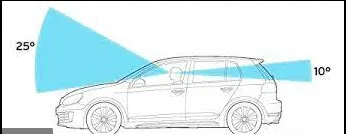
Visibility criteria: While constructing the roof, it is important to keep in mind that the driver cannot see any section of the roof.
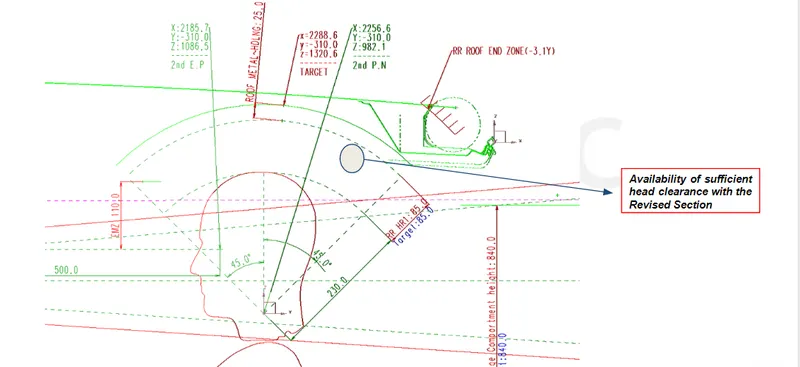
Head Clearance:For safety reasons, there has to be enough space between the driver's head and the inside of the roof.
Components of roof:
- Front roof rail
- Rear roof rail
- Bow roof
- Centre roof rail
- Roof outer panel
Roof outer panel: This is the stylistic surface of the roof, which gives a car its appealing appearance. We also emboss the outer panel to increase its strength, and this panel also aids in the car's aerodynamics.
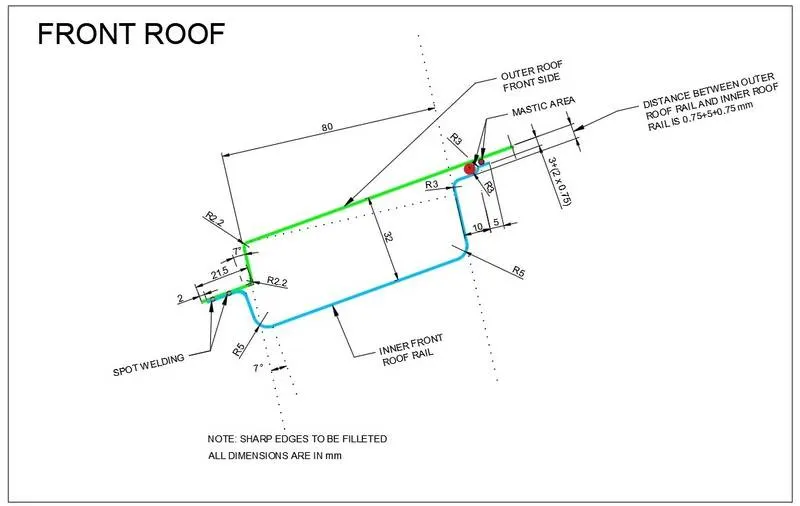
Fig. Master section for Roof outer panel(marked in green color)
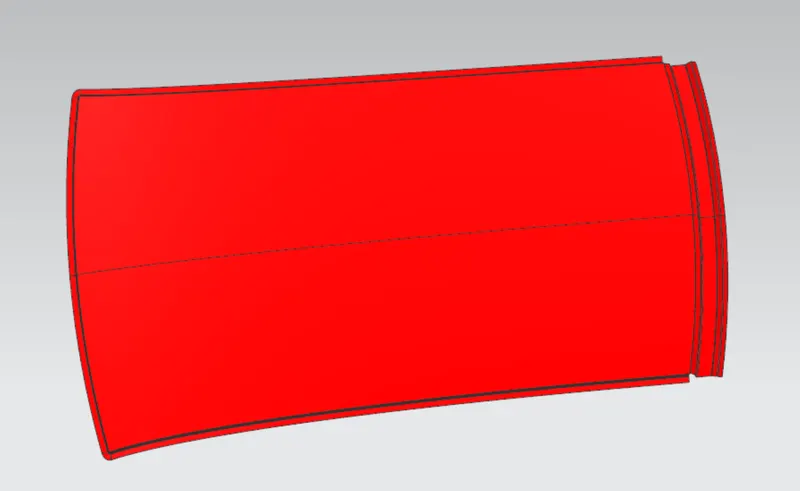
Front roof rail: The front roof rail is a supporting member that is added to the outer panel of the roof; the front side of the front roof rail is spot welded to the ditch area of the roof because above this welded surface a windscreen is installed to make this welding invisible from the outside; and on the back side, there is a provision for mastics.
Fig. Master section for front roof rail(marked in blue color)
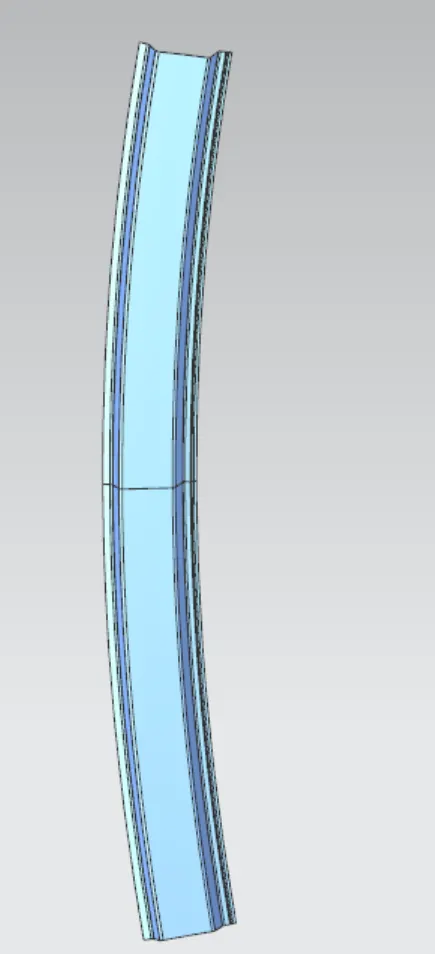
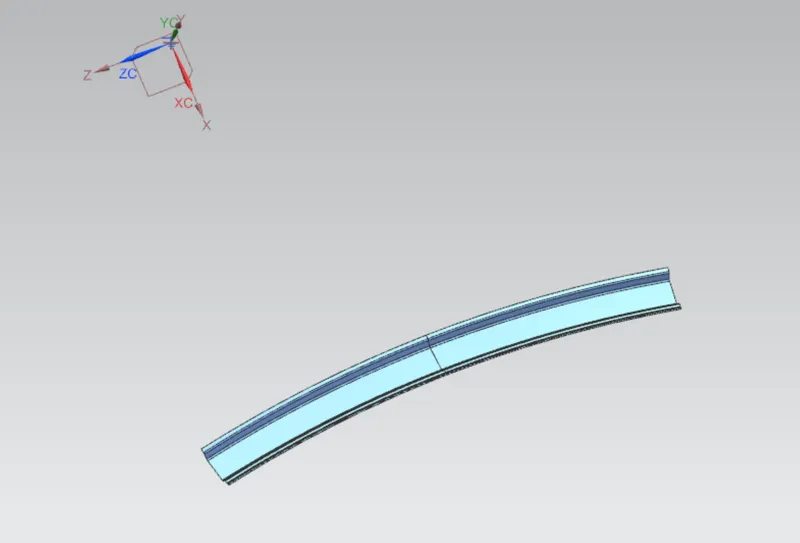
Bow roof rail: Bow roof rails are merely the roof's supporting members, and they are typically spot-welded at the ditch area on the side of the roof. If a mastic area is present in the middle, we can add bow roof rails based on the roof's curvature and other calculations, such as heat distortion and snow load conditions.
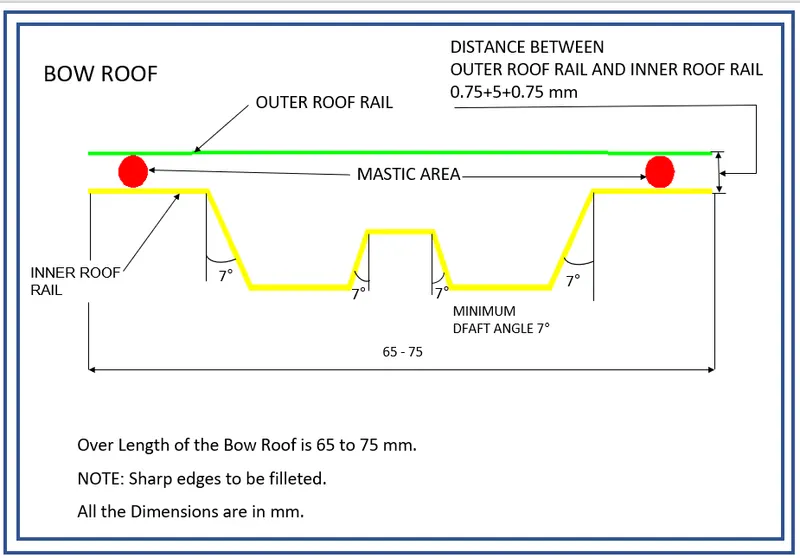
Fig. Master section of Bow roof
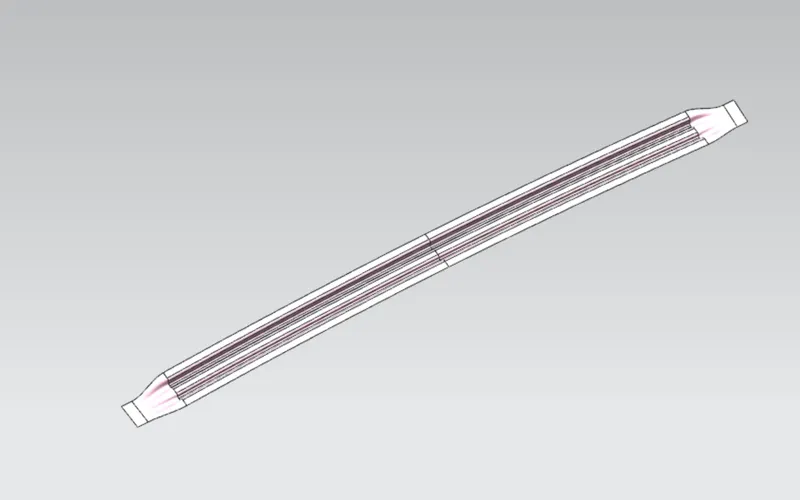
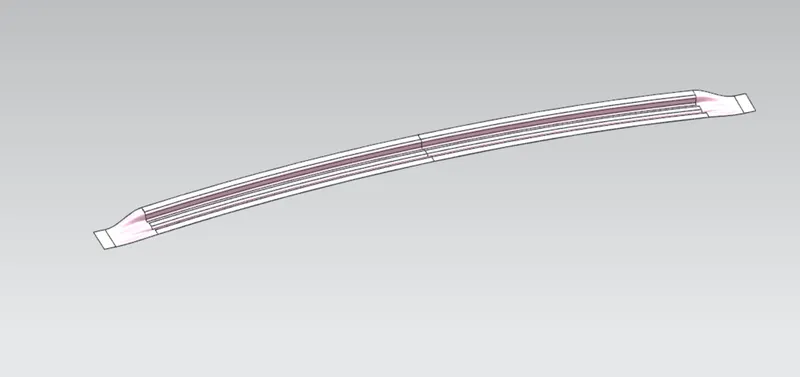
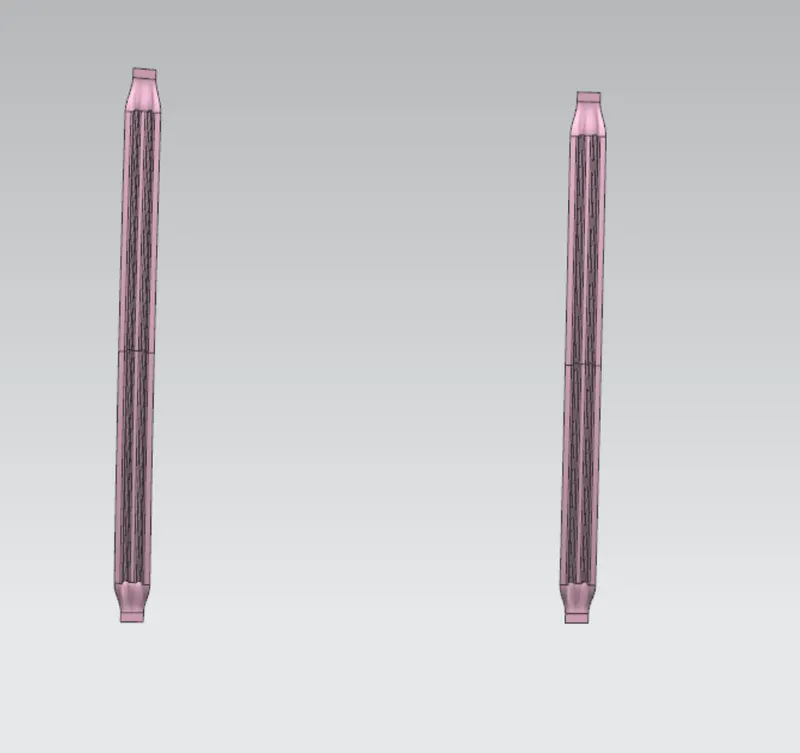
Center roof rail: This is similarly comparable to the bow roof, but it is often wider and has a higher section modulus. We can also give several kinds of mountings for lighting and other uses, and the central roof rail has been reinforced to increase strength.
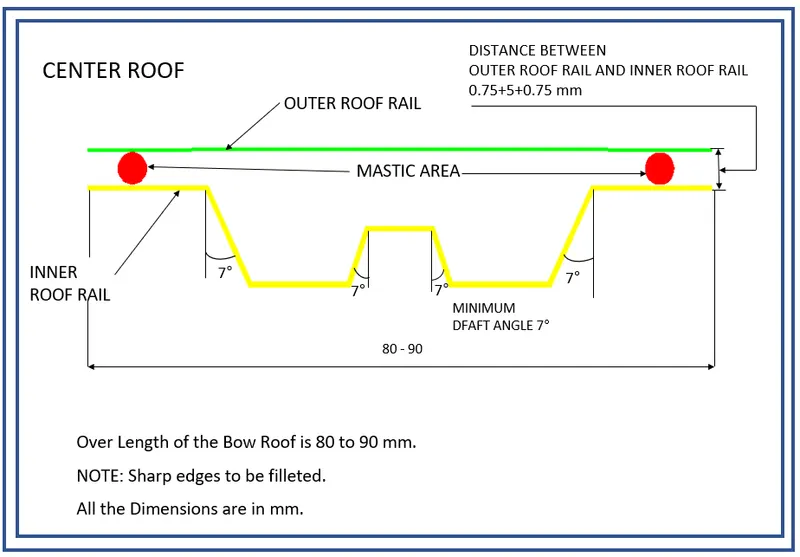
Fig. Master section for Center roof
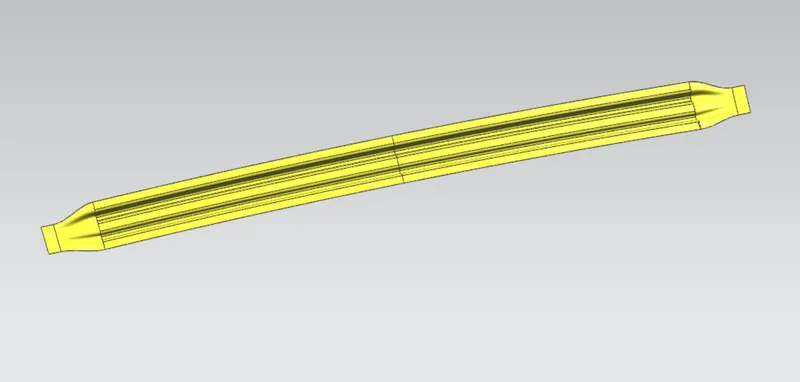
Rear Roof Rail: The back side of the rear roof rail is welded to the ditch region of the roof, and we also supply the mastic provision at the front side of the rear roof rail. This rail not only supports the roof outer panel but also strengthens the back door of the car.
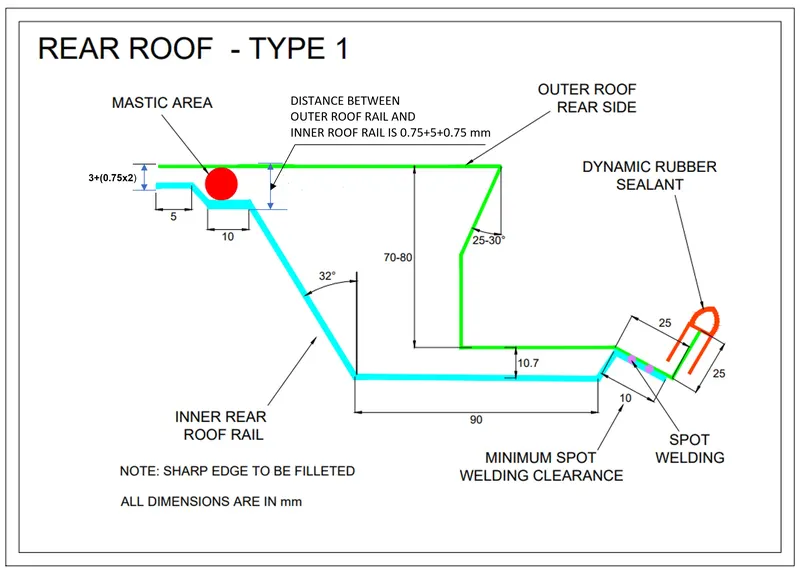
Fig. Master section for Rear roof(marked in blue color)
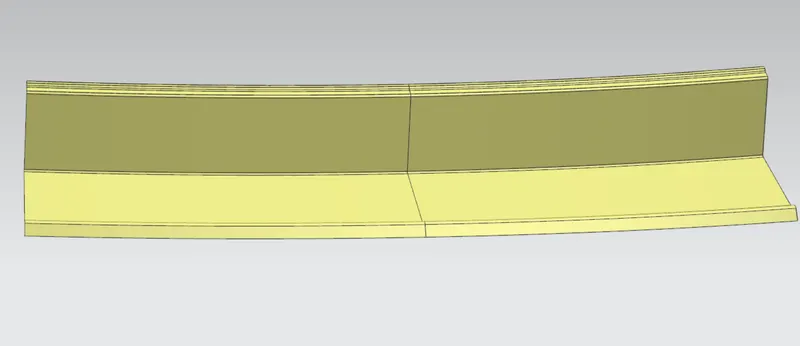
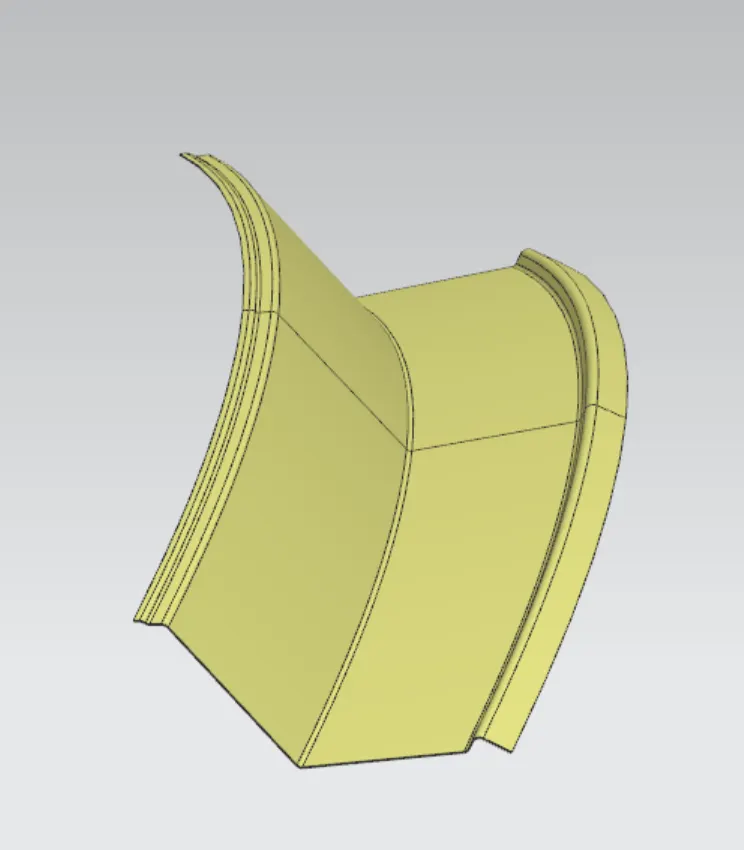
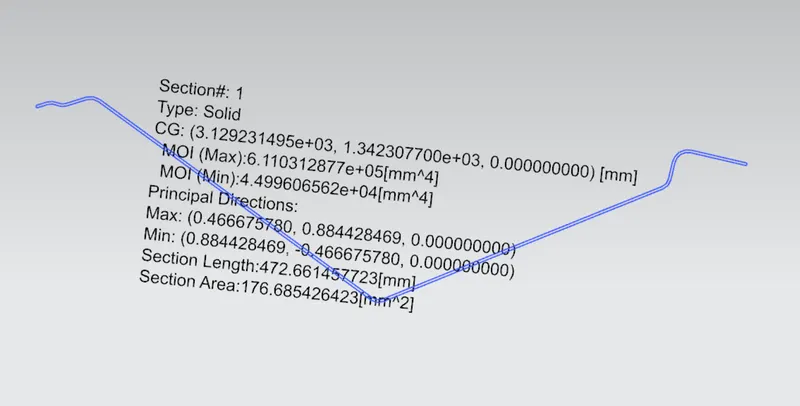
Section Inertia Analysis
Front Roof Rail:
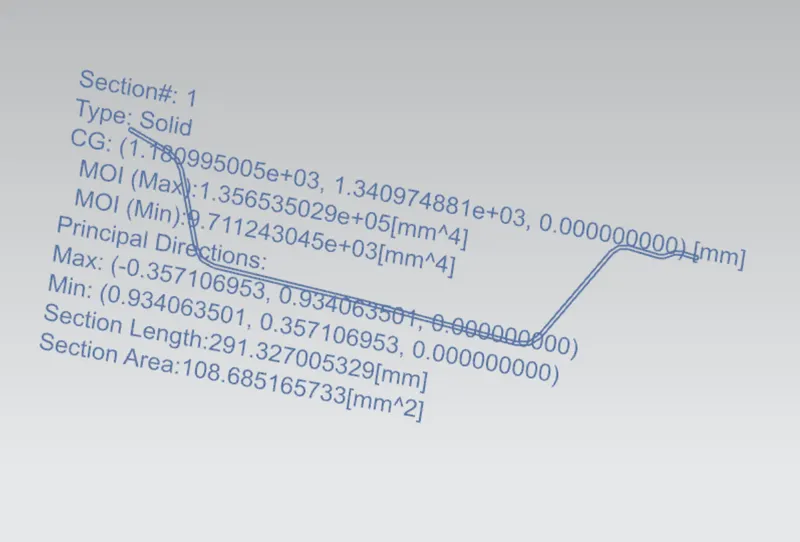
Bow Roof 1:
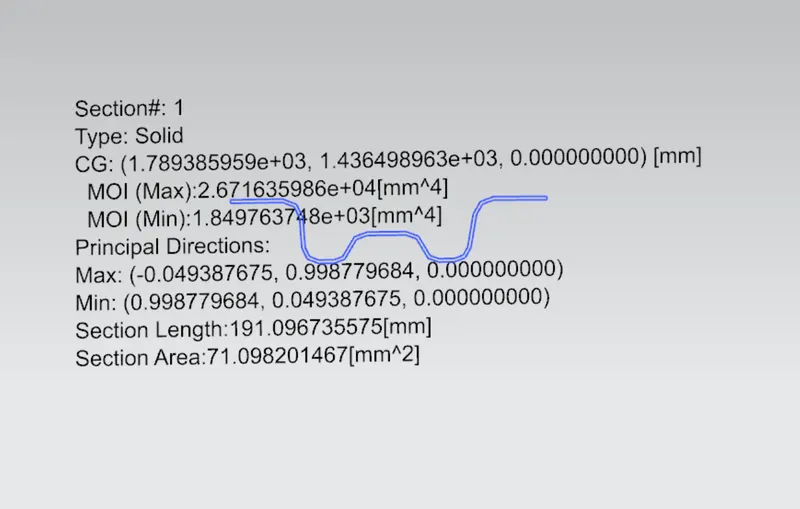
Center Bow roof:
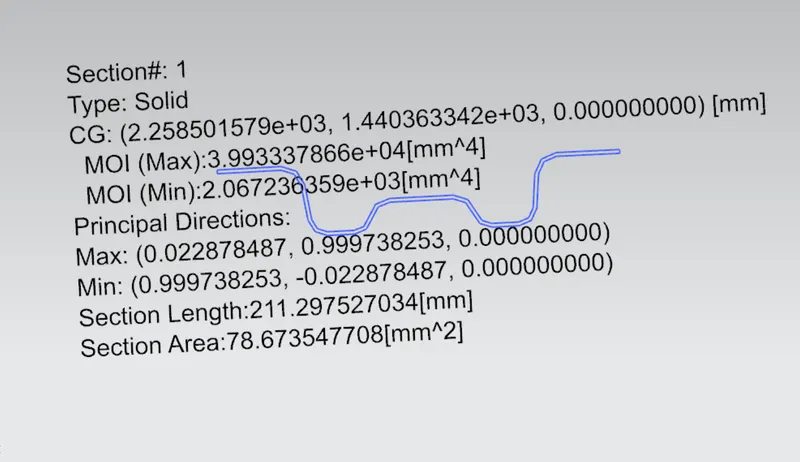
Bow Roof 2:
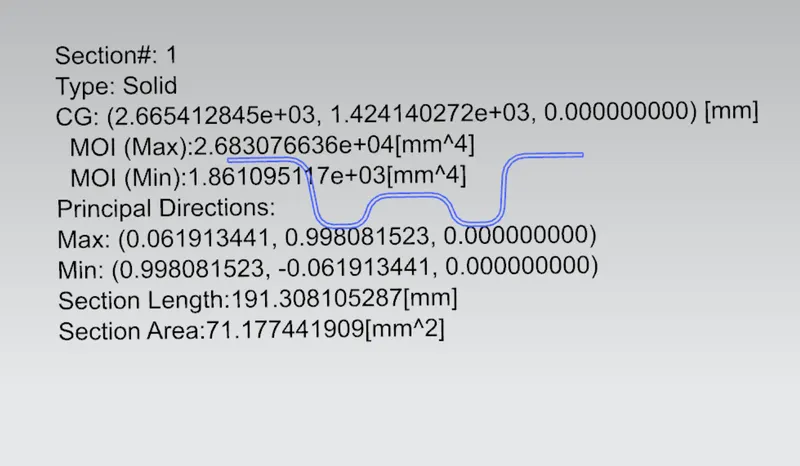
Rear Roof Rail:
Curvature study on the Roof:
Heat Distortion Calculations
Bow–Roof Prediction Formula
W = [1.73 x 10^(-3) x L] + [1.85 x 10^(-8) x (R^2)/t] + [ 1.10x10^(-3) x l] - 2.68
Where,
L = Roof Length in X-Direction[mm](Roof dimension in 0-Y)
R = Roof curvature
R = 2(Rx*Ry)/(Rx+Ry)
Rx = X curvature
Ry = Y curvature
t = Roof plate thickness [mm]
l = Bow Roof Span [mm]
Judgment Condition
OK< 2.7
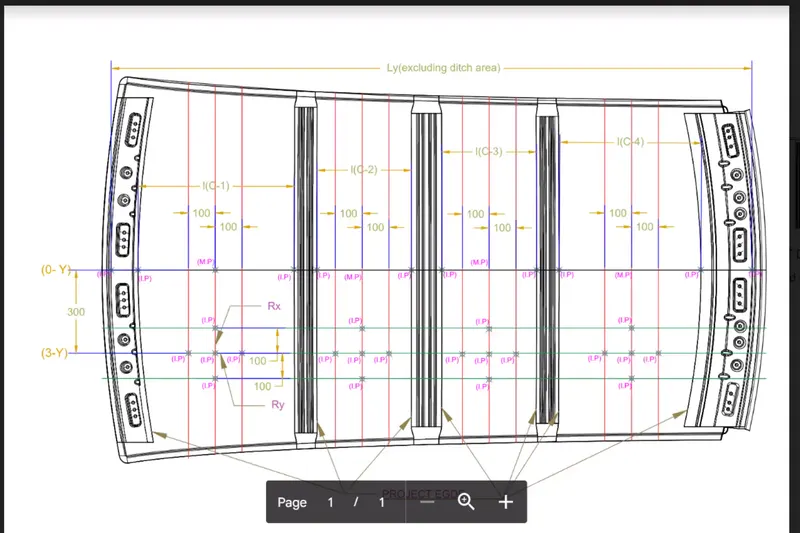
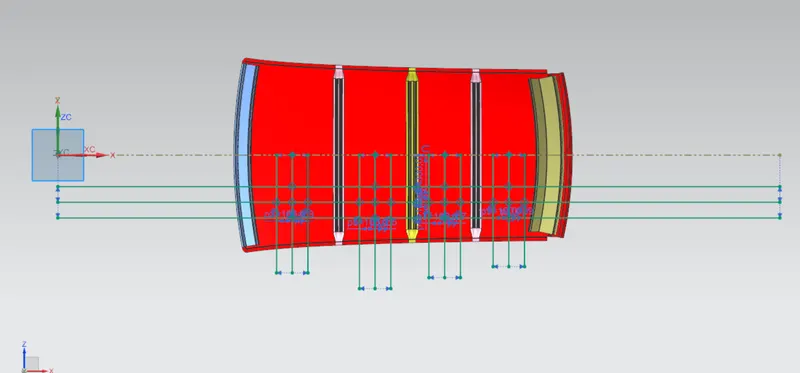
| SI.no | L | Rx | Ry | R | t | I | W | Clearence |
| 1 | 2031.153 | 9976.412 | 2976.5528 | 4585.099633 | 0.75 | 526.331 | 1.93 | Pass |
| 2 | 2031.153 | 2769.8749 | 15672.6312 | 4707.736307 | 0.75 | 394.3415 | 1.81 | Pass |
| 3 | 2031.153 | 3894.8656 | 11001.5575 | 5753.003599 | 0.75 | 332.3031 | 2.02 | Pass |
| 4 | 2031.153 | 3285.1892 | 4578.8412 | 3825.61076 | 0.75 | 346.2025 | 1.58 | Pass |
- It is clearing the heat distorsion value less than 2.7
Snow load Calculations
Snow Load Prediction Formula
Qr = [Iy x t2] / [α x s x [(Rx + Ry)/2]2 x 10-8]
Note: The Qr value given over here is correct. There was a typo error in the formula given in the video.
Where,
α = My x Lx2 x 10-12 , My = Y(Ly-Y)
t = Roof plate thickness [mm]
Ly = Distance between the front and rear roof Rails on the Vehicle along with 0Y[mm]
Length of Roof panel with the center point between Roof rail Front /Rear as the front and rear reference point.
Lx = Distance between the Left and Right end of the roof on the Roof BOW [mm]
The width of the roof panel is exposed on the surface.
Y = Distance front Front Roof Rail to Roof BOW[mm]
s = Distance for which Roof BOW bears divided load [mm]
s = L1/2 + L2/2
Iy = Geometrical moment of inertia of Roof BOW (Y cross-section )[mm4]
Rx = Lateral direction curvature radius of roof panel Y cross-section on Roof BOW [mm]
Roof panel curvature Radius of the Length Lx in Front view
Ry = Longitudinal Direction curvature radius of the Roof panel X cross-section on Roof BOW [mm]
Roof panel X curvature radius of length s in Side view
Judgment condition
Qr ≥ 3.1
250 ≤ s ≤ 380
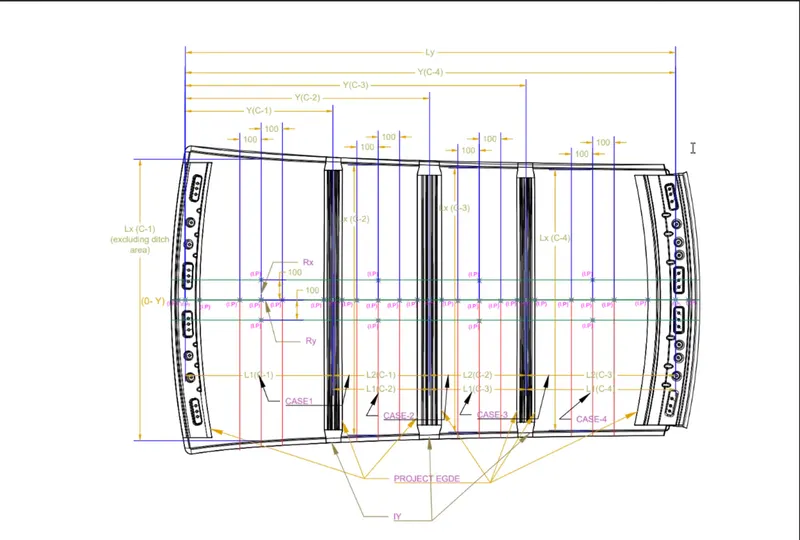
| SI.no | Lx | Ly | L1 | L2 | Rx | Ry | R | Iy | Y | My | α | t | S | [Iy x t2] | [α x s x [(Rx + Ry)/2]2 x 10-8] | Qr | Clearence |
| 1 | 1128.3424 | 1933.8574 | 598.6219 | 469.218 | 4287.887 | 2992.1743 | 3640.0307 | 1849.7 | 598.6219 | 799301.2 | 1.017636 | 0.75 | 533.92 | 1040.456 | 71.99105 | 14.45 | pass |
| 2 | 1078.37 | 1933.8574 | 469.218 | 406.9614 | 5401.3672 | 7166.5379 | 6283.9526 | 2067.2 | 1067.8399 | 924768 | 1.075396 | 0.75 | 438.0897 | 1162.8 | 186.0361 | 6.25 | pass |
| 3 | 1056.2012 | 1933.8574 | 406.9614 | 459.0561 | 4308.0369 | 6207.7976 | 5257.9173 | 1861 | 1474.8013 | 677016.5 | 0.755253 | 0.75 | 433.0088 | 1046.813 | 90.41006 | 11.58 | pass |
- It is also passing the snow load prediction of value greaater than equal to 3.1
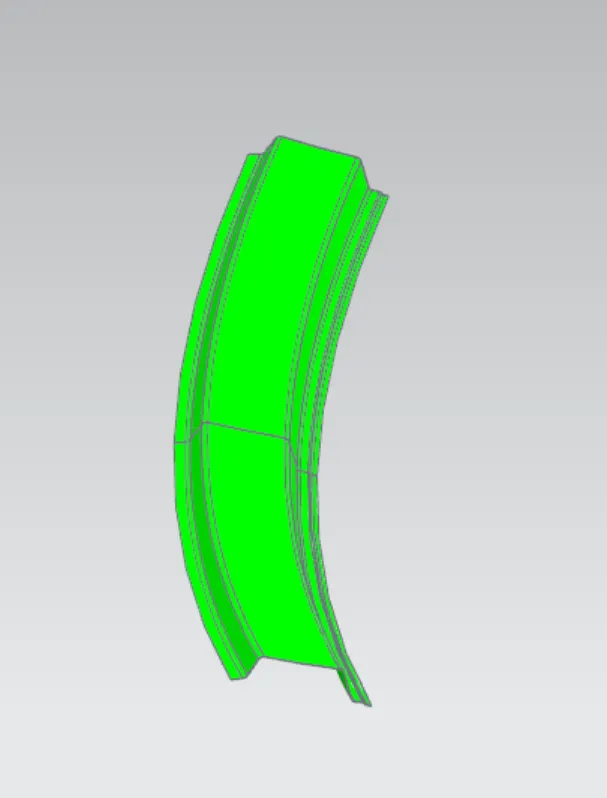
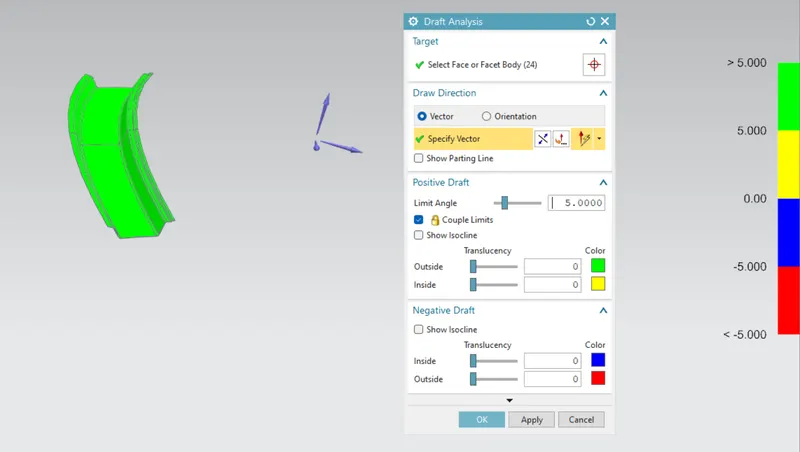
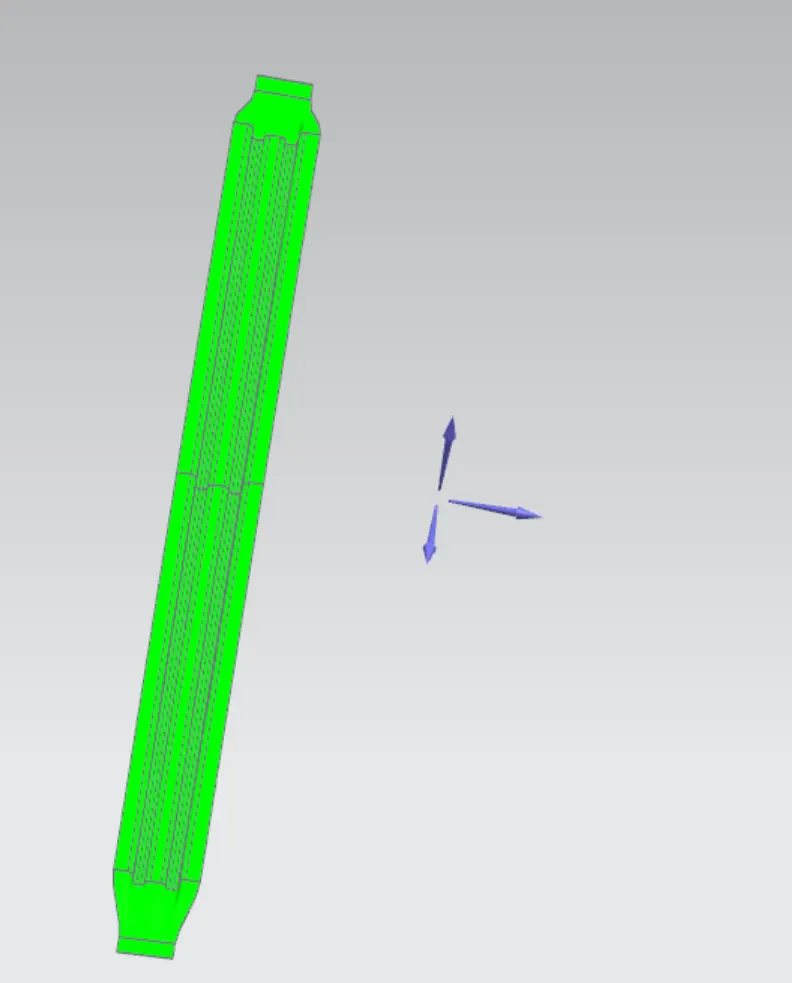
Draft analysis:The fundamental manufacturing procedure for the outer and inner portions of the roof is stamping and deep drawing, therefore we need to consider draught angle while designing the roof components. If we don't offer enough draught angle, then producing the parts will be highly challenging and expensive.
Front Roof Rail
Bow Roof 1:
Bow Roof 2:
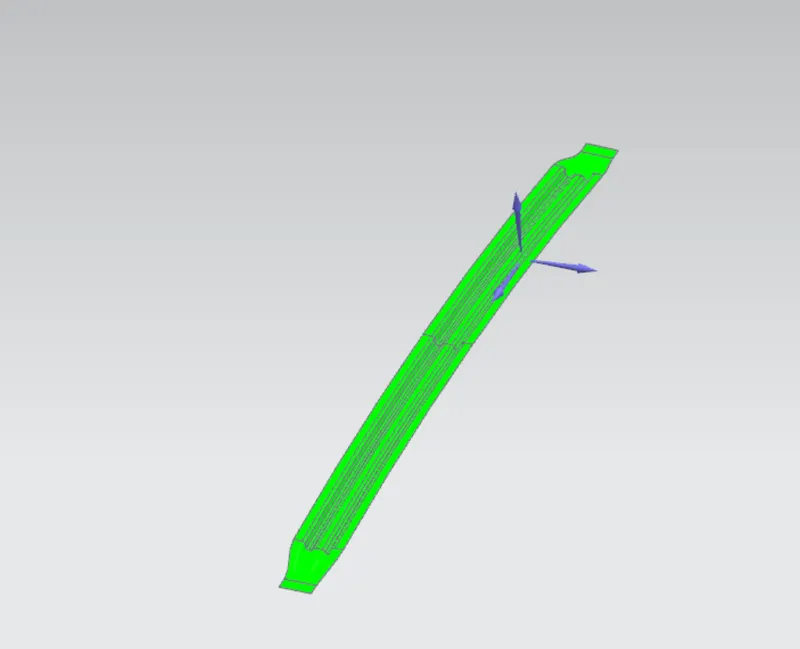
Center Roof Rail:
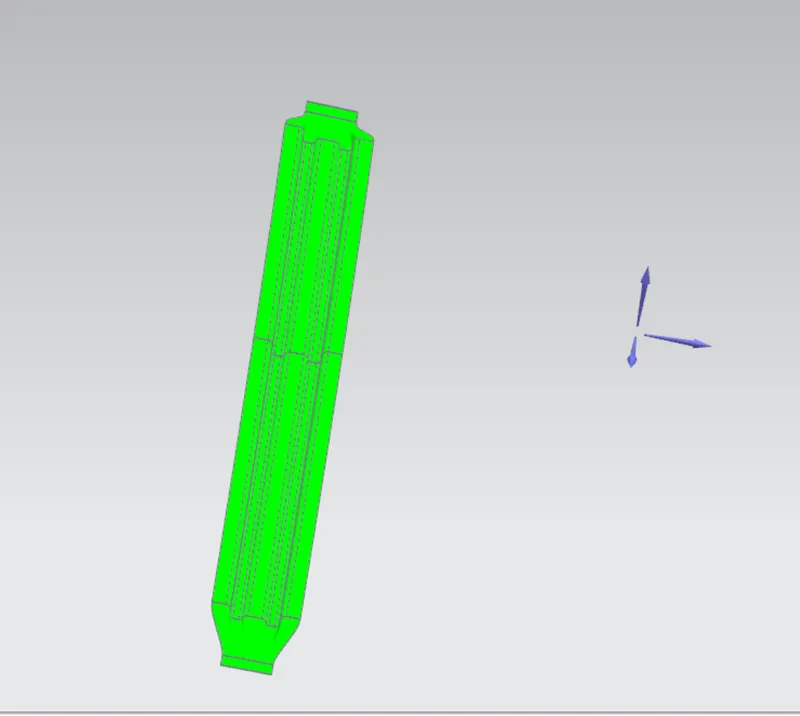
Rear Roof Rail:
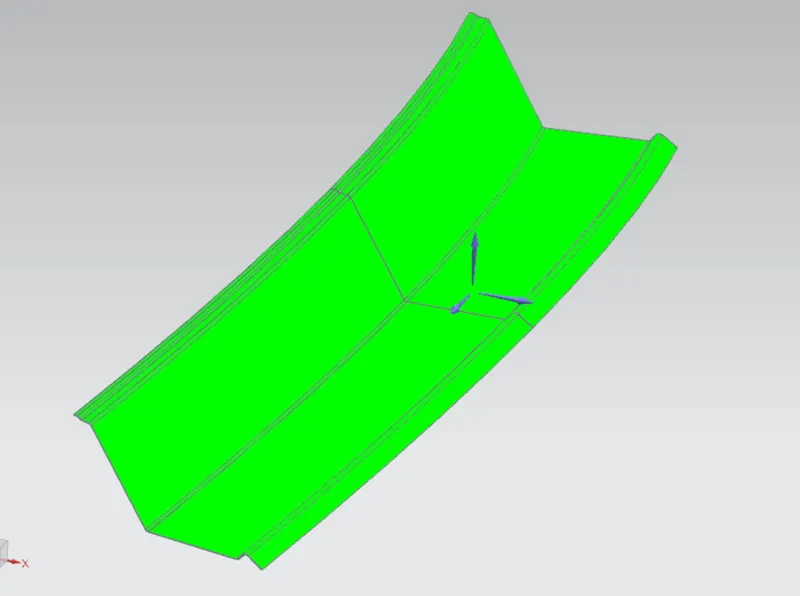
Final images