Project 8
1.
1. Introduction
The automobile industry is undergoing a rapid transformation, driven by advancements in technology. This report provides an overview of the current technologies incorporated in the automobile industry and explores future trends that are expected to shape the future of mobility.
2. Current Technologies
2.1. Electric Vehicles (EVs)
- Current State: Electric vehicles are gaining significant traction in the market. Companies like Tesla have pioneered EV technology, offering long-range electric cars with impressive performance.
- Key Features: High-capacity batteries, fast-charging infrastructure, and advancements in electric drivetrains.
2.2. Advanced Driver Assistance Systems (ADAS)
- Current State: ADAS technologies enhance vehicle safety and driving experience. Common features include adaptive cruise control, lane-keeping assist, and automatic emergency braking.
- Key Features: Cameras, sensors, and radar systems for real-time data collection and decision-making.
2.3. Connectivity and Infotainment
- Current State: Modern vehicles are equipped with advanced infotainment systems that offer connectivity features such as Apple CarPlay, Android Auto, and in-car Wi-Fi.
- Key Features: Touchscreen displays, voice recognition, and integration with smartphones for seamless connectivity.
2.4. Autonomous Vehicles
- Current State: While fully autonomous vehicles are still in the testing phase, many cars already feature semi-autonomous capabilities like advanced parking assistance and highway autopilot.
- Key Features: LiDAR sensors, radar systems, and AI algorithms for navigation and decision-making.
2.5. Advanced Materials
- Current State: Automotive manufacturers are using advanced materials such as carbon fiber and lightweight alloys to improve fuel efficiency and overall vehicle performance.
- Key Features: Enhanced strength-to-weight ratios, contributing to both safety and efficiency.
2.6. Augmented Reality (AR) in Head-Up Displays
- Current State: Some vehicles incorporate AR technology into head-up displays, providing drivers with real-time information like navigation instructions and safety alerts directly on the windshield.
- Key Features: AR overlays, transparent display technologies, and gesture controls.
3. Future Trends
3.1. Electric and Autonomous Convergence
- Future Trend: The integration of electric and autonomous technologies is expected to rise, leading to fully autonomous electric vehicles (AEVs).
- Key Features: Enhanced battery technology, AI-driven autonomous systems, and robust charging infrastructure.
3.2. Vehicle-to-Everything (V2X) Communication
- Future Trend: V2X communication will enable vehicles to communicate with each other and with the surrounding infrastructure, enhancing safety and traffic efficiency.
- Key Features: Dedicated short-range communication (DSRC), 5G connectivity, and cloud-based communication.
3.3. Advanced AI and Machine Learning
- Future Trend: AI and machine learning will play a crucial role in improving vehicle autonomy, personalization, and predictive maintenance.
- Key Features: Deep learning algorithms, neural networks, and AI-powered in-car assistants.
3.4. Sustainable Materials and Design
- Future Trend: The industry will continue to emphasize sustainability, with a focus on using eco-friendly materials and designing vehicles with a reduced environmental footprint.
- Key Features: Recyclable materials, bio-based components, and eco-conscious manufacturing processes.
3.5. Edge Computing for In-Car Processing
- Future Trend: Edge computing will enable in-car processing, reducing dependence on centralized cloud services and improving real-time data processing for various applications.
- Key Features: In-car processors, edge AI, and low-latency computing.
4. Conclusion
The current technologies in the automobile industry reflect a shift towards sustainability, connectivity, and advanced safety features. Future trends indicate a convergence of electric and autonomous technologies, enhanced communication systems, and a continued focus on sustainable practices. As the automotive industry evolves, the integration of cutting-edge technologies will redefine the driving experience and shape the future of mobility.
2.
1. Cybersecurity Threats:
Problem:
As vehicles become more connected, the risk of cybersecurity threats, including hacking and data breaches, increases.
Solution:
- Advanced Security Protocols: Implement advanced cybersecurity measures, including robust encryption, secure communication protocols, and regular software updates.
- Collaboration with Tech Experts: Collaborate with cybersecurity experts and technology companies to continuously assess and enhance the security of vehicle systems.
2. Sustainable Material Sourcing:
Problem:
The automotive industry's reliance on materials like rare earth metals may pose environmental and ethical challenges.
Solution:
- Exploration of Alternative Materials: Invest in research and development to explore alternative, sustainable materials that are environmentally friendly and ethically sourced.
- Circular Economy Practices: Adopt circular economy principles, promoting the recycling and reuse of materials to minimize the industry's environmental impact.
3.
Target user :
Rich old peoples (40-60)
Mood & Inspiration Board:

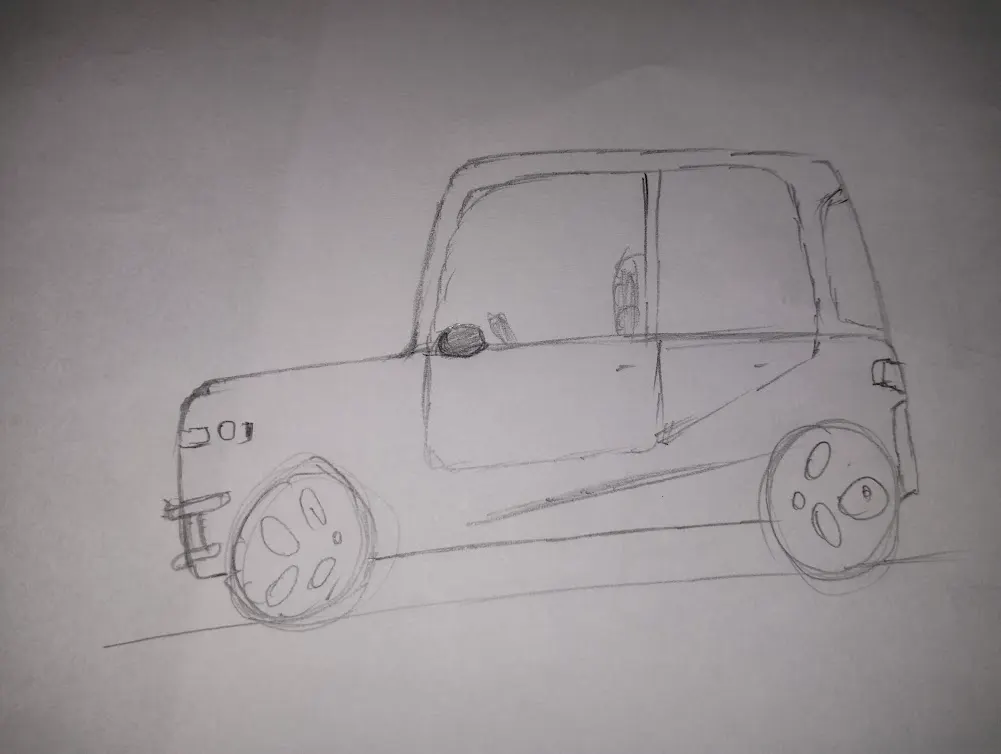
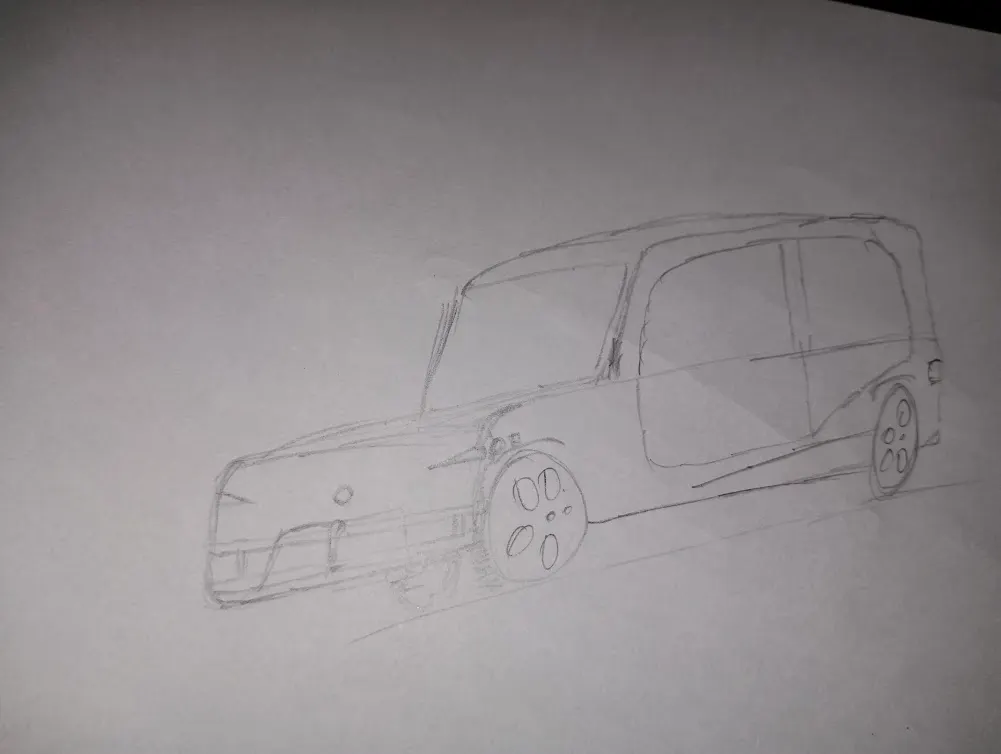
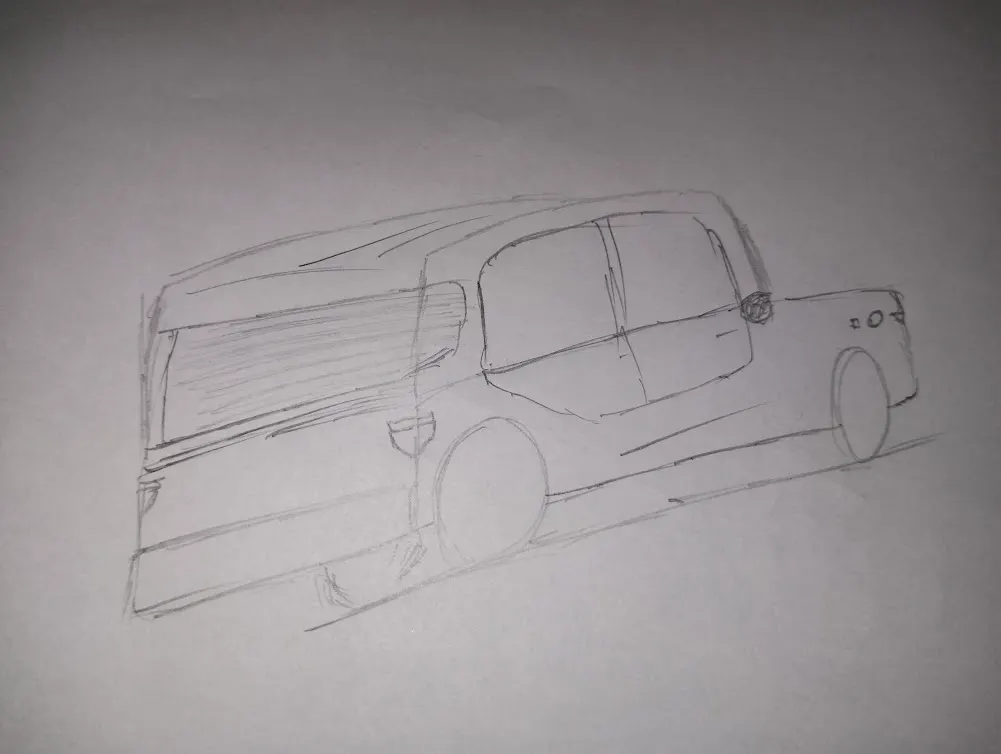
4.Design