Project 8
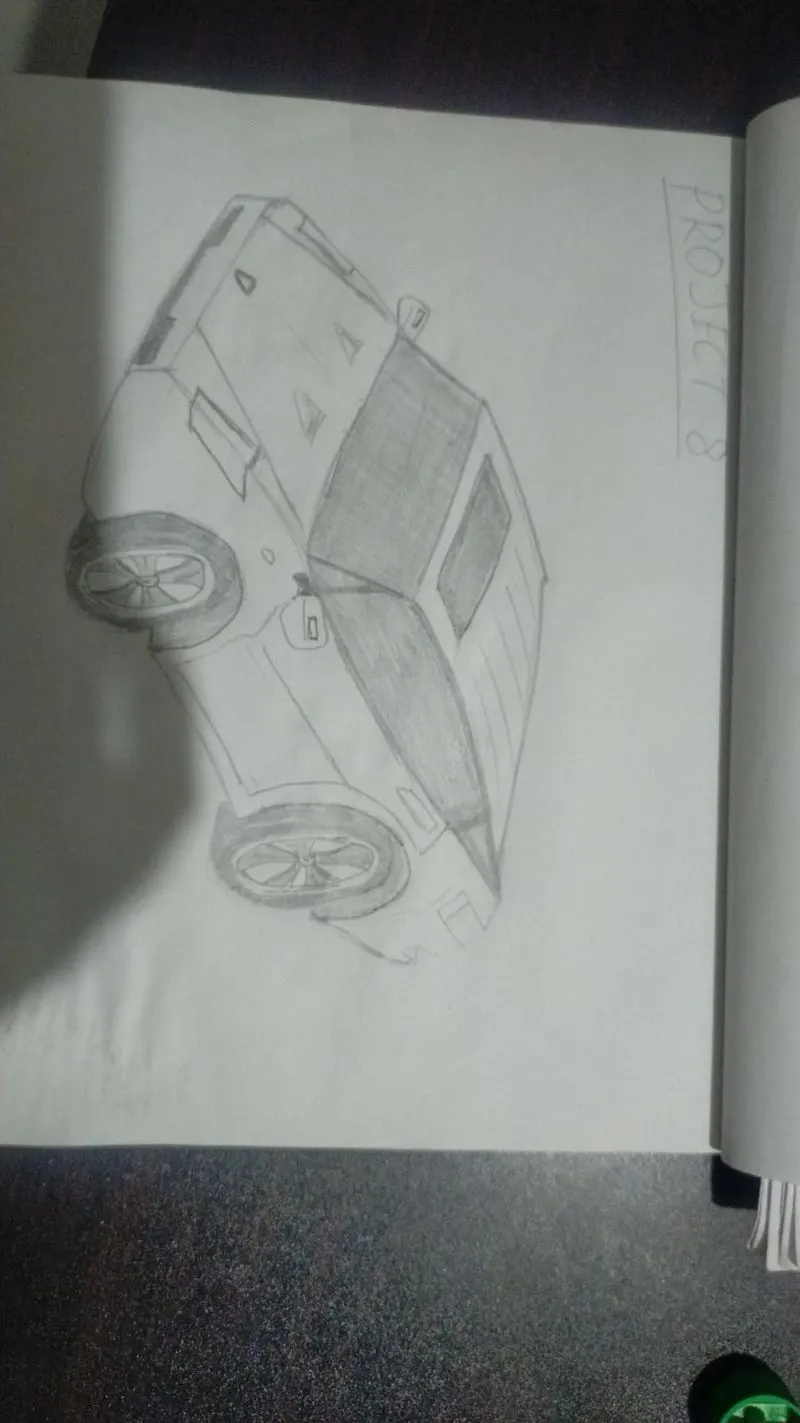
In 2023, the automotive industry will face global headwinds such as the energy crisis, slower global demand, and ongoing supply-chain issues. Despite these challenges, global new-vehicle sales are projected to remain flat, with new-car sales increasing. Sales of electric vehicles (EVs) are expected to grow, although governments may restructure their incentive programs. Increased government focus on charging networks will be needed to support the expanding EV fleet. As UN regulators lift their speed limit, the autonomous vehicle sector will take a step forward. Let’s have a sneak peek at car industry trends that will shape 2023.
Increasing production of digital vehicles
Automakers and technology giants like Google and Tesla are incorporating more digital technology into their vehicles. This has created a competition to develop automotive software and digital systems to power and control innovative electric vehicles, resulting in cars produced in 2023 and beyond being full of technology to address digital touchpoints.
Rise in online sales
North American and European automakers offer consumers the option to buy vehicles online without visiting dealerships. With a computer or smartphone, buyers can choose desired features, secure financing, and even take virtual walk-around and test drives. In 2023, more dealerships are expected to offer online sales, vehicle inspection and home delivery.
The rising preference for pre-owned/used cars
The demand is highest for vehicles under four years old, which have the latest technologies but are less expensive than new cars. This includes pre-owned electric and hybrid vehicles, and dealerships now offer certified pre-owned cars that look and function like new ones at a lower cost. Low APR financing options make pre-owned vehicles an attractive choice.
Rise in connected cars
Connected cars are vehicles that use wireless means to connect to the Internet of Things. They offer a safe, comfortable, and convenient multimedia experience with on-demand features that allow users to browse the web while in their vehicle. They provide various features such as remote diagnostics, vehicle health reports, 4G LTE Wi-Fi hotspots, turn-by-turn directions, and warnings of car health issues. The technology has already processed over a billion customer requests and is set to grow rapidly in 2023 with predictive intelligence and maintenance technology.
Rise in autonomous self-driving cars
Self-driving vehicles are becoming increasingly common and will continue to do so in 2023. Research has indicated that autonomous cars are safer, reduce downtime, expand the last-mile delivery scope, and improve fuel efficiency by 10%. Additionally, several trucking companies have tested self-driving technology, and it will soon become commonplace, with fleets of autonomous trucks sharing the road with traditional vehicles.
Launching of fuel cell EVs
Fuel-cell electric vehicles are set to emerge worldwide in 2023 due to their faster recharge, longer range, and zero emissions. Major car, truck, and SUV manufacturers are investing in fuel-cell electric vehicle development, with the support of countries like China, Germany, Japan, South Korea, and the United States. This could be the year when fuel-cell electric vehicles finally break through.
More automakers collaborating with tech companies
Automakers and technology companies are forming partnerships due to the constantly evolving tech requirements in vehicles. This is especially necessary for electric, connected, and autonomous vehicles, which require specialized software and advanced technology to function safely. To avoid massive investments in their technology divisions, manufacturers are partnering with tech companies to design and produce the new operating systems necessary for the next generation of technologically advanced vehicles. More partnerships are expected in 2023.
FUTURE TRENDS
Self-driving Cars
A car that operates on obeying commands is the next asset you want to acquire. Imagine having free hands which you can use on anything while running your errands.Google and Audi successfully tested this technology on their cars, which means it promises more incredible things. The self-driving car uses ultrasounds, lasers and radar to gather information about the driving experience.If there are objects ahead, the car avoids them automatically to avoid collisions. In doing so, you only need to give commands and bum! You get to your destination.If you want comfort alongside a drive, a self- driving car will give you that. This car reads road signs, gets to traffic lights and finds alternative routes faster than a human can.It’s an intelligent technology you can’t wait to have yet as it saves you lots of hassle. Driverless cars will reduce many highway accidents caused by distracted drivers. Imagine having to spend fewer hours in traffic?Self-driving cars can drive close to each other and act as a unit. As more space is not used up, they reduce congestion on the roads.
Augmented Reality Cars
Commonly referred to as AR, this system uses in-car displays to relay information on enabled dashboards. If a car is fast approaching and you are almost on a head-on collision, AR comes into play.By showing a red box when you get too close to a car, the car alerts that all is not well. It also gives arrows to show the best route to take down the road.All this happens to help you stay focused on driving.The future is bright for car lovers with augmented reality cars in mind of top car companies.These cars are projected to use GPS systems to detect an object through the windshields. Augmented reality cars relay information on the windscreens then give suggestions to the driver.For instance, they can tell the model of the car ahead of you, how slippery the road is, and how wide the road is. Consequently, you can decide how to maneuver the road.AR dashboards will not only provide data on windshields but also facilitate inspection of car machinery like engines. They will then offer possible steps to fix any problem found.
Ultra-classic Airbags
Ultra-classic airbags help stop cars when accidents threaten. The friction in the bags helps to stop the car or slow it down.To prevent accidents, today there are more versions of airbags including seatbelts, airbag, knee airbag, curtains airbag and underneath airbag. Mercedes has the incoporate airbags as an active safety measure.Since this technology uses already existing parts of the car, it’s possible to see it in place soon. Isn’t having technology that can lift the car to 8 centimeters high during a collision good enough?As a result, the car won’t dip when you hit hard brakes. It also helps passengers stay intact in their safety belts.
Inter-Vehicle Communication System
Intercommunication between cars is a future innovation to look forward to. With the use of signals, cars can pass information to each other. They can do this to improve safety on the roads.
Incorporating V2V communication means your vehicle is in a better position to detect impending danger before you. It can even go ahead and hit the brake abruptly on your behalf.Since all the cars will have signals in them, accidents will reduce as the cars share the information in real-time. Technology innovators are also considering intercommunication between cars and infrastructure.Cars communicate to traffic lights or roads through wireless signals. As a result, automotive safety standards increase as all the factors cooperate to achieve this goal.Besides, V2I can request for access to traffic details from the Traffic Management System. Using this information, V2I can tell the best routes to use thus, improving safety.
Use of Cars with Energy-storing Body Panels
Hybrid cars are the next big thing.However, there’s a problem they bring with them. The heavyweight of lithium-ion batteries which takes up too much space makes the car a challenge.Therefore, researchers are looking for technology to counter this. Using cars with energy-storing body panels is a perfect option to save energy and space.These panels will replace the batteries – taking up too much space – while serving the same purpose. After installing the energy-storing body panels, the car’s weight reduces by 15 percent.
Compared to old car batteries, the panels will charge faster and will be made of polymer fiber and carbon resin. These are strong materials to use in vehicles.You charge them by plugging this panel overnight then recharging the car when need be. Also, the energy-storing panels can capture energy from regenerative braking. This innovation seeks to make cars more energy-efficient and lighter, to cut down energy use.With that said, chances are you will need to sell your current car to buy another one with the latest technology.On the other hand, if your car is compatible with the new technology, then the best route would be to get rid of the old parts without losing money. This way you can replace these parts with those that feature the new technology.
Digitally Connected Smart Cars
Technology is responsible for the digital offerings in cars, in the age of shifting from hardware to software cars.Having to download apps from the Play store is as cool as enjoying unlimited Wi-Fi experience in your car. Aside from the fun drives, your car can reply to emails and work-related stuff on your behalf.At least this is how convenient the smart car will be. It will check on your health, provide entertainment, and keep you connected to the world, alongside giving you comfort. What’s even more exciting is keeping you connected to the cloud. I don’t think there’s anything that beats the ability to control devices in your house from your car. Well, that’s what a digitally connected cars offers.
The Bottom Line
The automobile industry is set for new heights with various technologies in place. The driverless car, augmented reality dashboards, cars that store energy in the paneland connected smart car are some of the offerings.Such technologies harness car safety and make you enjoy every part of your ride. With efforts to make your car rides the best, researchers will stop at nothing.Ideally, some of the technologies above are in prototypes and will soon be in the market. Also, top companies tested them, and yes, they are worth the yearning. A change is as good as rest. It’s now time to wait for future car technologies that aren’t here with us yet.
PROBLEMS AND SOLUTION
According to industry experts, creating a digital twin of the product and the production can solve the challenges of EV manufacturing by blurring the boundaries between design and manufacturing, merging the physical and digital worlds. Digital twins of the production process and production system are the key to driving operational efficiency improvements through factory of the future concepts. These digital twins capture the physical asset performance data from products and factories in operation. The data from smart connected products in the field and factory equipment is aggregated, analysed and integrated into product design as actionable information, creating a completely closed loop decision environment for continuous optimisation. This comprehensive digital twin comprises many digital threads that weave together cross-domain engineering between mechanical, electrical and software domains along the product and production lifecycle. Data analytics, cloud, and Internet of Things (IoT) enable closed loop performance engineering that spurs continuous improvement of design, manufacturing and performance. Such a comprehensive digital twin enables manufacturers to plan and implement manufacturing processes for new lightweight designs and modular vehicle platforms while reducing the costs of battery production and coordinating across deep supplier ecosystems.
Finding inspiration for design projects is one thing. Organizing it and turning that inspiration into a more cohesive base for creating a design that wows clients and users is an entirely different beast.
The solution? Mood boards.
Mood boards are physical or digital collages that arrange images, materials, text, and other design elements into a format that’s representative of the final design’s style. Sometimes called inspiration boards, mood boards can be used for creating brand design, product designs, website designs, and pretty much any other type of design project. I’ll share an overview of how to use them in your work, along with inspiring mood board examples.
Purpose of a Mood Board
Mood boards can serve many purposes, starting with organizing the inspiration around a project. They can be a valuable resource throughout the design project, to help keep the style and aesthetic consistent and on track with a client’s goals and expectations.
Mood boards are also an excellent way to refine a project’s style before diving into the actual design process. They’re a much lower investment than mockups and prototypes in terms of resources and time and can convey a lot about the look and feel of the final design.
Mood boards are also an excellent way to convey design ideas to clients. When a web designer says “minimalist” or “Grotesk fonts” or “realism,” a lot of clients will be completely clueless as to what that means. But show them a mood board that incorporates those things and they immediately understand and can express whether they love or hate the ideas.
Finally, mood boards can also ensure that design teams are all on the same page when working on a project together. One designer’s idea of minimalist might be a lot more maximalist than their colleague’s.
How to Create a Mood Board
There isn’t just one way to make a mood board. They come in all different formats, shapes, and styles. Some designers create them digitally while others create physical collages. For those who create mood boards digitally, there are a number of options available, from Photoshop templates to dedicated apps.
What to Include on a Mood Board
Every mood board is different, and what a designer chooses to include will vary based on the project. A brand mood board might include a lot more elements than one for a package or website design. The important thing is to include as many elements as needed to convey the look and feel of the design being created.
Here are some ideas for things to include in a mood board:
Images: These can include brand images, stock photography, product images, photos found on Instagram or other photo sharing sites, illustrations, and even things like logos.
Colors: Incorporating the design’s color palette is an important part of most mood boards and can be included as swatches or incorporated into images and other design elements.
Visual Metaphors: Visual metaphor are an important part of modern advertising and branding, and can be included if appropriate.
Words: Words that tie into the brand or message that should be conveyed can be an important part of any mood board.
Fonts: Designers should include specific fonts (or at least general font styles) into their mood boards for any design where the text will be prominent.
Textures: Any textures or patterns a design will incorporate should be included in the mood board.
Explanations: As needed, explanations for elements included in the mood board can add context and make it easier to see how all of the different parts will work together toward the end design.
Settling on a theme can bring cohesiveness to the mood board as well as to the final design based on it. The theme should be closely tied to the goals of the design or brand, though it can be abstract. For example, a kids’ clothing site might have a jungle or carnival theme, but that doesn’t mean it needs to have tigers or clowns incorporated. Instead, its theme board could include things like natural textures or primary colors.
Collecting Mood Board Inspiration
Mood board ideas can come from virtually anywhere. Designers often keep swipe files of inspiration, which is a great place to start. Otherwise, look to places like stock photo sites, design galleries, color palette sites like coolers.co or Design Seeds, the physical environment and physical objects, typography galleries like typewolf, and even social media (Instagram and Pinterest can be particularly ripe grounds for finding design inspiration).When collecting inspiration for a mood board, designers should keep the goals of the finished project in mind. They should also keep in mind things like brand values and who the target user will be. These all have a significant impact on the types of inspiration collected.For example, a website design for a corporate law firm will likely have a significantly different tone and style than one for a street fashion site aimed at teenagers. If designers don’t keep these differences in mind when they begin working on a mood board, the finished board likely won’t resonate with their client. Not every element on the mood board has to relate directly or literally to the finished design. Finding images that evoke a feeling or general style are just as important as specific fonts, colors, and design elements.
Mood Board Formats
Mood boards can be created in physical or digital formats. There are pros and cons to either one. Physical mood boards can help digital designers think outside the confines of a screen. These can be excellent for projects taking a lot of inspiration from the physical world. But it can also require a lot of printing and a bit more mess to create. Physical mood boards can also be harder to archive or share with clients or other team members (the best sharing option is often to take photos of them). Digital mood boards, on the other hand, can sometimes limit a designer’s creativity, in the sense that they’re going to be using the same tools they use on a daily basis, which may mean they’re using the same mindset they always use. In some cases that won’t be a bad thing, but when trying to come up with a truly unique design, it can be a hindrance. Digital mood boards are really easy to share, though, as they can simply be exported as an image file and shared (and some programs allow sharing directly).
Mood Board Software
There are a number of software options for creating mood boards. You can use virtually any design program you’re already using (there are templates available for most of them, too). Other options include:
- Pinterest. Creating a board for each project is a great way to organize ideas found online. Boards can be made public or private (and shared with specific individuals).
- Moodboard. Create free mood boards with no account needed. There are templates to help get started or create one from a blank design.
- Moodzer. Moodzer is new to the scene (currently a beta app) but appears to have all the features needed to create stunning mood boards that are easy to share.
- Adobe Express. Adobe Express makes it easy to create mood boards in formats that play nicely with other Adobe products. They offer plenty of flexibility for creating mood boards in various shapes and sizes, with a library of stock photos, fonts, and design elements.
- Canva. Canva offers mood board templates and a variety of built-in fonts, design elements, and stock photos.
The software used for creating mood boards isn’t important. What is important is that it’s done in a format that sparks creativity and is easy to share with clients or other decision-makers.
Mood Boards as Communication Tools
One of the biggest advantages of creating a mood board before diving into mockups and prototypes is that it’s a valuable tool for communicating with clients and other team members. When designers create mockups and prototypes first, if the client isn’t happy with the design, it can result in not only wasted time and resources but also a loss of trust if the client feels it’s totally different from what they wanted. Creating a mood board can also prevent the dreaded “I’ll know it when I see it” syndrome with clients. Showing them a mood board gives them something to see that’s still relatively low-fi and easy to create. Designers can even create multiple mood boards if they’re entirely unsure of what the client might want. Showing clients a mood board early in the process can also mean fewer revisions to the finished designs since it can put the designer and client on the same page from the beginning of the design process. And when designers meet client expectations from the beginning (even when those expectations aren’t well articulated), the client puts more faith in the designer’s abilities.