Project 3
# Report on Automotive Technologies and Their Impact on the Industry
-Make a report on Automotive Technologies and there use in industry
1. Introduction
The automotive industry is undergoing a technological revolution, with innovations across various domains. This report explores the significance of emerging technologies, their applications, and the implications for industry stakeholders.
2. Automotive Safety Technologies
2.1 Advanced Driver Assistance Systems (ADAS)
ADAS technologies, including adaptive cruise control, lane-keeping assist, and automatic emergency braking, have become standard features in modern vehicles. These technologies enhance driver safety, reduce accidents, and pave the way for autonomous driving.
2.2 Collision Avoidance Systems
Collision avoidance systems utilize sensors and cameras to detect potential collisions and take preventive actions. These systems contribute to a significant reduction in accidents, improving overall road safety.
3. Connectivity and Infotainment
3.1 In-Vehicle Infotainment Systems
Modern vehicles are equipped with sophisticated infotainment systems that integrate entertainment, navigation, and connectivity features. Touchscreen displays, voice recognition, and smartphone integration enhance the overall driving experience.
3.2 Vehicle-to-Everything (V2X) Communication
V2X communication allows vehicles to communicate with each other and with the surrounding infrastructure. This technology improves traffic flow, reduces congestion, and enhances overall road safety.
4. Electric and Hybrid Technologies
4.1 Electric Vehicles (EVs)
The rise of electric vehicles is transforming the automotive landscape. With advancements in battery technology, EVs offer sustainable and energy-efficient alternatives to traditional combustion engine vehicles.
4.2 Hybrid Powertrains
Hybrid vehicles combine traditional internal combustion engines with electric propulsion, providing increased fuel efficiency and reduced emissions. This technology serves as a transitional solution towards widespread EV adoption.
5. Autonomous Driving
5.1 Levels of Autonomy
Autonomous driving technology has evolved across different levels, from basic driver assistance to fully autonomous vehicles. The industry is actively working towards achieving higher levels of autonomy, promising a future of self-driving cars.
5.2 Artificial Intelligence (AI) in Autonomous Vehicles
AI plays a pivotal role in enabling autonomous vehicles to perceive and respond to their environment. Machine learning algorithms and neural networks are employed for decision-making, making AI a critical component of autonomous driving systems.
6. Industry Implications and Challenges
6.1 Market Dynamics
The integration of advanced technologies has led to increased competition among automotive manufacturers and technology companies. Those who successfully navigate these dynamics will be better positioned for success.
6.2 Regulatory and Ethical Considerations
The rapid development of automotive technologies raises important regulatory and ethical questions. Clear guidelines and industry standards are essential to ensure the responsible deployment of technologies such as autonomous driving.
7. Conclusion
In conclusion, automotive technologies are reshaping the industry in unprecedented ways. Stakeholders must embrace innovation, navigate regulatory challenges, and anticipate evolving consumer expectations to thrive in the rapidly changing automotive landscape.
-Make all the components of interior like Steering, door panel etc.
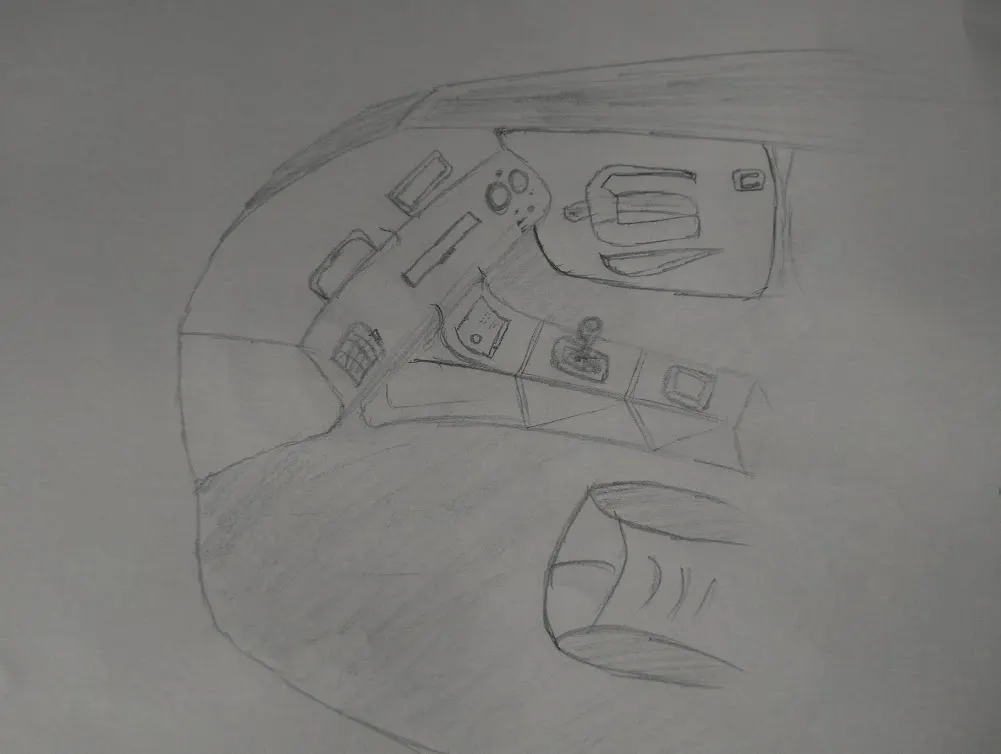
-Practice sketching on the digital media but stick to pencil n paper for now. First get your hands on this
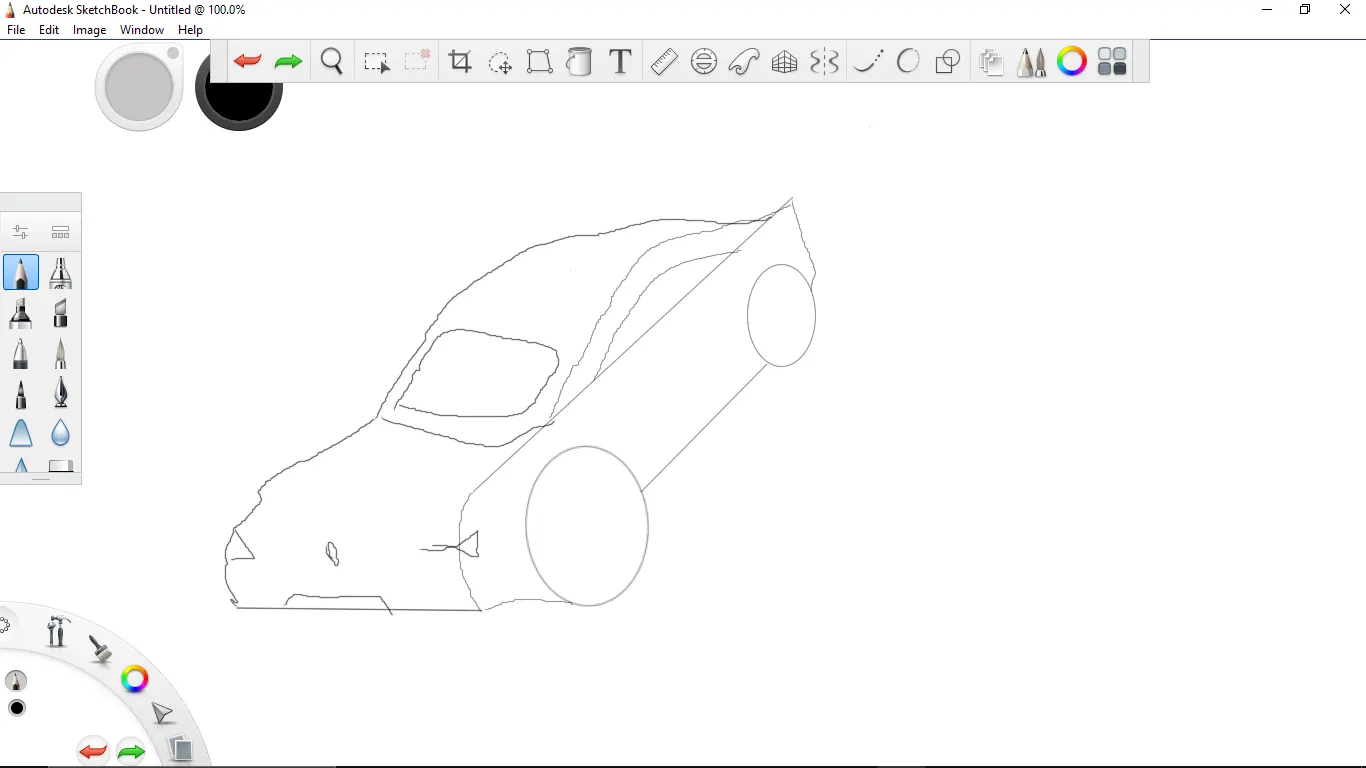
-Basic Beginner rules for sketching & Practice
Basic Rules for Sketching:
1. Start with Basic Shapes:
- Begin your sketches with simple shapes like circles, squares, and rectangles. These serve as the foundation for more complex drawings.
2. Loosen Up:
- Don't be too rigid. Allow your hand to move freely. Sketching is about capturing the essence, not achieving perfection.
3. Use Light Lines:
- Start with light, faint lines. This makes it easier to correct mistakes and gives your sketch a more organic feel.
4. Practice Consistently:
- Sketch regularly to improve your skills. Like any other skill, practice is key to becoming more comfortable with the process.
5. Observe Your Subject:
- Pay attention to the details of the object or scene you're sketching. Observe proportions, shapes, and shadows.
6. Experiment with Different Tools:
- Try various pencils, pens, and papers. Each tool gives a different texture and can evoke a unique style.
Basic Sketching Practices:
1. Gesture Drawing:
- Practice quick, loose sketches to capture the overall movement and essence of a subject. This is great for improving your observation skills.
2. Still Life Sketching:
- Set up simple objects in a well-lit space. Practice sketching the arrangement, paying attention to light and shadow.
3. Contour Drawing:
- Focus on outlining the edges of your subject. This helps improve hand-eye coordination and observational skills.
4. Blind Contour Drawing:
- Draw the subject without looking at your paper. This exercise enhances your ability to observe and translate what you see onto paper.
5. Negative Space Drawing:
- Instead of focusing on the object, draw the space around and between objects. This helps train your brain to see shapes more accurately.
6. Freeform Doodling:
- Allow yourself to doodle freely without a specific subject. This can help you develop your own style and improve your creativity.
7. Copy and Learn:
- Copy sketches or drawings from artists you admire. This helps you understand different techniques and styles.
8. Take Breaks:
- Give your eyes and hands a break. Short breaks during your sketching session can help maintain focus and prevent frustration.
9. Seek Feedback:
- Share your sketches with others and ask for constructive feedback. This can provide valuable insights and tips for improvement.