Project 2
Aim:
Mesh the suspension assembly according to the quality criteria and deploy the connections between the components.
Objective:
- Clean the geometry and clear the errors.
- Middle surfaces are extracted for the thin components and appropriate thickness properties are assigned, shell mesh is generated from the middle surfaces.
- Suspension spring is meshed with 1D CBAR elements.
- Unstructured tetra mesh with appropriate quality is generated from the thick components.
- Appropriate connections are deployed between the components.
Procedure:
- The suspension assembly model with tyre& rim, wheel hub, rotor disc, callipers, steering knuckle, control arm and other parts is imported into the ANSA work space.
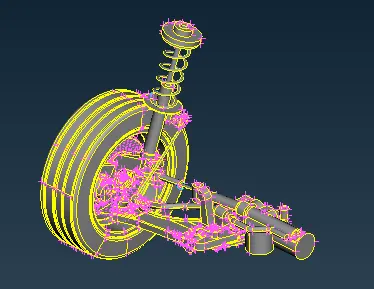
- The components are recognised based on the thickness and the mesh type being generated.
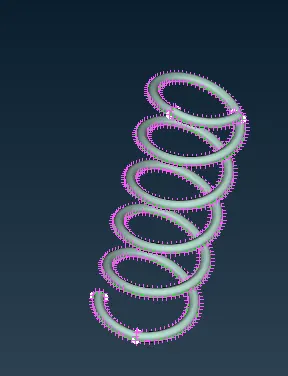
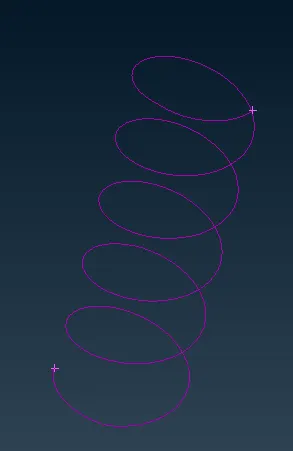
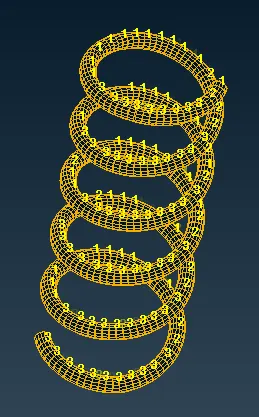
- Suspension spring is meshed with 1D elements and element length of 4 mm is used. CBAR elements are used to represent the spring element. middle curve is selected for defining the path and orientaion for the CBAR elements.
- Sleeve, control arm and a bracket are considered as thin components and the middle surfaces are extracted to represent the parent components.
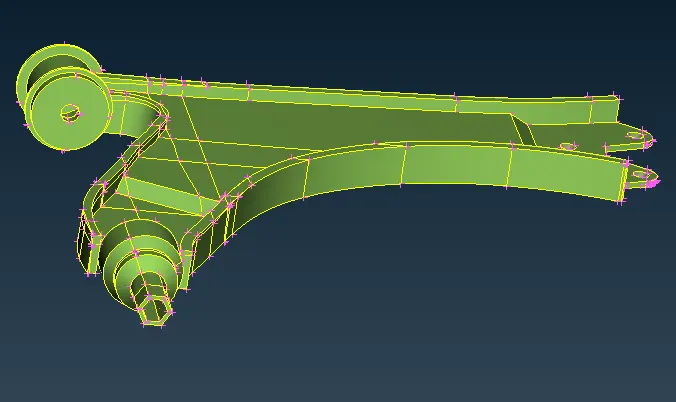
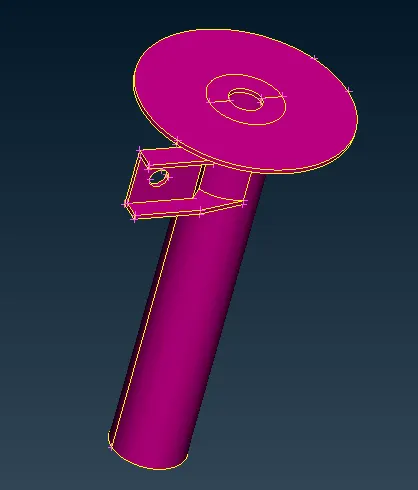
- Appropriate thickness property is assigned to the middle surface components.
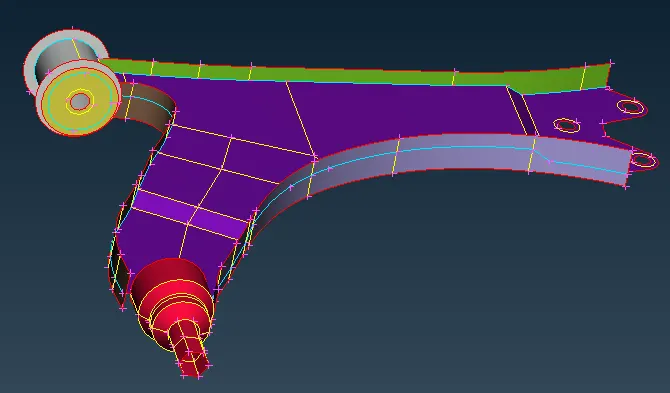
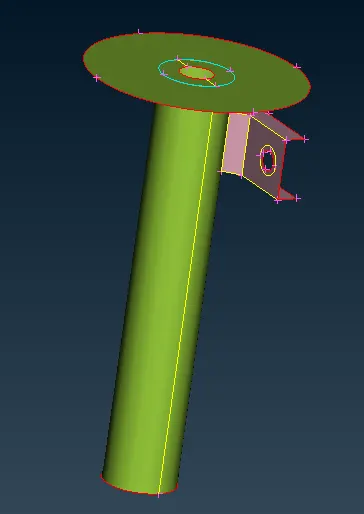
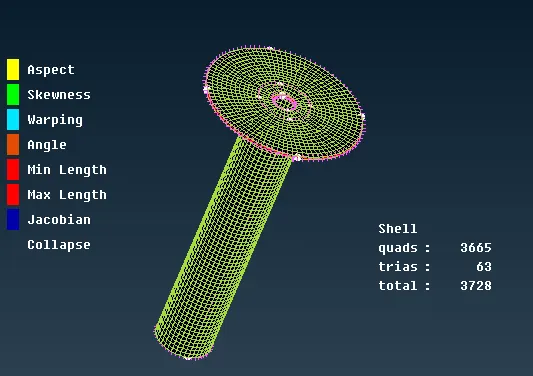
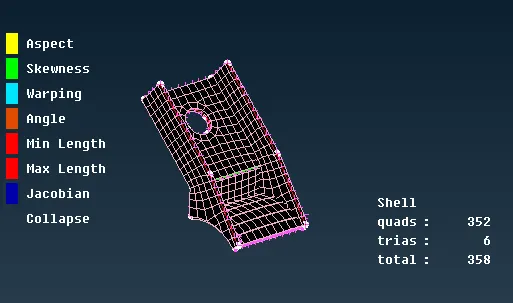
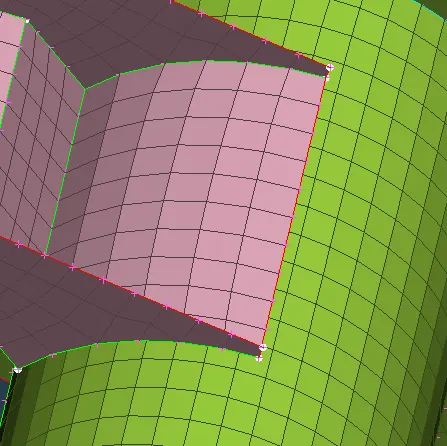
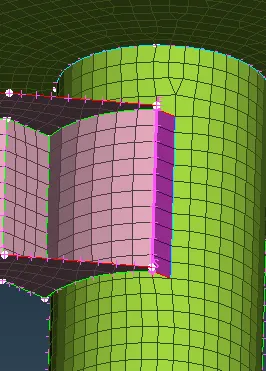
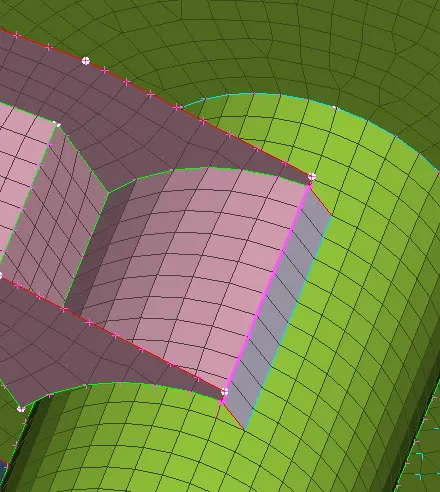
- The middle surface components are meshed with mixed type of elements according to the quality criteria.
- The middle surfaces are divided into the small surfaces and shell mesh generation from the middle surfaces are carried out. The mesh is reconstructed and the elements are manipulated to attain the better mesh flow.
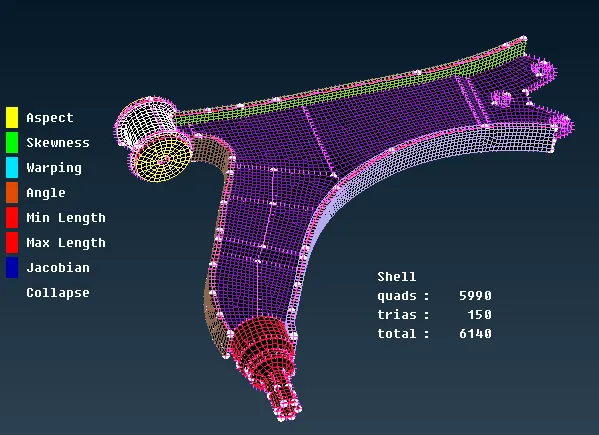
- The remaining components are meshed with unstructured tetra mesh.
- The surfaces of thick components are cleaned and divided into the small surfaces to control the mesh flow.
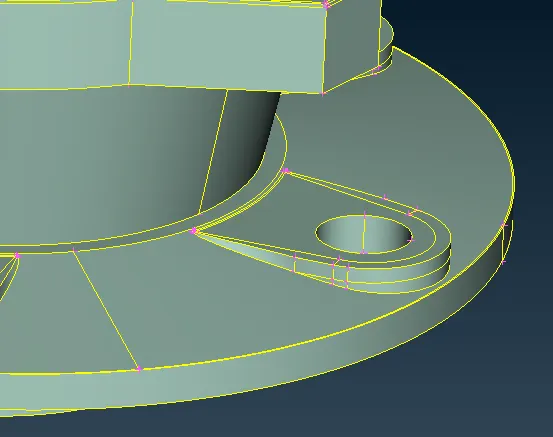
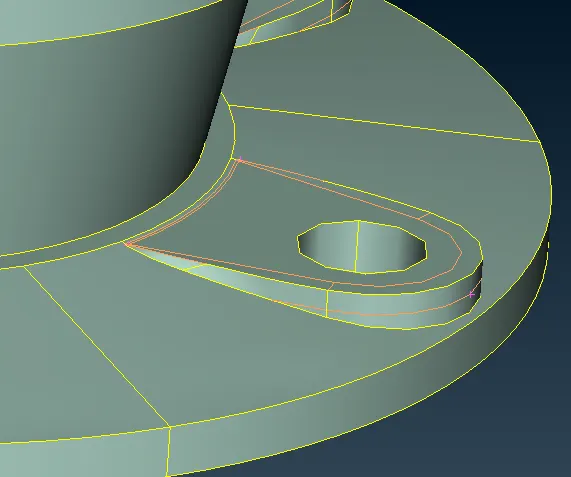
- To get better mesh, some features are deleted part is patched accodingly as these are not compatable with the given criteria. These features will not be available in the final model.
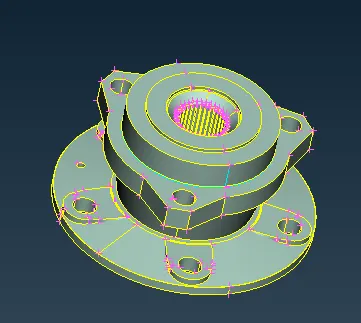
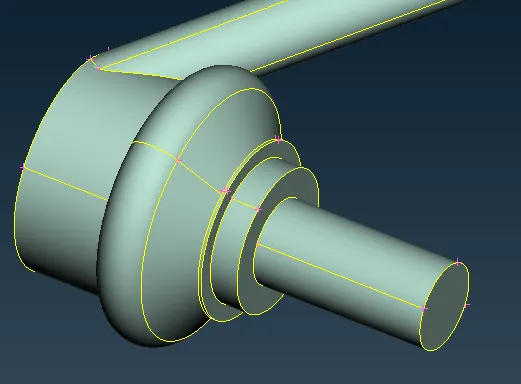
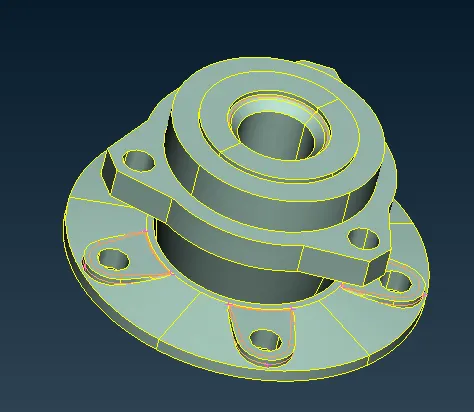
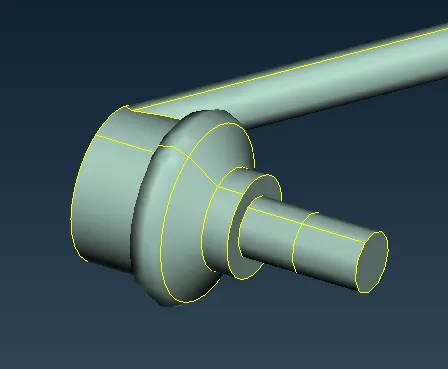
- The curved surfaces are meshed with ortho trias to capture the curvature and avoid the unwanted kinks and dips.
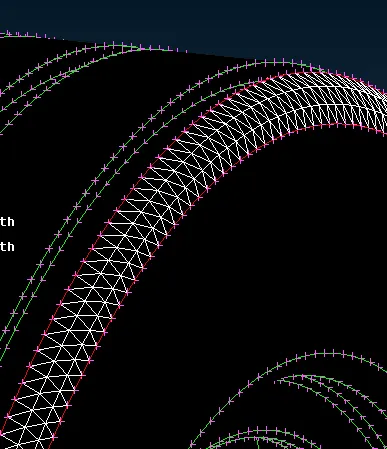
- The flat surfaces are meshed with regular trias and the tria mesh reconstructed to obtain an uniform mesh over the surface.
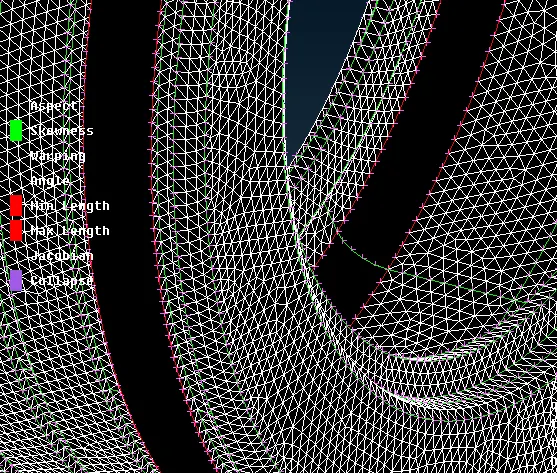
- For each component, the surface of the component volume is meshed with tria elements and the mesh is made to be a closed volume, i.e. connection between the tria elements of the component is maintained throughout the volume.
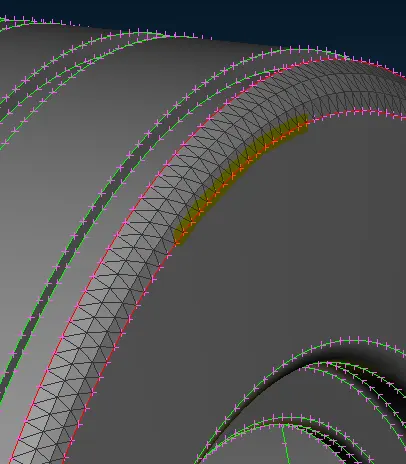
i. Element with open volume will have free bounds at the edges i.e. red boundary visible at edge of incomplete mesh.(As highlighted)
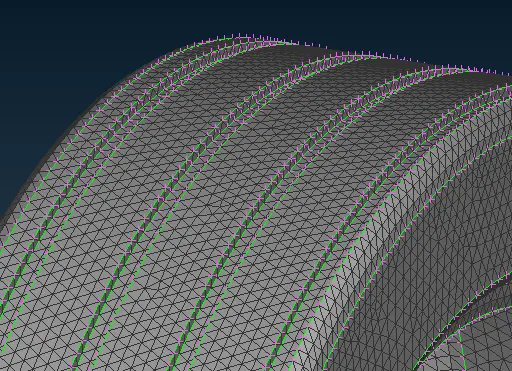
ii. Element with close volume will continuity at the edges of the elements throughout the mesh, i.e. no red boundary will available though out the mesh.
- As satisfied tria mesh is obtained, the volume for tetra mesh is defined.
- Tetra rapid algorithm is used and the tria mesh is converted into the unstructured tetra mesh. No elements are generated by violating the tet collapse criteria. Seperate PSOLID property is assigned to all the parts.
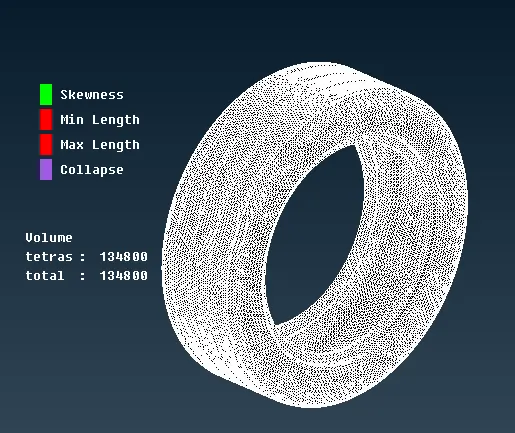
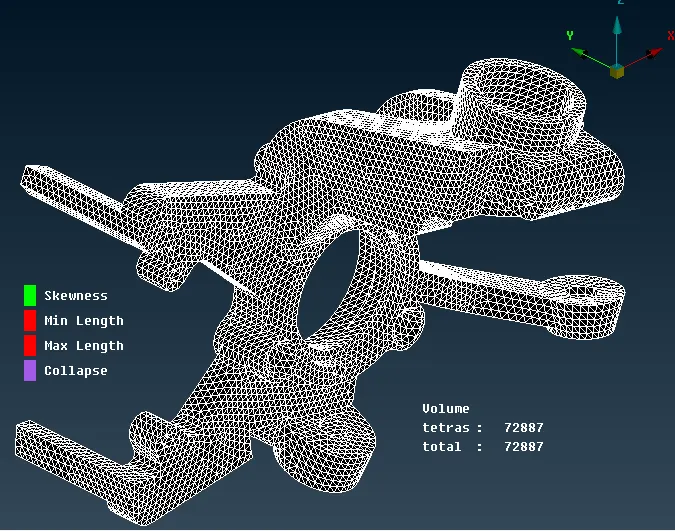
- The tetra elements of the each component are released from the volumes and stored as separate parts.
- Appropriate connections are deployed between the components.
- RBE2 cluster arrangement is deployed to define the mechanism between the components.
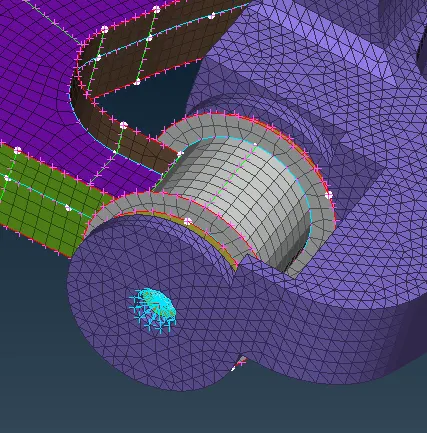
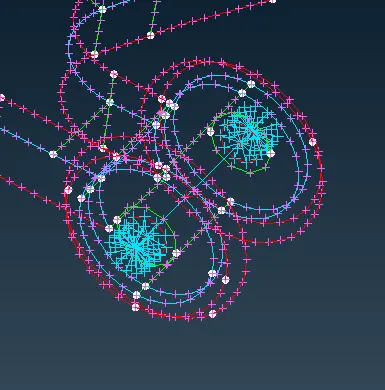
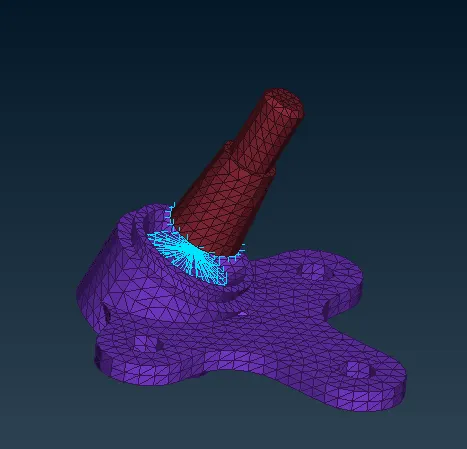
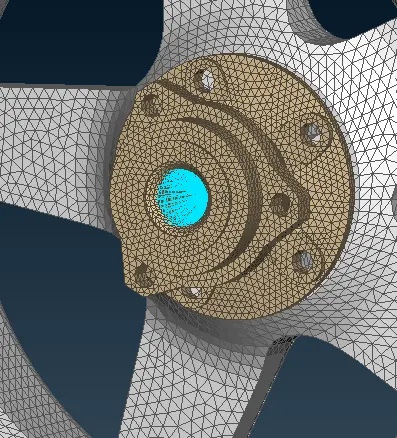
- Cluster RBE2 with 2 Node RBE2 stem arrangement is deployed to define the bolt connection between the components.
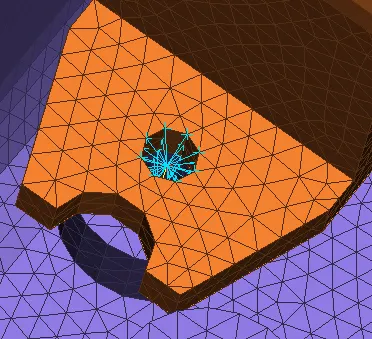
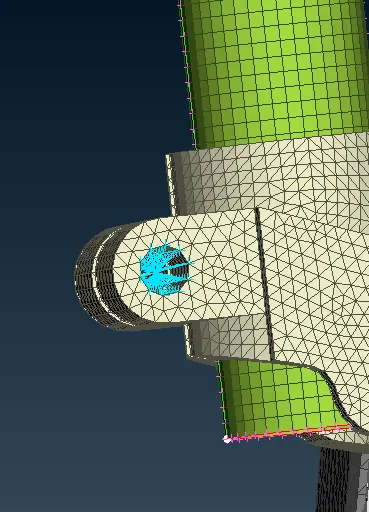
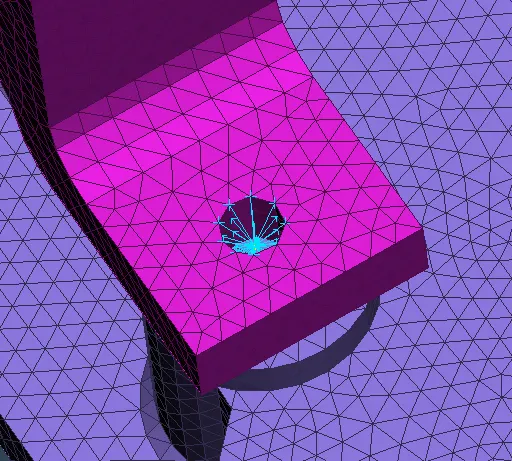
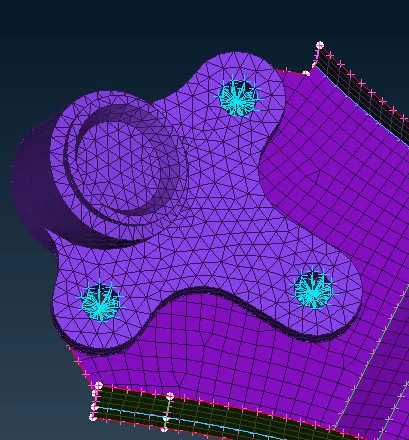
- 2 Node RBE2 arrangements are deployed to define the rigid connection between the components.
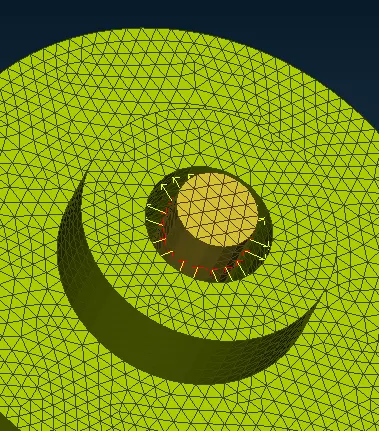
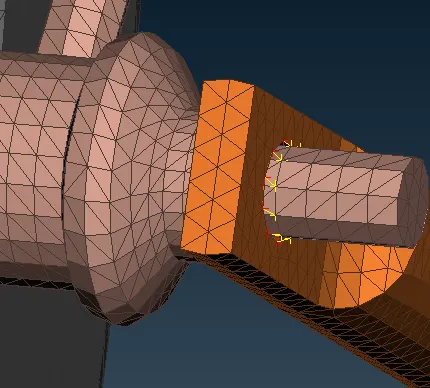
- RBE2 cluster is deployed to fix the suspension spring between the sleeve and damper plate.
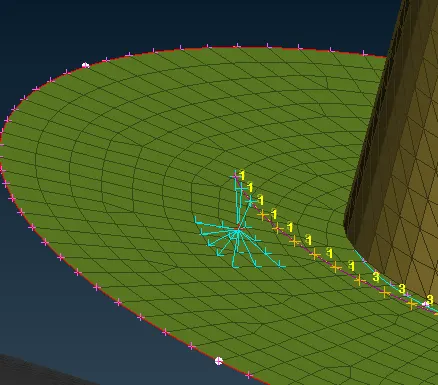
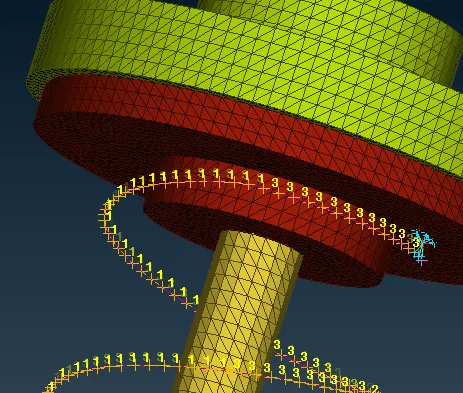
- A seam weld arrangement between the sleeve and the bracket is deployed with double row of elements. A curve from the single in the sleeve bracket is created and converted into seam line. The parent elements are reconstructed to retain the mesh flow.
Result:
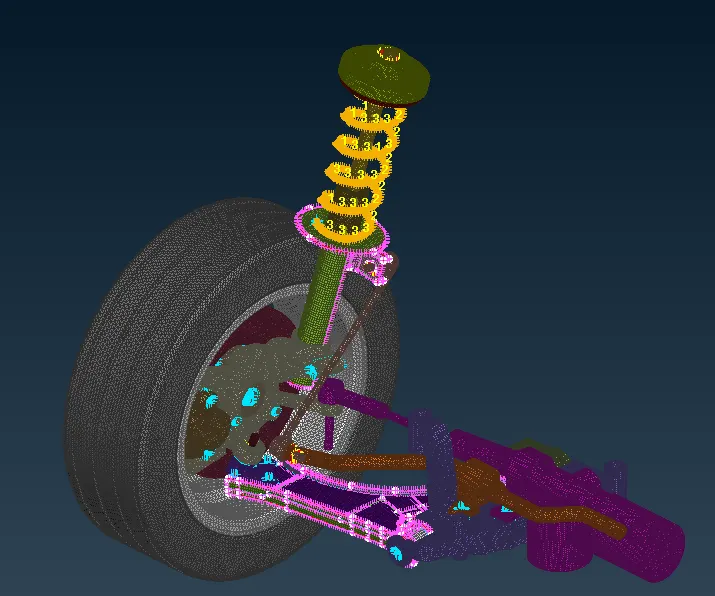
The suspension assembly is meshed with 1D CBAR, 2D Shell and 3D tetra mesh and appropriate connection are deployed between the parts of the suspension assembly.