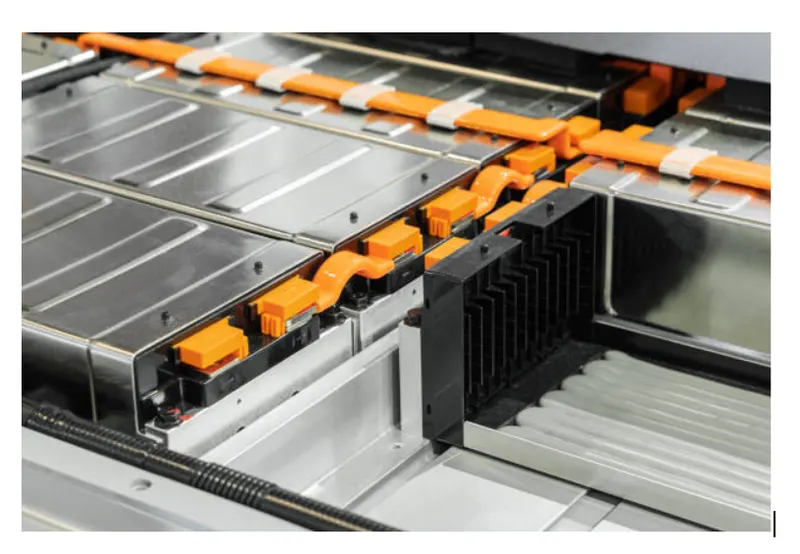
Project 1 Mechanical design of battery pack
Objective: Battery pack capacity: 18 kWh, Cell: ANR26650M1-B
Prepare a detailed battery pack drawing along with its enclosure. State your assumptions.
Solution:
Abstract: In this project we are going to calculate all the parameters which are required for the build EV Battery pack. We are using the Cell: ANR26650M1-B for our battery pack. Here we will consider all the electrical aspects like temperature, Depth of discharge, Operation current, Energy Density, Battery Capacity, State of charge (SOC), State of Health(SOH) etc.
Objective:
- Collection of data of Cell: ANR26650M1-B
- Calculating all Electrical Parameters for 18 kWh Battery Pack.
- Calculating all Physical dimensions for Battery Pack.
Theory:
An Electric Vehicle Battery (EVB) also known as a traction battery) is a rechargeable battery used to power the electric motors of a battery electric vehicle (BEV) or hybrid electric vehicle (HEV). Typically lithium-ion batteries, they are specifically designed for high electric charge (or energy) capacity.
Electric vehicle batteries differ from starting, lighting, and ignition (SLI) batteries as they are designed to give power over sustained periods of time and are deep-cycle batteries. Batteries for electric vehicles are characterized by their relatively high power-to-weight ratio, specific energy and energy density; smaller, lighter batteries are desirable because they reduce the weight of the vehicle and therefore improve its performance. Compared to liquid fuels, most current battery technologies have much lower specific energy, and this often impacts the maximum all-electric range of the vehicles.
The most common battery type in modern electric vehicles are lithium-ion and lithium polymer, because of their high energy density compared to their weight. Other types of rechargeable batteries used in electric vehicles include lead–acid, nickel-cadmium, nickel–metal hydride, and, less commonly, zinc–air, and sodium nickel chloride ("zebra") batteries.The amount of electricity (i.e. electric charge) stored in batteries is measured in ampere hours or in coulombs, with the total energy often measured in kilowatt-hours (kWh).
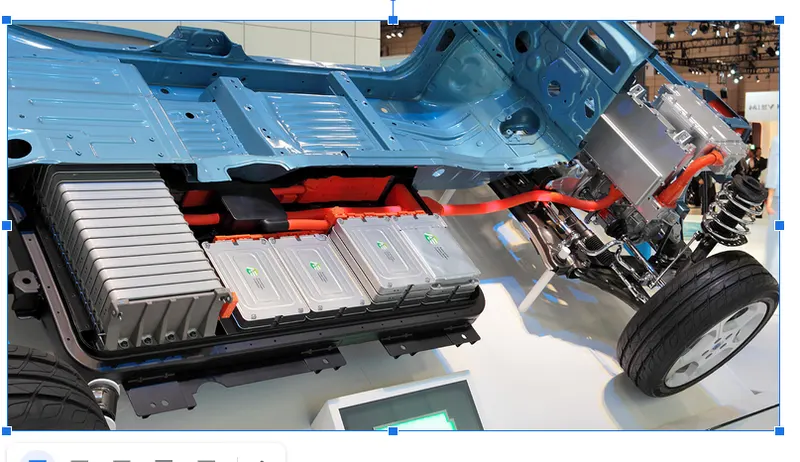
For our Electric Vehicle Battery design we are going to start from 4 core input parameters:
- Chemistry
- Voltage
- Average Energy Consumption of the vehicle on a driving cycle.
- Vehicle Range.
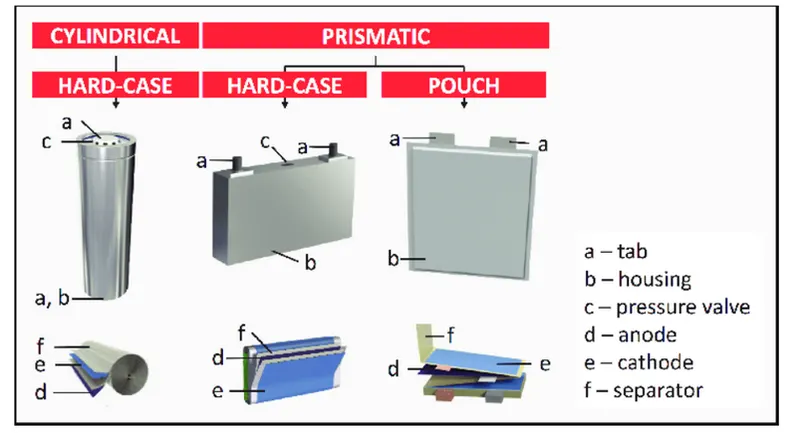
A battery cell consists of five major components: Electrodes (Anode and Cathode), Separators, Terminals, Electrolytes, and a Case.
For Automotive applications there are different types of cells using individual battery cells grouped together into a single Mechanical or Electrical unit known as Battery Module. These are connected together to form a Battery Pack.
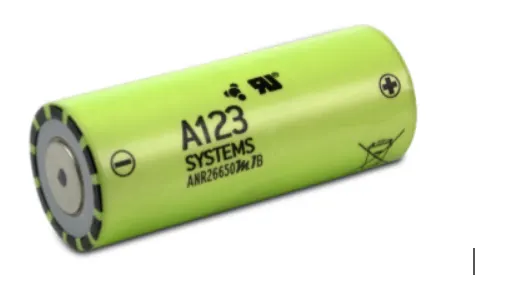
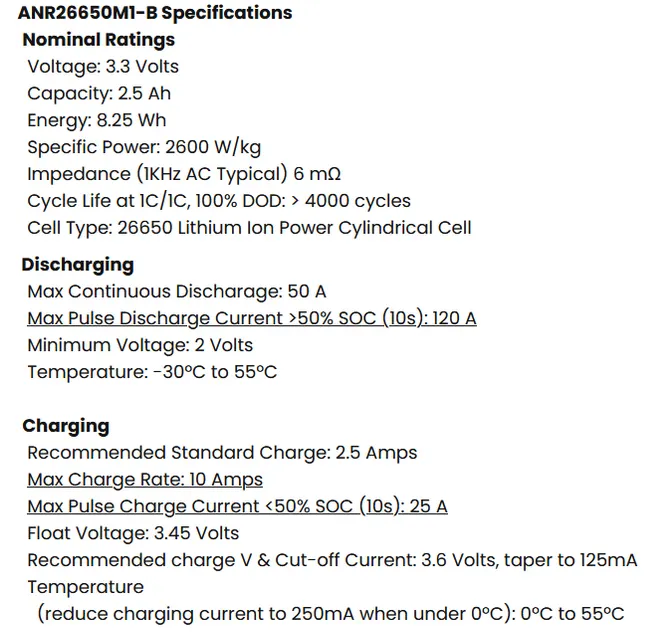
Nanophosphate® High Power Lithium Ion Cell ANR26650M1-B
A123’s high-performance Nanophosphate® lithium iron phosphate (LiFePO4) battery technology delivers high power and energy density combined with excellent safety performance and extensive life cycling in a lighter weight, more compact package. Our cells have low capacity loss and impedance growth over time as well as high usable energy over a wide state of charge (SOC) range, allowing our systems to meet end-of-life power and energy requirements with minimal pack oversizing.
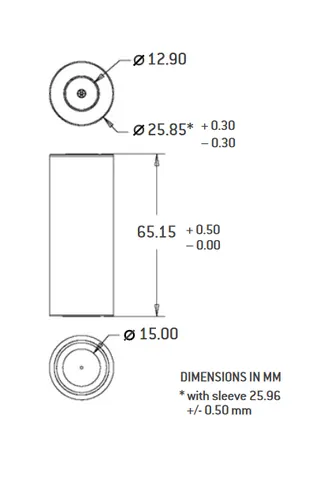
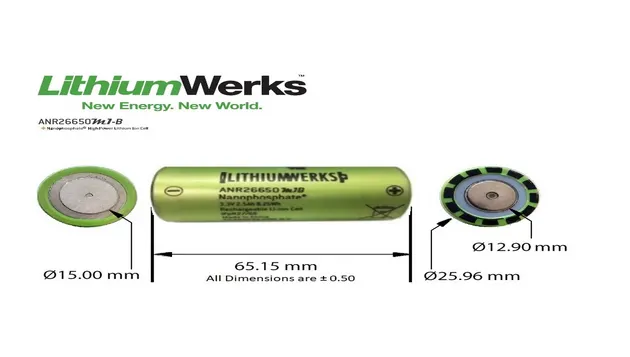
Drawing of Dimension of the Cell:
Drawing of Dimension of the Cell:
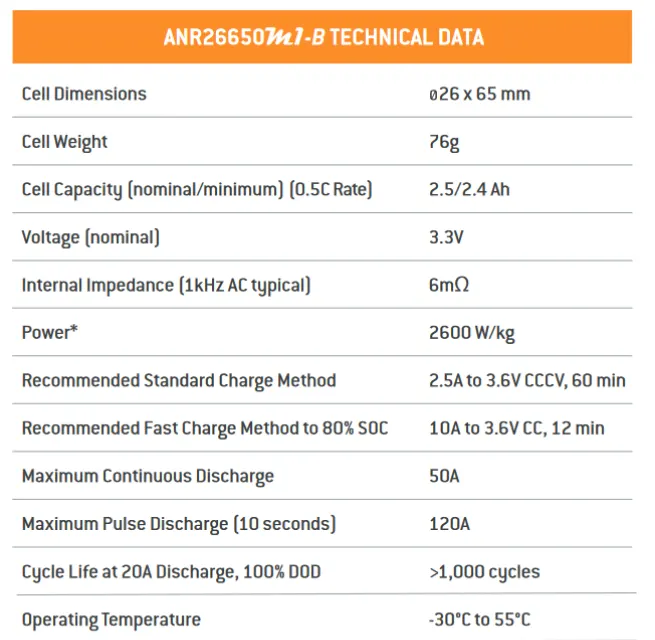
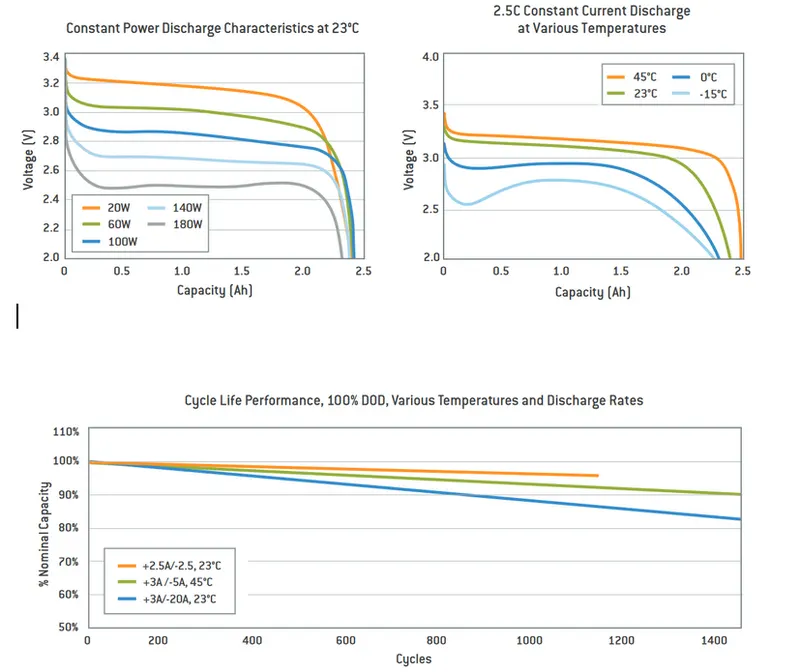
Cell ANR26650M1-B Technical Data:
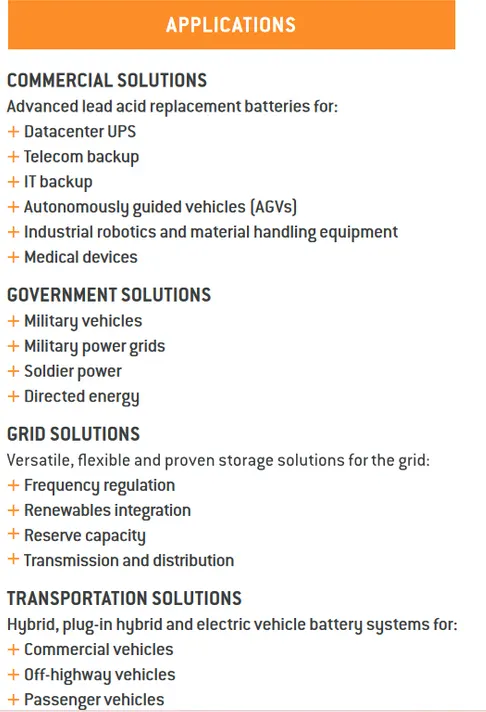
APPLICATIONS:
Dimension of the cell:
CELL CALCULATION:
Volume of the cell: For calculating Volume of the cell we are using
Volume of Cylinder Formula here r= 0.013m and h= 0.065m
V= 3.14* 0.013*0.013*0.065
V=0.000034492msqaure.
Volume of Cell = 0.000034492m square
Volume of Cell is used to Calculate the Total Energy of the Battery Pack:
Cell Energy= Cell Capacity(Ah) *Cell Voltage(V)
= 2.5*3.3 = 8.25Wh
Cell Energy= 8.25Wh.
BATTERY PACK CALCULATION:
There are 50 Cell in the Series and 44 Cells in the Parallel as we are taking the Cell ANR26650M1-B
Total no of Cell will be Series Cell* Parallel Cell
Total = 50*44= 2200
Total no of Cells will be 2200.
The Total Volume of Voltage wii be:
No of Cells in Series* Nominal Voltage
No of Cells= 50*3.3= 165V.
Volume of Voltage= 165V.
The Total Value of Current will be:
Current= No of Parallel cell*Cell Capacity
= 44*2.5= 110 Ah
The Total Value of Current = 110Ah
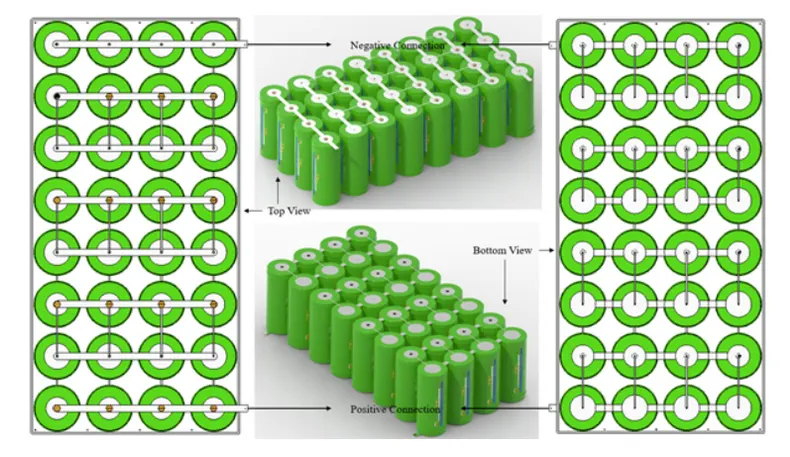
Battery Holder, Spacer for Cell Cylindrical Li- Ion.
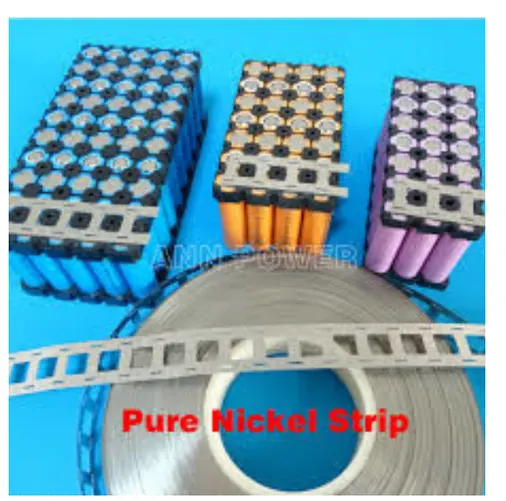
Nickel Strips:
Nickel strip is generally used in battery building. It's due to its efficiency of usage in spot welding and soldering as well its high corrosion resistance over time. It has good properties and excellent resistance to many corrosive environments.
Nickel strip is commonly used in battery building due to its ease of use in spot welding and soldering as well its high corrosion resistance over time. Nickel is magnetic at or near room temperature.

BATTERY ENCLOSURE:
A battery enclosure is a box designed to protect batteries from potential weather and battery mishaps. They can be designed for indoor or outdoor use, and may include room for electronics. Specific designs allow for pole, wall, or ground mounted systems.
The battery cases are made essentially of a Ni–Fe alloy that is also 'contaminated' by the presence of substances from the electrolyte, glues, and other contaminants that adhere to the case surface.
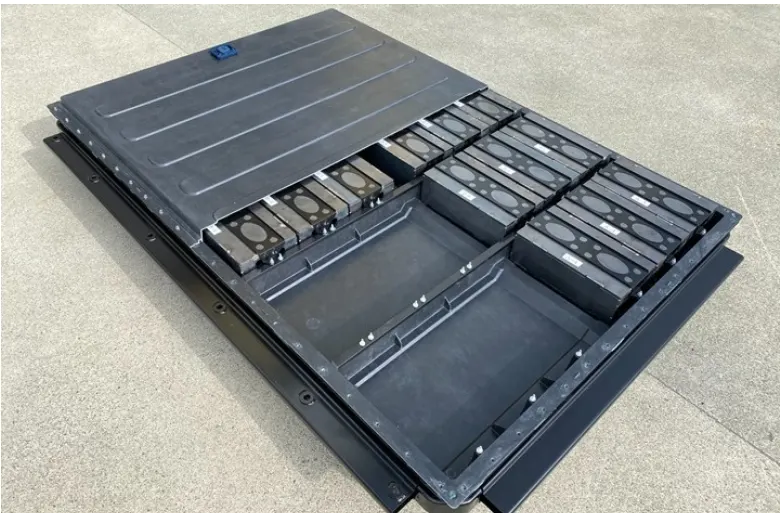
LITHIUM- ION POWER CELL DESIGN:
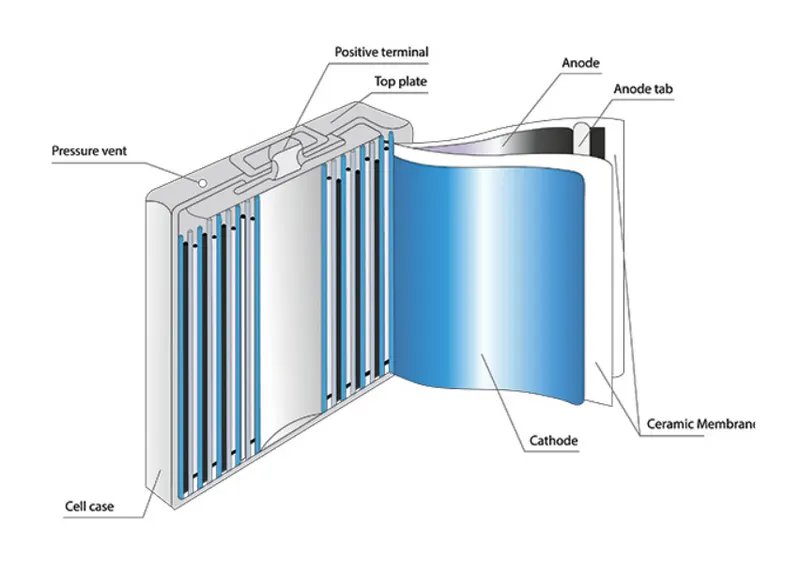
LFP lithium batteries: the right choice of material-handling equipment
OneCharge makes the most stringent demands on the safety and quality of all components to ensure top performance and a long cycle life for our lithium batteries. We partner with the most technologically advanced, reliable manufacturers of lithium cells. We select vendors that comply with our high standards in the following three main areas of cell technology:
- electrolyte,
- cathode and anode materials,
- membrane technology.
Electrolyte in lithium cells:
Electrolyte plays a key role in transporting the positive lithium ions between the cathode and anode. The most commonly used electrolyte consists of lithium salt, such as LiPF6, which is widely used in OneCharge batteries.
OneCharge advanced lithium-ion cells use high-purity electrolyte engineered to optimize the performance and longevity of the cell. It is composed of organic solvents, LiPF6 salt, and proprietary additives to improve stability and prevent dendritic formation and degradation of the solution.
These requirements are especially important in high-energy-density industrial battery applications:
- stability in high-current-discharge applications,
- longer cycle life,
- high conductivity,
- high rate of discharge,
- improved performance in a wide range of temperatures,
- excellent thermal and hydrolytic stability,
- excellent anti-overcharging stability,
- high-purity LiPF6: >99.5%, free acid <50 ppm, water <20 ppm.
Cathode and anode materials of lithium-ion cells
There are multiple cathode electrode materials to choose from within the Li-ion technology space. Originally, the primary active component of the cathode was lithium cobalt oxide. Today, cobalt is frequently being substituted out with iron (LFP), nickel, manganese, and aluminum (NMC, NCA). Cathode materials require extremely high purity levels and must be almost entirely free of unwanted metal impurities, such as vanadium and sulfur.
Most OneCharge batteries are built with LFP cells, where cathode durability is enhanced through the addition of a proprietary combination of nanoparticles.
Our cells are made with copper-rolled annealed foil (RA-type), made from wrought Cu, which is generally used for high-energy, high-power applications such as drivetrains in electric vehicles (EVs) and industrial batteries.
OneCharge batteries’ most demanding applications require that the cells’ anode and cathode electrodes:
- provide high energy density,
- ensure stability in high pulse discharge rate,
- allow for fast charging speeds,
- demonstrate resilience against natural degradation.
Ceramic membrane used in lithium-ion cells
An electrochemical cell consists of an anode and a cathode that are separated by an ion-permeable or ion-conductive membrane—the separator—as one of the main components. Lithium ion-conducting membranes are indispensable for long-term stable battery pack performance. The growth of metallic dendrites between the electrodes leads to potential short circuits. To minimize these risks, temperature-stable, non-flammable ceramic particles are added to the material of the composite separators.
The separator must keep anode and cathode from physically contacting each other while enabling free ionic transport. Based on the morphology of the separator, there are generally two kinds of separators, including microporous membranes and nonwoven films.
DESIGNING PART:
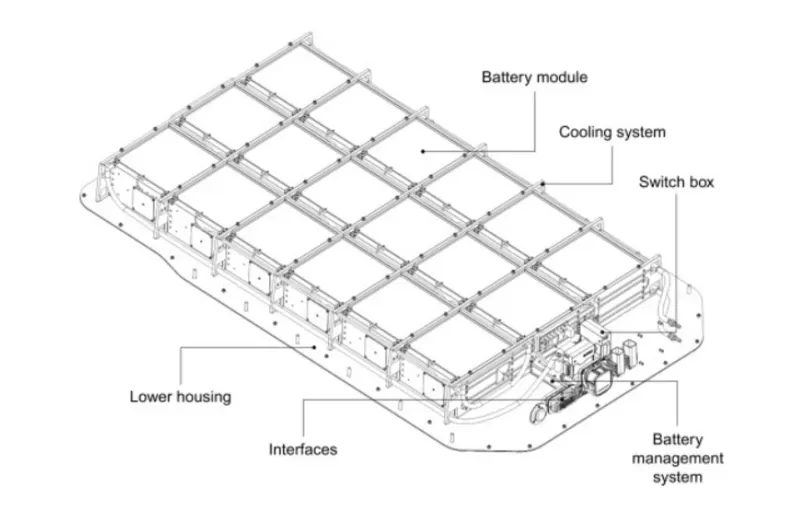
Design of Lower Case of Battery Pack:
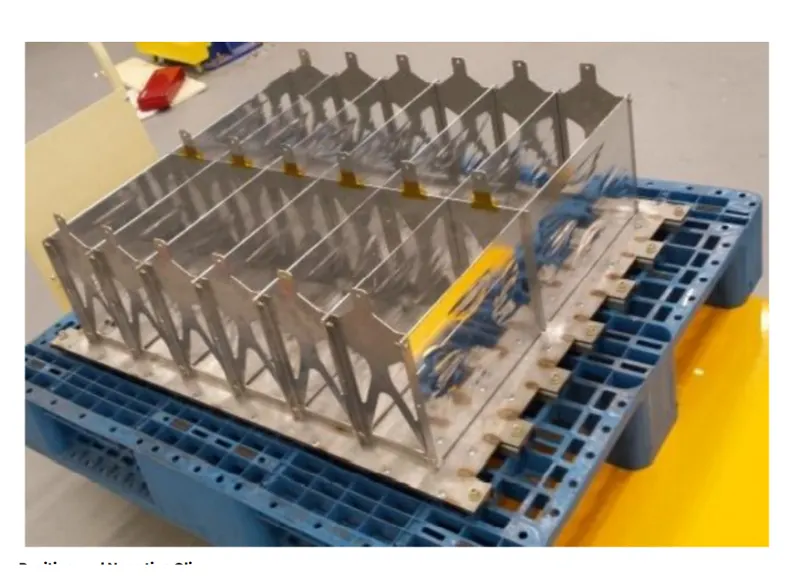
Final Image of Battery Pack: