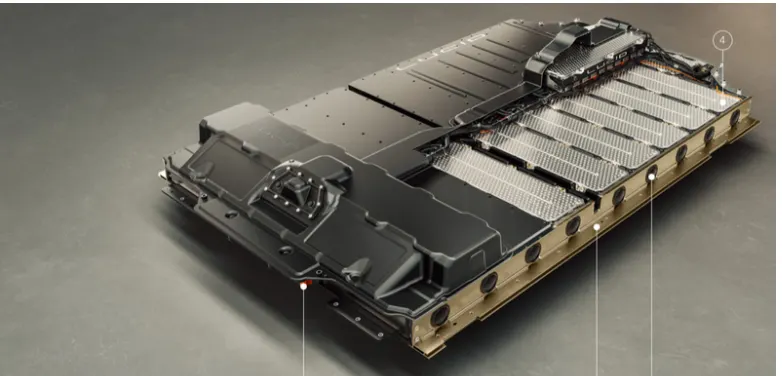
Project 1 Mechanical design of battery pack
Mechanical design of battery pack
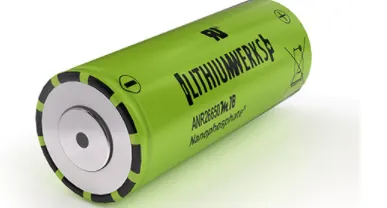
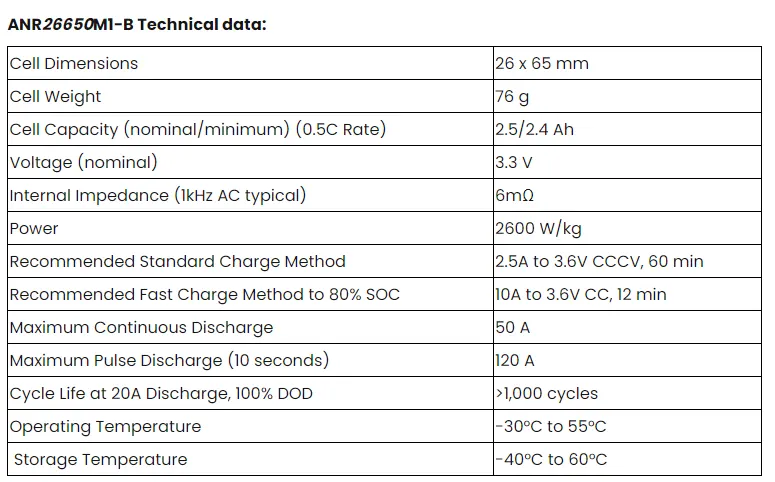
Li-ion cell (ANR 26650M1-B):
This Li-ion cell is manufactured by Lithiumwerks.They deliver very high power due to their use of patented Nanophosphate battery technology.
Based on the Lithium iron phosphate chemistry (LiFePO4),the cells are inherently safe over a wide range of temperature and conditions.
For outstanding cycle life,stable float reliability this cells are suitable for a wide varity of power,pulse and stand by applications.
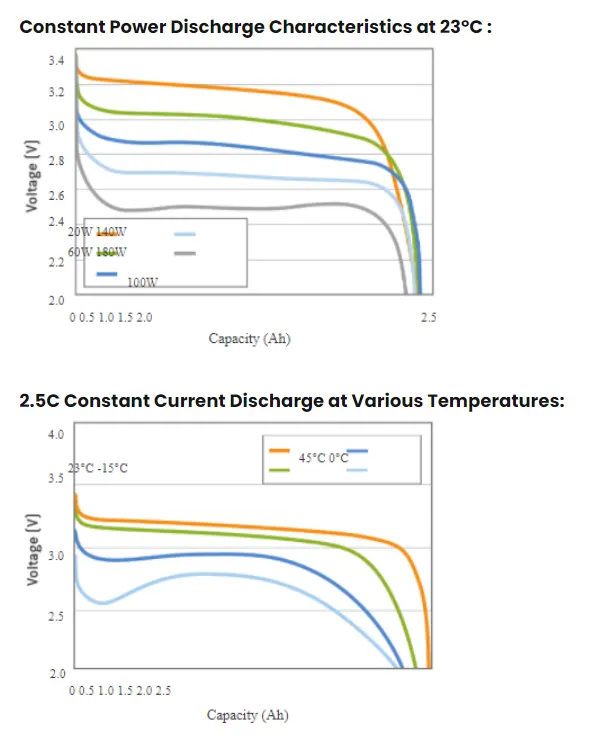
Nanophosphate battery technology offers thermal stable chemistry,fast charging,consistent output,low capacity loss over time.
It provides extremely safe conditions for while meeting most demanding customers requirements.Multiple layers of protections are employed on chemistry,cell and system
ASSUMPTIONS:
(i) Energy 18 kWh
(ii) Number of cells (N) = energy / (nominal voltage capacity)
N = 18000 / (3.3*2.5)
N=2182
We need a minimum of 2182 cells to get 18 kWh energy, now based on that, we need to decide configuration - series
and parallel.
In series configuration capacity remains the same and voltage will be the sum of individual cell voltage.
In a parallel configuration, the voltage remains the same and capacity accumulates.
And we assumed 400 Volts are need to run the vehicle.
The nominal voltage of one cell is 3.3 V
Number of series cells required to produce 400 V (NS) = voltage required / nominal voltage of one cell
Ns = 400 / 3.3
Ns = 121.21 = 122
122 cells are connected in series will generate 400 voltage and the capacity of the whole module will be 2.5 Ah
Np = 2182/122
Np =17.8 =18
Hence 18 cells for each parallel row, although negligible.
Battery capacity:
We parallel configured cell multiplies individual capacity
Capacity parallel cell individual cell capacity
Capacity=18*2.5
Capacity= 45
Current supplied by the battery
We already calculated battery capacity which 45 Ah means going to supply 45 can considered as C-rate. current hour,
ANR26650 cell has 26mm diameter and 65mm height. On the basis of that we need to decide battery size of battery
casing.
Length of casing (L) = number of cells at series* (cell diameter (26) + margin at both side of cell (4))+ clearance at side (diameter of edged cell + margin)
L=122*30 + 60
L = 3720 mm
Breadth of casing (B) = number of cells at parallel* (cell diameter (26) + margin at both side of cell (4) + clearance at side (diameter of edged cell + margin)
B = 18 30 + 60
B = 600 mm
Height of casing (H) = 65+35 (Height of cell + margin for wiring Cell holders and metal strips)
Weight of battery pack
Cell weight = 76g
Number of the cells 2182
Battery pack weight (W) = cell weight number of cells + weight of accessories
W = 76*2182 + 4.5 = 165.8 4.5 = 170.3kg
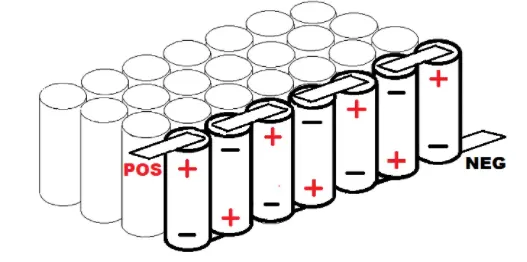
Cells in series connection
When you connect cells together in series, it doesn't change the amps or the capacity, it only raises the voltage of the pack. Hooking them up in series means that you connect the positive end
of one cell (or P-group) to the negative end of the other as shown below.
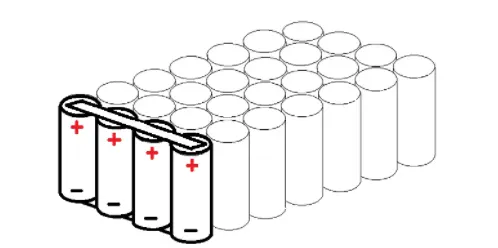
Cells in Parallel connections
If you take several cells and connect their same-type electrodes in parallel, they all will act as though they are one large cell. Also, when you first connect them to each other,
they must be at the same level of charge.
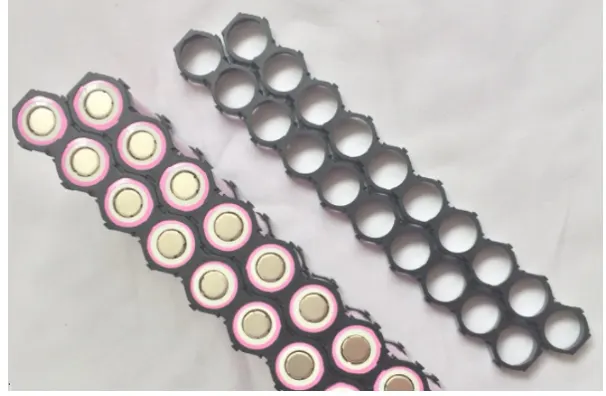
Cell houlders
These houlders are used for houlding the individual cells in a better posture without mis-assemble.The connections can be made accordingly to make series connections and
parallel connections to form the required module dimensions.
Battery pack arrangement:
Finally the overall battery pack after the arrangement of all cabinet connections with enclosure looks like this as shown below,