Project 1 Mechanical design of battery pack
Battery pack capacity: 18 kWh
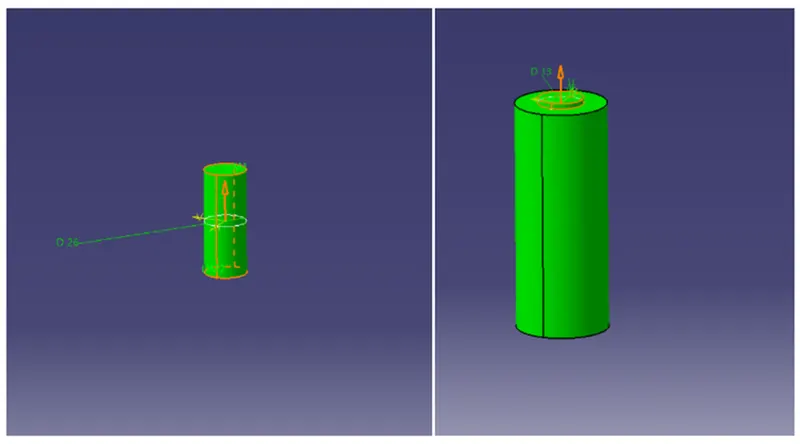
Cell: ANR26650M1-B
Prepare a detailed battery pack drawing along with its enclosure. State your assumptions.
Ans:
Lithium iron phosphate cell:
A123’s high-performance Nonphosphate lithium iron phosphate (LiFePO4) battery technology delivers high power and energy density combined with excellent safety
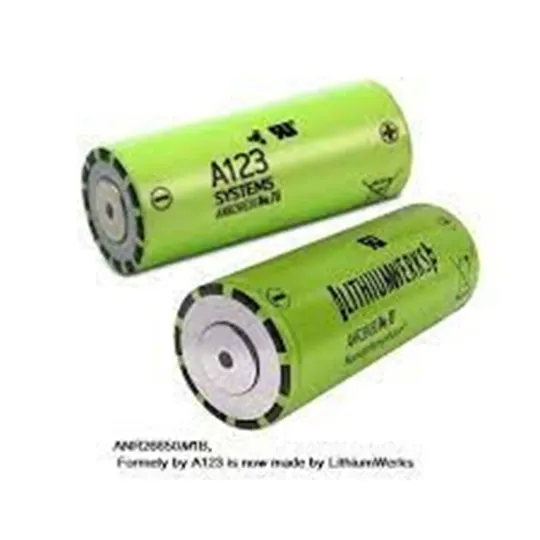
A cell refers to a single anode and cathode separated by electrolyte used to produce a voltage and current. A battery can be made up of one or more cells. This is a lithium iron phosphate cell (LiFePO4).
Lithium iron phosphate has the battery technology delivers high power and energy density combined with excellent safety performance and extensive life cycling in a lighter weight, more compact package. This cells have low-capacity loss and impedance growth over time as well as high usable energy over a wide state of charge (SOC) range, allowing our systems to meet end-of-life power and energy requirements with minimal pack oversizing.
Battery:
A battery is a source of electric power consisting of one or more electrochemical cells with external connections for powering electrical devices such as flashlights, mobile phones, and electric cars.
Battery Pack:
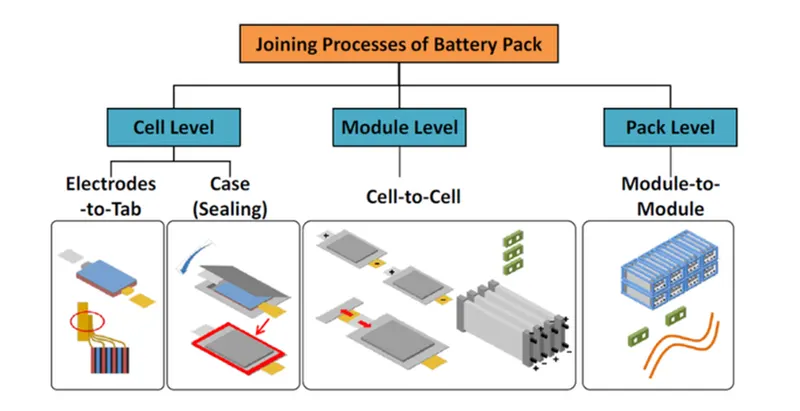
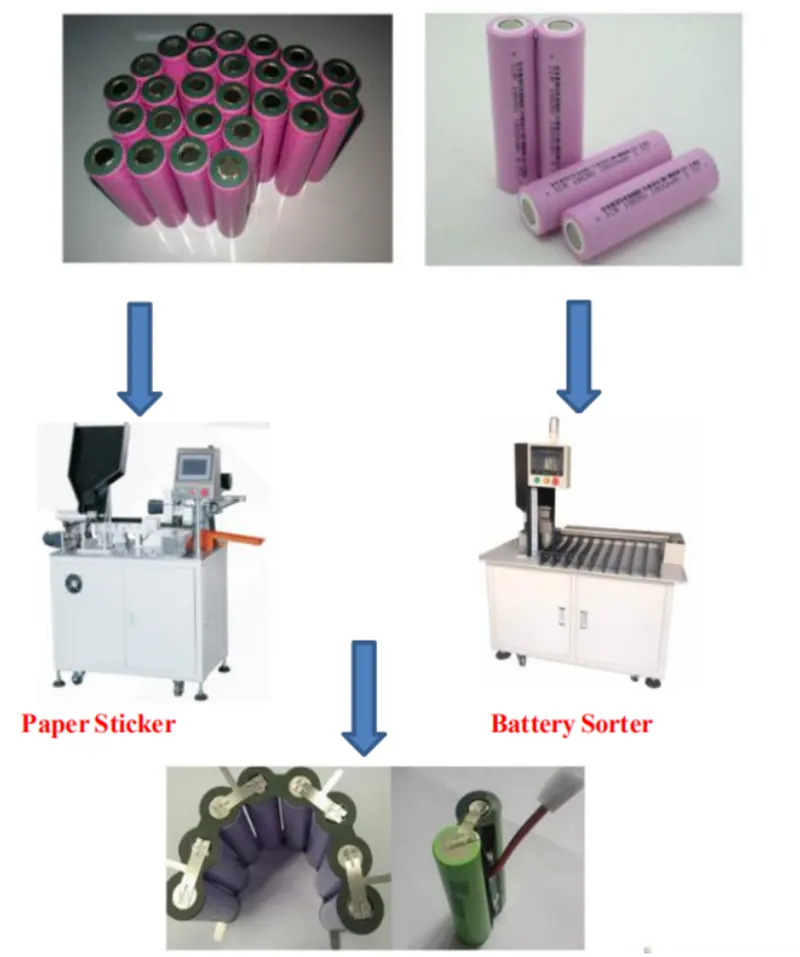
A battery pack is a set of any number of (preferably) identical batteries or individual battery cells. They may be configured in a series, parallel or a mixture of both to deliver the desired voltage, capacity, or power density. The term battery pack is often used in reference to cordless tools, radio-controlled hobby toys, and battery electric vehicles,
Lithium Iron Phosphate:
Lithium ion phosphate offers good electrochemical performance with low resistance. This is made possible with nano-scale phosphate cathode material. The key benefits are high current rating and long cycle life, besides good thermal stability, enhanced safety and tolerance if abused.
Li-phosphate is more tolerant to full charge conditions and is less stressed than other lithium-ion systems if kept at high voltage for a prolonged time.
As a trade-off, its lower nominal voltage of 3.2V/cell reduces the specific energy below that of cobalt-blended lithium-ion. With most batteries, cold temperature reduces performance and elevated storage
temperature shortens the service life, and Li-phosphate is no exception.
Li-phosphate has a higher self-discharge than other Li-ion batteries, which can caus balancing issues with aging. This can be mitigated by buying high quality cells and/a using sophisticated control electronics, both of which increase the cost of the pack.
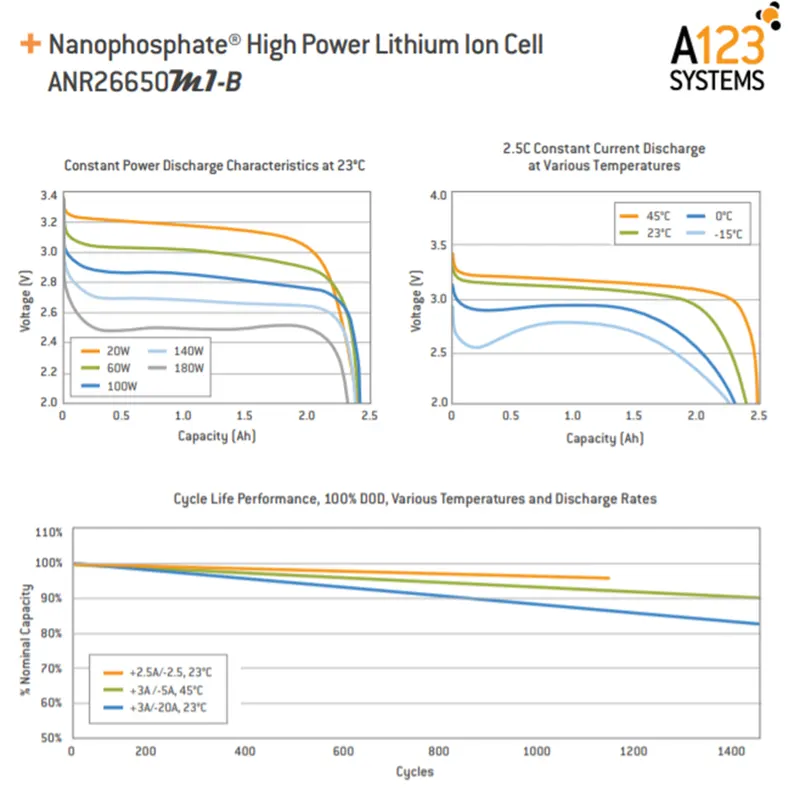
Let's Configure the 18kwh battery pack of lithium iron phosphate cell. The technical data of the Cell: ANR26650M1-B is given below:
|
Cell Dimension |
26*650mm |
|
Cell weight |
76g |
|
Cell Capacity (nominal/minimum) (0.5C Rate) |
2.5/2.4 Ah |
|
Voltage (nominal) |
3.3V |
|
Internal Impedance (1kHz typical) |
6 mohm |
|
Power |
2600W/kg |
|
Recommended standard charge Method |
2.5A to 3.6 V CCCV, 60min |
|
Recommended Fast charge method to 80% SOC |
10A to 3.6V CC, 12min |
|
Maximum continuous discharge |
50A |
|
Maximum Pulse Discharge (10sec) |
120A |
|
Cycle life at 20A Discharge, 100% DOD |
>1,000 cycle |
|
Operating Temperature |
-30de.C to 55de.C |
|
Storage Temperature |
-40de.C to 60de.C |
We want to built a 18 kwh battery.
So let's us assume that the voltage of the battery pack is 300 V
We know that P Voltage Current, hence we can calculate the Battery pack capacity.
Pack Capacity Energy Capacity/Pack Voltage Pack Capacity (18*10^3)/300 60 Ah
No. of the cells in series = Pack Voltage/Cell Voltage = 300/3.3= 90.90 so nearly 91
cells
No. of the cells in parallel = Pack Capacity / Cell Capacity= 60/2.5=24 cells.
Total number of the cells in battery pack = (No. of the cells in series) *(No. of the cells
in parallel) = 91*24 = 2184 cells
Total Energy of the pack Pack = Voltage* Pack Capacity=300*60 = 18 kwh
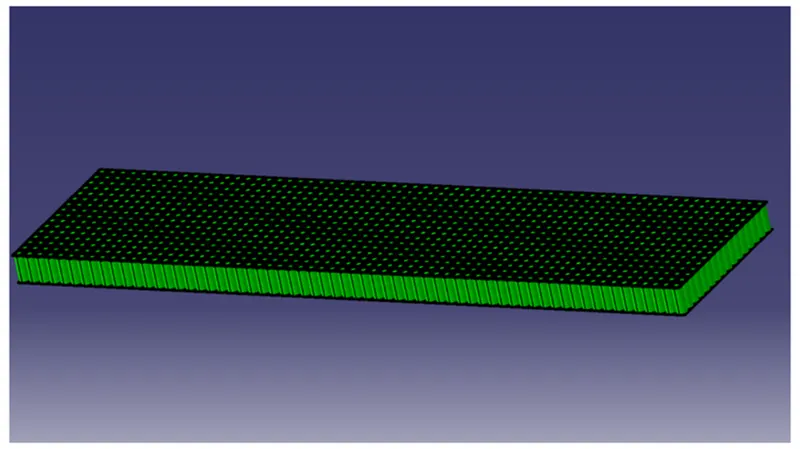
So the battery pack having 18 kwh capacity with 91S24P Configuration.
Weight of the battery pack = (Total numbers of the cells in the battery pack) * (cell
weight) = 2184 * 76 = 166 kg
Length of the battery pack = (No. of the cells in series) *(Cell Diameter) =
91* 0.026 = 2.36 m
Width of the battery pack = (No. of the cells in the parallel) *(Cell Diameter) =
24* 0.026 =0.624 m
Area of the battery pack = (length of the battery pack) *(width of the battery pack) = 2.36 * 0.624 = 1.472 m 2
Volume of the battery pack = (Area of the battery pack)* (Cell Height) =
1.472 * 0.065 = 0.0956 m^3 = 95.6 litres
Specific Energy density = Pack Energy Capacity/Weight of the battery pack=
(18*10^3)/166 = 108.43 Wh/kg
Volumetric Energy Density Pack = Energy Capacity/Volume of the battery pack = (18*10^3)/95.6=188.28 Wh/L
Cost of the battery pack = (Total no. of cells in the battery pack )*(Cost of the each cell) = 2184 * 6.55 $ 14305.2 $ =1072890 Rs
Cost of battery Pack = 10,72,890 Rs
Mechanical design of battery pack