Mixing efficiency
Aim:
To setup up steady-state simulations for the flow of air through mixing Tee in Ansys Fluent.
Objective:
1To set up the simulation for two cases i.e. Short and long mixing Tee.
2.To set up steady-state simulations to compare the mixing effectiveness when hot inlet temperature is 360C & the Cold inlet is at 190C.
3.Discuss the effect of length and momentum ratio on results.
Introduction:
In industrial process engineering, mixing is unit operation that involves the manipulation of heterogeneous physical system to make it more homogeneous. Modern industrial processing is always some form of mixing. Mixing Tee utilizes specifically engineered internal geometry to efficiently mix two fluid streams into single stream. Mixing Tee’s are widely used in the chemical and Refrigeration etc. industry in which fluid streams with different physical and chemical properties mixed together.
Theory:
k-omega SST:
The SST k-omega turbulence model is a two-equation eddy-viscosity model that is used for many aerodynamic applications. It is a hybrid model combining the Wilcox k-omega and the k-epsilon models. A blending function, F1, activates the Wilcox model near the wall and the k-epsilon model in the free stream. This ensures that the appropriate model is utilized throughout the flow field:
- The k-omega model is well suited for simulating flow in the viscous sub-layer.
- The k-epsilon model is ideal for predicting flow behavior in regions away from the wall.
- The SST models exhibit less sensitivity to free stream conditions (flow outside the boundary layer) than many other turbulence models.
- The shear stress limiter helps the k-omega model avoid a build-up of excessive turbulent kinetic energy near stagnation points.
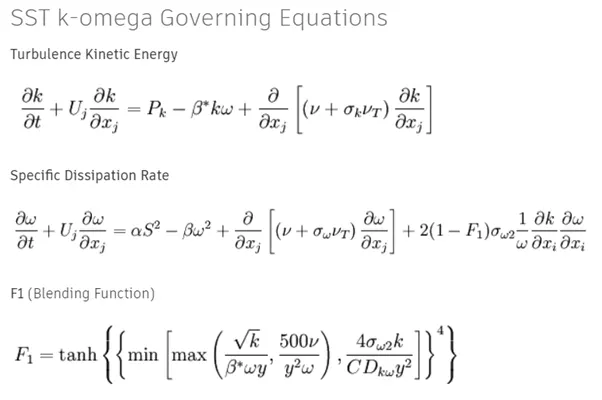
k-epsilon:
K-epsilon (k-ε) turbulence model is the most common model used in CFD to simulate mean flow characteristics for turbulent flow conditions. It is a two equation model that gives a general description of turbulence by means of two transport equation (PDEs).
- he first transported variable is the turbulent kinetic energy (k).
- The second transported variable is the rate of dissipation of turbulent kinetic energy (ε).
k-ε model focuses on the mechanisms that affect the turbulent kinetic energy. Realizable k- ε Model: An immediate benefit of the realizable k-ɛ model is that it provides improved predictions for the spreading rate of both planar and round jets. It also exhibits superior performance for flows involving rotation, boundary layers under strong adverse pressure gradients, separation, and recirculation. In virtually every measure of comparison, Realizable k-ɛ demonstrates a superior ability to capture the mean flow of the complex structures.
Procedure:
Geometry:
Geometry of Mixing is as follows:
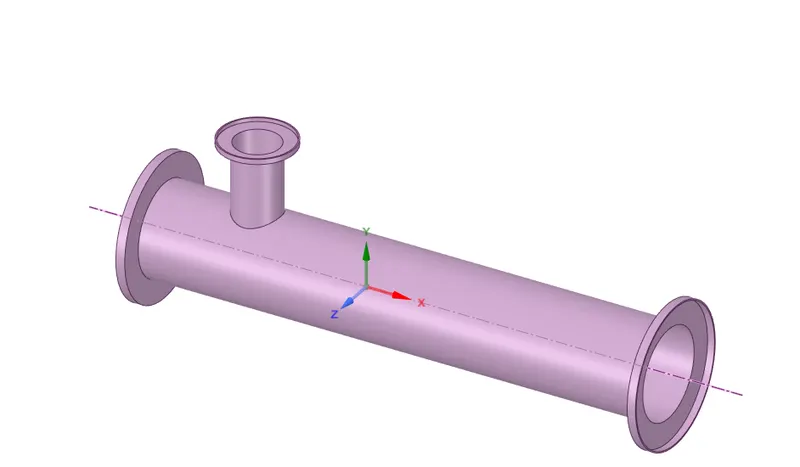
To simulate the mixing,we need to extract fluid volume. Fluid volume is the pathto which fluid interacts.
Go to Prepare > volume extract > selct edges > and click on green tick.
Right click on mixing tee short and click on 'suppress for physics' to avoid geometry involved in in mesh generation.
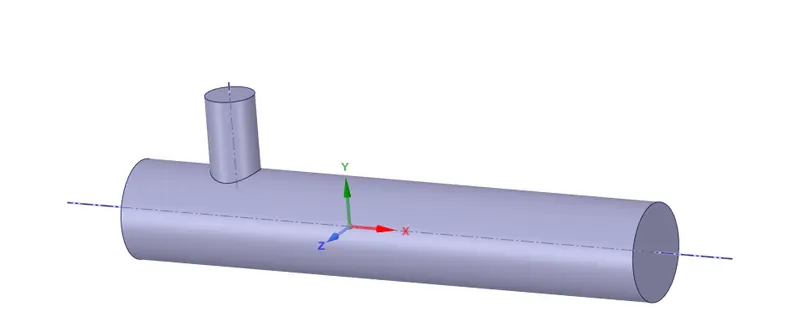
Case 1(a): short mixing tee with Momentum ratio 2.
Mesh:
Go to Mesh and select the face and create named selction as follows:
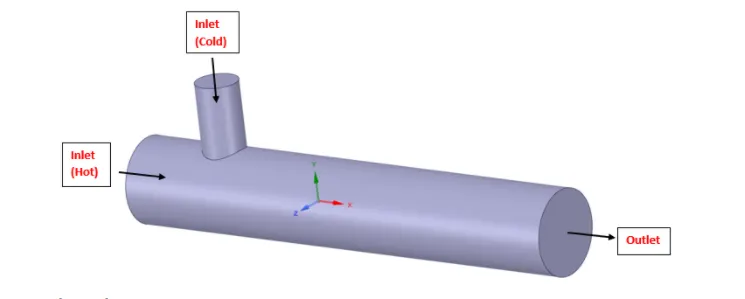
Remaining surfaces are named as wall.
Here,mesh size is selected as 29e-3 m.No.of elemnts are 105944.
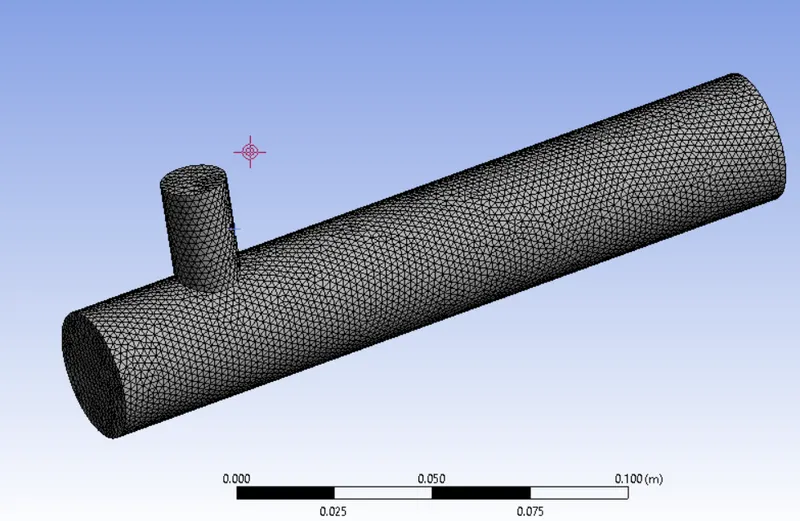
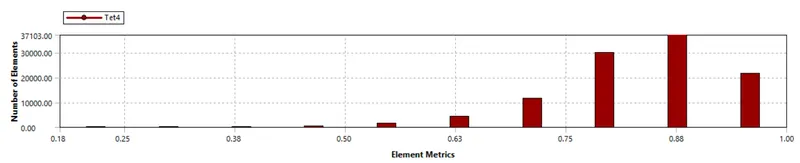
Mesh quality:
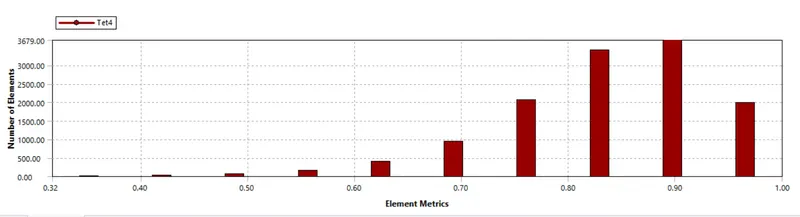
Majority of mesh elements are between 0.6 and 1 hence mesh quality is acceptable.
Setup:
1.Click on check mesh to know the mesh is acceptable or not.
2.To setup the flow physics, click on enery equation and as problem involves turbulence click on viscous > k-epsilon >relizable.
3. materials: air
Boundary condition:
1.Inlet X
Velocity = 3 m/s
Temperature = 36 deg.C
2.Inlet Y
Velocity = 3*2 = 6 m/s
Temperature = 19 deg.C
3.Outlet
Gauge Pressure = 0 Pa
4.Wall
Velocity = No Slip
Solution:
1.Go to Solution > defination > select the parameters which we want to trace in ouput.
Here we want the magnitude of temperature and velocity, select area weighted average of temperature and velocity at outlet and also select standard deviation of temperature at outlet.
2.select hybrid initialization.Hybrid inittialization process uses potential flow solver to compute an approximate value of velocity and pressure.
3.set the No. of iteration = 500.
Result:
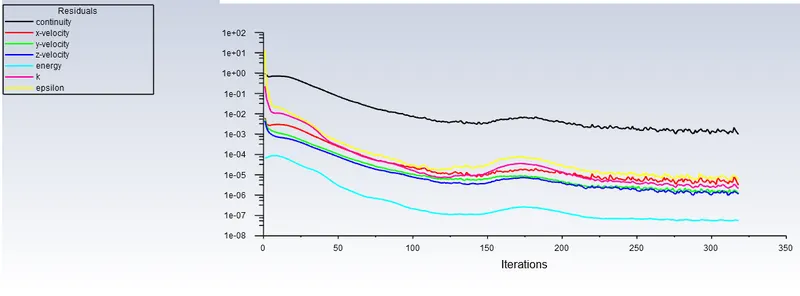
Residue plot:
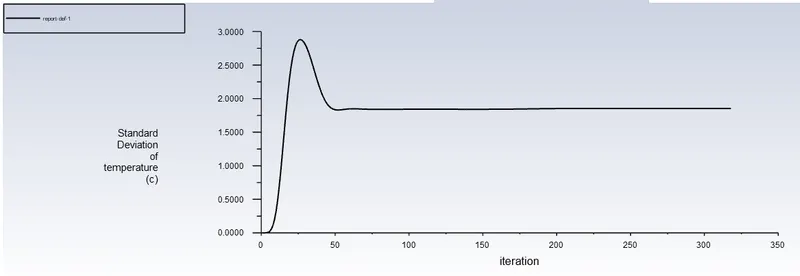
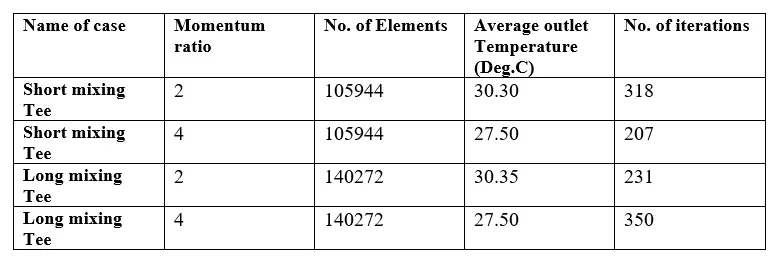
This problem has taken 318 iterations to converge.
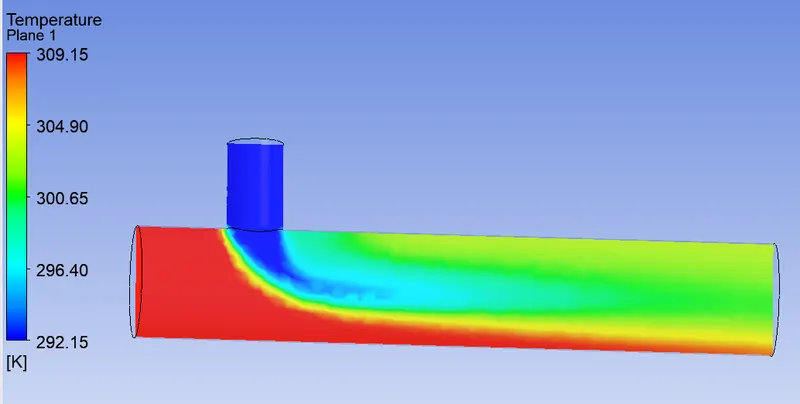
Temperature:
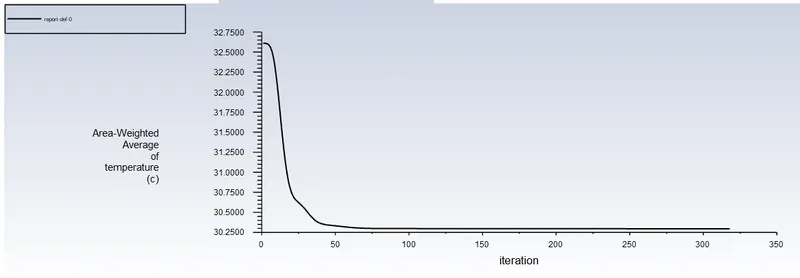
Area weighted average outlet temperature:
Average outlet temperature is seems to be 30.30 deg.C.
Standard deviation:
value standard deviation shown the difference in temperature value from the average temperature value.here it is 1.9.
Tempearture Contour:
Velocity:
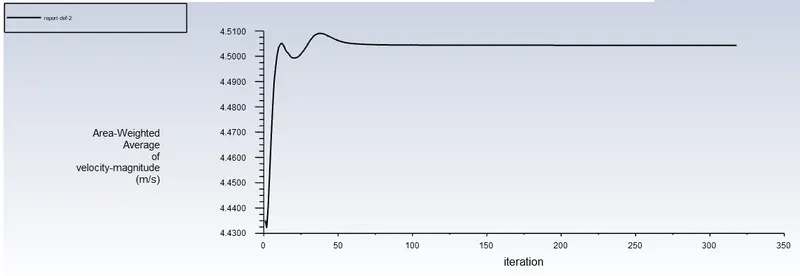
Area weighted average outlet velocity:
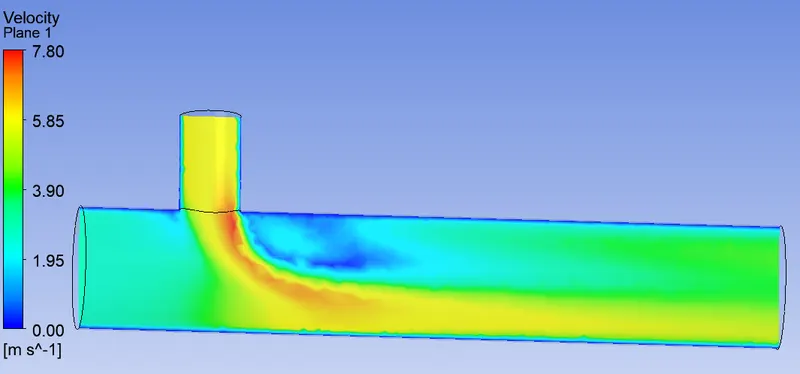
Average outlet velocity of flow is seems to be 4.505 m/s.
Velocity Contour:
Case 1(b):short mixing tee with Momentum ratio 4.
Mesh:
mesh size is 2e-3 m.No.of elments are 105944.
Mesh Quality:
Majority of mesh elements are between 0.6 and 1 hence mesh quality is acceptable.
Boundary condition:
1.Inlet X
Velocity = 3 m/s
Temperature = 36 deg.C
2.Inlet Y
Velocity = 3*4 = 12 m/s
Temperature = 19 deg.C
3.Outlet
Gauge Pressure = 0 Pa
4.Wall
Velocity = No Slip
Solution:
1.Go to Solution > defination > select the parameters which we want to trace in ouput.
Here we want the magnitude of temperature and velocity, select area weighted average of temperature and velocity at outlet and also select standard deviation of temperature at outlet.
2.select hybrid initialization.Hybrid inittialization process uses potential flow solver to compute an approximate value of velocity and pressure.
3.set the No. of iteration = 500.
Result:
Residue plot:
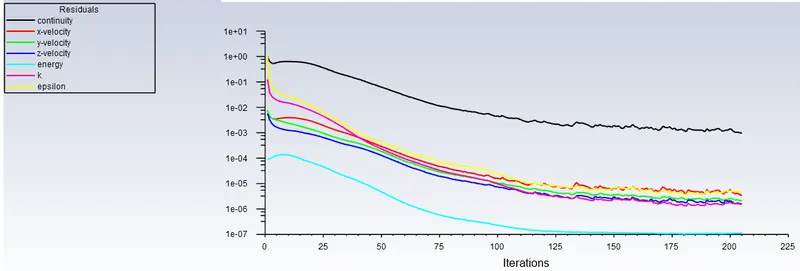
This problem has taken 207 iterations to converge.
Temperature:
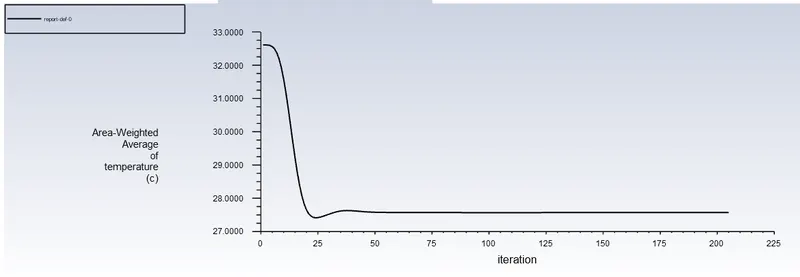
Area weighted average outlet temperature:
Average outlet temperature is seems to be 27.50 deg.C.
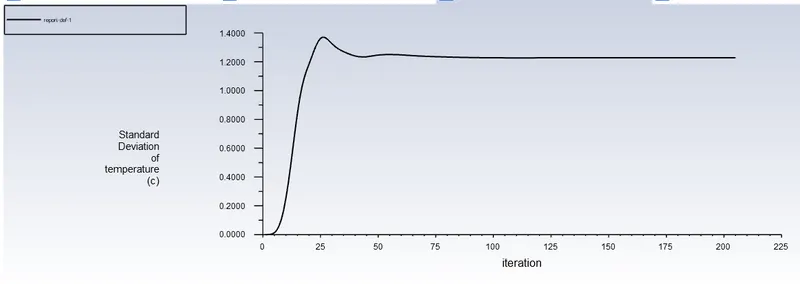
Standard deviation of temperature:
value standard deviation shown the difference in temperature value from the average temperature value.here it is 1.3.
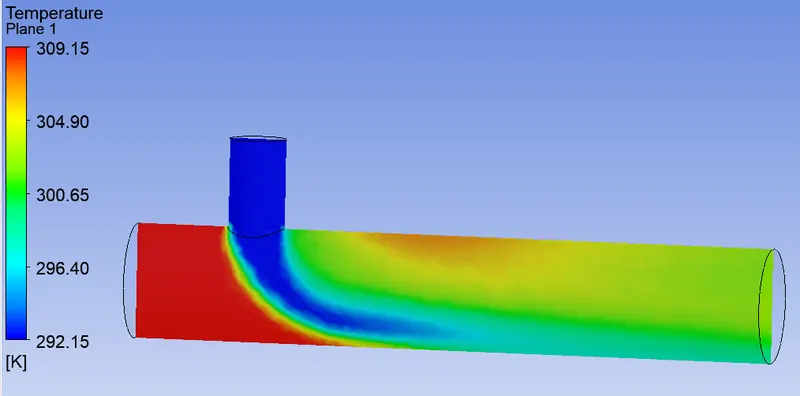
Tempearture Contour:
Velocity:
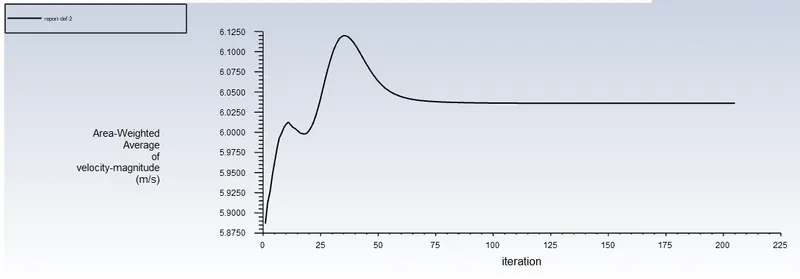
Area weighted average outlet velocity:
Average outlet velocity of flow is seems to be 6.03 m/s.
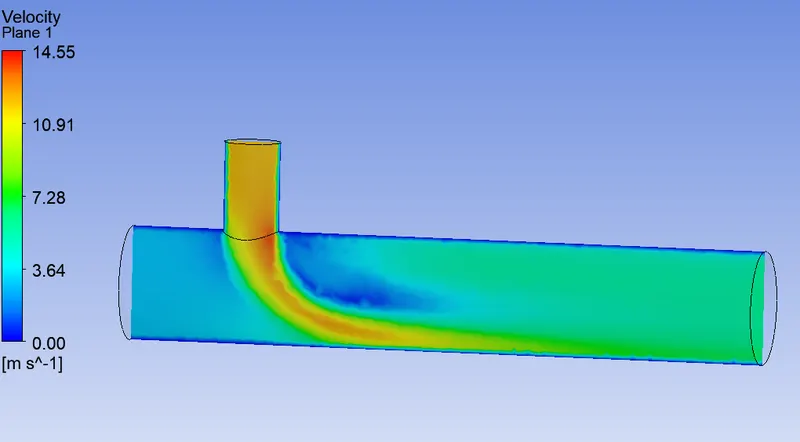
Velocity Contour:
Case 2(a):Long mixing tee with Momentum ratio 2.
Geometry:
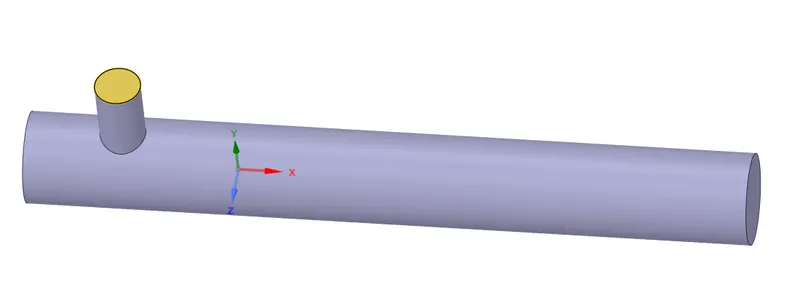
Geometry cleanup is done in spaceclaim and required fluid volume is extracted out of given geometry.
Mesh:
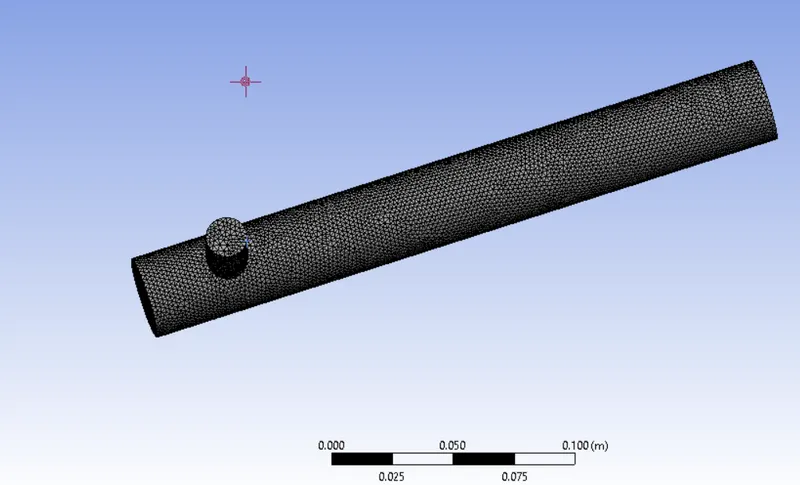
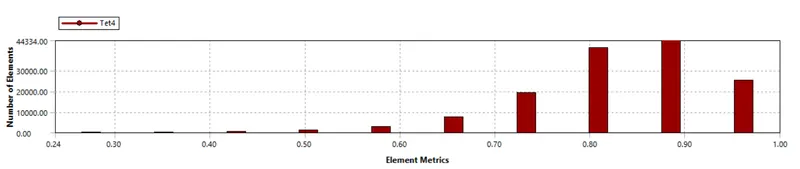
Mesh size is 2e-3 m.No.of elments are 140272.
Mesh Quality:
Majority of mesh elements are between 0.6 and 1 hence mesh quality is acceptable.
Setup:
1.Click on check mesh to know the mesh is acceptable or not.
2.To setup the flow physics, click on enery equation and as problem involves turbulence click on viscous > k-epsilon >relizable.
3. materials: air
Boundary condition:
1.Inlet X
Velocity = 3 m/s
Temperature = 36 deg.C
2.Inlet Y
Velocity = 3*2 = 6 m/s
Temperature = 19 deg.C
3.Outlet
Gauge Pressure = 0 Pa
Solution:
1.Go to Solution > defination > select the parameters which we want to trace in ouput.
Here we want the magnitude of temperature and velocity, select area weighted average of temperature and velocity at outlet and also select standard deviation of temperature at outlet.
2.select hybrid initialization.Hybrid inittialization process uses potential flow solver to compute an approximate value of velocity and pressure.
3.set the No. of iteration = 500.
Result:
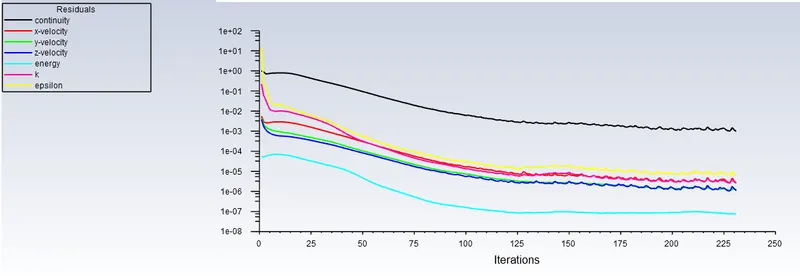
Residue plot:
This problem has taken 231 iterations to converge.
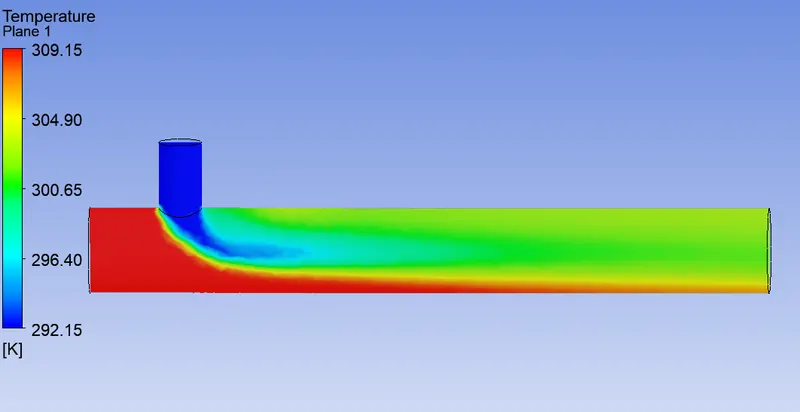
Temperature:
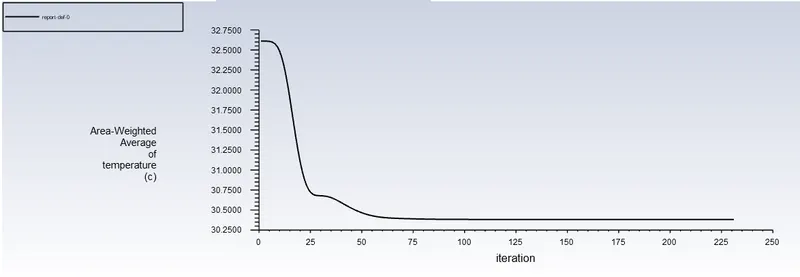
Area weighted average outlet temperature:
Average outlet temperature is seems to be 30.35 deg.C.
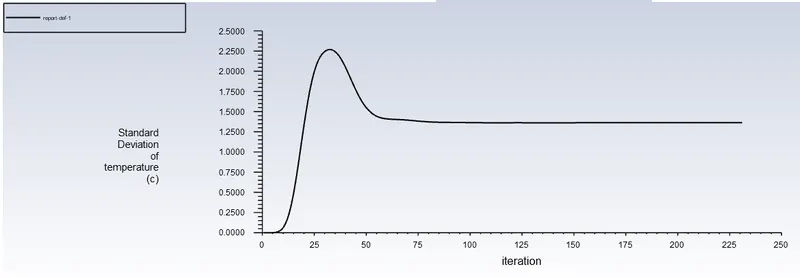
Standard deviation of temperature:
value standard deviation shown the difference in temperature value from the average temperature value.here it is 1.4.
Tempearture Contour:
Velocity:
Area weighted average outlet velocity:
Average outlet velocity of flow is seems to be 4.50 m/s.
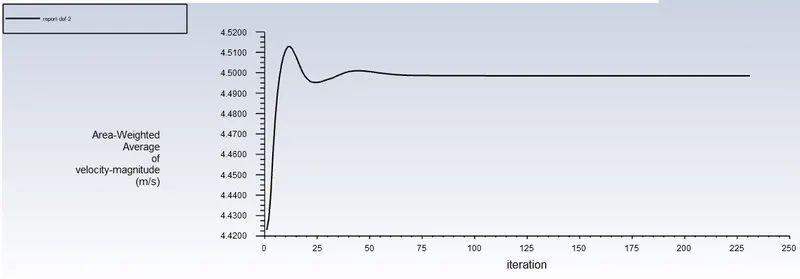
Velocity Contour:
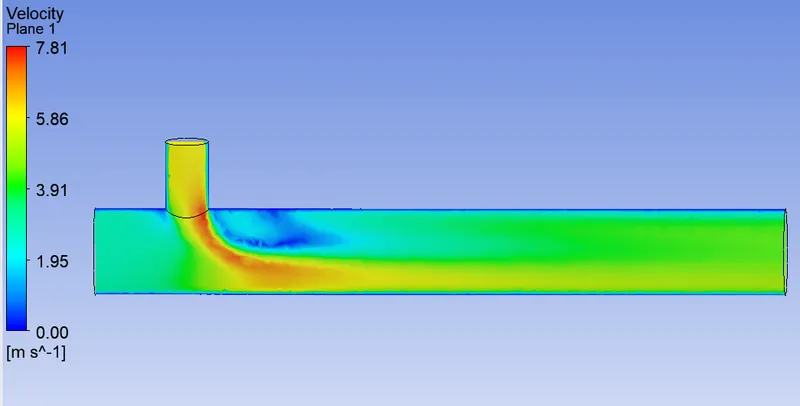
Case 2(b):Long mixing tee with Momentum ratio 4.
Mesh:
Mesh size is 2e-3 m.No.of elments are 140272.
Mesh Quality:
Majority of mesh elements are between 0.6 and 1 hence mesh quality is acceptable.
Boundary condition:
1.Inlet X
Velocity = 3 m/s
Temperature = 36 deg.C
2.Inlet Y
Velocity = 3*4 = 12 m/s
Temperature = 19 deg.C
3.Outlet
Gauge Pressure = 0 Pa
Solution:
1.Go to Solution > defination > select the parameters which we want to trace in ouput.
Here we want the magnitude of temperature and velocity, select area weighted average of temperature and velocity at outlet and also select standard deviation of temperature at outlet.
2.select hybrid initialization.Hybrid inittialization process uses potential flow solver to compute an approximate value of velocity and pressure.
3.set the No. of iteration = 500.
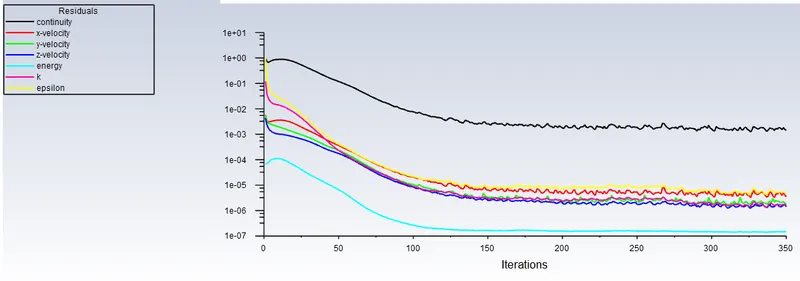
Result:
Residue plot:
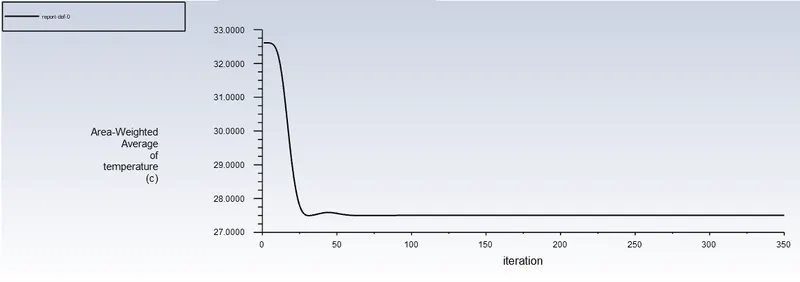
This problem has taken 350 iterations to converge.
Temperature:
Area weighted average outlet temperature:
Average outlet temperature is seems to be 27.50 deg.C.
Standard deviation of temperature:
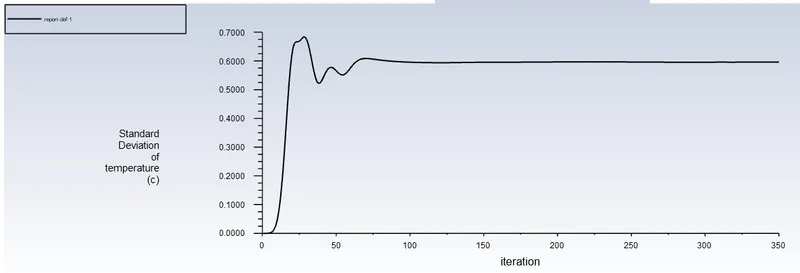
value standard deviation shown the difference in temperature value from the average temperature value.here it is 0.6.
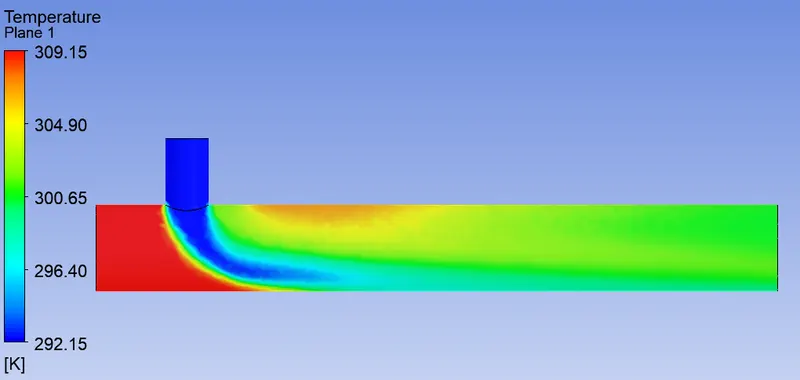
Tempearture Contour:
Velocity:
Area weighted average outlet velocity:
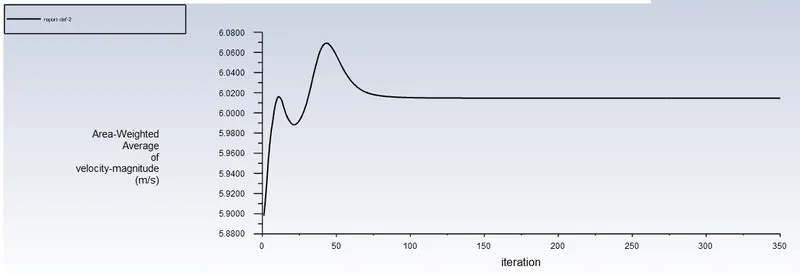
Average outlet velocity of flow is seems to be 6.02 m/s.
Velocity Contour:
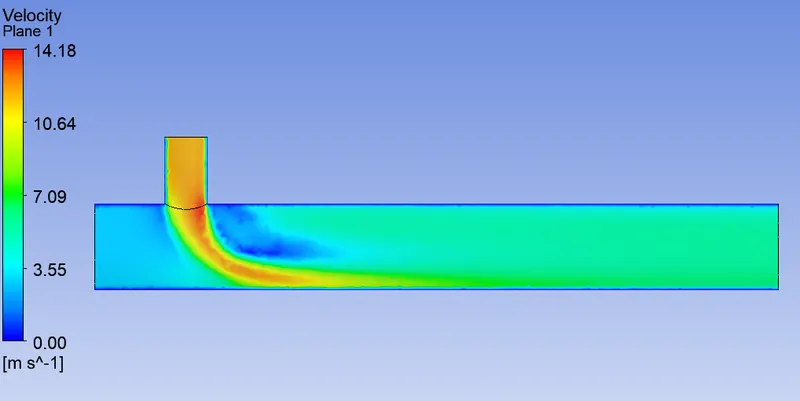
Effect of turbulence model
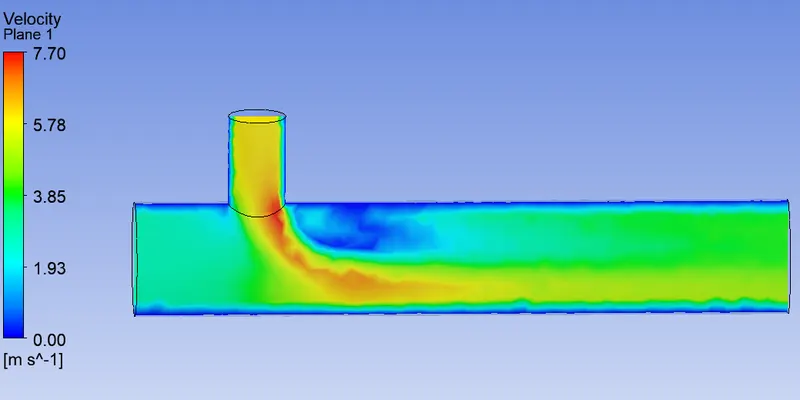
Here we are taking case of short mixing tee with momentum ratio of 2 and run it using k-epsilon and k-omega SST model to detrmine the effect of turbulence model on output.
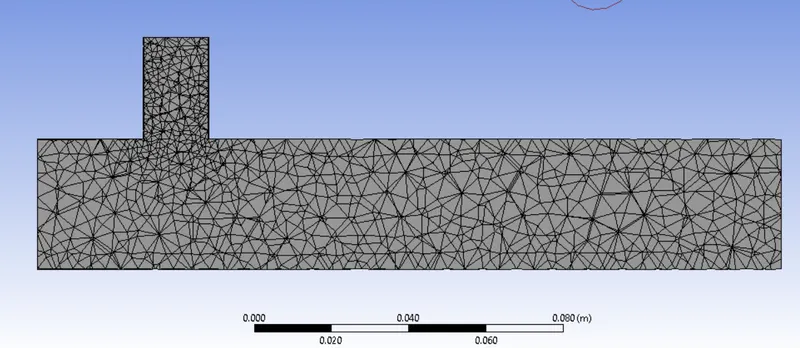
Mesh:
mesh size is selected as 1.0219e-3 m.No.of elemnts are 12657.
Boundary condition:
1.Inlet X
Velocity = 3 m/s
Temperature = 36 deg.C
2.Inlet Y
Velocity = 3*2 = 6 m/s
Temperature = 19 deg.C
3.Outlet
Gauge Pressure = 0 Pa
No.of iterations =500
Results:
1. k-epsilon model:
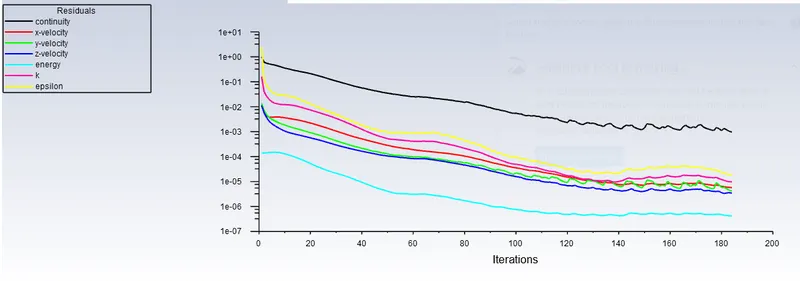
Residue plot:
This problem has taken 184 iterations to converge.
Temperature:
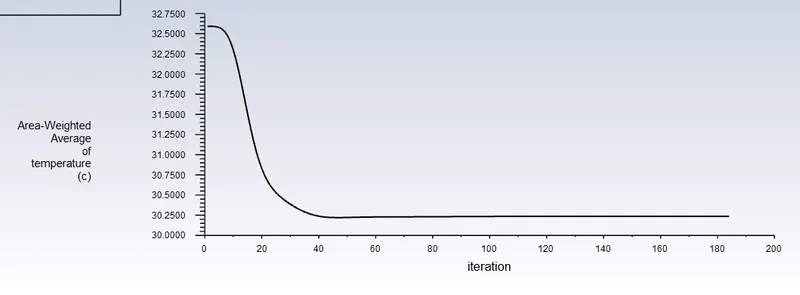
Area weighted average outlet temperature:
Average outlet temperature is seems to be 30.25 deg.C.
Standard deviation of temperature:
value standard deviation shown the difference in temperature value from the average temperature value.here it is 1.5.
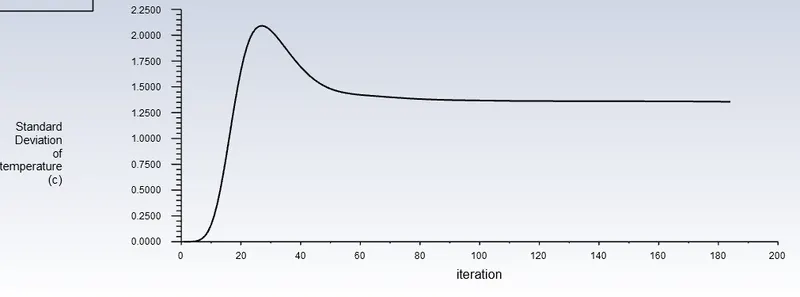
Tempearture Contour:
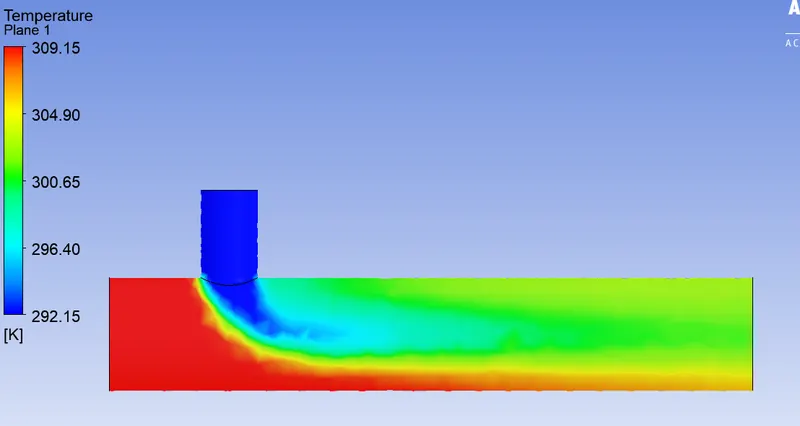
Velocity:
Area weighted average outlet velocity:
Average outlet velocity of flow is seems to be 4.50 m/s.
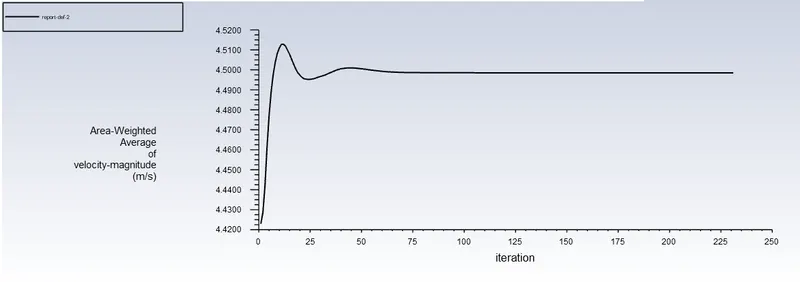
Velocity Contour:
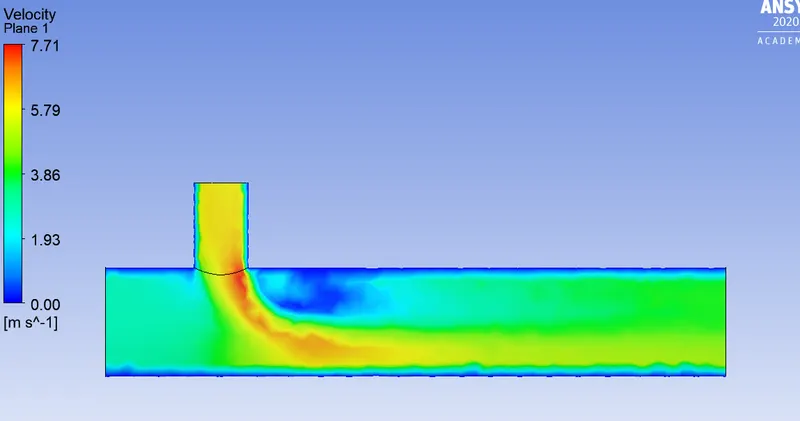
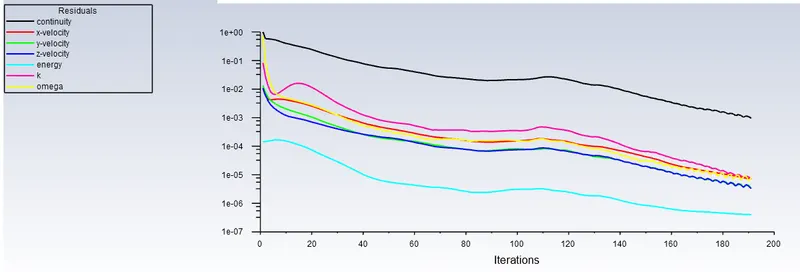
2.k-omega SST model:
Residue plot:
This problem has taken 191 iterations to converge.
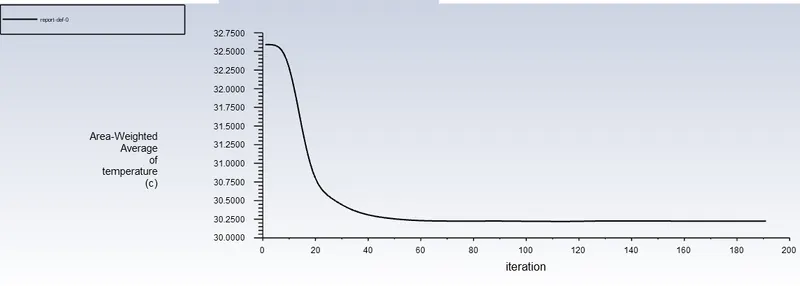
Temperature:
Area weighted average outlet temperature:
Average outlet temperature is seems to be 30.25 deg.C.
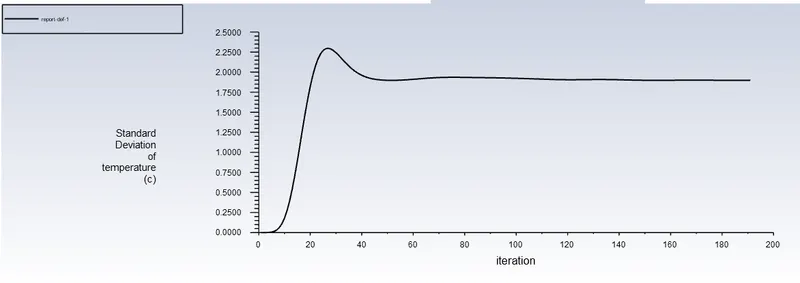
Standard deviation of temperature:
value standard deviation shown the difference in temperature value from the average temperature value.here it is 1.9.
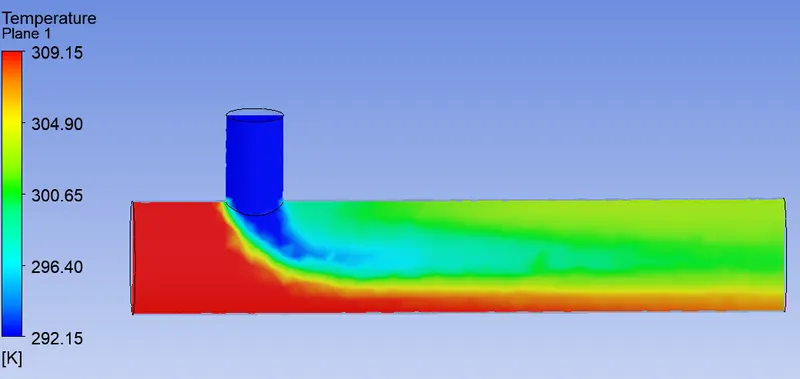
Tempearture Contour:
Velocity:
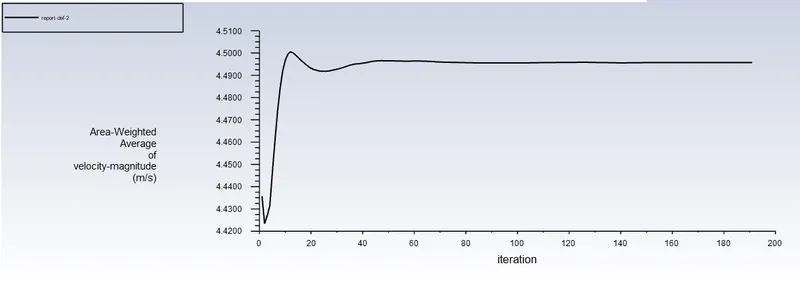
Area weighted average outlet velocity:
Average outlet velocity of flow is seems to be 4.50 m/s.
Velocity Contour:
Grid dependency test:
In the gid dpendency test,we are testing effect of different grid size for casee of short mixing tee with momentum ratio 2.k-epsilon model is used to determine turbulence.
Geometry:
Geometry of Mixing is as follows:
Fluid volume extracted after geometry cleanup in spaceclaim.
Boundary condition:
1.Inlet X
Velocity = 3 m/s
Temperature = 36 deg.C
2.Inlet Y
Velocity = 3*4 = 12 m/s
Temperature = 19 deg.C
3.Outlet
Gauge Pressure = 0 Pa
4.Wall
Velocity = No Slip
Solution:
1.Go to Solution > defination > select the parameters which we want to trace in ouput.
Here we want the magnitude of temperature and velocity, select area weighted average of temperature and velocity at outlet and also select standard deviation of temperature at outlet.
2.select hybrid initialization.Hybrid inittialization process uses potential flow solver to compute an approximate value of velocity and pressure.
3.set the No. of iteration = 500.
Results:
1.Grid size = 1.0219e-2 m.
Mesh:
No.of elements are 12657.
Mesh quality:
Minimum mesh quality sis greater than 32 % hence mesh quality is accetable.
Residue plot:
This problem has taken 184 iterations to converge.
Temperature:
Area weighted average outlet temperature:
Average outlet temperature is seems to be 30.25 deg.C.
Standard deviation of temperature:
value standard deviation shown the difference in temperature value from the average temperature value.here it is 1.5.
Tempearture Contour:
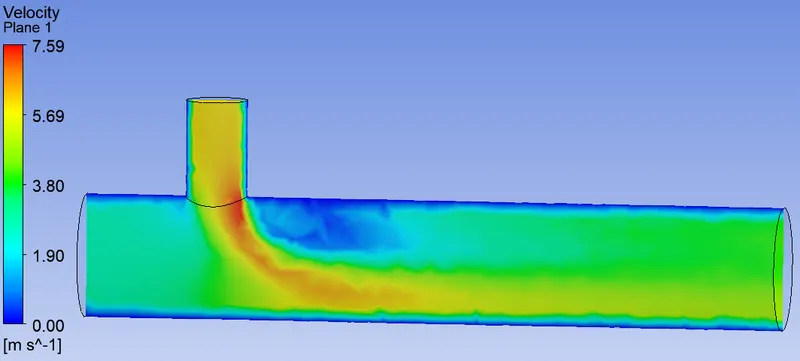
Velocity:
Area weighted average outlet velocity:
Average outlet velocity of flow is seems to be 4.50 m/s.
Velocity Contour:
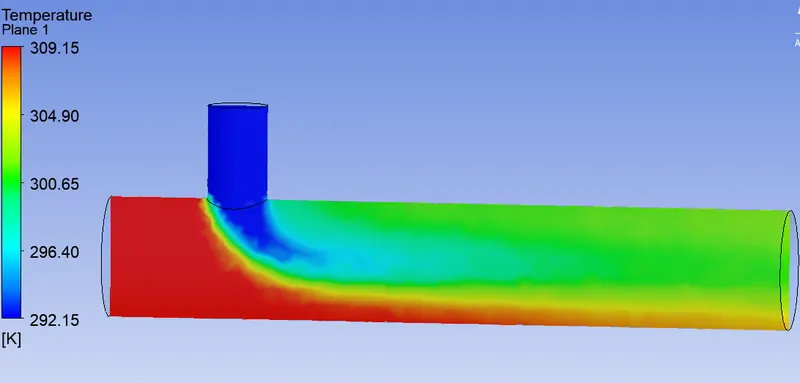
2.Grid size = 5e-3 m.
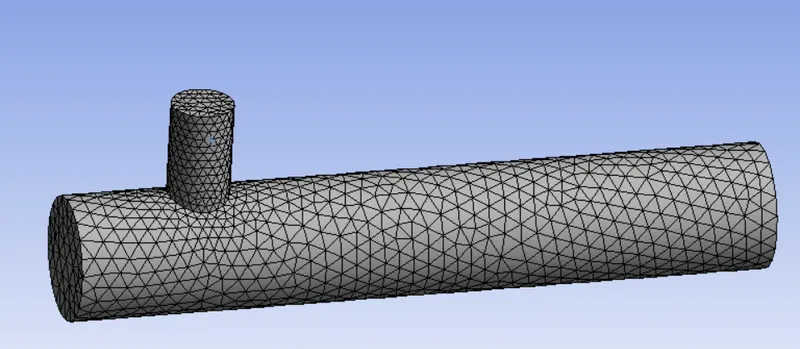
Mesh:
No.of elements are 14202.
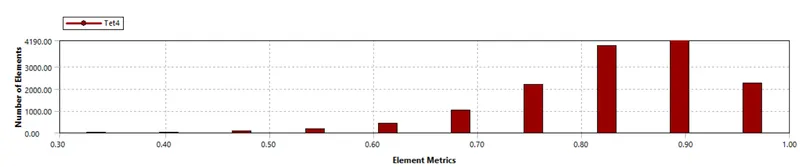
Mesh quality:
Minimum mesh quality sis greater than 30 % hence mesh quality is accetable.
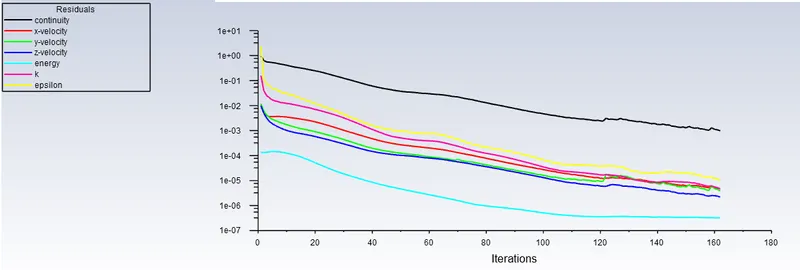
Residue plot:
This problem has taken 162 iterations to converge.
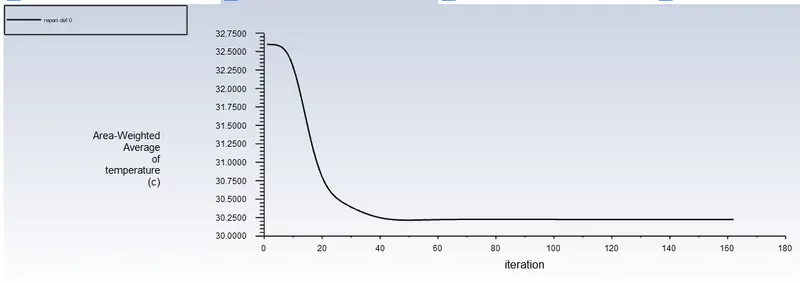
Temperature:
Area weighted average outlet temperature:
Average outlet temperature is seems to be 30.25 deg.C.
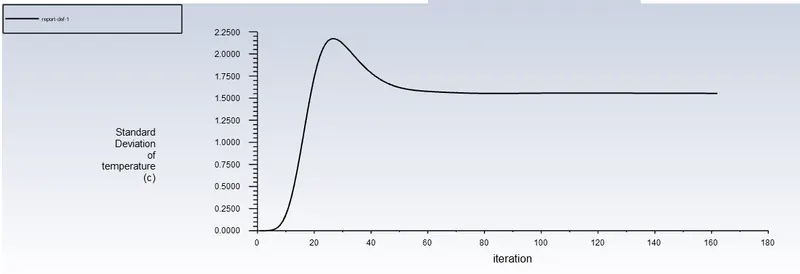
Standard deviation of temperature:
value standard deviation shown the difference in temperature value from the average temperature value.here it is 1.6.
Tempearture Contour:
Velocity:
Area weighted average outlet velocity:
Average outlet velocity of flow is seems to be 4.505 m/s.
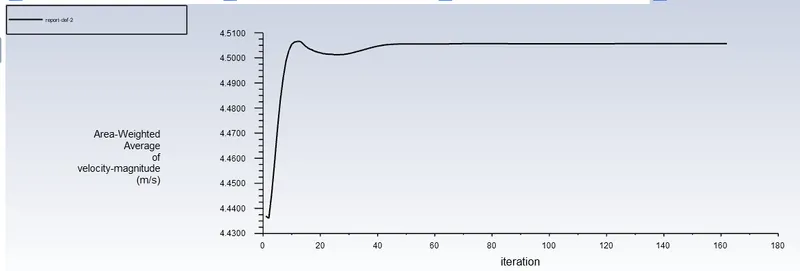
Velocity Contour:
3.Grid size = 2e-3 m.
Mesh:
mesh size is selected as 29e-3 m.No.of elemnts are 105944.
Mesh quality:
Majority of mesh elements are between 0.6 and 1 hence mesh quality is acceptable.
Residue plot:
This problem has taken 318 iterations to converge.
Temperature:
Area weighted average outlet temperature:
Average outlet temperature is seems to be 30.30 deg.C.
Standard deviation:
value standard deviation shown the difference in temperature value from the average temperature value.here it is 1.9.
Tempearture Contour:
Velocity:
Area weighted average outlet velocity:
Average outlet velocity of flow is seems to be 4.505 m/s.
Velocity Contour:
Result Discussion:
Effect of Turbulence model:

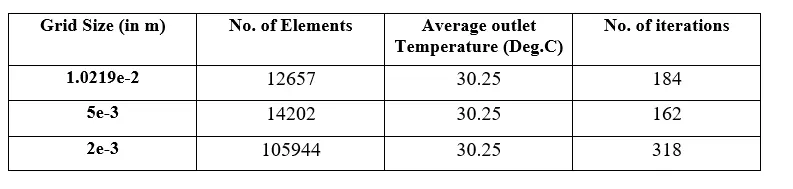
Grid dependency test:
Effect of Momentum ratio:
Conclusion:
1.k-epsilon predicts well far from boundaries and k-omega model predicts well near the boundary,as in this case we are not dealing with walls, we have used k-epsilon model for further simulation.
2.As the grid size increases,number of element increases and hence it takes more time to converge and hence computational time. But with the increase in the grid size final accuracy in the result increases.
3.Momentum ratio is the ratio of velocity at cold inlet to velocity at hot inlet.From the above plot it is observedd tha increasing the velocity of cold inlet with respect to velocity of hot inlet by factor of momentum ratio gives better mixing of hot and cold fluid stream at outlet.
4.Standard deviation of temperature is defference in temperature value outlet as compared to average temperature value.from the plots of standard deviation of temperature,it is observed that standard deviation of temperature is minimum for the case of long mixing tee with momentum ratio.
5.from above reults, it is reccomended to use long mixing tee with momentum ratio 4, as it has standard deviation of temperature value 0.6 and also long length of mixing tee provides more space to fluid stream to get mixed together.
- Christian Vega G.Hi Please I need contact to you. Thanks