Internal Geneva Mechanism
Aim : Perform motion study on internal geneva mechanism
Introduction : Geneva mechanism is a mechanism in which one part of the system rotates constantly but transfers only intermediate rotations to the other. There are many types of geneva mechanisms that can be formed - internal, external, spherical etc.
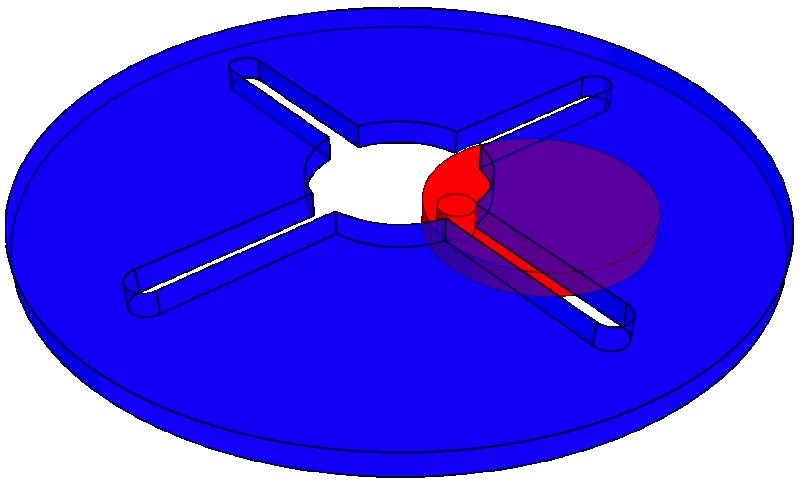
This is how an internal geneva mechanism, the one relevant to this study, looks :
Procedure for study :
First we create 3D models of drivinng and driven wheel according to the dimensions given in the question statement.
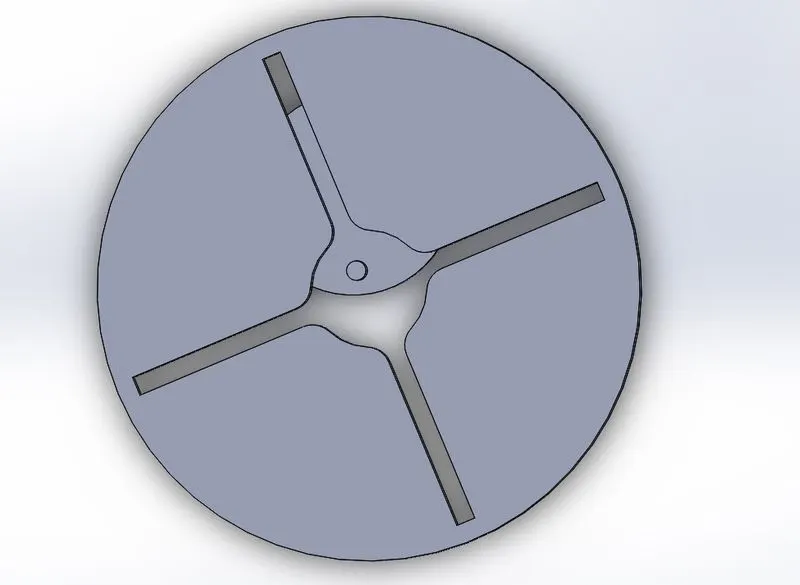
Then we assemble them forming an internal geneva mechanism by applying proper mates and figuring out the distance between the axis of rotation of our wheels. For this study, I found the proper distance by trial and error method.
Then simply run the calculation in motion study analysis after we input the parameters given in question statement.
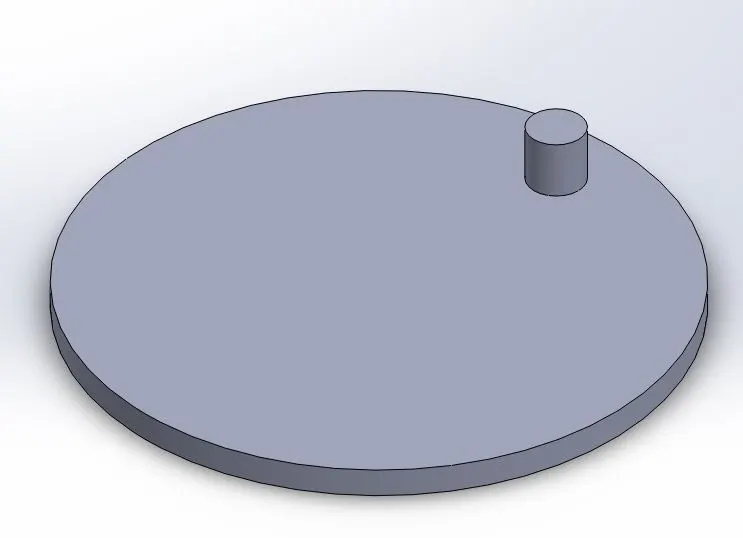
3D model for driving wheel :
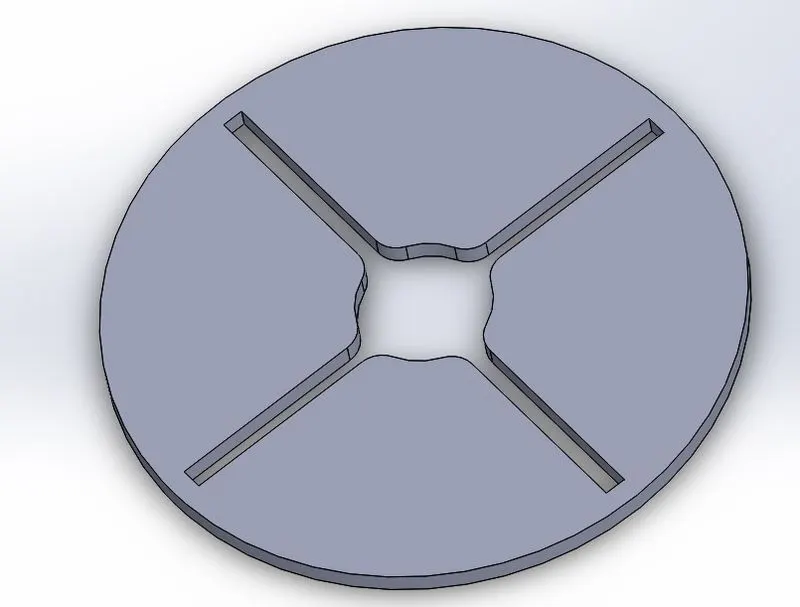
3D model for driven wheel :
3D view of assembly of internal geneva mechanism :
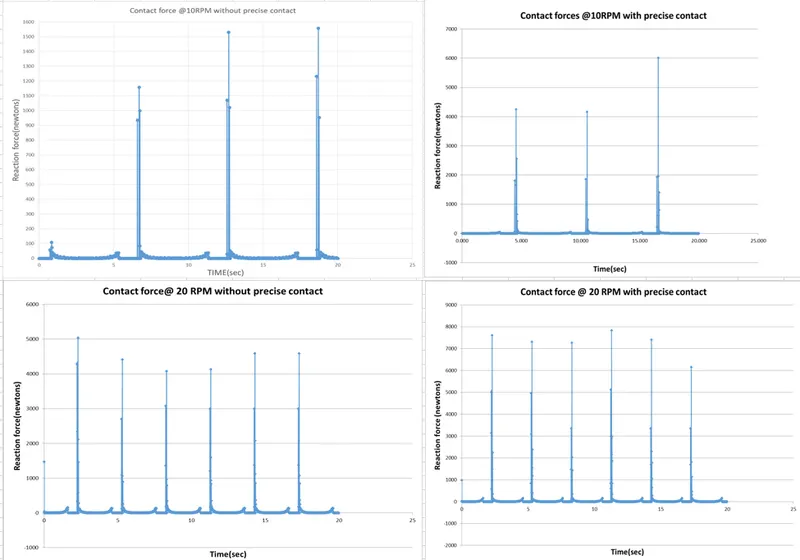
We setup motion study for 10 and 20 rpm and also with precision contact switched on and foff seperately. The material applied to both pats of the assembly is dry steel.
The results were as follows :
Contact forces with and without precision at 10 and 20 rpm :
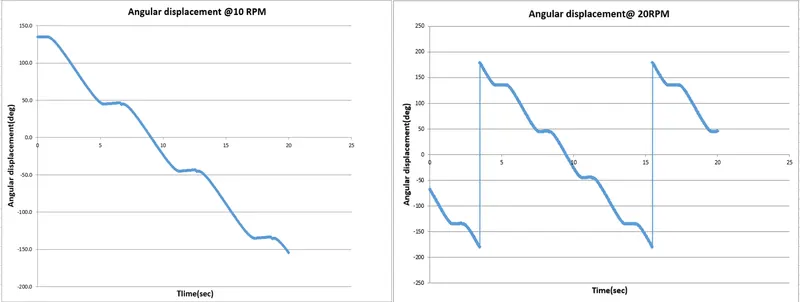
Angular displacement of driven wheel :
Conclusion :
apart from the other effects that could be visualised like angular displacement, we observe that contact force between the parts increases when rpm is increased.