Hood design-Week 2
WHAT IS HOOD ?
*Hood is also known as bonnet. It is an opening body panel that covers the engine in a front-engine vehicle.
*The hood is also consider as another type of door in a vehicle as it consists of an outer panel and inner panel.
*The inner panel provides strengths while the outer panel functions as metal cover.
*During design of hood also consider parameters like pedestrian safety and frontal crash.
*Hood dissipate energy outside the car body rather than inside the card body.
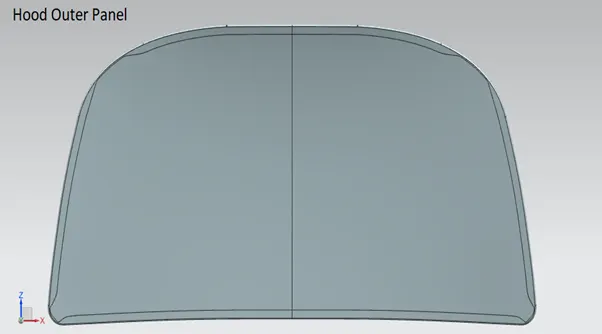
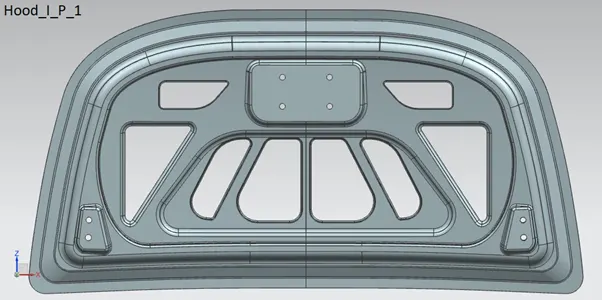
HOOD HEAD ZONE FOR LOCK STRIKER
*Marketability person to be confirm the head zone for lock striker hood support rod accessibility.
*Average human height in India is about 5.5 feet so we design the hood according to Japanese head zone criteria.
COMPONENT OF HOOD
1.HOOD STAY
*A hood stay is an apparatus for an engine room of a car, which can safely keep an engine hood in an open state even if an external force is abruptly generated due to vibration, wind and can facilitate an opening/closing operation of engine hood.
*PURPOSE:- An automotive engine hood is arranged to be opened for the purposes of inspecting the engine room, replenishing the cooling water and/or engine oil, changing parts, making repairs etc.
*TYPES OF HOOD STAY:-
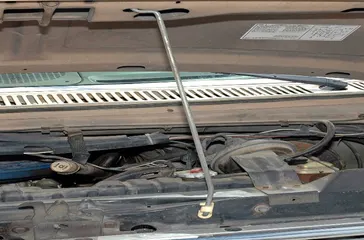
(1) Support Rod:-
- A device used for supporting the engine hood of a motor vehicle in its open position by means of a rod.
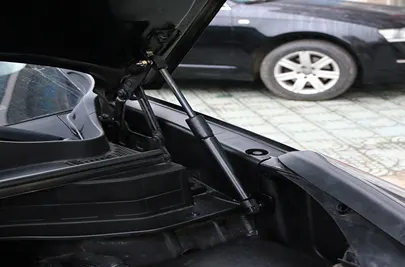
(2) Gas Stay:-
A device for supporting the engine hood of a motor vehicle in its open position by means of an actuator which is activated by gas.
WHAT IS REINFORCEMENT
*Hood reinforcement structure as provided to reduce impact in collisions to passengers. When latch and striker attached to the panel, the strength will be reduced in that area. In order to improve the strength in that area the reinforcement is added.
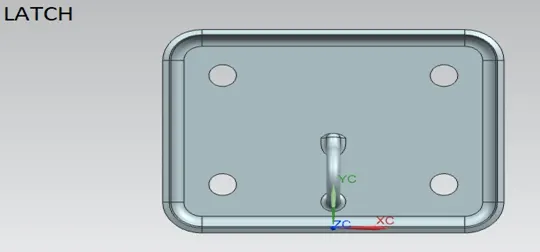
- LATCH
*A hood latch is a very simple component. It's basically the fastener that keeps your hood closed shut. This latch ensures that your hood is securely connected to your vehicle and that it doesn't pop open unexpectedly.
*An engine hood latch mechanism for locking an engine hood in a closed position includes a striker fixed to the lower surface of the engine hood and a base member having a vertical slit into which the striker is dropped in response to closure of the engine hood.
*A locking mechanism engages with the striker in response to drop of the striker into the vertical slit and locks the striker in a closing position where it holds the engine hood in the closed position.
- HINGE
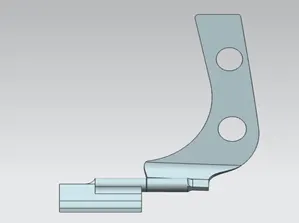
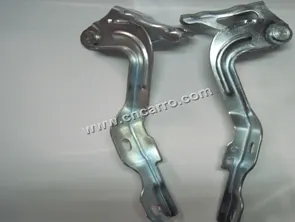
*The hood hinge is a mechanism that makes it possible for you to open and close your hood. This part allows the hood panel to move up and down, similar to how a hinge allows the movement of doors and windows. Each car typically has a pair of hood hinges (driver and passenger side) installed in the front of the vehicle.
- STIFFENER PAD
* Stiffener pad is kind of sponge material. This introduce between outer panel and inner panel to improve the strength locally. It is also use for avoid vibration.
- MASTIC POINT IN HOOD PANEL:-
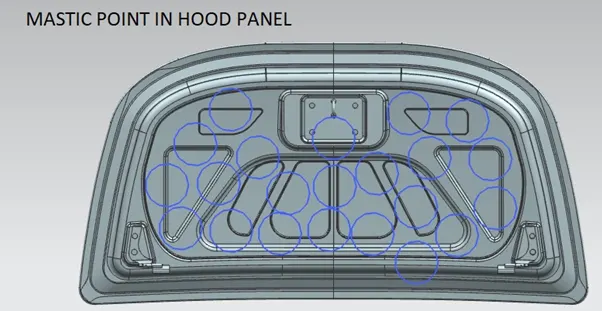
*The mastic sealant is elastic compound that behaves like rubber, used to join two material. All assembly processes seal the inner joints of the two panels with a soft shrink-free mastic, extruded in a channel drawn in the inner panel, mainly to provide damping. The mastic points are defined on hood in inner panel as shown. They help the hood outer panel to come back to its original shape after it gets deformed. The mastic has an influence area of 80mm.
HEMMING
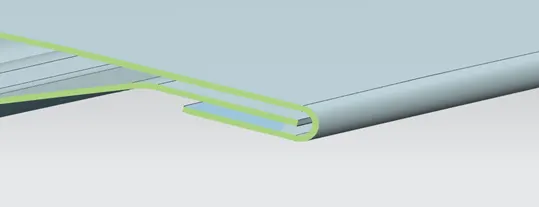
*Hemming is process in which the edge is rolled flush to itself using rollers, while a seam joins the edge of two materials. The hemming process wraps the edges of the hood outer panel featuring drawn surfaces around the inner panel with the help of rollers and hold it tightly. Hemming can stiffen the hood border and, when adequately sealed, protect against corrosion.
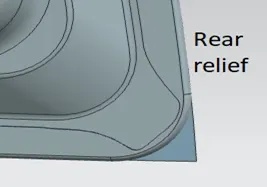
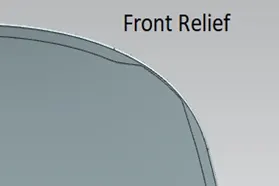
* After hemming process corner relief is provided at the corners of the hood for the ease of manufacturing.
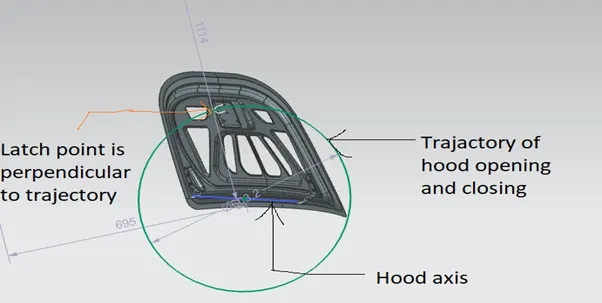
Position of Hinge and striker:-
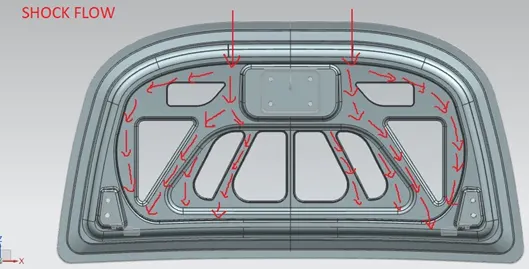
SHOCK FLOW
Emboss were designed to dissipate the force outside the structure and toward the hinges.
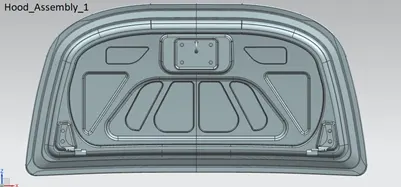
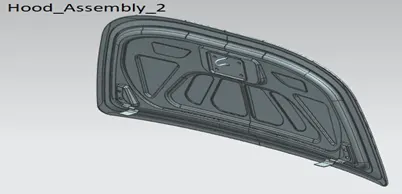
HOOD ASSEMBLY VARIOUS PICTURES
Conclusion:-
Here, I made the cad design of hood by using NX software and tried to explain important components of hood and its application. During the design of hood I also consider the various parameters like position of hinges, emboss design, front and rear relief, shock flow and mastic point in hood.
GOOGLE DRIVE LINK :-
https://drive.google.com/file/d/1wBjnvxFLUm4pe8ryzMyvmpHgcwUI26IL/view?usp=sharing