Hood design-Week 2
HOOD :
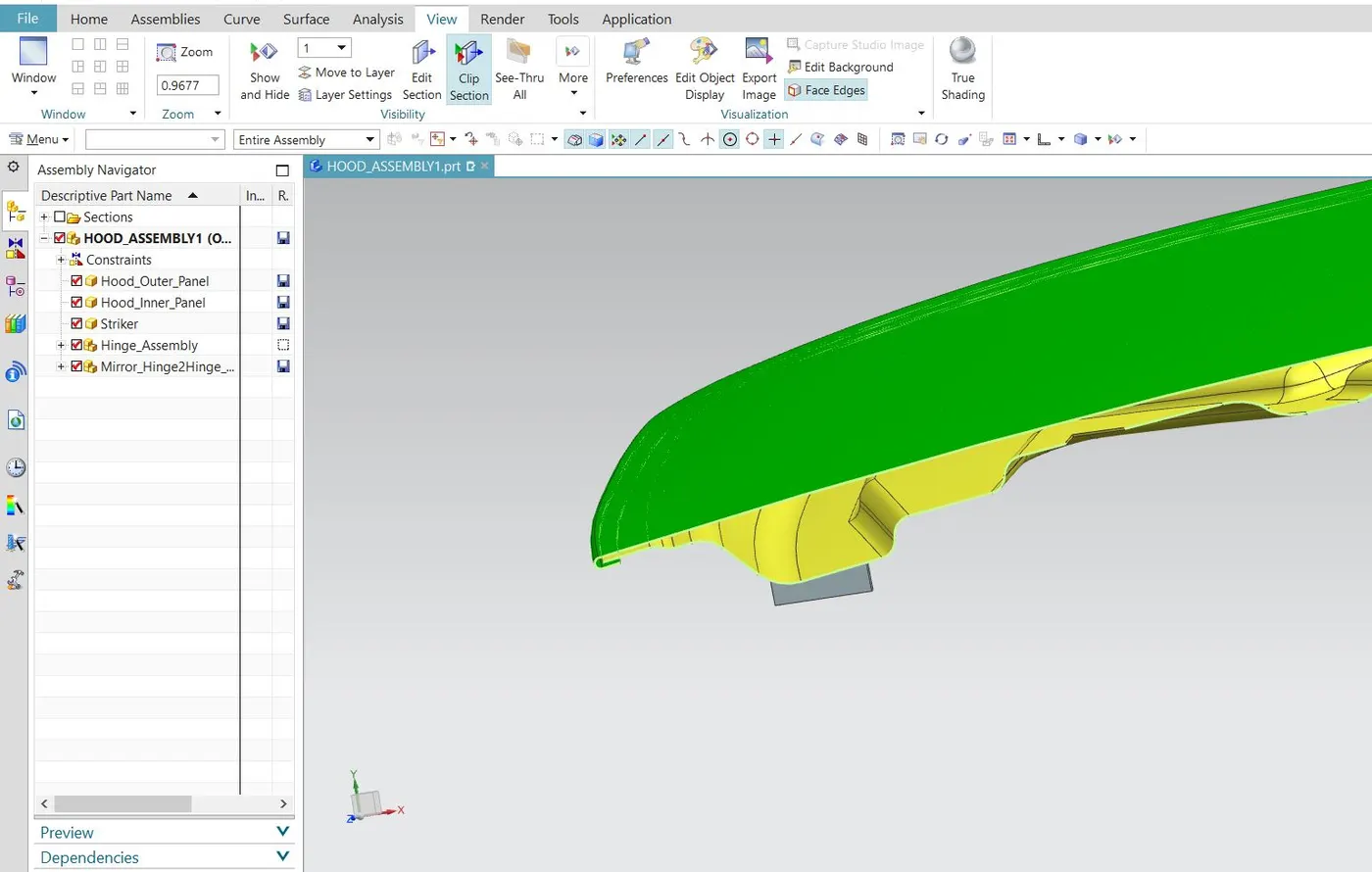
The hinged cover for a car's engine is called the hood or bonnet. Hoods can be opened to provide maintenance and repair access to the engine compartment, or trunk in rear-engine and some mid-engine cars. From a design standpoint, the hood must adhere to a number of strict requirements, such as manufacturability, force distribution in the event of a frontal accident , hood head zone for the lock striker, etc.
The outer panel, inner panel, latch and striker, hinge, and hood stay make up a conventional hood assembly. A hood stay is a device used to support a vechile's engine hood when it is opened. Opening the engine hood serves a variety of purposes, such as maintenance and repair work, part replacement, engine oil and cooling water replenishment, and room inspection.
1. OUTER PANEL
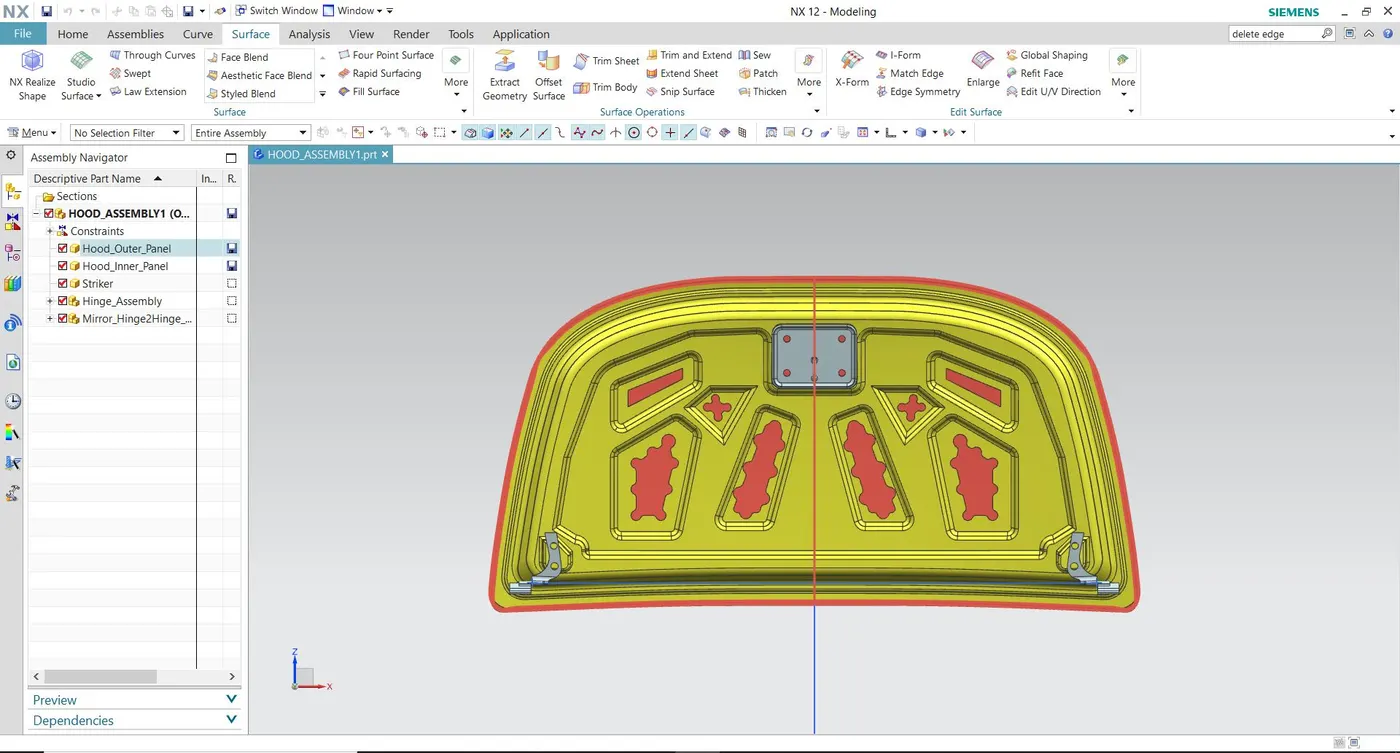
An automobile's outside panels are its decorative components. The skin for the outside panel is provided by the styling team. The hood's size, form, and placement should all adhere to safety regulations. Therefore, pedestrian safety should be given more consideration while constructing the hood. Hemming is used to join the outer and inner panels. Therefore, in order to perform the hemming operation, the requisite hemming flange and reliefs must be provided. In order to lessen vibration, we also offer mastic sealants between the inner and exterior panels.
2. INNER PANEL
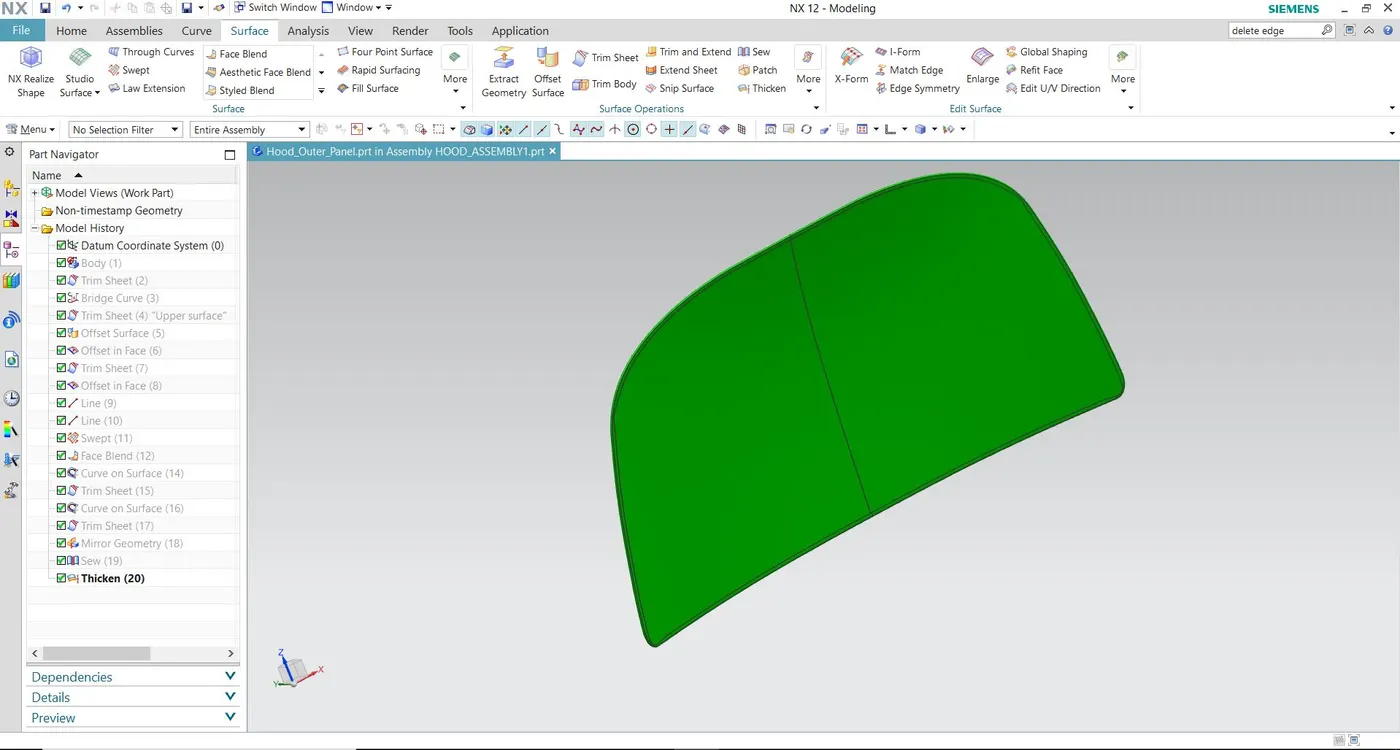
The component that gives the outer panel its strength and stiffness is the inner panel. The original emboss shape and size are represented in the master section. After adjusting the placement, we supply the emboss for the latch and hinge components.
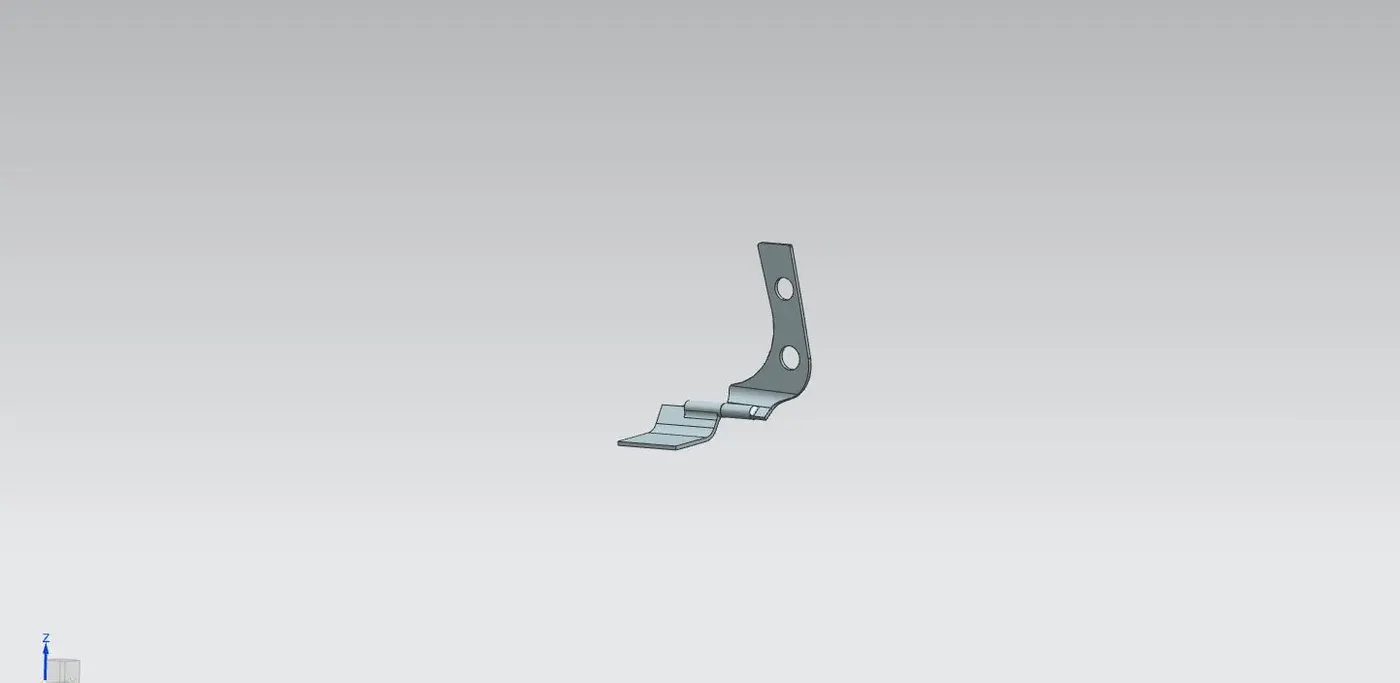
3. HINGES
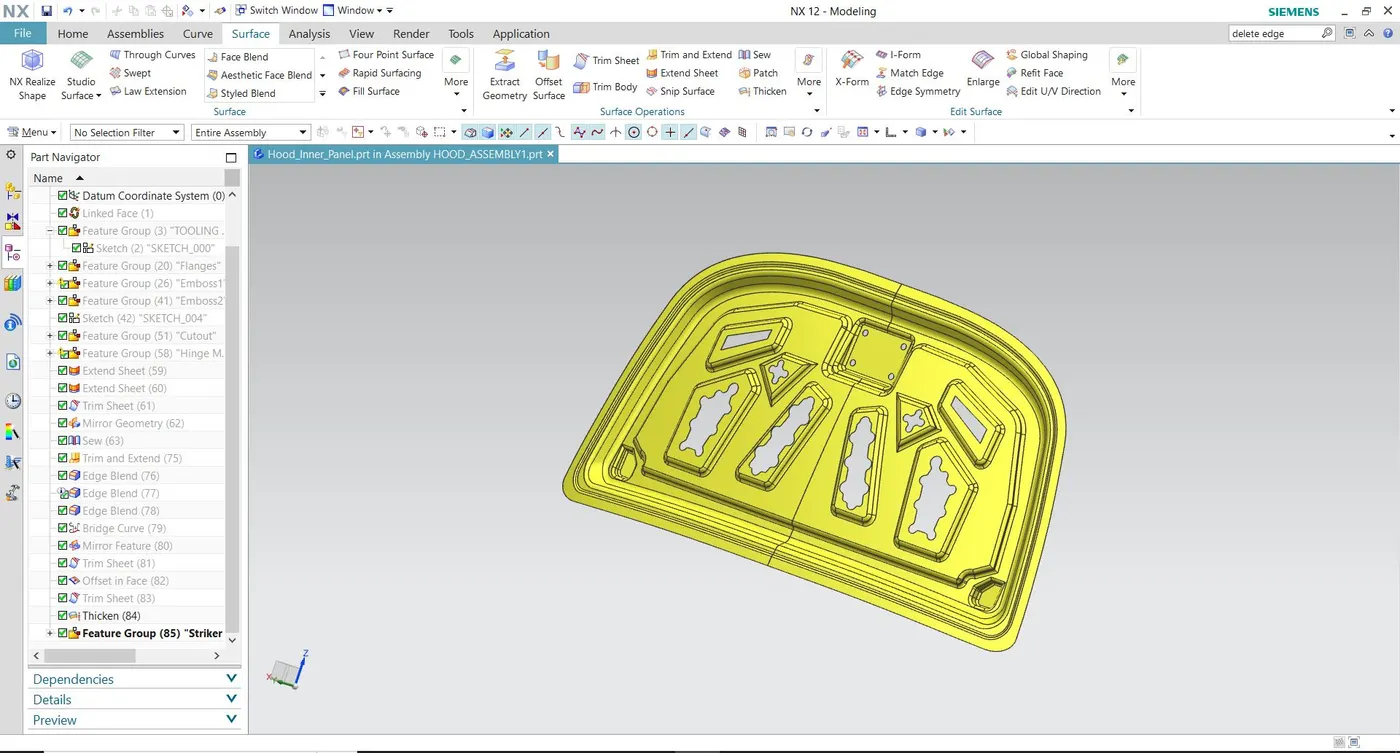
The hood may be opened and closed by rotating it around a fixed axis through its hinges. One hinge portion is fastened to the engine compartment, and the other hinge portion is attached to the hood.
4. LATCH TRAGECTORY
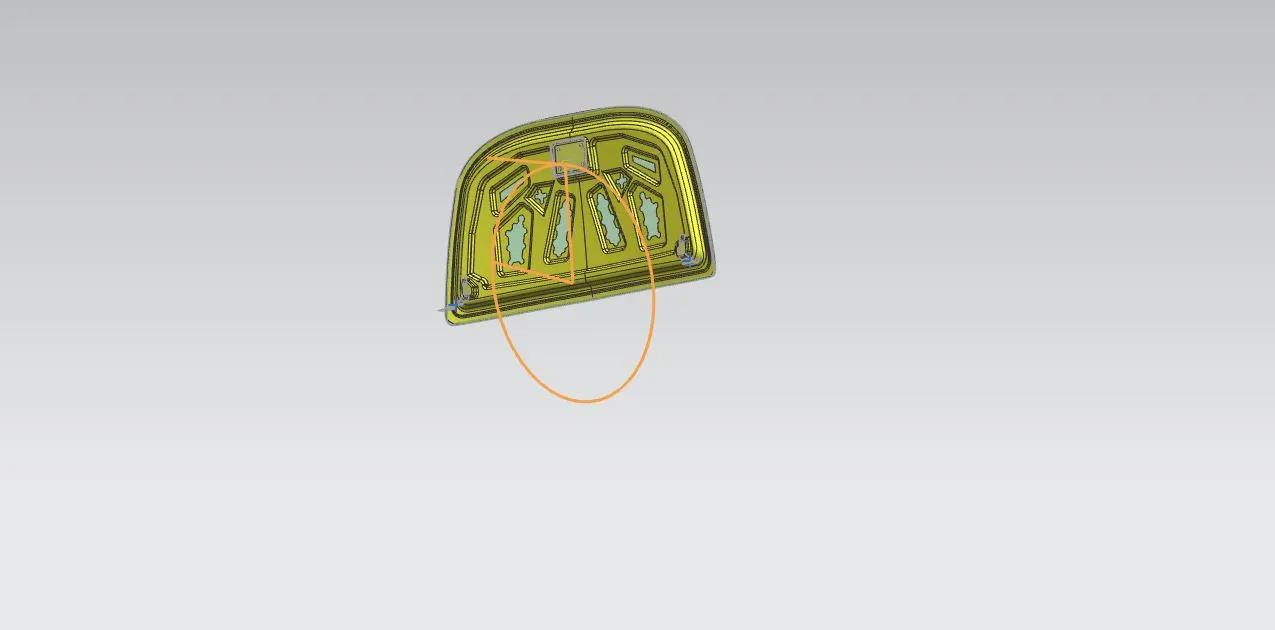
It is the route that the hood revolves on as it opens and closes. When opening or shutting the hood, the striker on the hood travels along a specific path around a circle whose center is the hinge axis. This trajectory is nothing more than a latch. Selecting the installation locations for the hinges, latches, and strikers is a crucial part of hood design.
5.CUT SECTION