Hood design-Week 2
CONTENTS:
- hood design and its components
- functional requirements
- latch trajectory
- emboss
- deep drawing manufacturing process
- hemming process
- mastic data
HOOD DESIGN AND COMPONENTS:
Hood is an opening body panel cover of an engine. it consist of an outer panel and inner panel. the inner panel gives strength while outer panel functions as a metal cover. also hood can open to allow access to engine compartment.
- design requirements for the hood and its components
- hood balancer (support)
- hood hinge and its functions
- gap and flushness
- joining operations like
hemming, spot welding, glueing, reverting.
HOOD COMPONENTS:
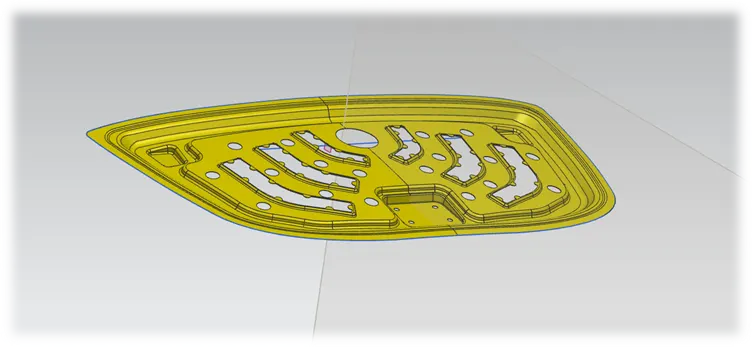
hood inner panel:
A hybrid hood inner panel for a vehicle is provided to improve rigidity, durability, and pedestrian protecting performance by comprisin
g a composite structure in which a multi-cone structure and a frame structure are individually arranged on the front and the rear.
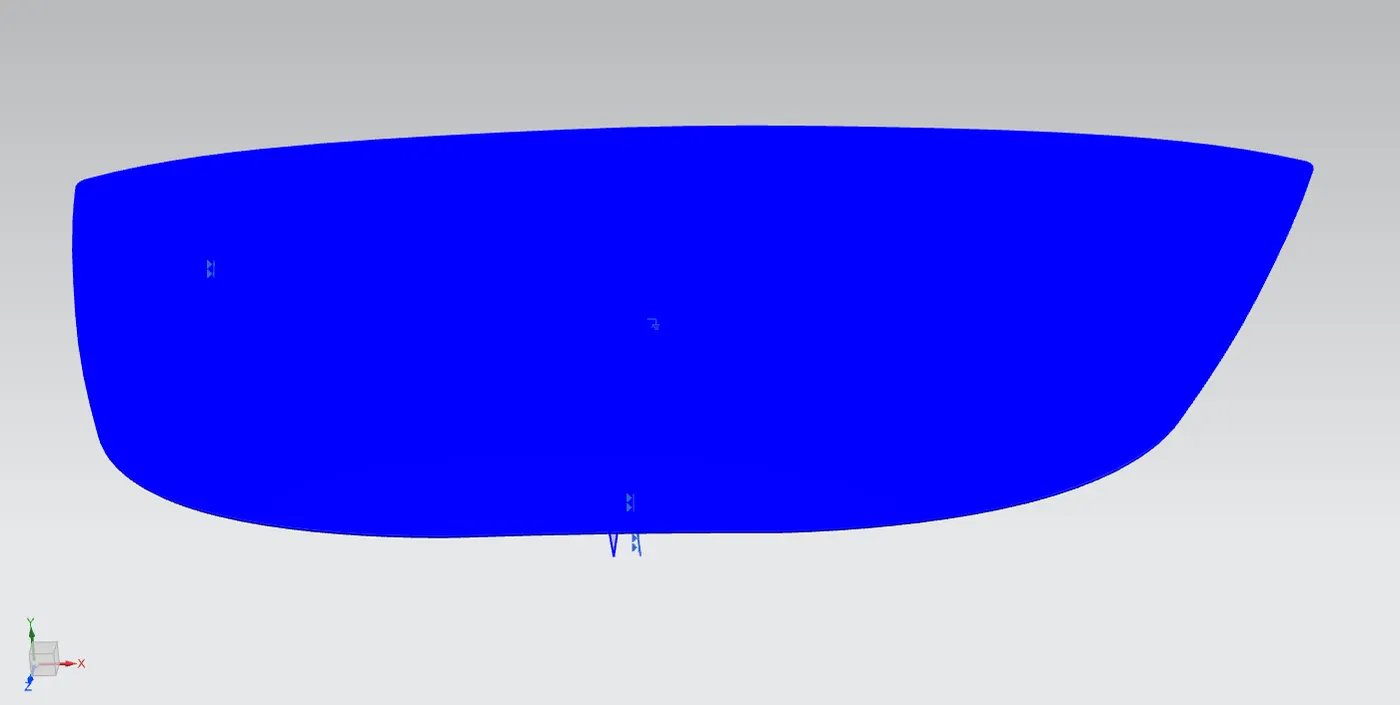
hood outer panel:
it is a styling outer surface of a car and protect the engine components.
Functional requirements:
<!-- [if !supportLists]-->· <!--[endif]-->The car hood protects the engine and connected parts from the elements while providing easy access for repairs and maintenance.
<!-- [if !supportLists]-->· <!--[endif]-->Protects the engine and other vital components from external elements, and helps to absorb some of the impact in the event of a collision
Hood balancer:
<!-- [if !supportLists]-->· <!--[endif]-->Conventional cars consist of a support rod under the bonnet to hold the bonnet open.
<!-- [if !supportLists]-->· <!--[endif]-->This support rod needs to be manually engaged by the user in a slot provided after opening the heavy bonnet to keep if from closing.
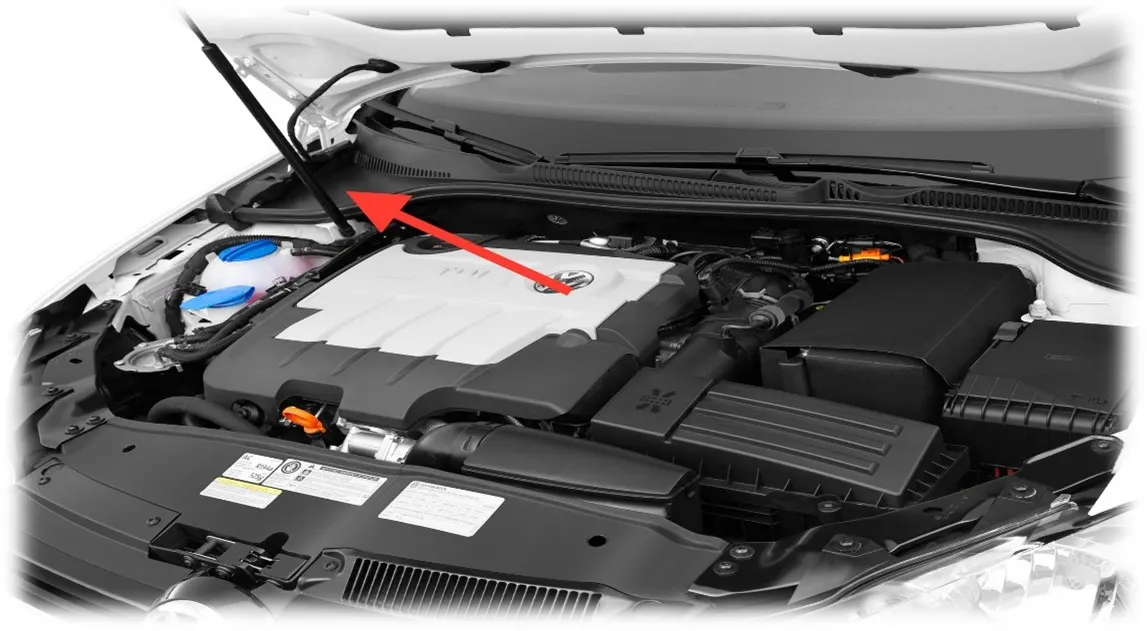
<!-- [if !supportLists]-->· <!--[endif]-->There are two types of support rod used. manual functional and another one is gas stay which is used for lift heavy weight of the hood and also user friendly.
Support rod:
<!-- [if !supportLists]-->· <!--[endif]-->Gas struts are also known as gas springs or gas stays, provide support for lifting, positioning, lowering and counterbalancing weights in a safe manner.
<!-- [if !supportLists]-->· <!--[endif]-->Stabilus gas struts work by forcing, under pressure, gas into a cylinder.
Hinge and its functions:
<!-- [if !supportLists]-->· <!--[endif]-->Hinges are a hardware component that connects two things together, bearing the weight from one to the other about a fixed axis of rotation allowing it to open and close easily.
<!-- [if !supportLists]-->· <!--[endif]-->They are found on virtually all doors in a home, mains doors and commercial buildings.
Gap and flushness:
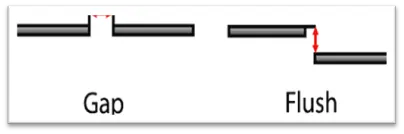
<!-- [if !supportLists]-->· <!--[endif]-->Gap is defined as the distance perpendicular to the normal surface between two parts, while flush as the distance on the axis of the normal surface between two parts.
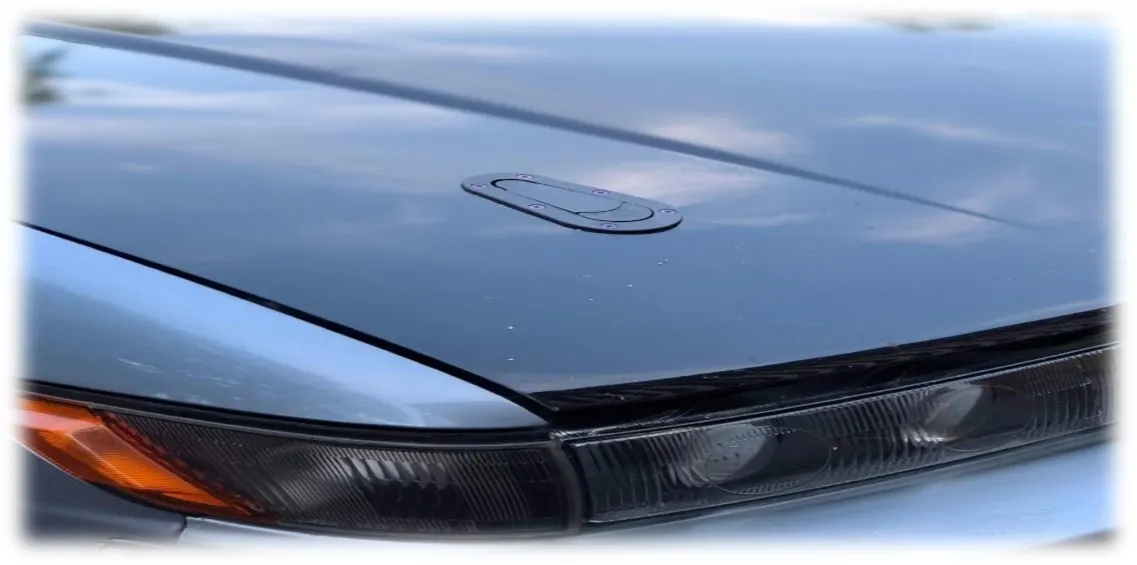
<!-- [if !supportLists]-->· <!--[endif]-->During final assembly verification, automotive manufacturers check that a car's panels are joined correctly, and adhere to strict dimensional specifications.
<!-- [if !supportLists]-->· <!--[endif]-->Doors or parts must lie flush with one another so that they do not pinch near the base.
Latches:
<!-- [if !supportLists]-->· <!--[endif]-->Under the hood of most cars, trucks, vans and even tractors is a latch. Known as a hood latch, it temporarily holds the hood down.
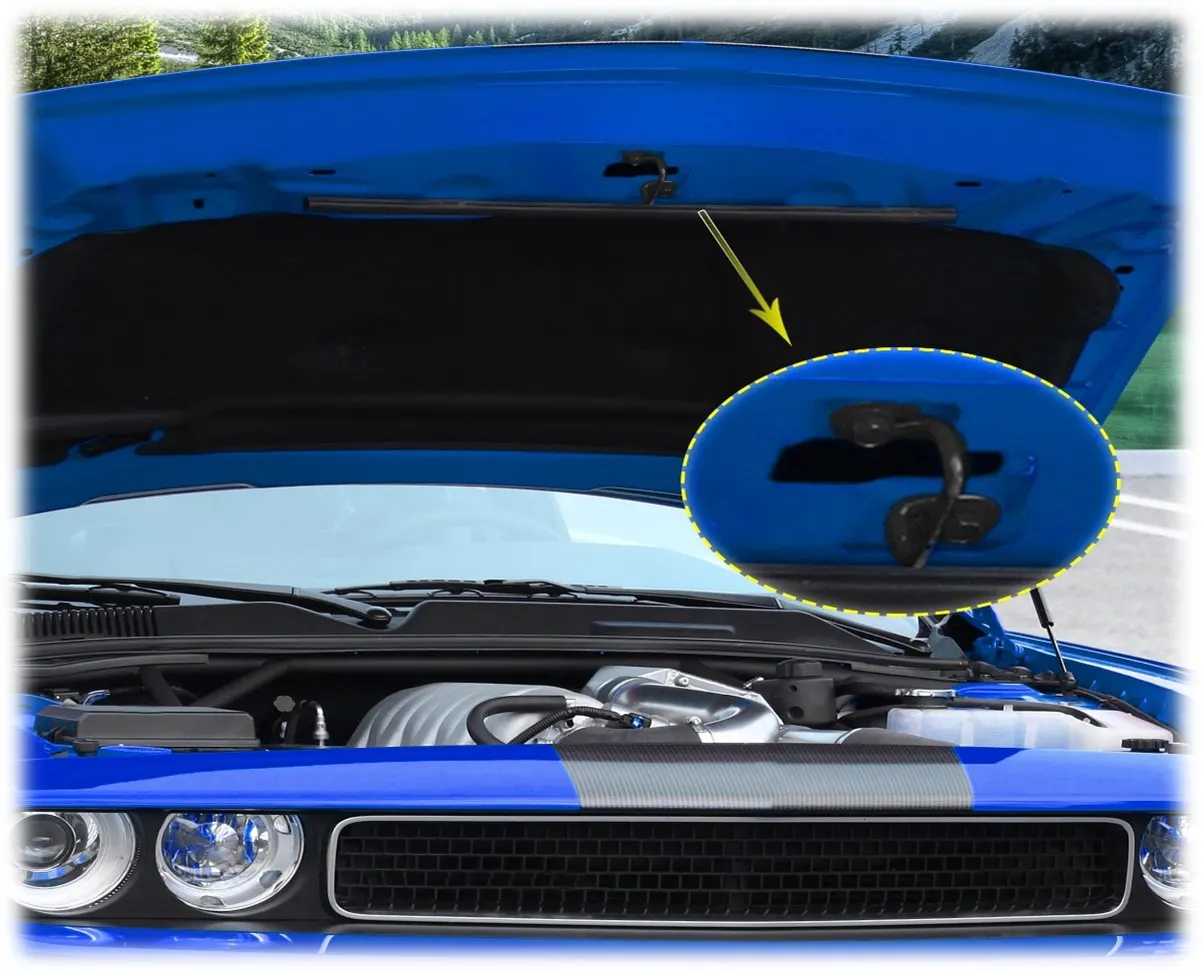
<!-- [if !supportLists]-->· <!--[endif]-->Hood latches are connected to a handle. When you pull or engage the handle, the hood latch will release
Latch trajectory:
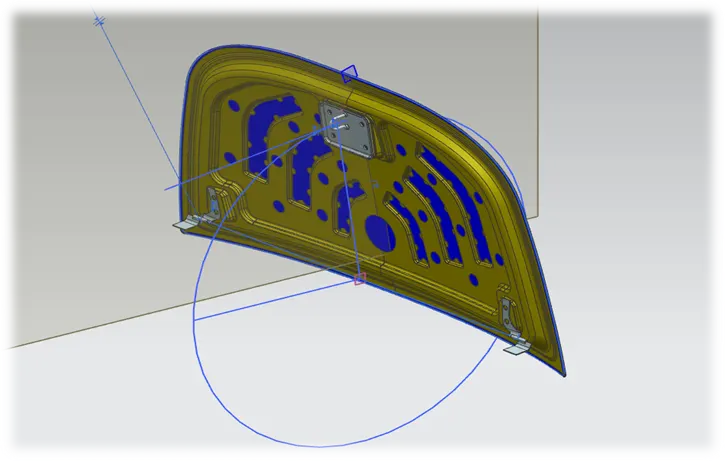
<!-- [if !supportLists]-->· <!--[endif]-->The latch trajectory is the path which the striker will follow when the hood is open/closed while pivoting on the hinge axis.
Mastic data:
<!-- [if !supportLists]-->· <!--[endif]-->One spot of mastic sealant provides strength locally at around 80 mm.
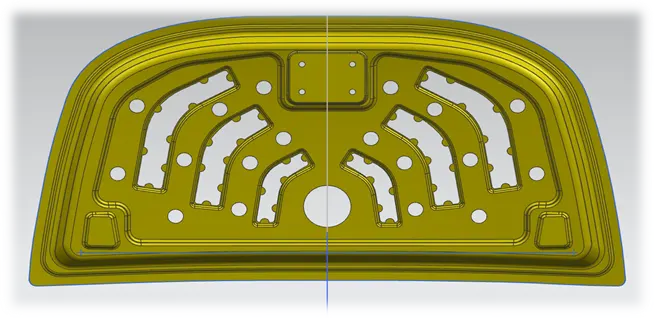
<!-- [if !supportLists]-->· <!--[endif]-->these mastic points in such a way that it covers the most of the hood region except reinforcement area of latch and hinge
Emboss:
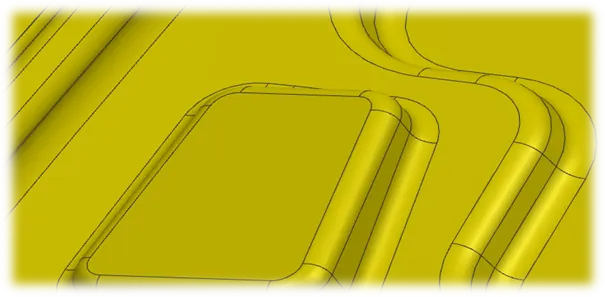
<!-- [if !supportLists]-->· <!--[endif]-->Sheet metal embossing is a stamping process for producing raised designs or relief in sheet metal.
Hemming process:
<!-- [if !supportLists]-->· <!--[endif]-->Hemming is a forming operation in which the edges of the sheet are folded or folded over another part in order to achieve a tight fit.
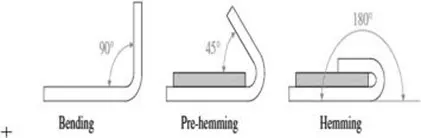
<!-- [if !supportLists]-->· <!--[endif]-->Normally hemming operations are used to connect parts together, to improve the appearance of a part and to reinforce part edges.
Deep drawing process:
<!-- [if !supportLists]-->· <!--[endif]-->Deep drawing is a sheet metal forming process in which a sheet metal blank is radially drawn into a forming die by the mechanical action of a punch.
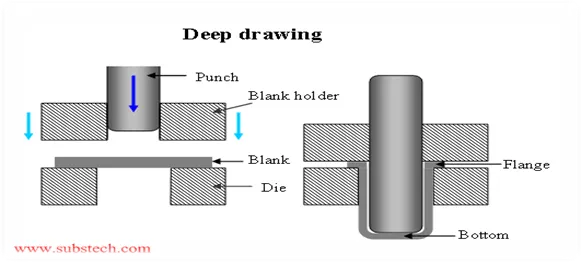
<!-- [if !supportLists]-->· <!--[endif]-->It is thus a shape transformation process with material retention.
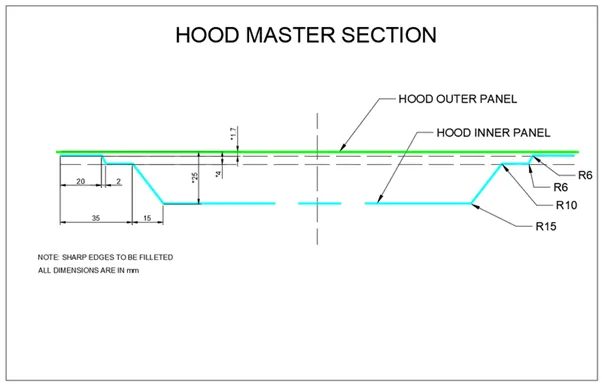
Design Hood Outer Panel, Inner Panel and the necessary reinforcements by following the Master Section mentioned with the Design parameters.
A detailed report about the Hood Design which includes a detailed explanation about hood and its components, Latch Trajectory, Mastic Data, Emboss Definitions, Manufacturing process like Deep-Drawing and Hemming, and all the parameters followed in the design.
The report should be well-formatted and should have a good flow of content. Add all the relevant images
Data to be used:
Hood Thickness Information
- Outer Panel Thickness = 0.75mm
- Inner Panel Thickness = 0.75mm
- Reinforcement Thickness = 1.5mm
DESIGN REQUIREMENTS :
Data to be used:
Hood Thickness Information
- Outer Panel Thickness = 0.75mm
- Inner Panel Thickness = 0.75mm
- Reinforcement Thickness = 1.5mm
Master Section:
Final report has been submitted as a zip file.