Hood design-Week 2
Aim: To design the hood of a car using NX CAD with the given constraints and parameters
Brief: The hood of a car is a hinged cover that sits at the front of the vehicle and covers the engine compartment. Its primary purpose is to enclose and protect the engine and other essential components. The shape and design of the hood can play a role in the car's aerodynamics. They are built with the consideration of crash safety by absorbing the energy in case of a collision to minimize the impact getting transferred deep into the passengers. Hoods can be kept open by a support rod or gas stay. The former is economical and operated manually while the latter is expensive and automatic.
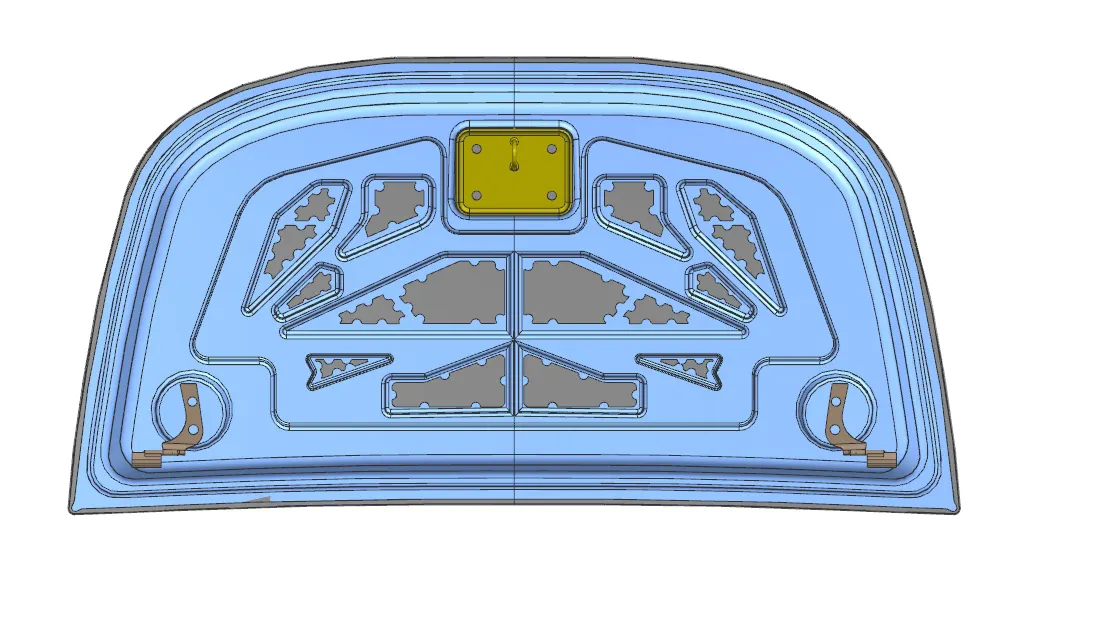
Components
- Outer Panel: The outer panel is the externally visible surface that provides a good aesthetic appearance of a car. Dimensions depend upon the overall dimension of the car and safety requirements.
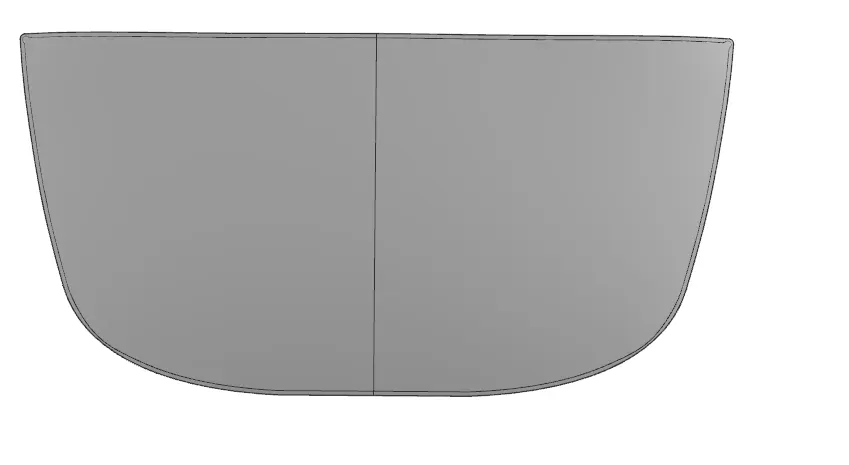
- Inner Panel:The inner panel provides strength and support to the outer panel. It contains embosses and cut-outs to ensure the necessary pedestrian safety and crash safety requirements. It houses the striker and hinge mechanisms.
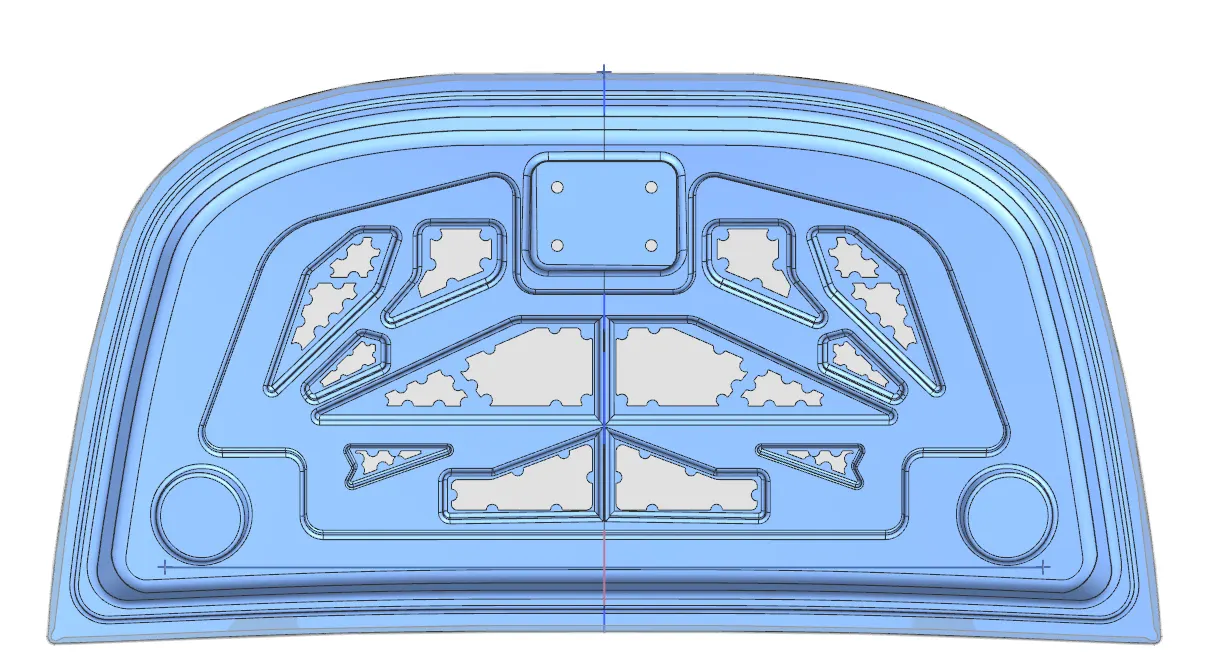
c. Reinforcements:
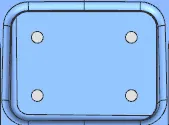
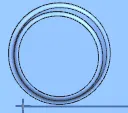
At the region of component installations such as striker and hinge mechanisms, reinforcements are added to compensate for the strength lost by the loss of materials in that region.
d. Hinges:
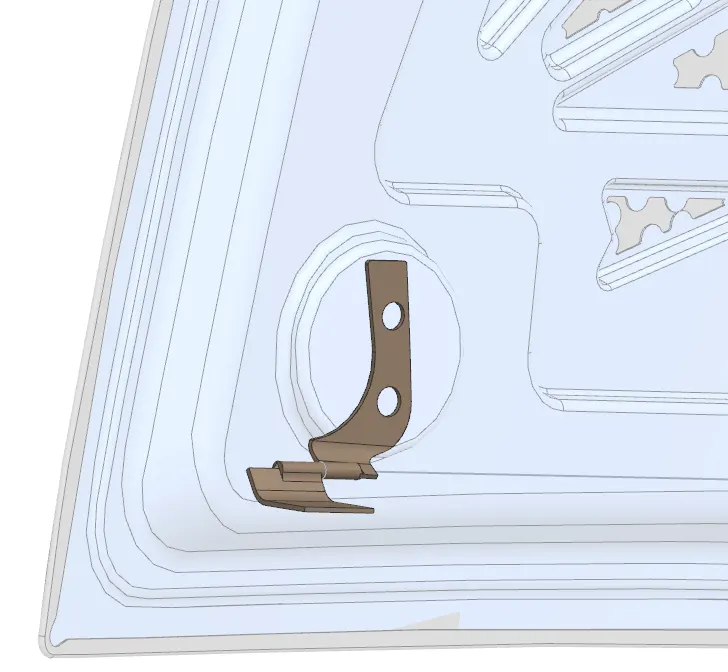
Hinges are the pivot point for the opening and closing of the hood
e. Latch and Striker:
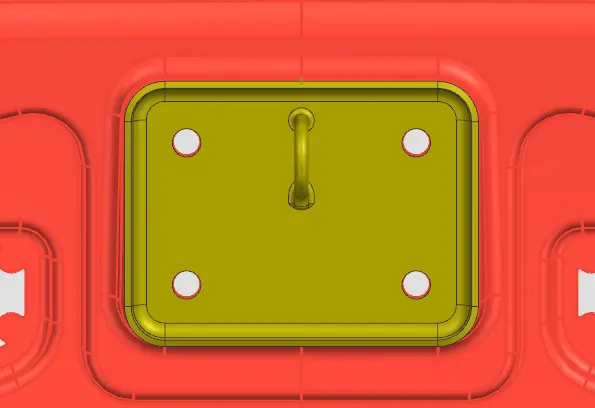
It is the locking mechanism used to keep the hood locked and to prevent unexpected opening.
f. Latch Trajectory:
This is the trajectory in which the hood opens and closes. The trajectory must be defined properly in such a way that the striker hits the latch perfectly and gets locked. A line is drawn at the middle of the 'C' clamp and made tangent to the trajectory. So that all angles of opening and closure, it will be tangential to the trajectory.
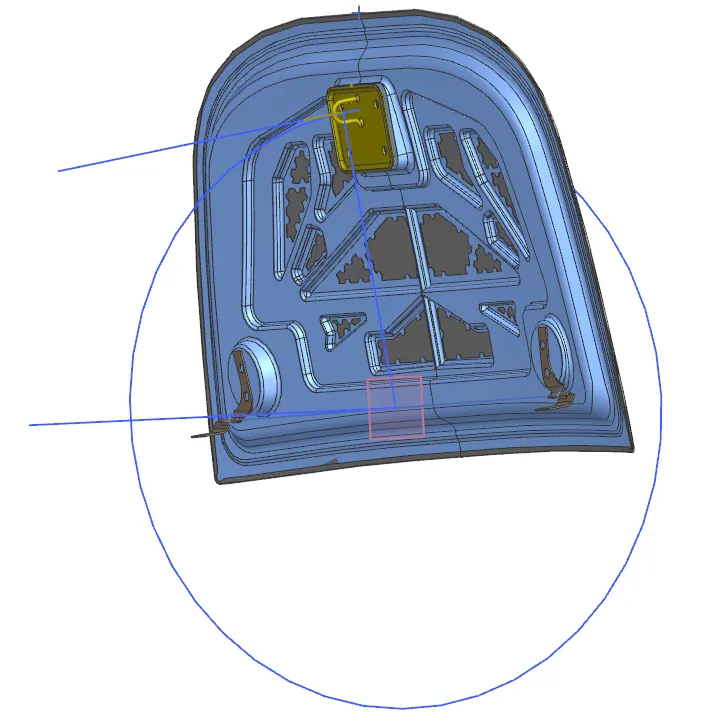
g. Mastic Sealant
Mastics are introduced between the outer and inner panels to glue them together to enhance the strength. Each mastic point will have the effect around a diameter of 80 mm.
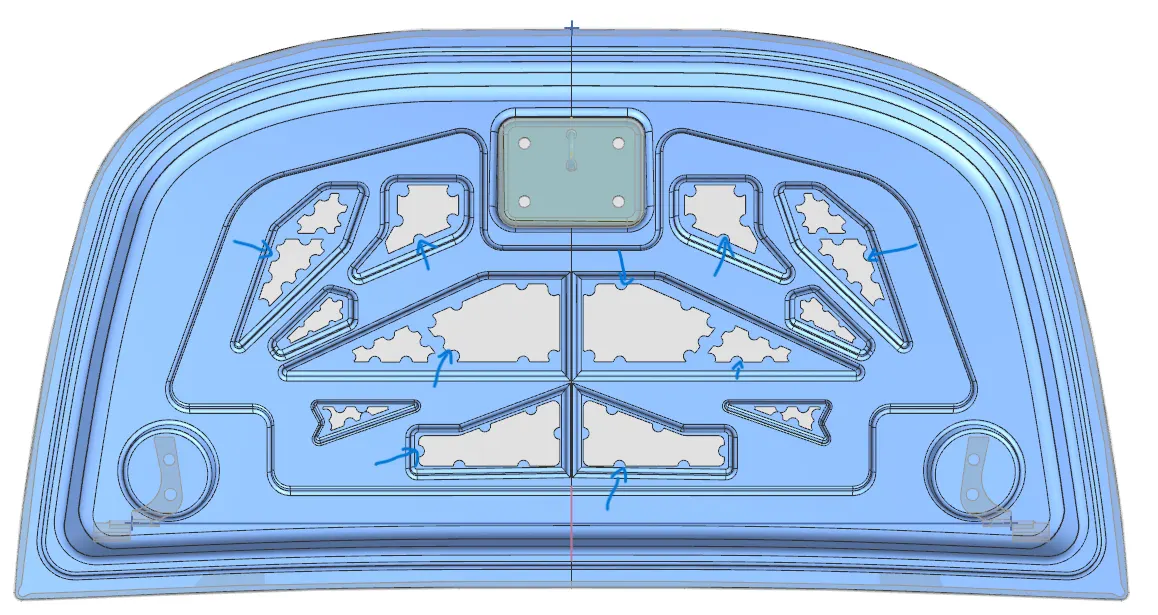
h. Embosses
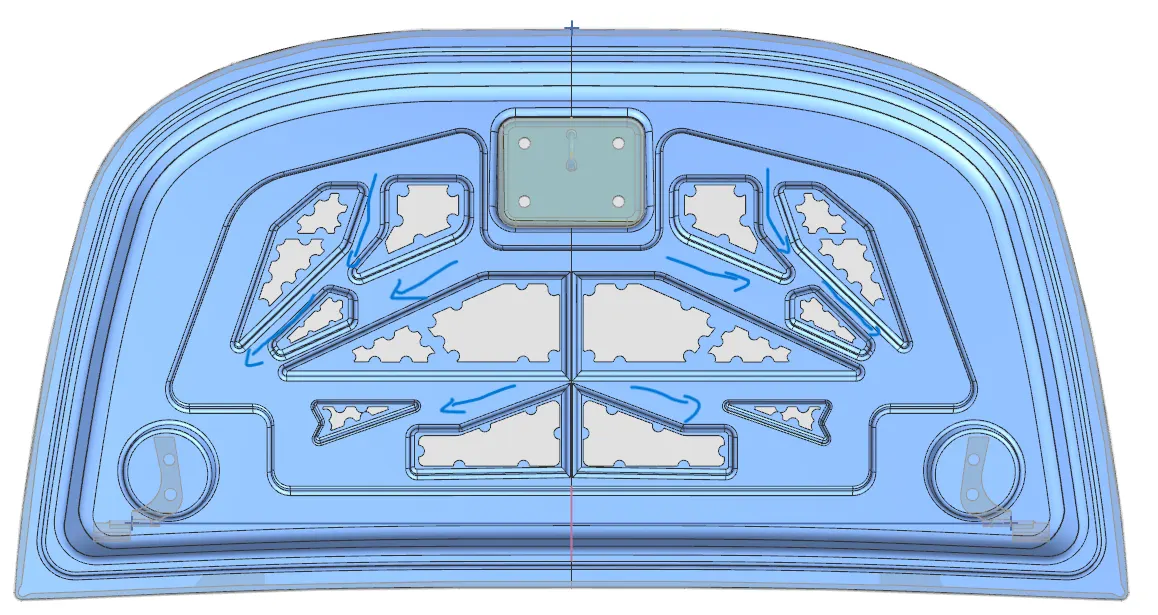
Embosses in the inner panel are made to divert the impact force during a collision and distribute them away from the direction of passengers
Deep Drawing:
Deep drawing is a metal-forming process used to create 3D shapes from flat sheet metal. A piece of flat sheet metal is placed over a die. The die is then pressed against the sheet metal causing it to deform and take on the shape of the die cavity.
Hemming:
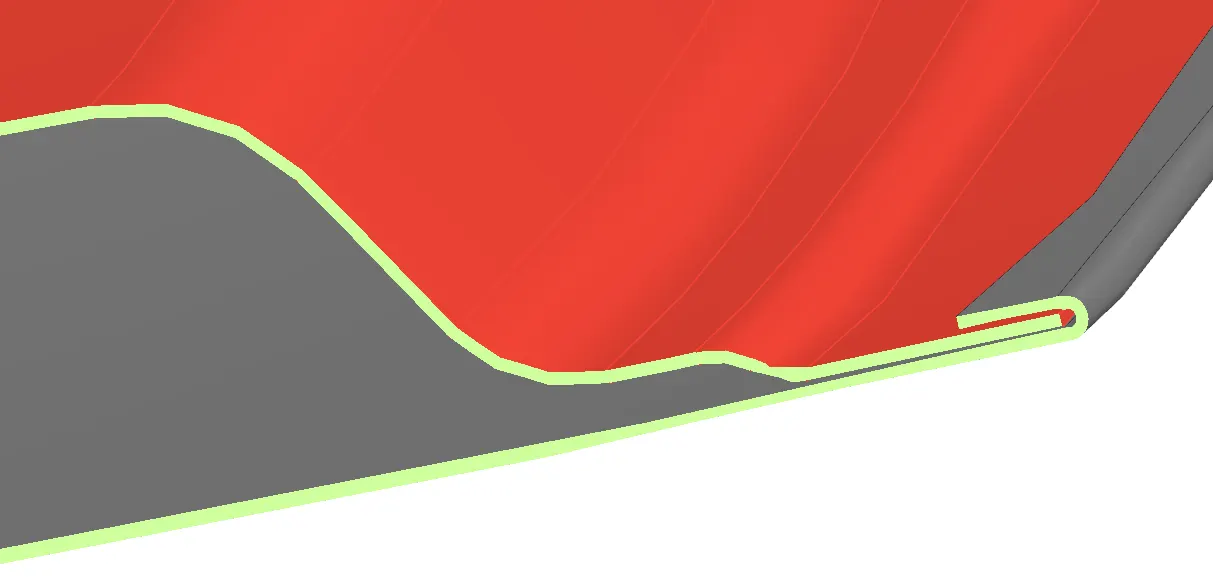
Hemming is a metalworking technique used to join two edges of sheet metal by folding one edge over the other