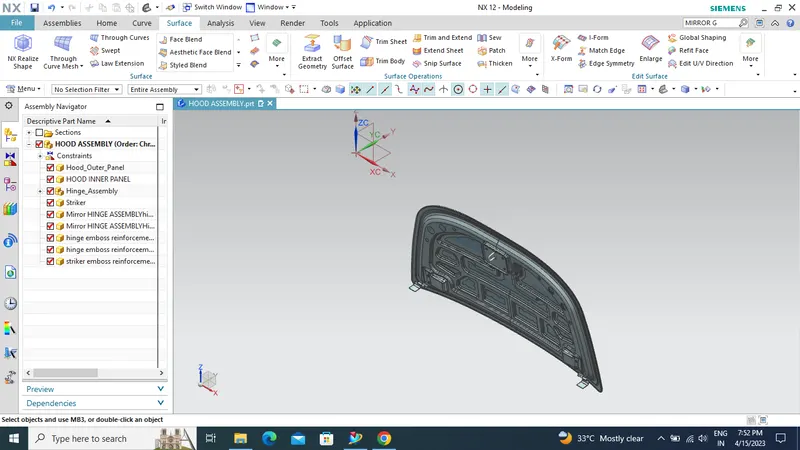
Hood design-Week 2
The hood, also known as the bonnet in some regions, is a component of a vehicle's body structure that covers the engine compartment. It is typically located at the front of the vehicle and is hinged at the rear, allowing it to be opened for maintenance and repair purposes. The hood serves multiple purposes such as protecting the engine from debris, providing access for maintenance, and enhancing the vehicle's overall aesthetics. It is an important safety component as well, as it helps to absorb impact energy in the event of a collision.
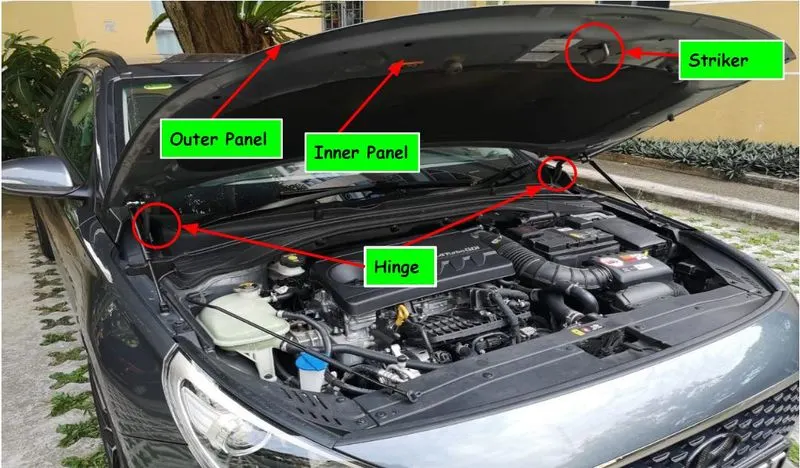
COMPONENT OF HOOD:
HOOD OUTER PANEL
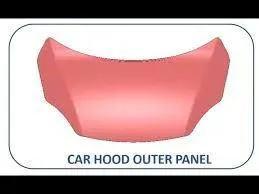
The outer panel of a hood or bonnet refers to the visible exterior part of the component that is typically made of metal, fiberglass, or other materials. The outer panel is usually shaped and designed to fit the contours of the car's body and is often painted or finished to match the car's color and style.
The outer panel of a hood or bonnet can include various features, such as a raised center section or a scoop, that are designed to enhance the car's appearance or provide functional benefits. The outer panel can also include vents or grilles that help to cool the engine by allowing air to flow through the engine compartment.
In addition to providing aesthetic and functional benefits, the outer panel of a hood or bonnet is an important safety feature. It is designed to crumple or deform in a controlled manner in the event of a collision, which helps to absorb and dissipate the energy of the impact and protect the car's occupants.
HOOD INNER PANEL
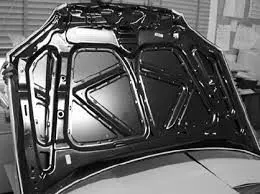
The inner panel of a hood or bonnet is an important component that provides critical structural support and protection for the engine, as well as contributing to the overall safety and performance of the vehicle.
LATCH/STRIKER
The latch and striker are two components of a hood or bonnet that work together to secure the hood or bonnet in place while the car is in motion.
The latch is typically located on the underside of the hood or bonnet and is connected to a cable that is operated from inside the car. When the hood or bonnet is closed, the latch engages with the striker, which is typically located on the car's body. This creates a secure and stable connection between the hood or bonnet and the car's body.
The latch and striker are designed to be durable and reliable, as they must withstand the vibrations and stresses of driving, as well as the wear and tear of regular use. They are typically made of metal and are designed to resist corrosion and other types of damage.
HINGE
The hinge is a critical component of a hood or bonnet that allows for easy access to the engine compartment while providing a secure and stable connection to the car's body.
The design of a hood for a car is a complex process that involves a range of factors, including functionality, aesthetics, safety, and manufacturability. Here is a detailed report that covers the various aspects of hood design:
-
Hood Components: As mentioned earlier, the hood or bonnet of a car typically consists of an outer panel, an inner panel, hinges, a latch, a striker, insulation, prop rod, gas struts, and weatherstripping. Each component is designed to provide specific functionality and performance.
-
Latch Trajectory:
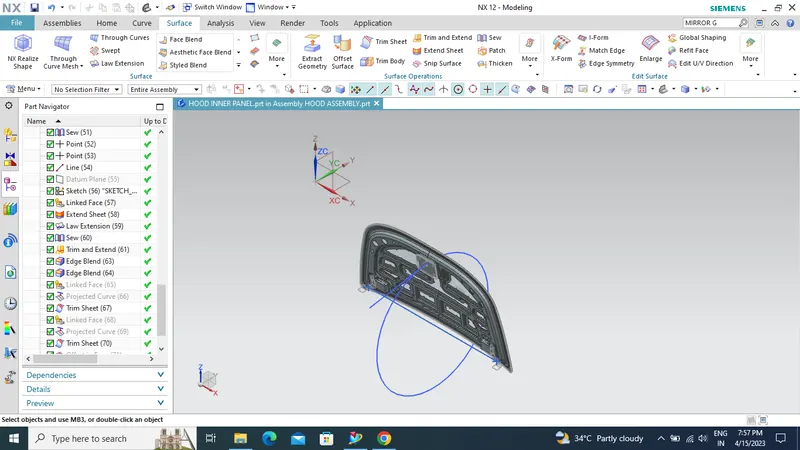
The latch trajectory refers to the path that the hood follows as it opens and closes. The trajectory must be carefully designed to ensure that the hood opens and closes smoothly, without hitting any other components or interfering with the car's overall design.
3. Mastic Data:
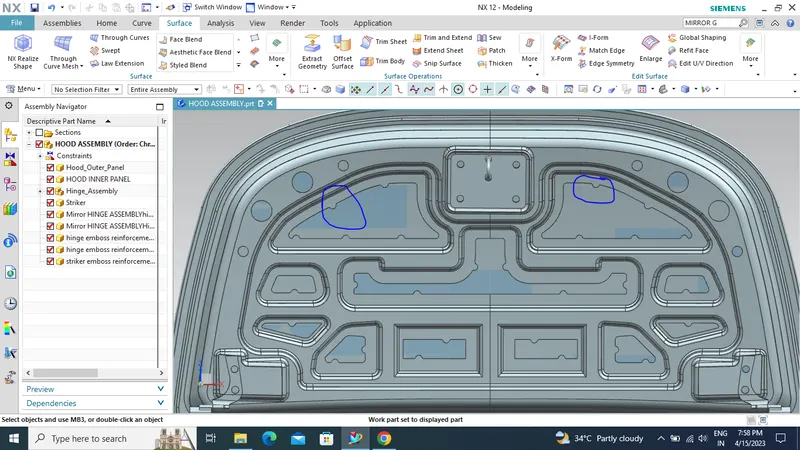
Mastic is a type of adhesive that is used to bond various components of the hood together, such as the inner and outer panels. Mastic data includes information about the type of adhesive used, the bonding process, and the strength of the bond.
4. Emboss Definitions:
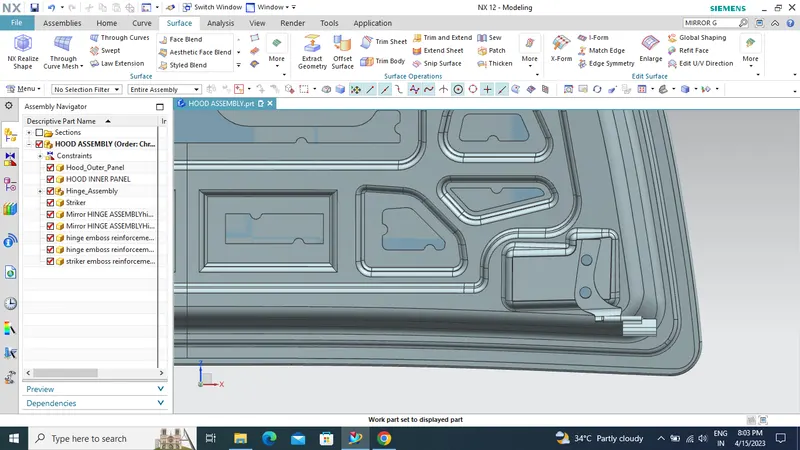
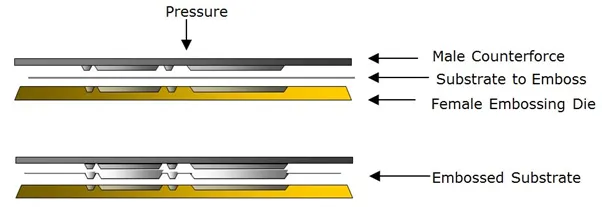
Embossing is a process used to create raised or sunken designs on the surface of the hood or bonnet. Emboss definitions include information about the type of design used, the depth and size of the embossing, and the overall aesthetic effect
5.Manufacturing Process:
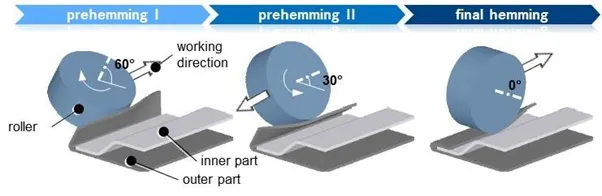
The manufacturing process for hoods typically involves two main techniques: deep-drawing and hemming. Deep-drawing is used to create the basic shape of the hood or bonnet, while hemming is used to create the edges and seams. The manufacturing process must be carefully designed to ensure that the hood is produced efficiently and to high quality standards
6.Design Parameters:
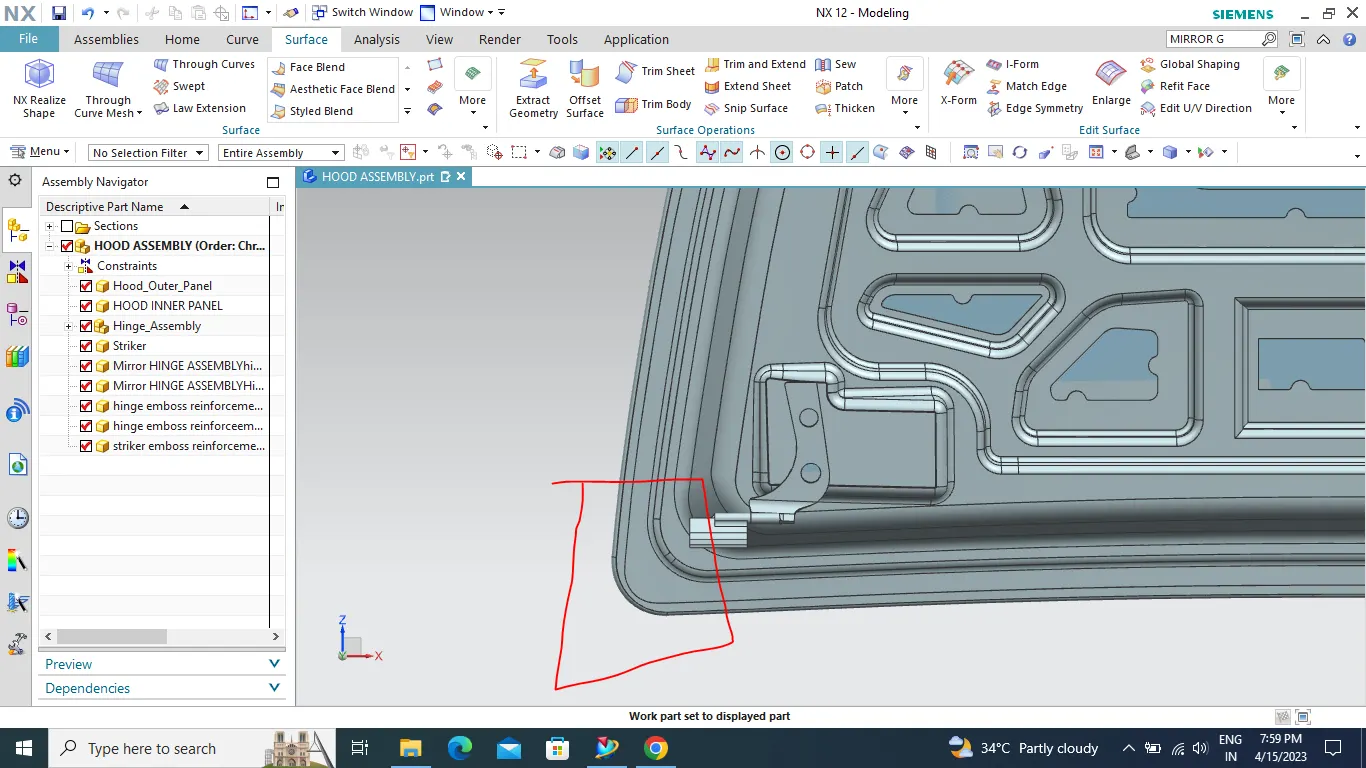
The design parameters for hoods include a range of factors, such as material selection, size and shape, aerodynamics, and safety. Each parameter must be carefully considered and optimized to ensure that the hood performs as expected and meets all relevant safety and regulatory requirements.
7. Reinforcement:
The reinforcement of a hood is an important aspect of hood design that helps to ensure its strength and durability. The specific type of reinforcement used will depend on factors such as the hood's size, shape, and material, as well as the performance and safety requirements of the car.
Manufacturing Processes Involved in Hood Design
1.Embossing (Manufacturing)
Sheet metal embossing is a stamping process for producing raised or sunken designs or relief in sheet metal. This process can be made by means of matched male and female roller dies, or by-passing sheet or a strip of metal between rolls of the desired pattern. It is often combined with Foil Stamping to create a shiny, 3D effect
2.Deep Drawing
Deep drawing is a sheet metal forming process in which a sheet metal blank is radially drawn into a forming die by the mechanical action of a punch. It is thus a shape transformation process with material retention. The process is considered "deep" drawing when the depth of the drawn part exceeds its diameter. This is achieved by redrawing the part through a series of dies. The flange region (sheet metal in the die shoulder area) experiences a radial drawing stress and a tangential compressive stress due to the material retention property. These compressive stresses (hoop stresses) result in flange wrinkles (wrinkles of the first order). Wrinkles can be prevented by using a blank holder, the function of which is to facilitate controlled
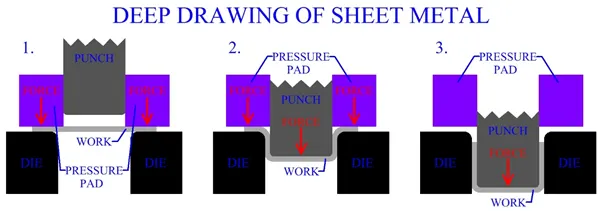 material flow into the die radius.
- Hemming Process
Sheet metal is metal, in sheets. It’s thinner than plate metal (.25 in and thicker) but thicker than foil (.006 in and thinner). It’s most commonly available in steel and aluminium, in various gauges (thicknesses). It’s available with various coatings for corrosion resistance or surface finish. Sheet metal is made by taking a large cast ingot and rolling it into a long ribbon of the desired thickness. This long, flat piece of metal is then rolled into a coil and sent directly or cut into sheets before being sent to a machine shop.
DIFFERENT VIEW OF HOOD DESIGN
FRONT VIEW
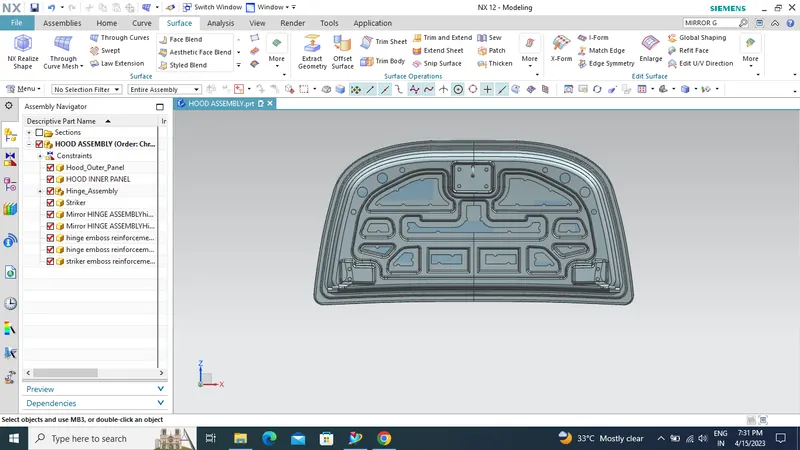
SIDE VIEW
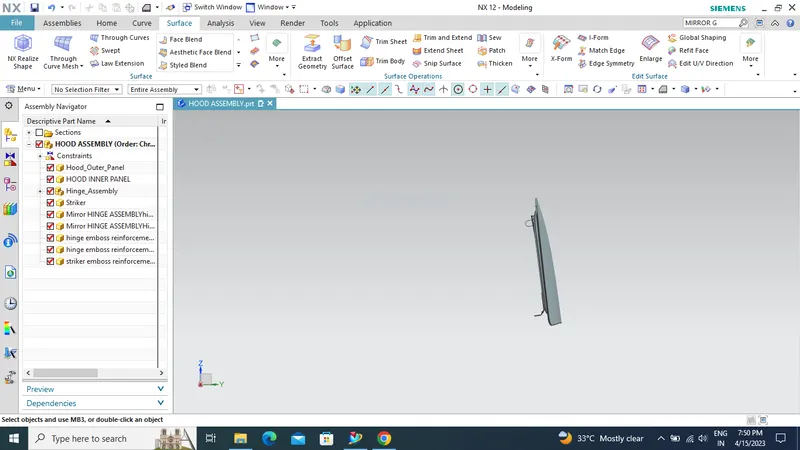
TOP VIEW
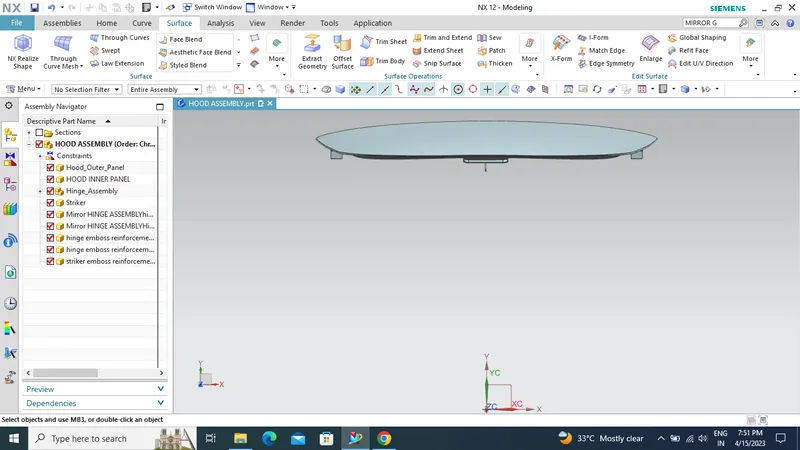
ISOMETRIC VIEW