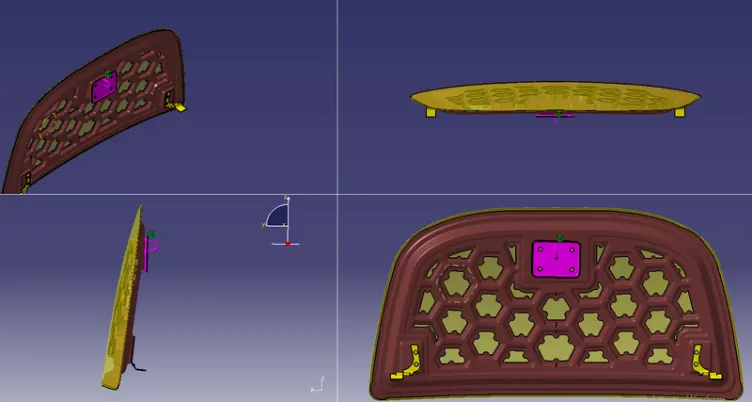
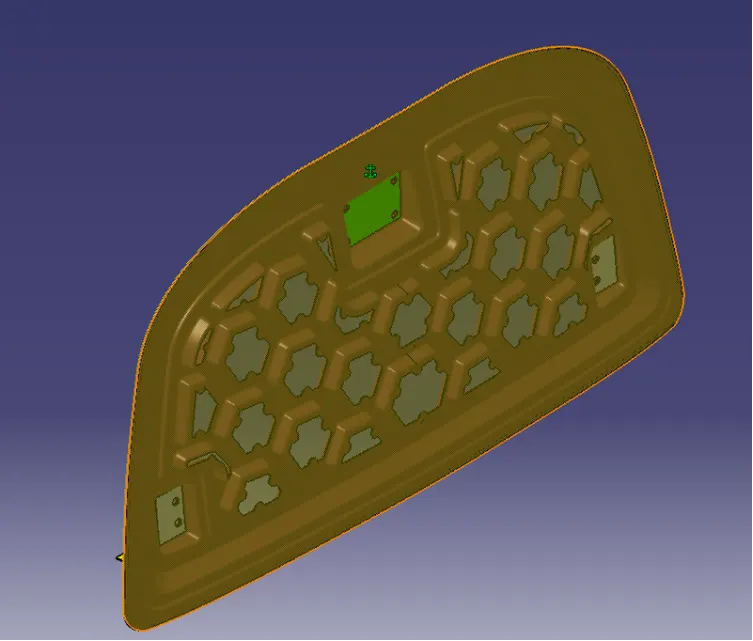
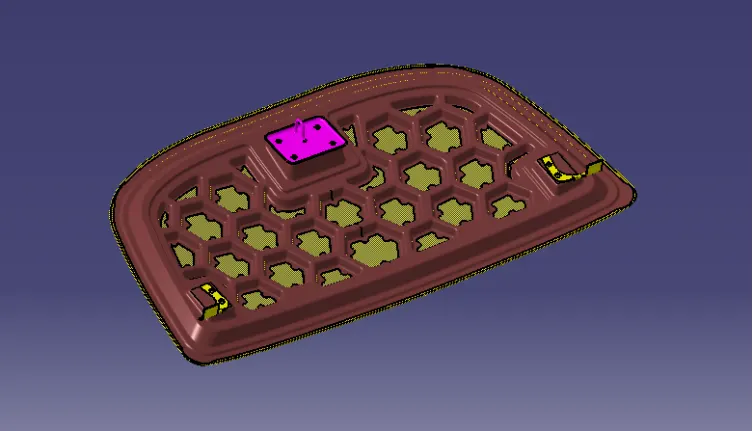
Hood design-Week 2
HOOD DESIGN :
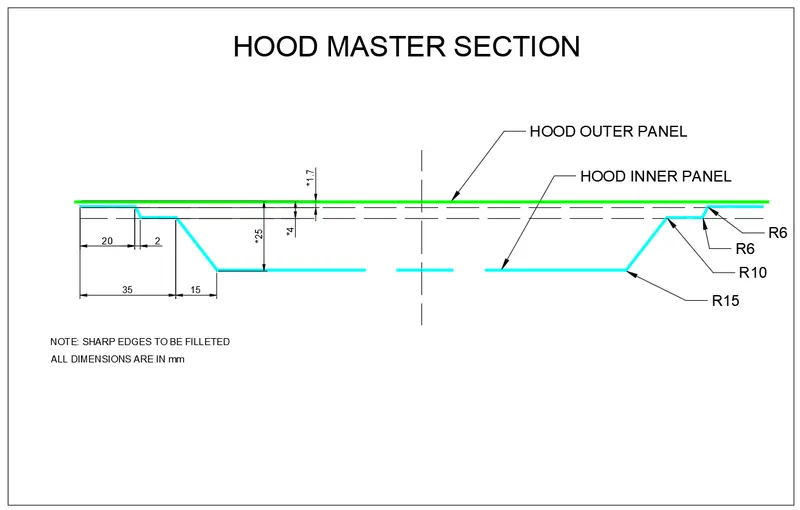
Hood Design:
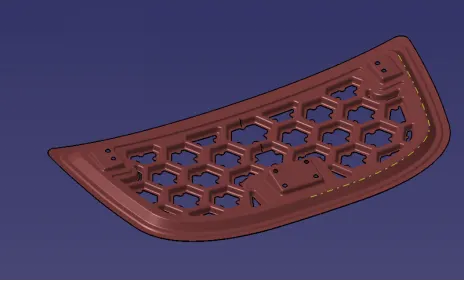
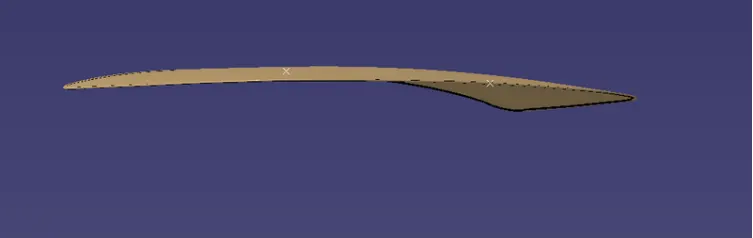
A hood is an essential component of a vehicle, which covers the engine compartment and provides access to the engine and other components. It also contributes to the vehicle's aerodynamics, and the design of the hood can affect the overall performance of the vehicle. A typical hood consists of an outer panel, an inner panel, and necessary reinforcements.
Outer Panel:
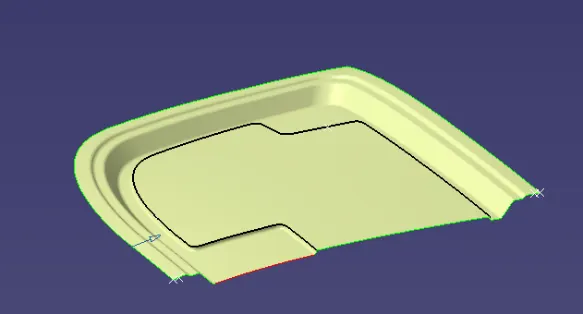
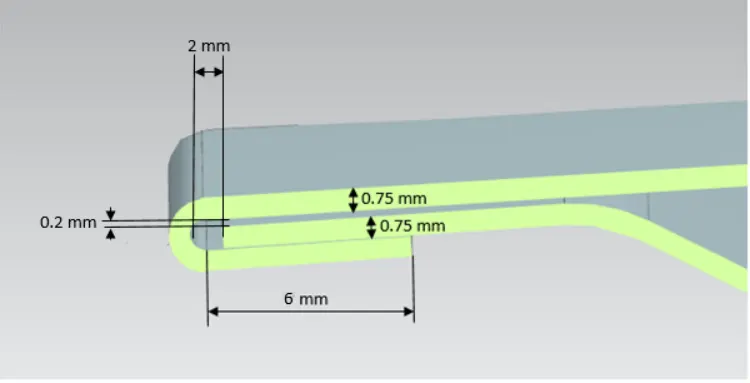
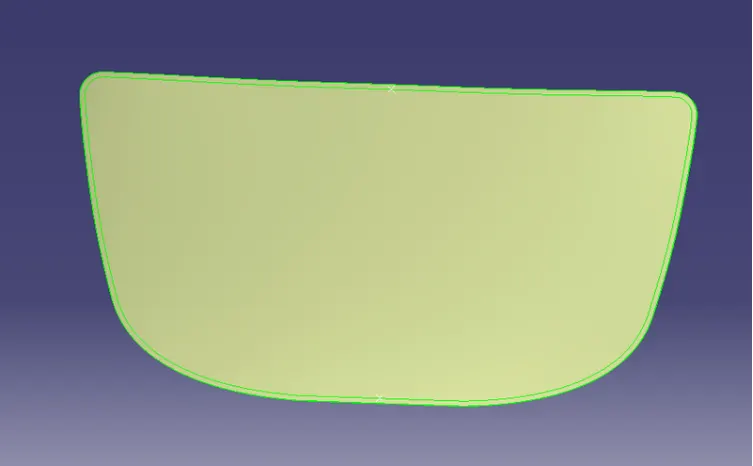
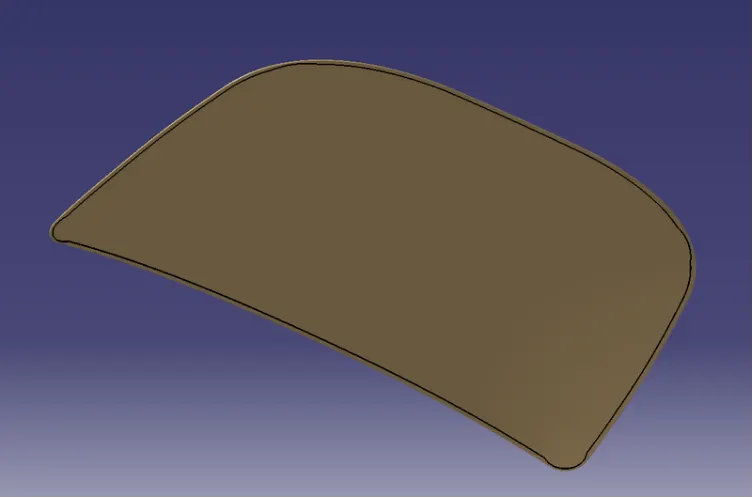
The outer panel of the hood is the visible part of the hood, and its design plays a crucial role in the vehicle's aesthetics. The outer panel is typically made of a high-strength steel sheet with a thickness of 0.75mm. The design of the outer panel should be such that it provides adequate clearance for the engine components and fits seamlessly with the rest of the vehicle's body.
Inner Panel:
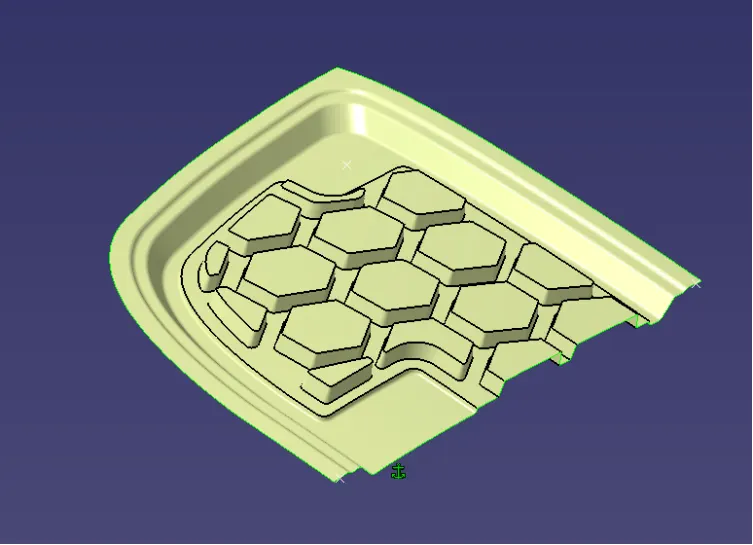
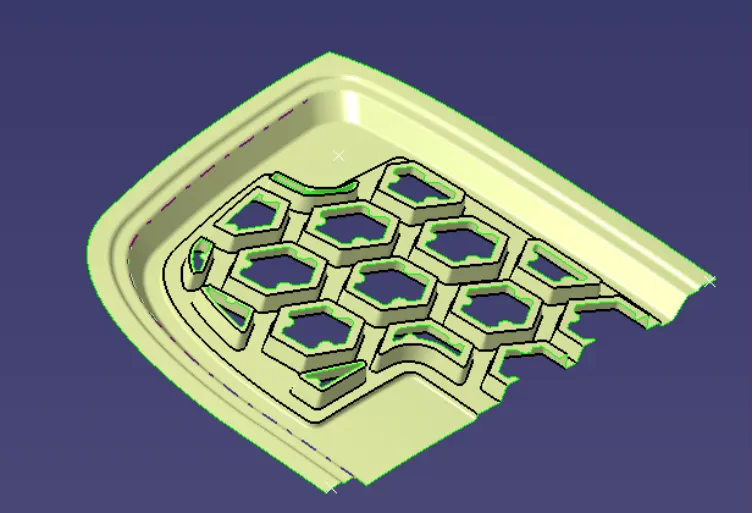
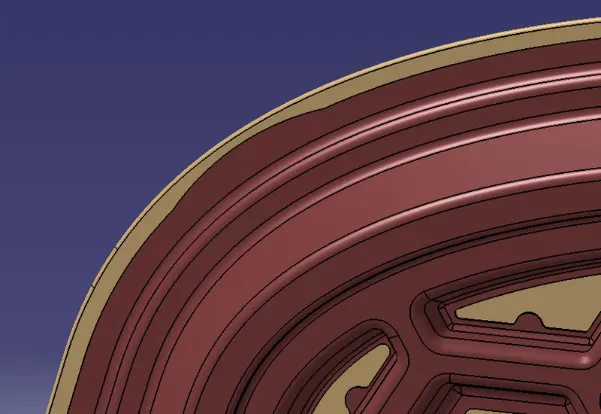
The inner panel of the hood is attached to the outer panel and provides additional support to the hood. The inner panel is typically made of a high-strength steel sheet with a thickness of 0.75mm. The design of the inner panel should be such that it provides adequate support to the outer panel and fits seamlessly with the rest of the vehicle's body.
Reinforcements:
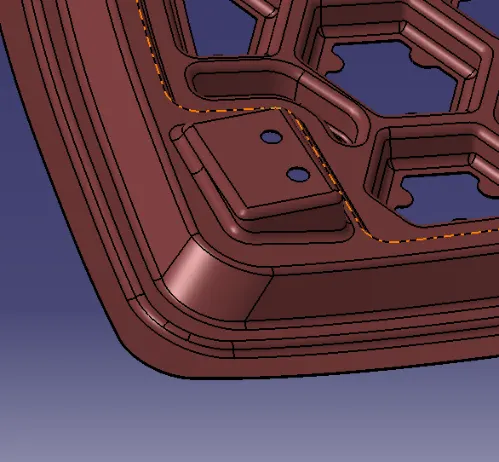
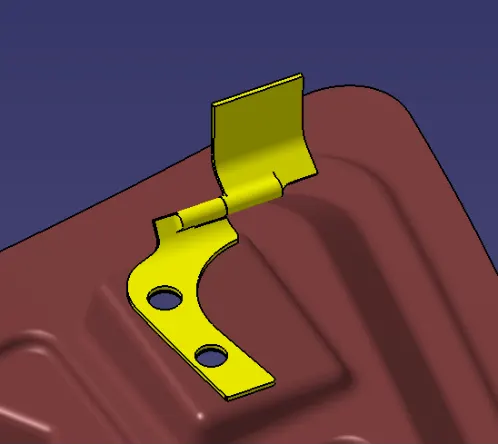
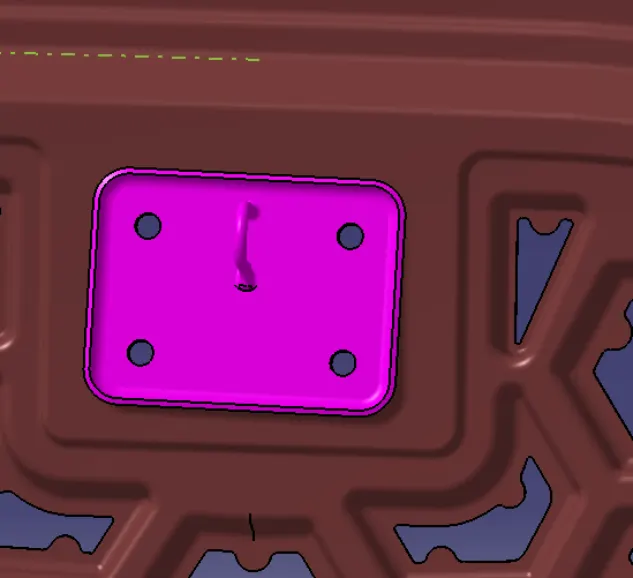
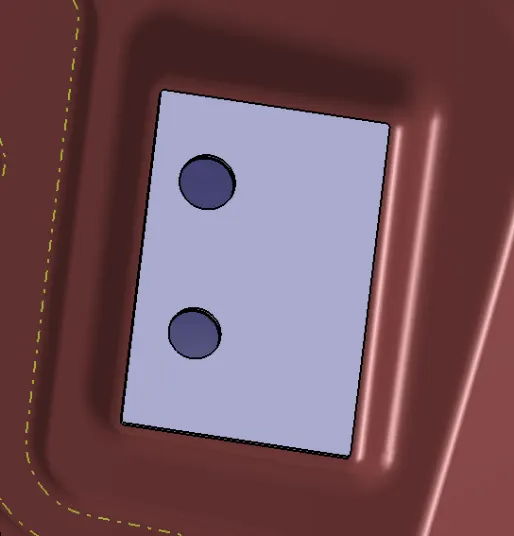
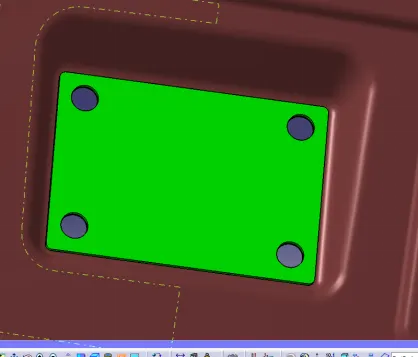
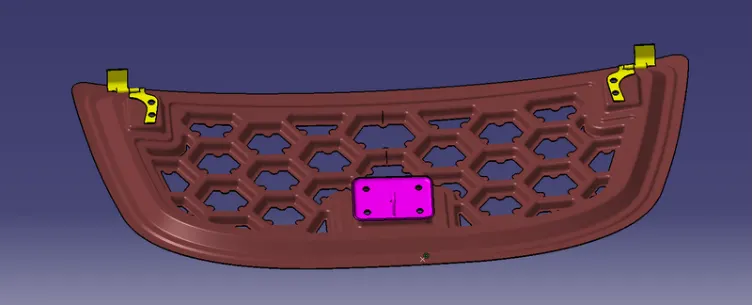
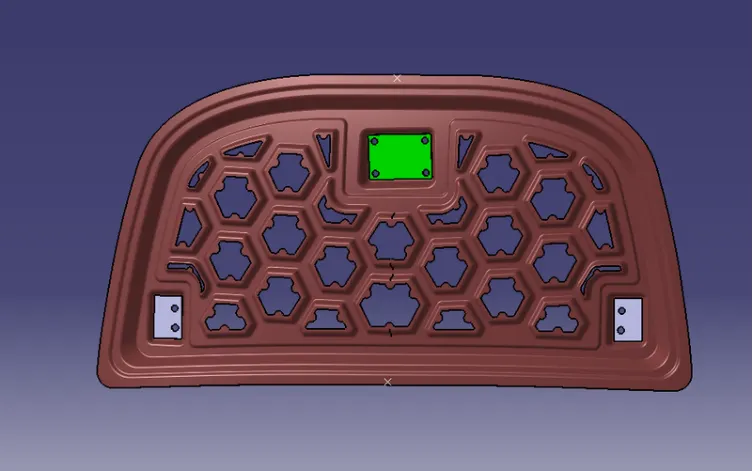
The hood reinforcements are designed to provide additional strength and rigidity to the hood. The reinforcements are typically made of high-strength steel sheet with a thickness of 1.5mm. The reinforcements are strategically placed in areas where additional strength is required, such as around the hinges and latch.
Latch Trajectory:
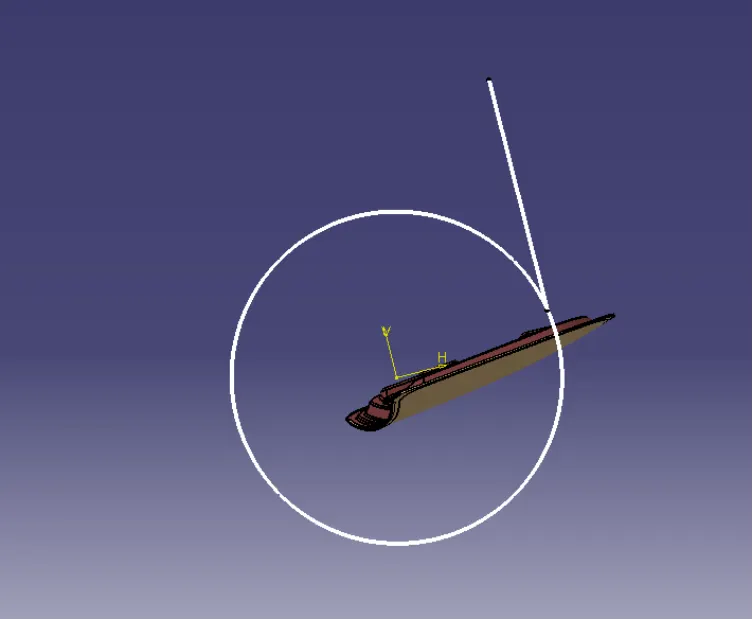
The latch trajectory is an essential consideration in hood design, as it affects the ease of opening and closing the hood. The latch should be positioned such that it is easy to reach and operate, and the trajectory should be such that the hood opens smoothly without any obstructions.
Mastic Data:
Mastic is a type of sealant that is used to seal the seams between the hood panels. The mastic should be chosen based on its compatibility with the hood material and the expected operating conditions.
Emboss Definitions:
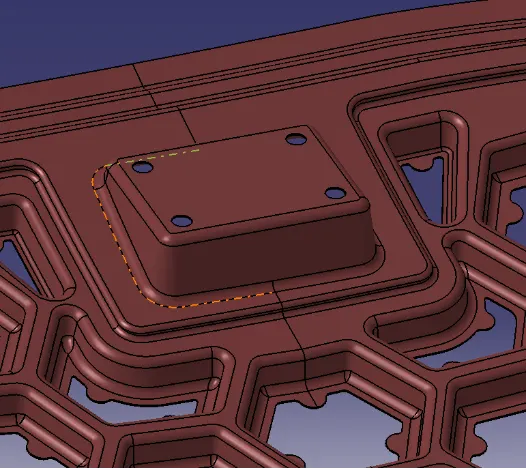
Embossing is a process of creating raised features on the hood panels. The embossing can be used to add aesthetic appeal or provide additional rigidity to the panels. The emboss definitions should be designed to match the overall design of the vehicle and provide the required rigidity to the hood panels.
Manufacturing Process:
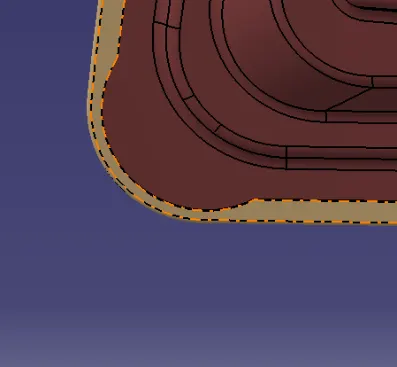
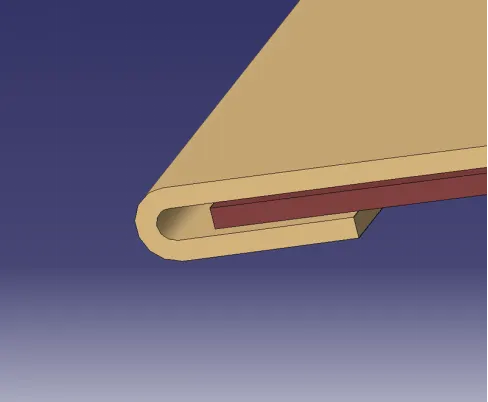
The hood panels are typically manufactured using a combination of deep drawing and hemming processes. The deep drawing process involves shaping the panels using a punch and die set, while the hemming process involves folding the edges of the panels to create a double-layered seam. The manufacturing process should be designed to minimize the formation of defects such as wrinkles and tears.
Assembly:
The hood assembly consists of the outer panel, inner panel, latch, hinge, and reinforcements. The outer panel and inner panel are attached to each other using a combination of adhesive and spot welding. The reinforcements are attached to the inner panel using spot welding. The latch and hinge are attached to the outer panel using bolts and screws.
In conclusion, the design of the hood is critical for the overall performance and aesthetics of the vehicle. The hood design should be based on the master section provided, along with the design parameters explained in the videos. The hood should be designed to provide adequate clearance for the engine components, easy to open and close, and provide the required strength and rigidity. The manufacturing process should be designed to minimize defects, and the assembly should be done with care to ensure that all components fit together seamlessly.