Hood design-Week 2
AIM : To design hood inner and outer panal position striker and hinge and providing embosse and mastic points.
design considerations .
1 outer panal thickness = 0.75mm
2 inner panal thickness = 0.75mm
3 reinforcnment thickness = 1.5mm
4 minimum fillet radius = 3+0.75=3.75mm
5 providing reliefs at corners to reduce stress concentration.
functional and safety requirements.
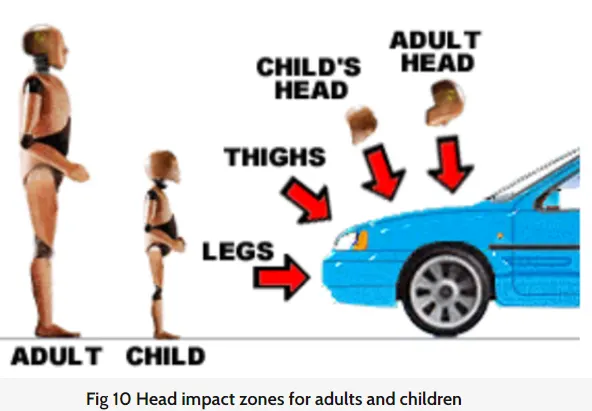
1 the importanat criteria to be considerd is during frontal collision. the should be designed in such way that the crash force is dissipated evenly in the out world direction towords the hinge so that passanger safty is ensured.
2 the functional aspect of the hood is the hood opening ang closing angle to do thatwetantativly place hinges and draw an axis which passes through the hinge point . then we take the center point ( obtained from the two hinge points) and draw a circle which passes through the latch center.
3 the circle draw should be locally perpendicular to the latch to ensure closing of hood.
DISIGN METHODOLOGY
objective
1 check the given styling surface for any discontinuities.
2 develop the inner panel and outer panel from the given styling surface according to the euro-new car assesment program.
3 develop the necessary reinforcements for the inner panel.
4 develop the necessary embosses on the inner panel.
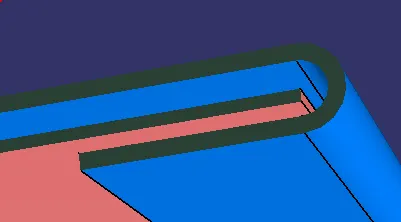
5 develop the hem for the outer panel.
6 check the manufacturing feasibility pf the inner panel by draft analysi.
7 check the position of the latch with respect to the hinge axis.
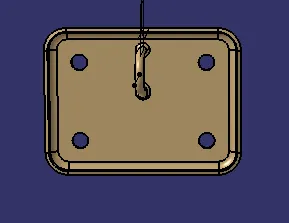
position of latch and striker :
for the proper opning and closing of the hood the striker should be perpendicular to the trajectory of the hood.
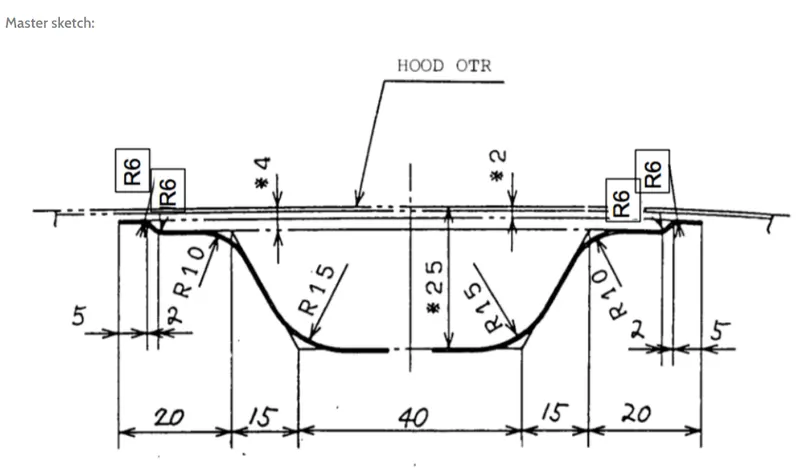
master section.
it gives information of the hood inner panel outer panel to get the desired shape and size . after getting the shape embossing is feature which raised the surface. it also provides strength and force from front cooision toward the hinge and body of car.
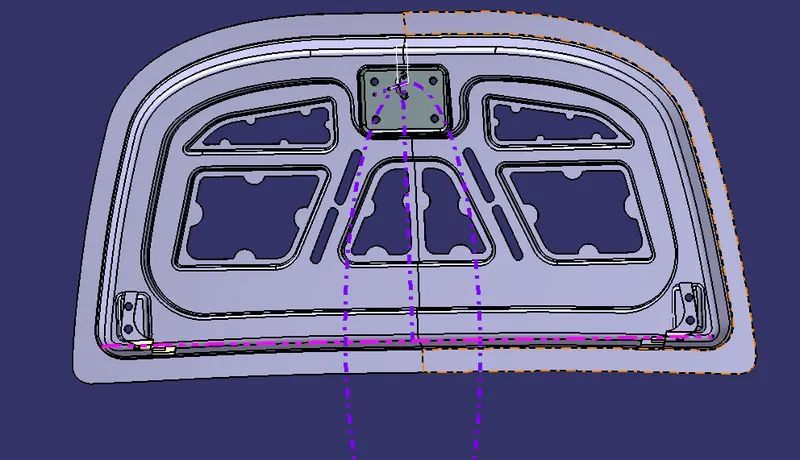
latch and hinge.
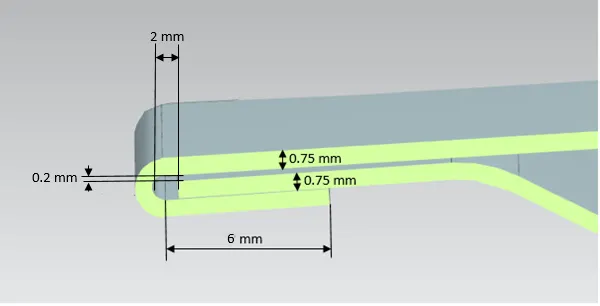
Hemming Data:
Relief rear section:
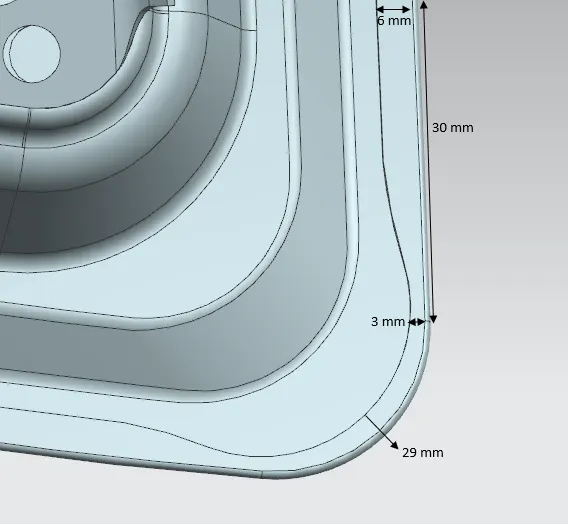
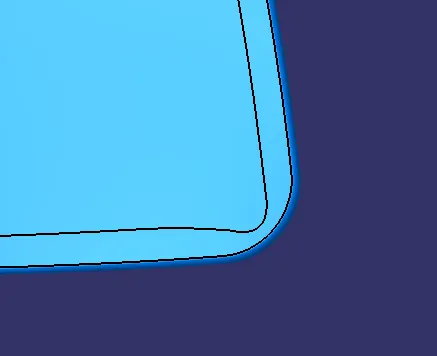
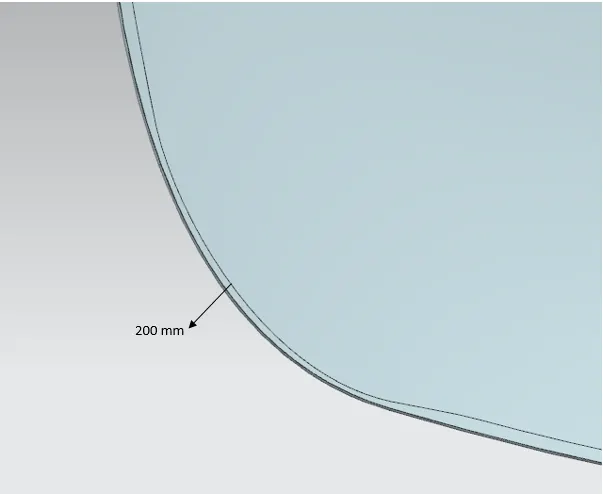
Front relief:

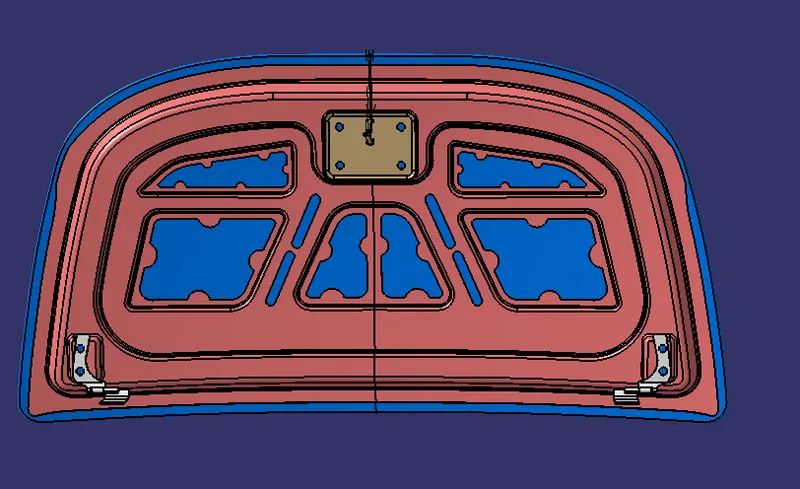
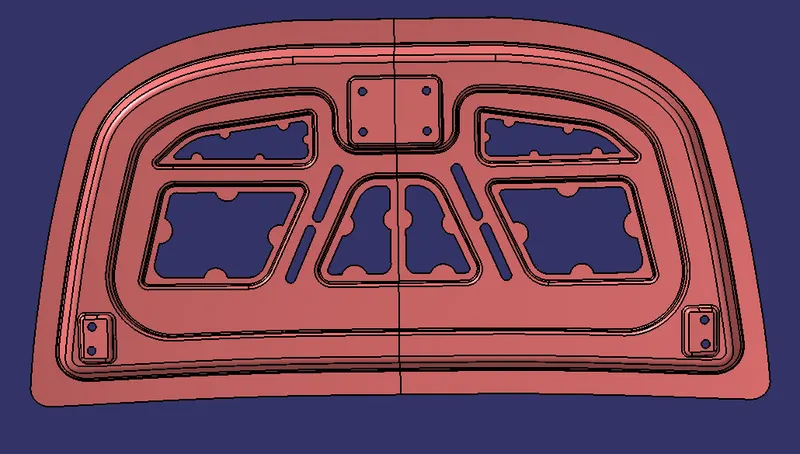
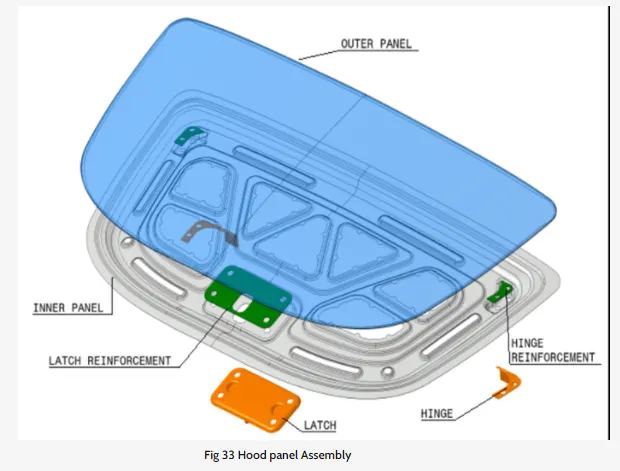
inner panel
inner panel supports outer panel . it consists of diffrent embosses and hole at diffrent places embosses provide stiffness as well as dissipate energy towords hinges. to determine the most effective position of hole. the method of model stiffness is emploed pannel is offset of theparent work surface . inner panel thickness is 0.75mm.
outer pannel.
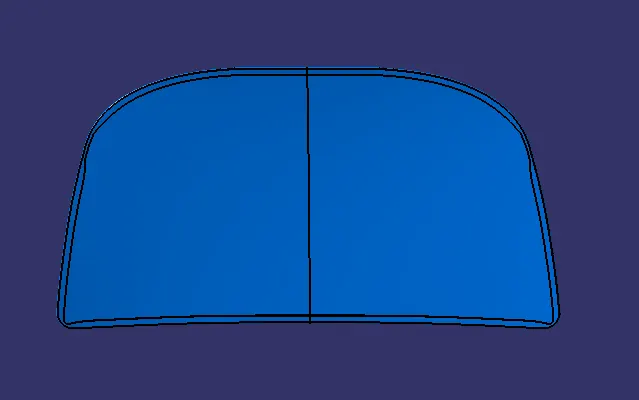
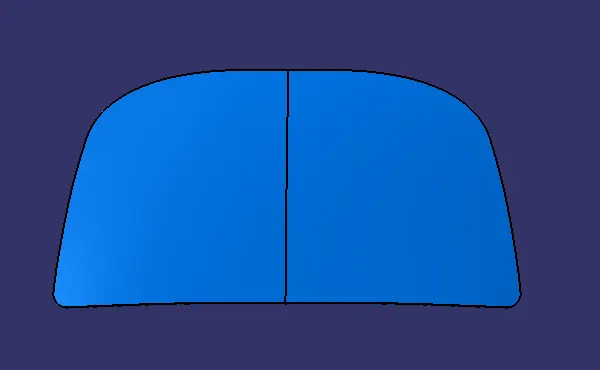
outer panel is nothing but a outer skin of inner panel. otherwise called as a cover of inner panel. which gives luxurious look ro the hood or bonnet. outer pannel and inner pannel cannout join by any welding process like spot welding or rivet. which spoil the outer look of a car. the outer pannel is generally extracted model from the prototype design.
types of hood support.
there are two types of support ,
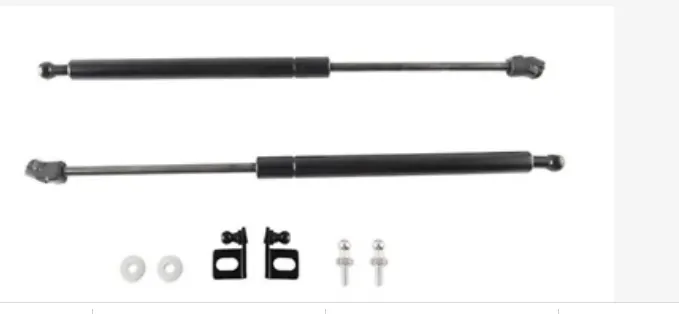
1 gas stay
2 support rod
1 gas stay
spring stays are designed to be used on upward lifting doors. once you have opened the door slightly the spring will push the door to the fully open position. euro fit stock varius size springs depending on the door size requirement. this is mostly used for where the car bonnet weight is heavy.
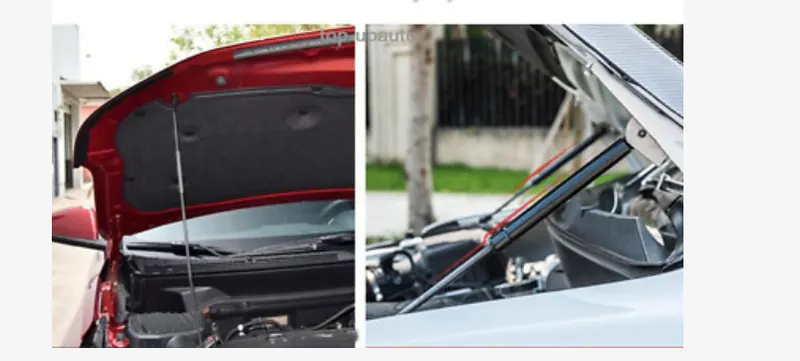
2 support rod
this is widely used in many car. becouse this very easy and cheap. in this type we have to lift the hood by our selves and place the support rod in the space provided either in the hood or engine component. this is mostly used for where the car bonnet weight is small.
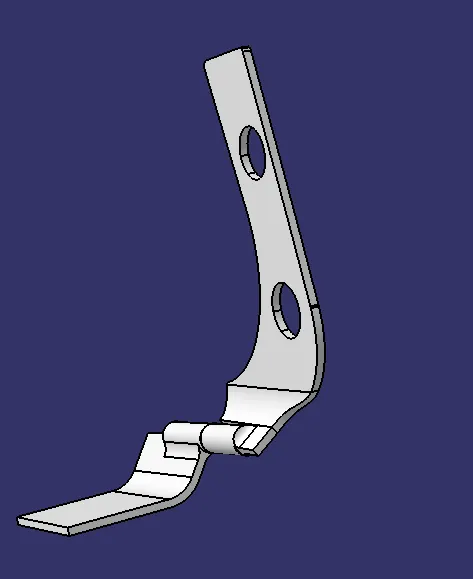
hinge.
latch.
mastic point
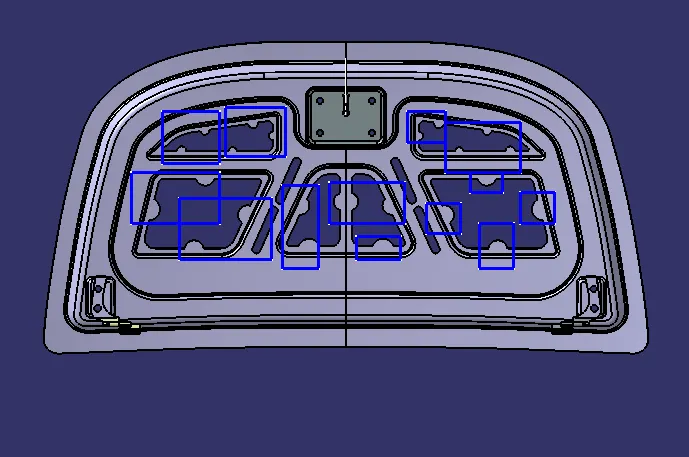
mastic point for the joining inner and outer panel
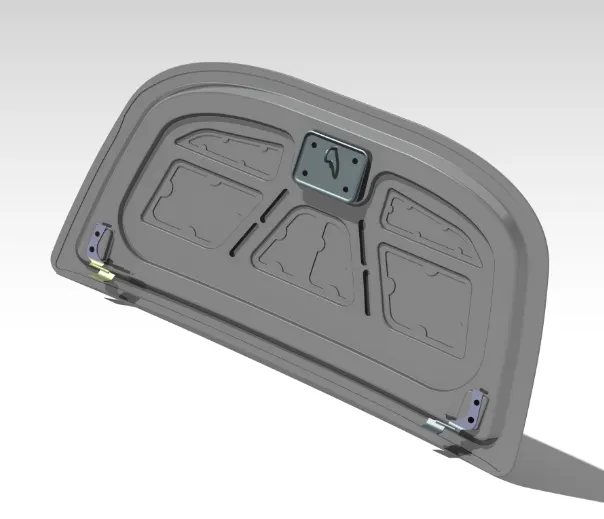
hood panel assembly
conclusion
The inner panel and outer panel has been designed from the given styling surface according to the EURO-NCAP standard, the inner panel was checked for its manufacturing feasiblity using dtaft analysis.the latch and striker position were studiednecessary reinforcements were developedf for the inner panel.