Fender Design Challenge
AIM
The aim of the project is to design a fender of a car with its mountings such drip area, Sill mount, Bumper mount and A- Pillar mount using the information provided in the given master section.
FENDER
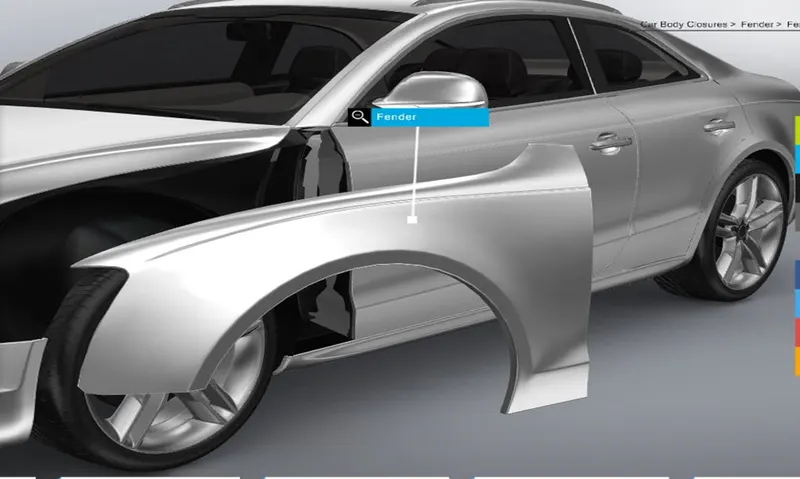
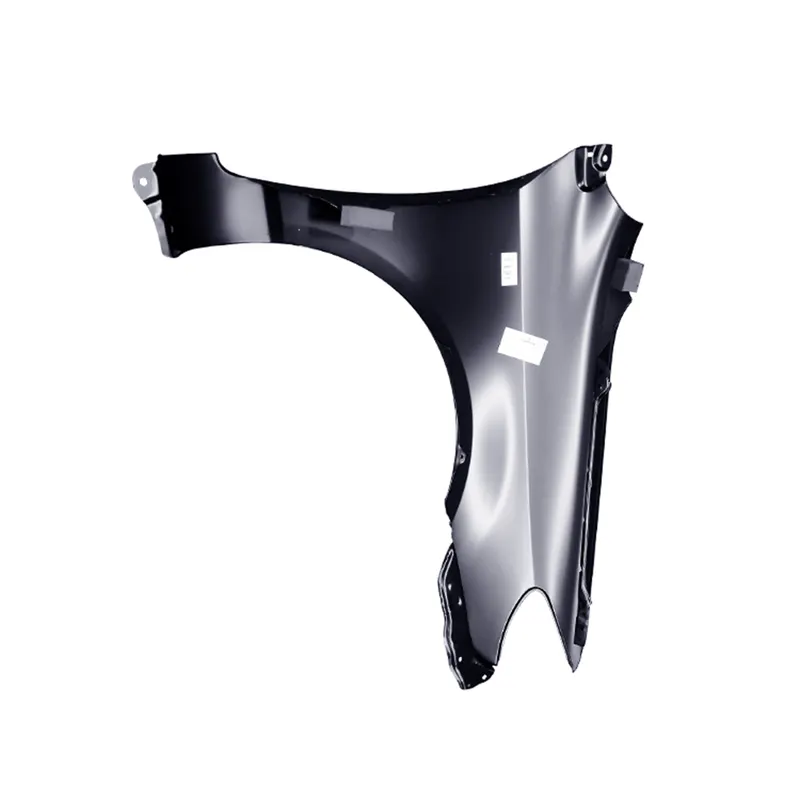
Fender is the American English term for the part of an automobile, motorcycle or other vehicle body that frames a wheel well (the fender underside). Its primary purpose is to prevent sand, mud, rocks, liquids, and other road spray from being thrown into the air by the rotating tire. Fenders are typically rigid and can be damaged by contact with the road surface.
Sticky materials, such as mud, may adhere to the smooth outer tire surface, while smooth loose objects, such as stones, can become temporarily embedded in the tread grooves as the tire rolls over the ground. These materials can be ejected from the surface of the tire at high velocity as the tire imparts kinetic energy to the attached objects. For a vehicle moving forward, the top of the tire is rotating upward and forward, and can throw objects into the air at other vehicles or pedestrians in front of the vehicle.
IMPORTANCE OF FENDER
The fender is not a cosmetic part. It actually serves an important purpose. It protects the vehicle and surrounding vehicles from:
- Mud
- Sand
- Dirt
- Rocks
- Liquids
- Road debris
Without a fender housing each wheel well, driving would be very messy. When you drive, your vehicle's tires spin very fast. As they spin, they pick up debris and moisture from the ground and then spray it into the air. The kinetic energy from the tire ejects these materials into the air at high velocity. When that happens, the debris and moisture can:
- Get the vehicle dirty
- Scratch the vehicle
- Get other pedestrians or vehicles dirty
- Hurt other pedestrians
- Damage other vehicles
- Fenders catch the debris and moisture before they can hit anything else. In other words, fenders "contain" the dirt and moisture within the wheel well.
TYPES OF FENDER
FULL FENDER
- Full Fender is the traditional types of fender where more material consumption is observed
- Full Fender type is used in old design of automobiles.
- It leads to increase in overall weight of the car and thus reduces performances.
HALF FENDER
- Half fender type is the advanced and modern design where material consumption is realatively low when compared to full type fender
- Productivity can be increased as the material requirement is less and weight of the vehicle decreases thus providing more performance.
MASTER SKETCH
INPUT SKIN
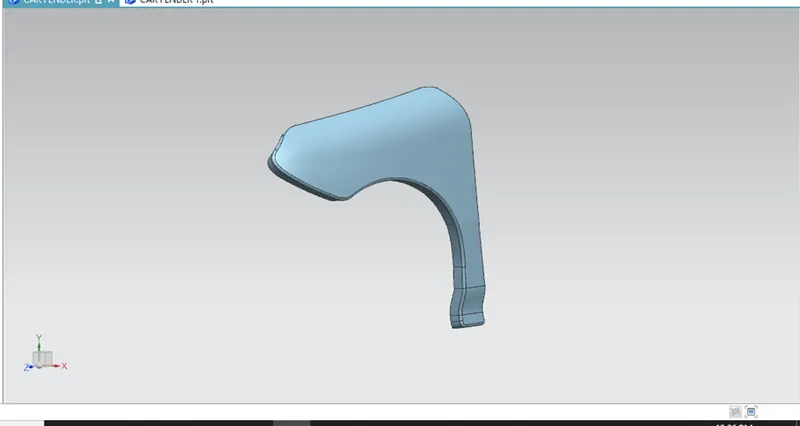
The fenders are fitted to the other parts with various mountings and that mountings have to be designed in fenders by the master sketch provided. The mountings that should be designed in fenders are as follows.
- Drip Mounting
- Sill Mounting
- Bumper Mounting
- A Pillar Mounting
- Baffle Mounting
DESIGN OF DRIP MOUNTING
- Initially, The Body is extracted by creating offset surface with O mm
- The Outer edge of the fender is offsetted for 5mm inwards.
- Making that as the working surface, the extra parts of the fender which is not required is trimmed by creating curve on surface.
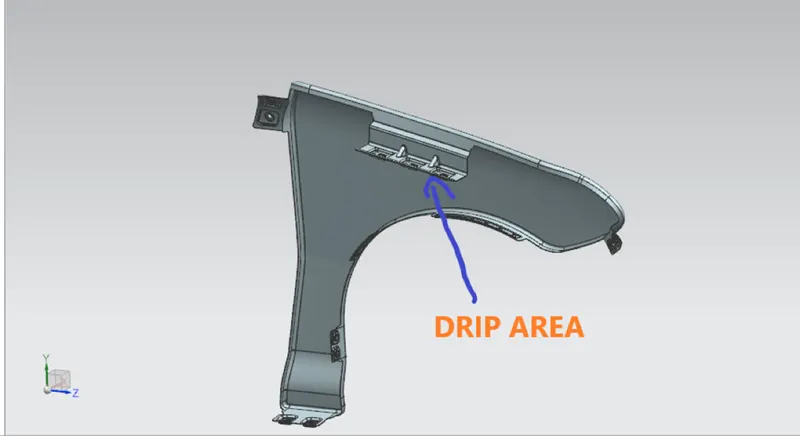
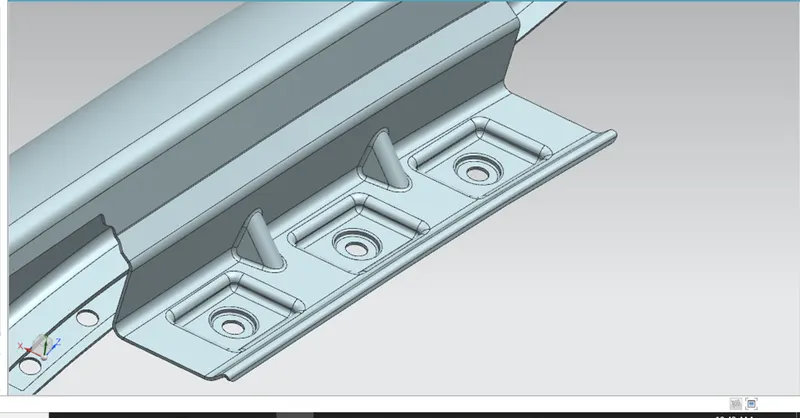
- As per the master section, the drip area must be minimum 150mm apart from the front edge so that the drip mounting won’t disturb the head lamp mountings.
- From backwards the drip area must be 200 mm apart from back edge to avoid the coincidence with the engine cables.
- For that, I have created two planes and then the intersection was used to create the curve on surface as required
- Then using curve on the surfaces has to created using curve on surface command and unwanted portions are trimmed off.
- After getting a required curve and surface, Law extension is used as per the master section provided.
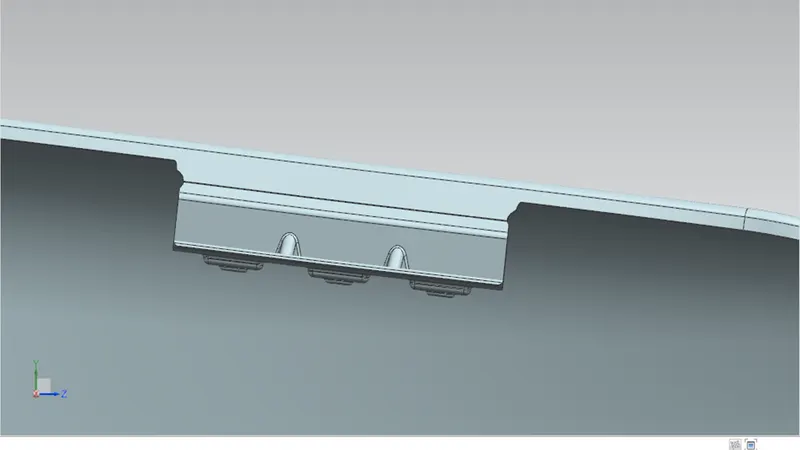
- Embosses were created with reference to the datum plane as per required.
- After creating embosses, Fastener holes were created using the trim sheet command.
- Then, the required bends were created for improving aesthetic quality of the fender.
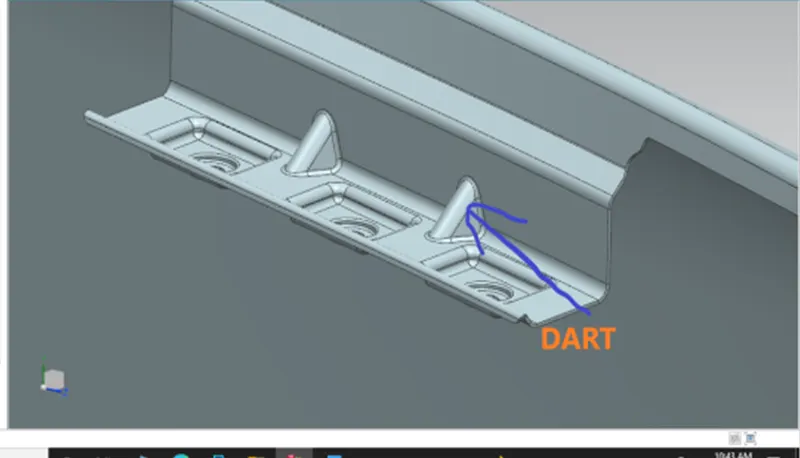
- As this drip area mounting is large and without any support, it can increase the NVH While driving, so to reduce the NVH effect, dart were used to strengthen the drip area.
DESIGN OF SILL MOUNTING
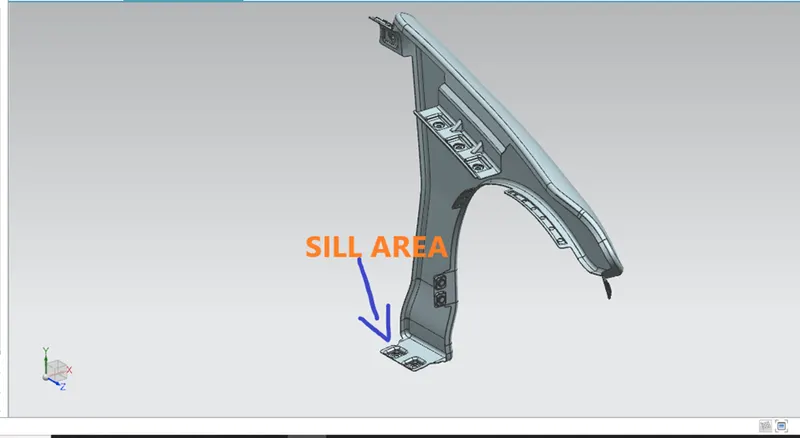
- Extra portions were trimmed off
- Datum Plane was created on the surface of the sill area.
- Sketch was drawn and it is projected to the sill area.
- Embosses were created and required blends were given
- Fastener holes were created using the Trim sheet command.
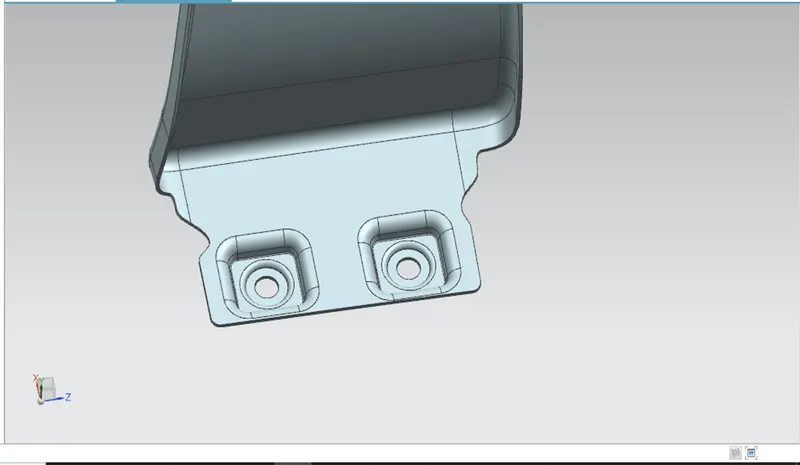
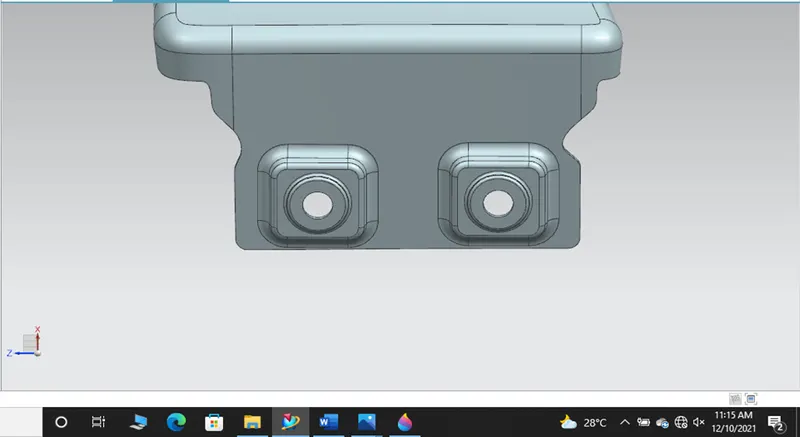
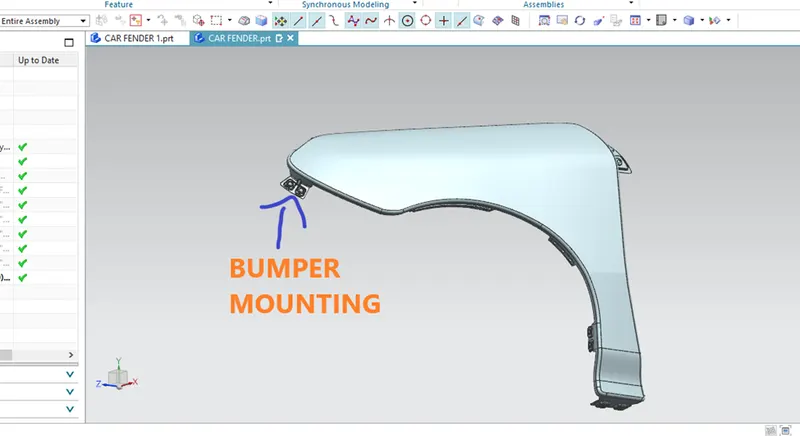
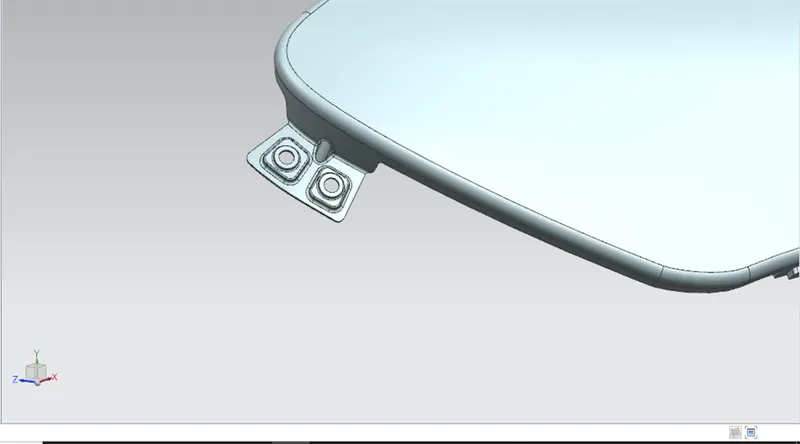
DESIGN OF BUMPER MOUNTING
- Firstly, unwanted portions were trimmed off using the curve on surface command and Trim sheet command.
- Datum plane was created on the surface of the bumper mounting area.
- Sketch is drawn on the datum plane and it is projected to the bumper mounting area.
- Embosses were created and the holes for fasteners were also created using Emboss command and Trim sheet command respectively.
- Face blends and Edge blends were applied wherever required.
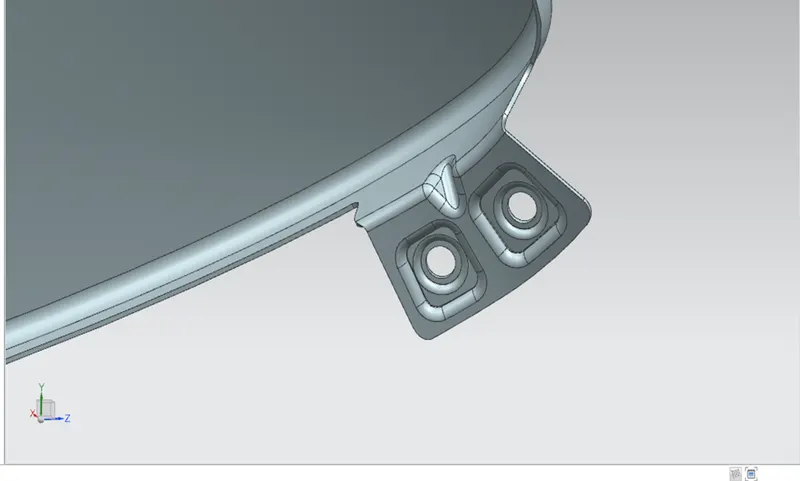
DESIGN OF A-PILLAR MOUNTING
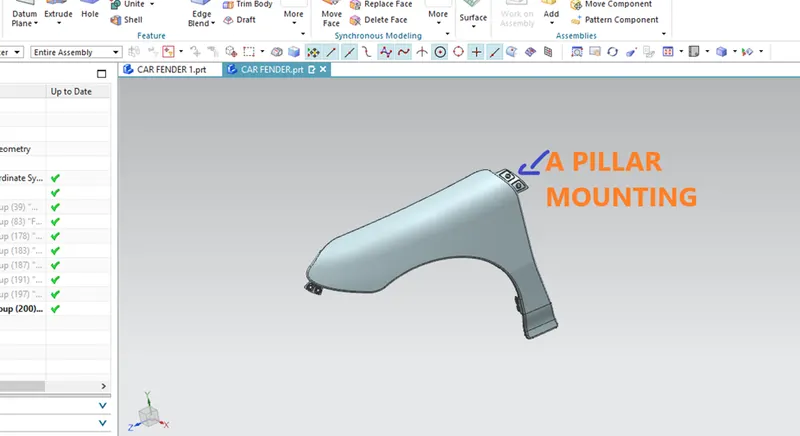
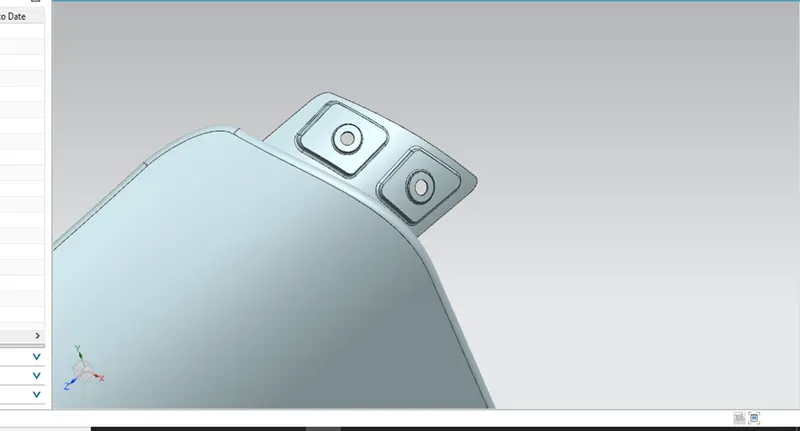
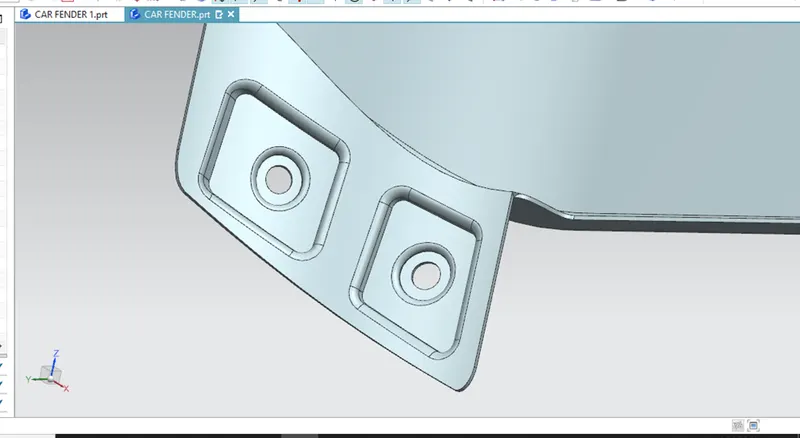
- A pillar Mounting helps to fit the car body to the fender.
- Extra portions were trimmed off
- Datum Plane was created on the surface of the A Pillar area.
- Sketch was drawn and it is projected to the area.
- Fastener holes were created using the Trim sheet command with 5mm hole gap.
- Embosses were created and required blends were given
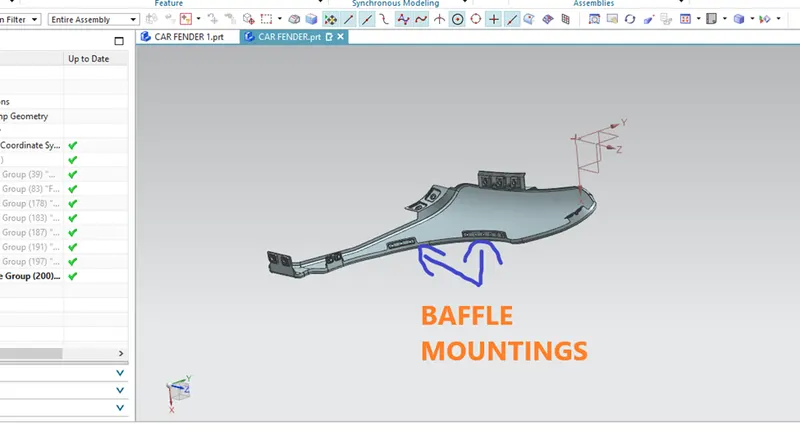
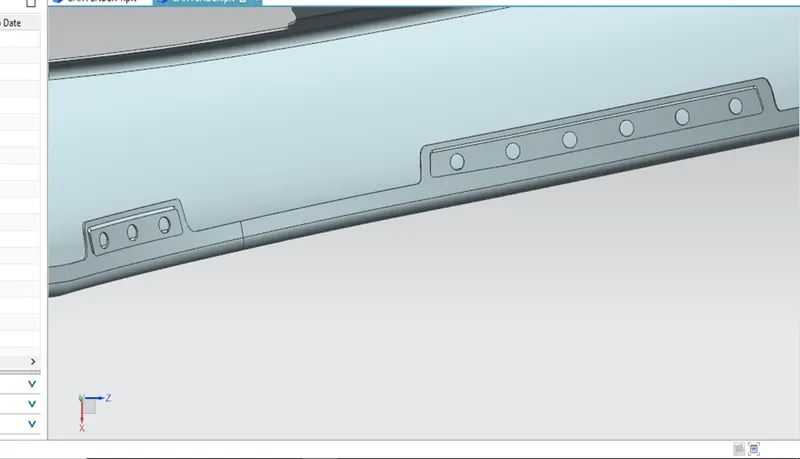
DESIGN OF BAFFLE MOUNTINGS
- Baffle mountings were designed to fit a splash mounting on it which helps the engine compartment to protect it from the debris that entering in to while driving.
- Datum Plane was created and the Sketch was drawn and it is embossed for providing strength.
- Holes are created and it is projected to the emboss and it is trimmed off using Trim Sheet command.
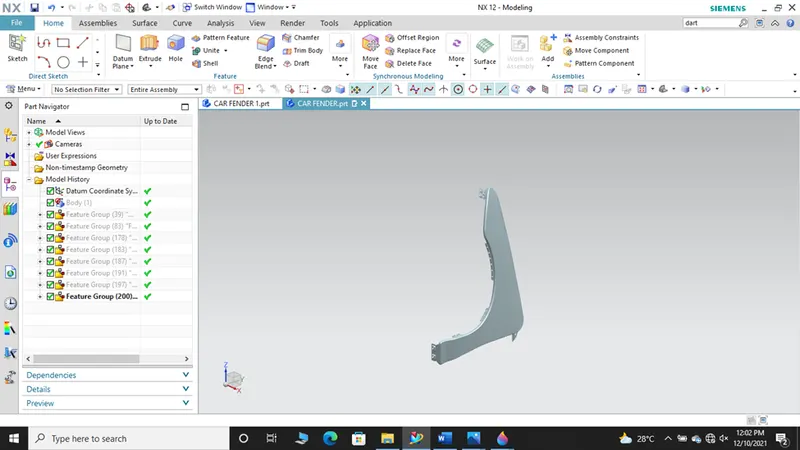
DIFFERENT VIEWS OF THE FENDER
TRIMETRIC VIEW
TOP VIEW
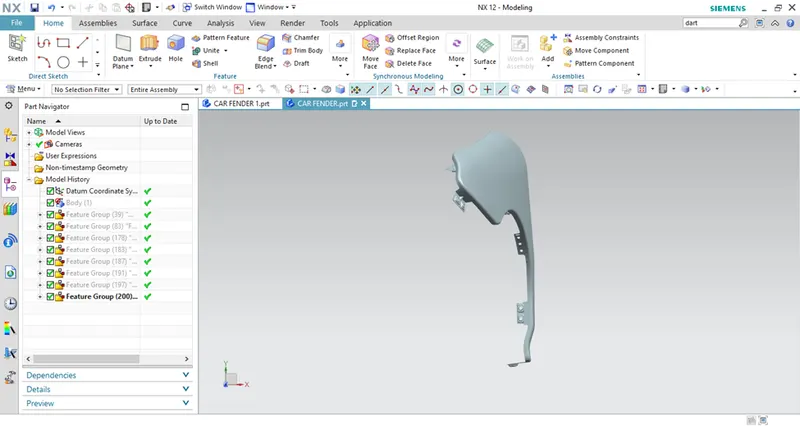
ISOMETRIC
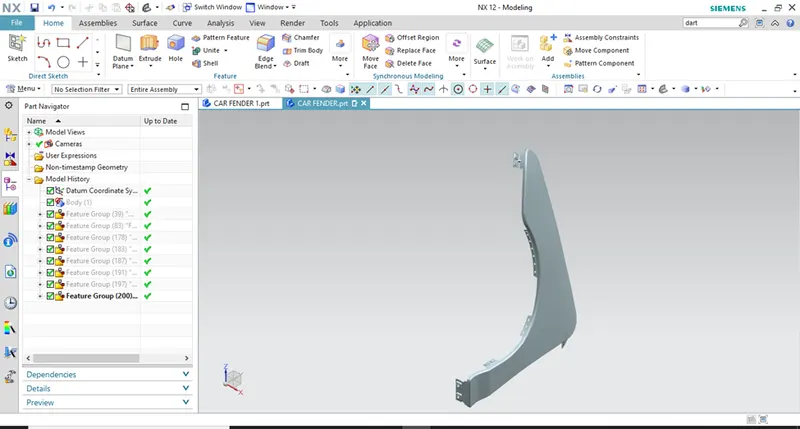
FRONT VIEW
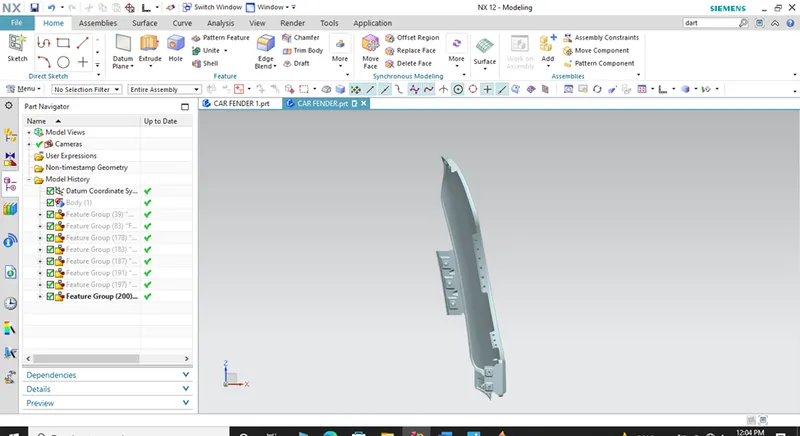
RIGHT VIEW
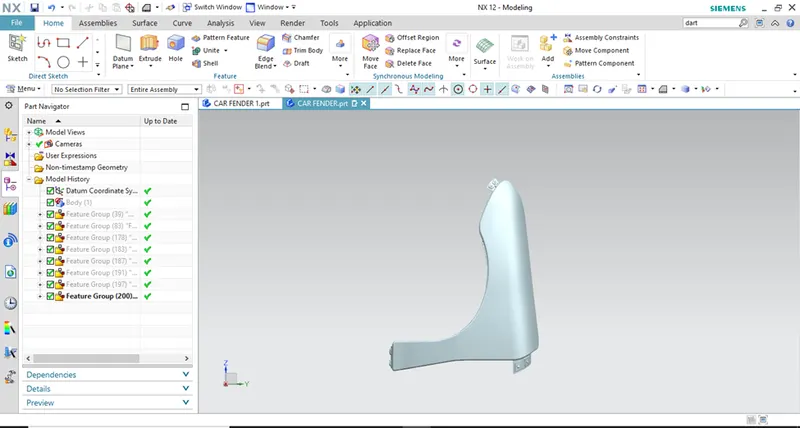
BOTTOM VIEW
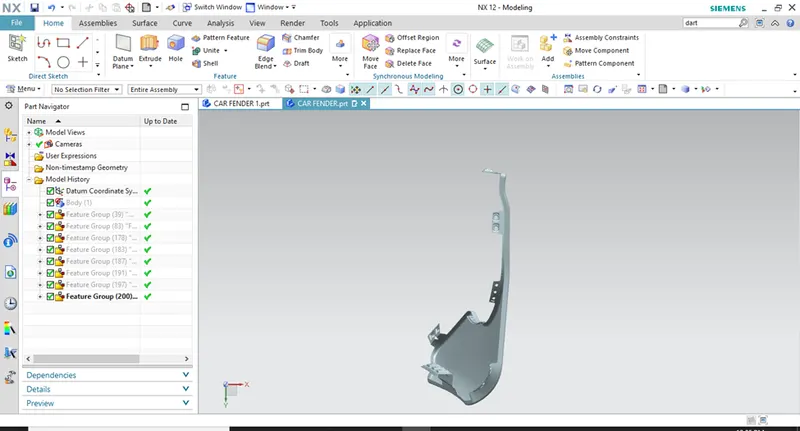
CONCLUSION
The design of a fender of a car with its mountings such drip area, Sill mount, Bumper mount and A- Pillar mount using the information provided in the given master section has been created.