Fender Design Challenge
Aim: - To Develop the mountings of the Fender from the given surface.
Here we are going to understand What Is the Fender, its types, and its importance? What are the Materials Used to Manufacture the Fender? What are the mounting points of the Fender?
About Fender
Fender is the American English term for the part of an automobile, motorcycle, or other vehicle body that frames a wheel well (the fender underside). Its primary purpose is to prevent sand, mud, rocks, liquids, and other roads spray from being thrown into the air by the rotating tire. Fenders are typically rigid and can be damaged by contact with the road surface.
Sticky materials, such as mud, may adhere to the smooth outer tire surface, while smooth loose objects, such as stones, can become temporarily embedded in the tread grooves as the tire rolls over the ground. These materials can be ejected from the surface of the tire at high velocity as the tire imparts kinetic energy to the attached objects. For a vehicle moving forward, the top of the tire is rotating upward and forward and can throw objects into the air at other vehicles or pedestrians in front of the vehicle.
Types of Fenders
There are two types of Fender
Full Fender
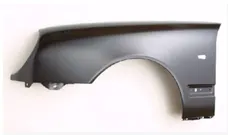
Full fender is not used nowadays because there required a bigger size blank to produce the part & waste material is also there while manufacturing.
Half Fender
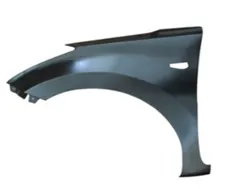
Half fender is used because the waste of material is less & can produce two fenders at the same time by Slightly Increase the raw sheet. And to reduce the weight & cost mostly fenders are been produced.
Importance of Car Fenders
Fenders are an intricate sheet of metal covering the wheel well of your car.
Fenders are designed in a manner to provide resistance against wind and other roadside debris.
When you travel on rough terrains your vehicle might get minor scratches and dents which look no better Frequent road bumps can cause your car's paint to chip off which needs a paint job done.
The car fenders are located on either side of the front and rear wheel The front car fenders begin where the front door hinges run and end just before the bumper. The rear car fenders begin where the back doors close and terminate before the back bumpers.
Materials Used
You can find modern fenders made from steel, aluminum, thermoplastic, and fiberglass. Steel is the most rigid and abrasion-resistant material used in making fenders.
Mounting points of the Fender
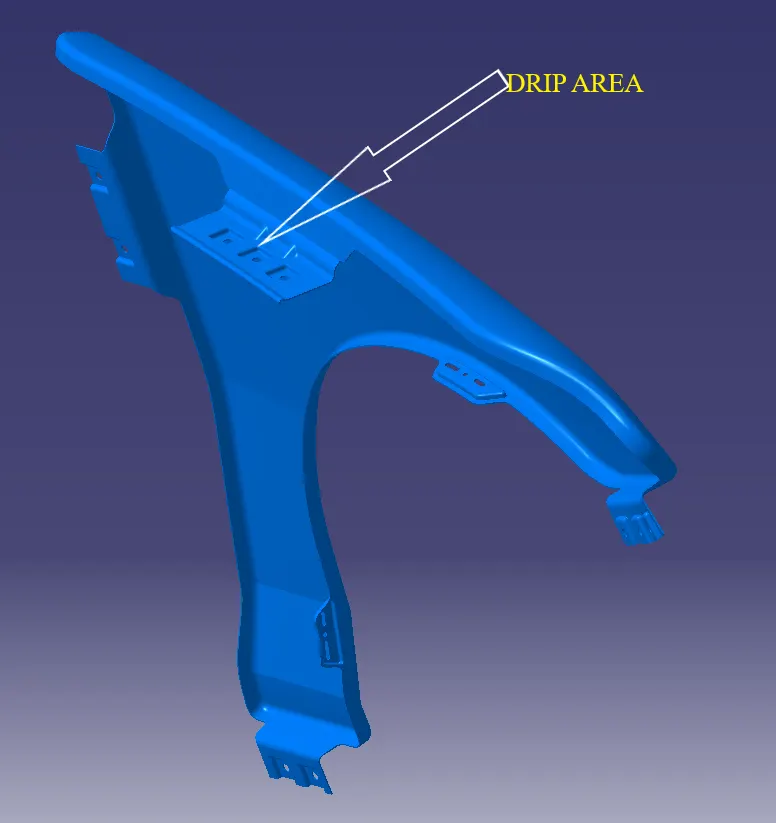
- Drip area
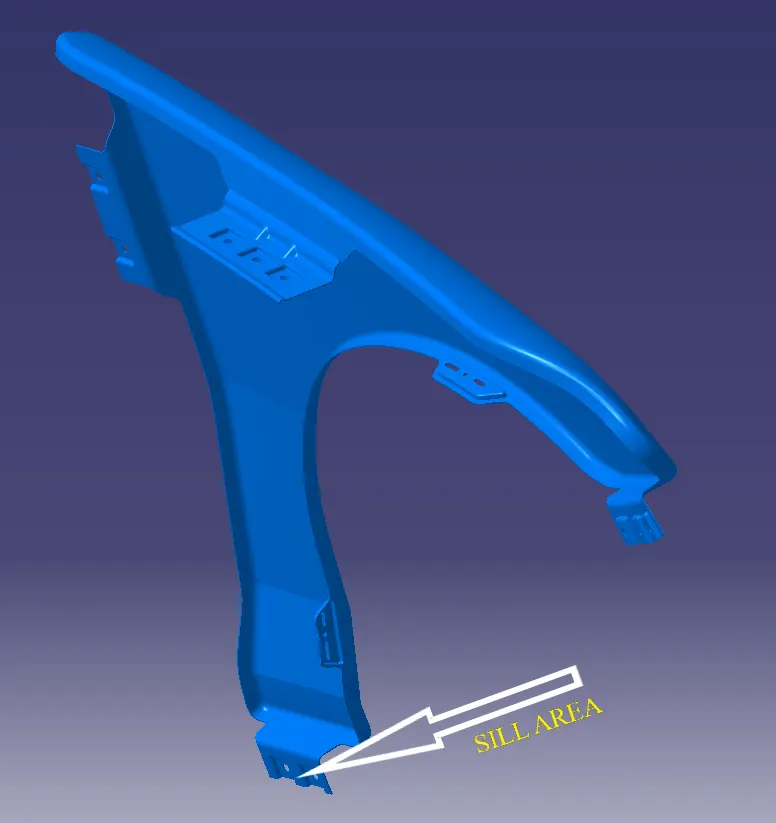
- Sill Mounting
- Bumper mounting
- A-Pillar mounting
- Splash cover mounting
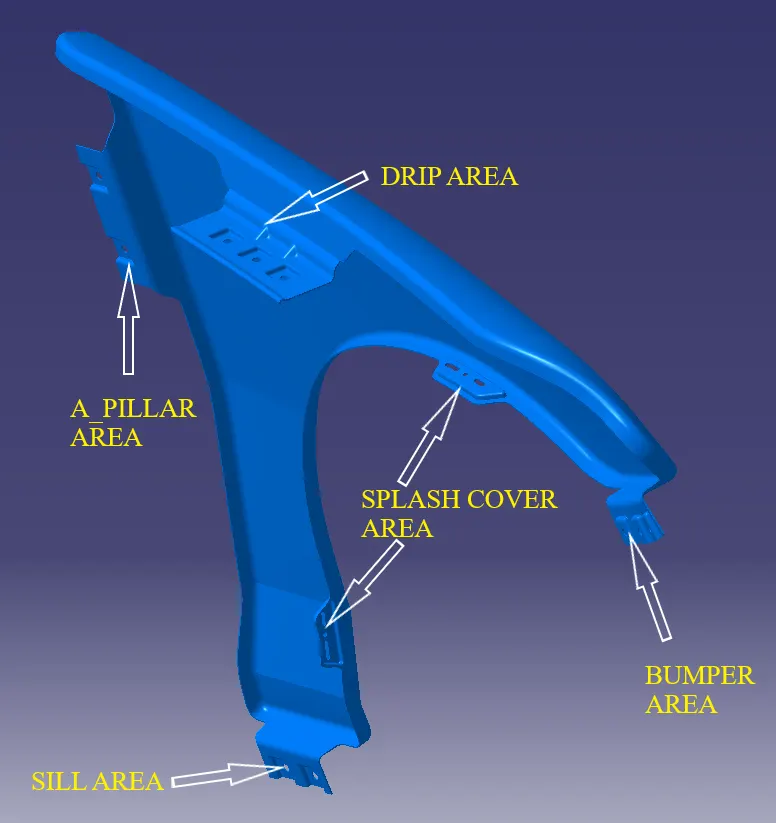
Given Inputs
- Fender Styling Surface
- Drip Area Calculation
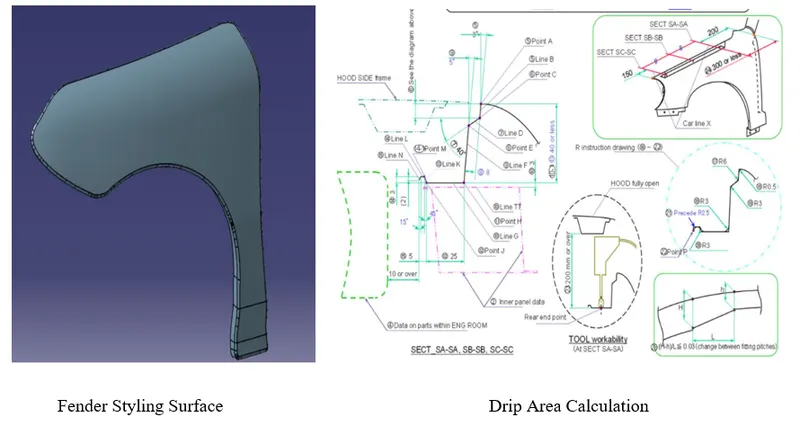
Tools Required
1 Surface Workbench Tools

2 part Workbench Tools

Sequence of operation
- Creating Drip area
- Creating Sill Mounting
- Creating Bumper mounting
- Creating A-Pillar mounting
- Creating Splash cover mounting
- Checking Draft Analysis
1. Creating Drip Area
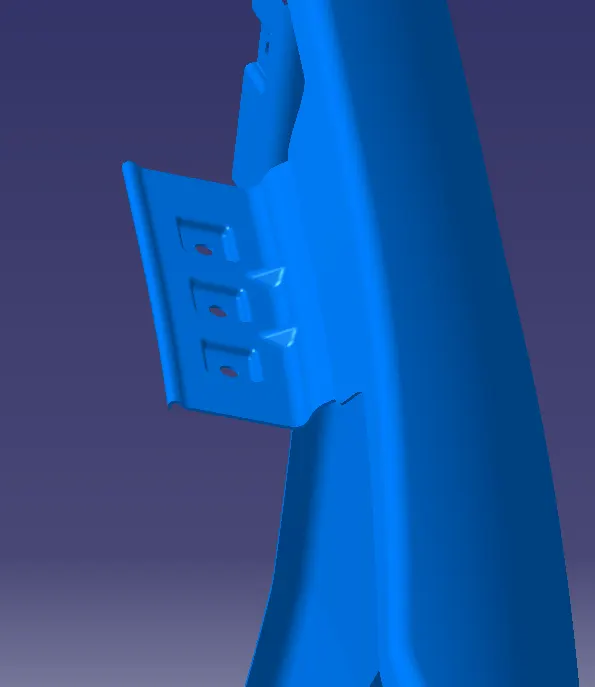
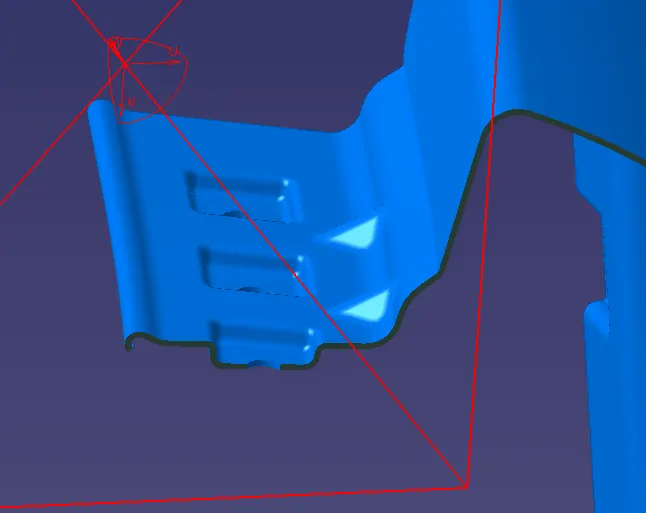
It is the area in which the fender is to be attached to engine housing through bolts. There are some standards to design the drip area, from the backside of the fender there should be 200mm clearance for cowl mounting and from the front, the side the clearance should be 150mm for the headlamp.
Considering the above design wen have to design emboss, holes to attach the fender to the housing & some stiffeners to provide strength to the drip area
Engine components should not be visible from the outside for this we have purposely given 3 degrees of angle and 9mmlength is given.
2. Creating Sill Mounting
This mounting is used to link the fender with the seal (underside of the door) of the car. Embossments and holds are given to attach the fender to the seal.
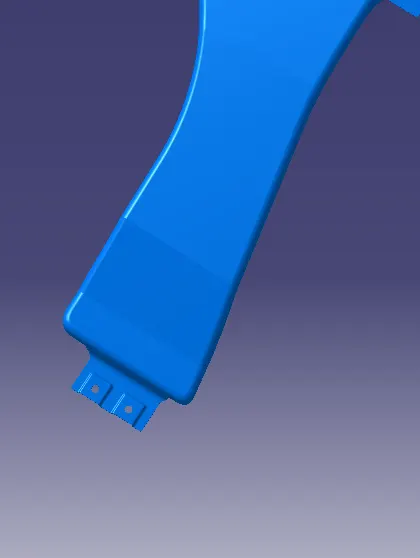
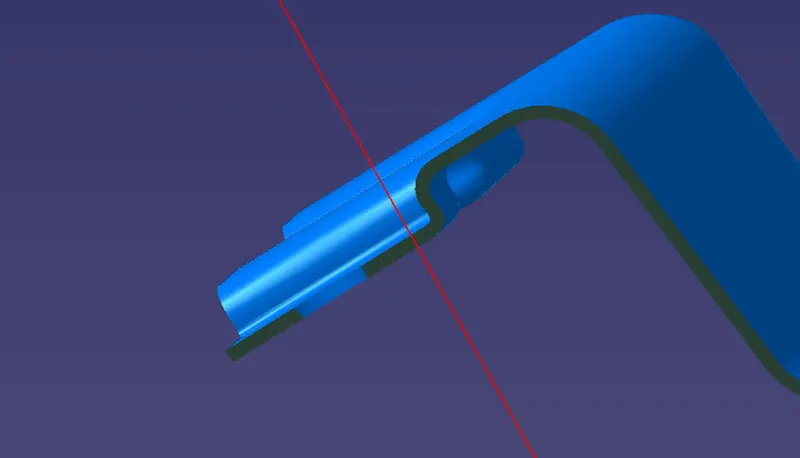
Creating Bumper mounting
A mounting area of the Fender to bumper. The bumper is usually made of plastics that cover the front of the car and protect it at the time of the collision. Embossments and holes are given to attach the Fender to the bumper.
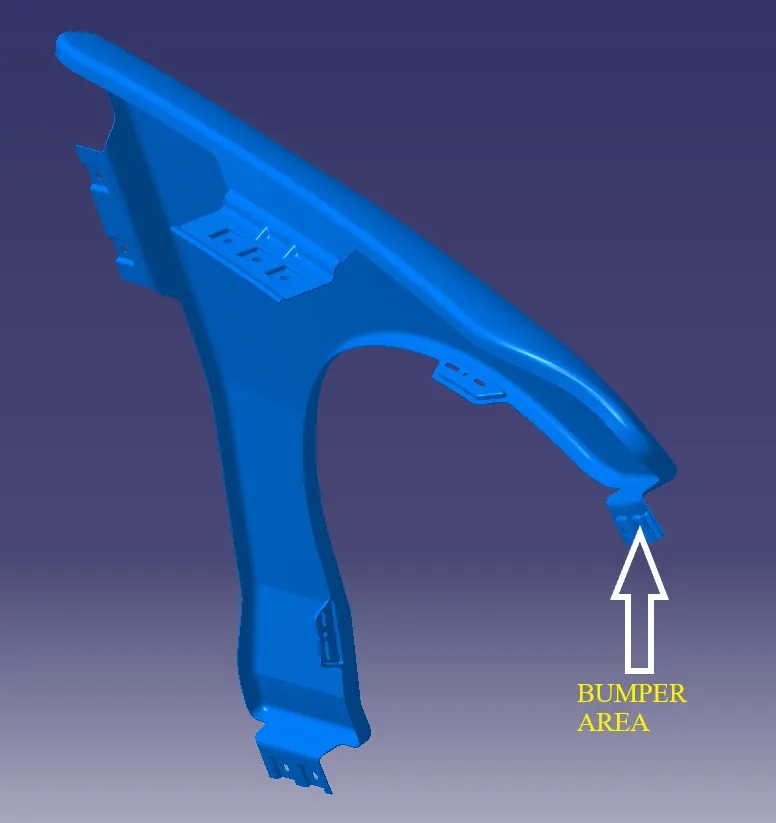
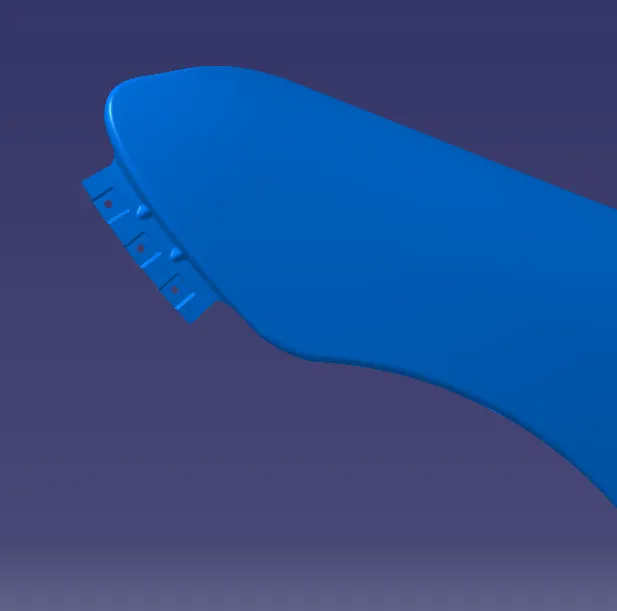
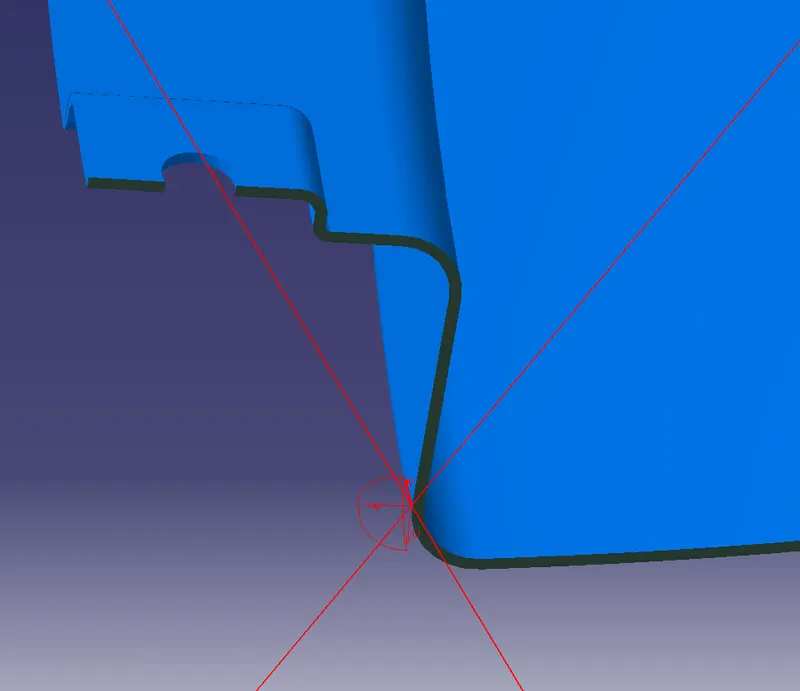
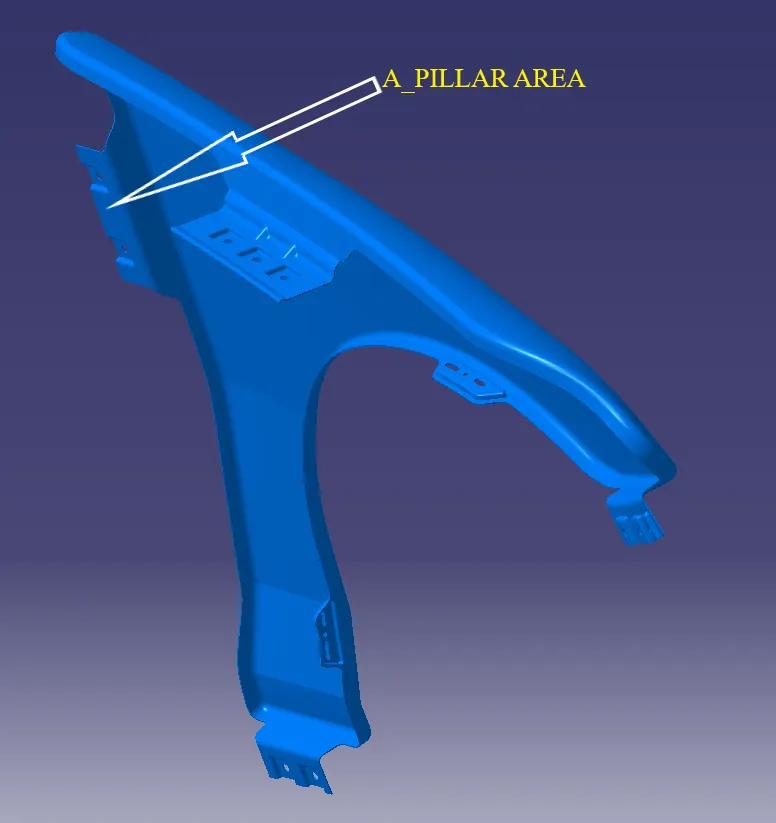
Creating A-Pillar Mounting
The mounting of this area is to join where we have to ensure that the holes provided of the mounting of Fender shouldn't attach the clearance at the joint and the aerostatics of the vehicle and also providing the hole to reduce the complexity while mounting.

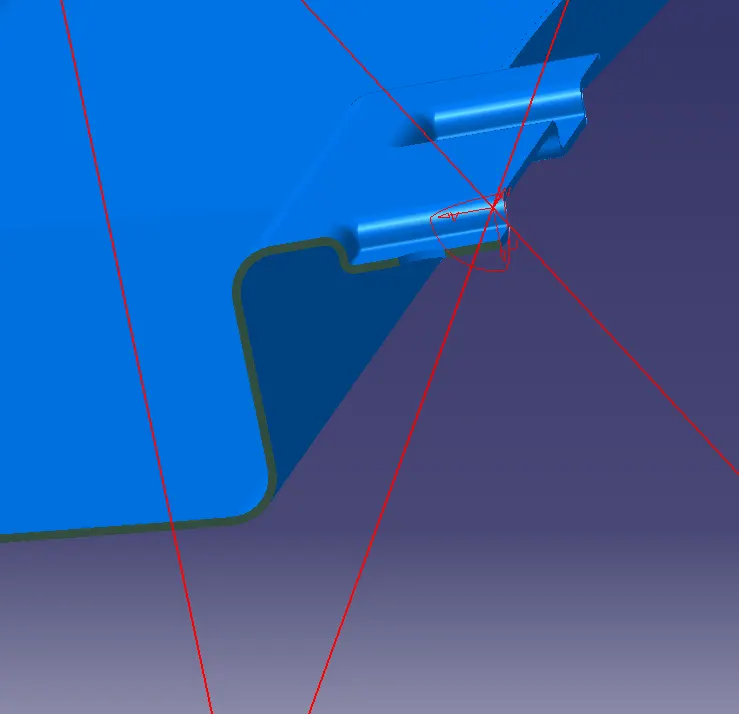
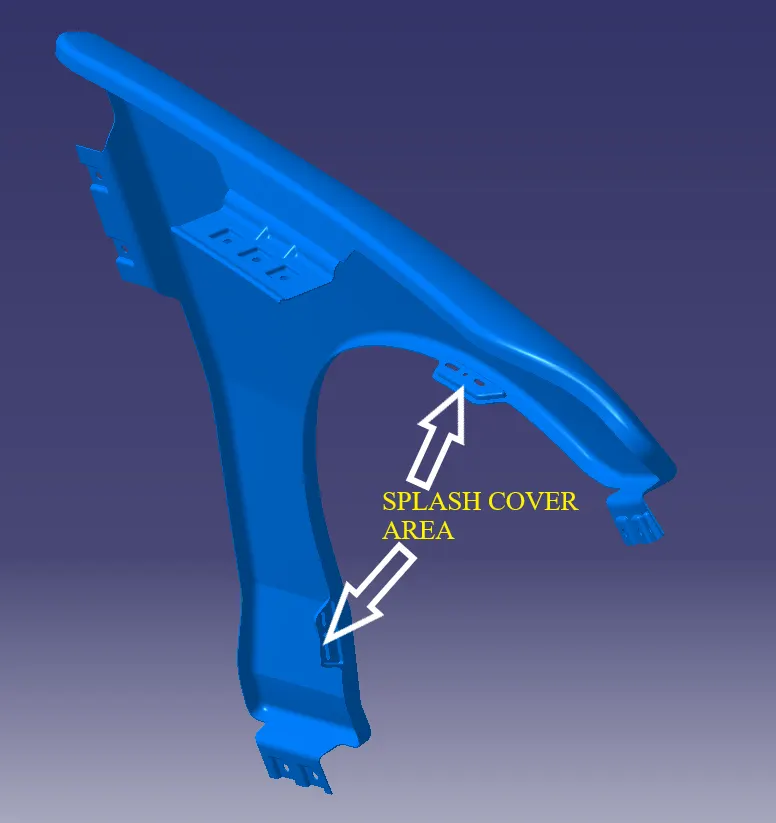
Creating Splash cover mounting
These are additional holds are provided to support defender lining it is a plastic that is used as a barrier between the fender and outside particles dust rocks plastic cover is used to protected dust and rocks and it is mounted on fender via trim clips.
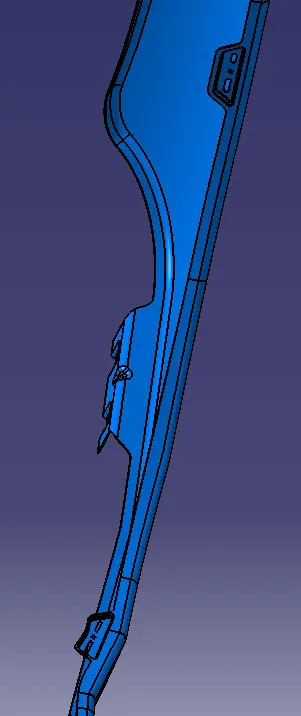
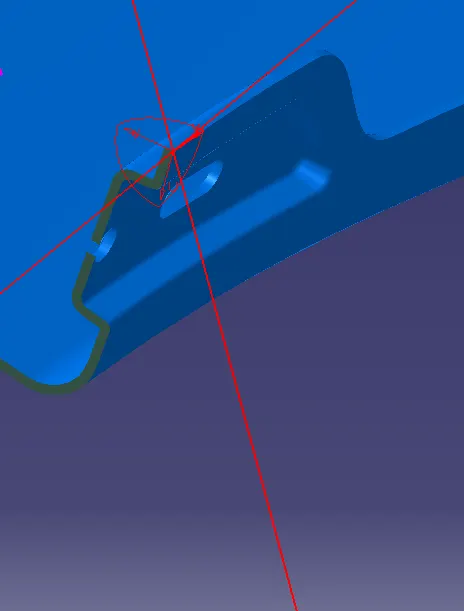
Finder In Deferient views
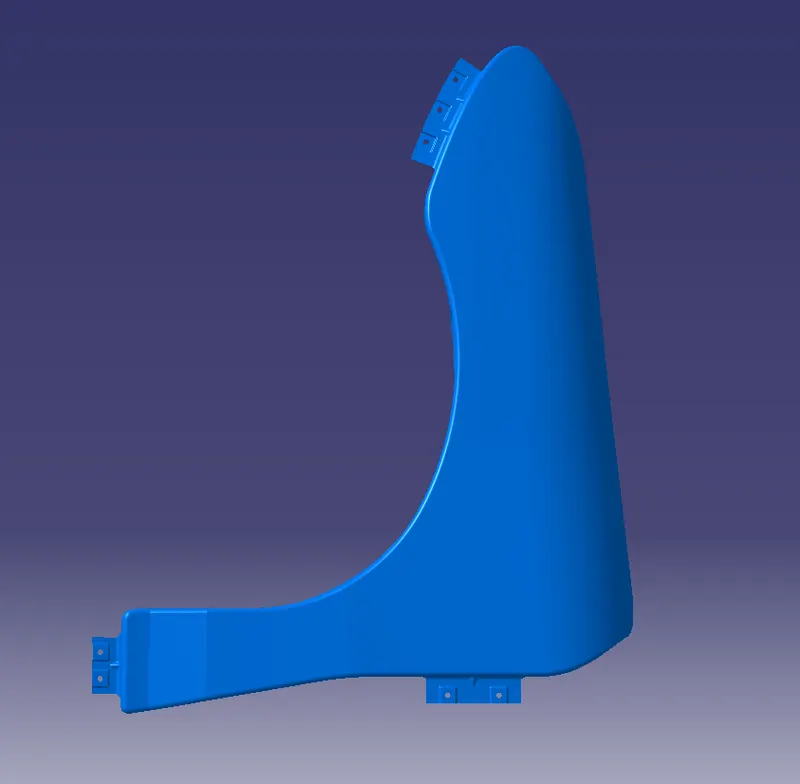
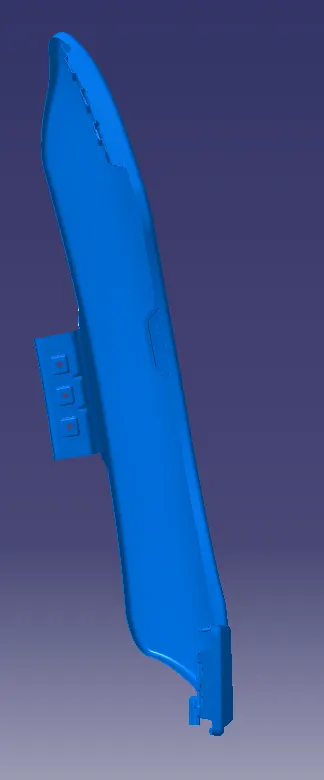
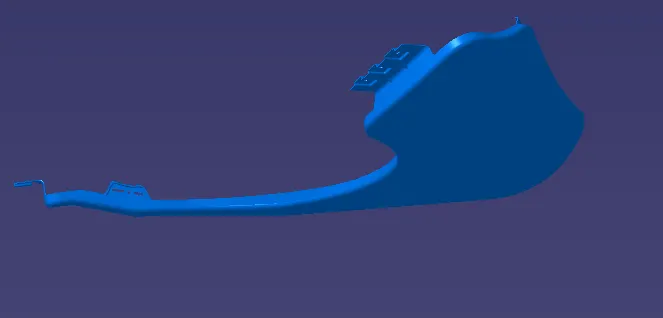
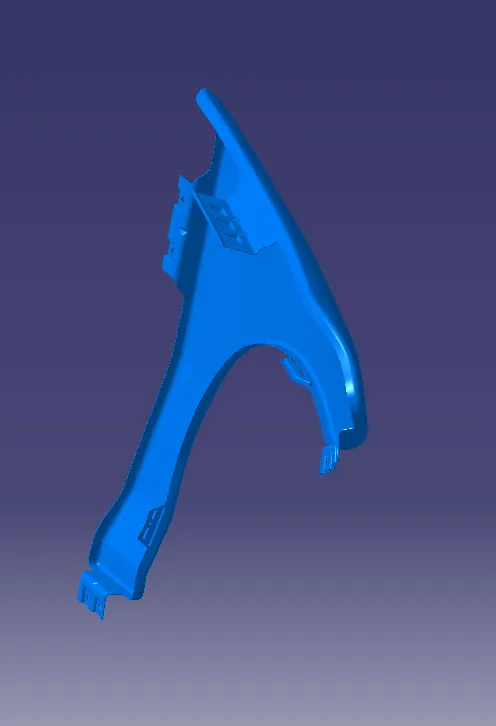
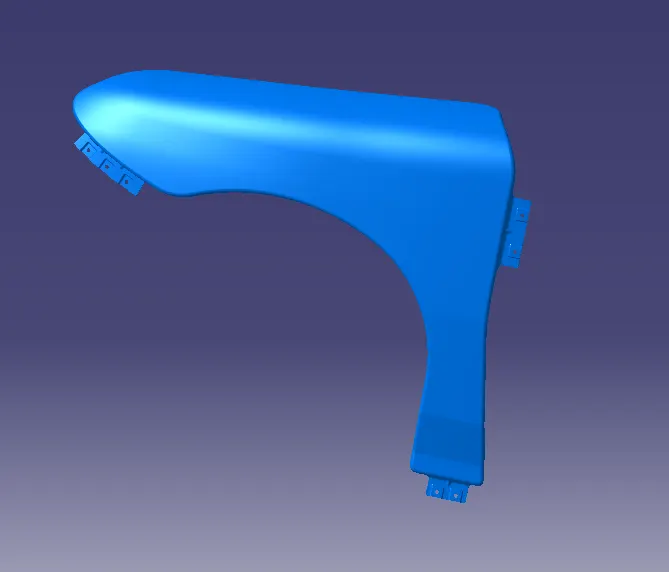
Conclusion:
The design of Car Fender is down by Following all the inputs and principles of Fender Design.