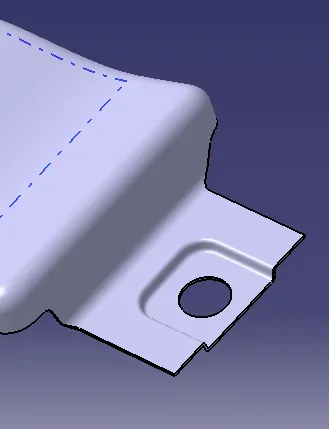
Fender Design
Prepare a report by explaining about Fender Design and its different mounts, manufacturing process and its design parameters
The fenders of a car are the parts of the body over the wheels. The fender of a car is a bar at the front or back that protects the car if it bumps into something. A car tire fender is a plastic, metal, or rubber panel that bends over the wheel on the side of the car, extending from the front bumper to the car door. The main function of car fenders is to protect tires and braking systems from mud or other impurities so that they are safer and more efficient
<!-- [if gte vml 1]>
<!--[endif]--><!-- [if gte vml 1]><![endif]-->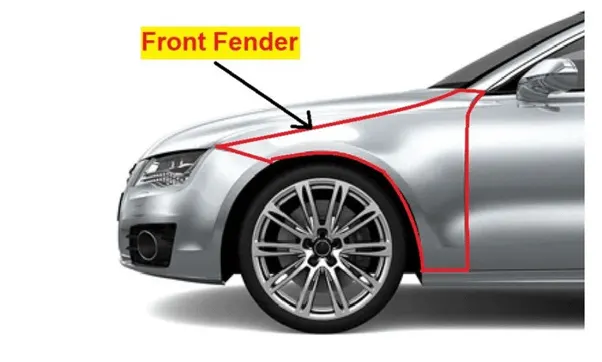
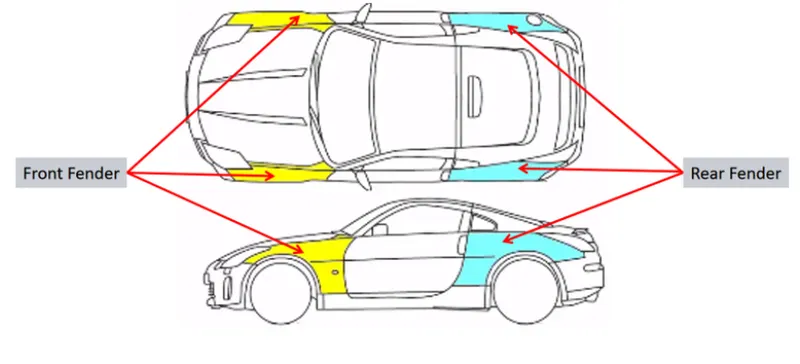
Modern vehicles today are equipped with fenders made from plastic, steel, aluminum, and modern plastic composites like thermoplastic and fiberglass. Usually, heavy vehicles like trucks, utility vehicles, and SUVs are equipped with metal or steel fenders, whereas passenger vehicles have plastic fenders.
Design of Fender
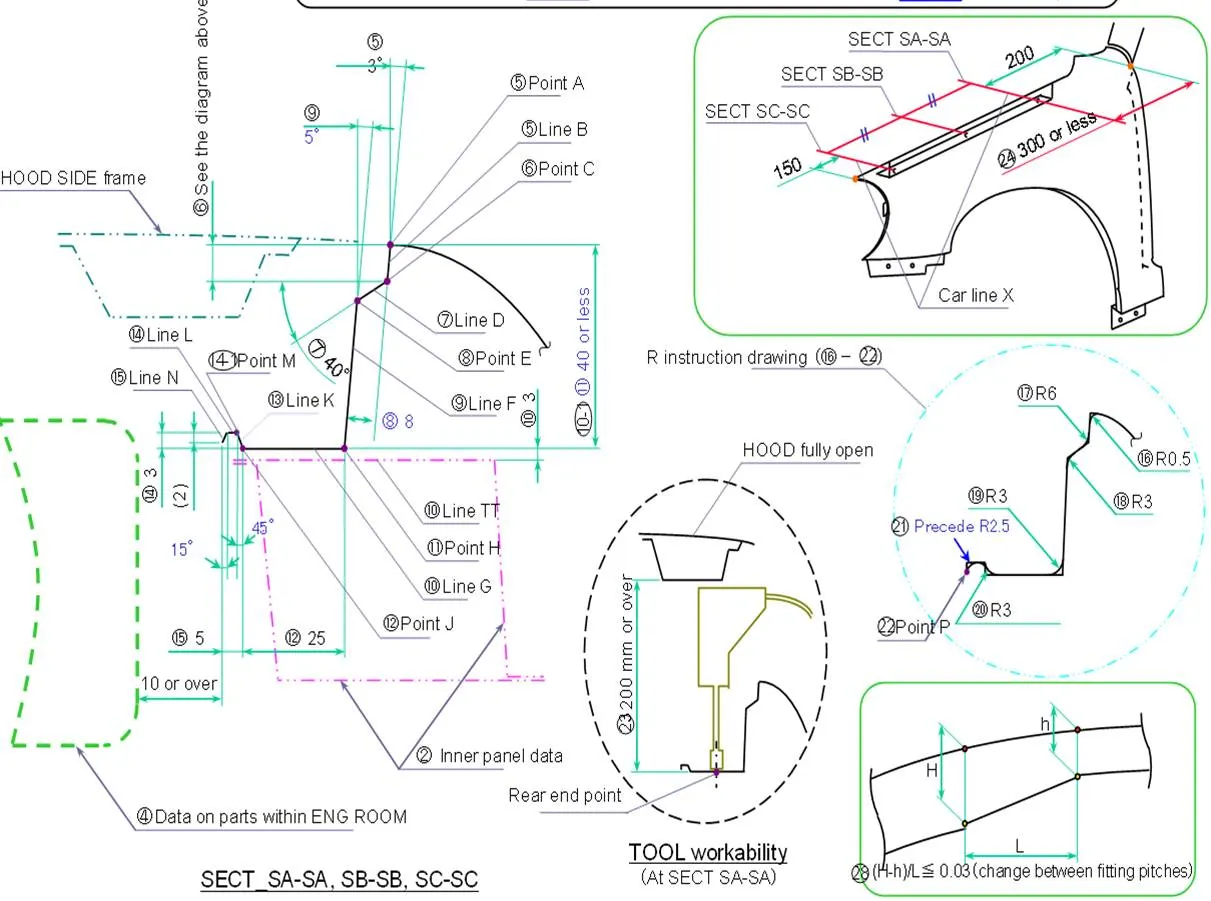
The main objective here is to design Drip area, Bumper mounting region, Sill mount region, A-Pillar mount region and Splash cover or wheel well mount regions for the given fender skin or styling surface.
Design Considerations:
<!-- [if !supportLists]-->· <!--[endif]-->Embosses are provided to increase strength.
<!-- [if !supportLists]-->· <!--[endif]-->The corners of the flanges are smoothened to ease the producibility of part.
<!-- [if !supportLists]-->· <!--[endif]-->Fillet of 2-3mm is provided to avoid sharp corners and edges.
<!-- [if !supportLists]-->· <!--[endif]-->Cut outs are provided at certain regions in order to save material as possible.
<!-- [if !supportLists]-->· <!--[endif]-->Uniform wall thickness of 0.75 mm is maintained. <!--[endif]-->
Design Requirements:
Provide embosses and darts to improve strength.
Provide minimum distance of 150 mm and 200 mm from front and back of fender respectively while creating drip mounting.
Thickness – 0.75 mm
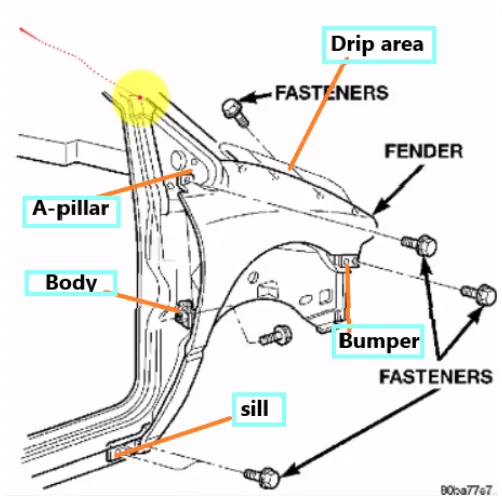
Different Mounts for Fenders:
Mountings in Fender - There are 5 Mountings in Fender:
<!-- [if !supportLists]-->· <!--[endif]-->Drip Area
<!-- [if !supportLists]-->· <!--[endif]-->Bumper Mounting
<!-- [if !supportLists]-->· <!--[endif]-->Sill Mounting
<!-- [if !supportLists]-->· <!--[endif]-->A-Pillar Mounting
<!-- [if !supportLists]-->· <!--[endif]-->Baffle Mounting
Drip Area: It is the critical mounting area located inside the engine component. Designed according to the master section provided and optimal opening angle is maintained to make it look well assembled from outside.
A-pillar area: It is located at the top area of the fender used to be mounted with the top hoop area.
Bumper mounting area: In half bumper fenders the bumper is connected with the bumper mounting area of the fender.
Sill Area: It is located at the bottom area of the fender.
Baffle mounting: Ist is located at the wheel arch of the fender.
How Car Fenders Offer Protection
Driving will be very messy if your car doesn’t have fenders that house the wheel wells. The tires of your car spin fast when you drive. As they rotate, they catch moisture and debris from the pavement and spray them into the air.
The tire’s kinetic energy ejects these foreign matters into the air at high velocities. As this thing is happening, the moisture and debris that fly in the air can cause the following to happen:
Get other vehicles or pedestrians on the road side dirty
Hurt pedestrians
Scratch the bodies of other vehicles
Cause minor and even major damage to other vehicles
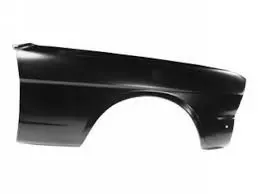
Fenders are classified as
Full Bumper Type Half bumper Type
<!-- [if gte vml 1]>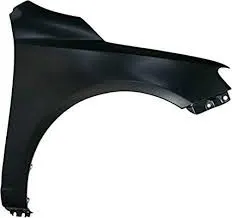 <!--[endif]-->
However, the general steps involved in fender
Manufacturing are as follows:
a. Material Selection: Different fenders are made from materials like rubber, foam, or elastomers, with each offering specific properties such as elasticity and impact resistance.
b. Moulding: The selected material is melded into the desired fender shape using processes like compression mouldings, injection moulding, or extrusion.
c. Vulcanization: For rubber-based fenders, vulcanization is employed to enhance the material's strength and elasticity.
d. Layering (for some types): Certain fenders, such as foam fenders, involve layering to create a strong, durable structure.
e. Quality Control: Stringent quality checks are performed to ensure the fender meets industry standards and specifications.
Fender Design Parameters:
The design of fenders takes into account several critical parameters to ensure optimal performance and protection. Some key design parameters include:
a. Energy Absorption: Fenders must be designed to absorb and dissipate impact energy effectively to minimize damage to the protected structure or vessel.
b. Reaction Force: The reaction force generated by the fender during impact should be within acceptable limits to prevent excessive stress on the structure or vessel.
c. Material Selection: The choice of material should consider factors like elasticity, abrasion resistance, and environmental conditions (e.g., seawater resistance).
d. Shape and Dimensions: The fender's shape and dimensions are tailored to the specific application, considering the size of the vessel or structure and the potential impact angles.
e. Operating Conditions: Fender design should account for various operating conditions, including tidal fluctuations, temperature variations, and dynamic loads.
f. Maintenance Requirements: The ease of maintenance and longevity of the fender are crucial factors to reduce operational costs and ensure reliable performance.
Conclusion:
Fender design plays a vital role in protecting vehicles, vessels, and structures from damage during impact or collisions. Different types of fenders are available, each with its specific mounting method and manufacturing process. When designing fenders, engineers carefully consider various parameters to ensure optimal performance and longevity.
Result product:
<!-- [if gte vml 1]>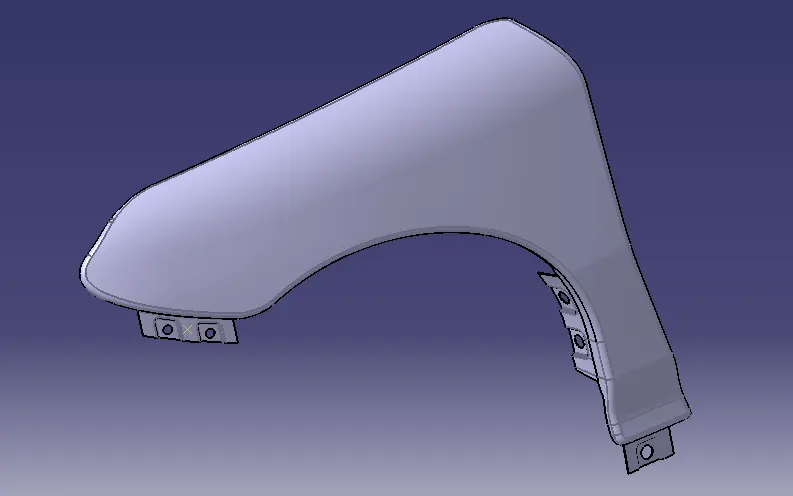 <!--[endif]--><!-- [if gte vml 1]>
<!-- [if gte vml 1]>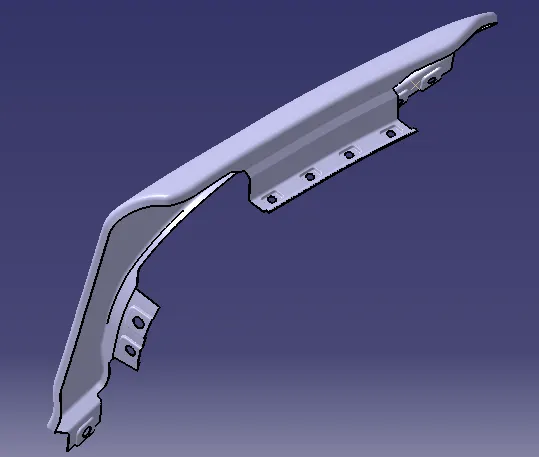 <!--[endif]-->
<!-- [if gte vml 1]>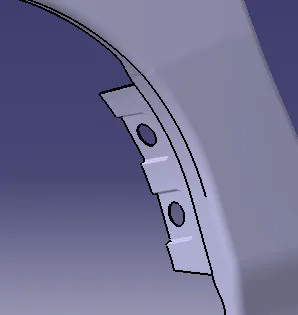 <!--[endif]-->
Body Mount
Bumper mount 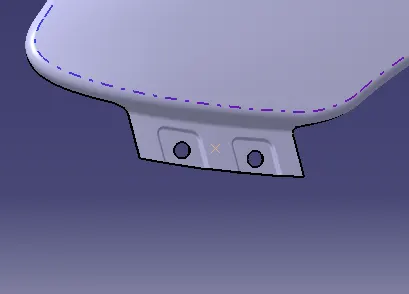
SILL MOUNT