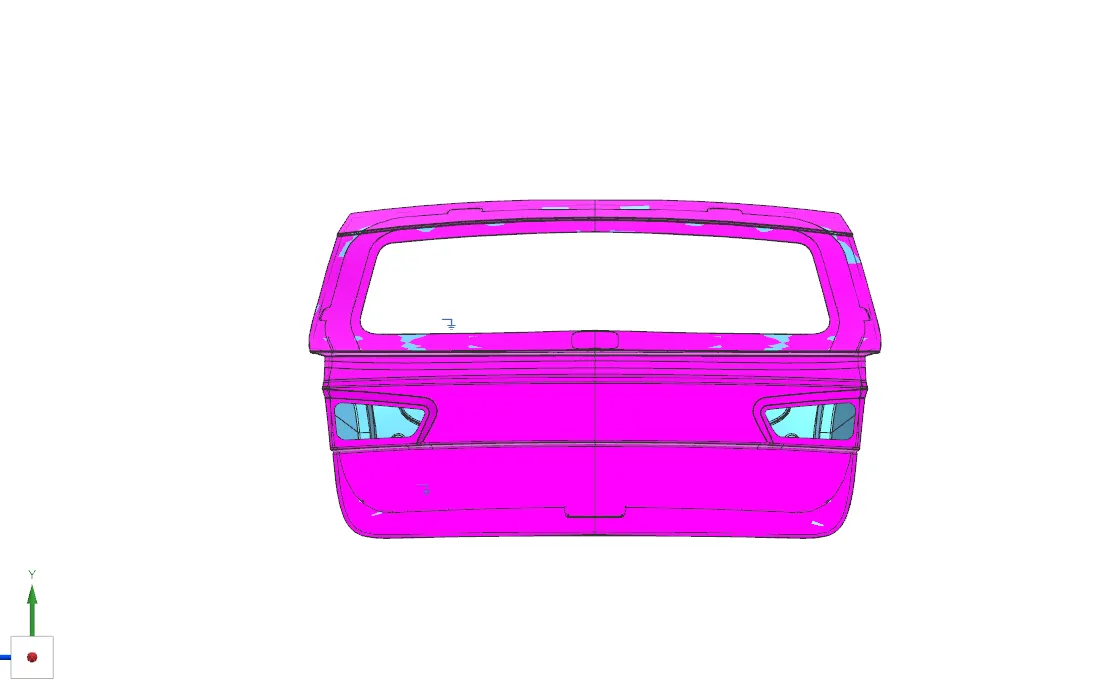
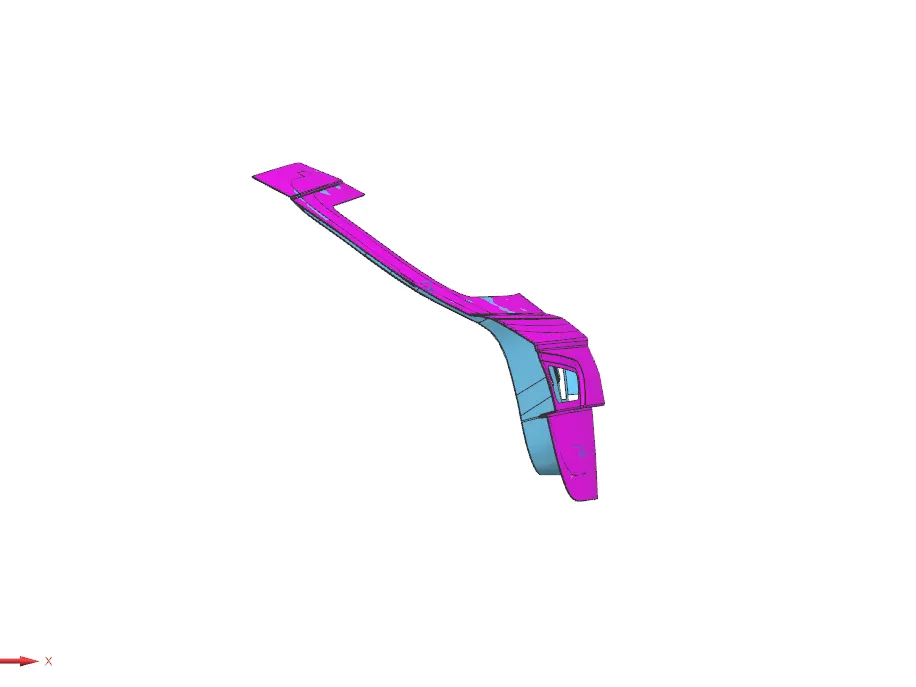
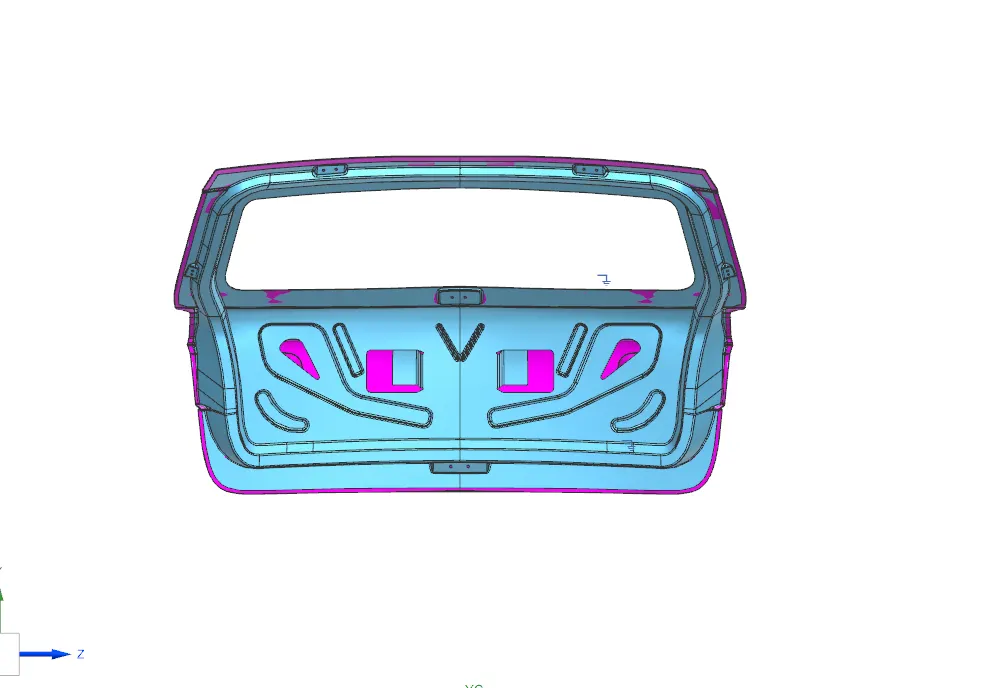
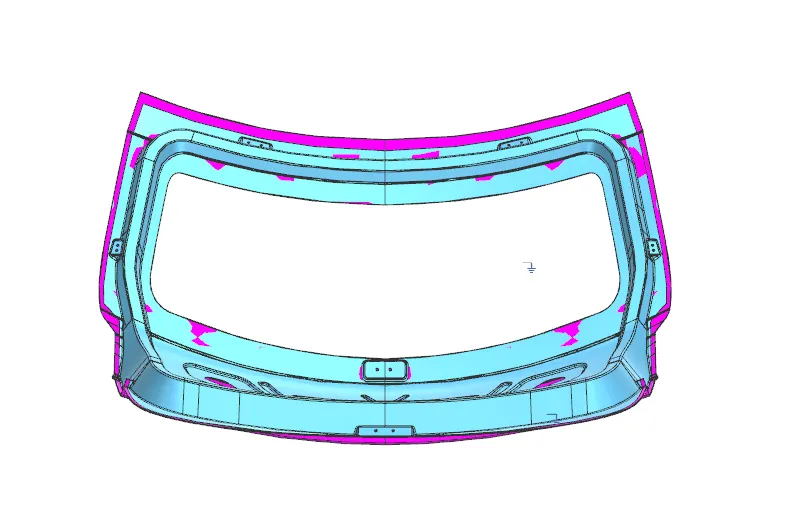
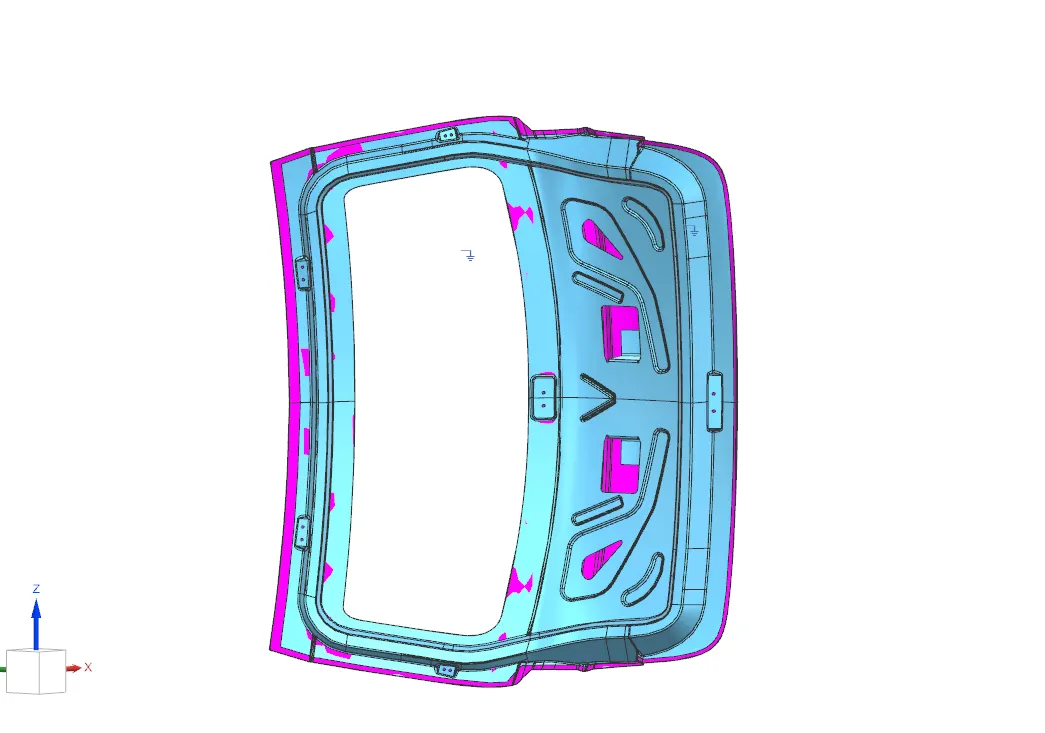
Design of backdoor
BACK DOOR DESIGN
The back door, often called the tailgate or rear door, is vital in automotive design. It combines functionality, aesthetics, and safety to provide access to the vehicle's storage area while enhancing its overall appeal and performance.
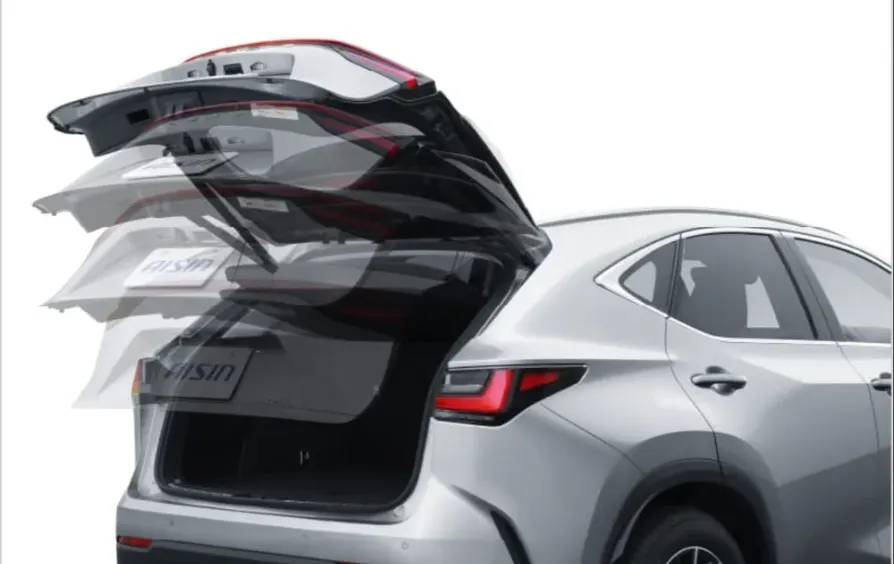
TYPES OF BACKDOOR:
1. Top-Mounted Back Doors
Top-mounted back doors, often called liftgates or hatchbacks, are hinged at the upper edge of the vehicle and open upwards.
They are commonly seen in hatchbacks, SUVs, and some station wagons.
These doors provide easy vertical access to the cargo area and are supported by gas struts or power-assisted systems for smooth operation. The inclusion of a glass panel enhances rear visibility.
Top-mounted doors are particularly useful in urban environments as they require minimal horizontal clearance and offer weather protection when open, making them convenient for loading and unloading cargo.
2. Side-Mounted Back Doors
Side-mounted back doors are hinged on one side and open horizontally, resembling traditional car doors.
They are commonly found in vans and utility vehicles.
This design allows for partial opening, making it ideal for crowded areas with limited vertical space.
Side-mounted doors simplify access to the cargo area, especially in narrow spaces where upward opening might be restricted. T
hey often include latch mechanisms to secure the door when open, ensuring safe and stable usage.
3. Bottom-Mounted Back Doors
Bottom-mounted back doors, also known as tailgates, are hinged at the bottom and fold downwards.
These doors are prevalent in pickup trucks, off-road vehicles, and some SUVs.
They provide a sturdy surface for loading and unloading heavy items and can double as a platform for sitting or standing.
Some designs include additional features like integrated steps or folding mechanisms for added functionality.
Bottom-mounted doors are particularly suited for vehicles requiring robust and heavy-duty cargo handling.
COMPONENTS IN A BACK DOOR:
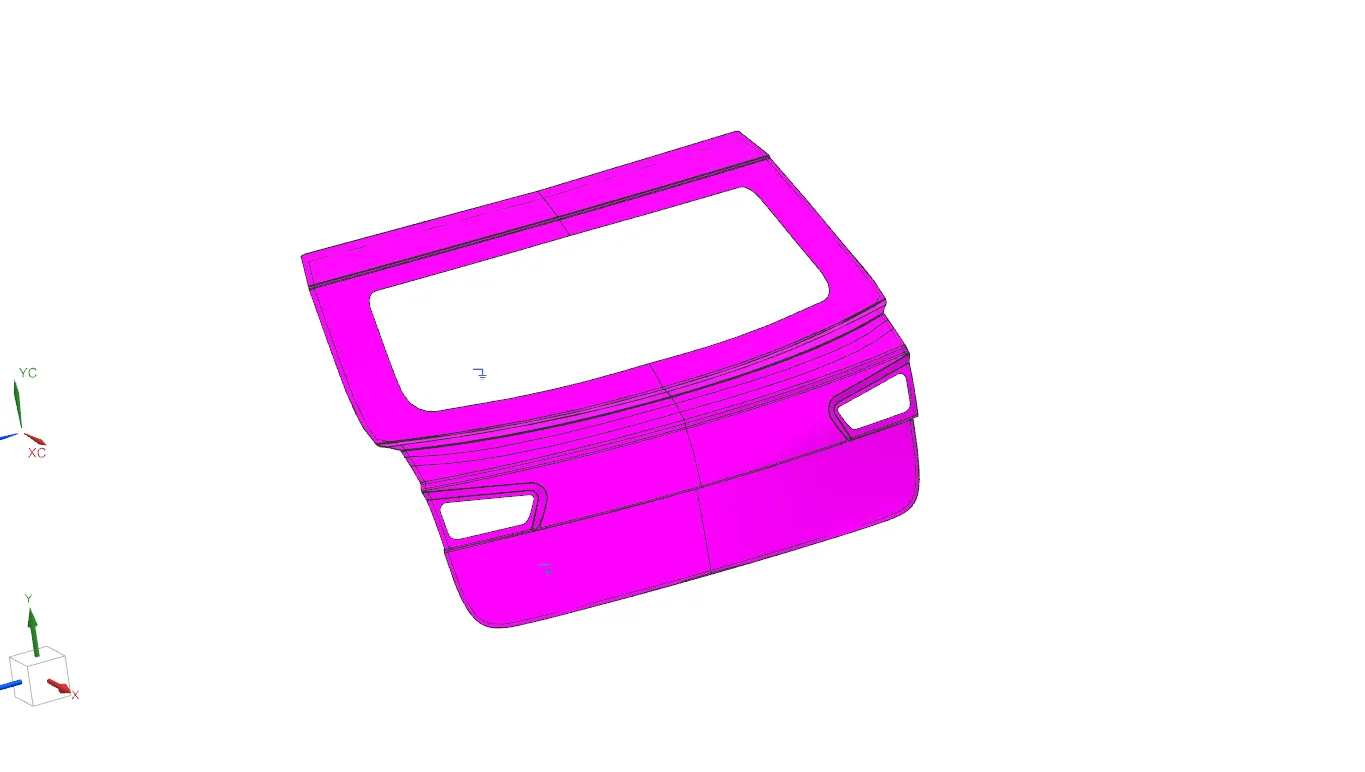
1. Outer Upper Panel
The outer upper panel is the visible exterior part of the back door, typically located above the rear glass section.
This panel is often styled to match the vehicle's aesthetics and plays a significant role in aerodynamics.
Made from materials like steel, aluminum, or composite plastics, it is designed to resist weather elements, scratches, and minor impacts.
Additionally, it houses components such as rear windshield wipers and defoggers in certain designs.
2. Outer Lower Panel
The outer lower panel forms the remaining visible exterior portion of the back door, usually below the glass area.
It complements the upper panel in maintaining the vehicle's aesthetic continuity.
This panel is often equipped with provisions for mounting license plates, rear lights, and sometimes integrated sensors or cameras for parking assistance.
Similar to the upper panel, it is built to withstand environmental wear and tear while enhancing structural integrity.
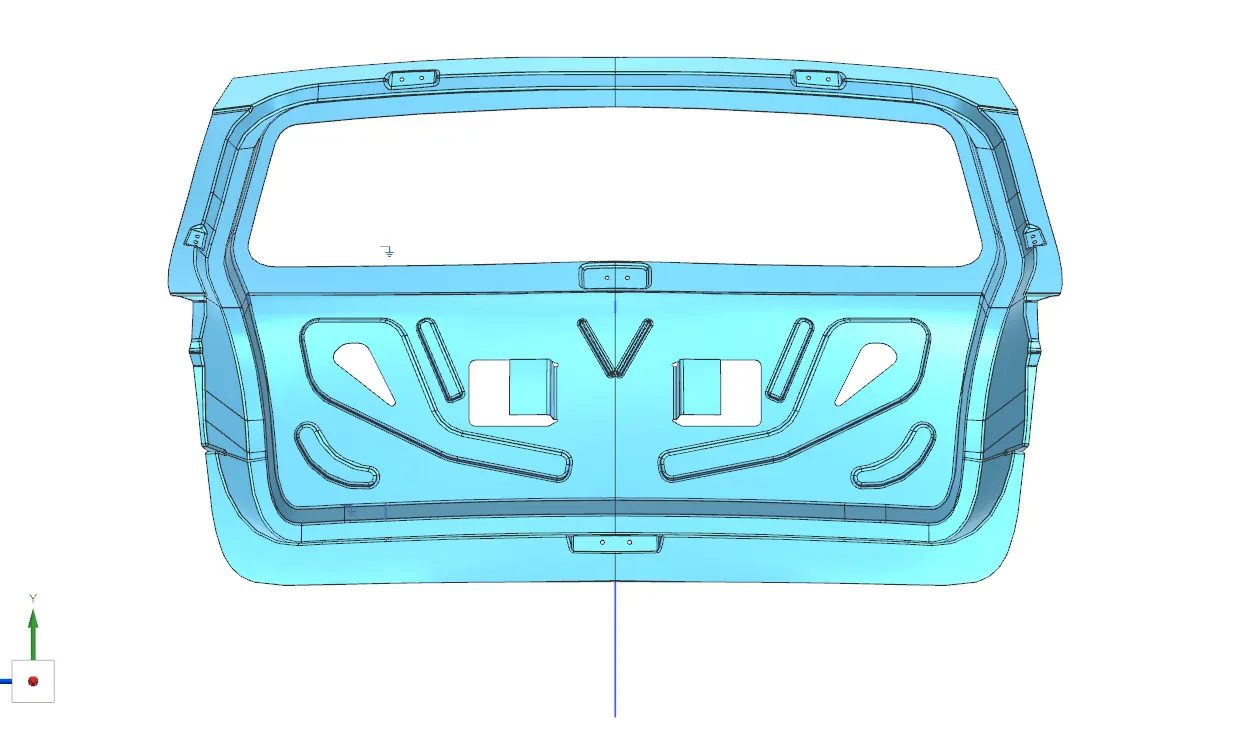
3. Inner Panel
The inner panel is the backbone of the back door, providing structural strength and housing various functional components.
It supports the mounting of reinforcements, hinges, locks, and other mechanisms.
The inner panel also plays a crucial role in ensuring crashworthiness by absorbing and dissipating impact energy during collisions.
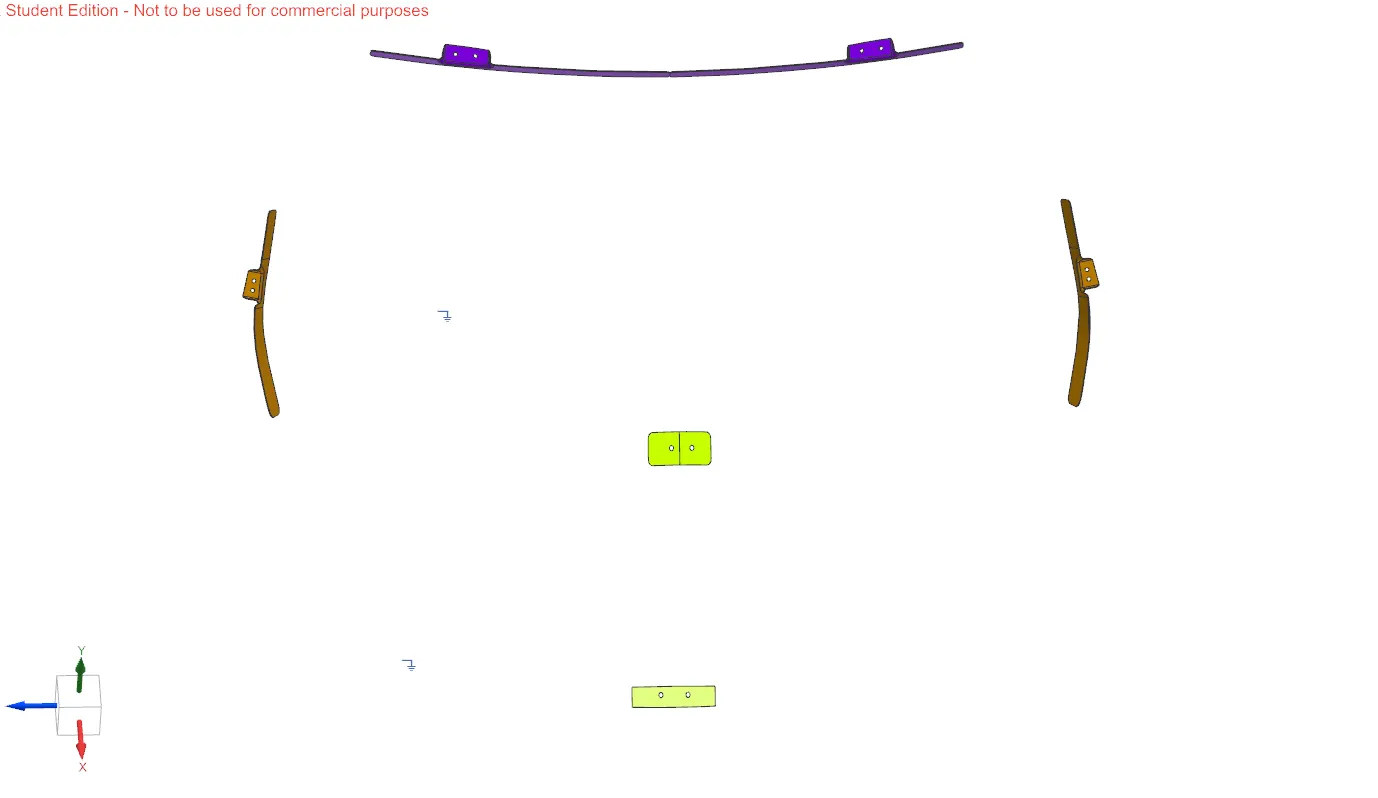
4. Reinforcements
Reinforcements are strategically added to the back door to enhance its durability and load-bearing capacity.
Key areas, such as hinge and latch mounting points, are reinforced to withstand repetitive stresses and ensure reliability.
These reinforcements are usually fabricated from high-strength materials and are carefully integrated into the inner panel to avoid adding excessive weight.
They are essential for maintaining the structural integrity of the back door during regular use and in crash scenarios.
5.Embossing:
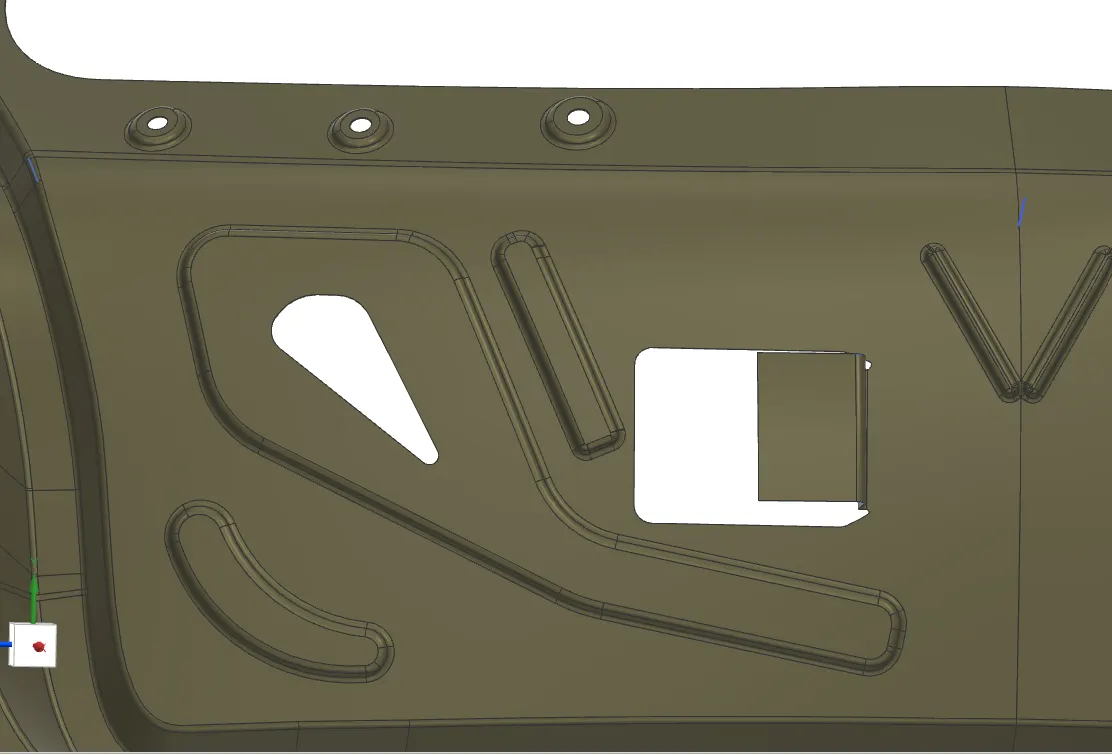
Embossing in automotive back doors enhances strength, reduces weight, and improves functionality.
Creating raised or recessed patterns on materials like steel or aluminum, it reinforces key areas such as hinges and latches, distributes stress evenly, and allows thinner materials without compromising durability.
Embossing also facilitates water drainage, wiring pathways, and precise assembly alignment while adding aesthetic details.
6. Latch and hatch trajectory:
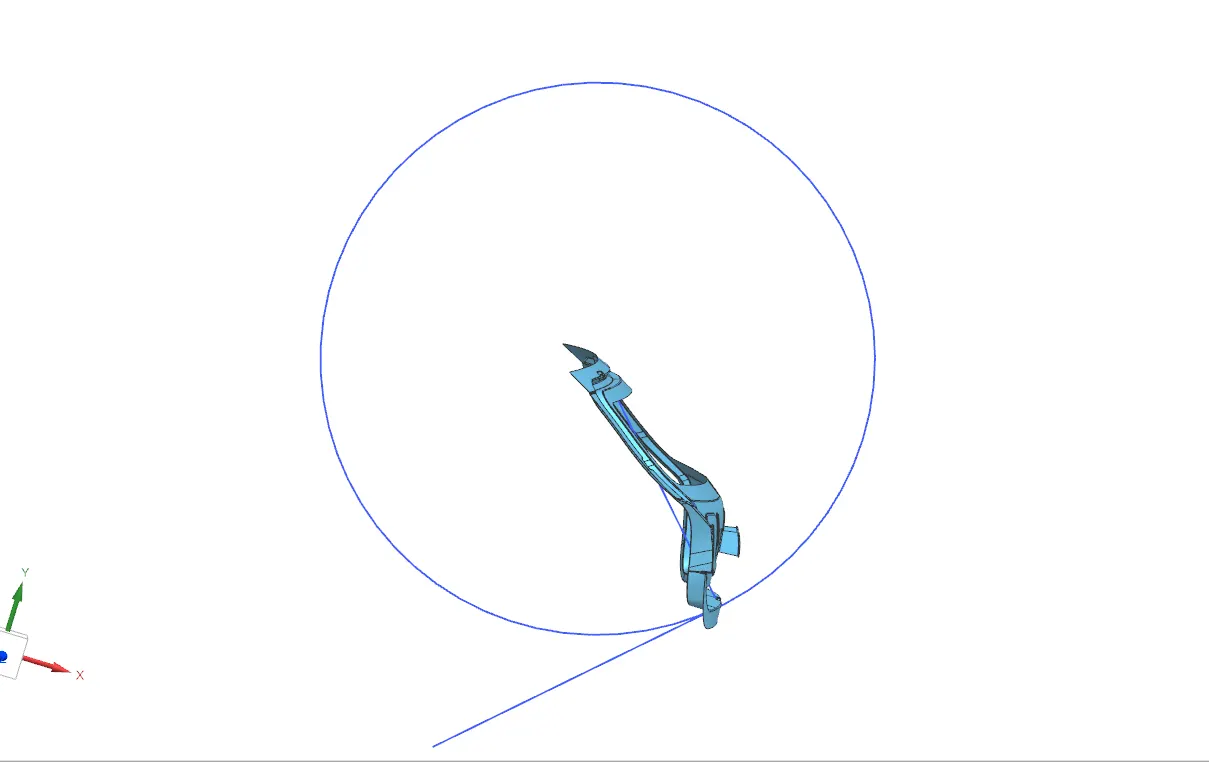
The latch and hatch trajectory are crucial aspects of back door design, ensuring functionality, safety, and convenience.
The latch mechanism secures the door in place, preventing accidental openings during motion, and is designed for durability and ease of use, often incorporating electronic systems for remote operation.
The hatch trajectory defines the door’s movement path during opening and closing, optimized to provide easy access to the cargo area while avoiding obstructions.
MANUFACTURING PROCESS:
Hemming:
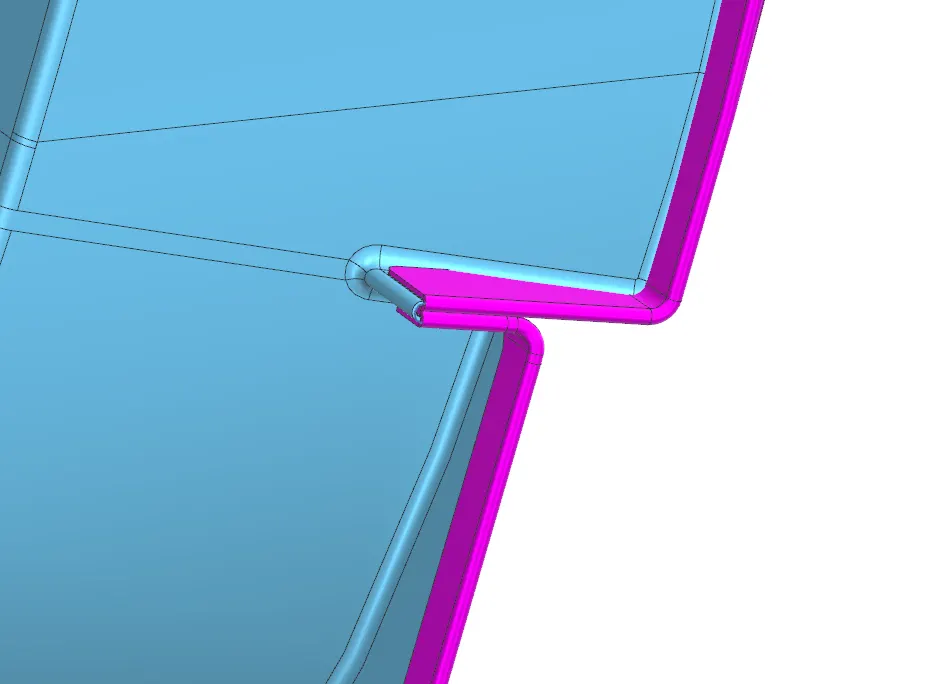
Hemming is the process of folding the edges of a metal panel over itself to create a smooth, strong, and finished edge. It is commonly used to join the inner and outer panels of automotive parts, like back doors, providing strength, improving safety by eliminating sharp edges, and enhancing the overall appearance of the part.
Stamping:
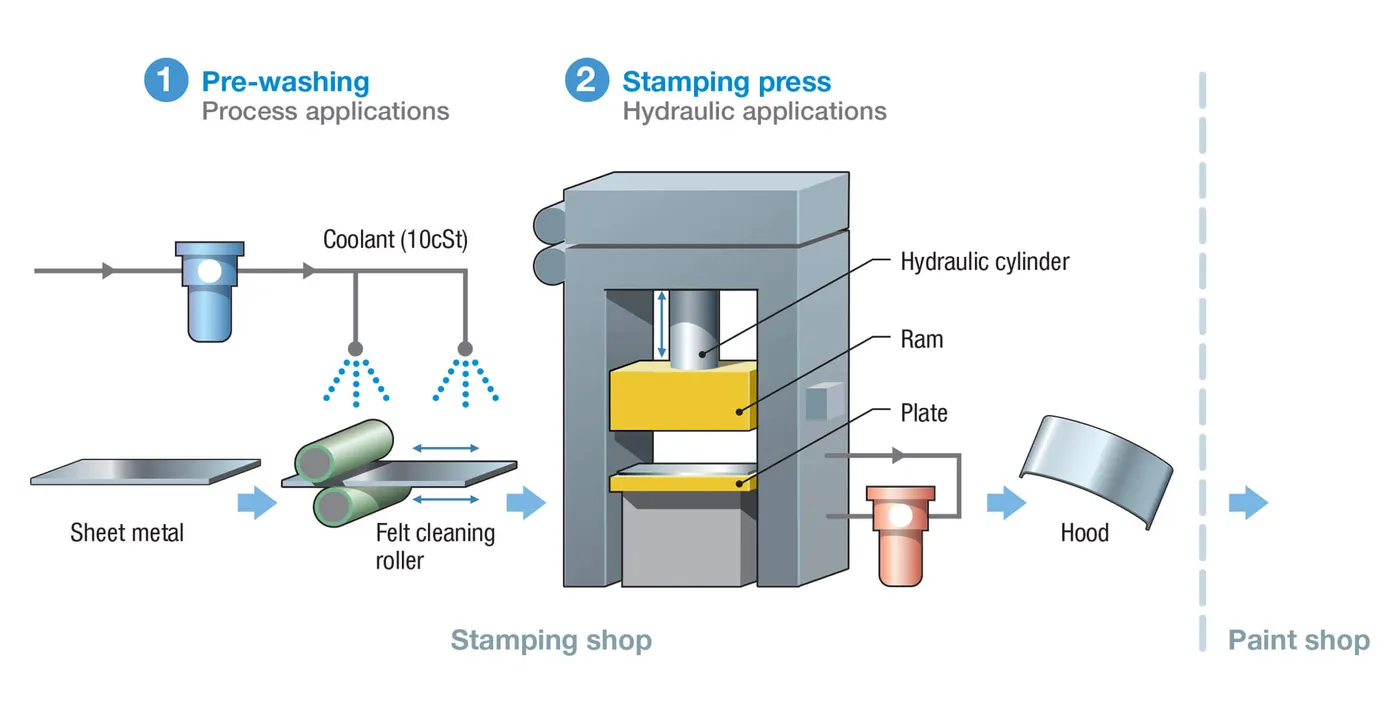
Stamping is a manufacturing process in which a flat sheet of metal is fed into a die and shaped into a desired form using a stamping press.
This process forms the basic structure of various automotive components, including panels for back doors, through actions like blanking, drawing, and piercing.
Embossing:
Embossing involves creating raised or recessed patterns on a metal surface to enhance its strength, add structural features, or improve aesthetics.
In automotive manufacturing, embossing is used to form contours or reinforcement areas in parts like back doors, contributing to their overall functionality and appearance.
Welding:
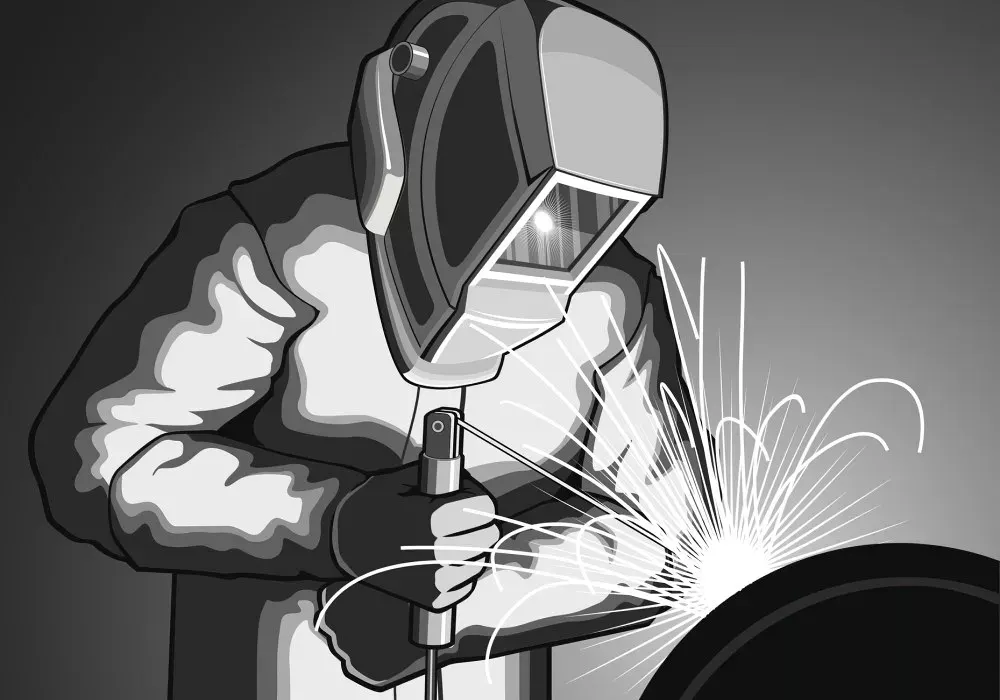
Welding is a process used to join two or more metal parts by applying heat and pressure, causing the material to melt and fuse together.
In back door manufacturing, welding is essential for attaching different panels, reinforcements, and other components, ensuring the strength and durability of the final product.
Mastic Mass:
Mastic mass is a sealing material used in automotive manufacturing to fill gaps, reduce noise, and provide vibration damping.
Applied at joints and seams, such as in the back door assembly, mastic mass helps to create airtight and watertight seals, preventing moisture penetration and improving overall vehicle performance.
DRAFT ANALYSIS:
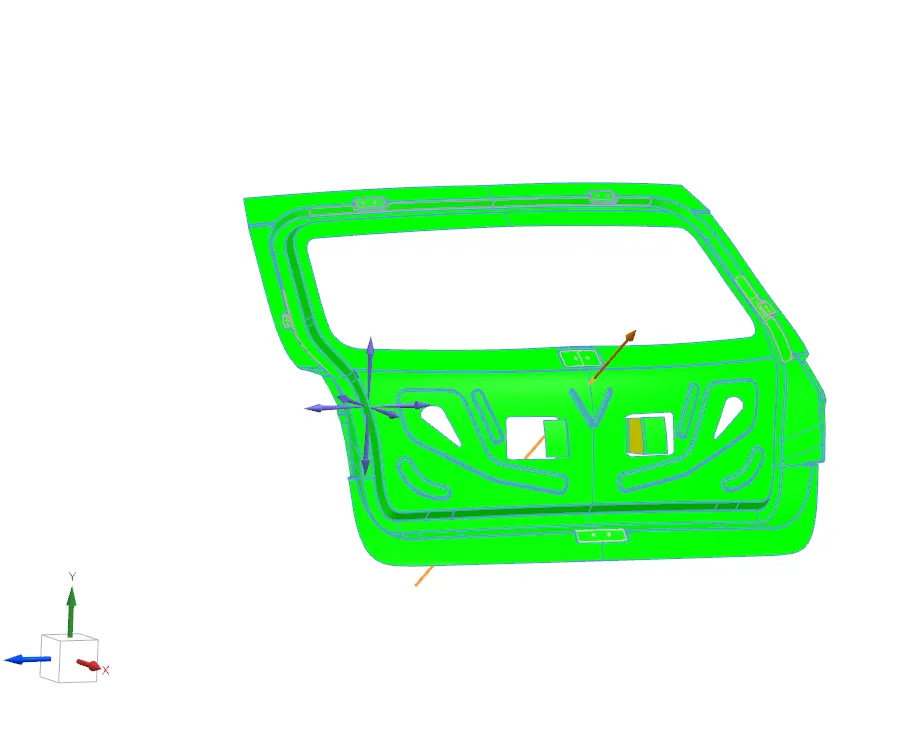
Draft analysis is a process that evaluates the angles and direction of a part's features relative to the parting line of its mold. It helps identify potential issues that may occur during manufacturing, such as difficulty removing a part from the mold.
Design views :