Design of backdoor
Car Back Door and Components:
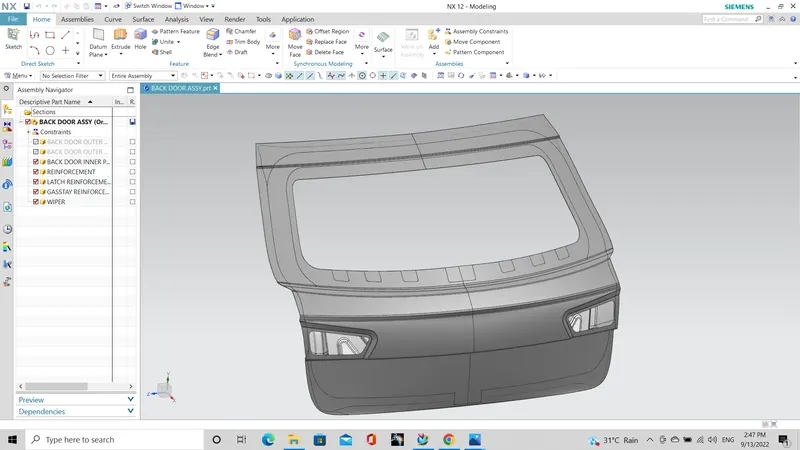
The back door is a hinged door/tailgate at the rear of the vehicle. It may be used for loading and unloading cargo, or to get passengers in and out, in case there are seats present at the rear. The back door comprises of certain components which form the back door assembly together.
Parts of a Tail Gate:
- Outer Panel
- Outer panel Lower
- Inner panel
- Hinge Reinforcements
- Latch and Stricker Reinforcement
- Wiper Motor Reinforcement
- Gas Stay Reinforcements
All these parts are assembled together to obtain the back door of a car.
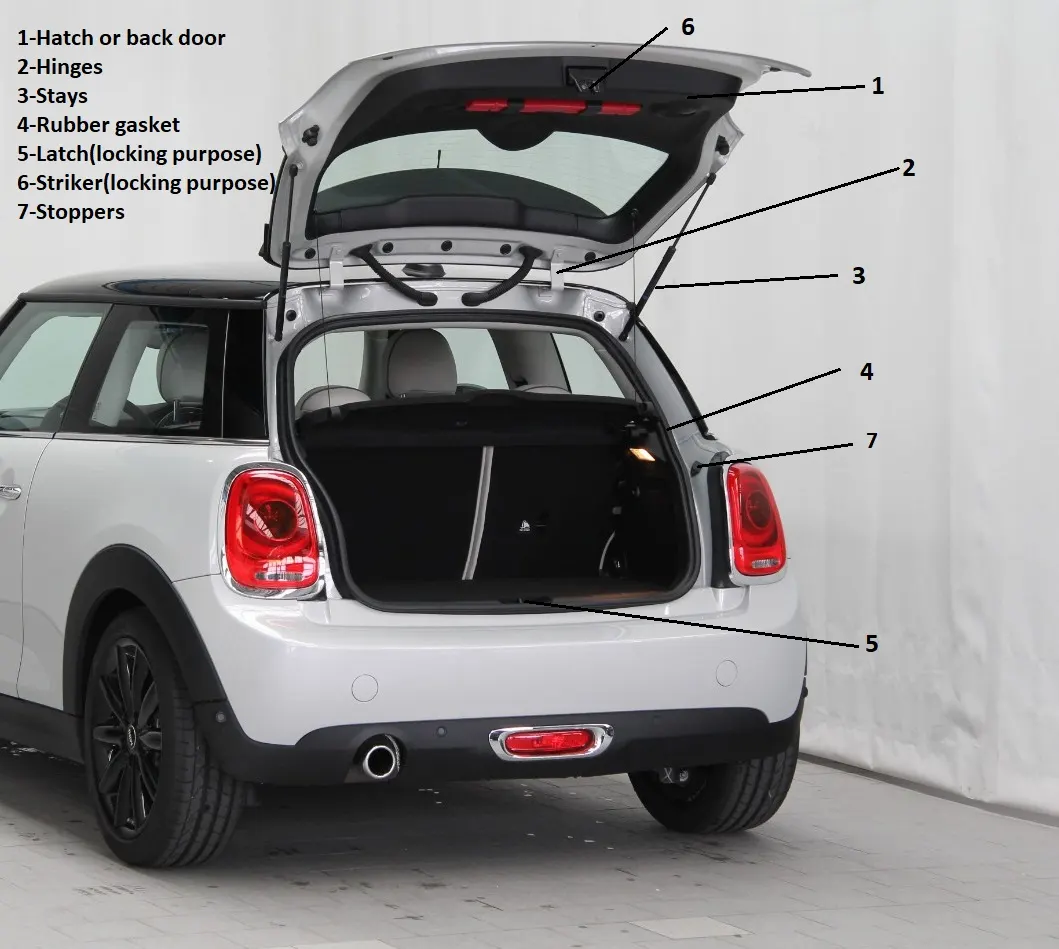
Types of Back Doors:
There are three types of back door based on the position of the Hinge axis. They are
- Top Mounted

- Side Mounted
- Bottom Mounted.
In our design we follow the Top Mounted Design where the Hinges are mounted on the top.
Design Considerations In Back Door Design:
The following are the Design considerations taken while designing the Back Door. They are,
- Visibility Criteria
- Force Dissipation
- Latch and Stricker Positions
- Hinge Position
- Gas Stay Position
- Material Selection
- Space Availability
- Hemming and Relief Areas
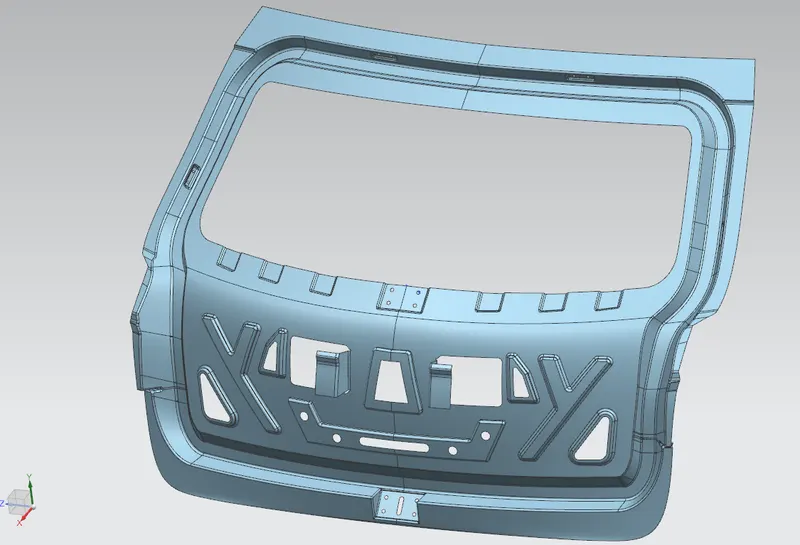
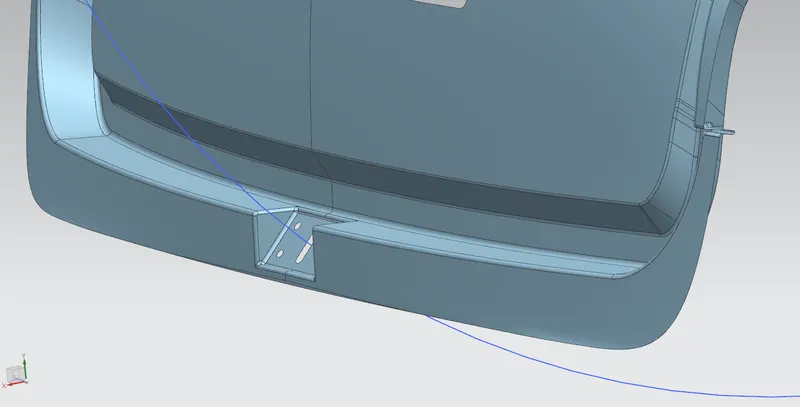
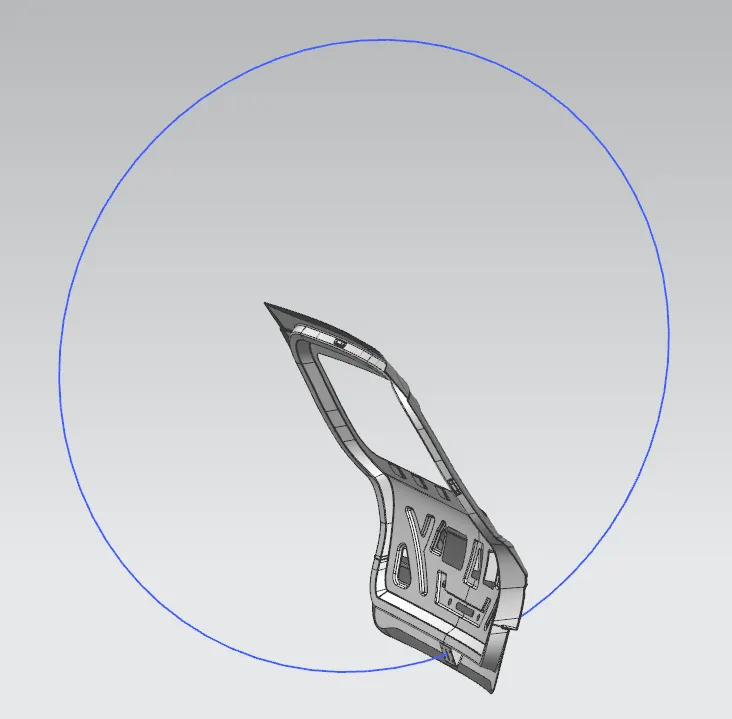
Inner Panel
The inner panel, as the name suggests, is the inner part of the door. It is where most of the reinforcements and components are mounted. It is manufactured either by casting (aluminum) or sheet metal stamping (steel). Thickness of inner panel is 0.75 mm.
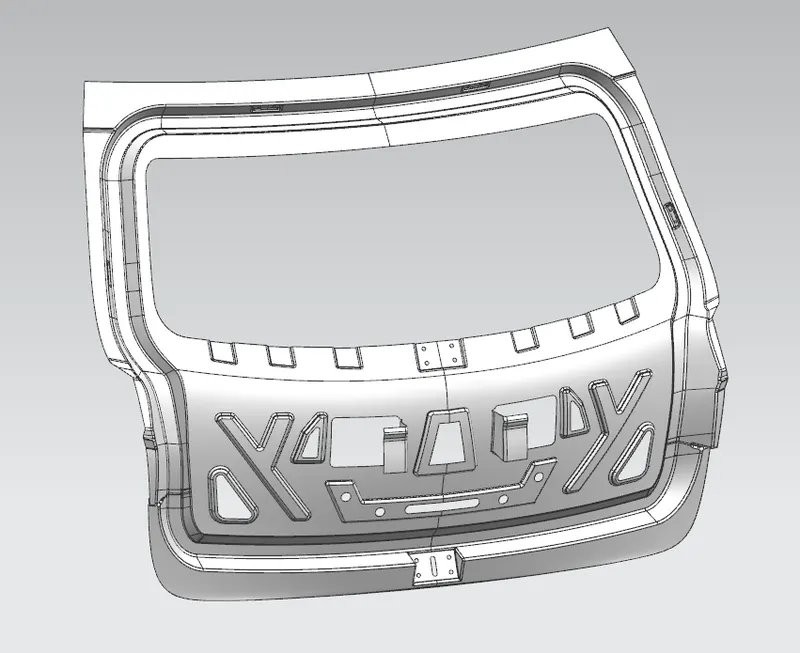
Fig.2 Inner Panel
Outer Panel
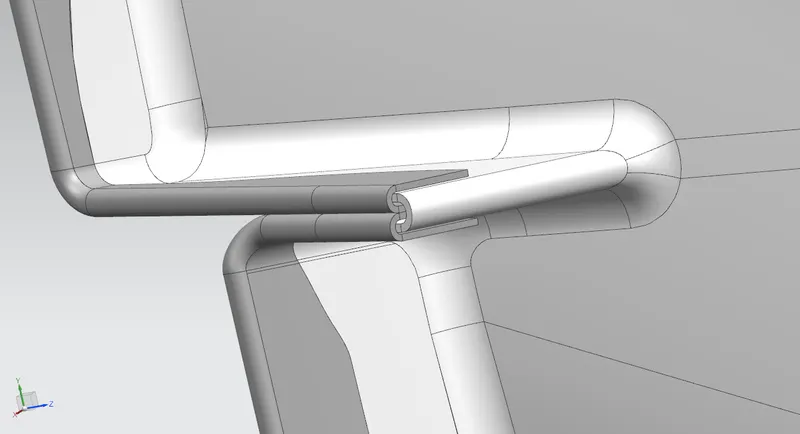
As the name suggests, it is the outer part of the rear door and is mostly responsible for aesthetics of the vehicle. Outer and inner panels are connected by mastic sealants in center and by hemming process at edges. The outer door handle and in some cases, the number plate may also be installed on the outer panel of the back door. We have considered a 2-part outer panel for our design, outer upper panel and outer lower panel prospectively. Outer panel is manufacture by stamping sheet metal. Thickness for outer panel is 0.75 mm
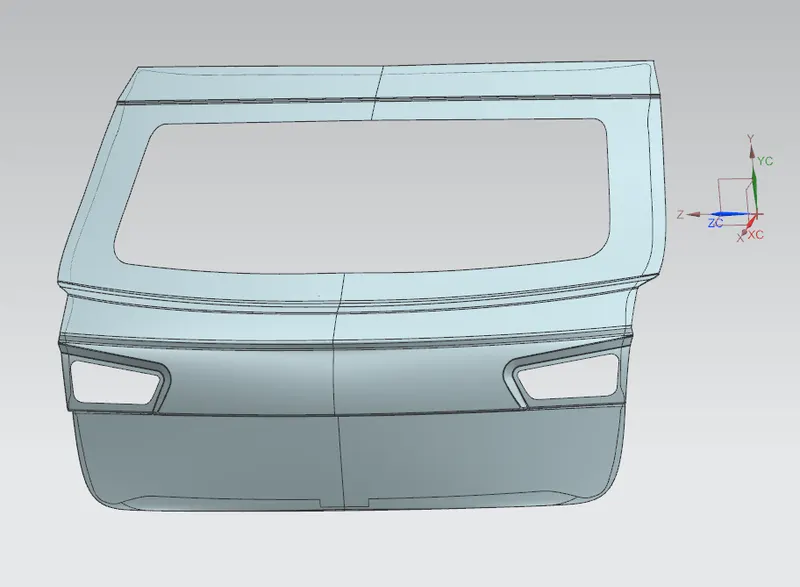
Fig.3 Outer Panel
Reinforcements
Reinforcements are provided to provide support and add extra material to the sheet metal part to increase its strength near component installation regions and minimize the impact of collisions. We have considered following reinforcements during our design. The reinforcements maybe manufactured by stamping. Thickness of all reinforcements is 1.5 mm.
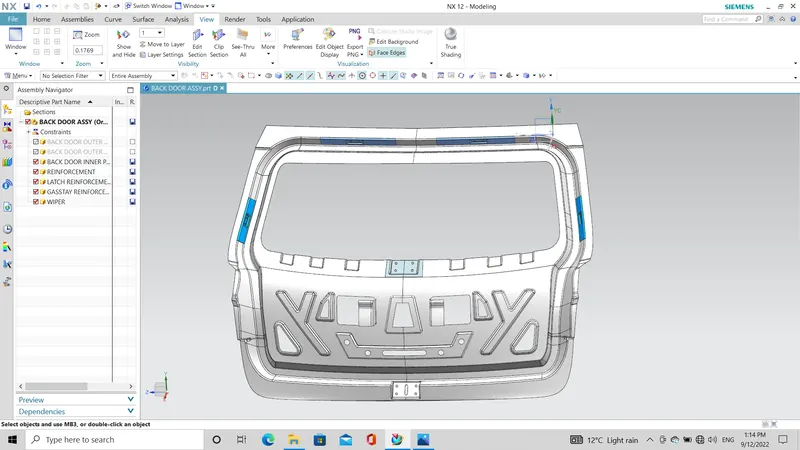
A back door is a BIW component found in all Automotive car generally used for opening and closing of the so called car luggage that is usually used for storing items inside a car. In general the opening and closing of the door is co-ordinated by the Latch and Stricker position and the Gas stay position that is mounted on the body and back door of the car. These positions play a major role in ensuring smooth opening and closing of the tail gate.
-
HINGE REINFORCEMENT:
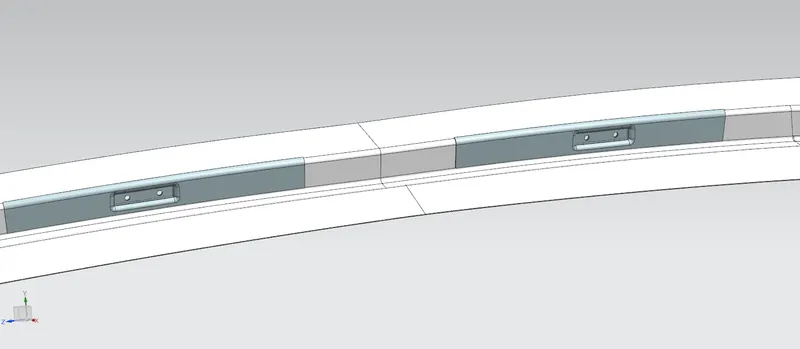
Hinges support the weight of the whole backdoor.Hence, the reinforcements must be provided there too.The emboss is designed in such a way that the hinges should operate freely.The hinge is connected to the rear roof of the car.
-
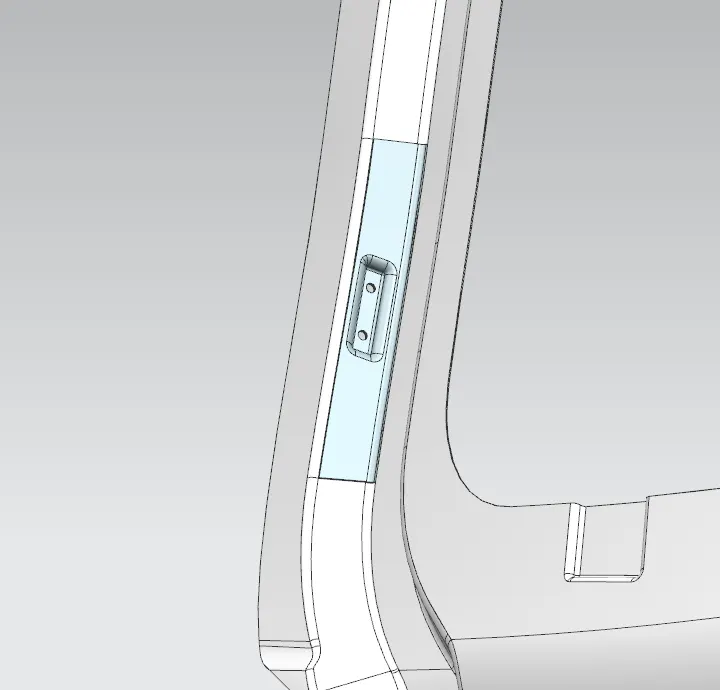
GAS STAY REINFORCEMENT:
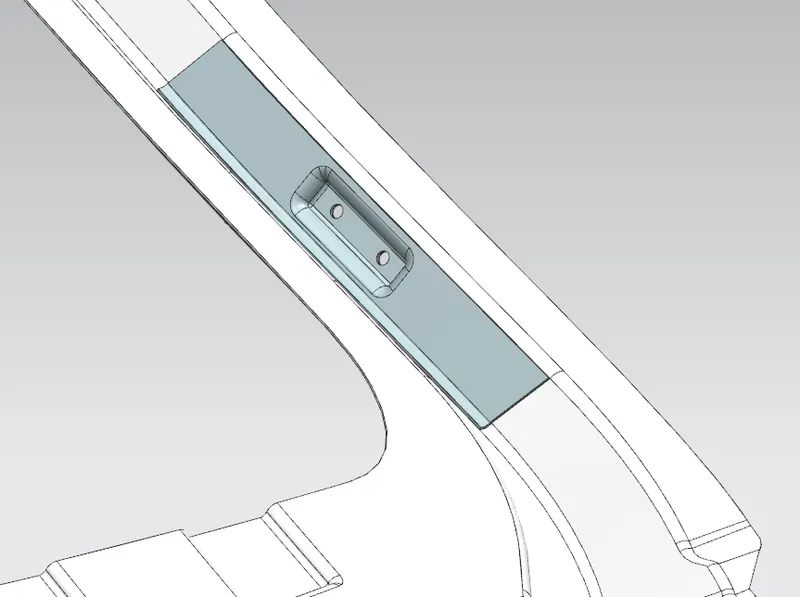
Gas stay is used to lift the backdoor automatically.There are two types of gas stay one is semi-automated and another one is fully automated.In semi automated type the back boor needs little force to lift after that it lift the backdoor automatically.In fully automated , it has power spindle which lift the backdoor automatically.
-
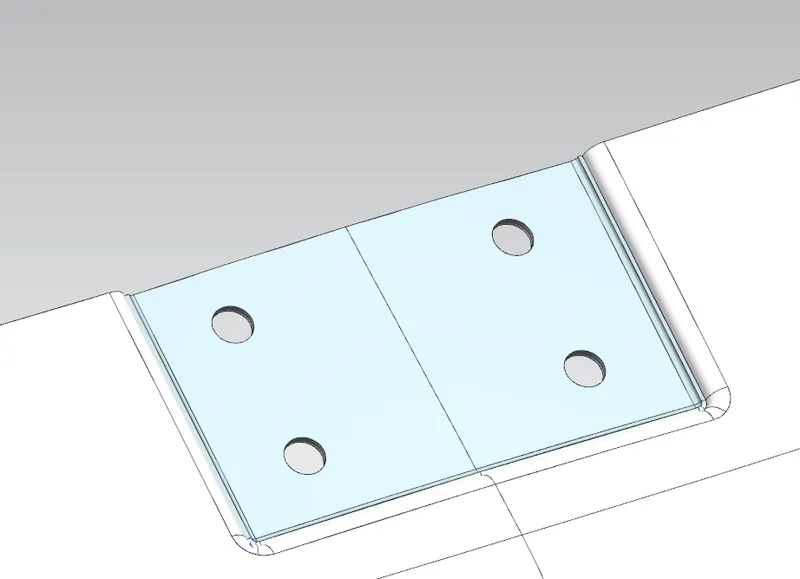
WIPER MOTOR REINFORCEMENT:
Wiper is used to to wipeout the rain water falls on the backdoor window.It is actuated by the motor which is mounted on the inner panel.Due to the vibration and heat created by the motor .the inner panel where the motor is mounted gets deform and the parts attached to the motor starts to vibrate which leads to poor NVH.So we have to provide the reinforcement where the wiper motor is placed.
-
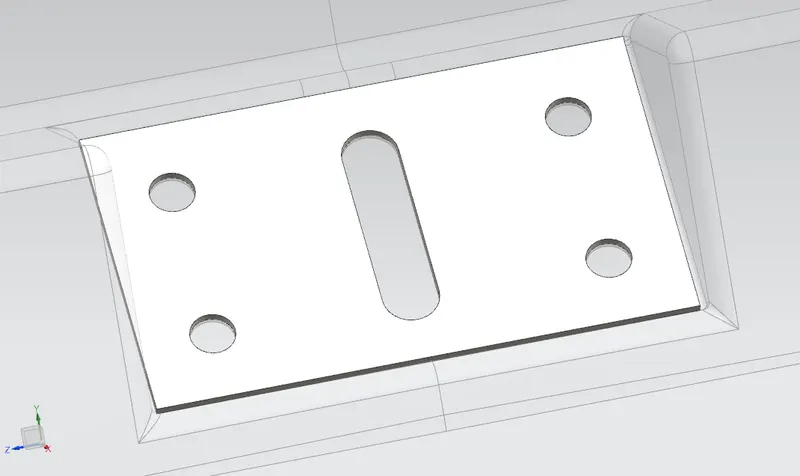
LATCH REINFORCEMENT:
At bottom of the panel , reinforcement and emboss are given to accomodate the latch and striker assembly.Generally key operated or automatic remotly controllable mechanism is used to keep the door open or closed.The actuators , recivers and other electronic devices are mounted on the inner panel only.
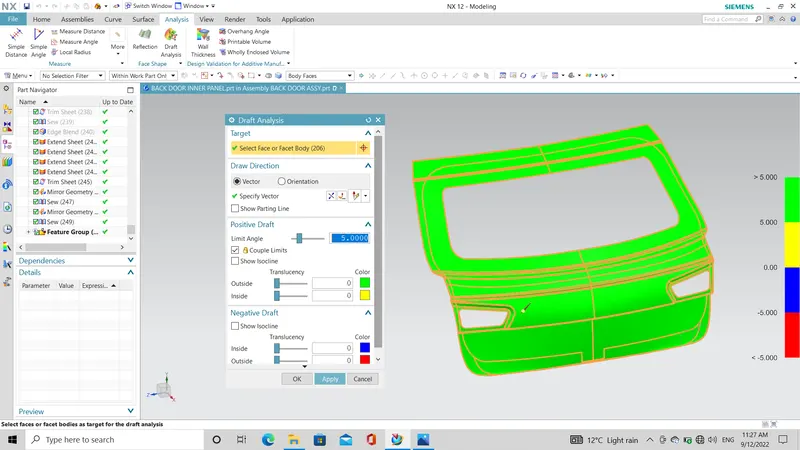
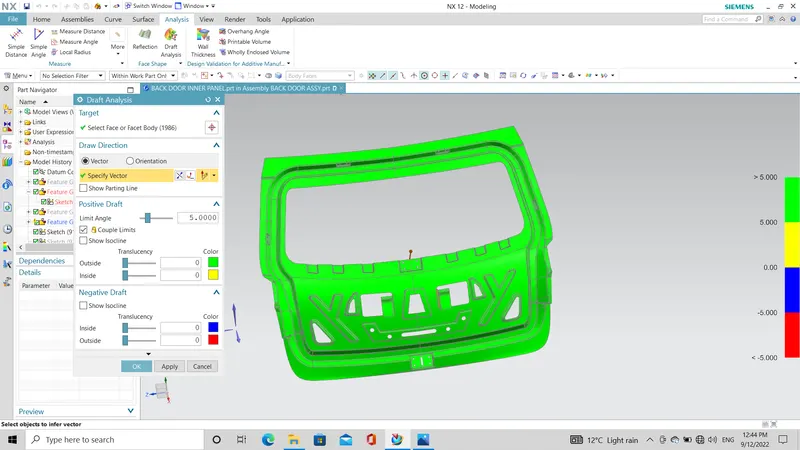
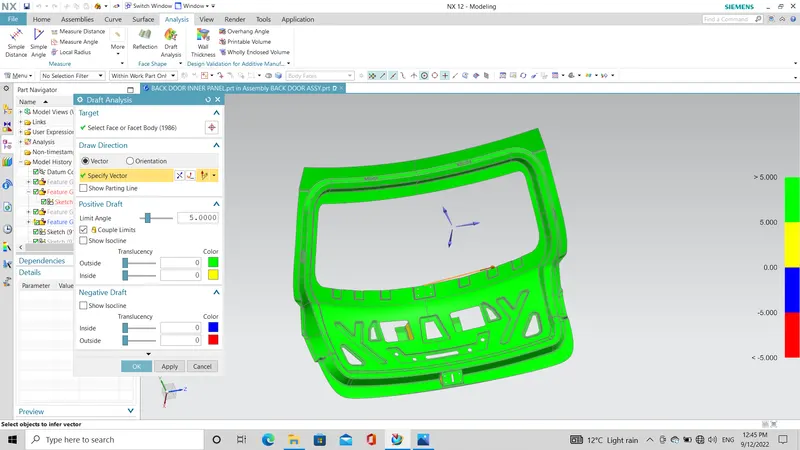
DRAFT ANALYSIS:
Draft analysis of inner panel is carried out through the tooling direction only.Only the green areas are acceptable and i worst cases yellow regions are accepted but the blue and red regions are never accepted.
The draft angle for aluminium casted panel is 2 to 3 degrees is enough but if it is steel then the angle is more than 7 degrees.
In this project i considered it as steel and used 7 degrees as draft angle and direction is choosen as tooling direction which is the deep drawn direction.