Design of backdoor
DESING OF BACKDOOR
Aim:
To develop the car Backdoor with the reference of given skin data as per engineering standard by using. To desing a backdoor of the car on sheet metal using he appropriate desing and porovide skin data by considering desing rules
Obejective:
To desing the backdoor with desing methodologies and provide the emboses, reinforcements in the inner panel and side relief in outer panel to increase the strength. A vehicles door can be opened to provide access to the Opening, or closed to secure it. these doors can be opened manually, or powered electronically. powered door are usually found on minivans, high end cars, or modified cars.
Backdoor:
The back door of a car is a component which hinges at the back of the car to cover the boot space or luggage area, but there are more functions that come with it which has to be considered while making a desing of the same like rear visibility criteria and boot space.
This part is usually desinged keeping the master section of the rear roof rail because of the sealant flange and also various other considerations, as it also in contact with the side body of the car.
It has back lights/ Tail lamps and Bracking light" mounts on it, rear windshield fixes between inner and outer panel, in some back door spare wheel can be mounted on it and it gives a complete closed desing to the car.
The Back door is typically hinged, but somtimes attached by other mechanisms such as treacks, in front of an opening which is used for entering and exiting a vehicle.
Backdoor images:
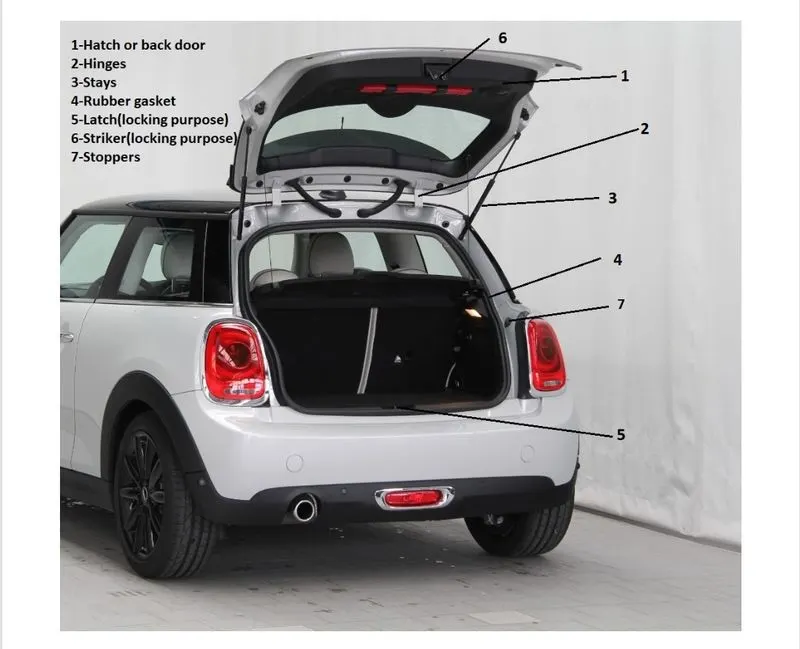
Types of Back Door:
1. Top Mounted
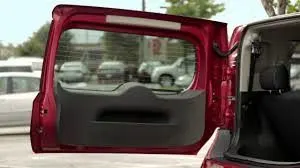
2. side Mounted
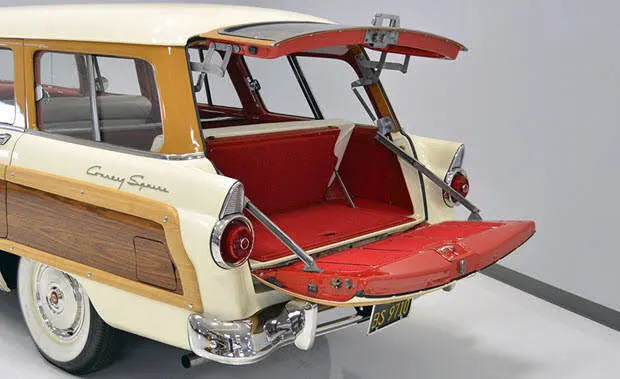
3. bottom Mounted
TOP MOUNTED OF BACKDOOR:
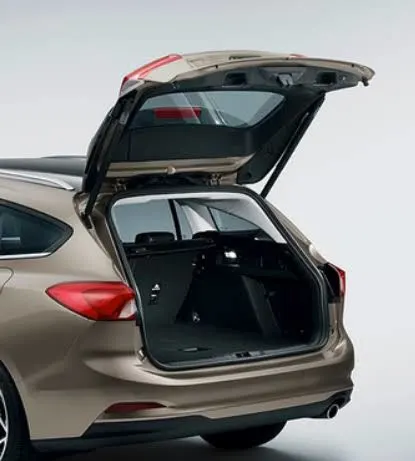
SIDE MOUNTED BACKDOOR:
BOTTOM MOUNTED BACKDOOR:
DESING CONSIDERATION:
# Visibility Criteria
# Latch and Stricker Position
# Hing Position
# Gas Stay Position
# Space Avalibility
# Drain Holes
# Hemming and Reilief area's
# Rear Crash regulations
# Boot Space
# Mounts for wiper motor and lights
# Strength Criteria
# Draft Analysis
Components of Back Door:
The Compnents of Back Door as follows,
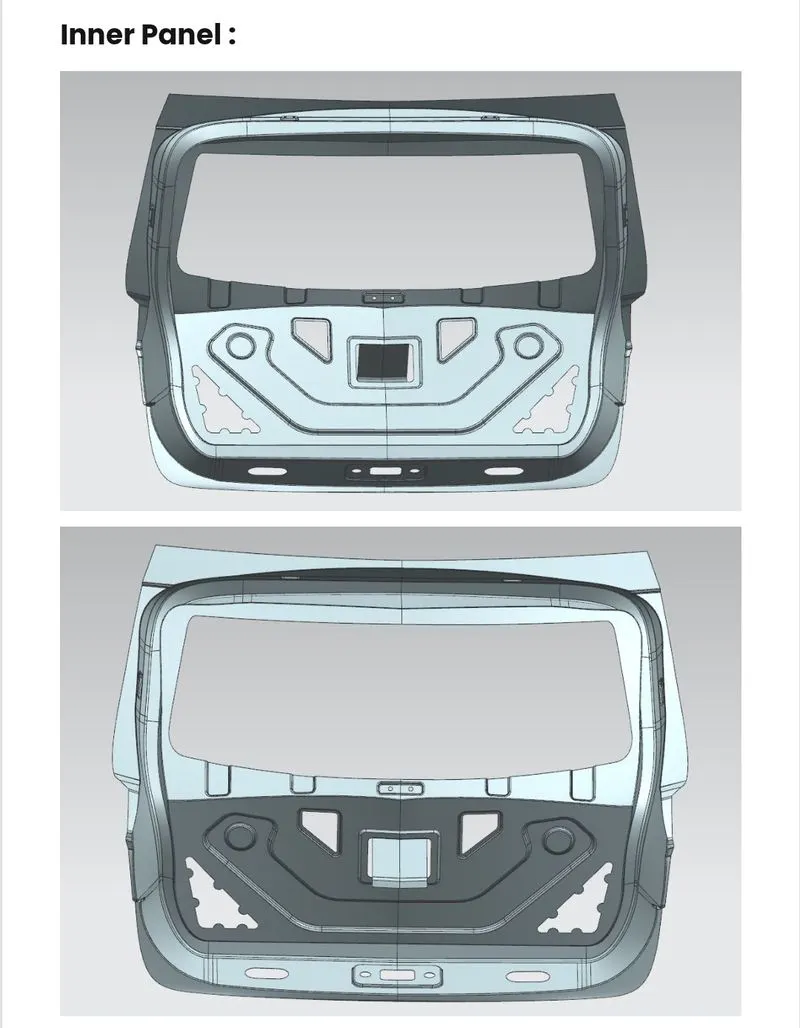
* inner Panel
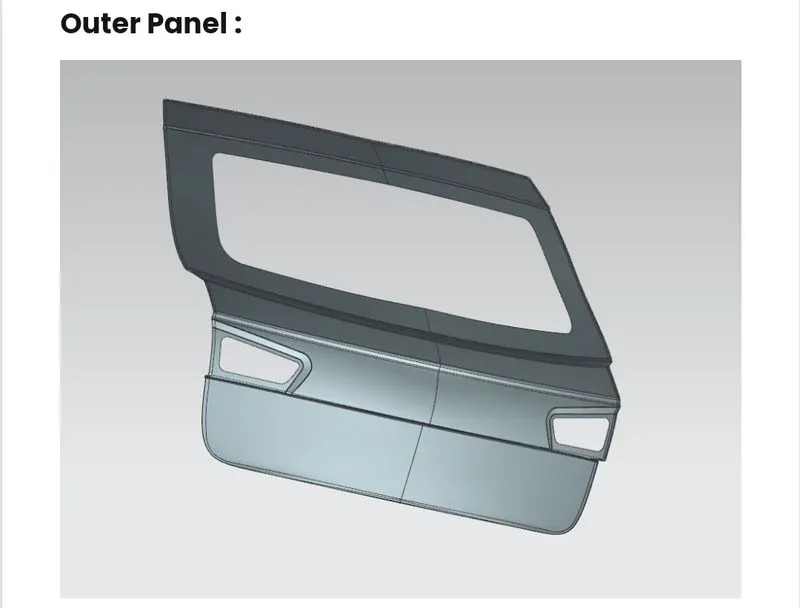
* Outer Panel
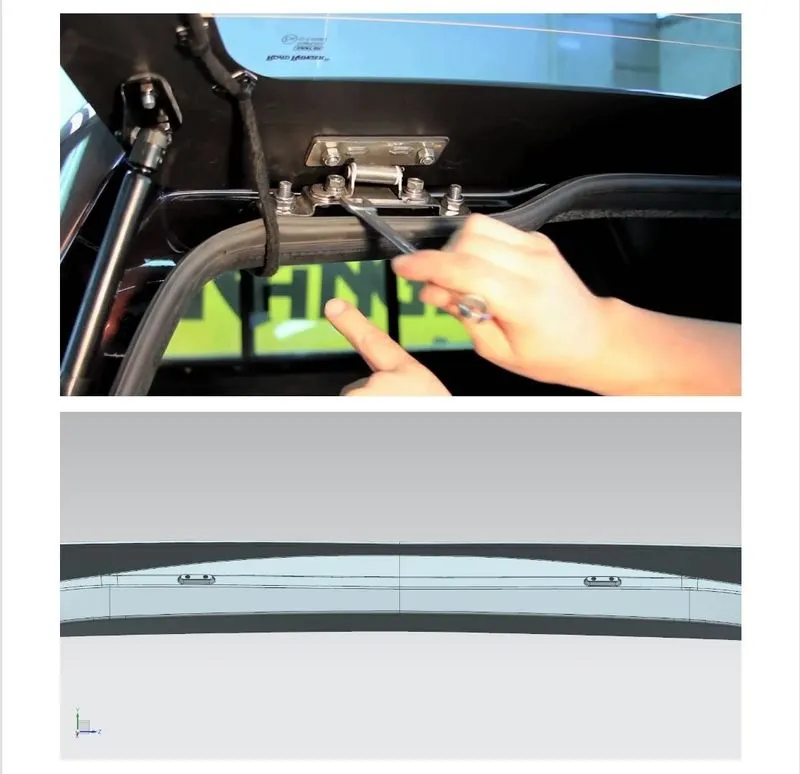
* Hing Reinforcement
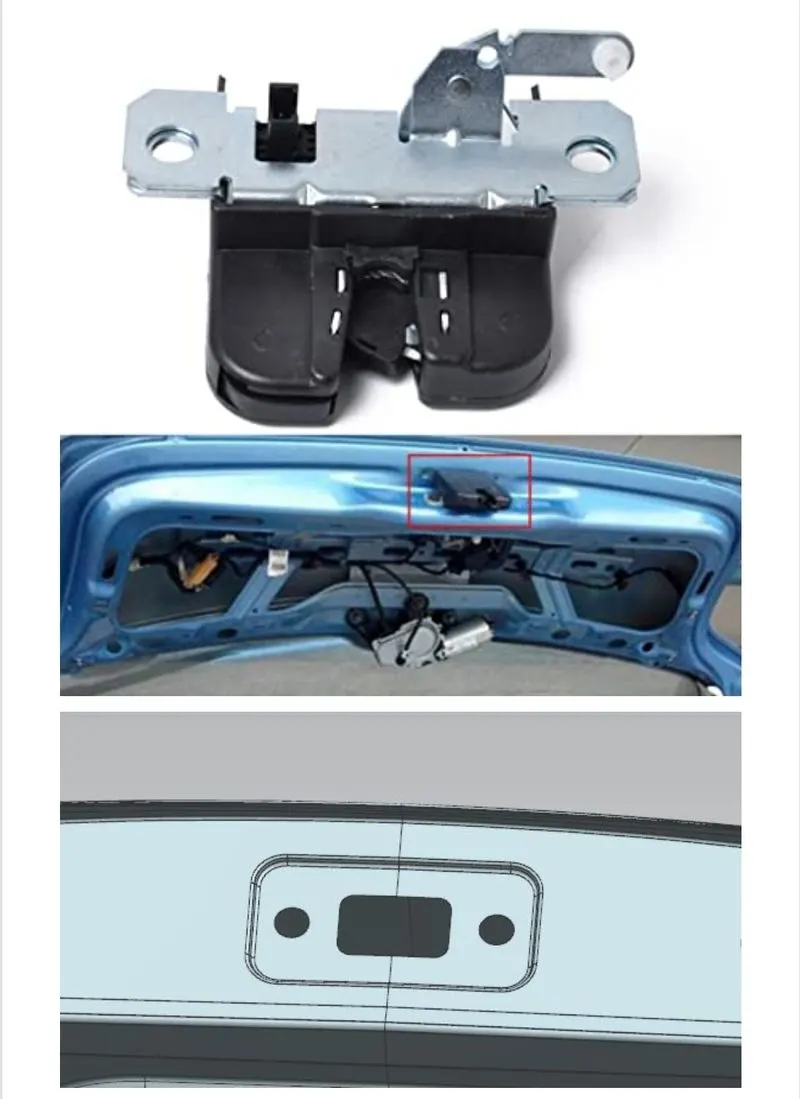
* Latch and Stricker Reinforcment
* Gas Stay Reinforcement
* Wiper motor Reinfrocement
* Force Distribustion
* corner Relief
* Hemming
* Isometric view
inner panel:
Outer panel:
Hinge Reienforocement:
Hinges are the essential, that allows doors to pivot on one edge as they open and close. They are found on virtually all doors. it is a mechanical bearing that connects two solid objects, typically allowing only a limited angle of rotation betwwen them.
Latch and Stricker Reinforcement:
A latch is not the same as the locking mechanism of a door or window, although often they are found together in the same product. Latches range in complexity from flexible one-piece flat springs of metal or plastic, such as are used to keep blow molded plastic power tool cases closed, to multi-point cammed latches used to keep large door closed.
Gas Stay Reinforcement:
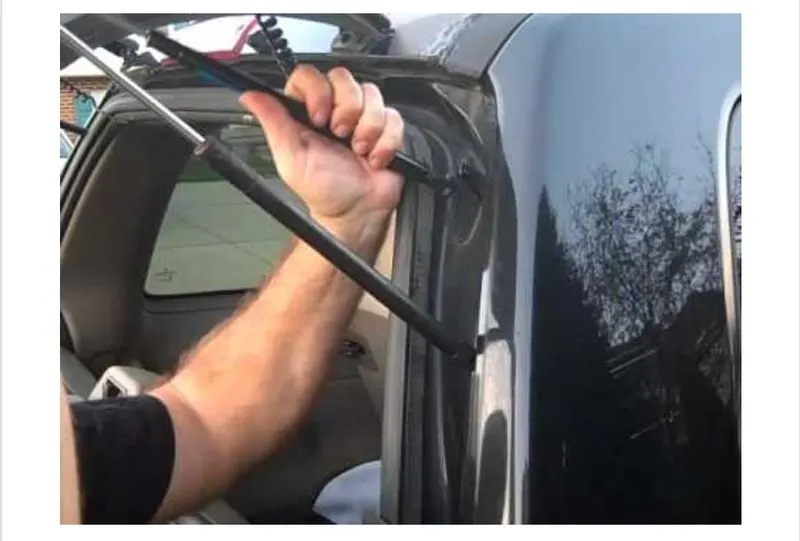
It is used to lift up the tail gate.
There are two types of Gas stay reinforcement is there. That they are
> Manual System
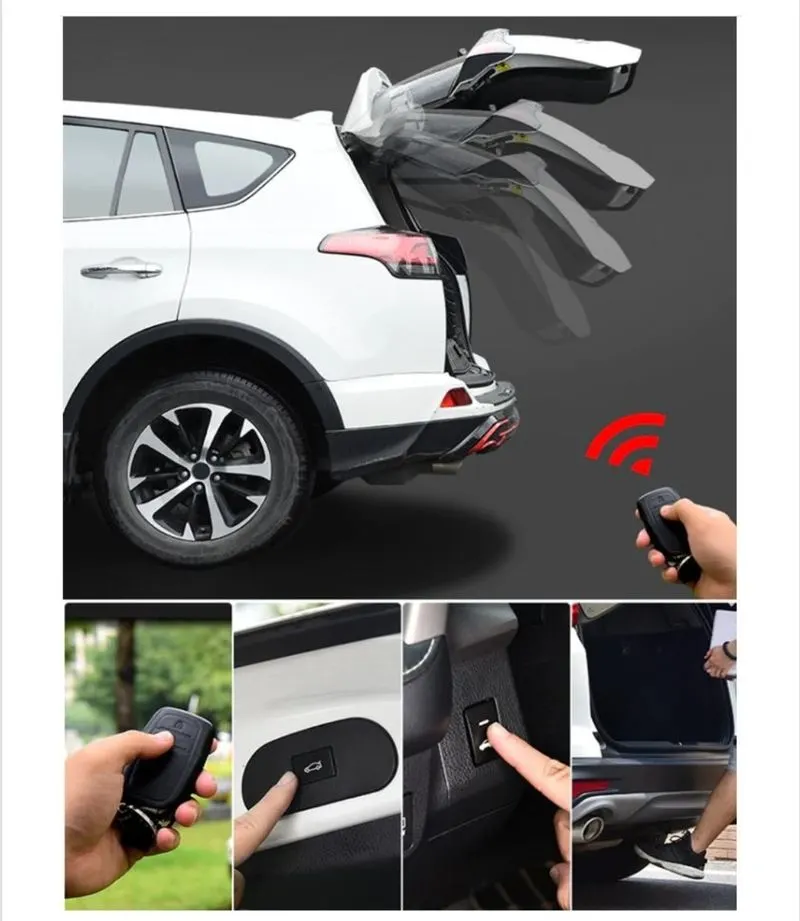
> Power Lift System
Manual system:
This mechanism is most used in indian cars. It is Operated man by his Own.
Power Lift System:
It works on the basics of sensor.
Wiper motor Reinforocement:
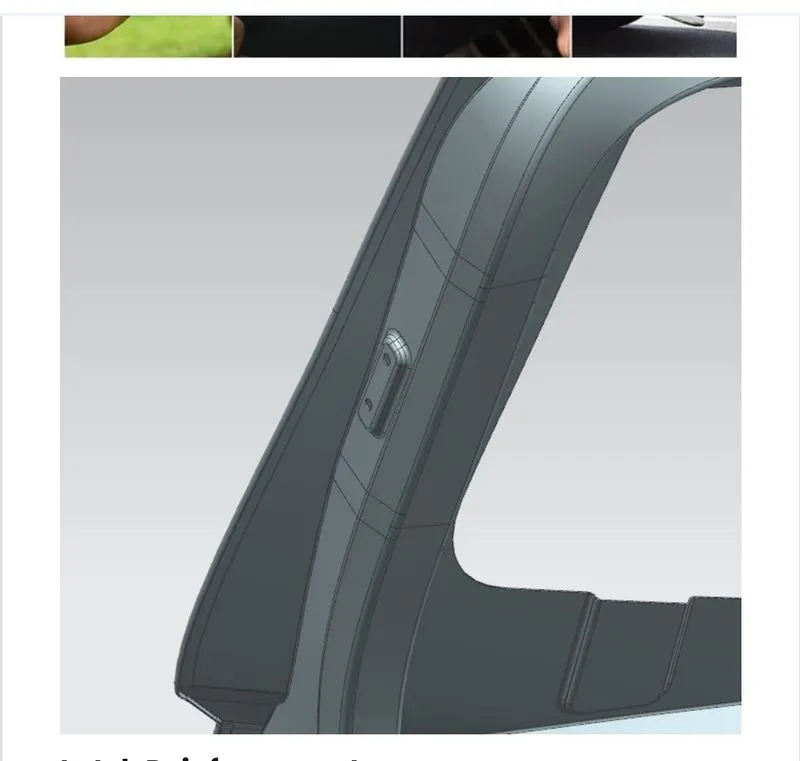
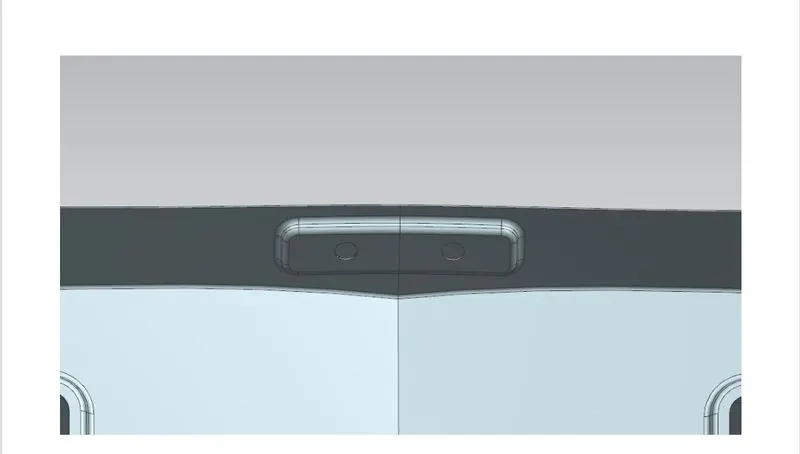
It is small electric motor which is mounted in the rear Tail gate. It used to clean the rear wind shield for clear visiability.
Froce Distribustion:
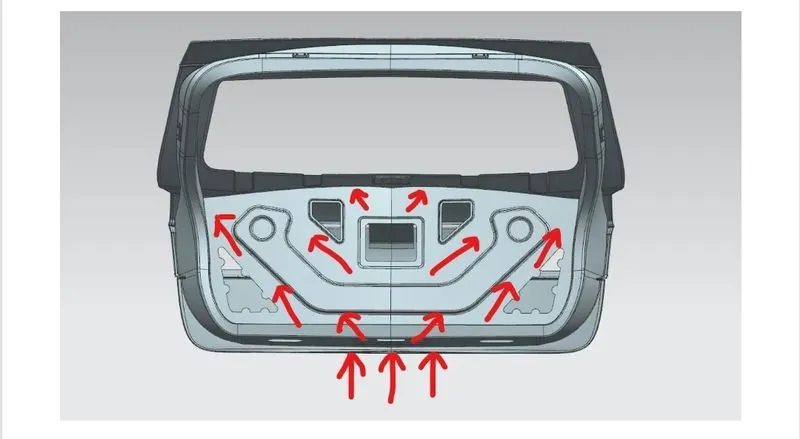
When the car hited at rear end, the froce which acted should be react outside. the Y emboss which is helps to move the froce to the outer end.
Coner Relief:
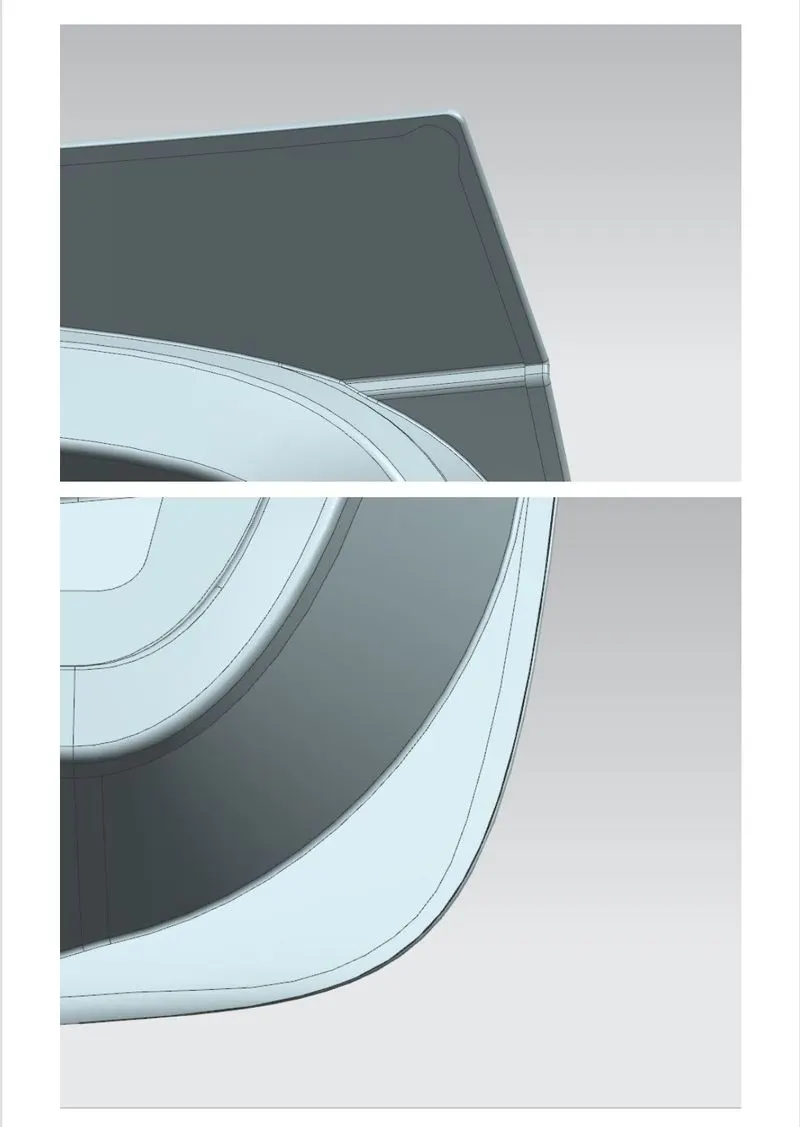
Releif helps to control sheet metal material behavior and to prevent unwanted deformation during unbend Operations. So here i gave two corner relief for Back Door.
Hemming:
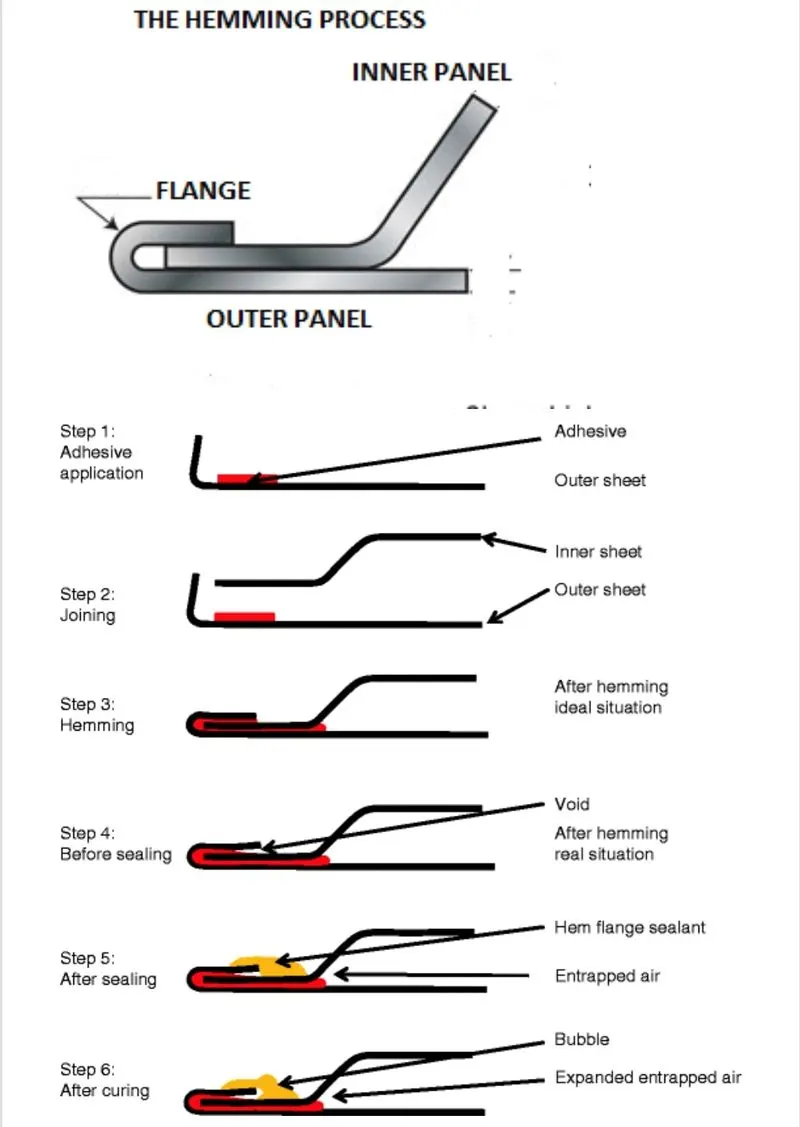
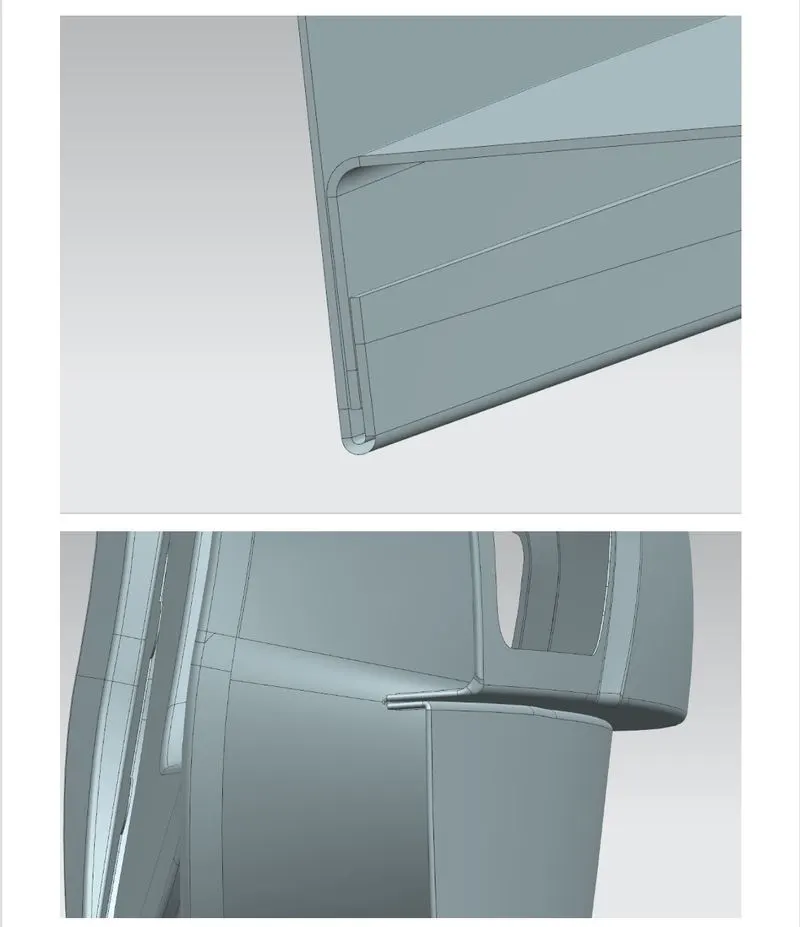
Hemming and seaming are two similar metalworking processes in which a sheet metal edege is rolled over onto itself. Hemming is the Process in which the edege is rolled flush to itself , while a seam joins the edeges of two materials
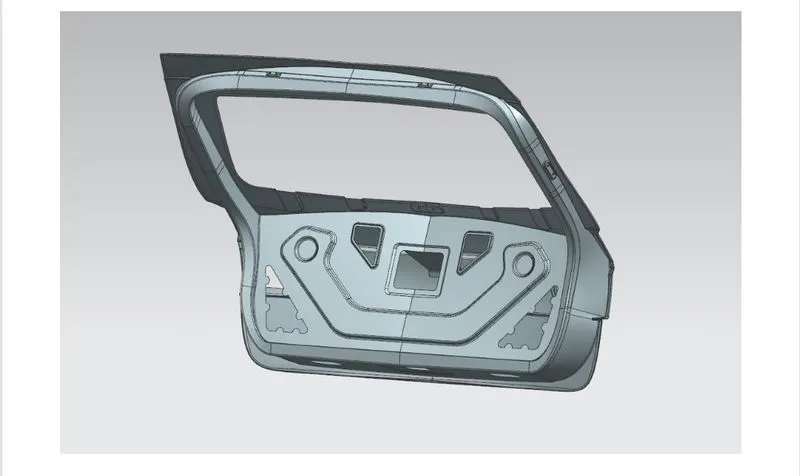
Isometric view:
Procedure:
Firstly we have to check if there are any surface irregulaties in the skin data, if irregulation are there, then repair if by using a bridge curve mesh and sew it.
Then we create a sealing flange. Generally with the help of master sketch, we will desing the panel with appropriate dimensions. But here there is no master sketch, we desinged by assumption.
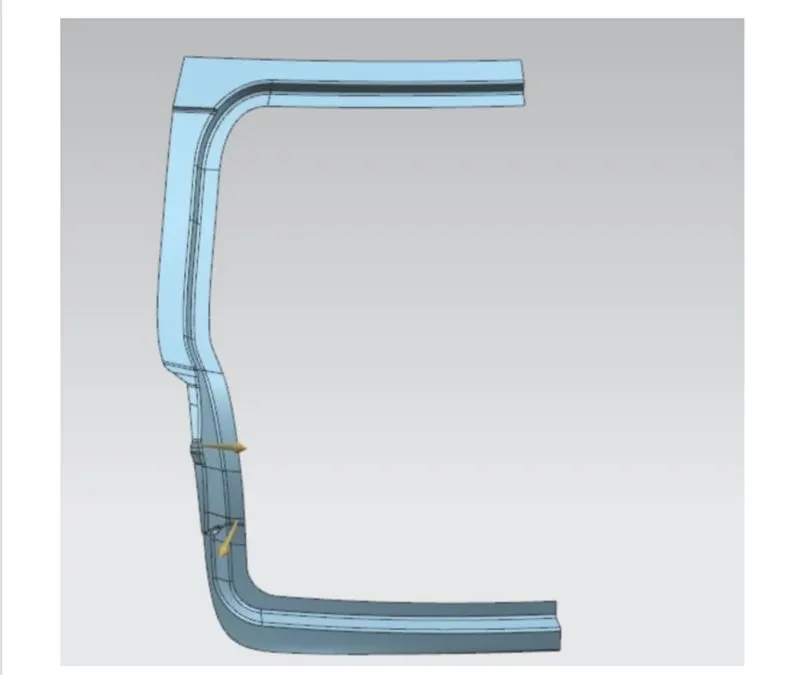
Here the sealing flanges created by maintaining a gap between inner panel to the sealing flange.
Conclusion:
The backdoor is desinged by using the given data, in seimens NX software with a proper guideliness and the result is satisfactory .