Design of backdoor
BACK DOOR
A door is a swinging component that allows cars to enter and exit. One kind of door in the car that gives access to the luggage compartment is the backdoor, which is situated adjacent to the passenger seat. The majority of cars have gas stays to operate the rear doors, which lessens the effort needed to lift the door.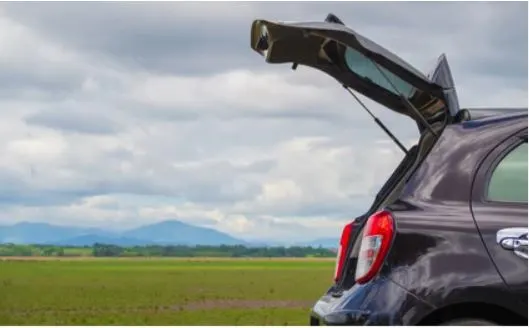
Certain high-end vehicles come equipped with powered rear doors that are powered by an electric motor. Hatchbacks and station wagons with three or five doors are available with this type of mechanism, which is also known as a powered trunk lid system. Since the rear hatch in this instance accesses the passenger compartment, it is categorized as a door. The majority of countries in Europe adopt this designation. When it comes to safety, the backdoor design should adhere to the rear collision safety standard.
Parts
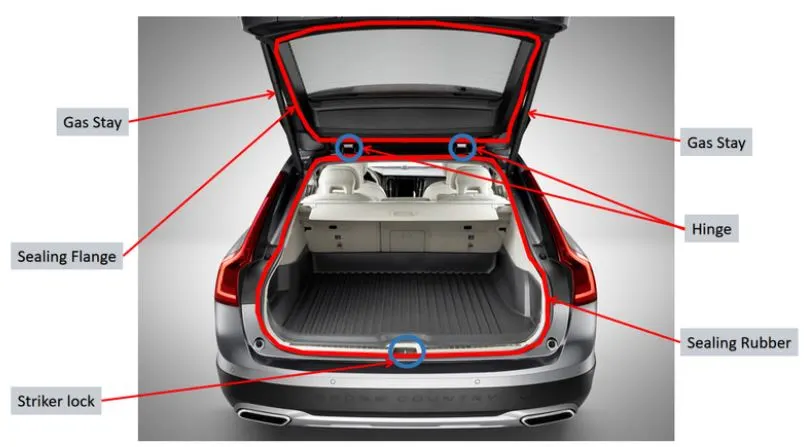
What the Backdoor Does
1. It guards against damage to the luggage and persons.
2. It contains the wiper motor, tail lamp assembly, and other parts.
3. It has windshield glass, which improves sight from behind.
4. It has a rearview camera and parking sensors installed.
Backdoor types according to job positions:
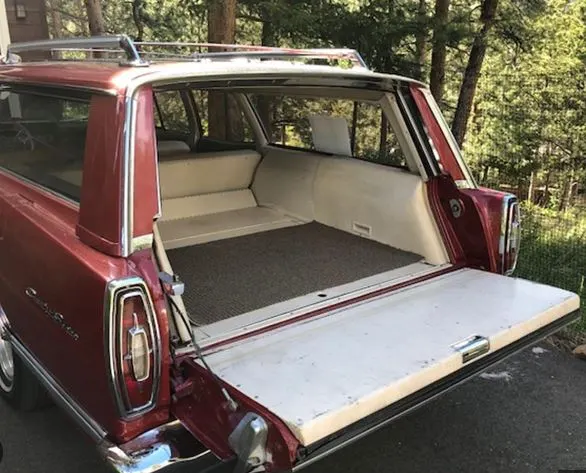
A door is referred to as a tailgate if it hinges at the bottom.
1. Top-mounted
2. Side mounted
3. Bottom type
1. 2.
2.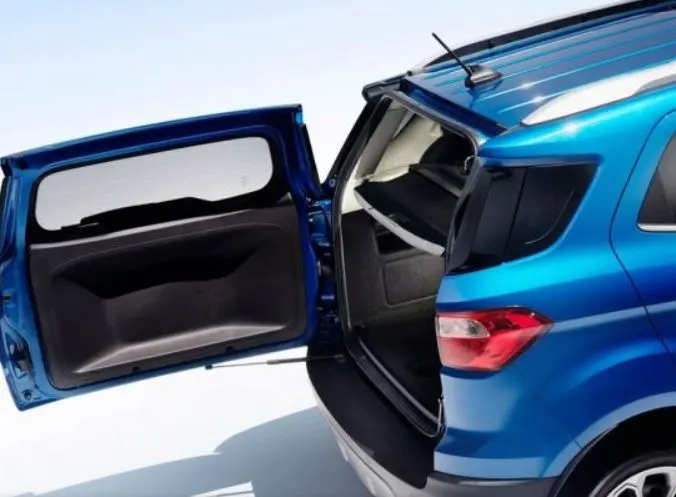 3.
3.
Developing the rear door:
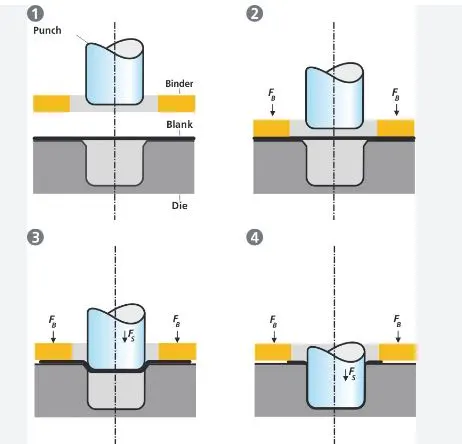
Deep drawing
Cups, cans, and other similar deep drawing goods can be made efficiently with the use of the metal deep drawing process. The deep drawings fall into two primary groups.
First drawing stage: The metal blank is positioned on the die and in line with the punch. When the product is formed and finished, a flat sheet of metal is utilized as the metal specimen. At the beginning, the punch is delivered downward. Between the die and blank metal, there is pure radial drawing (drawing toward vertical axes) on the outside rim of the blank.The metal pulls between the die and the punch and bends, sliding over the die. The metal that comes into contact with the punch head and surrounds it bends, slides,and stretches along the radii.
Redrawing: The first stage's components are again drawn, this time with extra depth to create a cup- shaped die and punch. Redrawing is the second step in the drawing process.
Hemming:
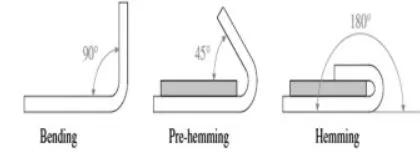
Hemming is a shaping process where the sheet's edges are folded over other components to create a snug fit. Hemming procedures are typically employed to reinforce part edges, join parts together, and enhance a part's appearance. Hemming is a secondary assembly step used in automotive part production, following deep drawing, trimming, and flanging procedures, to attach two sheet metal pieces together. This kind of assembly often consists of fenders, doors, trunk lids, and hoods. Since the hemming operation has an impact on both surface quality and appearance, precision is crucial. Dimensional deviations and other faults in parts might result from material deformations that happen during the hemming process. Common hemming flaws include material overlaps in the corner regions and flange cracks and wrinkles. Therefore, it is crucial to employ simulation software tools in order to reduce the amount of "trial & error" that occurs during the tryout and to have a better understanding of the hemming process.
PARTS OF THE BACKDOOR:
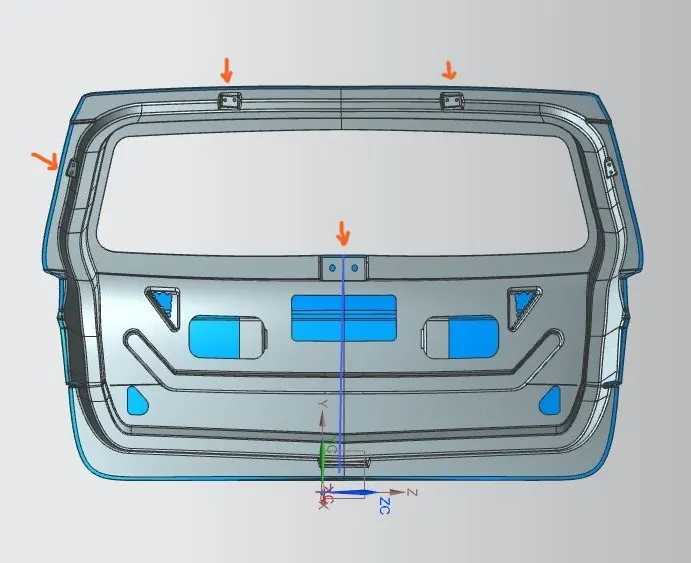
1. interior panel
2. External panel
3. Hinge reinforcement
4. Gas stays reinforcement
5. Wiper motor reinforcement
6. Striker and latch reinforcement
BACK DOOR DESIGN:
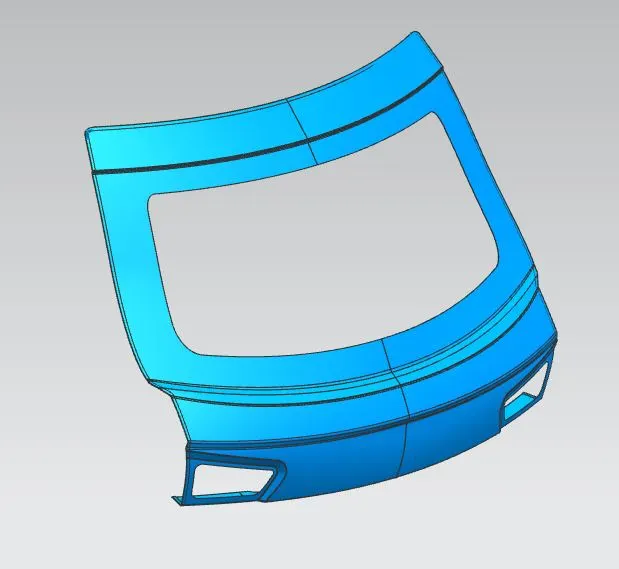
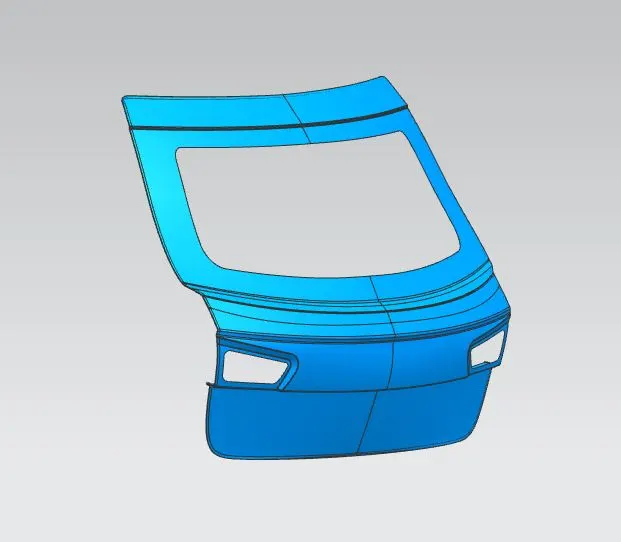
External Panel:
The outer upper panel pulled away from the styling surface that was provided. With NX CAD's surface tools, the panel is adjusted to the necessary design. The outside panel has a thickness of 0.75(mm). Corner reliefs are offered for hemming.
External Lower Panel:
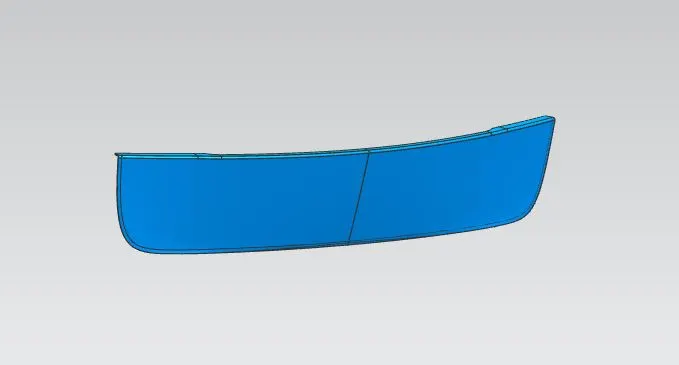
The outermost panel that was removed from the designated style surface is the outer lower panel.
By using the NX CAD surface tools, the panel is adjusted to the desired design.
The outer panel has a 0.75 mm thickness.
Tooling Direction :
The tooling orientation for Deep Drawing should be established prior to beginning to design the inner panel of the rear door. The style surface then needs to be thoroughly examined and examined since it may have imperfections, which means that it must be rectified initially. Top-down design was used to create the back entrance.
Inner Panel:
The Inner Panel taken from a given style surface. With NX CAD's surface tools, the panel is adjusted to the necessary design. The outside panel has a thickness of 0.75 mm.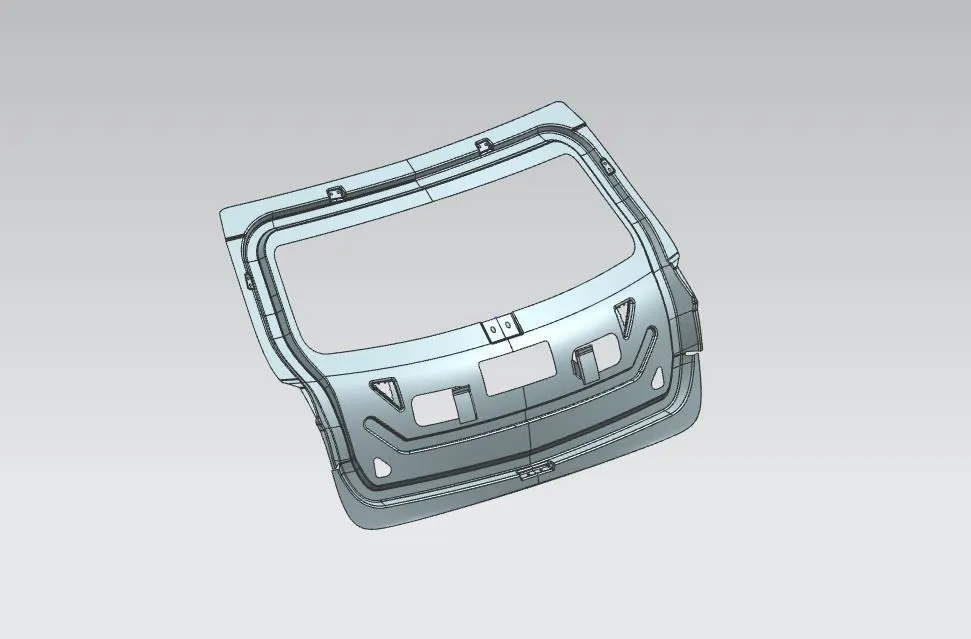
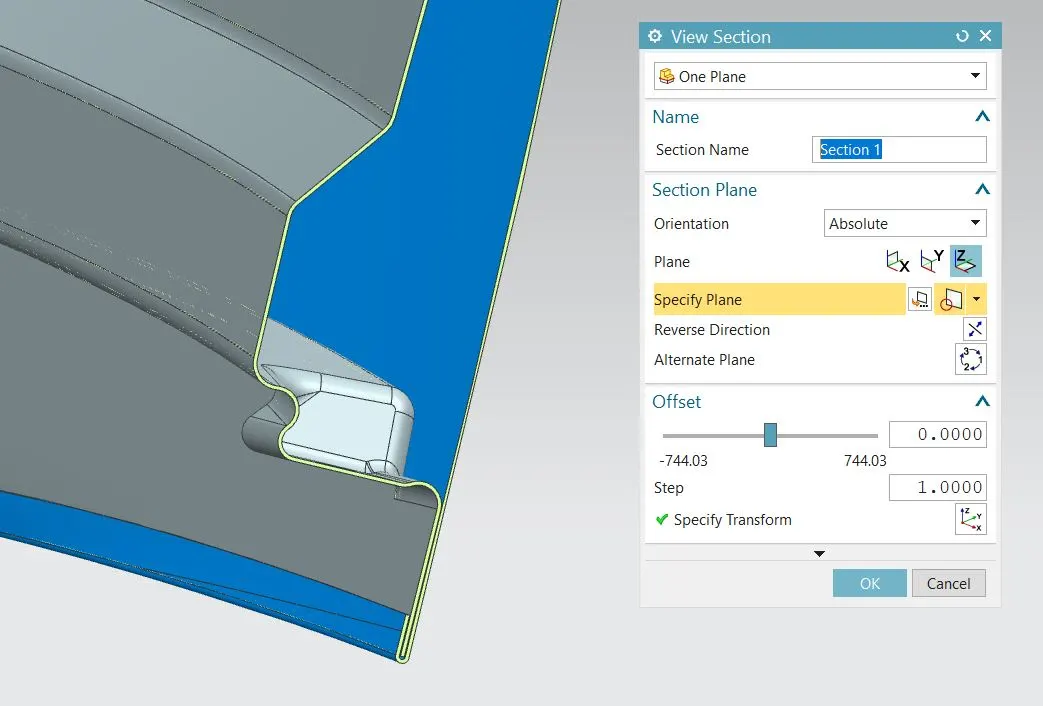
HEMMING
Rolling a sheet metal edge over on itself is a common metalworking technique used in seaming and hemming. The process of rolling an edge flush to itself is called hemming. The outer panel was intended to be composed of two distinct sections, known as the outer lower panel and outer upper panel. Hemming was produced by offsetting the surface using sweeping surface and face blend after the outer panel was designed. The Blanking method will be used to connect the two distinct outside panels.
CORNER RELIEF:
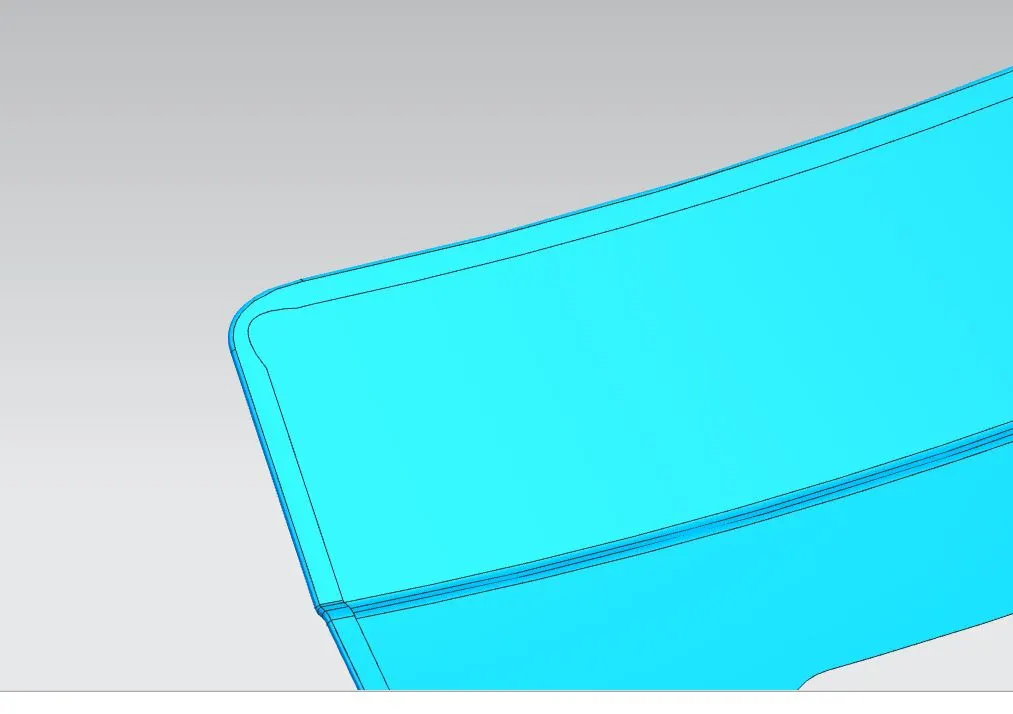
Giving the corner relief during the hemming process helps to decrease the number of passes in the hemming process, manage the behavior of the sheet metal material, and prevent undesired deformation during unbend operations
Reinforcements:
Every reinforcement has a thickness of 0.75 mm.
Hinge reinforcement
Reinforcement of Gas Stays
Reinforcement of the wiper motor
Reinforcement of Latch
DRAFT ANALYSIS
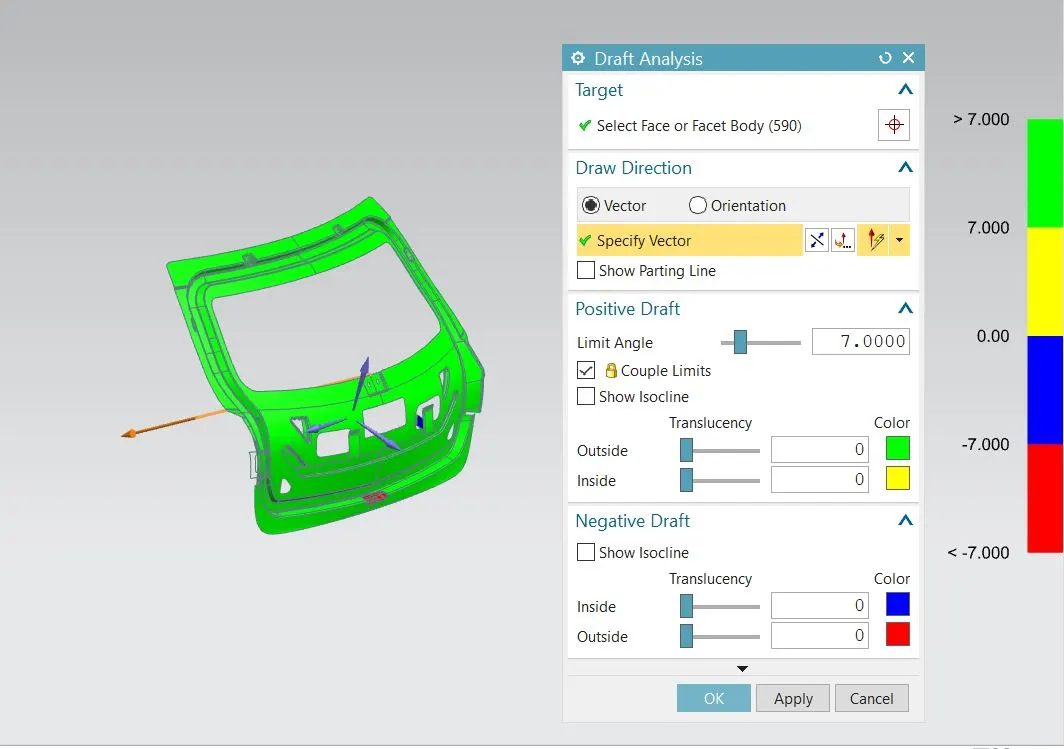
A preliminary analysis was conducted for the initial tooling direction and the suitability of the model for manufacture was verified. The necessary adjustments to the embosses' draft angle were then made by optimizing the model to obtain a fully green area. The Draft Analysis command is used to determine whether or not the drafted portion may be readily removed. The basis for this kind of draft analysis is color ranges. The zones on the analyzed element where the deviation from the draft direction at any given time matches the given values are identified.
Conclusion
Hence, the car's body in the white rear door is developed using NXCAD software, taking into account deep drawing needs as well as engineering standards.