Design of backdoor
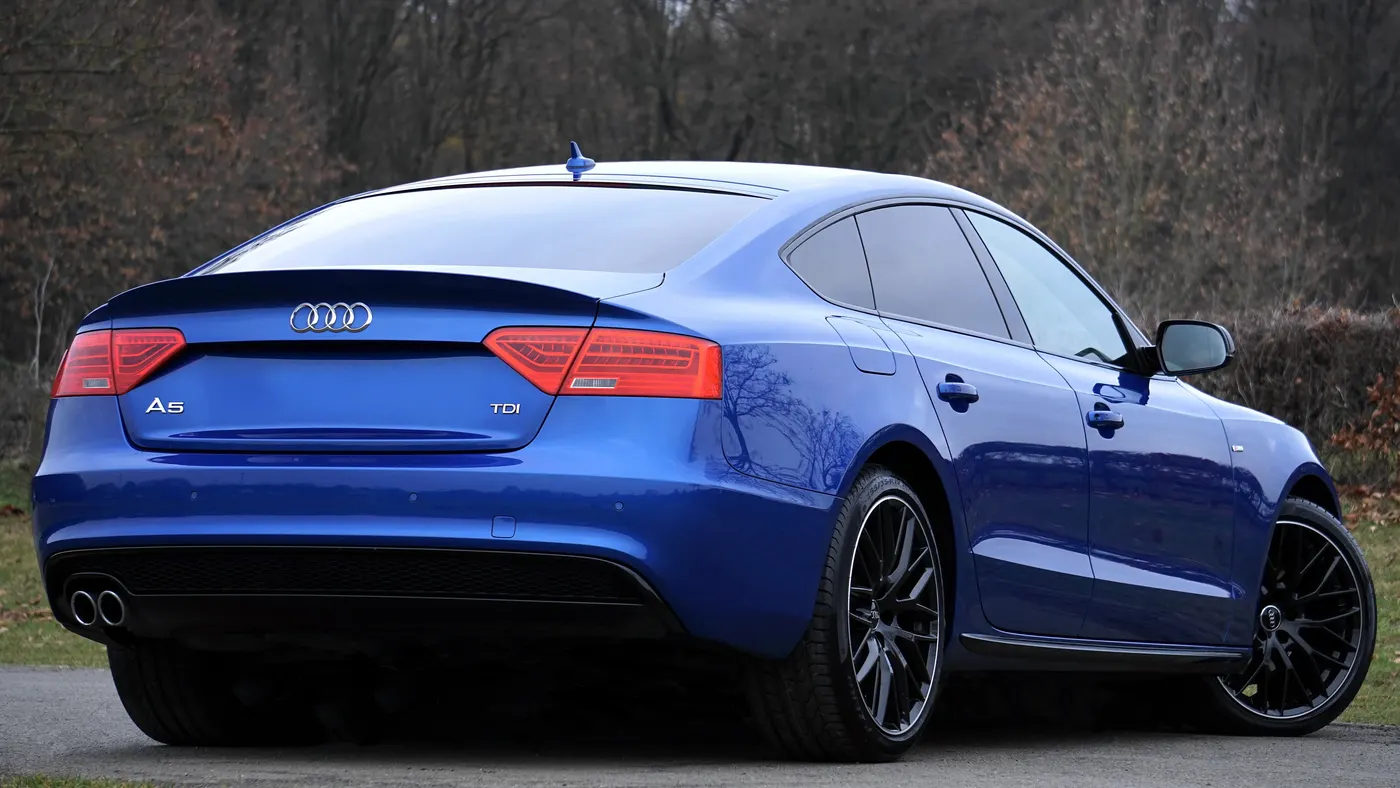
Design of Backdoor / Tailgate
AIM
To design the back door of the car and make the inner panel for the back door and also design the necessary reinforcements.
INTRODUCTION
The trunk (North American English) or boot (British English) of a car is the vehicle's main storage or cargo compartment, often a hatch at the rear of the vehicle. It is also called a tailgate.These doors can be operated manually or electric powered. In most luxury cars the door is electrically operated. It involves a very major role during rear crash cases. so our design must obey crash requirements. The Institute of Highway Safety analyses the different accidents and they set a test to rate our car. So these ratings depend upon the design of the trunk and material used, flanges, embosses, type of joining of inner panel and outer panel etc.
TYPES OF DOORS BASED ON WORKING POSITIONS
Top mounted Door
Side mounted Door
Bottom mounted Door
Top Mounted Door
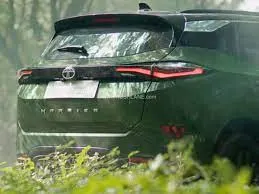
This type of back door is used in a station wagon, pickup truck and some of the sport utility vehicles. Today’s modern cars use top-mounted tailgating systems which are both powered and also gas stay supported. These top mounted tailgates provide greater rear visibility compared to side-mounted or bar doors which have canter pillars in it.
Side mounted Door
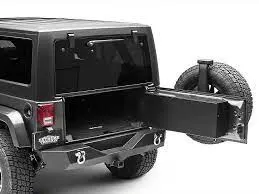
As the name signifies side-mounted doors are the one which is used in the van type MPVs, SUVs, pickup truck vehicles. These side-mounted doors or barn doors are a lot easier compared to top mounted doors. These doors are generally smaller in size and can be easily accessed. These doors are more convenient for the goods handlers for long pipe and lengthy components where one door is kept open. These doors also save accidental head impacts. It is a lot easier to load and unload items in the side-mounted doors.
Bottom mounted Door
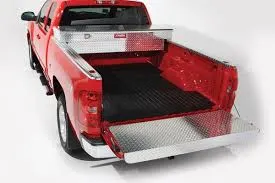
This bottom type or split type backdoor system are used in car types such as estate type cars, pickup trucks and some luxury SUVs. These are the most convenient type of back door in which the bottom split is used as a support or even as a table for the tour going people.
TYPES OF DOORS BASED ON WORKING MECHANISMS
Gas stays type:
Gas stay type backdoor/liftgate/tailgate is an ideal and most commonly used tailgate mechanism from lower segment car to luxury car segment. The ideal components of tailgate consist of a hinge, door, gas stay and some rubber beadings for sealing of door which is shown in the image below,
Powered lift system:
Power trunk lift system is another sophisticated way of trunk/liftgate opening mechanism which is to automatically open and close the trunk/liftgate and release the latch by the touch of a button.
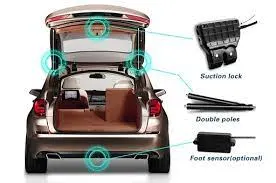
Powered trunk lift system consists of a power latch, anti-pinch switch, PTG ass’y, PTG main switch. When the switch is pressed in the compartment or outside the power latch releases the latch and the entire backdoor is opened. The anti-pinch switch is located in order to avoid accidental hand insertion during the operation of the door.
MANUFACTURING METHODS
Recently, there have been two approaches to reducing automobile weight. One is by using material lighter than steel and the other is by redesigning the steel structure. Although the former seems very effective, it is very expensive so that it may only be used for an expensive automobile. Therefore, the automobile industry is trying to use steel, which is not costly and recyclable. Lightweight steel can be achieved by improving the performance of the structure or adopting new manufacturing techniques. One of the efforts is the ULSAB (ultra-light steel auto body) concept.
ULSAB suggests three main weight reduction techniques such as hydro-forming and the tailor welded blank (TWB).
Tailor welded blank:
A tailor-welded blank is a blank that is comprised of two separate pieces of sheet metal that have been welded together prior to stamping. Tailor welded blanks allow the welding of the different grades, different thickness or different corrosion coatings together in order to give the properties needed in different areas, without increasing the number of tools needed to form the part and eliminating the fit ability concerns. They also allow a high degree of flexibility in designing parts and large blanks can be formed from much smaller sheets. The use of tailor-welded blanks would reduce the weight of the car. Having the ability to selectively place different thickness of material would result in weight reductions. An example of this used in production is the door inner panel. The only strength requirement on a door inner is in the region where the hinges attach to the panel.
Different Sheet Metal processes used for manufacturing the Back Door
Deep Drawing:
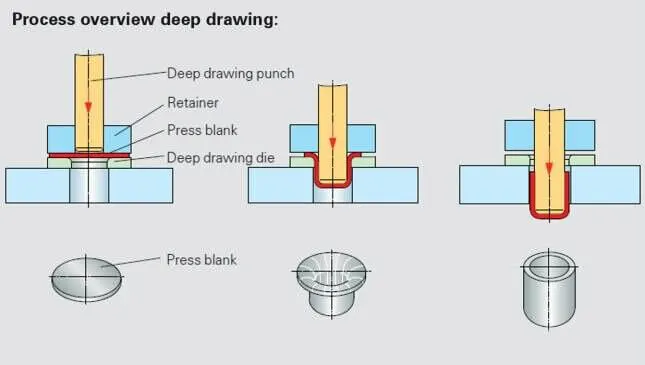
The metal deep drawing process is an effective method of manufacturing cups, cans and other similar deep drawing products. The deep drawings have two main categories.
First- stage drawing: The blank shape of metal is placed on the die and contact with the punch. When the metal specimen is a flat piece of sheet metal used in forming and finishing the product. Initially the punch moves in a downward direction. The outer rim of blank is subjected to pure radial drawing (drawing toward in vertical axes) between die and blank metal. The metal becomes a bend and sliding over the die and also stretched between die and punch. The metal in vicinity of punch head and contact with it bend and slide over radii and stretch over punch head.
Redrawing: The components drawn from the first stage again are redrawn and converted into more depth to form a cup shape in the die and punch. The second stage of drawing is called redrawing.
Embossing:
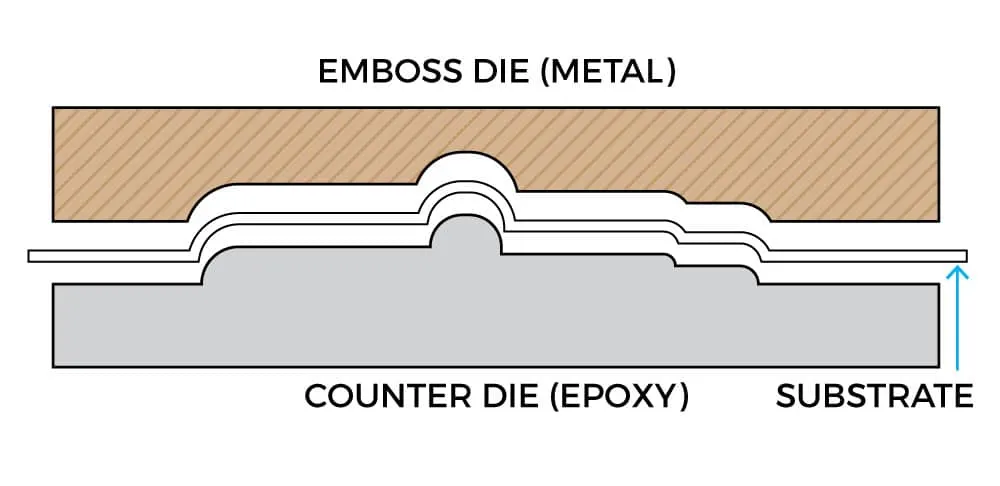
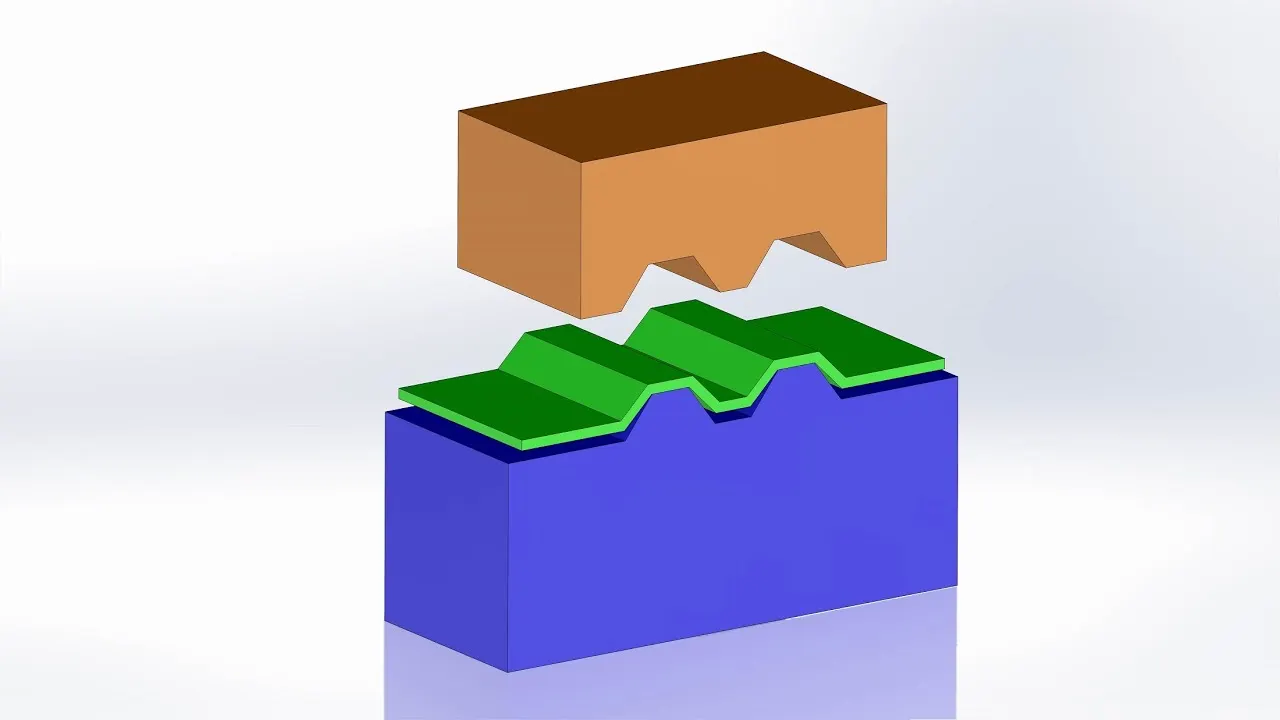
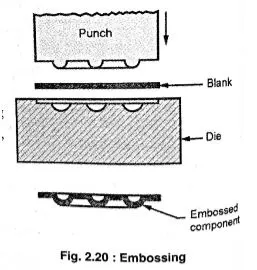
Embossing is a metal forming process for producing raised or sunken designs or relief in sheet materials by means of matched male and female roller dies, theoretically with no change in metal thickness or by-passing sheet or a strip of metal between rolls of the desired pattern. Metal sheet is drawn through the male and female roller dies producing a pattern or design on the metal sheet. Depending on the roller dies used, different patterns can be produced on the metal sheet.
Materials commonly used in the metal embossing process include:
Aluminium alloys
Steel alloys
Zinc
Copper
Galvanised steel
Brass
Cold rolled steel
Hemming:
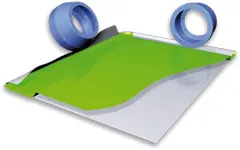
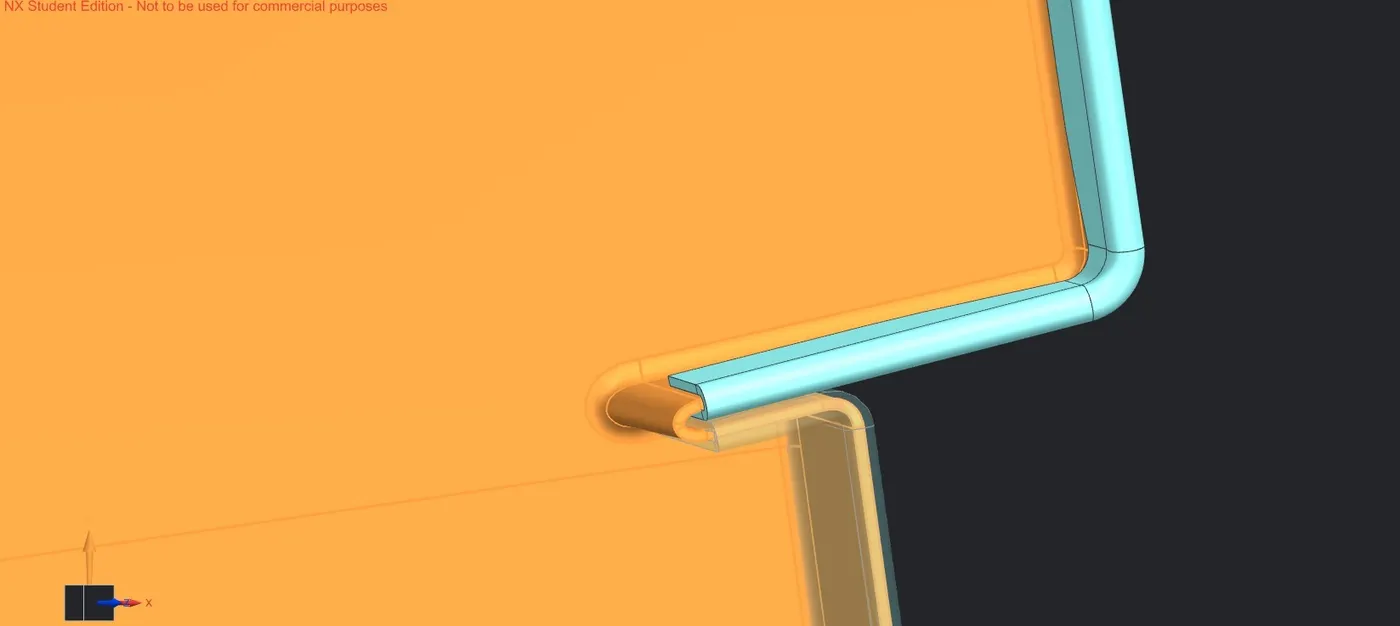
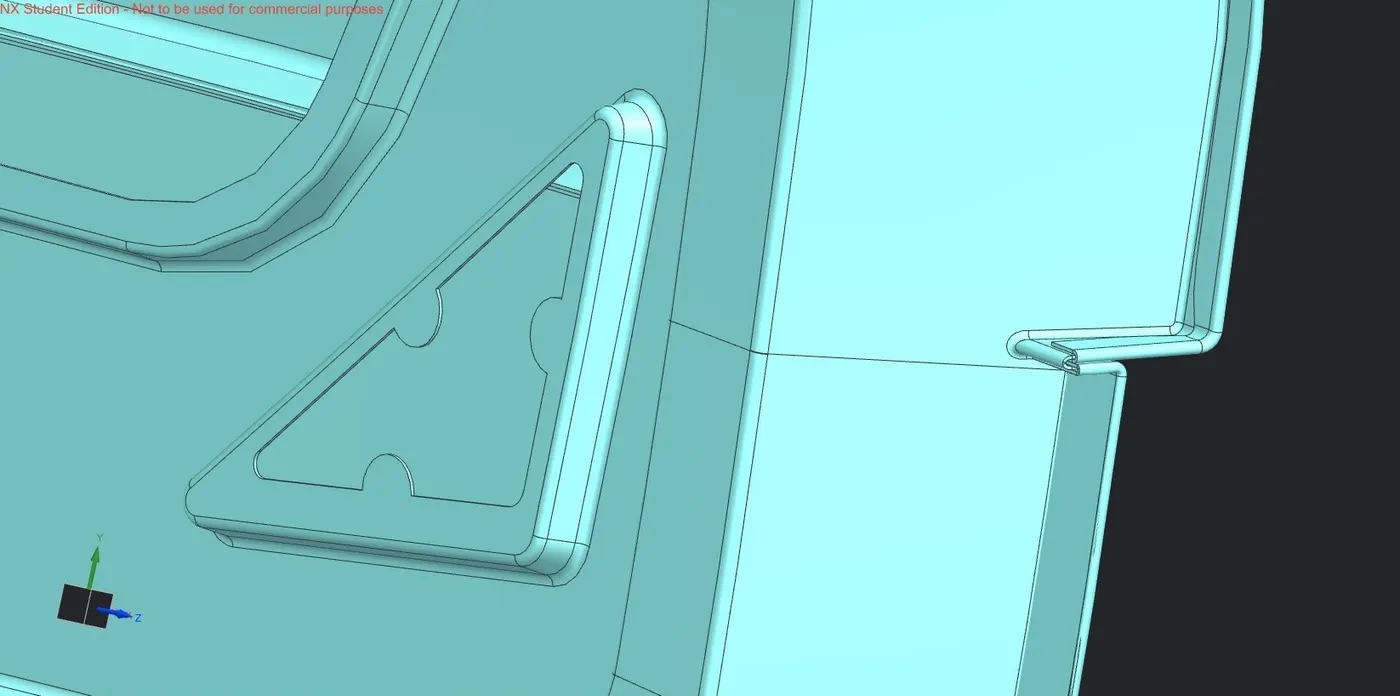
Hemming is a forming operation in which the edges of the sheet are folded or folded over another part in order to achieve a tight fit. Normally hemming operations are used to connect parts together, to improve the appearance of a part and to reinforce part edges.
In car part production, hemming is used in assembly as a secondary operation after deep drawing, trimming and flanging operations to join two sheet metal parts (outer and inner) together. Typical parts for this type of assembly are hoods, doors, trunk lids and fenders.
There are various types of hemming operations:
Conventional die hemming: In conventional die hemming, the flange is folded over the entire length with a hemming tool.
- Roll hemming: In roll hemming, the hemming roller is guided by an industrial robot to form the flange.
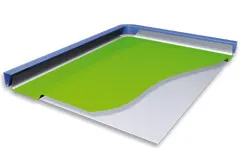
- Open Hem: A Hem has a full round feature and a return flange. In open hem bend angle is equal to 180 degrees.
- Tear drop Hem: In tear drop hem the bend angle is greater than 180 degrees.
- Closed Hem: Hems without any inside radius are called closed hem. Closed hems are not recommended if the hem geometry is to be painted or if the material used is SST or Aluminium.
Blanking:
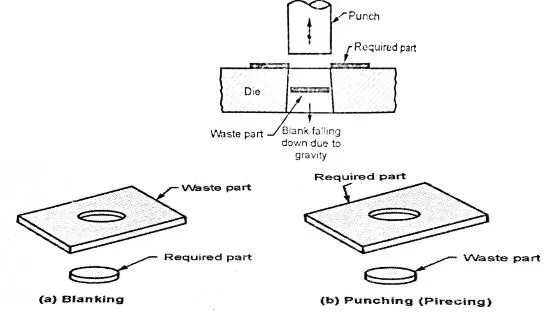
Blanking is a cutting operation of a flat metal sheet and the article punched out is known as blank. Blank is the required product of the operation and the metal left behind is considered as a waste.
Punching:
It is similar to blanking only the main difference is that the hole is the required product and the material punched out from the hole is considered as a waste.
Design of Back door in NX CAD:
Door parts thickness is given below,
Outer Panel - 0.75 mm
Inner Panel - 0.75 mm
Reinforcements - 1.5 mm
Given Data,
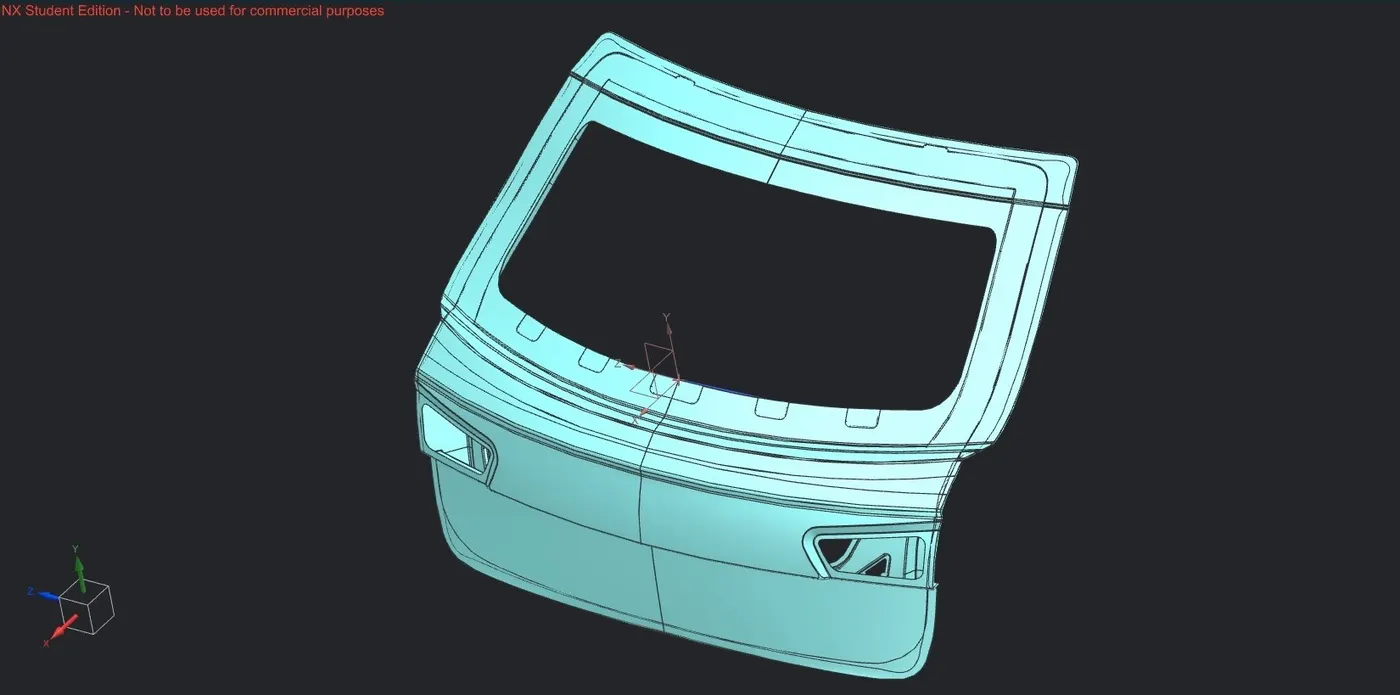
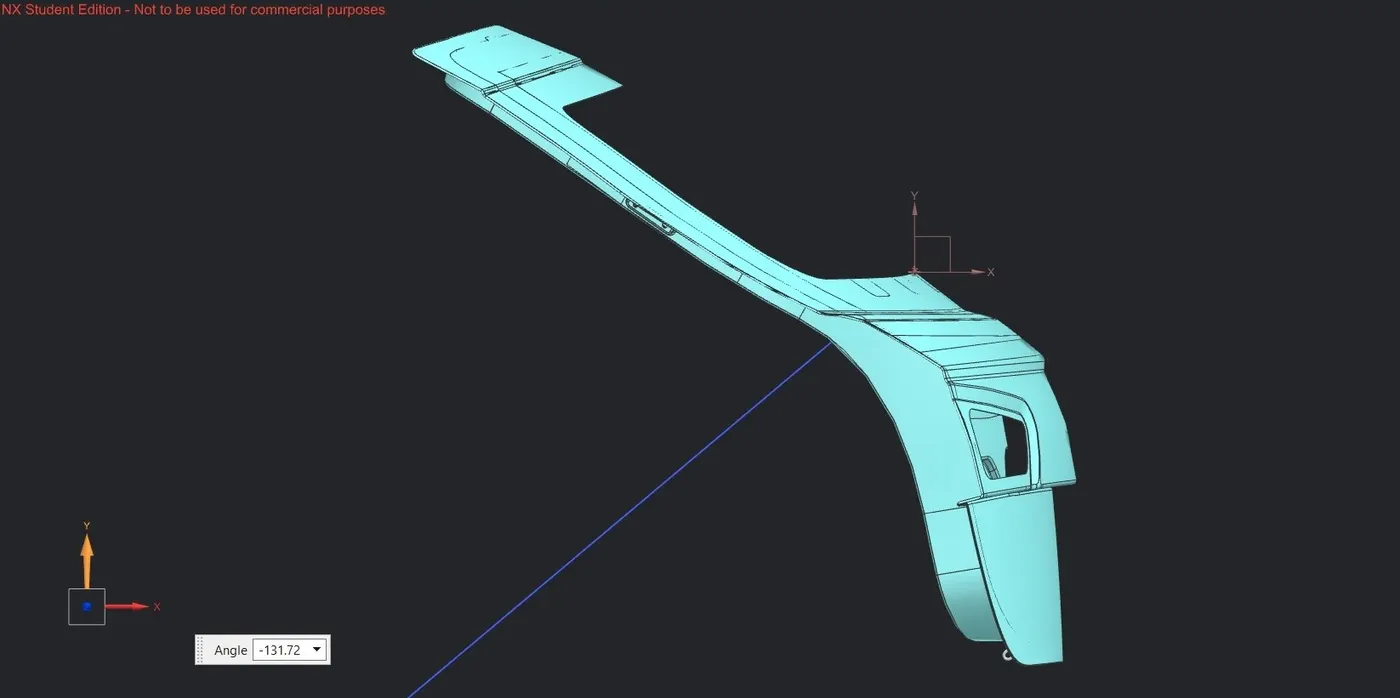
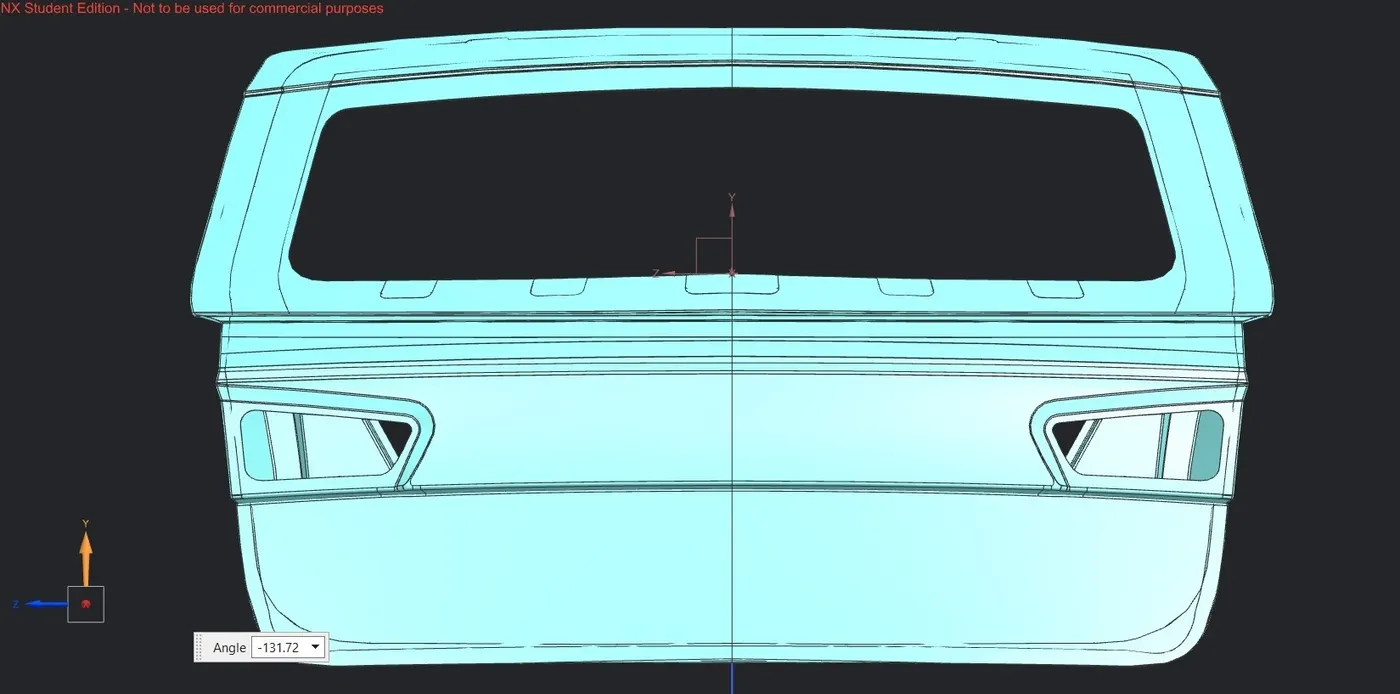
Given surfaces have to be repaired according to the smoothness. After repairing the surfaces, the door is divided into two parts as Door Outer Upper and Door Lower Panel.
First, we need to create the Tooling direction for the Deep drawing operation. It shows that all the operations like embossing is done by considering this vector direction and it will help in manufacturing the part,
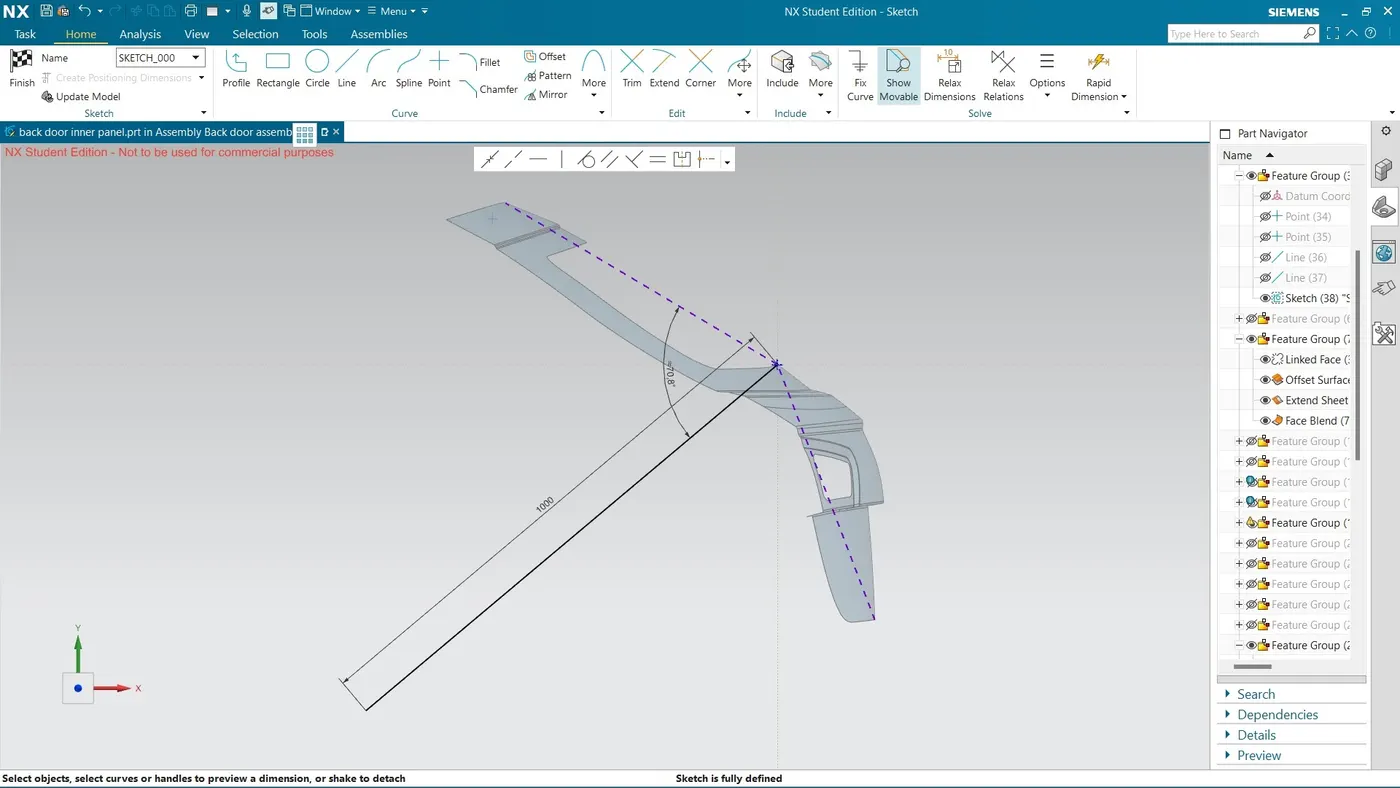
Then we will be creating the Back door inner panel flange by offsetting the outer surface at a distance considering the sheet thickness and thickening direction.
Then created the connecting flange to join the inner panel and sealing flange.
Then for the windshield panel mounting, the windshield panel is created and joined with a sealing flange.
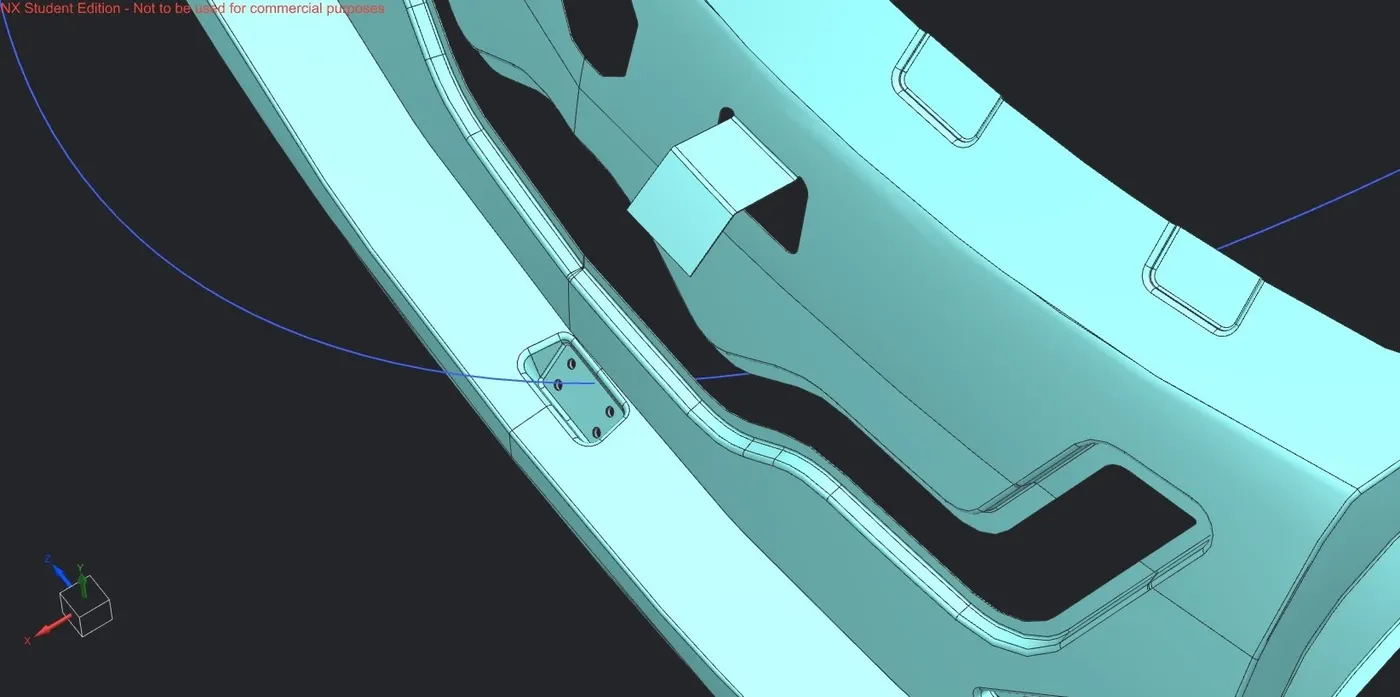
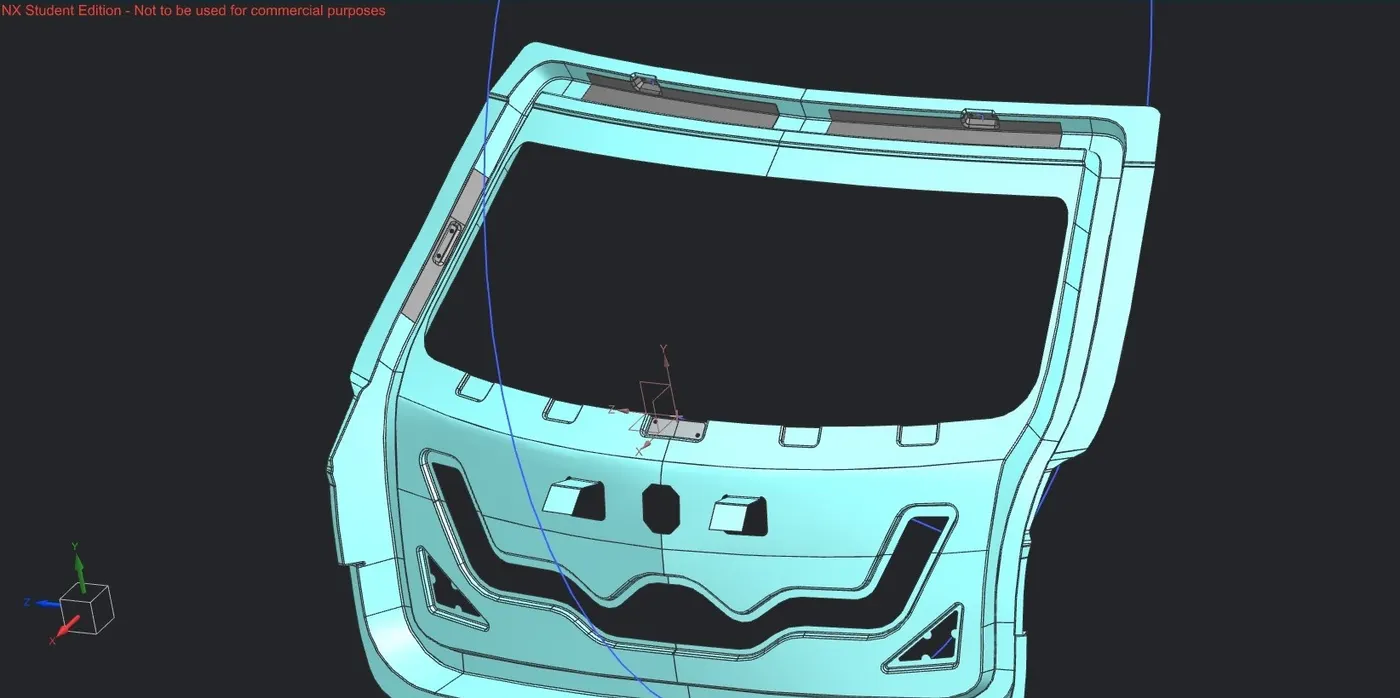
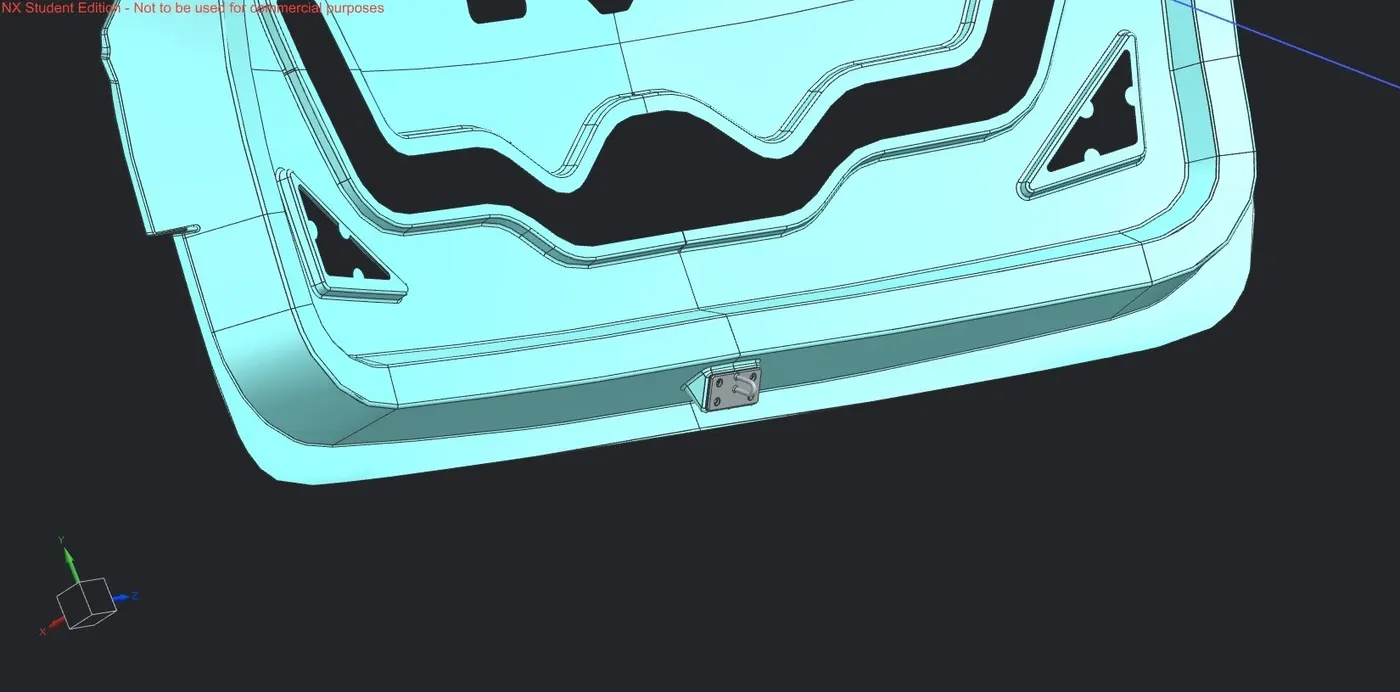
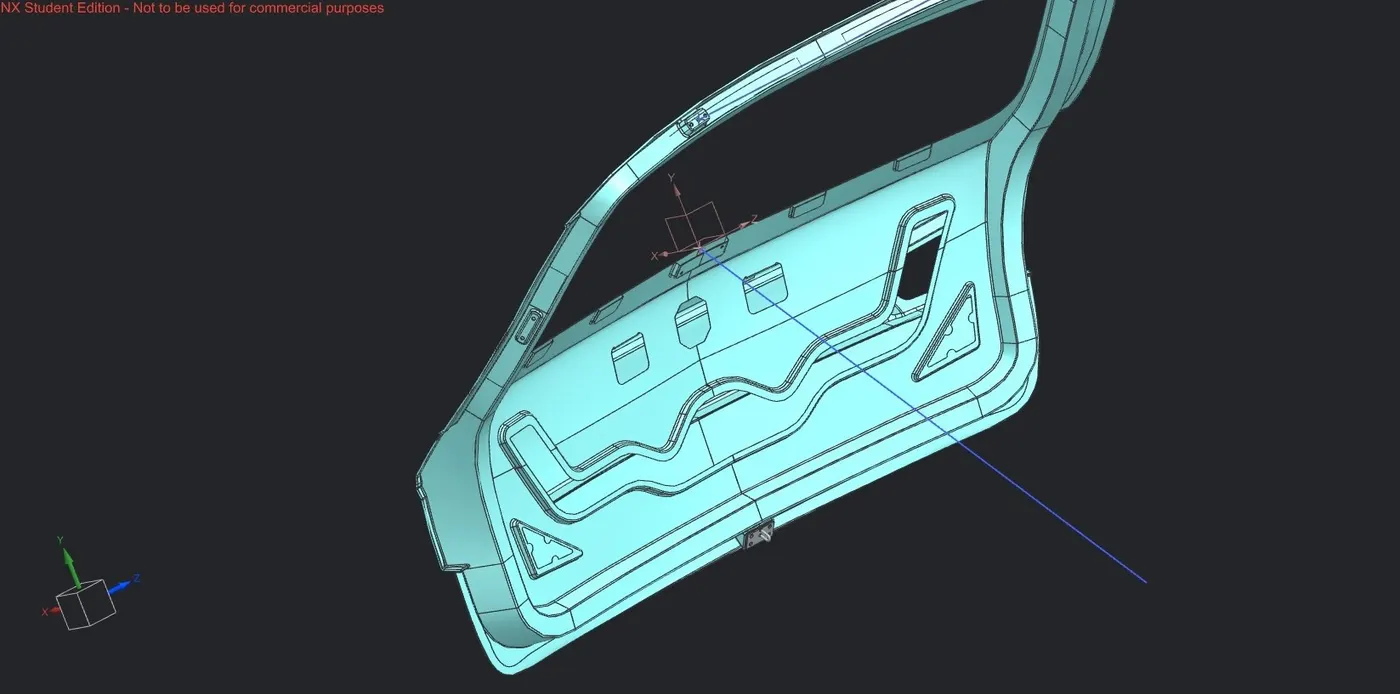
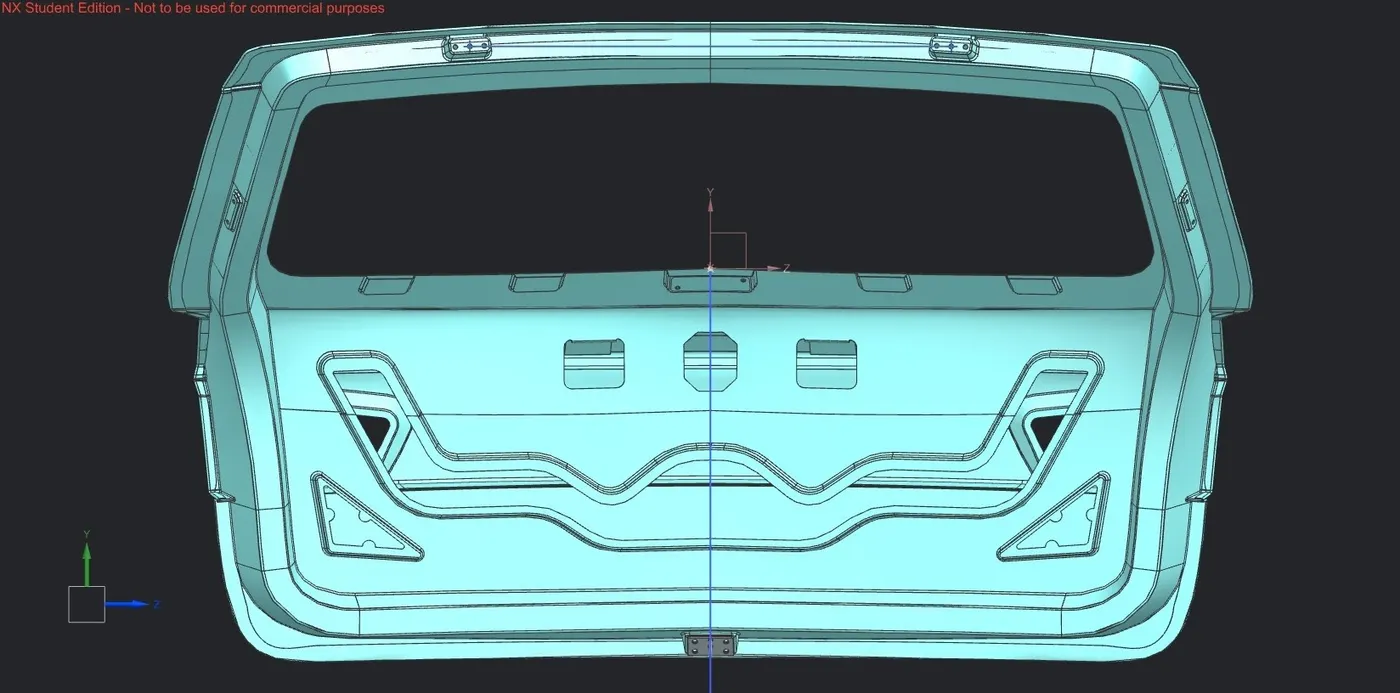
Then to improve the strength of the inner panel and to reduce the weight 'Y' type emboss and other cut-outs are created. Also, for Latch and Striker mounting cut-out is created. This cut-out is also done on the other side of the inner panel to maintain the centre of gravity of the Back door.
Another Emboss is created for Wiper motor mounting.
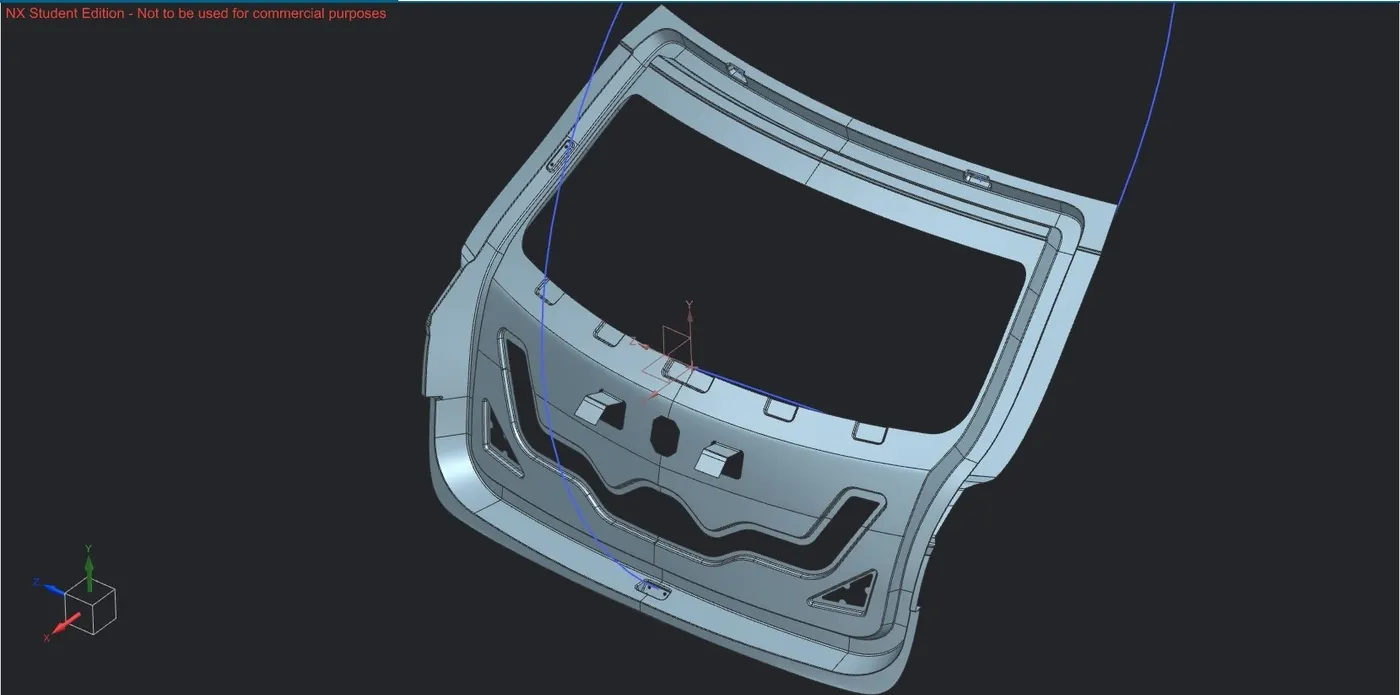
Another flange is created to reduce the vibration of the door by joining the inner and outer panel with the help of Mastic sealant.
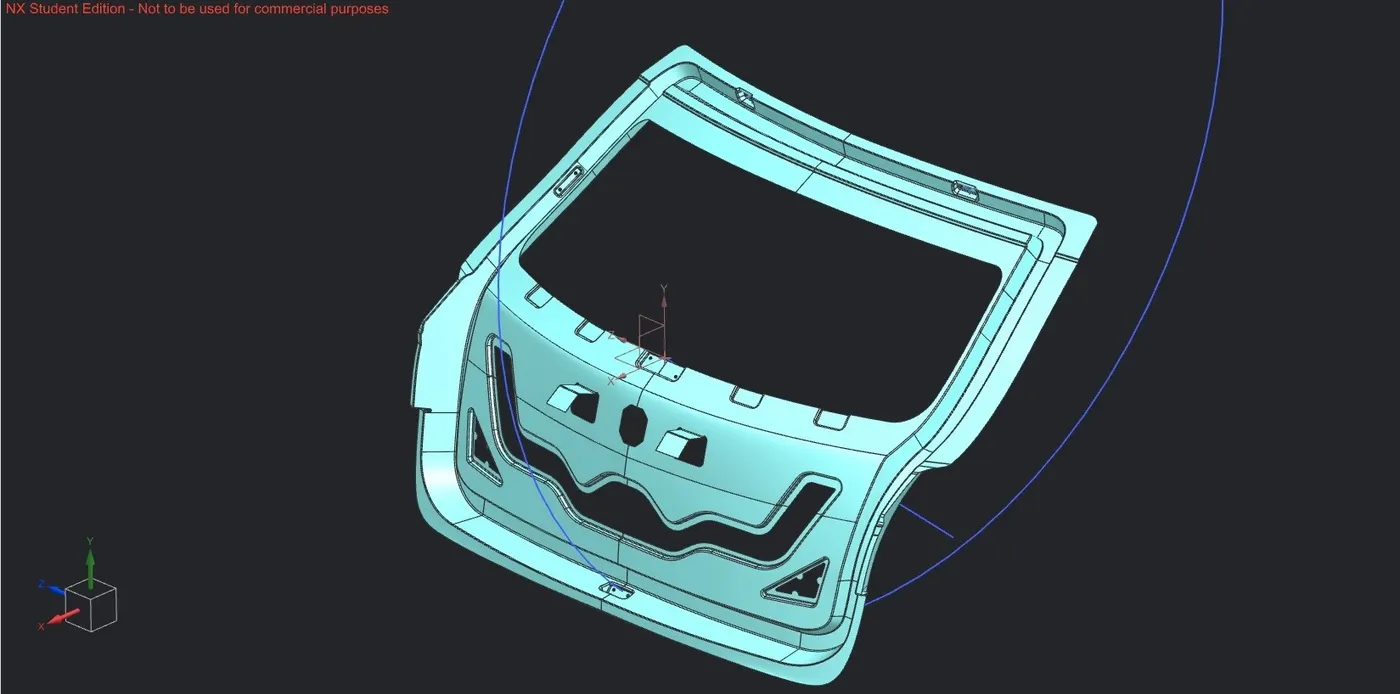
Now to assemble the back door with the vehicle Hinges are used to open and close the door. For that to increase the local area strength we have to design the emboss and provide the appropriate reinforcements to withstand the load acting upon it.
Hinge Reinforcement
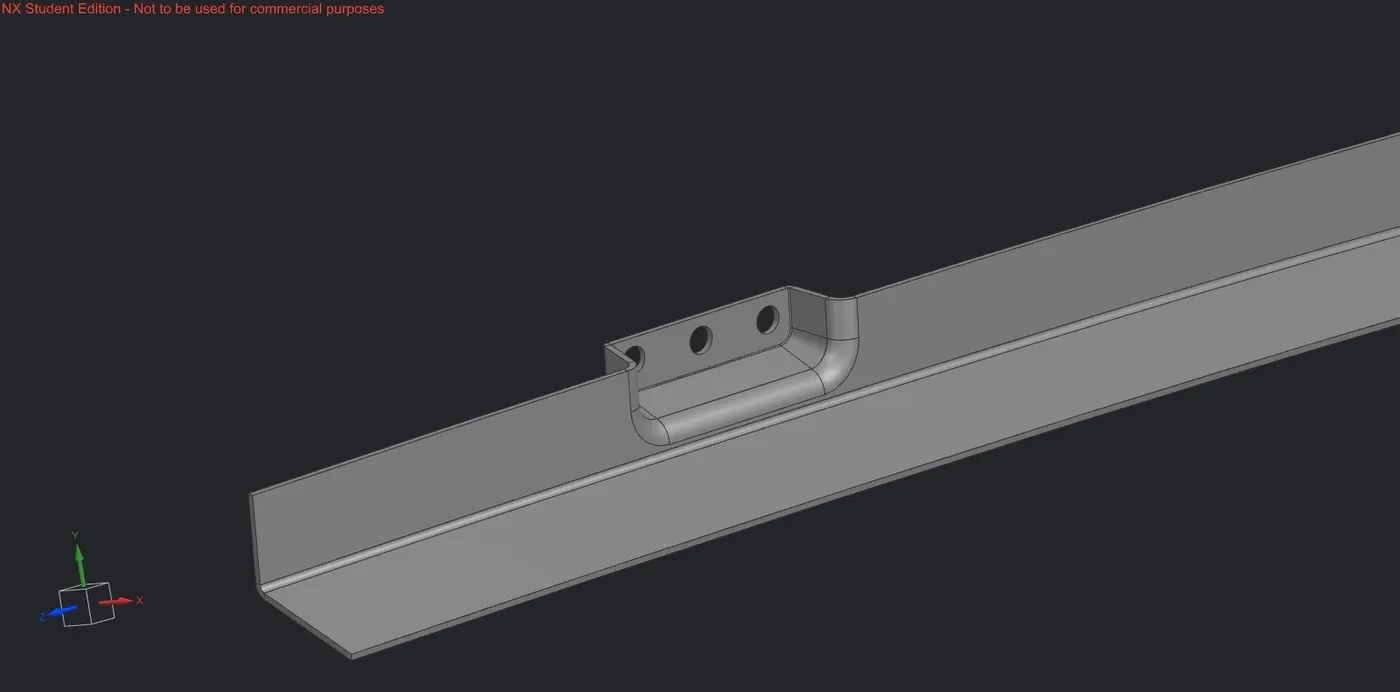
Gas Stay Emboss and Reinforcement
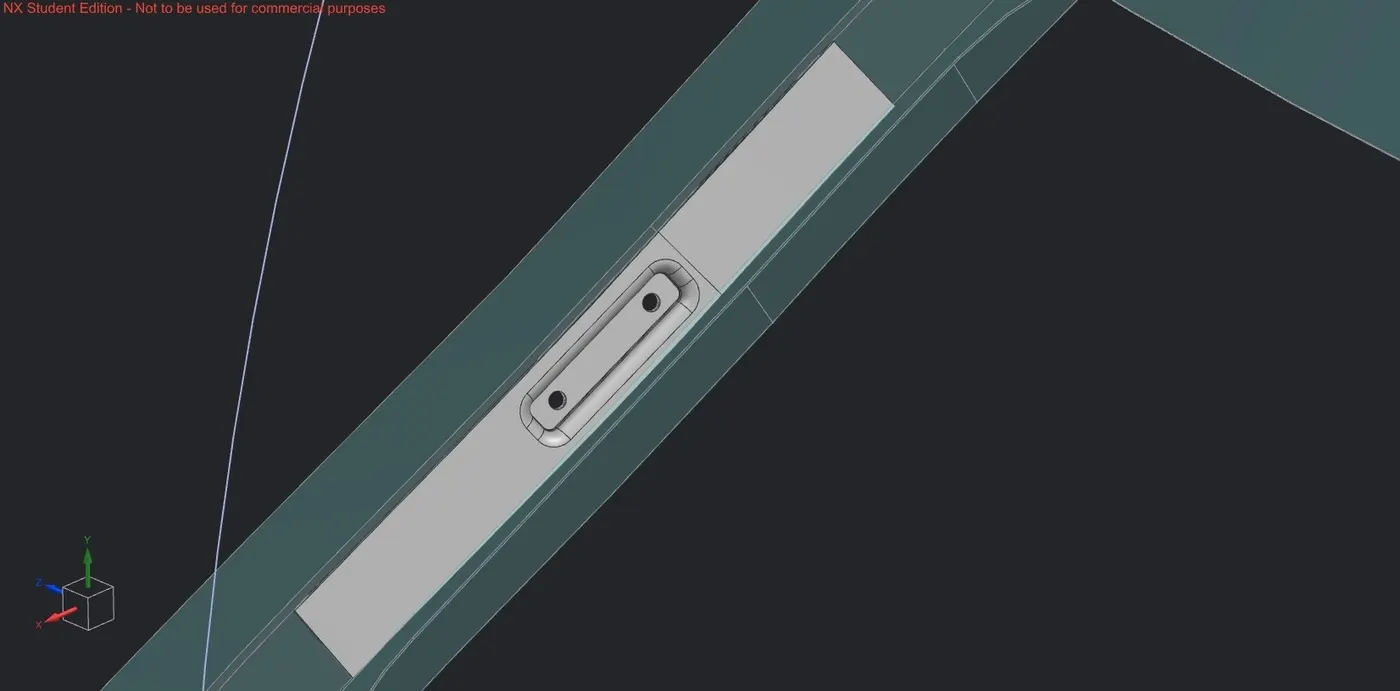
Wiper Motor Reinforcement
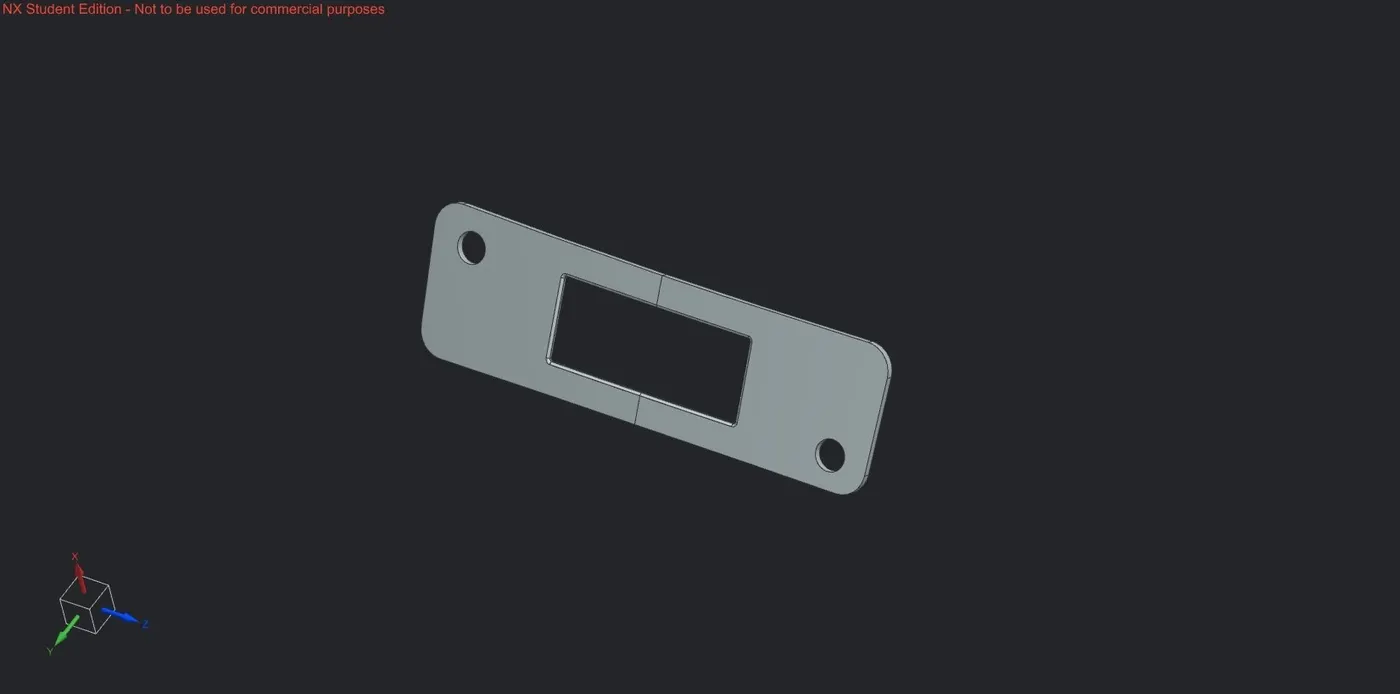
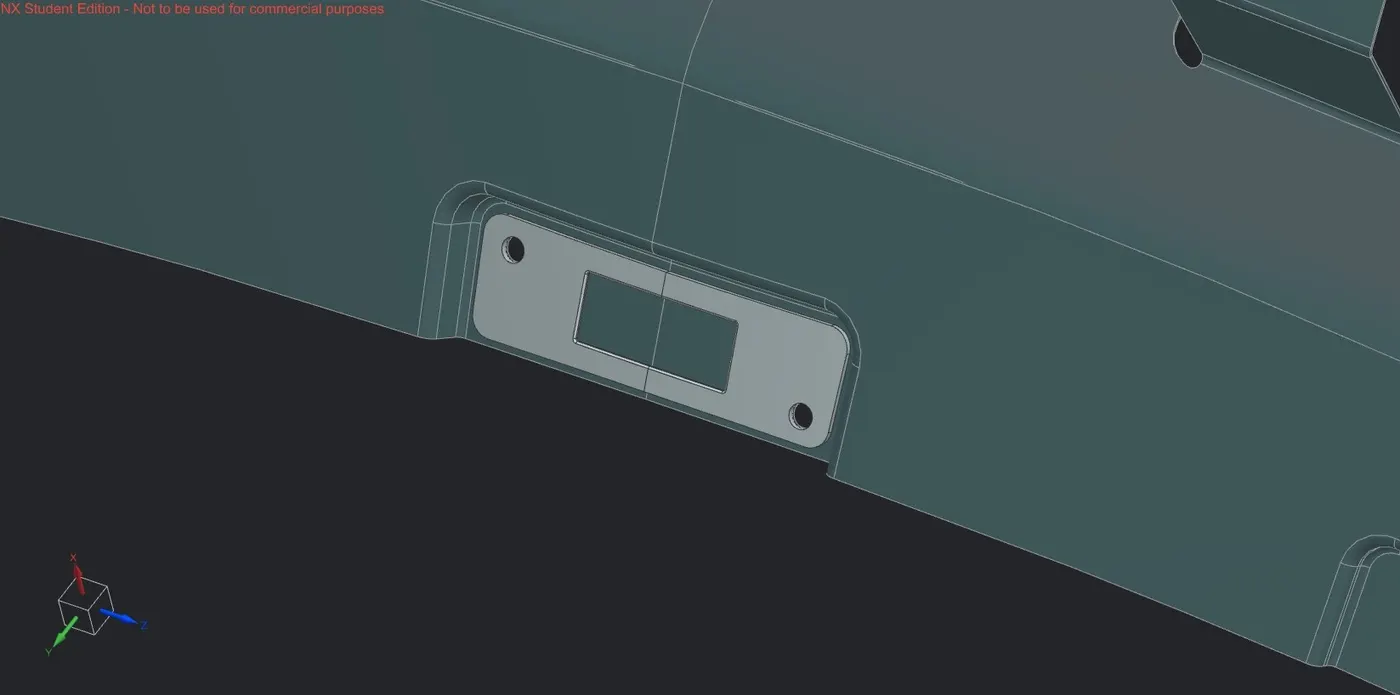
For positioning the Latch & Striker, we have to create a trajectory passing through a midpoint of line/ axis of two hinge mounting holes
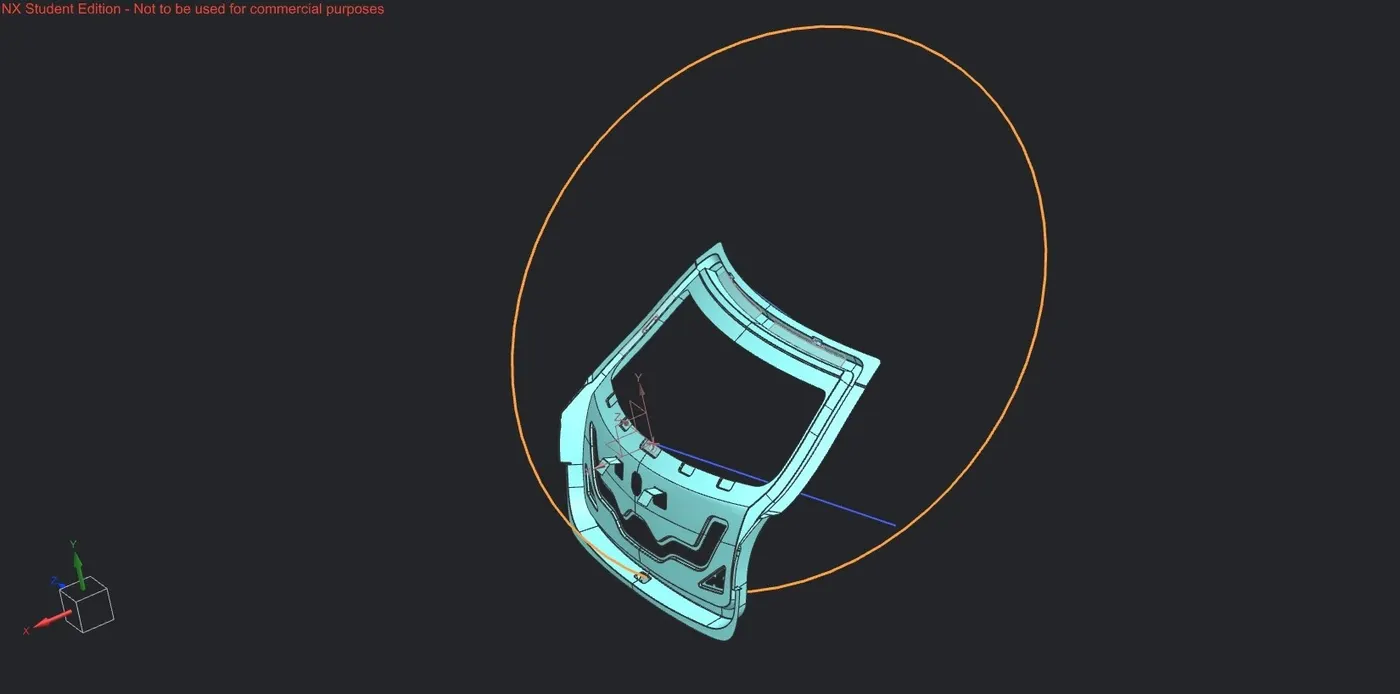
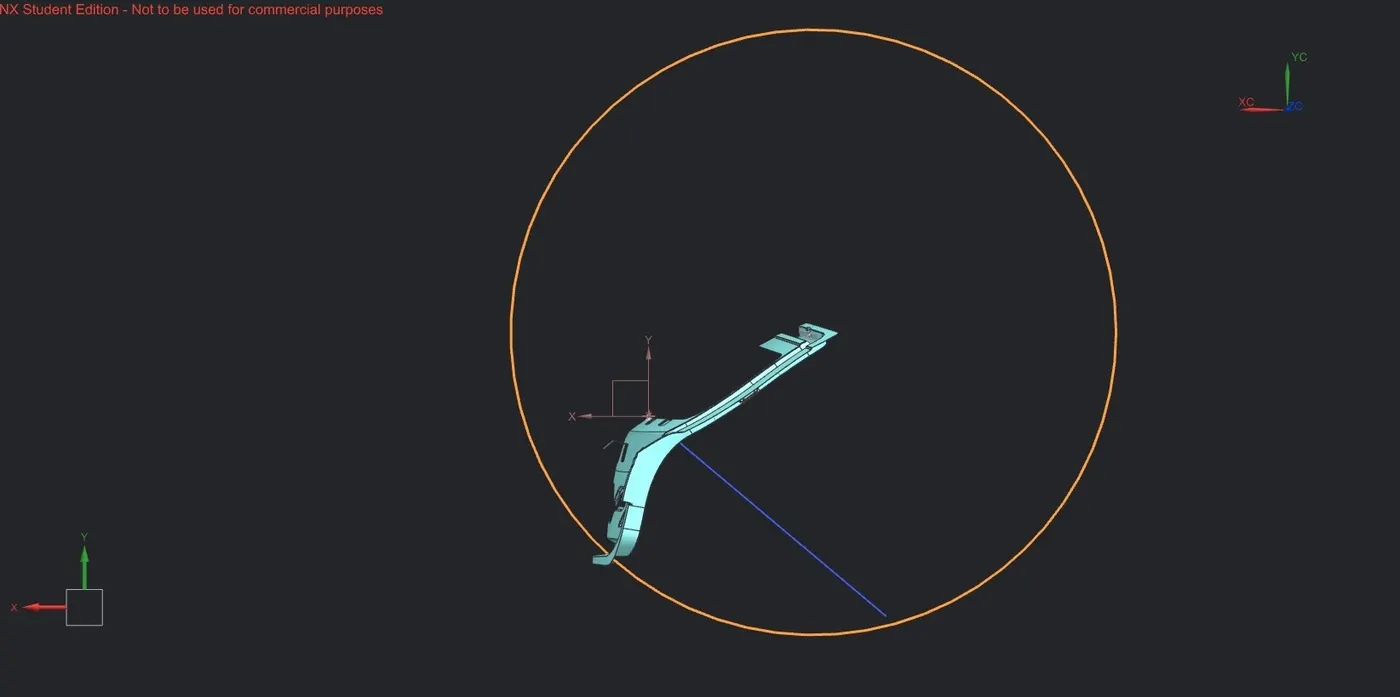
Latch & Stricker Emboss
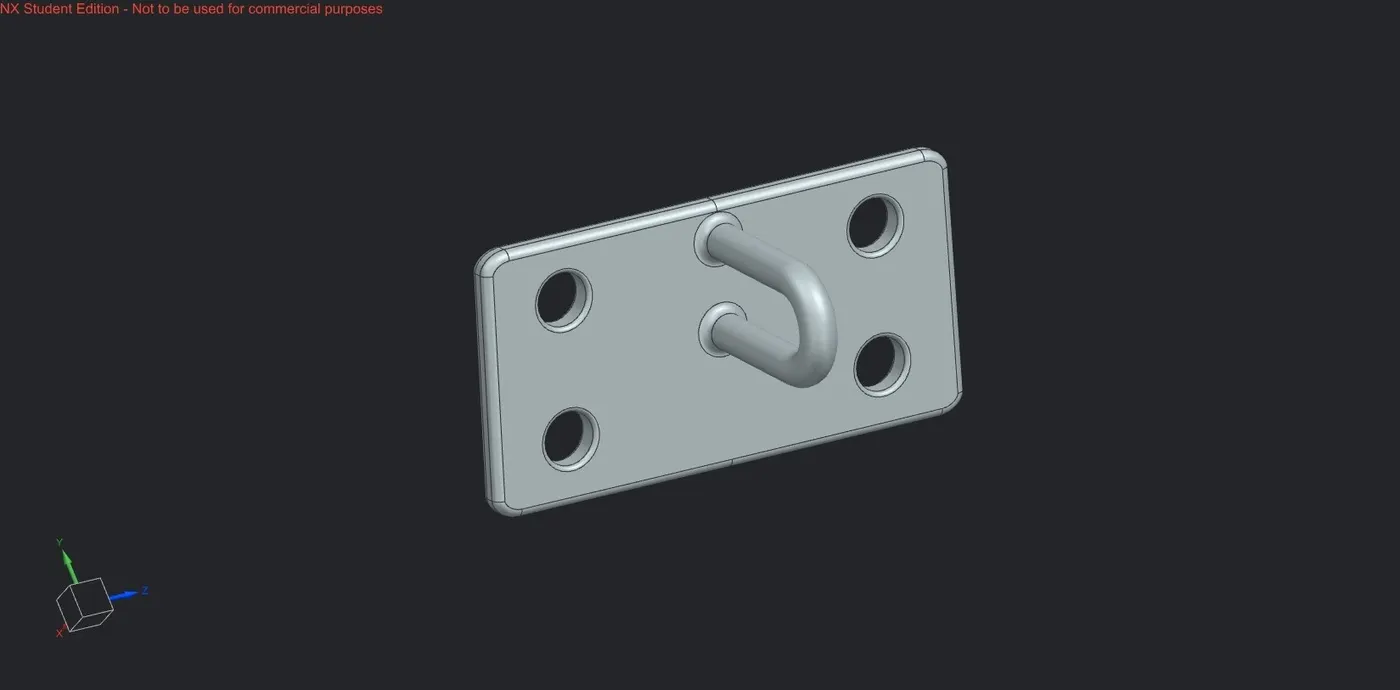
Latch & Stricker Base Plate with striker
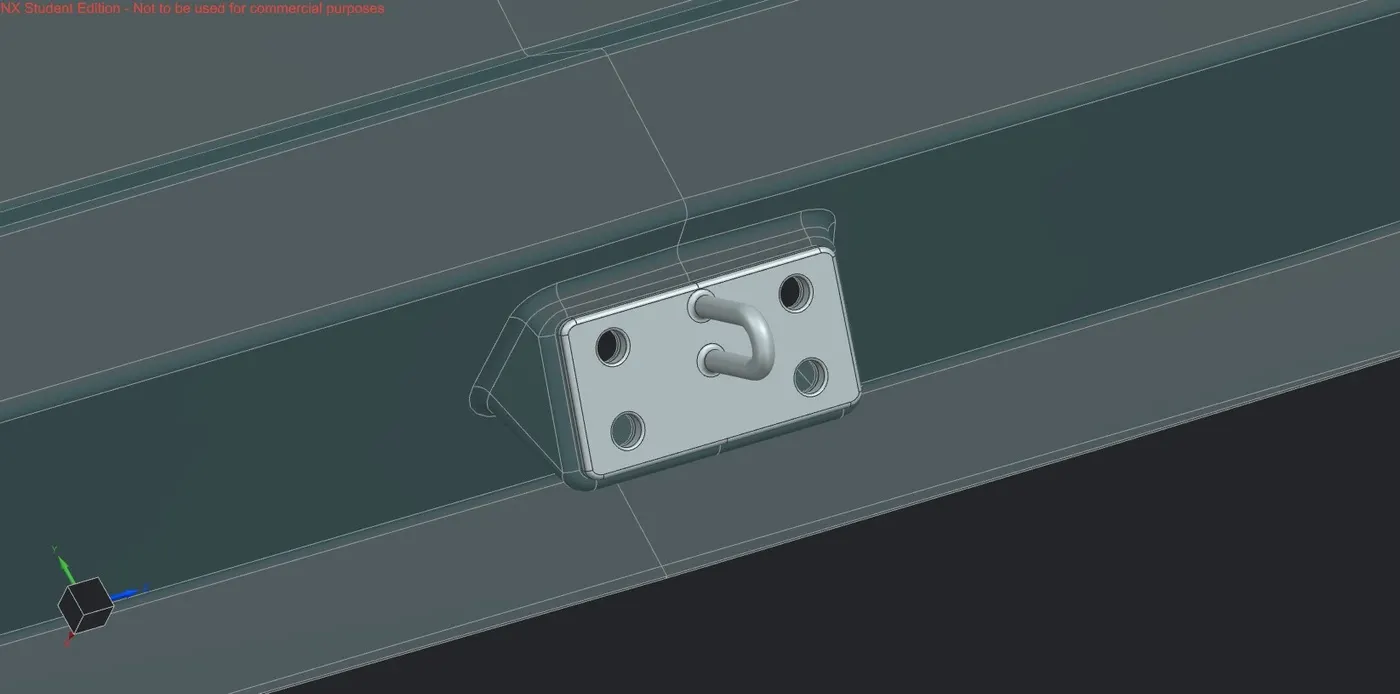
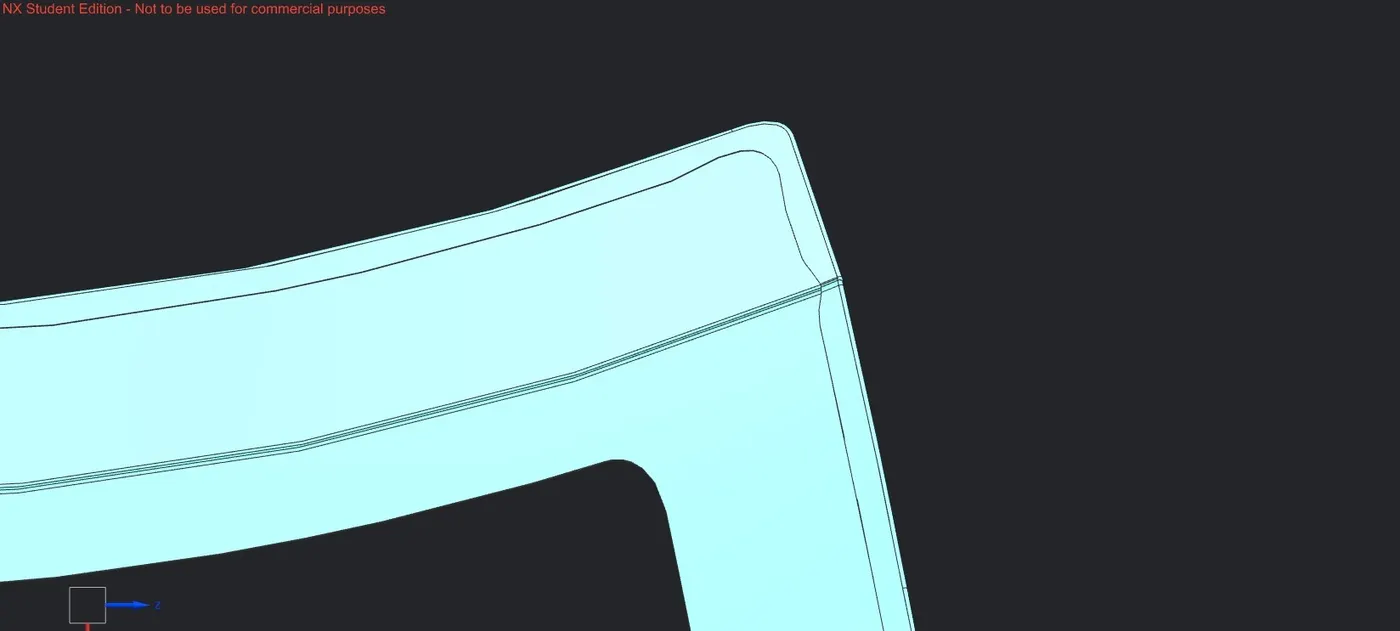
Hemming and Hem Relief
Assembly
Inner panel with Reinforcements assembled
Final assembly
DRAFT ANALYSIS
CONCLUSION
The back door outer and inner panel were designed with the help of the styling surface along the tooling direction.
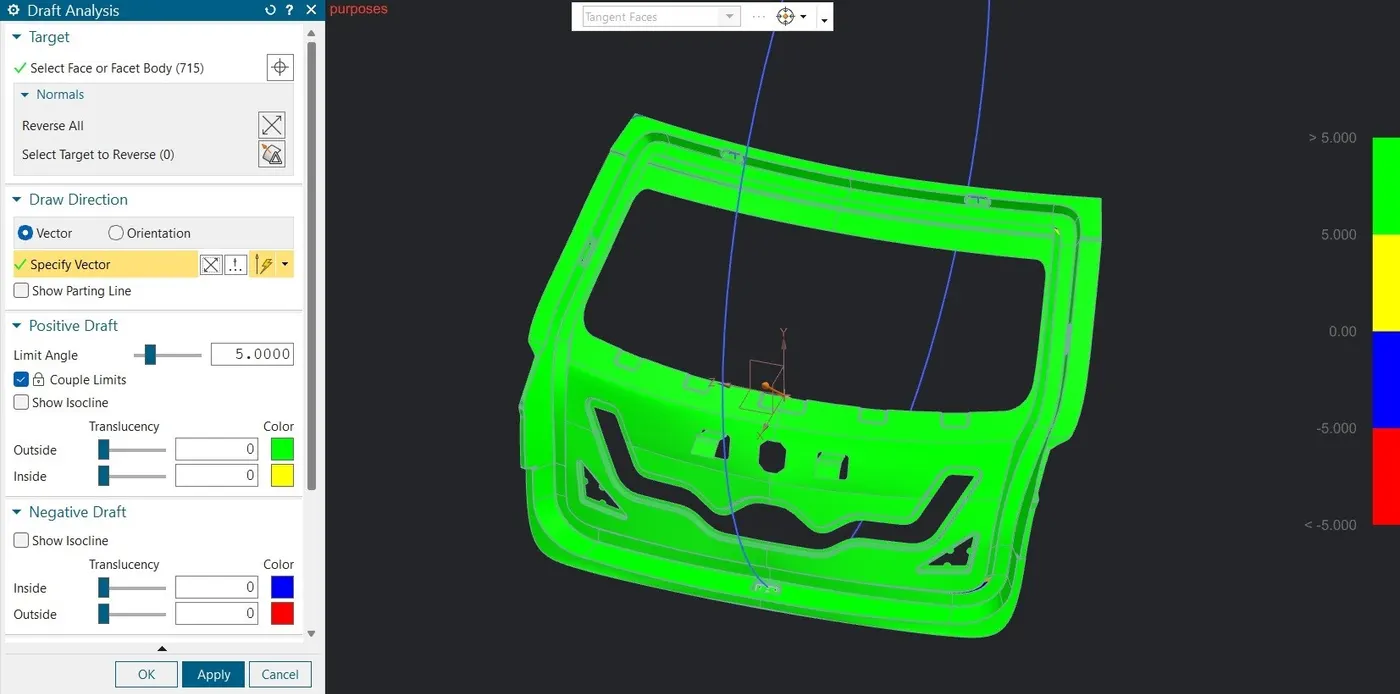
Draft analysis was performed on the inner panel and all the Reinforcements were designed and placed at appropriate positions.
for further details : https://drive.google.com/drive/folders/1kPNgDBet9JthpX6DpyeE6Tm8pS1C4VHN?usp=drive_link