Design of backdoor
BACK DOOR
OBJECTIVE:
To develop a backdoor design from the given skin using the NX CAD.
The components that should be created associated with the back door are
- Back Door Outer Panel Upper & Lower
- Back Door Inner Panel
- Hinge Reinforcement LH & RH
- Gas Stay Reinforcement LH & RH
- Stricker Reinforcement
Definition:
A tailgate is a door that provides access to the rear of a vehicle.
Tailgates are a common feature of trucks, vans, SUVs, and other vehicles that have large storage compartments.
The tailgate keeps items loaded onto the back of the vehicle secure while it is stationary.
The door or opening of a cargo area may be hinged at the top, side, or bottom.
If the door is hinged at the bottom it is termed a tailgate, particularly in the United States.
They are used on station wagons and Pickup trucks, as well as on some sport utility vehicles (SUV).
Traditional drop-down station wagon and pickup tailgates can also serve as a mount for a workbench.
Traditional U.S. station wagons included a roll down window retracting into the tailgate to load small items or to allow the tailgate to be opened down on its bottom mounted hinges.
Because of the potential for carbon-monoxide fumes, the tailgate window on station wagons should be closed whenever the engine is running.
Two-way station wagon tailgates may be hinged at the side and the bottom so they can be opened sideways like a regular door, or drop downwards as load platform extenders.
They are designed with special handle(s) for opening in the selected direction on special hinges after the window is lowered.
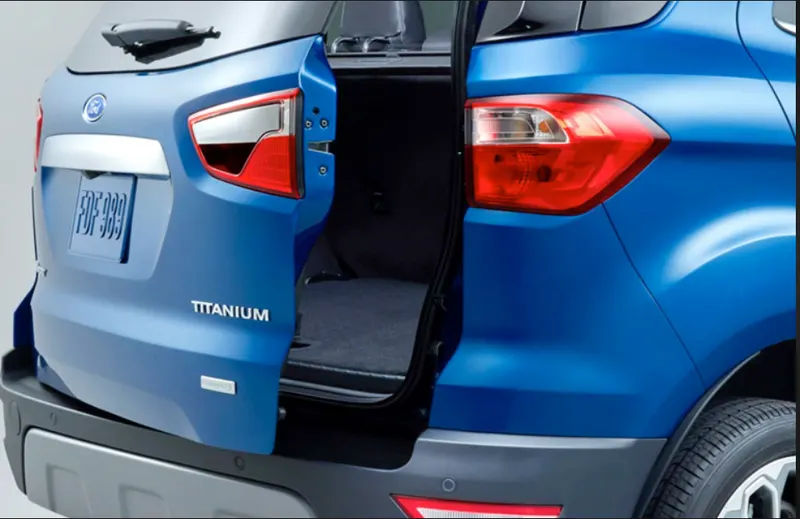
A three-way design that was also used by Ford allows for the tailgate to be opened like a door with the window up.
General Motors developed a clam shell style "disappearing" design where the rear window rolls up into the roof and the tailgate slides down and beneath the load floor.
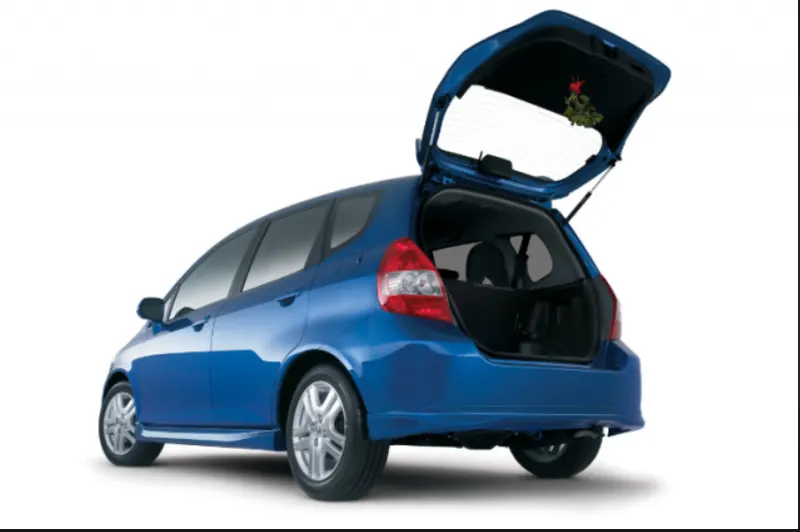
If the door is hinged at the top it is termed a hatch, and is used on a hatchback.
A bottom opening door is now common on SUVs.
DESIGN METHODOLOGY:
Create an assembly for the back door
Insert the Back door Upper and Lower seperaely.
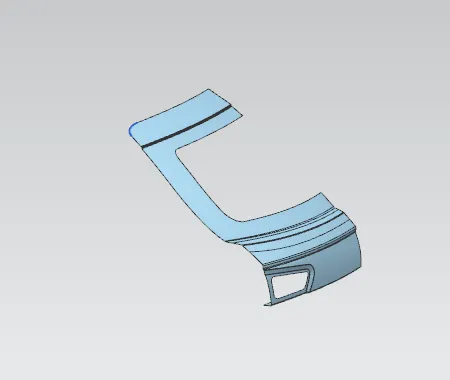
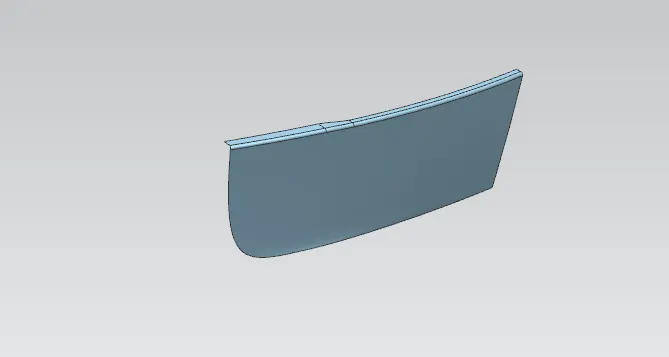
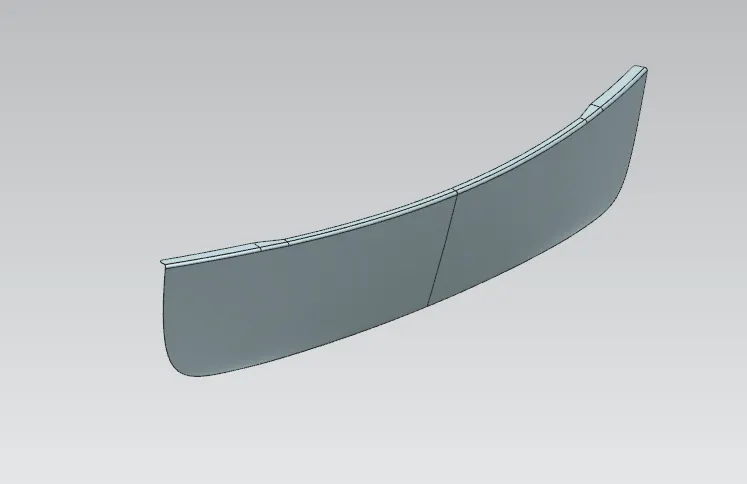
BACK DOOR OUTER PANEL UPPER:
The flanges are already created and we have to only mirror and thicken it as per the dimension.
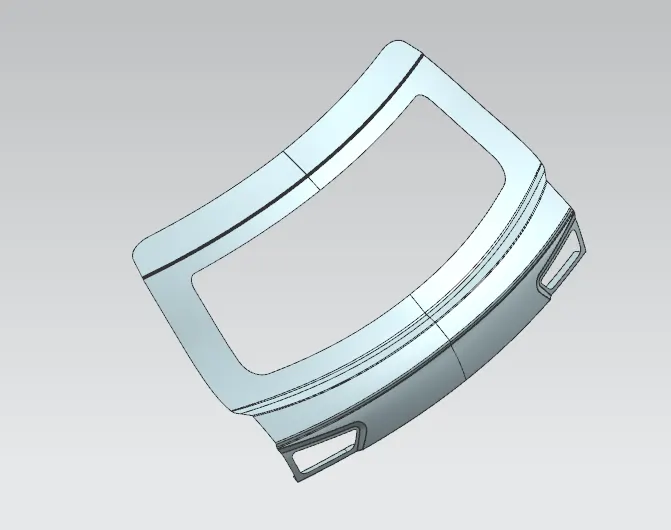
BACK DOOR OUTER PANEL LOWER:
Similarly the back door outer panel is inserted into the assembly with the flanges .
Now we have to mirror and thicken it.
BACK DOOR INNER PANEL:
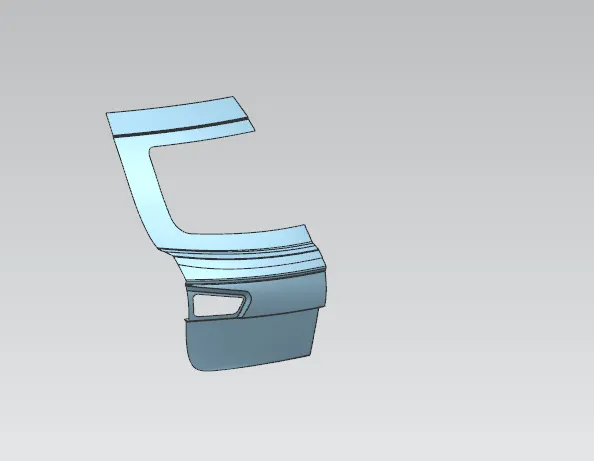
The linked body is created with the use of wave geometry linker from the outer panel.
The surface is offseted to a disance of 1.7 mm and 25 mm respectively.
The two surfaces are joined with the use of law extension.
The necessary flanges are created.
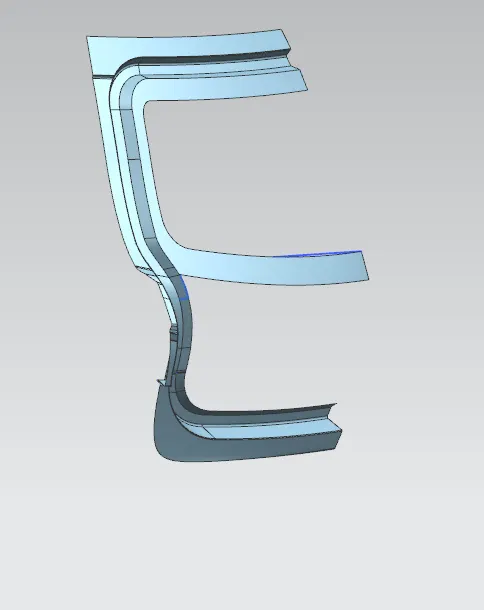
The necessary emboss and mastic points are created .
The distance between mastic point and the outer panel should be 5mm.
The slots are created to reduce the weight and to improve the performance.
But while reducing the weight it can also decrease the strength , for the we have created the emboss to improve it.
Mirror the surface and sew it.
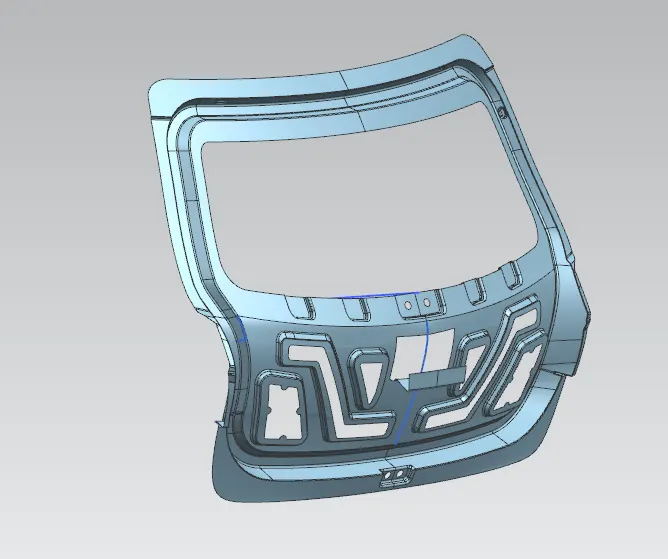
Thicken the surface to about 0.75mm.
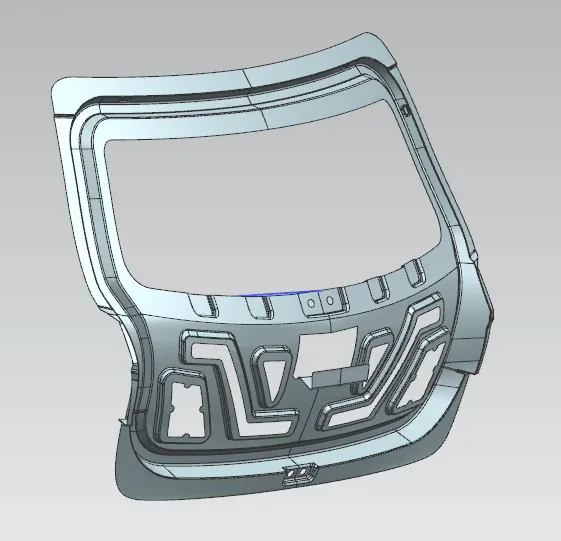
REINFORCEMENTS.
The reinforcements are given as a support or to improve the strength.
Here all the reinforcements are created similarly.
Create a linked body with wave geometry linker of a specified local area and thicken it.
HINGE REINFORCEMENT LH
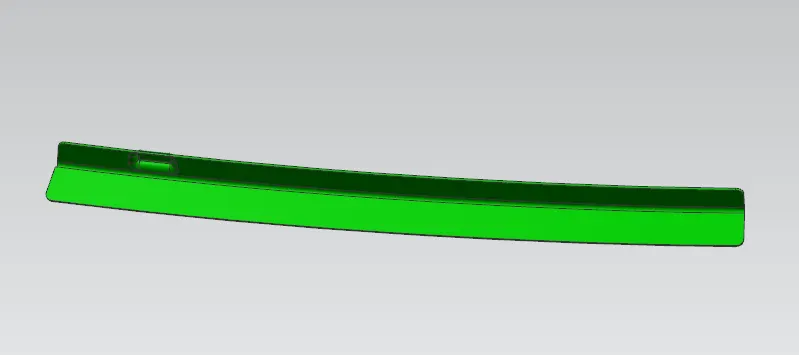
HINGE REINFORCEMENT RH
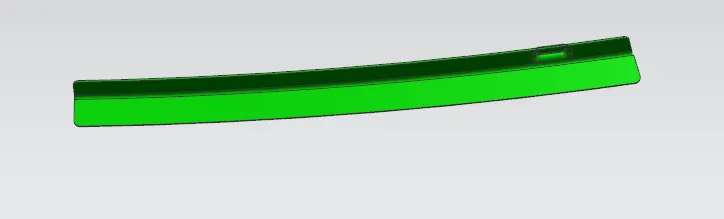
GAS STAY REINFORCEMENT LH
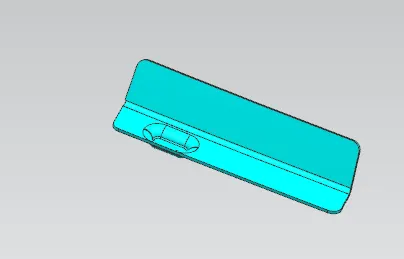
GAS STAY REINFORCEMENT RH
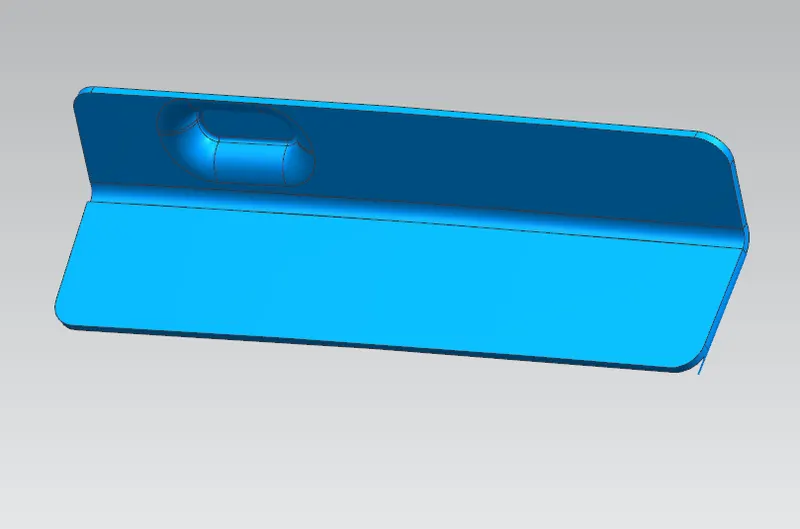
STRICKER REINFORCEMENT
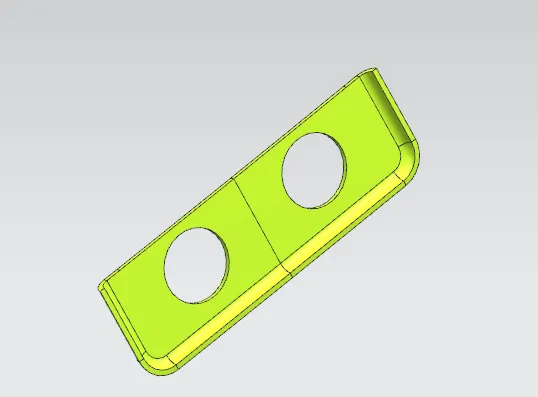
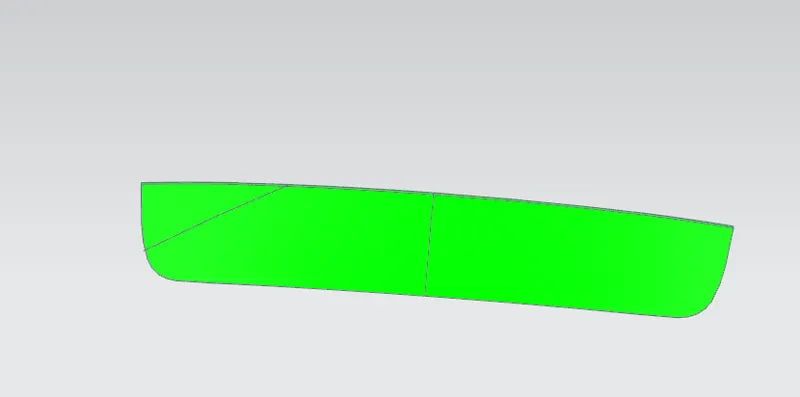
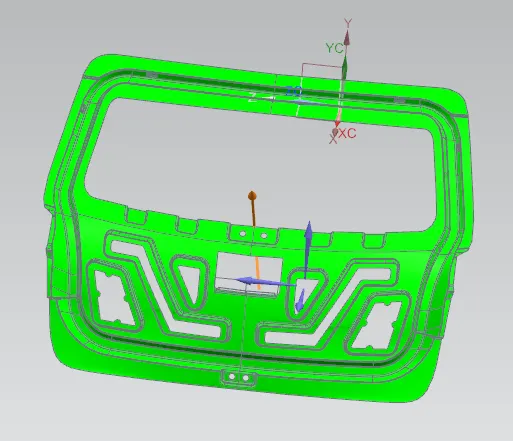
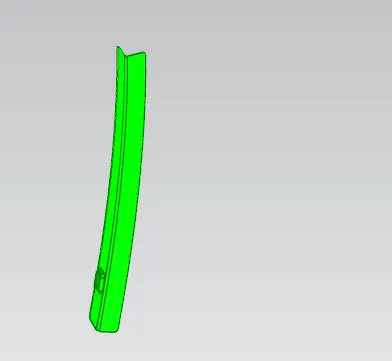
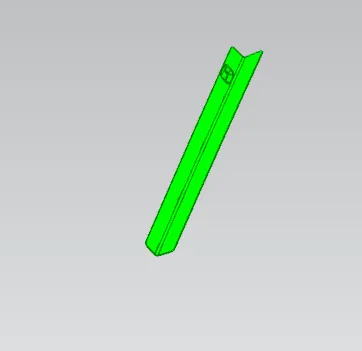
DRAFT ANALYSIS
OUTER PANEL UPPER
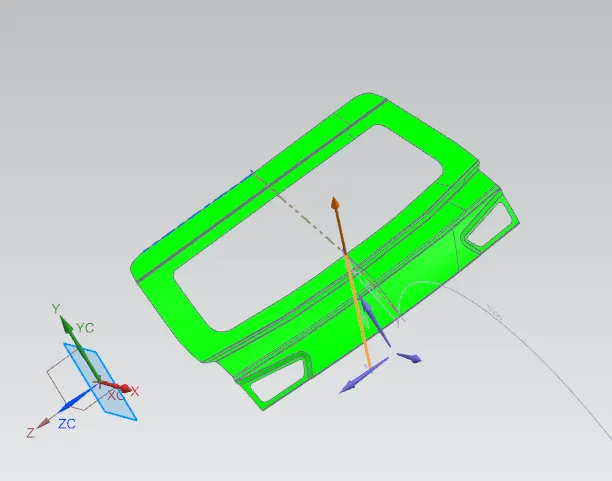
OUTER PANEL LOWER
INNER PANEL
HINGE LH
HINGE RH
GAS STAY LH
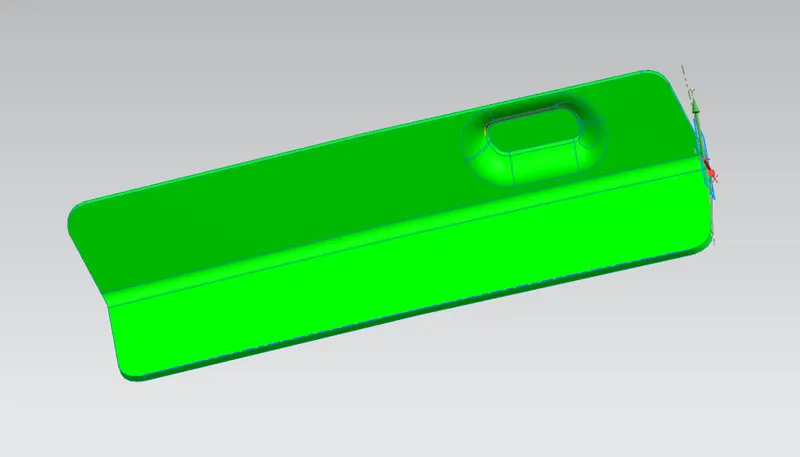
GAS STAY RH
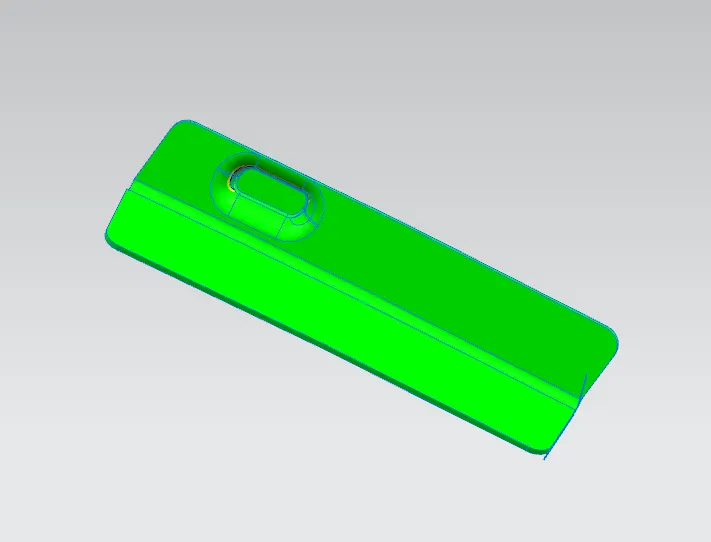
STRICKER
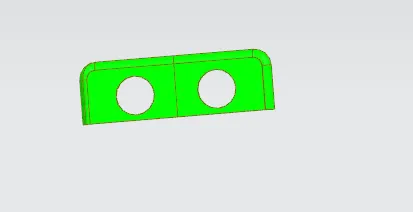
CONCLUSION:
Thus the door panel is developed and the draft analysis are done on it with the given skin.