Design of backdoor
DESIGN OF BACK DOOR:
OBJECTIVE -
Design a Back Door Assembly from the provided styling surface, use appropriate design methodologies and provide the necessary reinforcements and embosses.
What is a back door?
A door is a hinged piece that lets people get in and out of cars. One type of door on a vehicle is the back door, which is next to the passenger seat and gives you access to the boot. In most of the cars, these back doors are operated with the help of gas stay which in turn reduces the effort required to lift open the door. Some luxury cars have back doors that open and close automatically. These doors are powered by an electric motor. A powered boot lid system is another name for this type of system. Hatchbacks and station waggons can be bought with 3 or 5 doors. In this case, the back hatch is a door because it lets people into the passenger area. The name is mostly used in countries in Europe. For safety reasons, the design of the back door should meet the safety requirements for a rear collision.
Types of back doors based on working positions.
A cargo area's door or opening can be hinged at the top, side, or bottom. A tailboard is a door that opens from the bottom.
Top-mounted:
This kind of back door is found on station waggons, pickup trucks, and some SUVs.
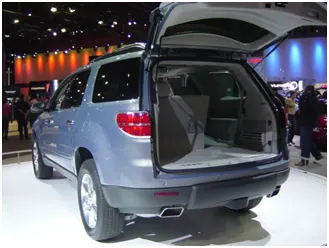
Today’s modern cars use top-mounted tailgating systems which are both powered and also gas stay supported. When compared to side-mounted or bar doors with canter pillars, these tailgates on top give you a better view of the back of the car.
SIDE MOUNTED DOORS:
As the name signifies side-mounted doors are the one which is used in the van type MPVs, SUVs, pickup truck vehicles. These barn doors or doors that open to the side are much easier to use than doors that open from the top.
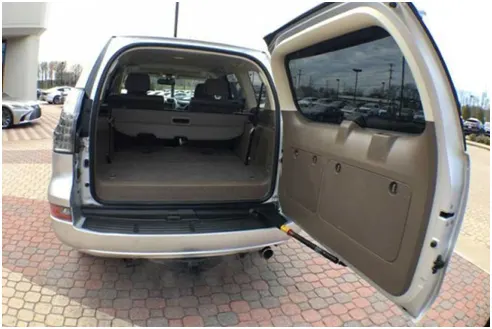
Most of the time, these doors are smaller and easy to open. When only one door is open, these doors make it easier for the people moving the goods to move long pipes and long parts. These doors also protect your head from bumps. When the doors are on the side, it is much easier to load and unload things.
bottom/split Type:
This type of back door system is used on cars like estate-style cars, pickup trucks, and some luxury SUVs.
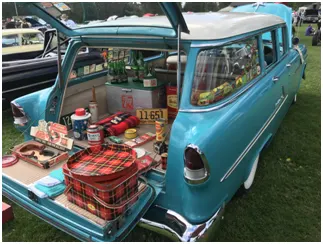
This is the most useful type of back door because the split at the bottom can be used as a seat or even a table for people on tours.
Types based on working mechanism.
Gas stay type:
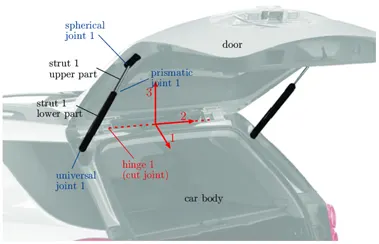
Gas stay types of backdoors, liftgates, and tailgates are the best and most common type of tailgate mechanism for cars in all price ranges, from low-end to high-end. The best parts of a tailboard are shown in the picture below: a hinge, a door, a gas stay, and some rubber beadings to seal the door.
Powered lift system:
The power boot lid system is another high-tech way to open the boot or liftgate. It lets you open and close the boot or liftgate automatically and release the latch with the touch of a button. The next picture shows how the part is used in the system that lifts the boot or back door with power.
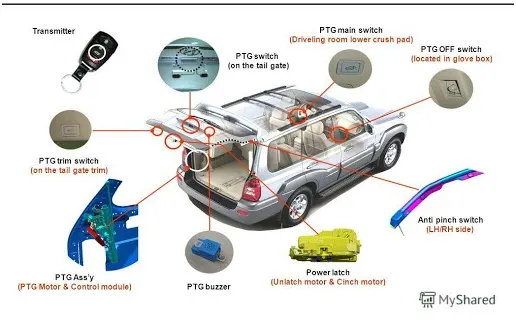
Powered trunk lift system consists of a power latch, anti-pinch switch, PTG ass’y, PTG main switch. When the switch is pressed inside or outside the compartment, the power latch releases, and the whole back door opens. The anti-pinch switch is put where it is so that your hand doesn't get caught when you open or close the door.
MANUFACTURING METHODS:
In recent years, there have been two ways to make cars lighter. One way is to use materials that are lighter than steel. Another way is to change the way the steel structure is made. Even though the first one seems to work well, it is very expensive and can only be used for a very expensive car. So, the auto industry is trying to use steel, which isn't too expensive and can be reused. You can make steel lighter by making the structure work better or by using different ways to make steel. The ULSAB (ultra-light steel auto body) idea is one of the things that are being done.
ULSAB recommends three main ways to cut weight, like hydro-forming and the tailor-welded blank (TWB).
Tailor welded blank:
A tailor-welded blank is made of two different pieces of sheet metal that have been welded together before being stamped. With tailor-welded blanks, different grades, thicknesses, or corrosion coatings can be welded together to get the properties needed in different places. This doesn't increase the number of tools needed to shape the part and gets rid of worries about how well it will fit. They also give designers a lot of freedom in making parts, and small sheets can be used to make big blanks. If tailor-welded blanks were used, the car would be lighter. If you could choose where to put different thicknesses of material, the weight would go down. The inner panel of a door is an example of how this is used in production. The only part of an inner door that needs to be strong is where the hinges connect to the panel.
BACK DOOR ASSEMBLY -
1. Back Door Outer Upper Panel
2. Back Door Outer Lower Panel
3. Back Door Inner panel
4. Hinge Reinforcement LH
5. Hinge Reinforcement RH
6. Gas Stay Reinforcement LH
7. Gas Stay Reinforcement RH
PROCEDURE:
1. STYLING DATA -
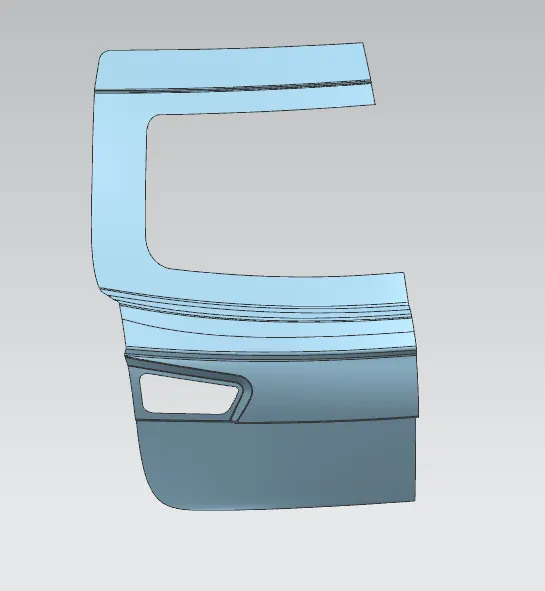
We got a class A surface as input. The surface is uneven and has poor quality, so the first thing to do is to improve the quality of the surface.
2. TOOLING DIRECTION -
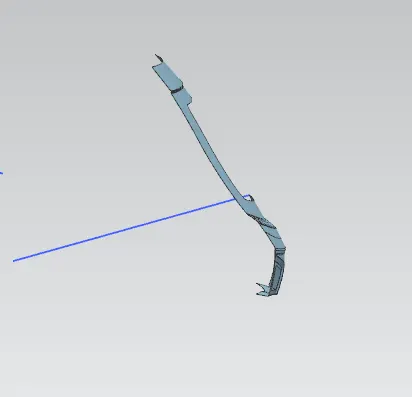
The direction the part comes out of the mould is called the "Tooling Direction." It's the way that the tool is moved.
4. OUTER PANEL -
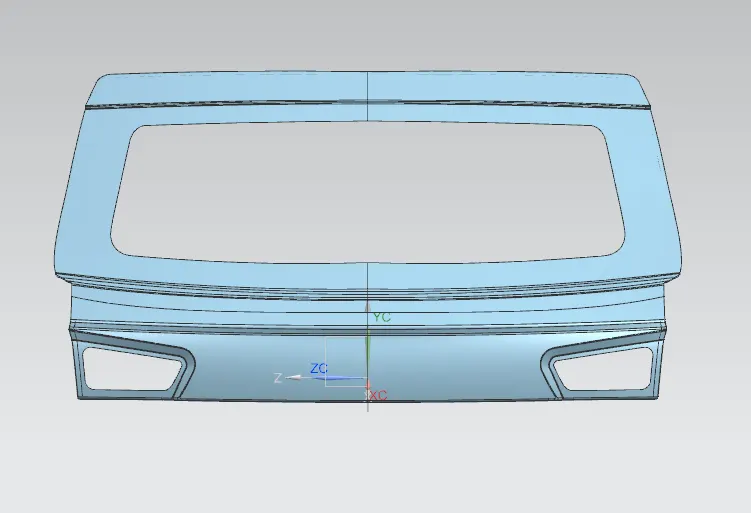
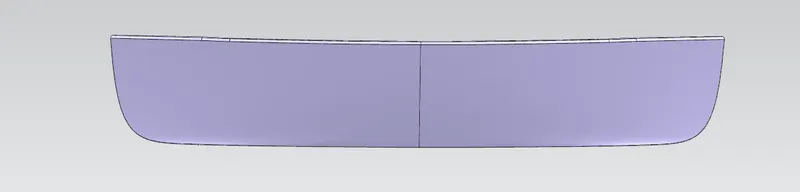
The Outer Panel is made up of two different parts:
1. Upper Outer Panel
2. Lower Outer Panel
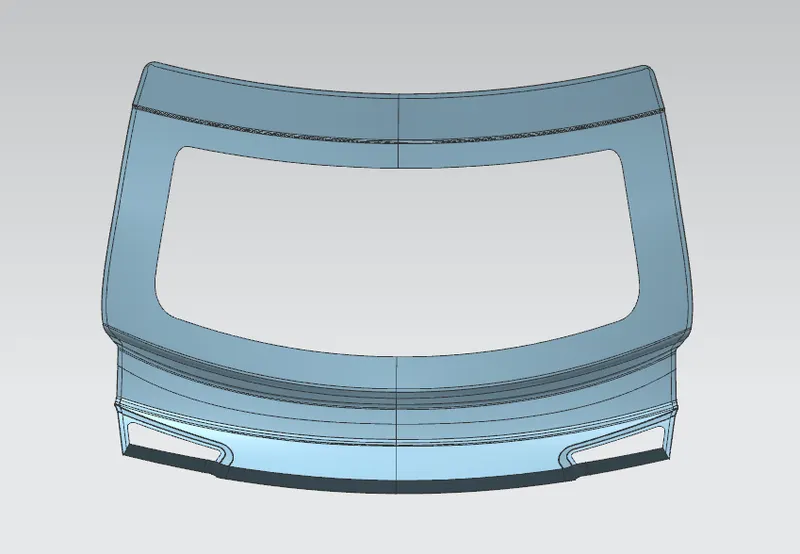
Upper Outer Panel
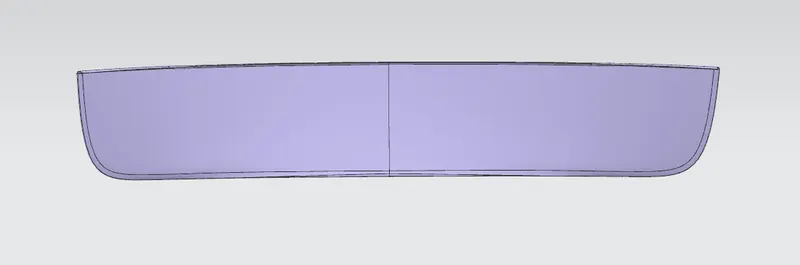
Lower Outer Panel
3. INNER PANEL
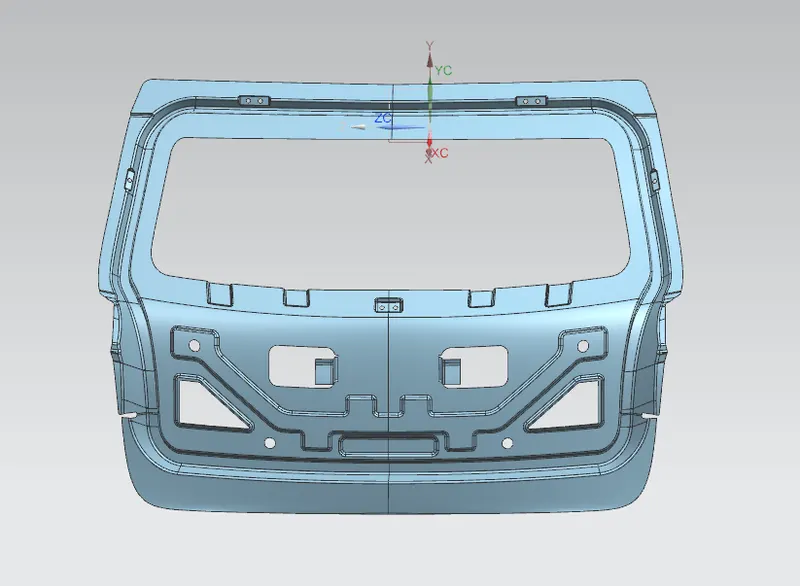
The made the inner panel after making the outer panel. We made the Sealing area, the Emboss, and the Reinforcement for the Inner Panel.
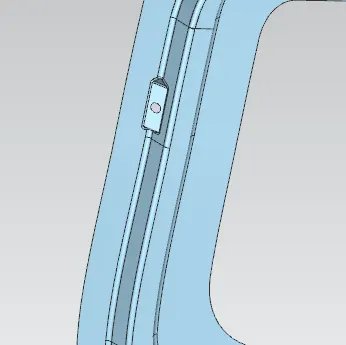
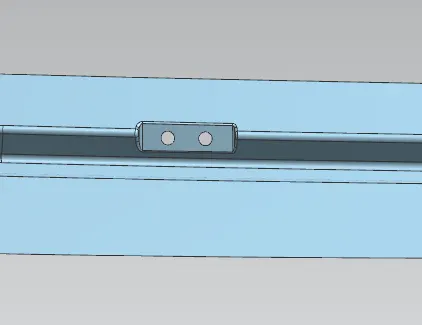
We have also made embosses for mounting on Hinge and Gas Stay.
Gas Stay Emboss
Hinge Emboss
Latch Emboss
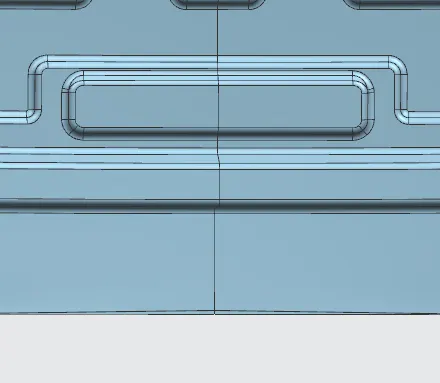
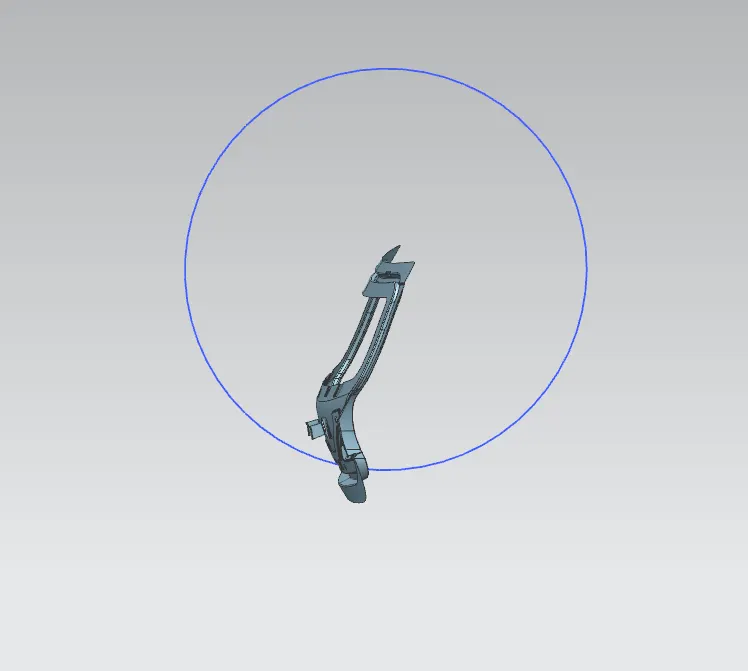
We also made the Trajectory Circle when we made the Latch emboss.
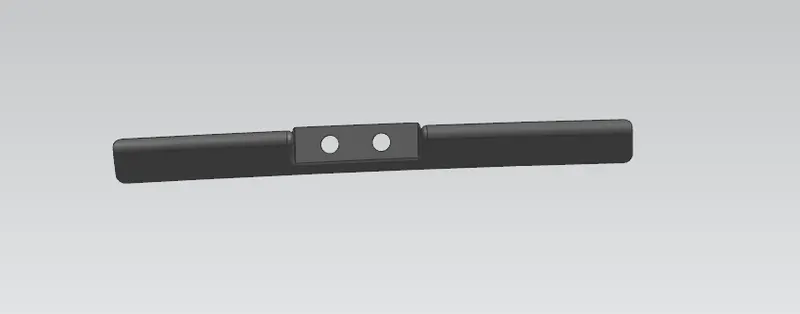
4. HINGE REINFORCEMENT -
The Hinge Reinforcement is put on the hinge's notch to make the inner panel stronger.
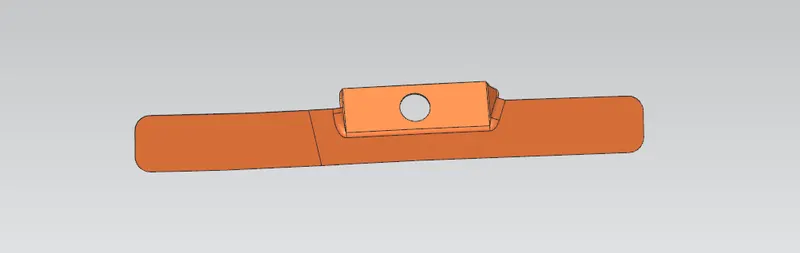
5. GAS STAY REINFORCEMENT -
The Gas Stay reinforcement is put on the Gas Stay emboss to give the part extra strength in that area.
6. HEMMING -
Hemming is a shaping process that involves folding or folding over the edges of a sheet to make it fit tightly. Most of the time, hemming is used to join parts together, make a part look better, or strengthen the edges of a part.
In the process of making car parts, hemming is done as a second step after deep drawing, trimming, and flanging to join two sheet metal parts (the outside and the inside) together. Parts like hoods, doors, trunk lids, and fenders are often used in this type of assembly.
The accuracy of the hemming process is very important because it affects how the surface looks and how well it is made. Material deformations that happen during the hemming process can cause parts to be the wrong size or have other problems. Common problems with hemming include splits or wrinkles in the flange, material that rolls in or overlaps in the corners, or material that rolls out. This is why it's important to use simulation tools to better understand the hemming process and cut down on the number of "trial and error" loops during tryout and production.
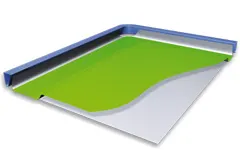
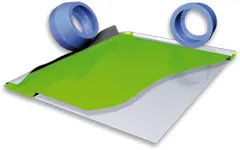
There are different ways to hem a garment:
Conventional die Hemming
Roll heming
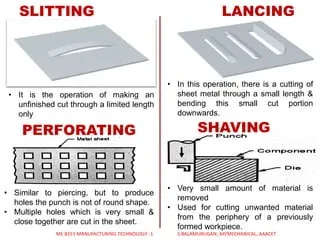

7. LANCING -
Lancing is a press operation in which a single cut or slit is made in the middle of a strip of metal without taking any of it away. So, the right lancing engineering method keeps cracks from happening by making the sheet metal flow better.
Lancing is a piercing process in which the work piece is cut and bent with one hit of the die. A key part of this process is that there is no loss of material. Instead, the shape of the material is changed. This step is used to make tabs, vents, and other things.
DRAFT ANALYSIS -
Draft analysis is done on the body and clears the whole part. In this, a 7-degree Draft angle is the least you can get.
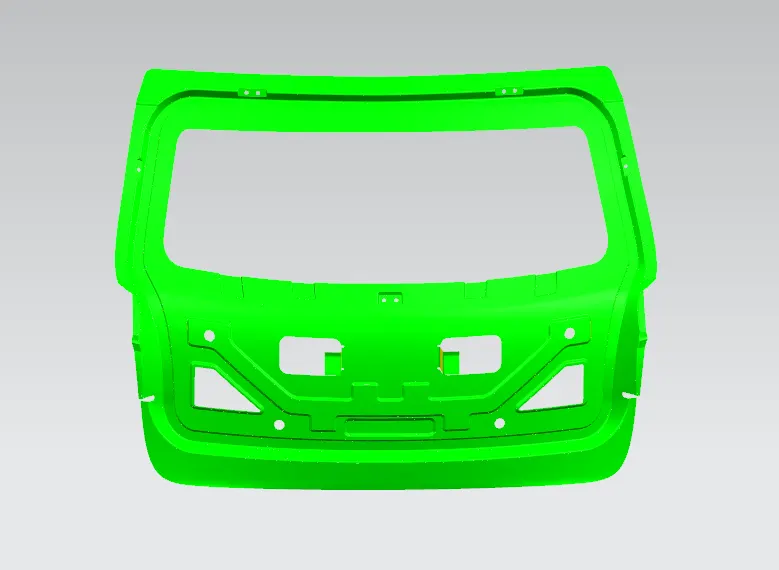
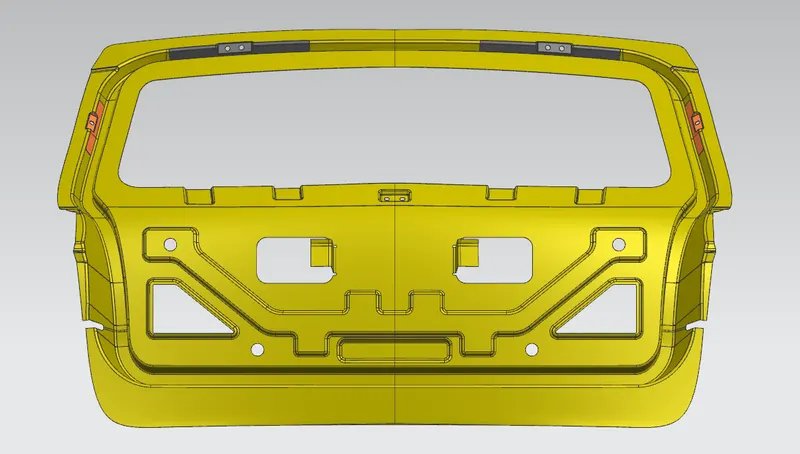
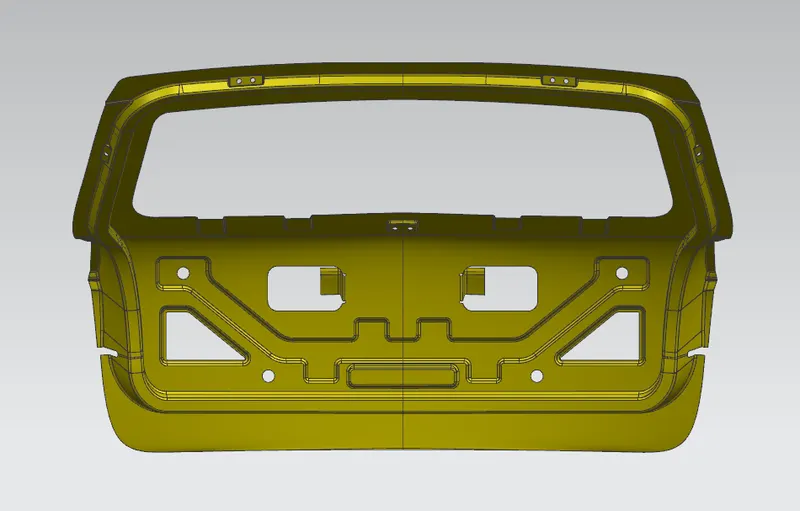
FINAL ASSEMBLY -
FRONT VIEW -
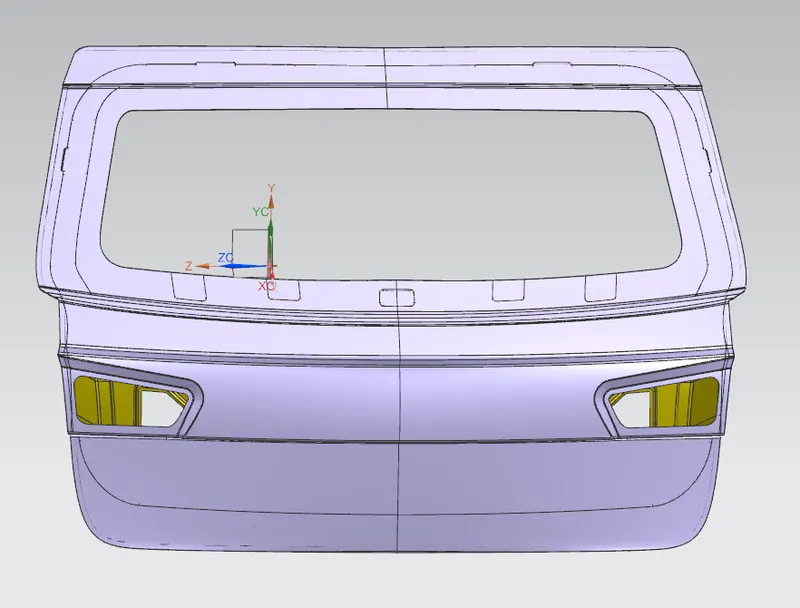
BACK VIEW
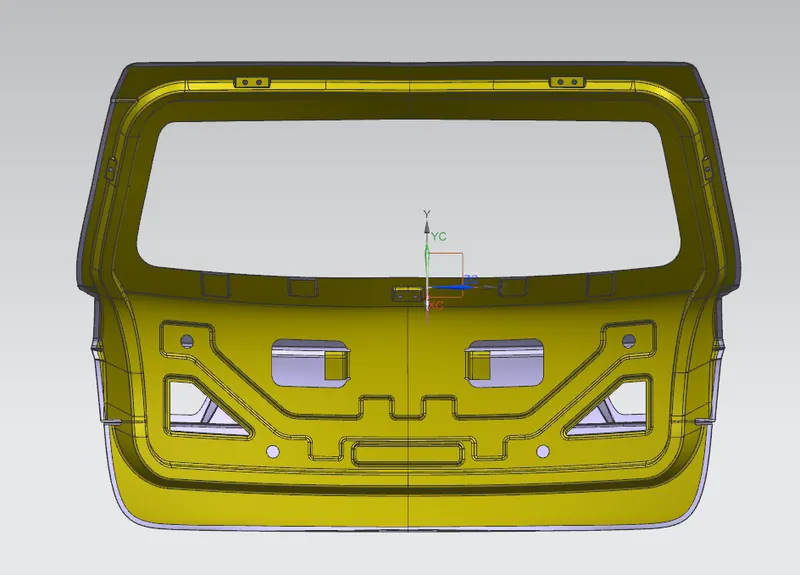
SIDE VIEW
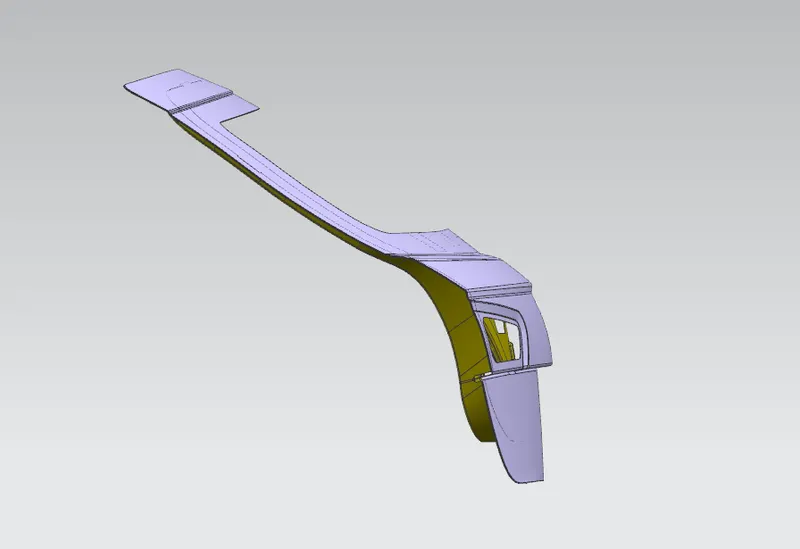
INNER PANEL VIEW
CONCLUSION -
The Back Door Assembly is made in NX-12, taking into account all of the possible design factors.