Design of backdoor
BACK DOOR DESIGN
Objective:
To develop the car backdoor (Tail gate) with reference of given styling surface to come up with a backdoor and using appropriate design methodologies and make the necessary reinforcements and emboss.
Backdoor:
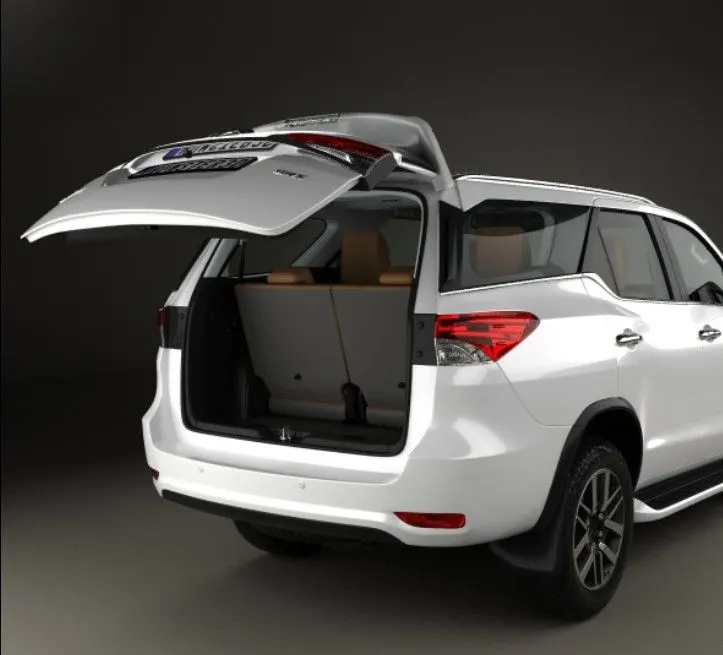
Backdoor is a part of the vehicle which is mounted on the rear side of the car. It helps in covering the luggage area with the help of sealant which keeps inside of the vehicle , air tight and prevents water to enter into the car. It is the region behind the last passenger seat, it has a striker mounting ,wiper mounting and hinge reinforcement to support the weight of the trunk when its open, the gas stay helps to open and close the back door.
Design consideration:
*Visibility criteria
*Latch and striker position
*Hinge position
*Gas stay position
*space availability
*Hemming and relief area
*Crash requirement
Components of Back door:
- Outer panel
- Inner panel
- Hinge reinforcement
- Gas stay reinforcement
- Wiper motor reinforcement
- Latch and striker reinforcement
1. Outer panel:
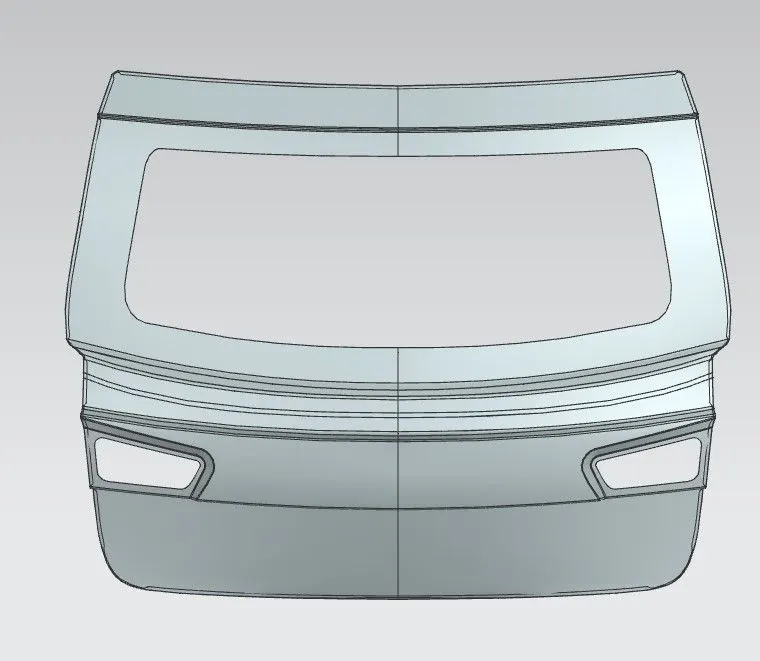
The Outer panel of the back door is similar to other BIW components where it is the aesthetic parts of a vehicle.The coating provide is of multi stage which has a property of scratch resistant, rust prevention, smooth and attractive finish.
2. Inner panel:
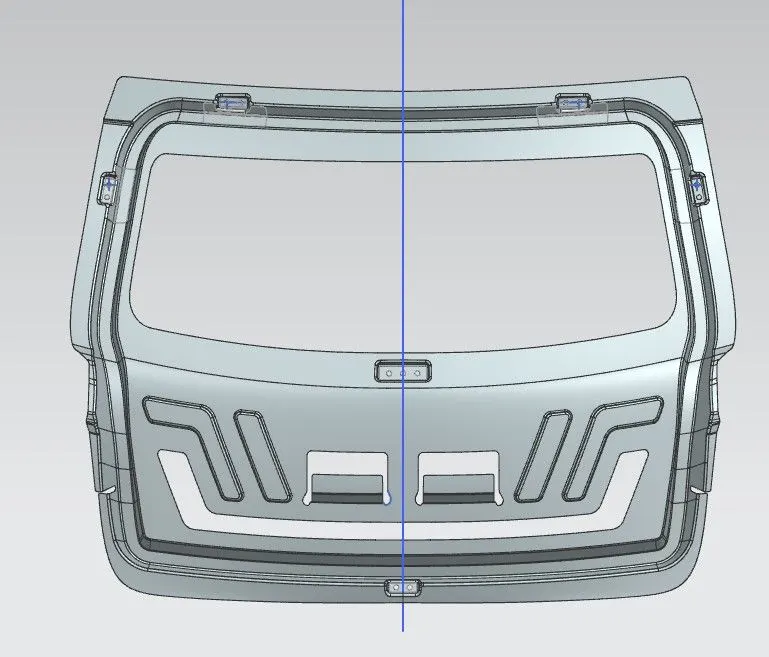
The inner panel is the most important component which is used for strengthening the back door and add the assembly components like latch, Gas stay channel, glass guide channel, Hinges.The inner panel is designed with embosses and flanges with respect to Tooling axis.Emboss helps stiffening the panel and act as a reinforcement while impact . And its thickness should be maintained at 0.75mm.
3. Hinge reinforcement:
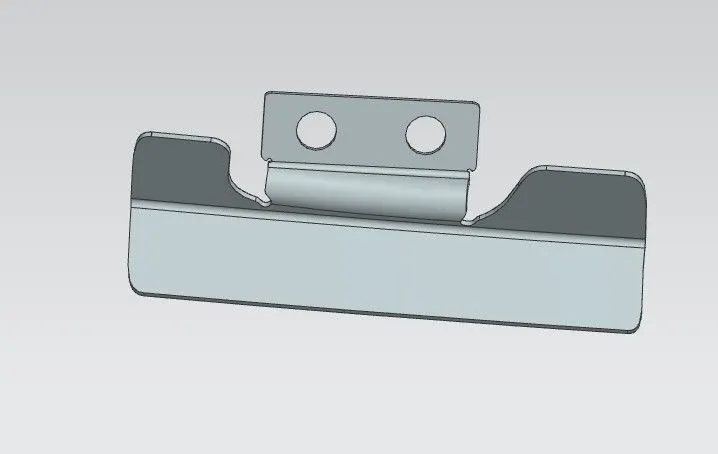
Hinges are used to support the entire assembly of Back door.Its thickness is maintained at 1mm to withstand the Back door.
4. Gas Stay reinforcement:
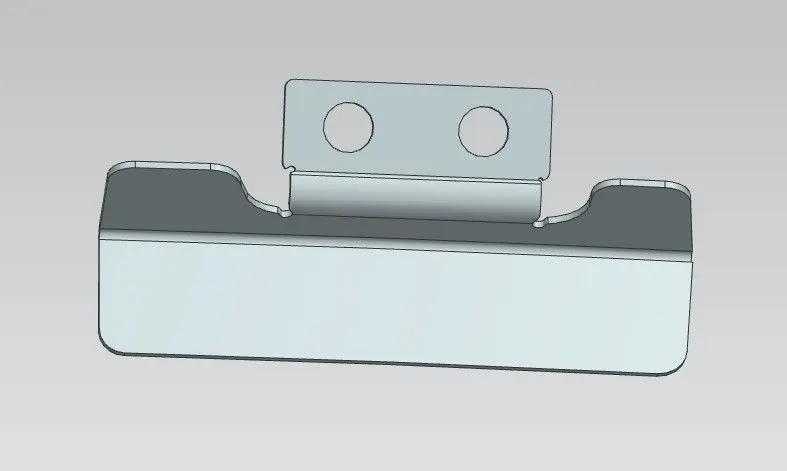
Gas stay
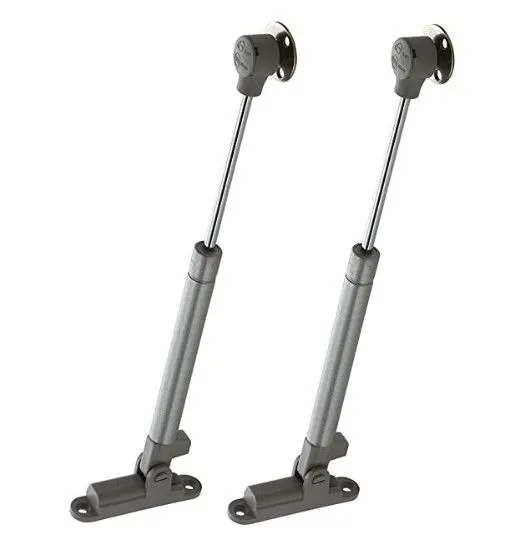
An angled emboss is provided with gas stay mounts The angle makes it easy to be machined and stamped.Its thickness is also 1mm.
5. Wiper motor reinforcement:
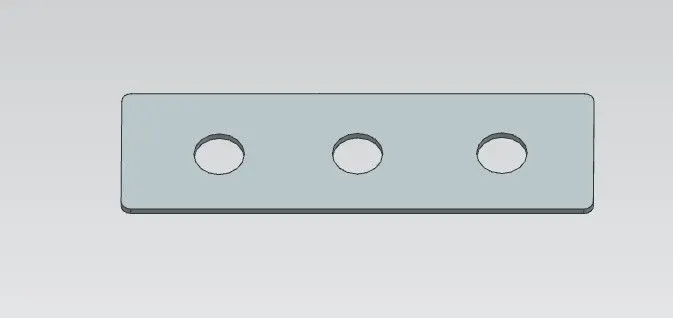
A dedicated space near the window is for wiper motor assembly. A cavity is placed preferably in the middle of the panel to accomodate all the necessary wiper motor components.
6.Latch and striker reinforcement:
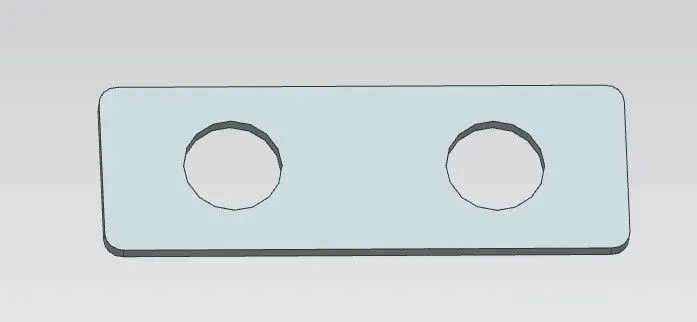
The latch and striker assembly placed at the bottom of the inner panel.It is key operated or remote locking mechanism is used for opening and closing the door.
Trajectory for latch and striker:
The radius between the hinge axis point and center of slot is used to trace the trajectory of the circle which can be used to locate the slot position of the latch and striker reinforcement.
Tooling axis:
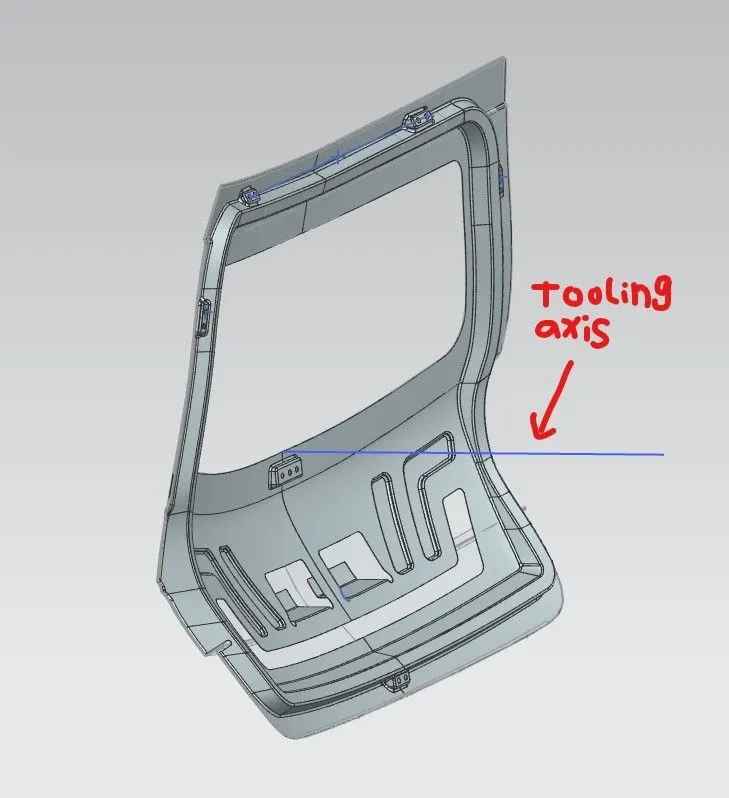
The direction in which the core and cavity open and closes is called tooling axis.It helps to easily eject the components and moulds.It is the reference vector to create the emboss,flanges and draft angles.It reduces the manufacturing cost by making tooling axis and create the deep drawing, component with reference to same axis.
Draft analysis:
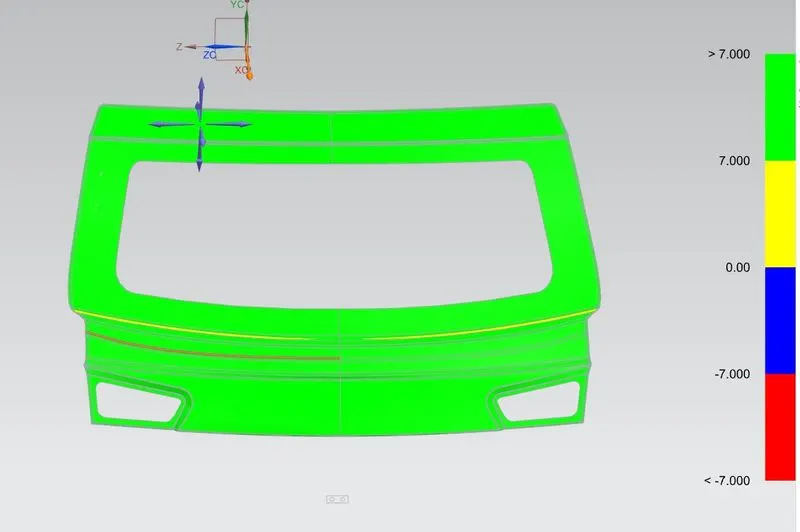
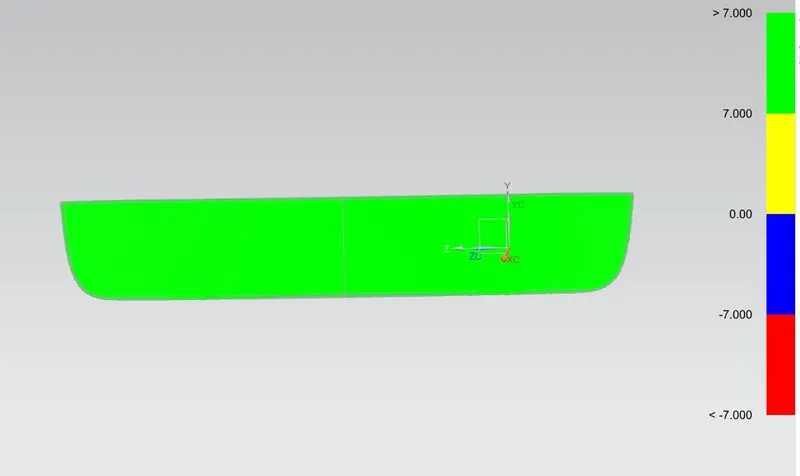
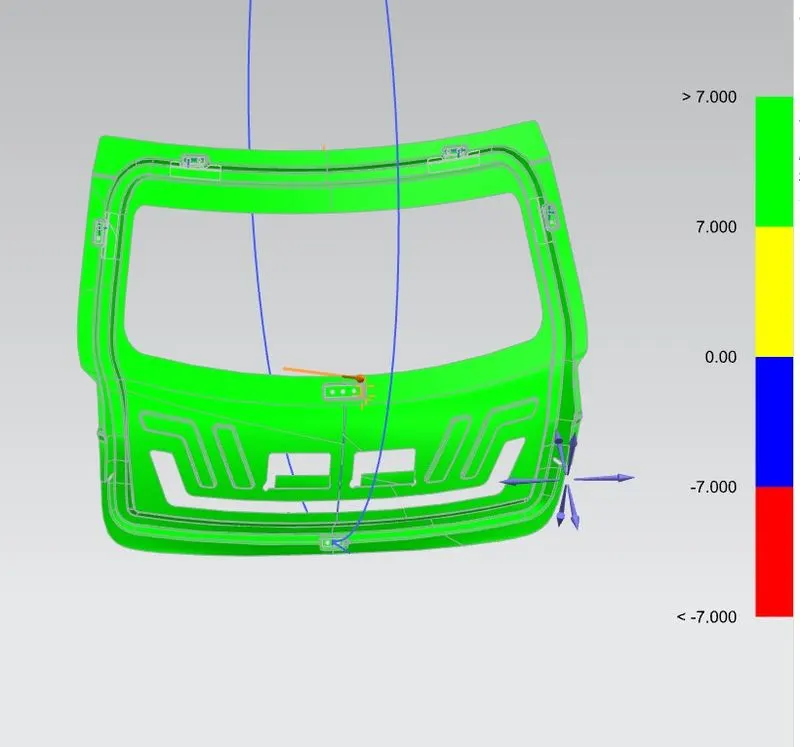
The draft analysis is used to analyze the component for proper draft angle.A draft angle describes the amount of taper for mold and cast parts perpendicular to parting line.As per the sheetmetal design the draft angle should be maintained minimum 7 degree for ejection of the part from the mould.In this,draft analysis is carried out in outer panel upper and lower, inner panel.
Force distribution:
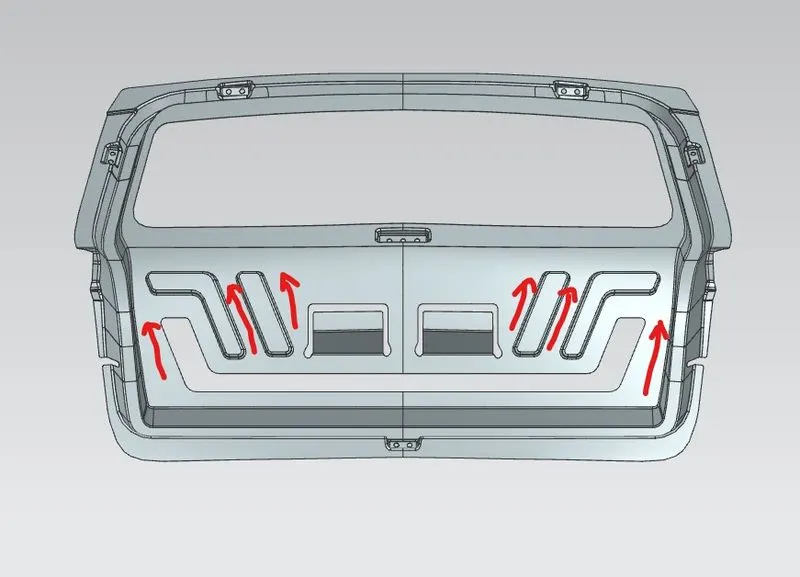
When a car gets impact at the rear end, the forces should be act towards outward direction to reduces damage of the luggage area or rear seats.
Hemming:
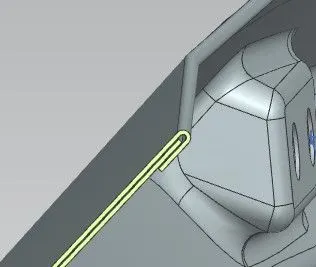
Hemming is used to connect the two different sheetmetal by using roller bending process.
Corner relief:
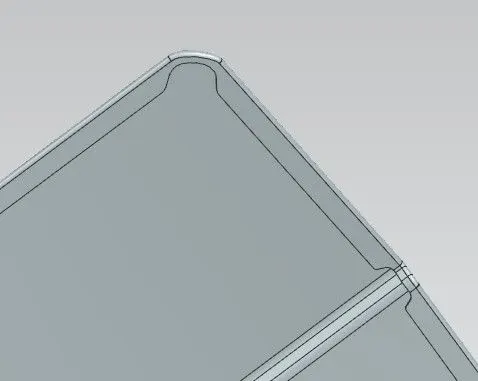
Corner relief is used to prevent the sheetmetal deformation during hemming process. In this,the sheet metal is removed at the corners and bends by using cutting process maintaining 3mm length at the corner edge.
Conclusion:
The sheetmetal design principles are taken into consideration while designing the back door assembly.