Challenge on Combustion
AIM:-
- To perform a combustion simulation on the combustor model and plot the variation of the mass fraction of the different species.
- To plot contours and line plots for CO2, H2O, CH4, N2, O2, NOx emissions & Soot formation
- To add the water content in the fuel from 5% to 30% by mole and observe the effect of it on the results.
FLUENT SIMULATION AND EXLANANTION:-
To move an airplane through the air, we must use a propulson system to generate thrust. Different types of aircraft use different types of propulsion devices but all aircraft rely on some type of engine to generate power. All the engines depend upon the burning of fuel to produce power. Burning a fuel is called "Combustion".
Combustonis a chemical process in which a substance reacts rapidly with oxygen and gives off heat. The original substance is called fuel, the source of oxygen is called the oxidizerIn this project we are going to use metane (CH4) as fuel and oxidizer will be oxygen from air. We are going to use Eddy dissipation model where begining of the ignition is calculated using the turbulent time scale when the turbulence is started ignition will start. this type of mixing model is called a Turbulence Chemistry Interaction(TCI) model.
Geometry:-
I have used a geometry which is mentioned below,
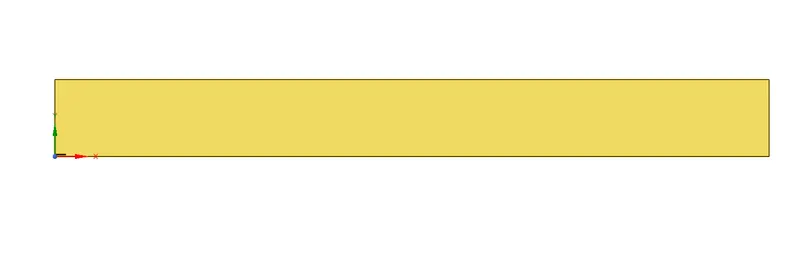
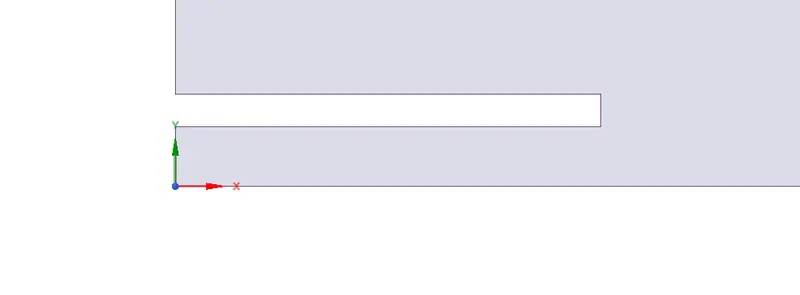
At the lower left we have created a slot to differentiate the flow for air and fuel.
Meshing:-
Meshing details are mentioned below
Proximity and Curvature is on to refine the mesh below at the inlets.
Element size is 1mm
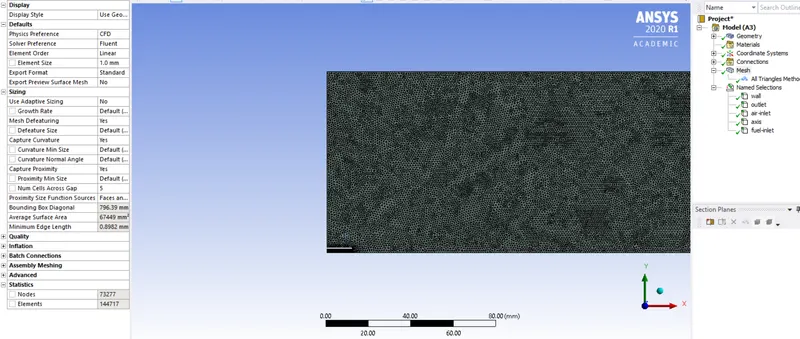
After meshing we have to give named section as follows
1. Wall
2. Fuel inlet
3. Air inlet
4. Axis
5. Outlet
Fluent Setup:-
Ihave used Pressure based, absolute velocity, Staedy state and axisymmetric approach as we are interested in the final output of the simulation.
We are using Standard K-epsilon Standard viscous model as the flow is going to be turbulent
energy is turned on as we are delaing with temperature.
As we are dealing with combustion we are going to get some species and reaction
so we have to add the species.
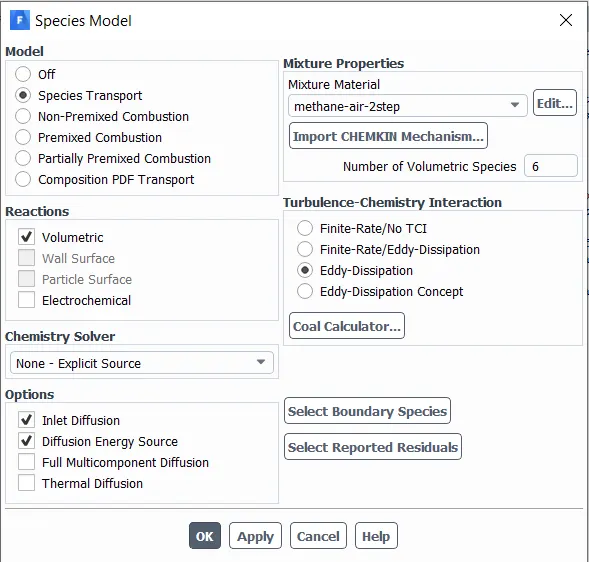
Model----> species transport
Reactions----> volumetric
Inlet diffusion and Diffusion energy source is on
We are using Eddy-Dissipation here and methane-air 2step so that we can add H2O in the fuel
Note:- here the fuelis methane (CH4)
Boundary condition:-
Air inlet:-
velocity:-0.5m/s, temp:-300k and species only O2 is active in the Air.
Fuel inlet:-
Velocity:-80m/s, temp:-300k and species - CH4:-1, H2O:-0
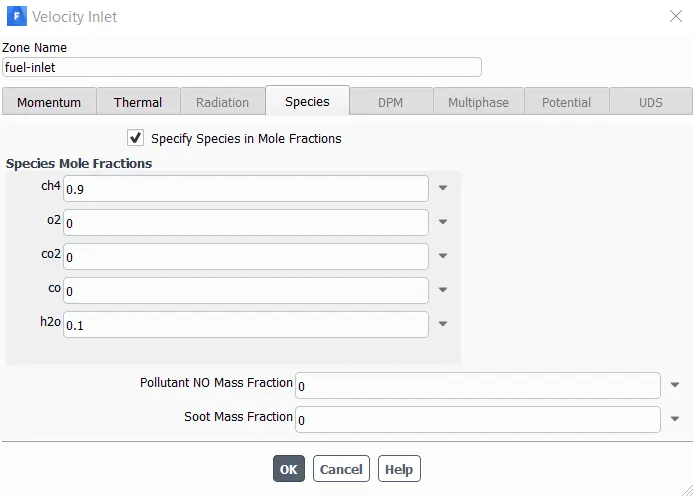
Note:- As we increase the H2O level from 5% to 30%, we have to make sure that the total percentage should not increse 100%(Fuel+water=100 or 0.9+0.1=1)
For example for 5% of H2O
We consider CH4:-0.95 and H2o:-0.05. So that the total becomes 1.
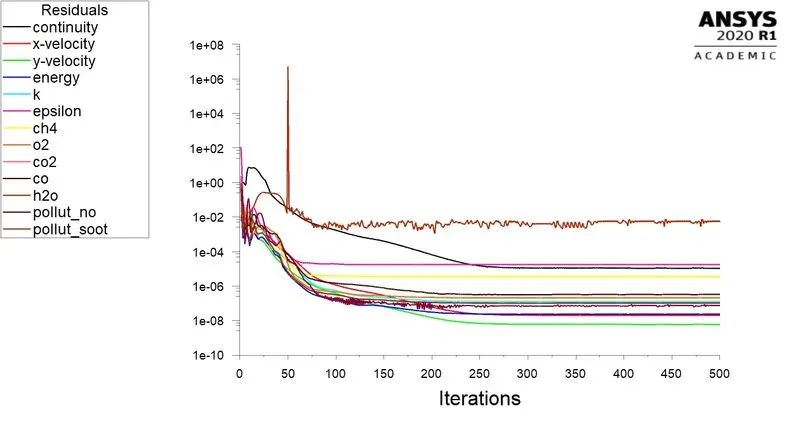
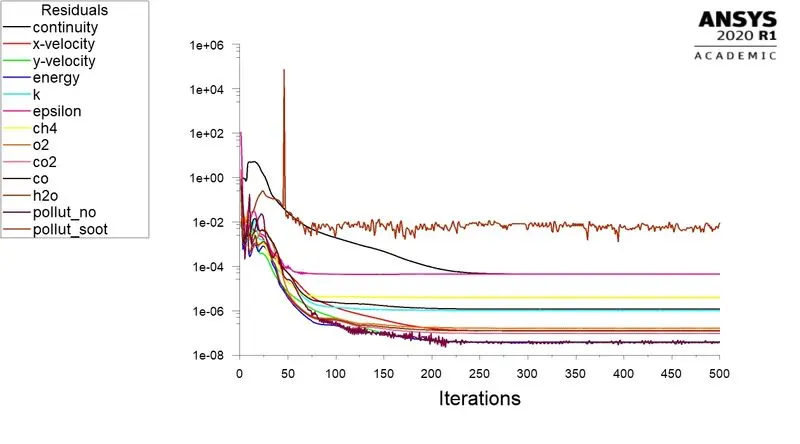
The next step is to iterate, I am using Hybrid initialization with 500 iteration of each simulation.
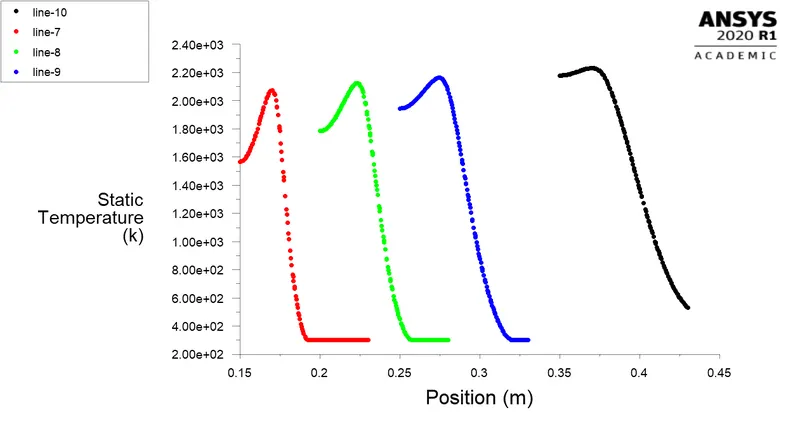
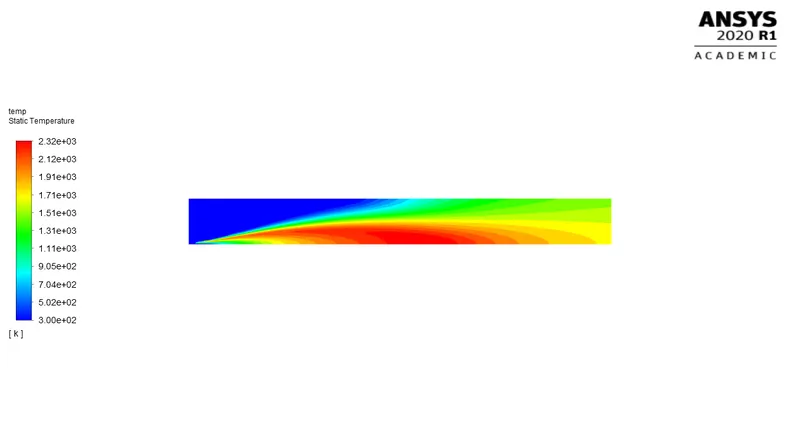
Lines were created for line plots and necessary contour were created to check the reactions.
RESULTS:-
H2O ADDED 0%:-
RESIDUALS
TEMPEARATURE LINE PLOT
TEPERATURE CONTOUR
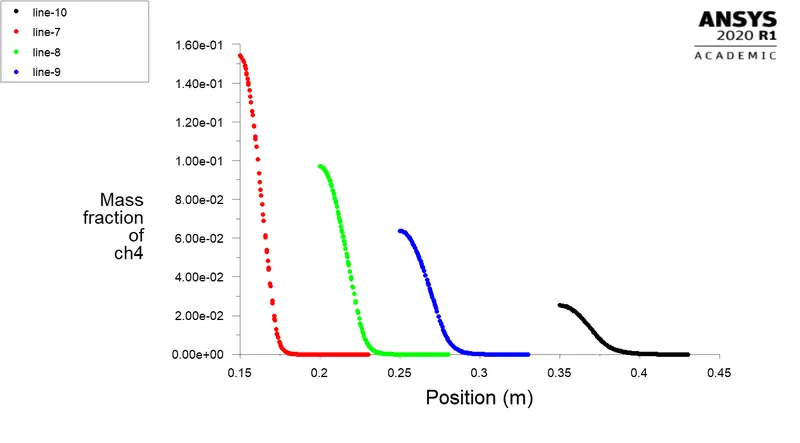
CH4 LINE PLOT
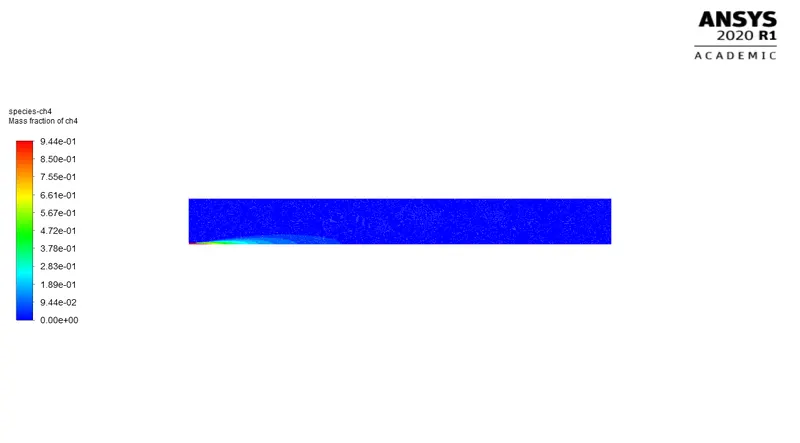
CH4 CONTOUR
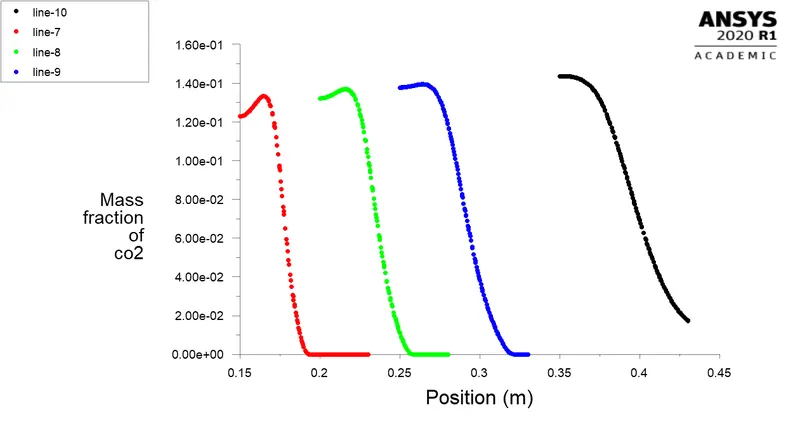
CO2 LINE PLOT
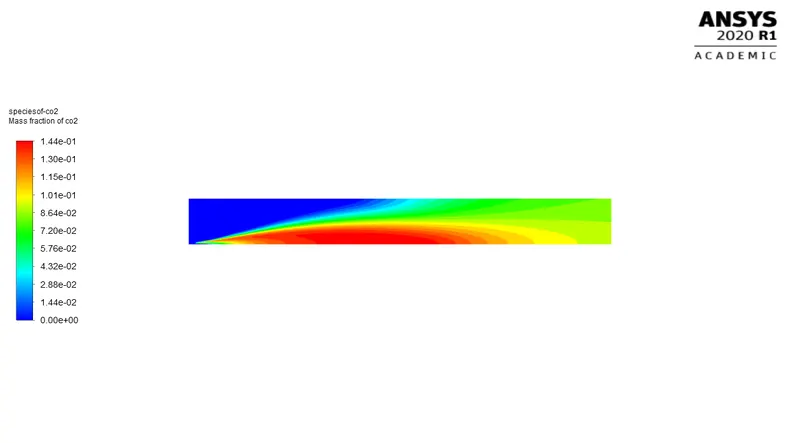
CO2 CONTOUR
H2O LINE PLOT
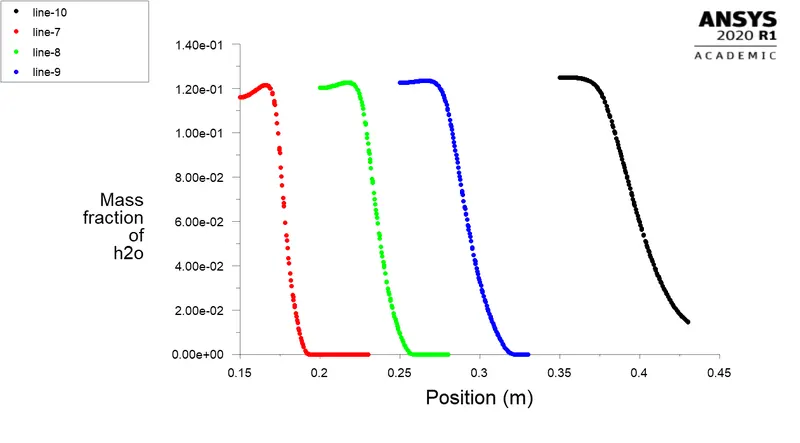
H2O CONTOUR
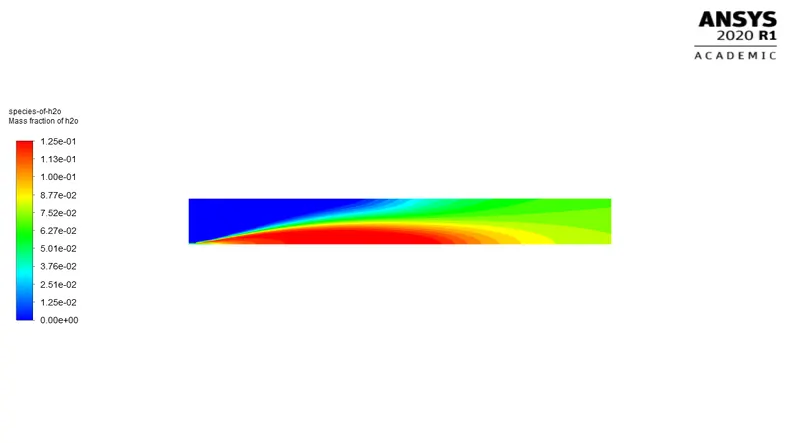
N2 LINE PLOT
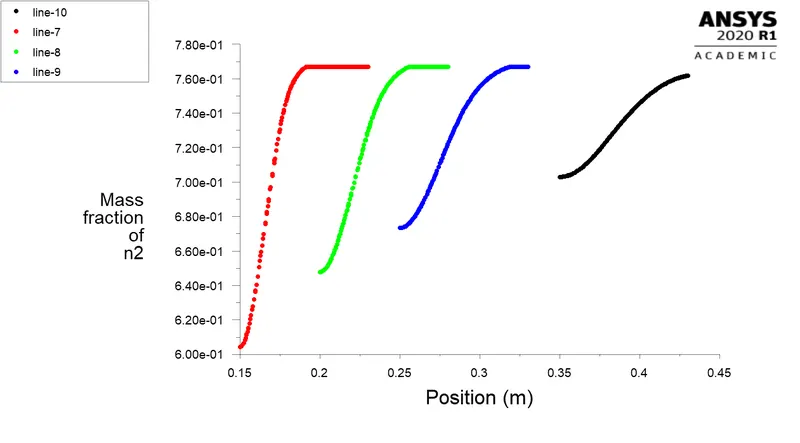
N2 CONTOUR
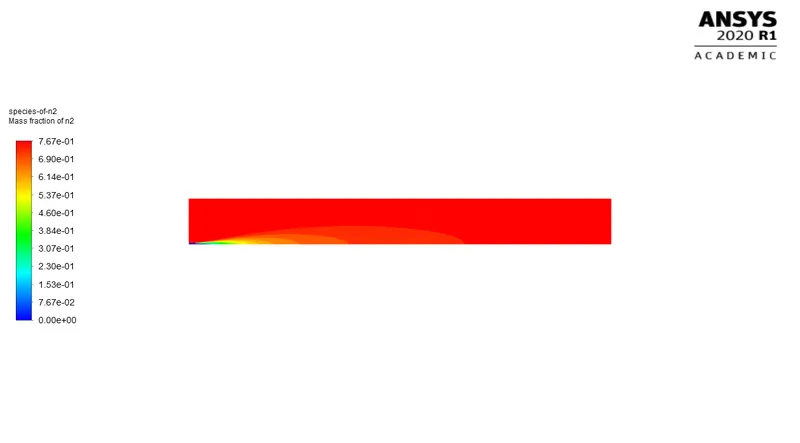
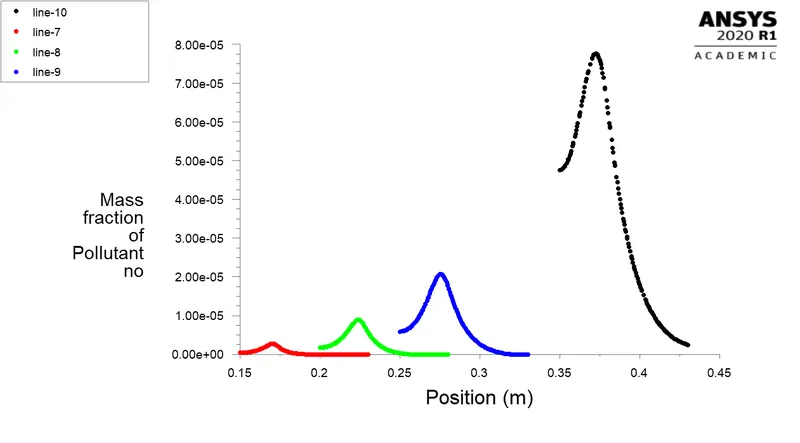
NOX LINE PLOT
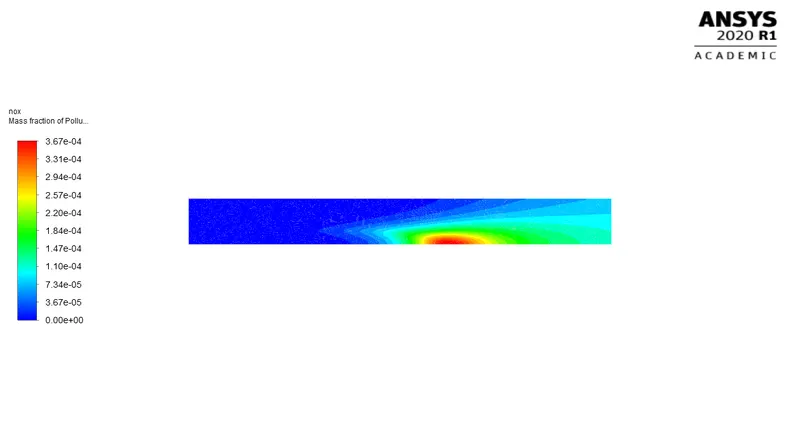
NOX CONTOUR
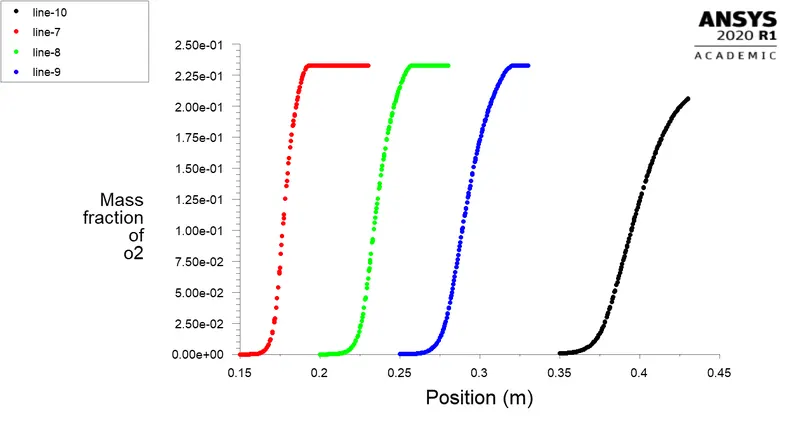
O2 LINE PLOT
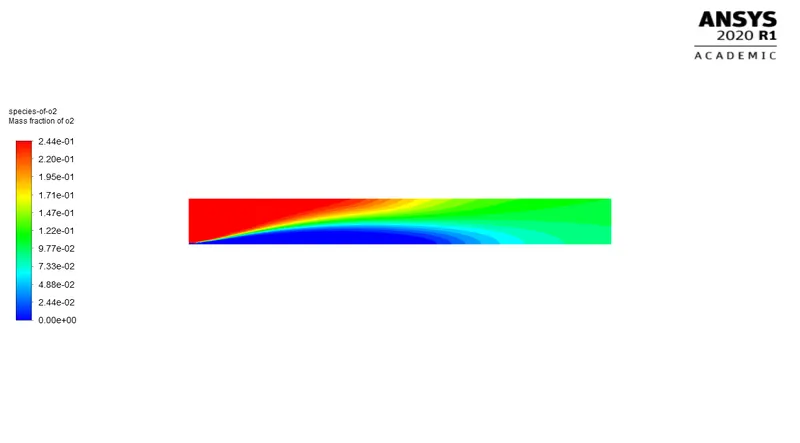
O2 CONTOUR
SOOT LINE PLOT
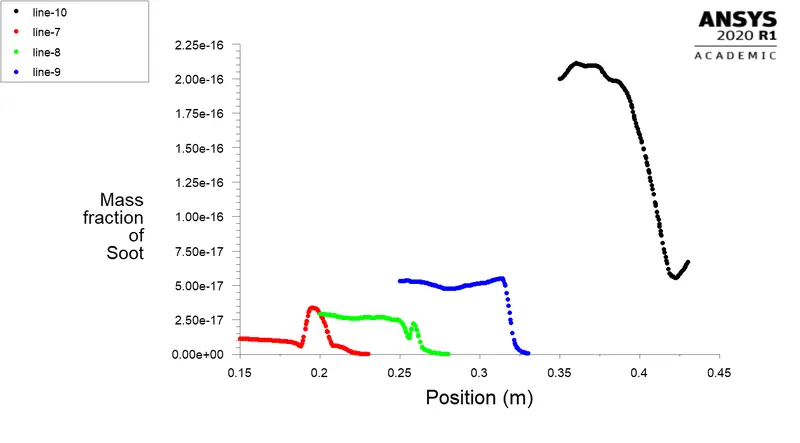
SOOT CONTOUR
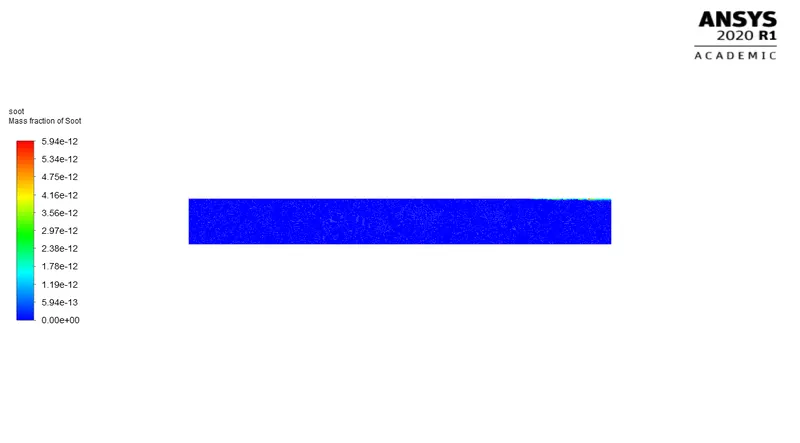
SOOT AND NOX VALUES

H2O ADDED 0.05%:-
RESIDUALS
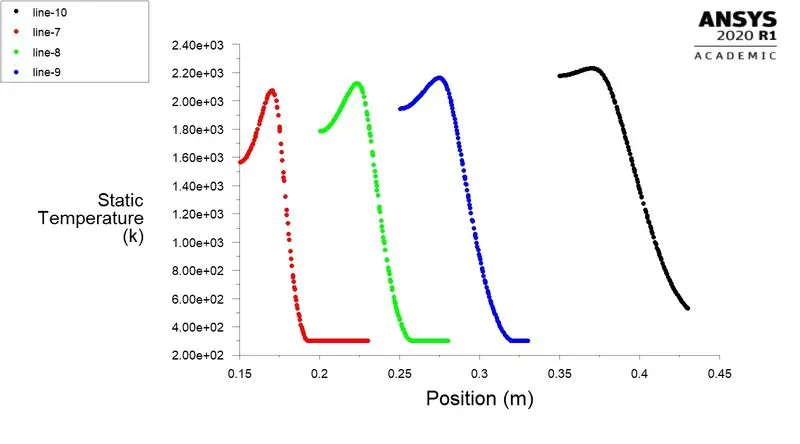
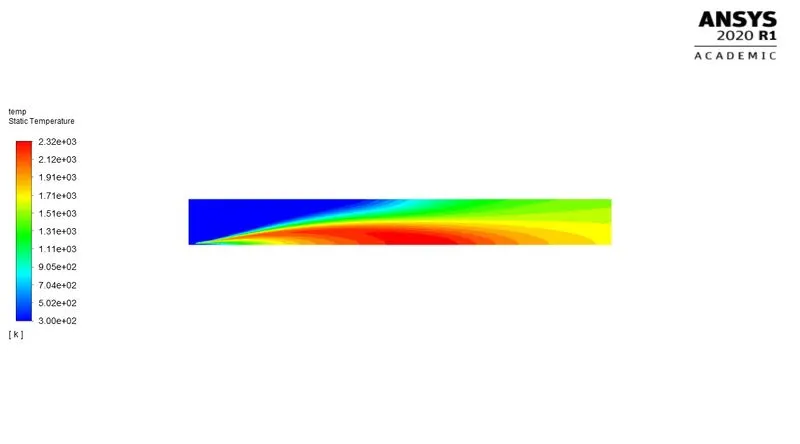
TEMPEARATURE LINE PLOT
TEPERATURE CONTOUR
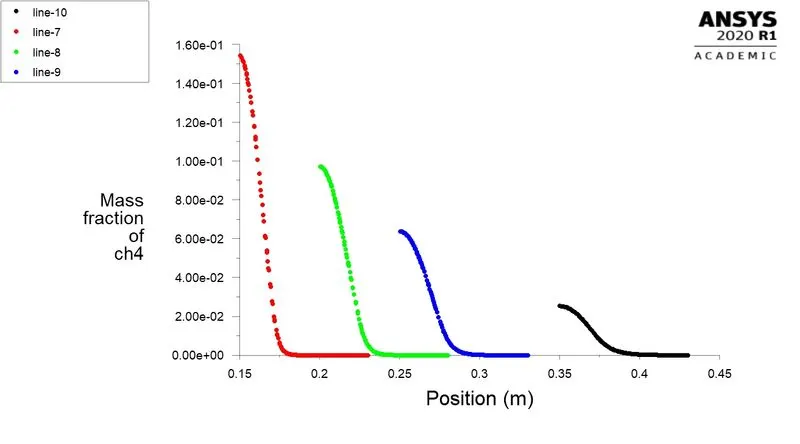
CH4 LINE PLOT
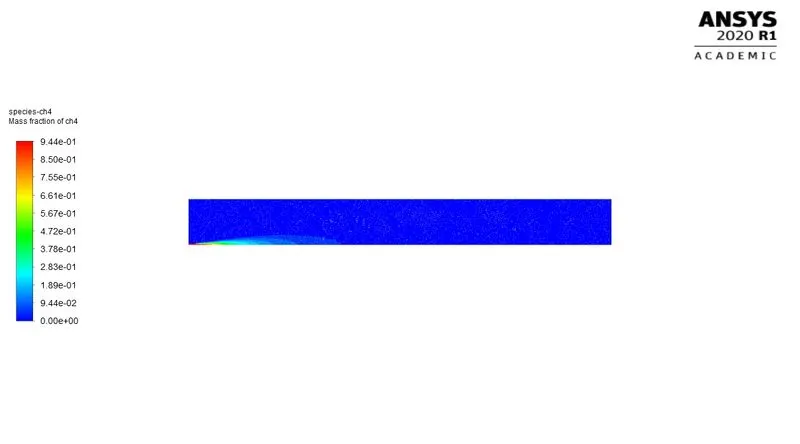
CH4 CONTOUR
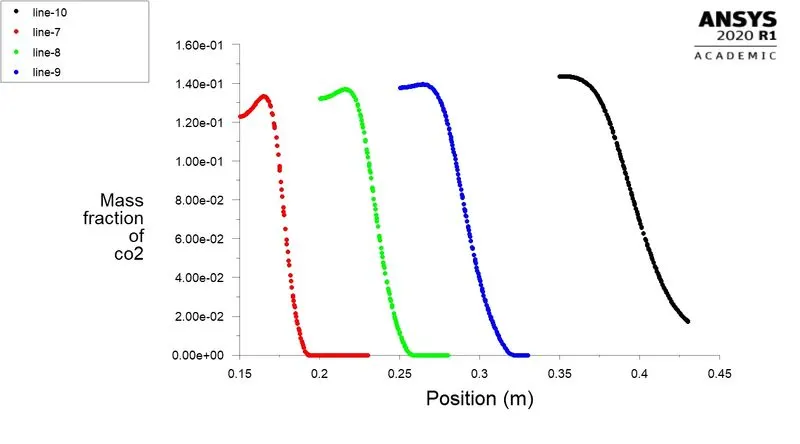
CO2 LINE PLOT
CO2 CONTOUR
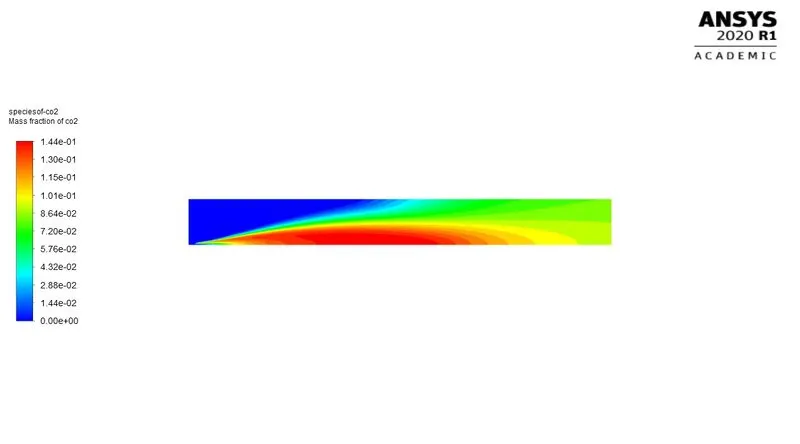
H2O LINE PLOT
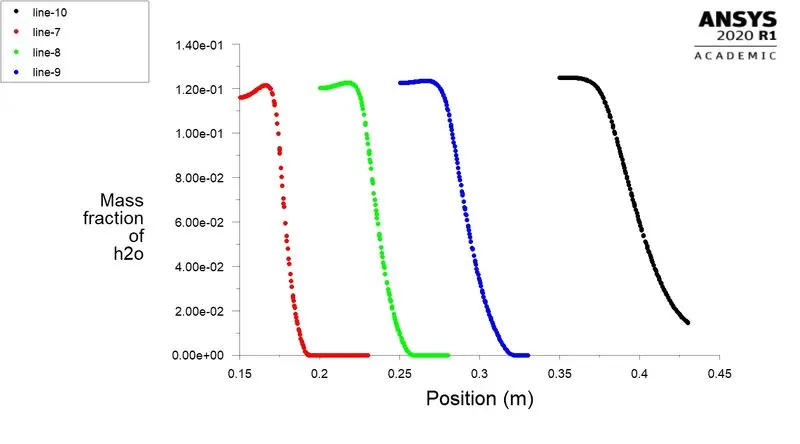
H2O CONTOUR
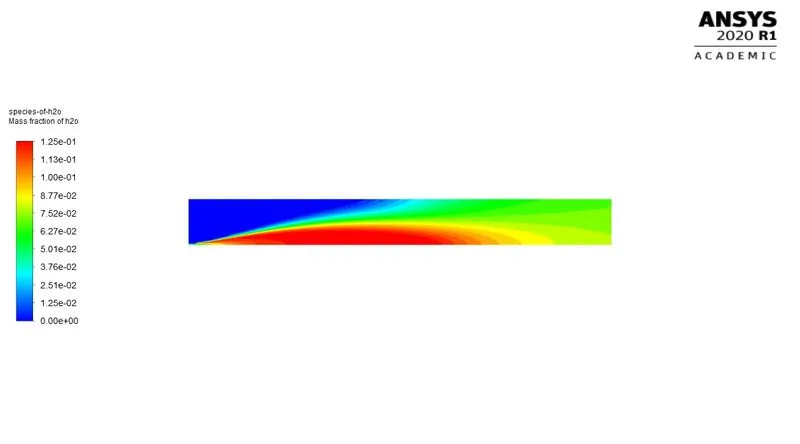
N2 LINE PLOT
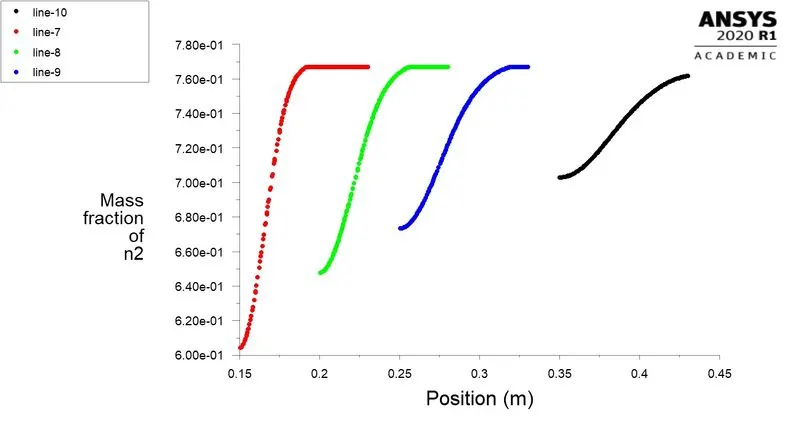
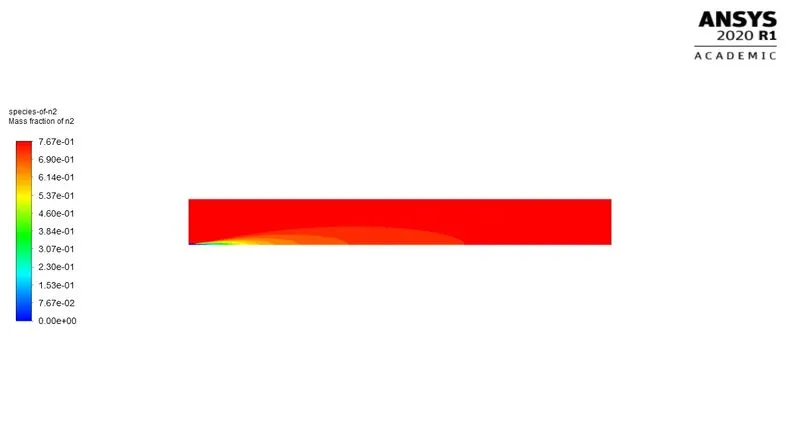
N2 CONTOUR
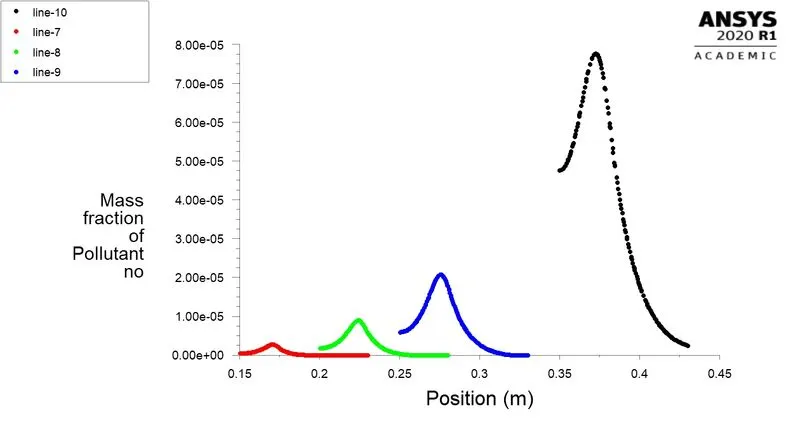
NOX LINE PLOT
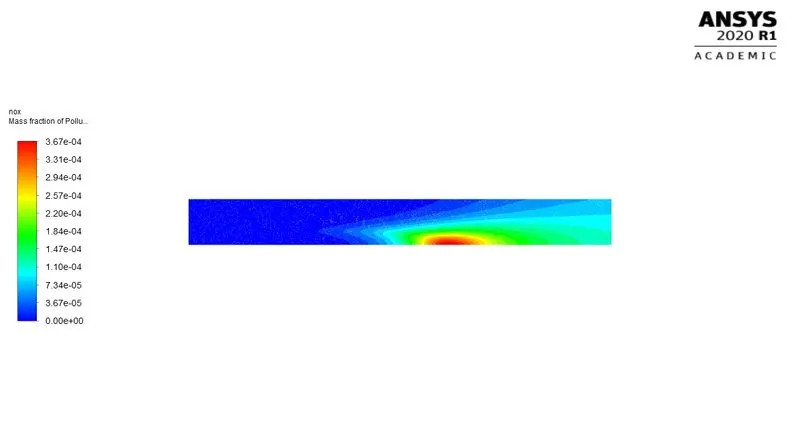
NOX CONTOUR
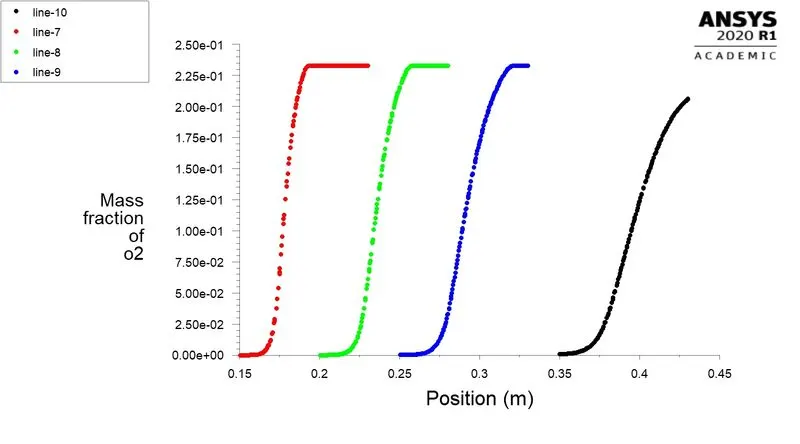
O2 LINE PLOT
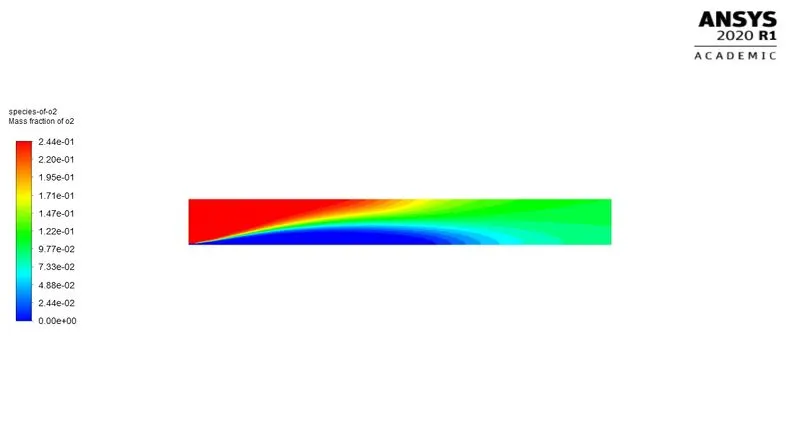
O2 CONTOUR
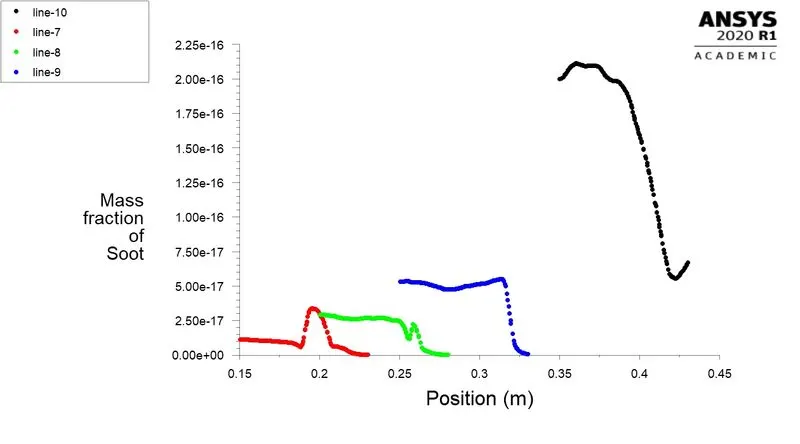
SOOT LINE PLOT
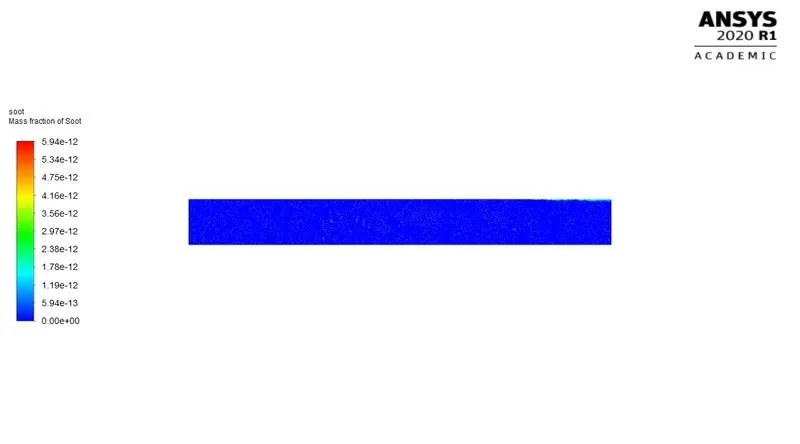
SOOT CONTOUR
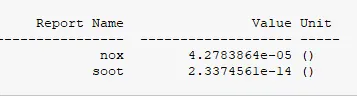
SOOT AND NOX VALUES
H2O ADDED 0.1%:-
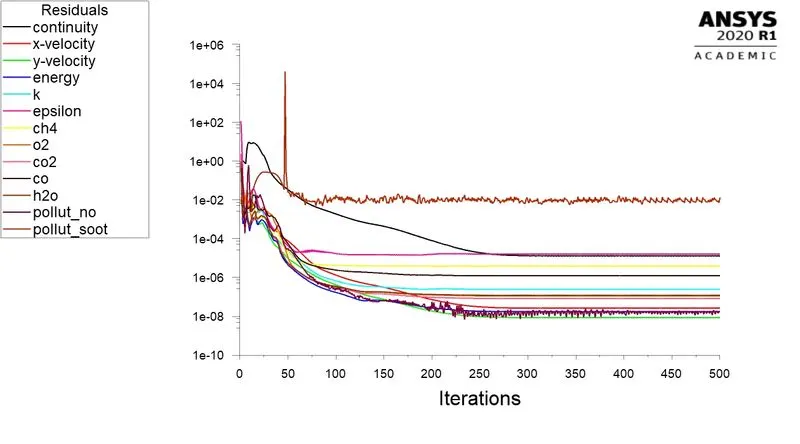
RESIDUALS
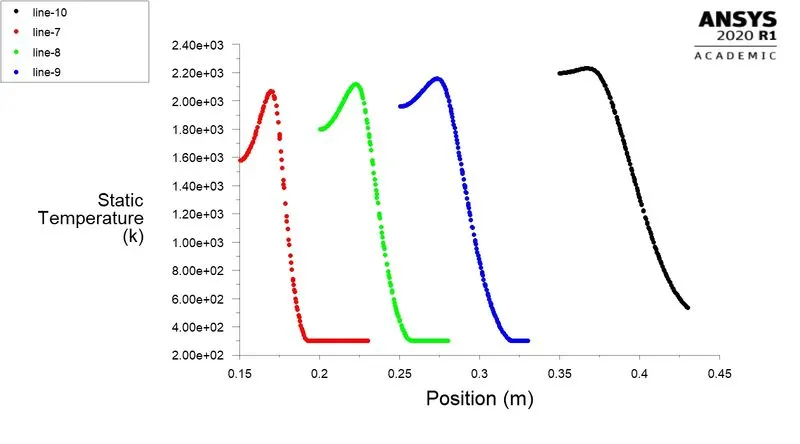
TEMPEARATURE LINE PLOT
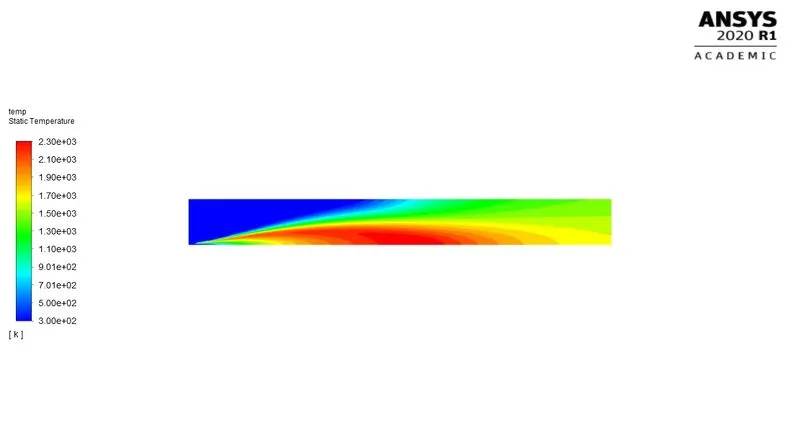
TEPERATURE CONTOUR
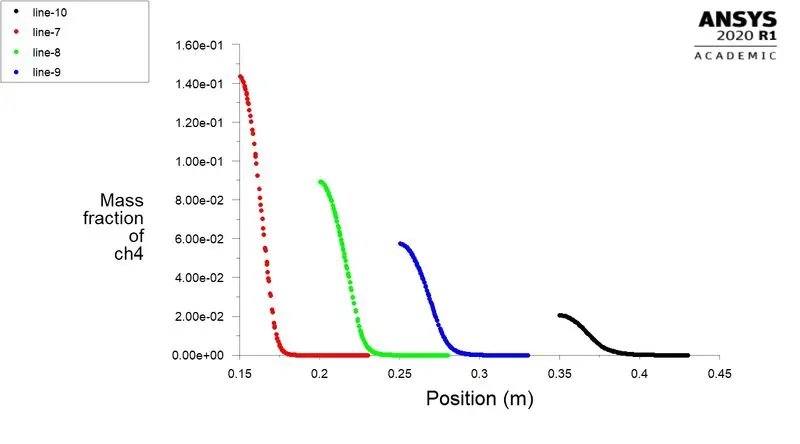
CH4 LINE PLOT
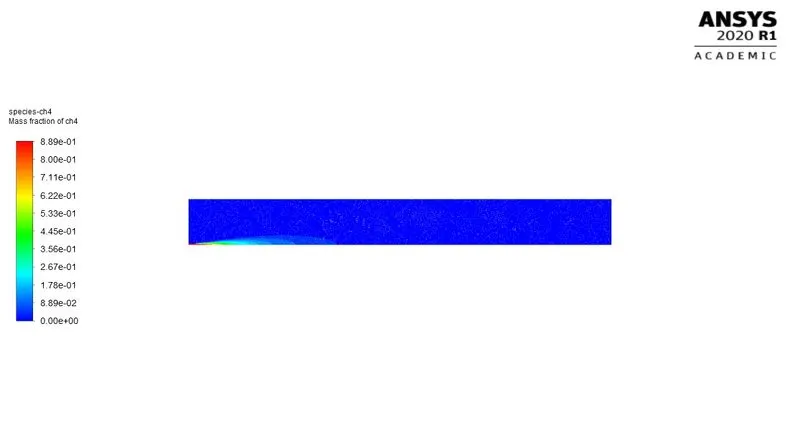
CH4 CONTOUR
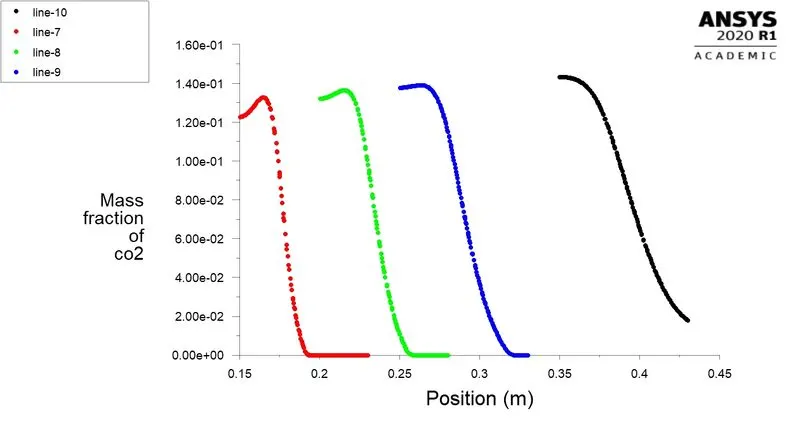
CO2 LINE PLOT
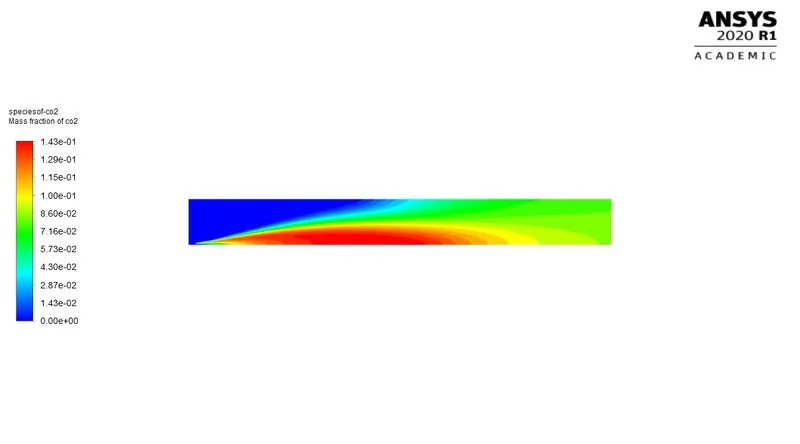
CO2 CONTOUR
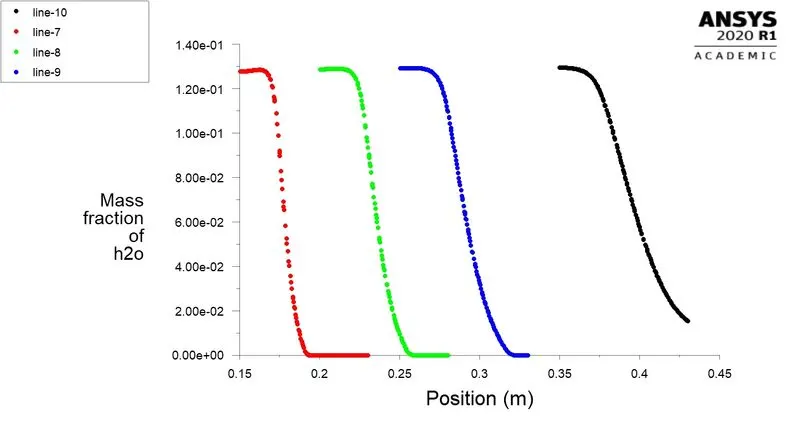
H2O LINE PLOT
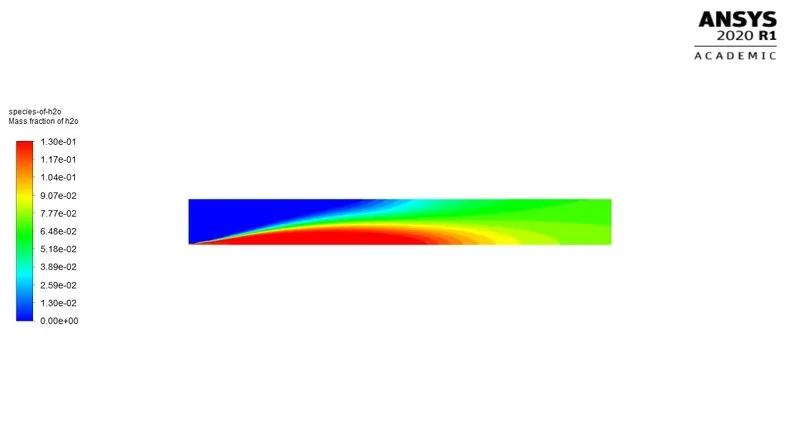
H2O CONTOUR
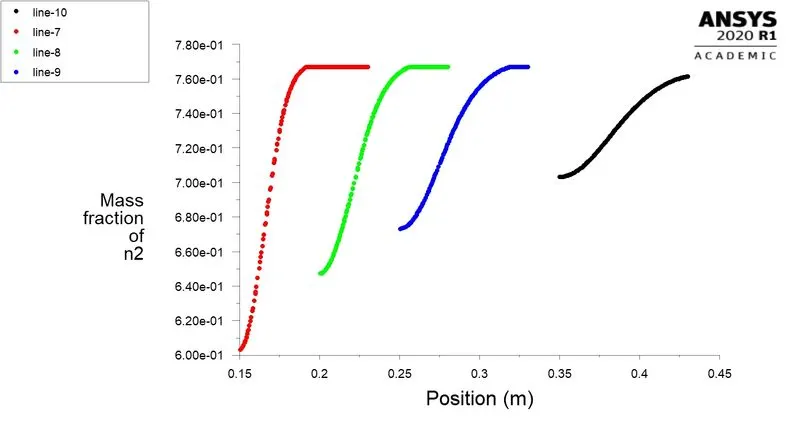
N2 LINE PLOT
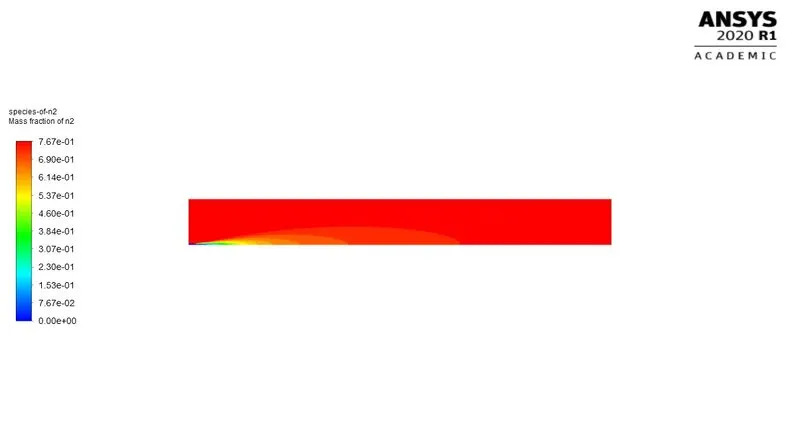
N2 CONTOUR
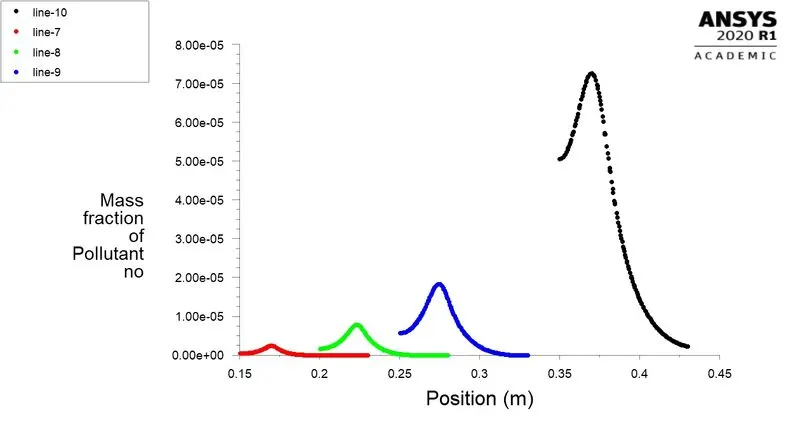
NOX LINE PLOT
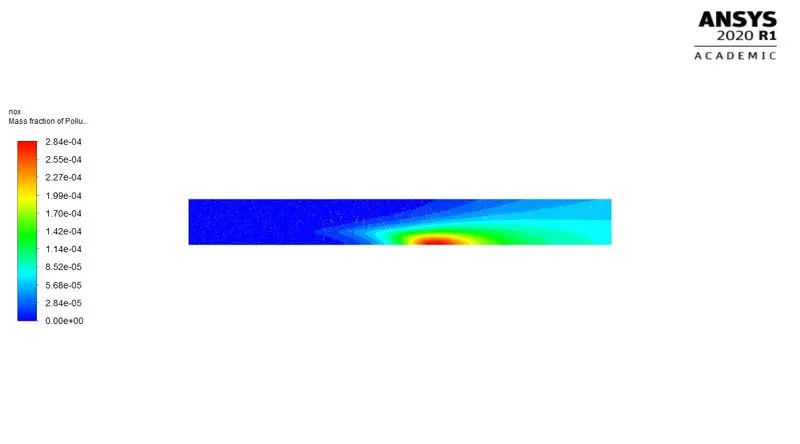
NOX CONTOUR
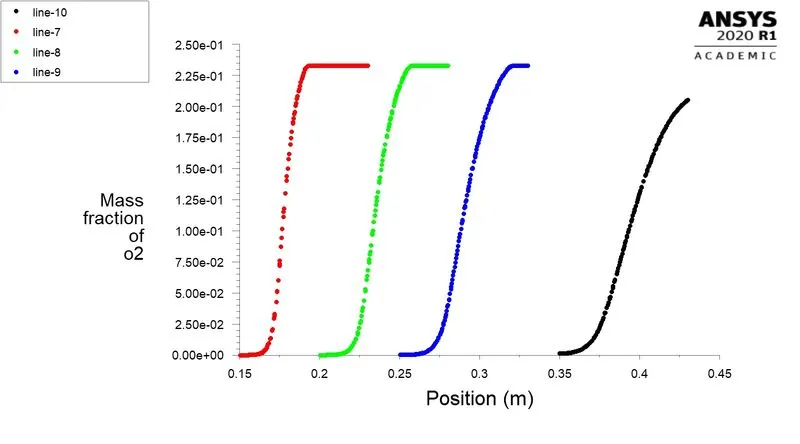
O2 LINE PLOT
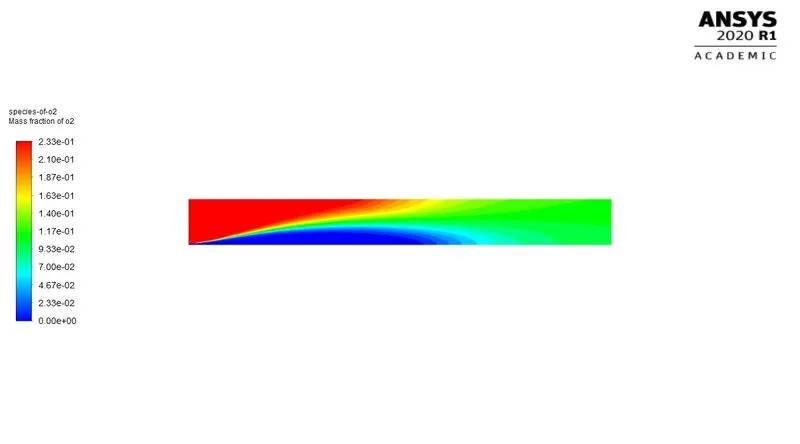
O2 CONTOUR
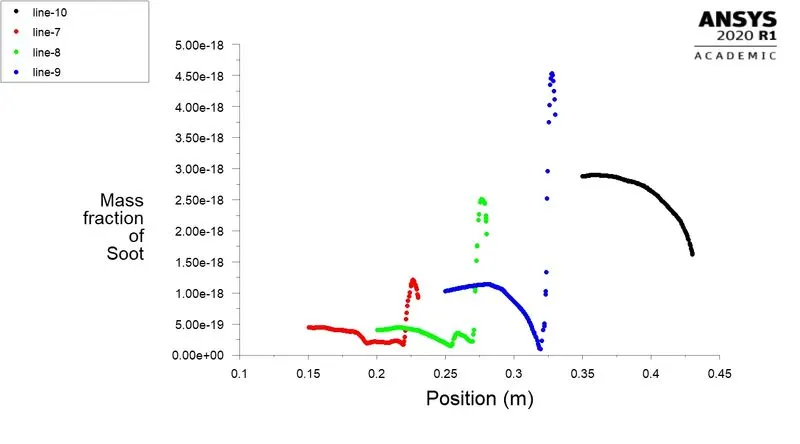
SOOT LINE PLOT
SOOT CONTOUR
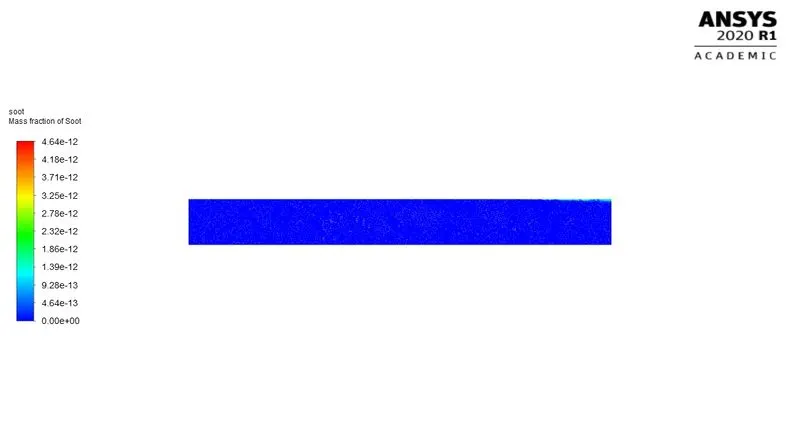
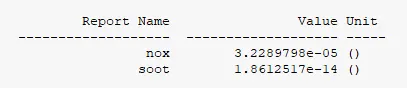
SOOT AND NOX VALUES
H2O ADDED 0.2%:-
RESIDUALS
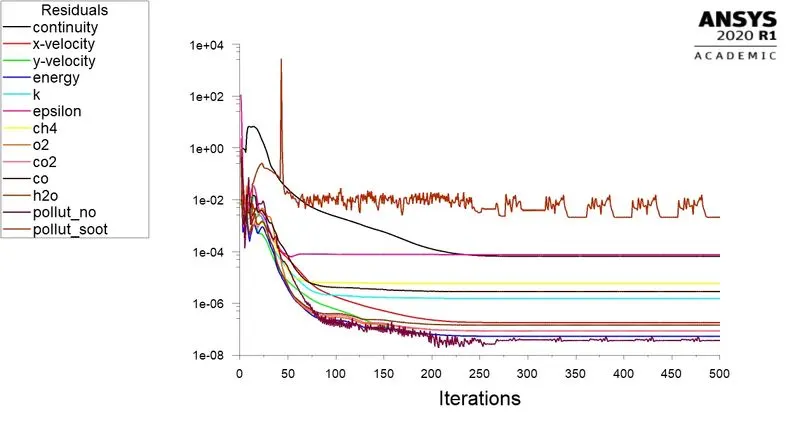
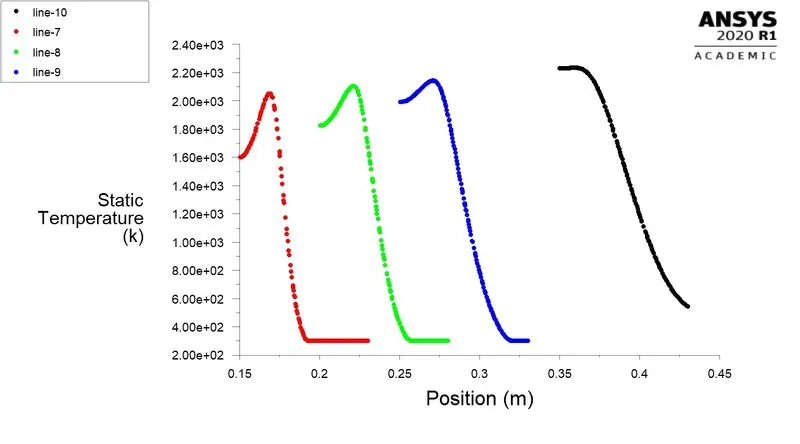
TEMPEARATURE LINE PLOT
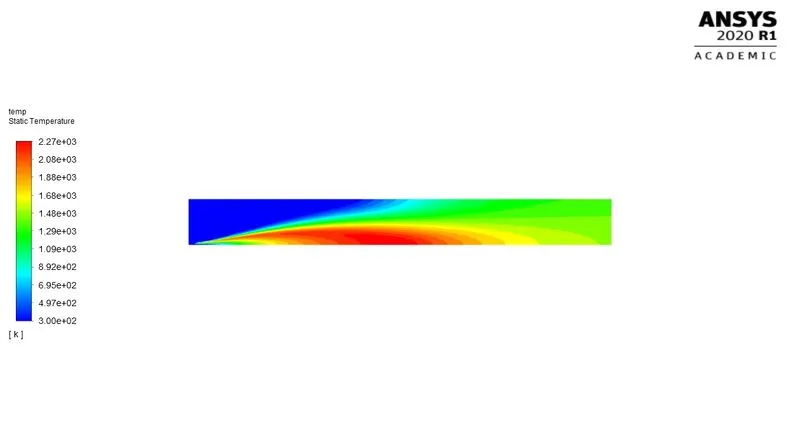
TEPERATURE CONTOUR
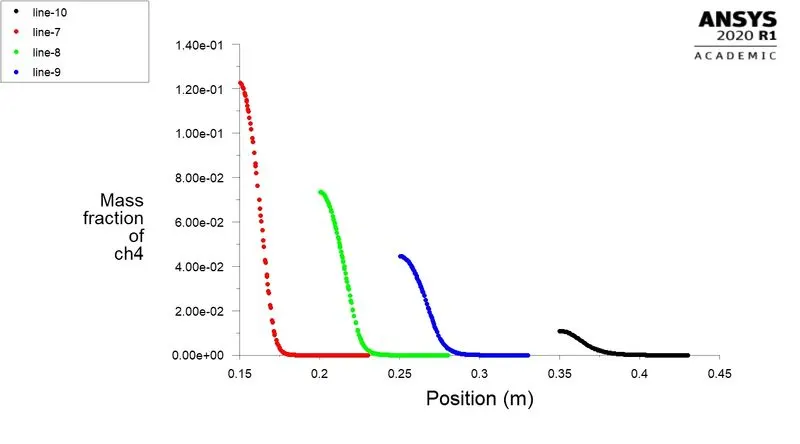
CH4 LINE PLOT
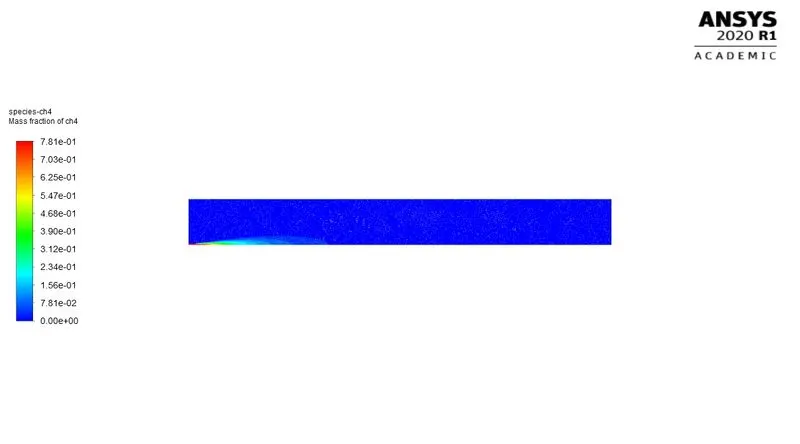
CH4 CONTOUR
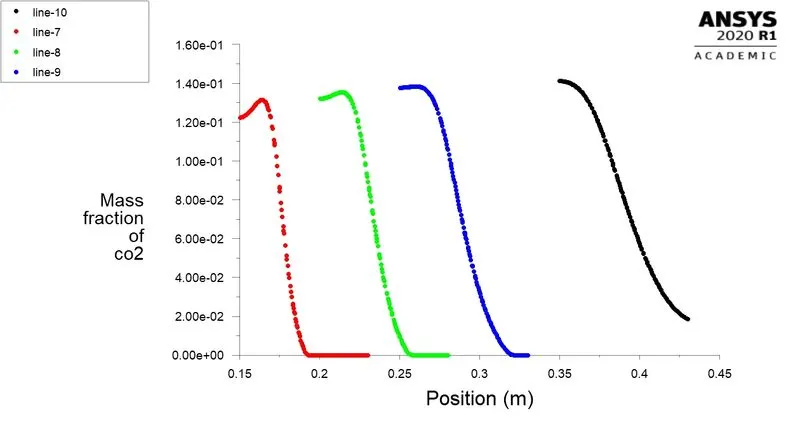
CO2 LINE PLOT
CO2 CONTOUR
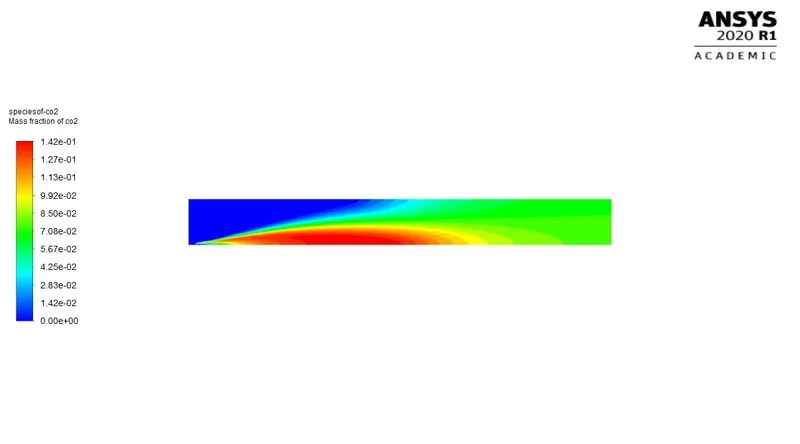
H2O LINE PLOT
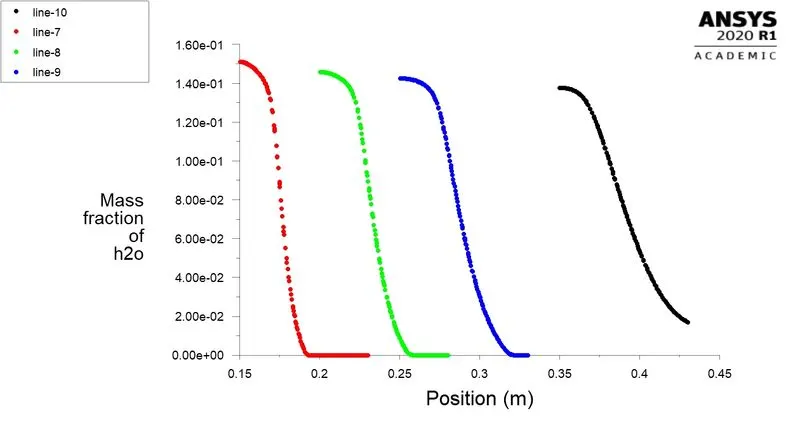
H2O CONTOUR
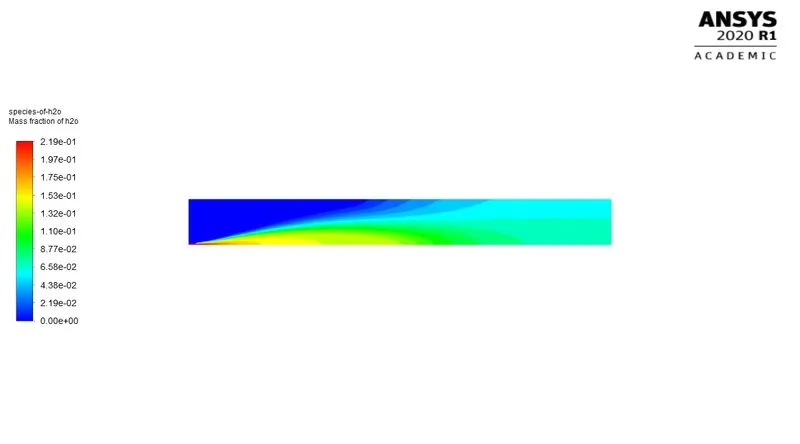
N2 LINE PLOT
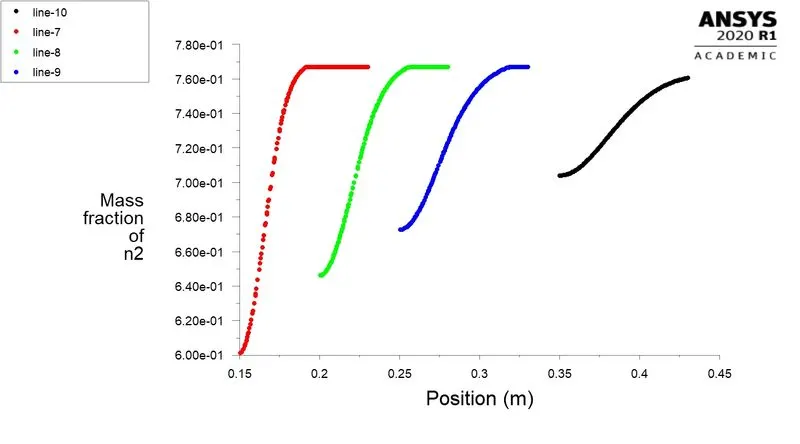
N2 CONTOUR
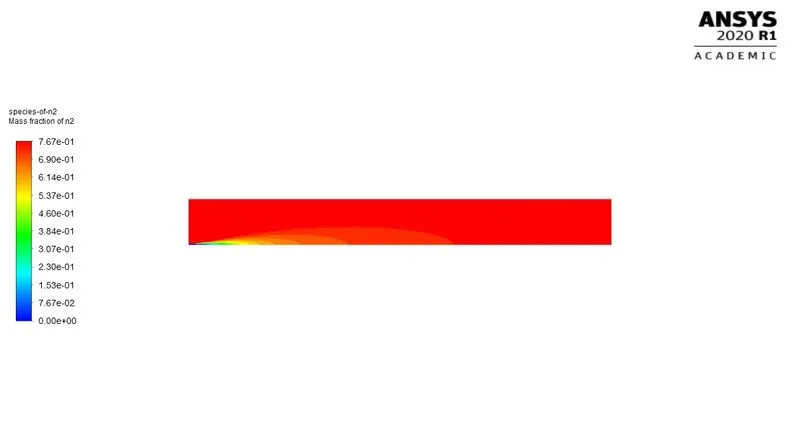
NOX LINE PLOT
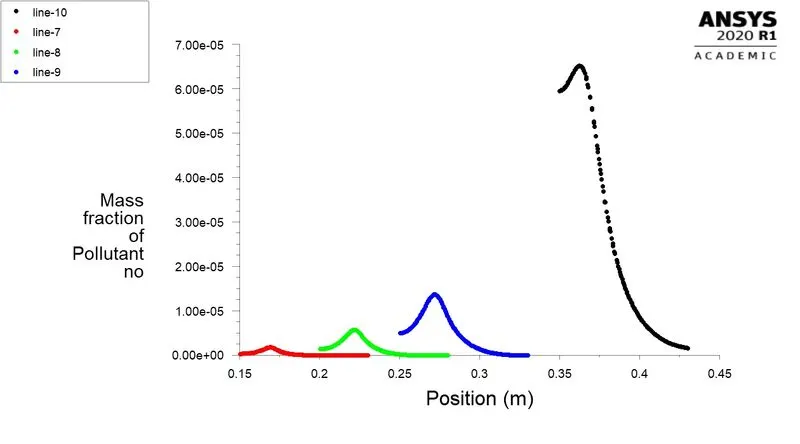
NOX CONTOUR
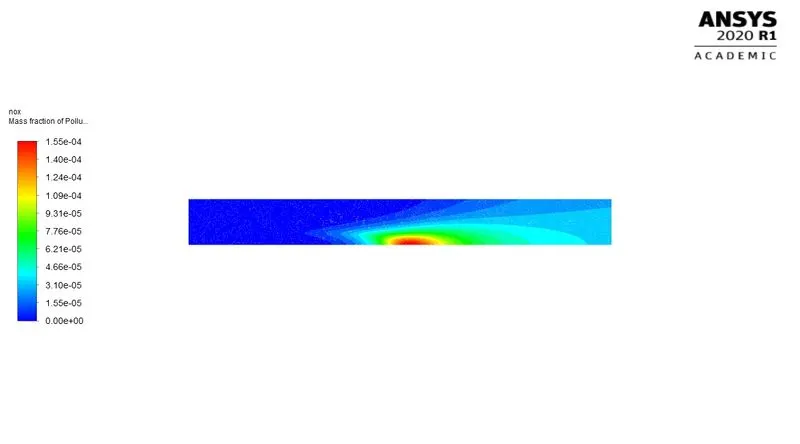
O2 LINE PLOT
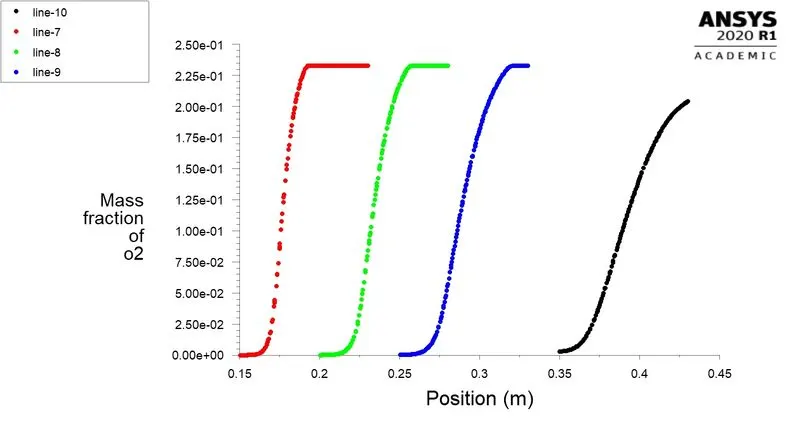
O2 CONTOUR
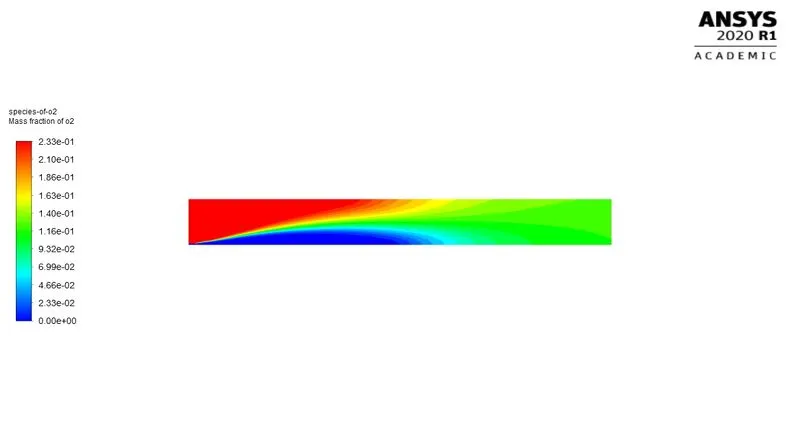
SOOT LINE PLOT
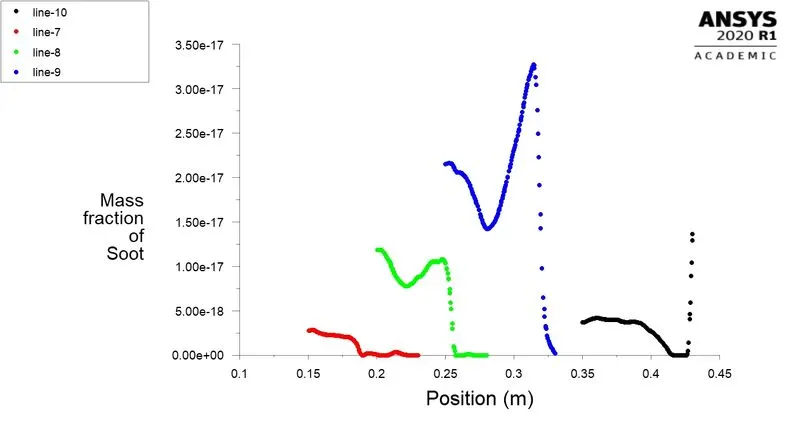
SOOT CONTOUR
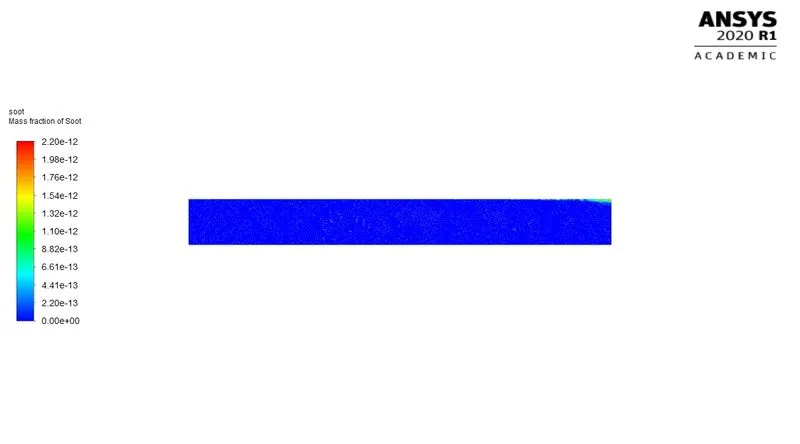
SOOT AND NOX VALUES
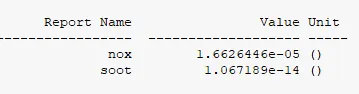
H2O ADDED 0.3%:-
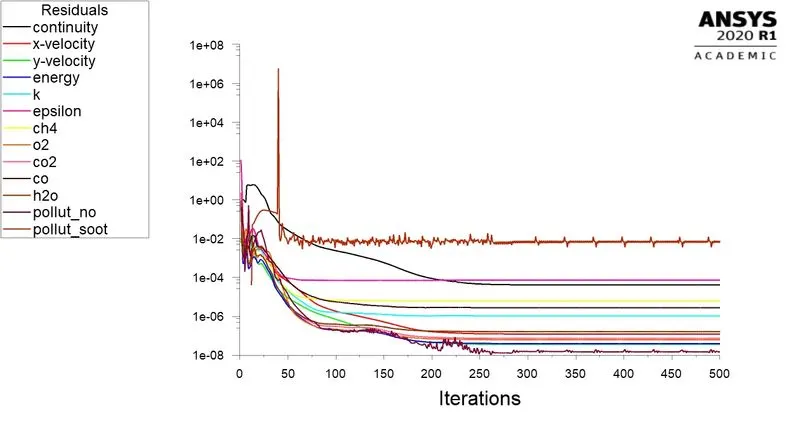
RESIDUALS
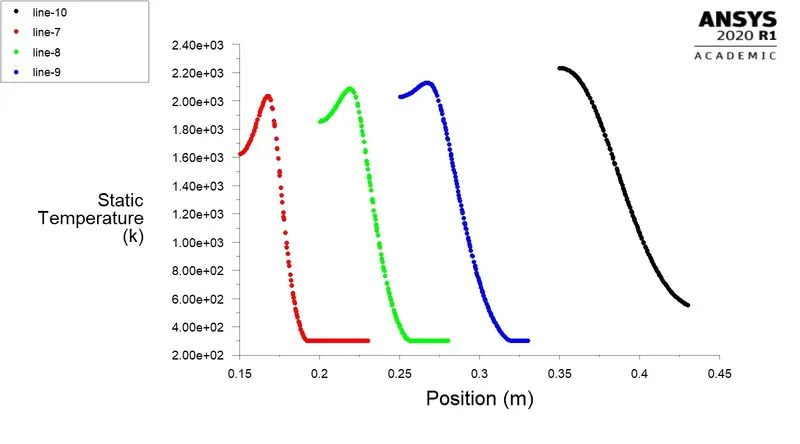
TEMPEARATURE LINE PLOT
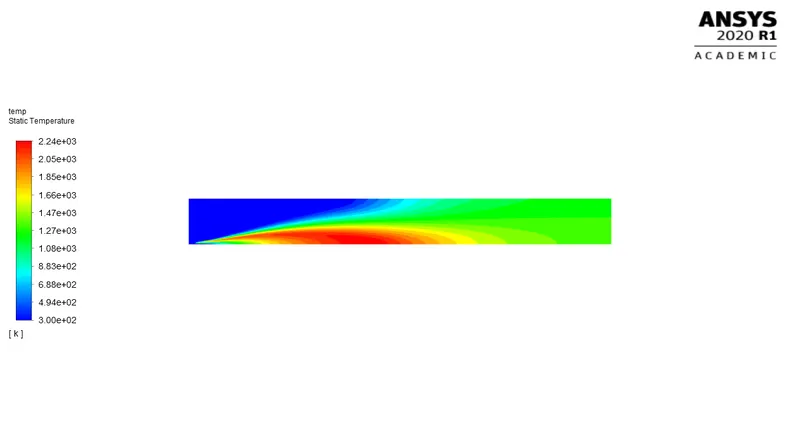
TEPERATURE CONTOUR
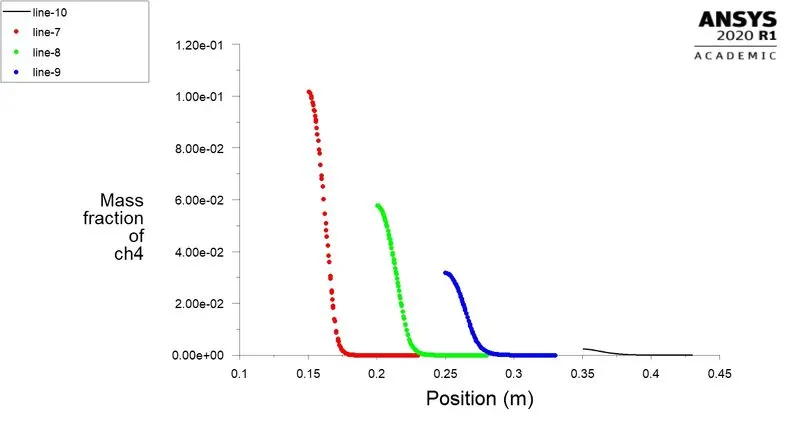
CH4 LINE PLOT
CH4 CONTOUR
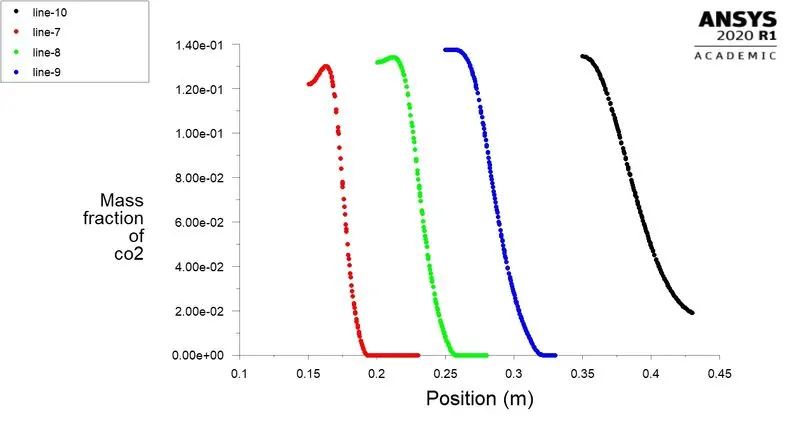
CO2 LINE PLOT
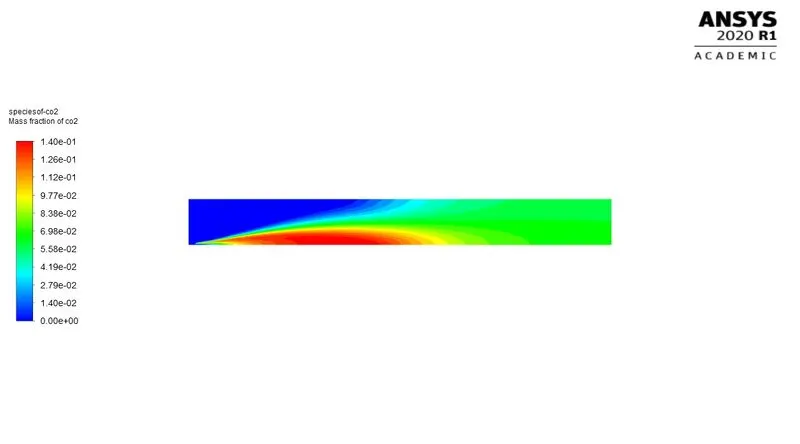
CO2 CONTOUR
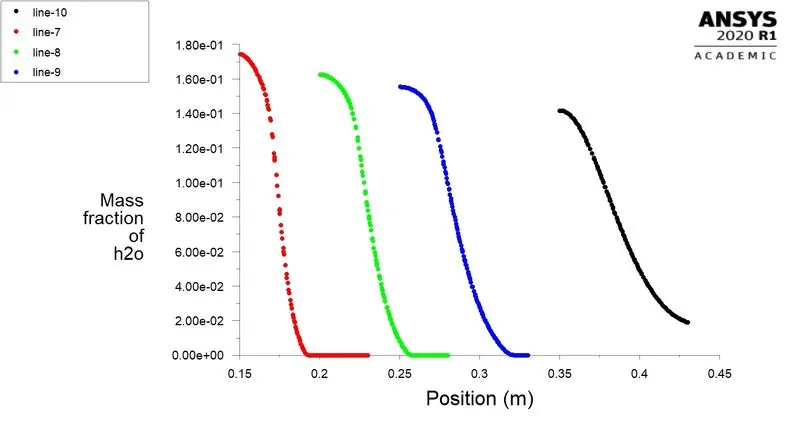
H2O LINE PLOT
H2O CONTOUR
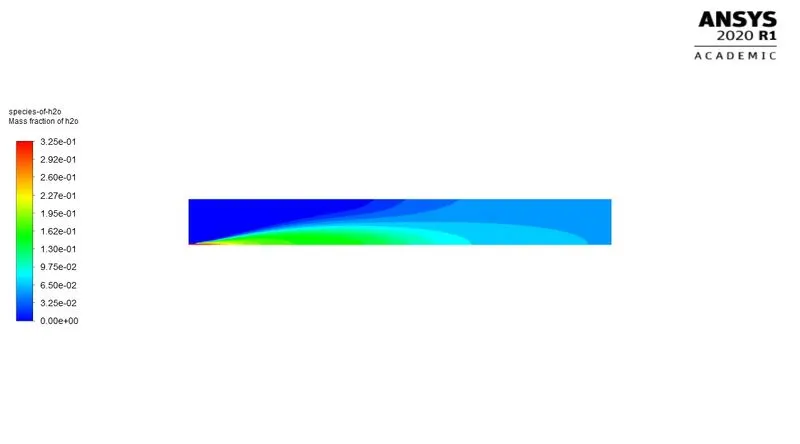
N2 LINE PLOT
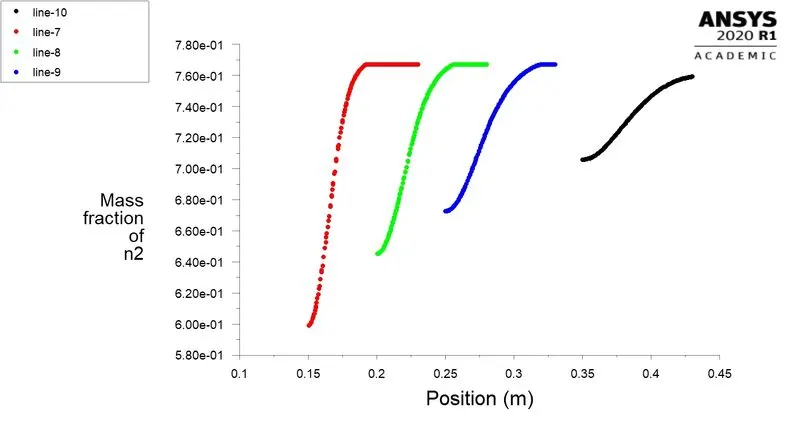
N2 CONTOUR
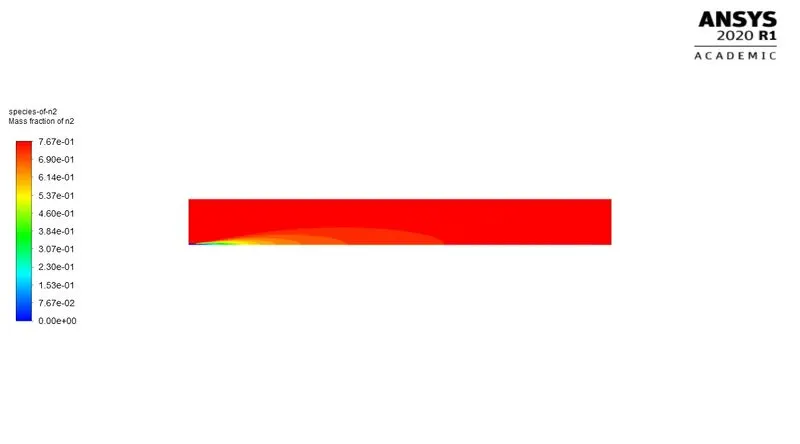
NOX LINE PLOT
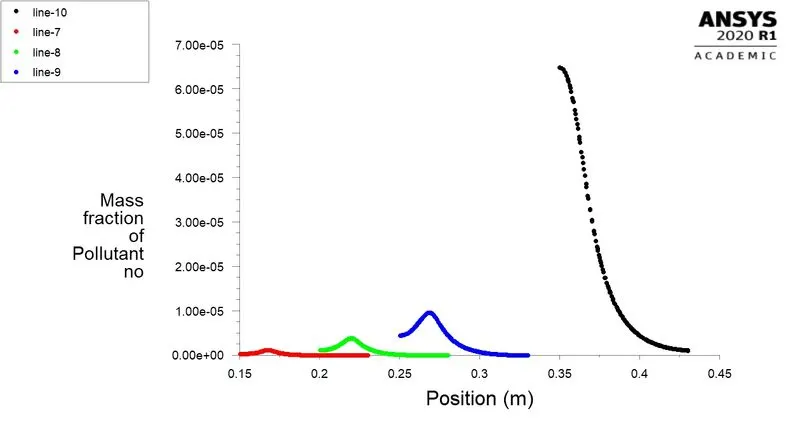
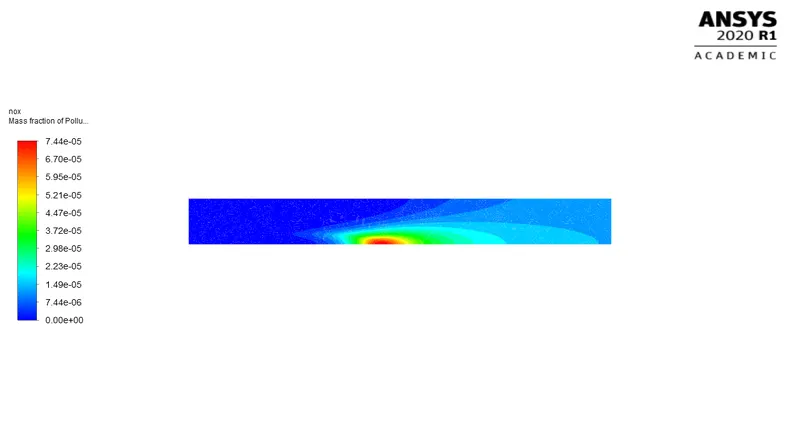
NOX CONTOUR
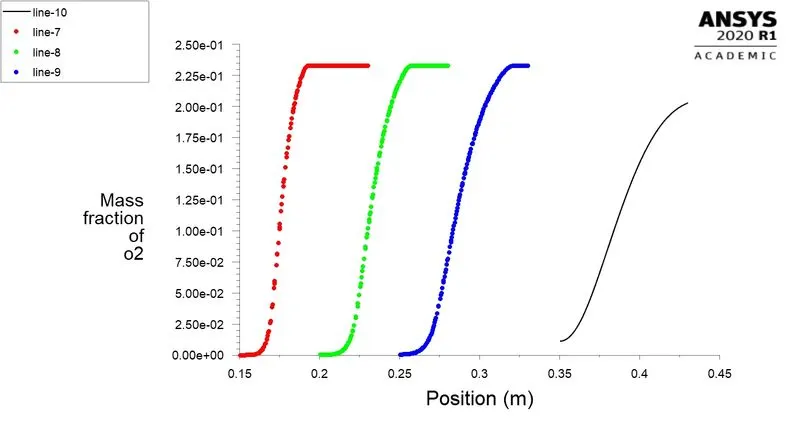
O2 LINE PLOT
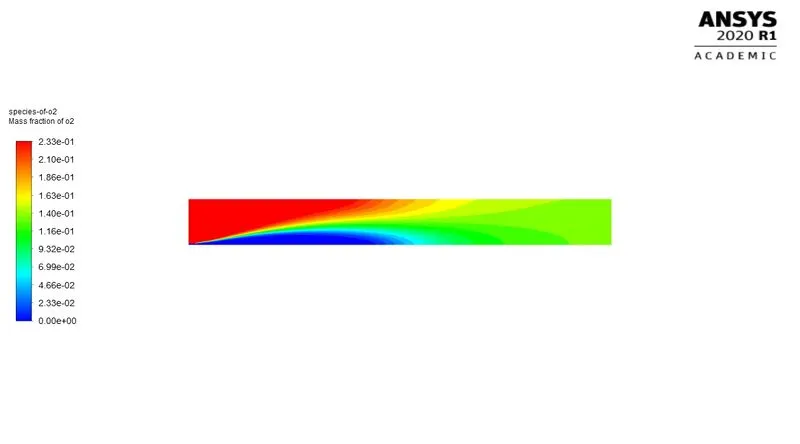
O2 CONTOUR
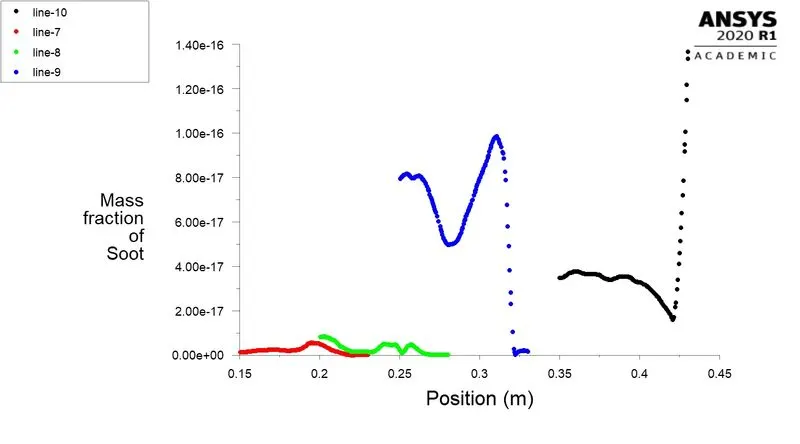
SOOT LINE PLOT
SOOT CONTOUR
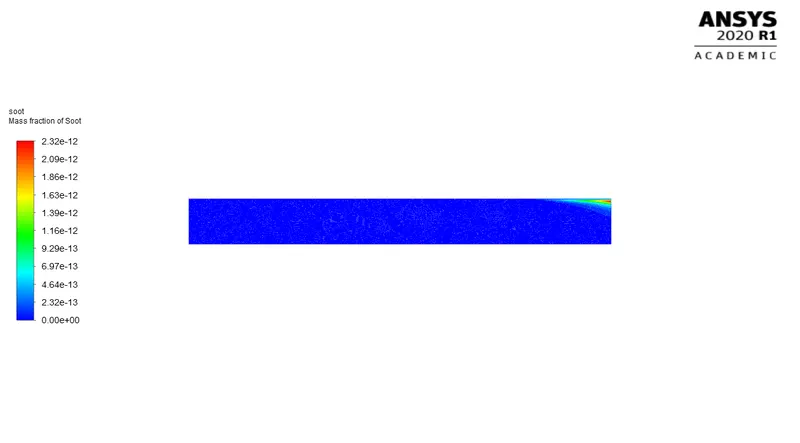
SOOT AND NOX VALUES

Results Observed:-
Area weighted average values:-
| % | Nox | Soot |
| 0 | 5.54E-05 | 2.89E-14 |
| 0.05 | 4.27E-05 | 2.33E-14 |
| 0.1 | 3.22E-05 | 1.86E-14 |
| 0.2 | 1.66E-05 | 1.06E-14 |
| 0.3 | 7.18E-06 | 2.21E-14 |
From Contours:-
| % | Nox | Soot | CO2 | H2O | O2 | CH4 | Temp | N2 |
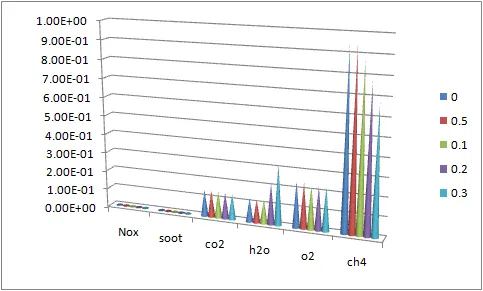
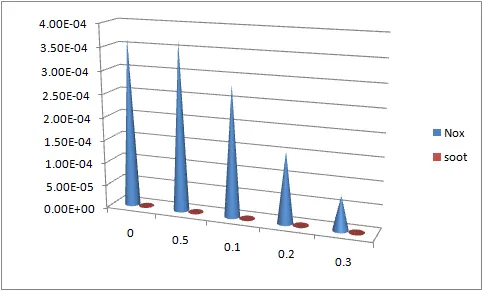
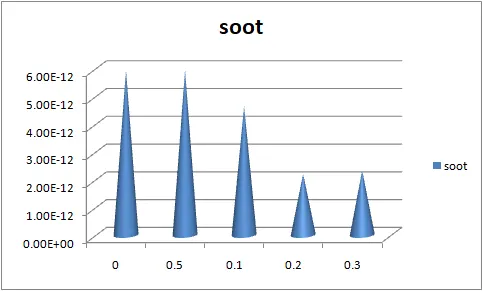
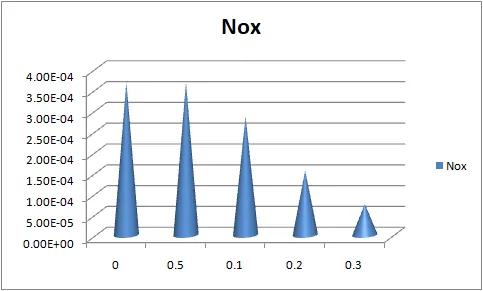
| 0 | 3.67E-04 | 5.94E-12 | 1.44E-01 | 1.25E-01 | 2.44E-01 | 9.44E-01 | 2.32E+03 | 7.67E-01 |
| 0.05 | 3.67E-04 | 5.94E-12 | 1.44E-01 | 1.25E-01 | 2.44E-01 | 9.44E-01 | 2.32E+03 | 7.67E-01 |
| 0.1 | 2.84E-04 | 4.64E-12 | 1.43E-01 | 1.30E-01 | 2.33E-01 | 8.89E-01 | 2.30E+03 | 7.67E-01 |
| 0.2 | 1.55E-04 | 2.20E-12 | 1.42E-01 | 2.19E-01 | 2.33E-01 | 7.81E-01 | 2.27E+03 | 7.67E-01 |
| 0.3 | 7.44E-05 | 2.32E-12 | 1.40E-01 | 3.25E-01 | 2.33E-01 | 6.75E-01 | 2.24E+03 | 7.67E-01 |
Temperature and N2 are almost constant.
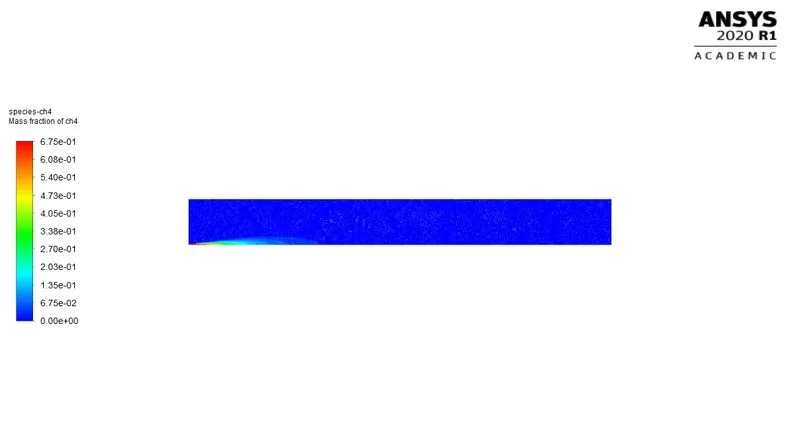
Methane is slowly decreasingas we increase the water or h2o in the fuel.
CONCLUSION:-
- We have simulated the combustion process in ANSYS Fluet.
- As we added Water/H2O, the Nox kept on decresing.
- As we increased the water percentage the soot value got decreased and settled down after a while.
- Temperature and N2 slightly got decreased as we increase the water percentage.
- Oxygen and Carbondioxide percentage was constant as the air's inlet is bigger than the fuel inlet.