Challenge on Combustion
AIM: To perform combustion simulation and plotting mass fractions of different species.
We can divide this methodology into given parts
- What is soot formation
- What is nox formation
- Fluent setup and post processing
- Conclusion
What is the soot formation?
Soot, sometimes called lampblack or carbon black, is a fine black or brown powder that can be slightly sticky and is a product of incomplete combustion
A major component of soot is black carbon. Since soot is sticky, it tends to stick to exhaust pipes and chimney where the combustion occurs.

soot formation side effects:
soot can be harmful to human health when inhaled. The incomplete combustion necessary to produce soot results in the formation of dioxins and other toxic compounds.he small size of particulate matter allows it to easily enter the lungs and bloodstream. This can cause serious effects including heart attacks, bronchitis, aggravated asthma, strokes, and even premature death.
What is NOx?
Nitrogen oxide (NOx) is a chemical compound of oxygen and nitrogen that is formed by reacting with each other during combustion at high temperatures, mainly combustion of fuel such as oil, diesel, gas and organic matter.
NOx can cause serious health damage to humans, including respiratory diseases.
Fluent setup
Space claim setup:
Extraxt 2d geometry from 2d geometry by splitting with 2 plane and copy the surface.
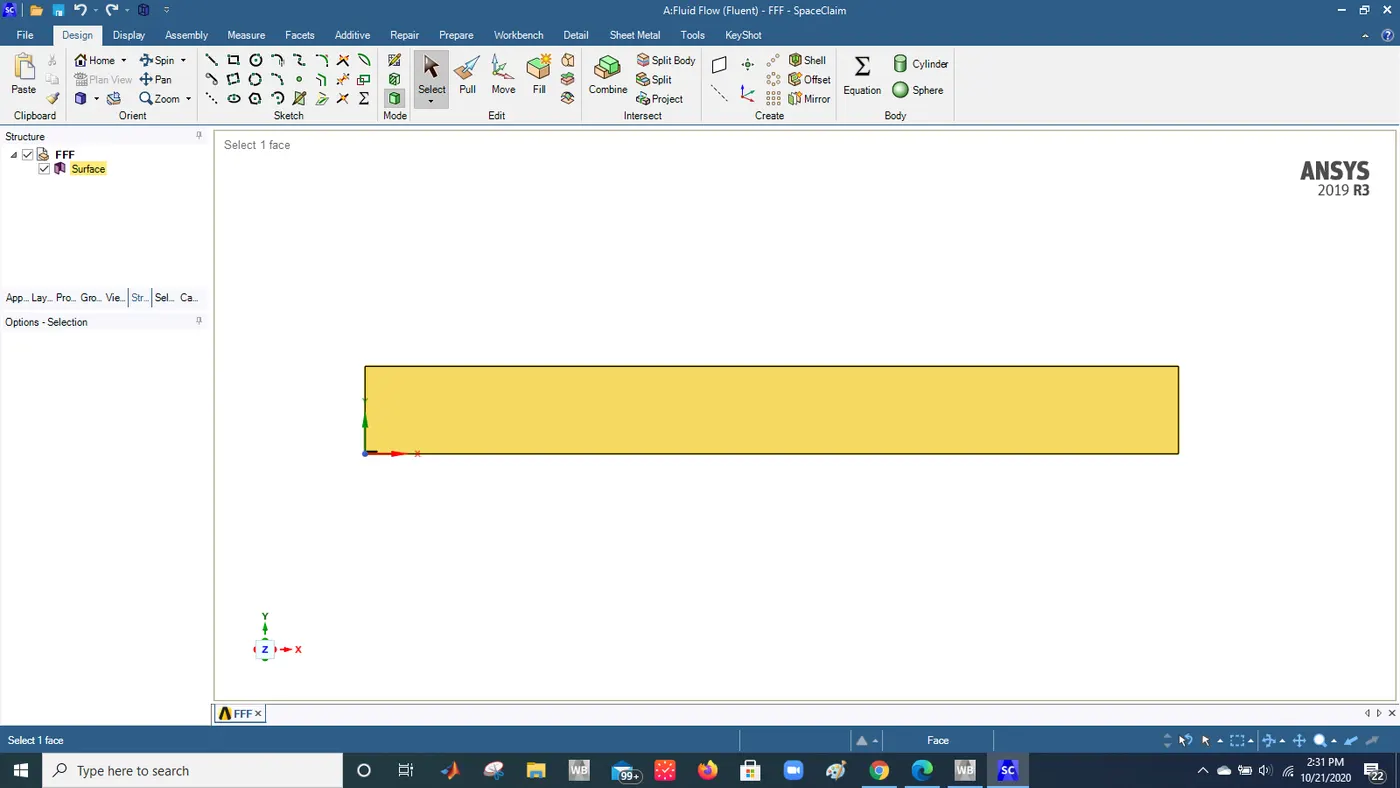
meshing and boundary condition:
- As per baseline setup element size is 1 mm.
- type: quad
- Boundary conditions are given below. as this is axisymmetric profile x axis line will be axis, other conditions will be same as per standard.
- It has 2 inlet (fuel and air) 1 axis , 1 outlet other will be walls.
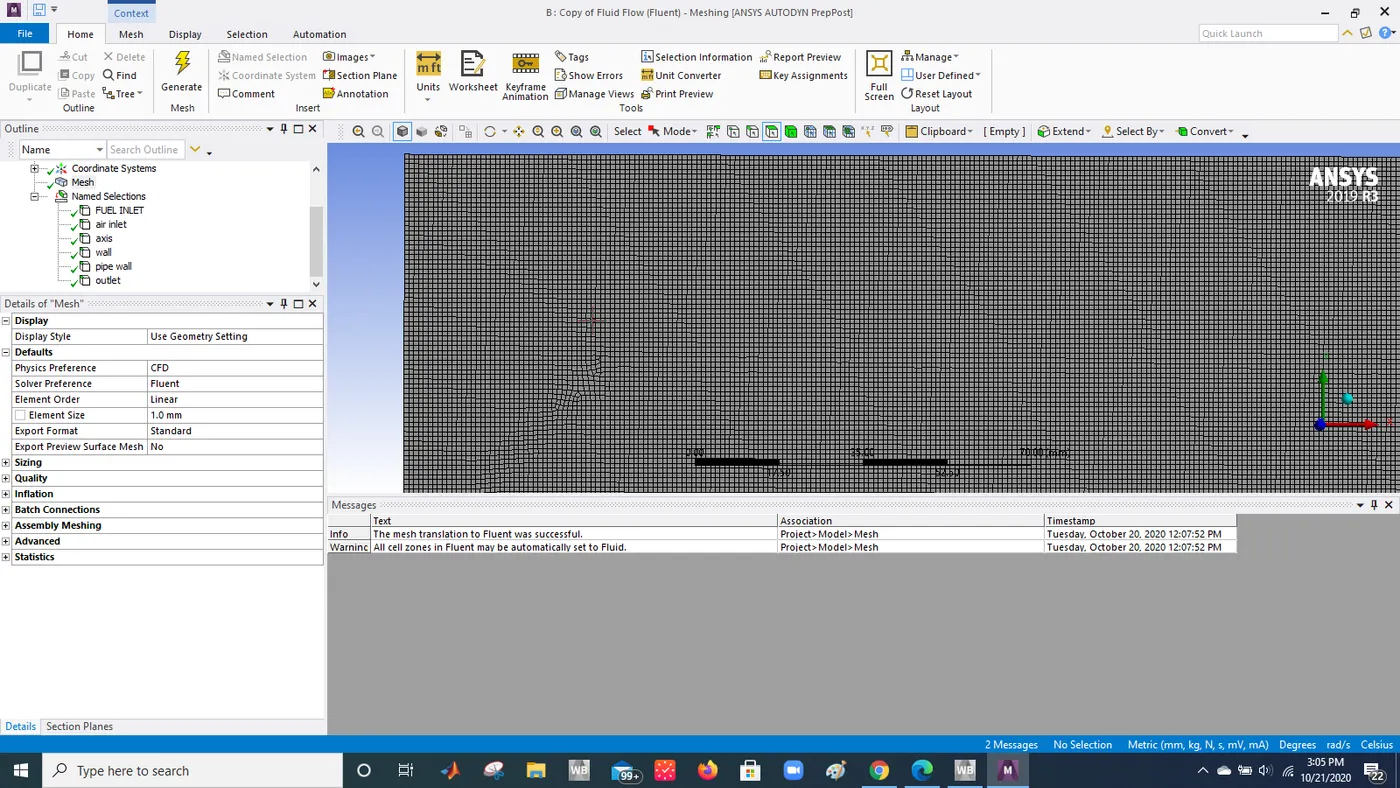
Fluent setup:
- double precision :on
- type: axisymmetric
- viscous model: K-e realizable with standard wall functions
- energy equations and species : on
- momentum and energy will be first order upwind.
- Soot formation and nox : on
- species setup:
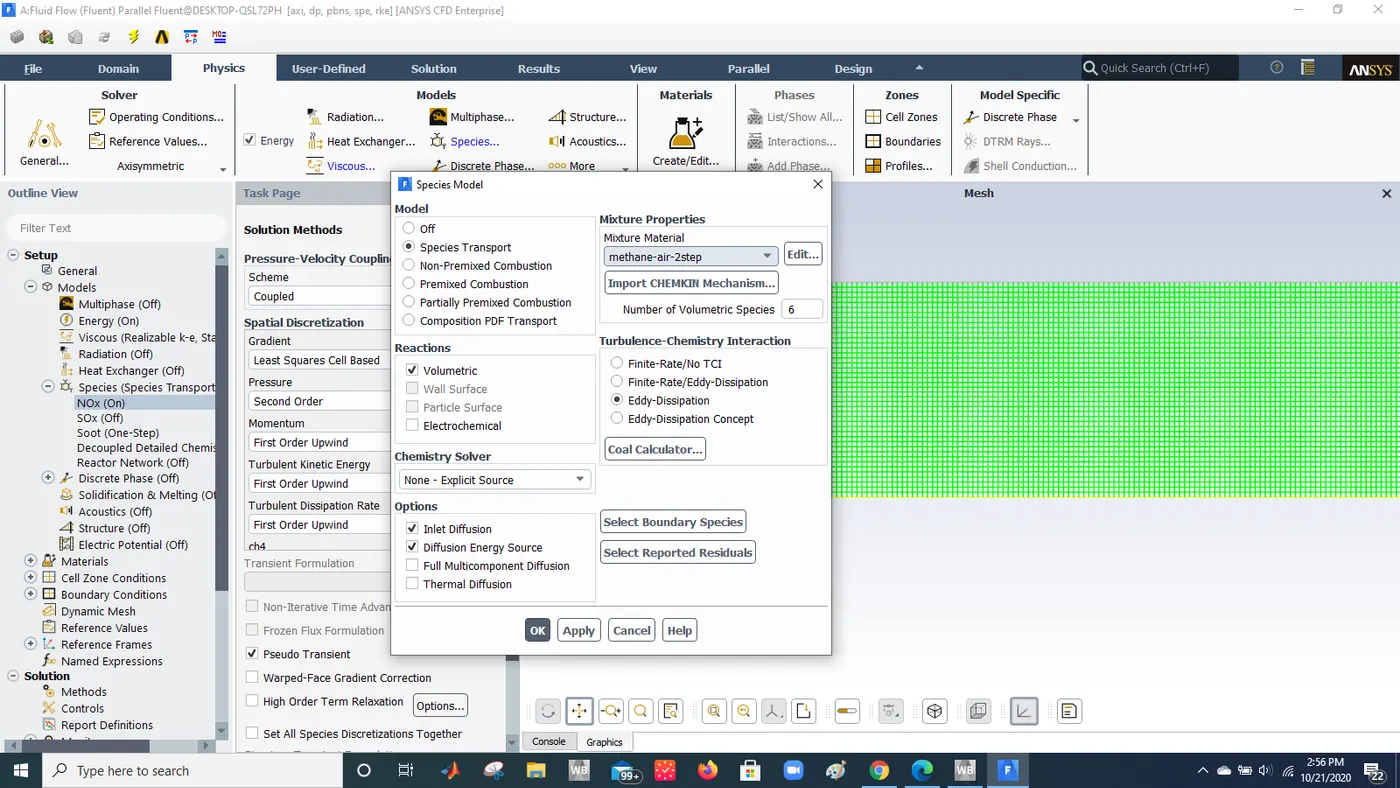
Boundary conditions:
For air
Inlet velocity: 0.5 m/s
O2 mass fraction : 0.2
temp : 300K.
For fuel
Inlet velocity: 80m/s
ch4 mass fraction : 1
temp : 300K
Outlet: pressure outlet
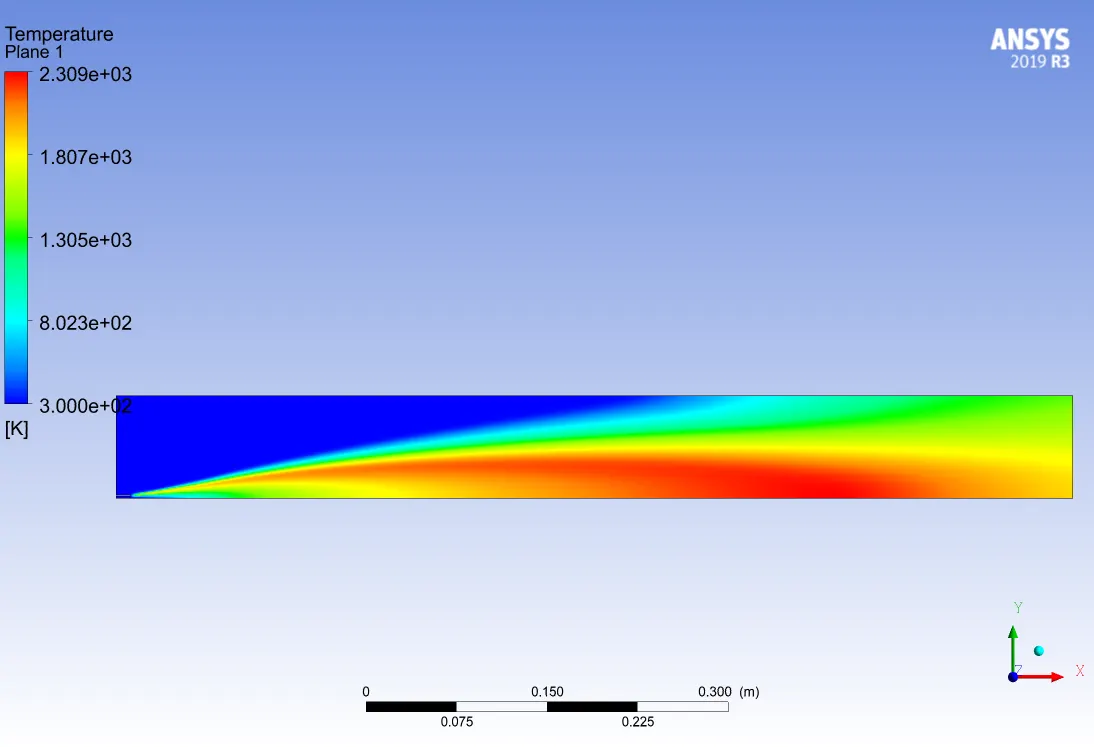
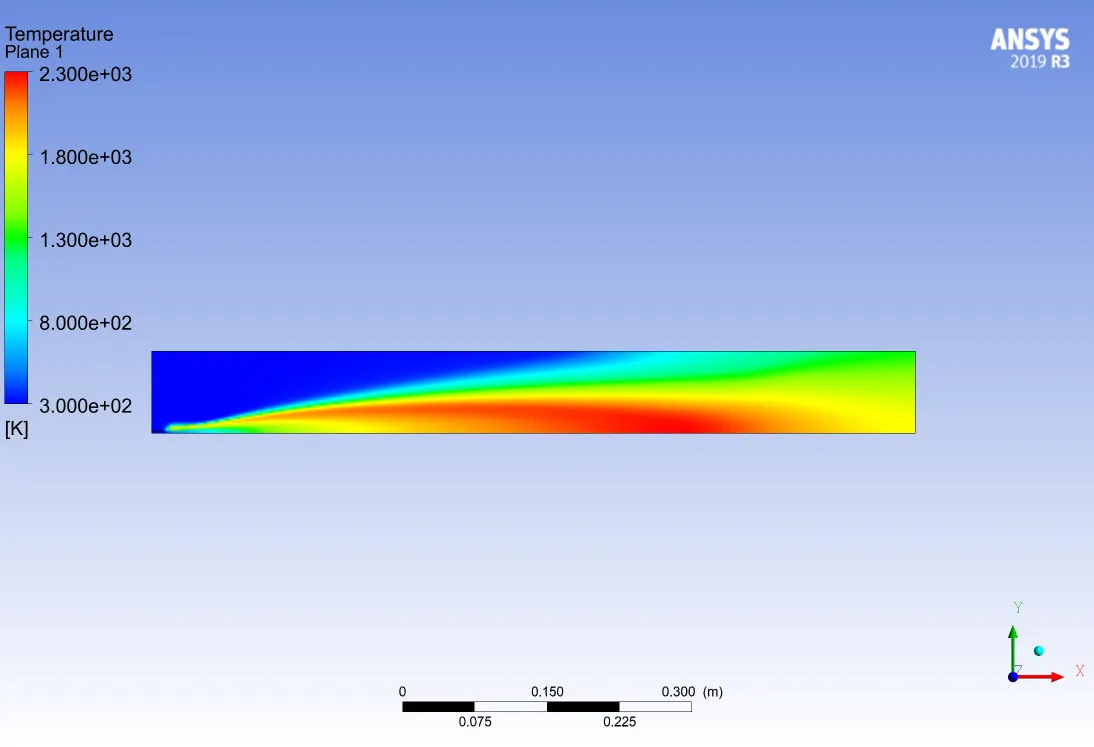
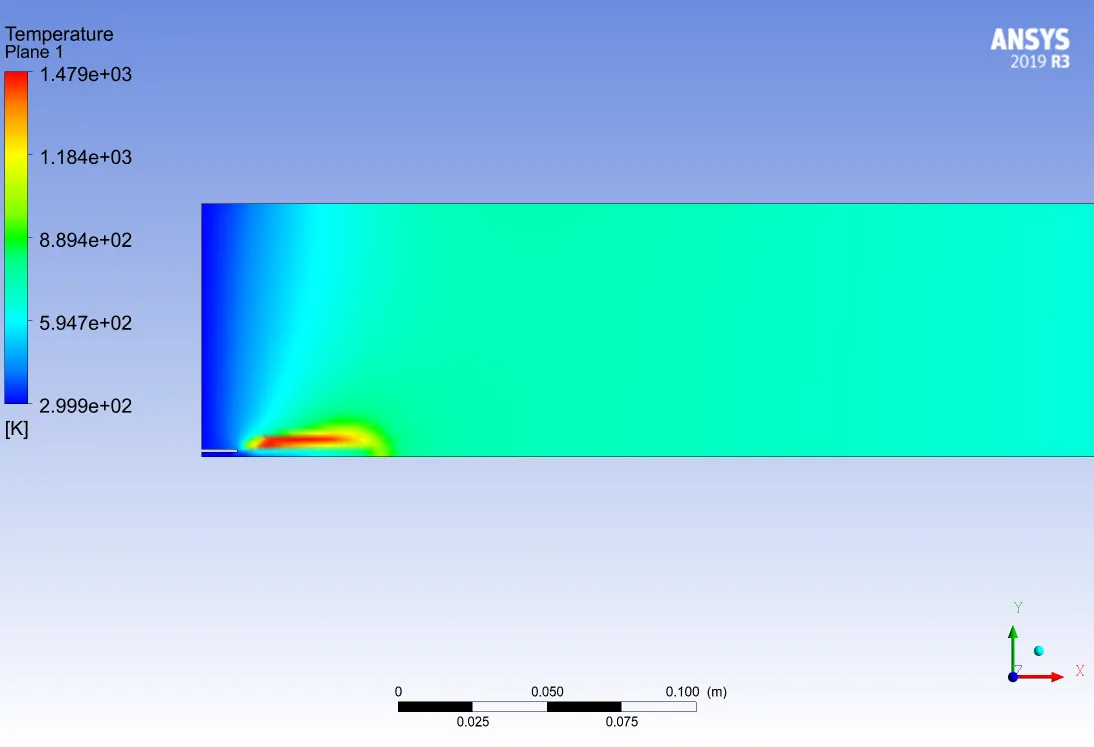
Set temp contour as a result.
Initilaztion: hybrid
Residuals:
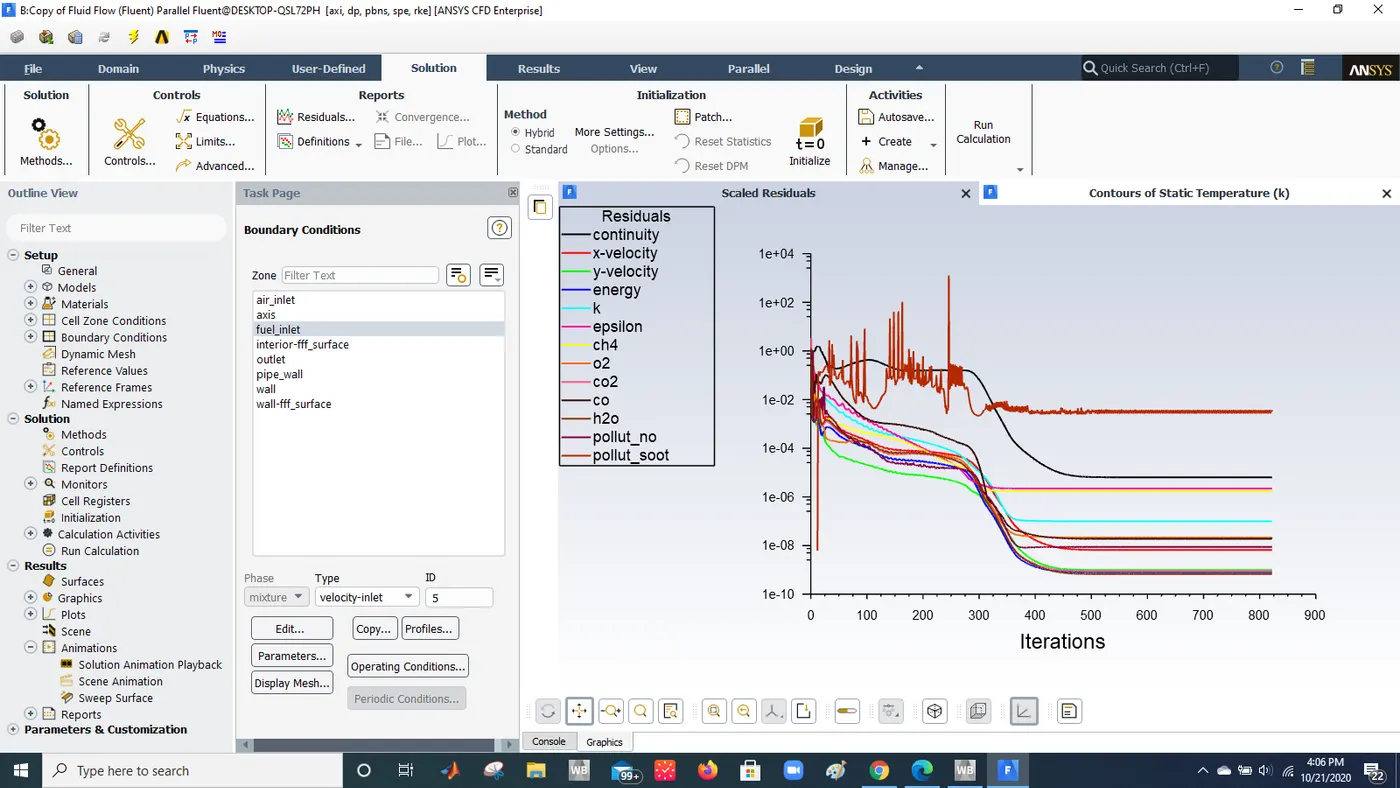
temp contour:
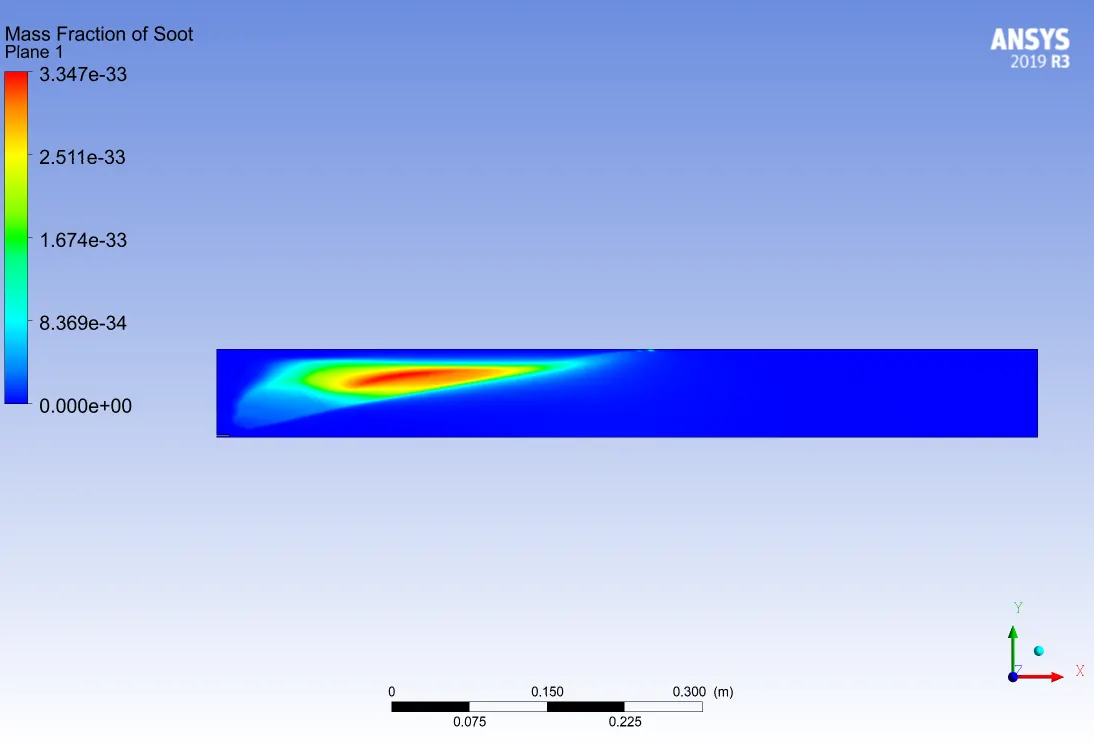
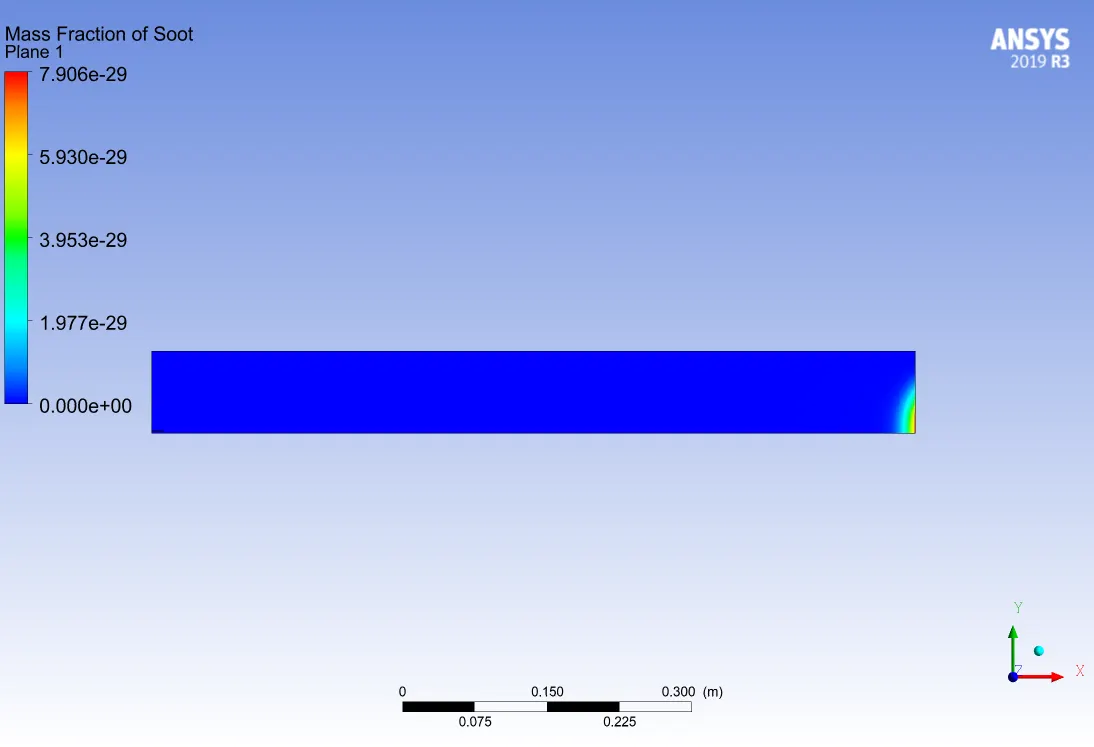
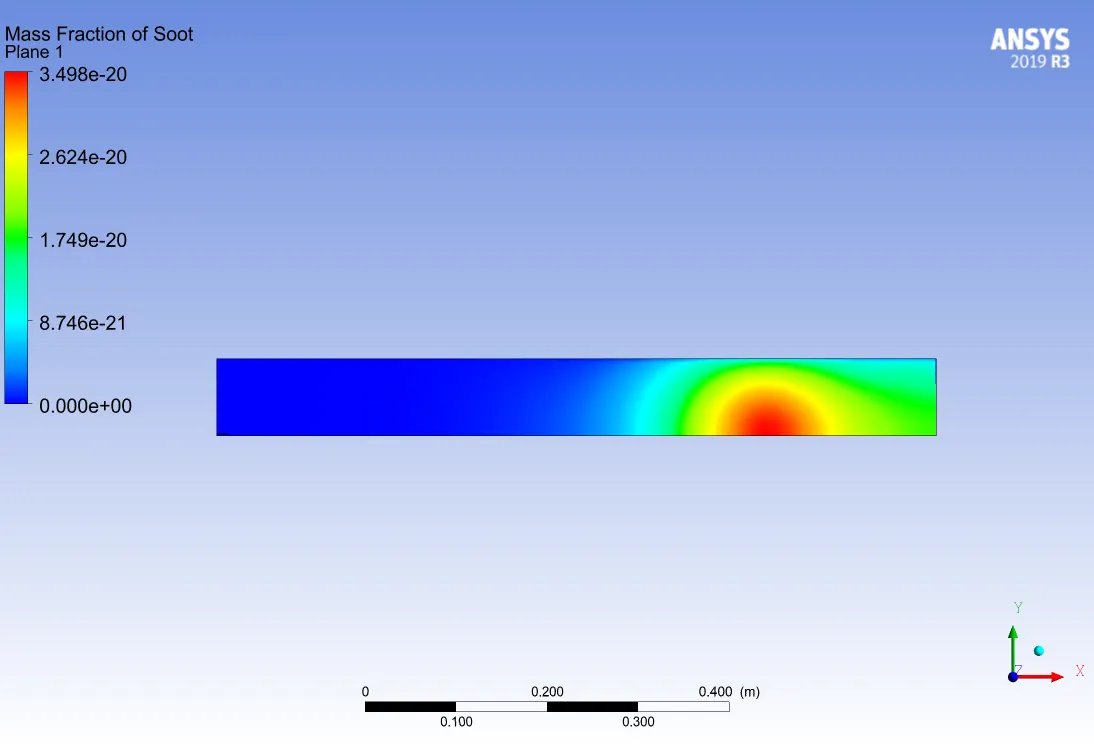
Mass fraction of soot
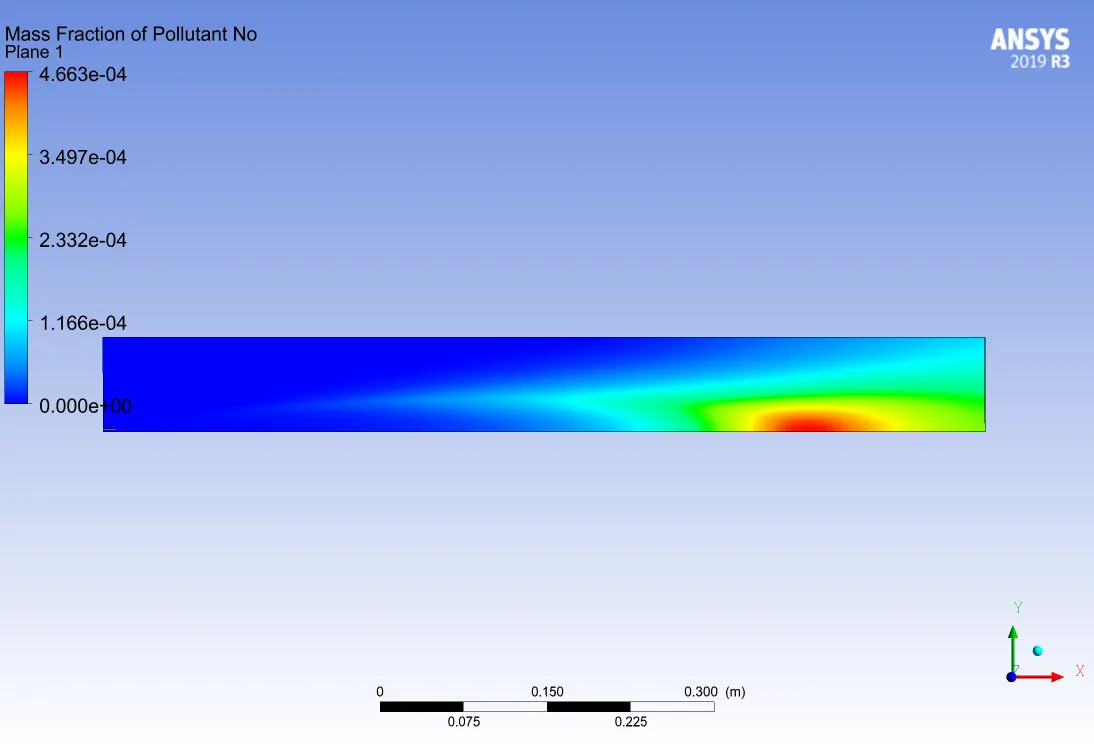
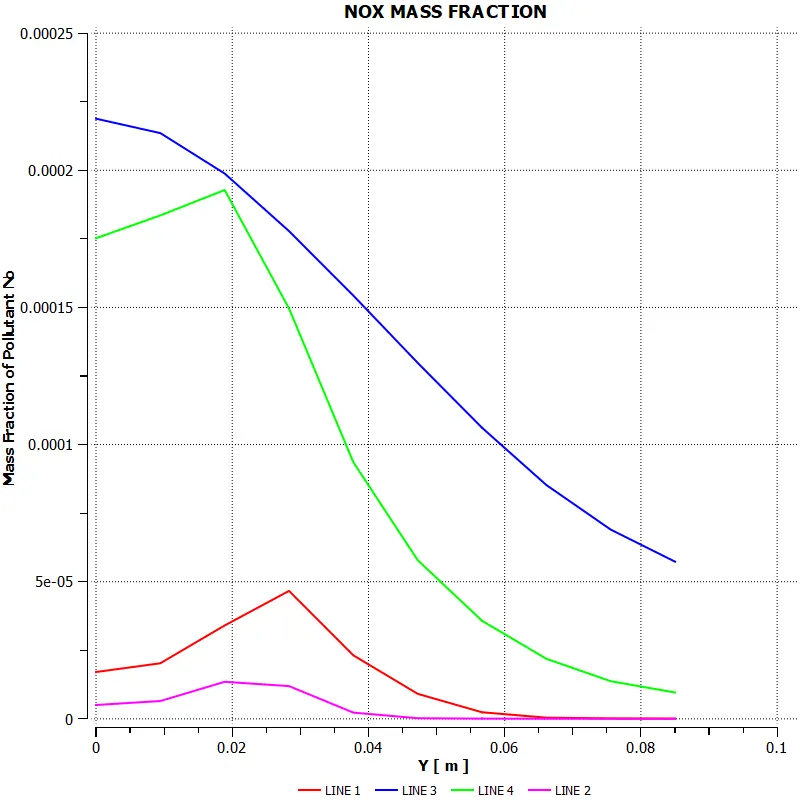
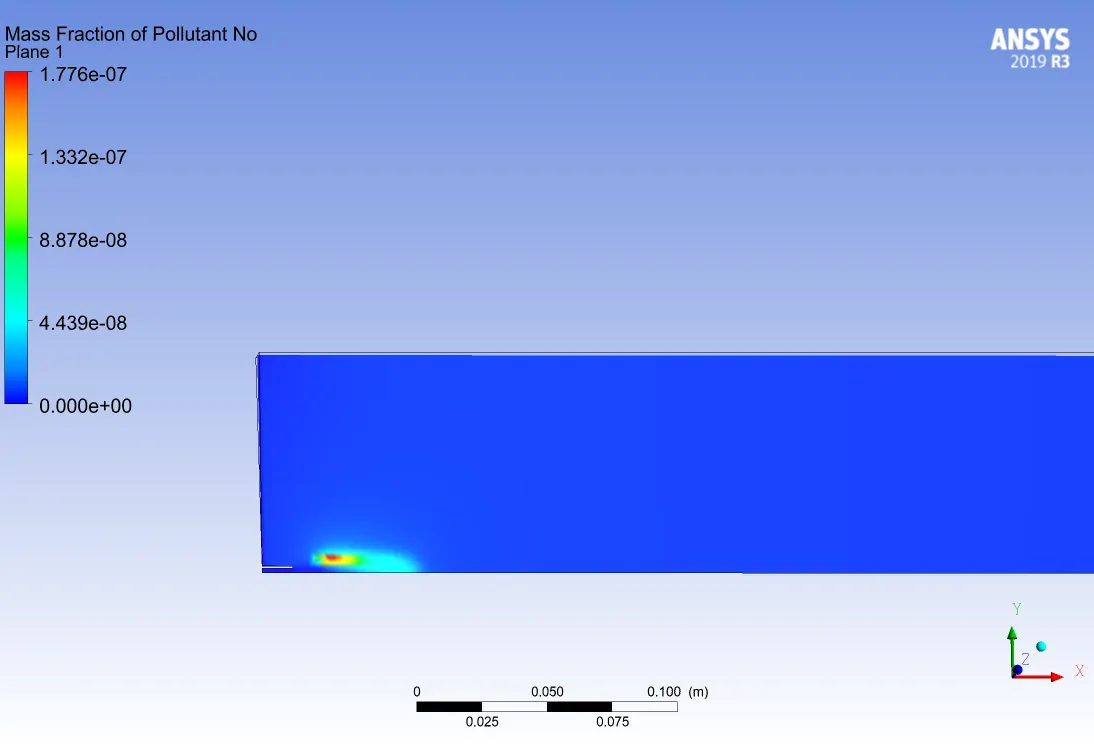
Mass fraction of nox.
- Case 2
Adding h2o in the reactant side by the percentage of mole.
- h2o percentage 5% ch4 percentage 95%
- Here parametric study has been approached for the easiness.
Temp contour /soot contour/nox contour
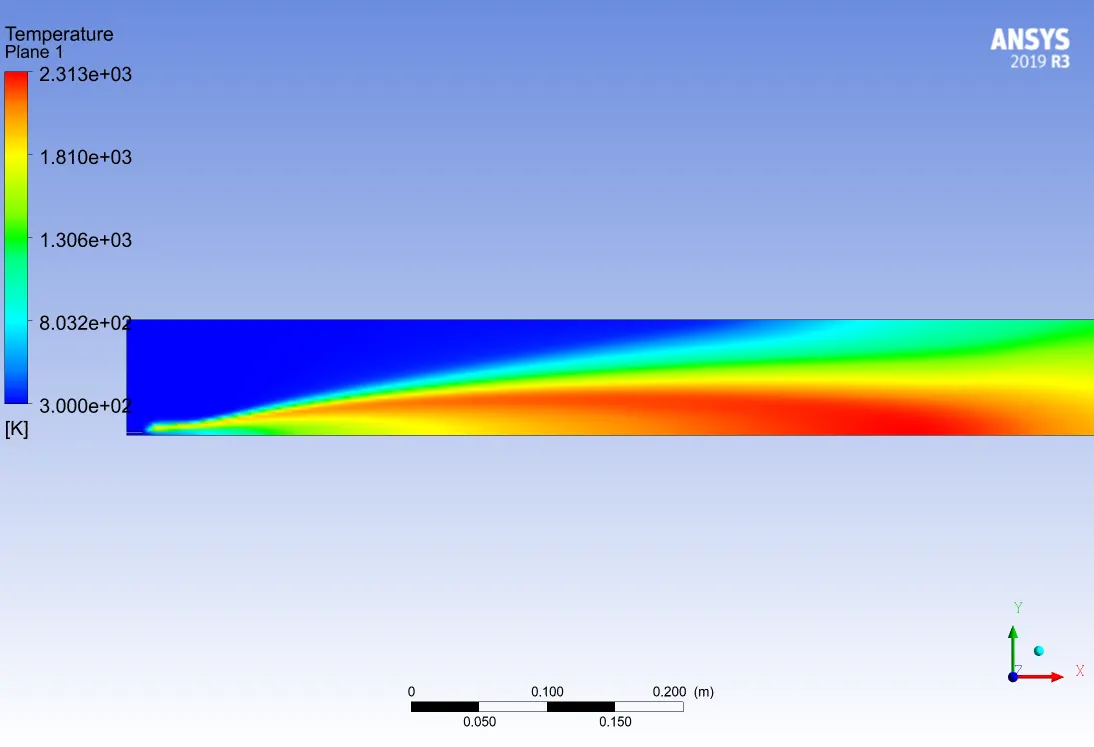
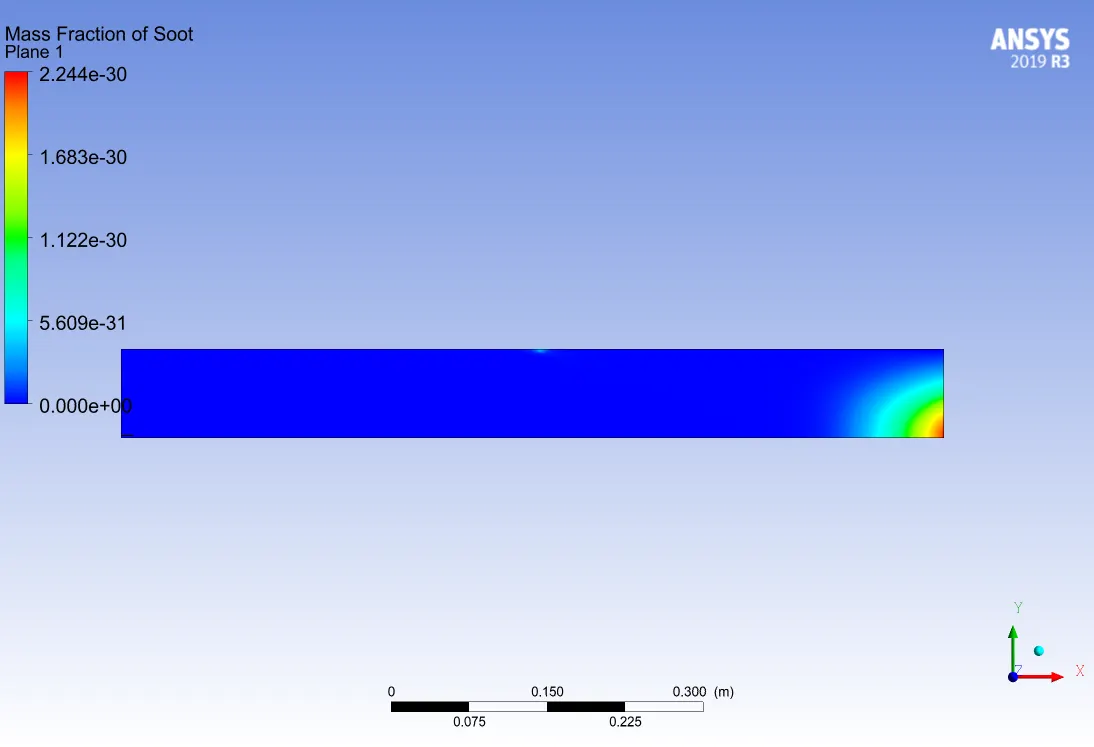
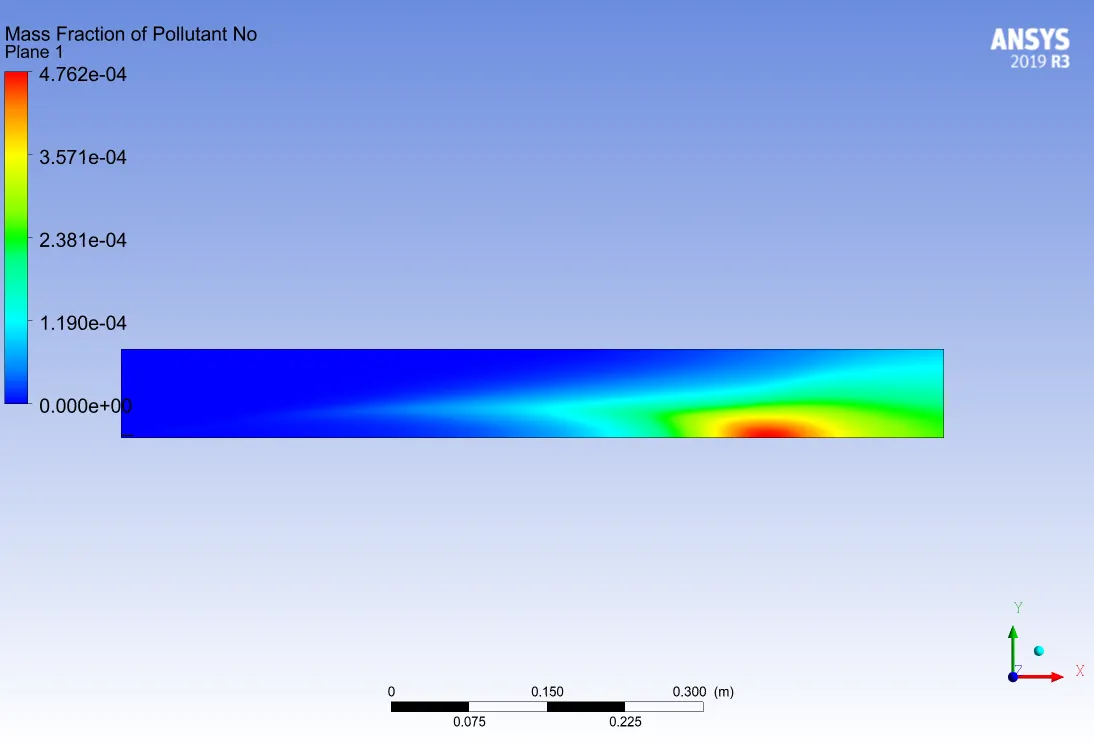
- h2o percentage 10% ch4 percentage 90%
Temp contour /soot contour/nox contour
- h2o percentage 20% ch4 percentage 80%
Temp contour /soot contour/nox contour
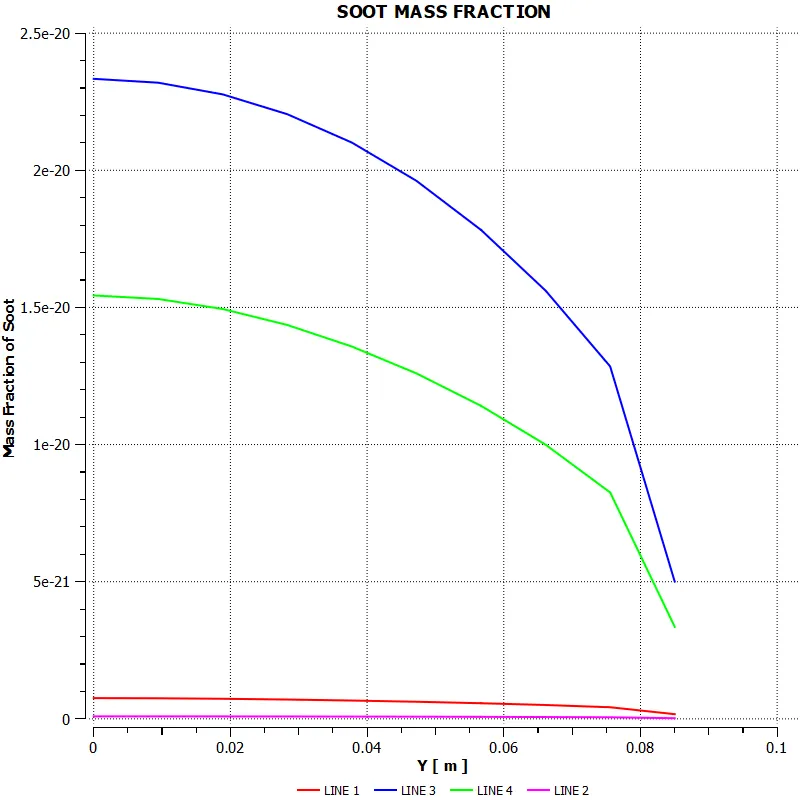
- h2o percentage 30% ch4 percentage 70%
Temp contour /soot contour/nox contour
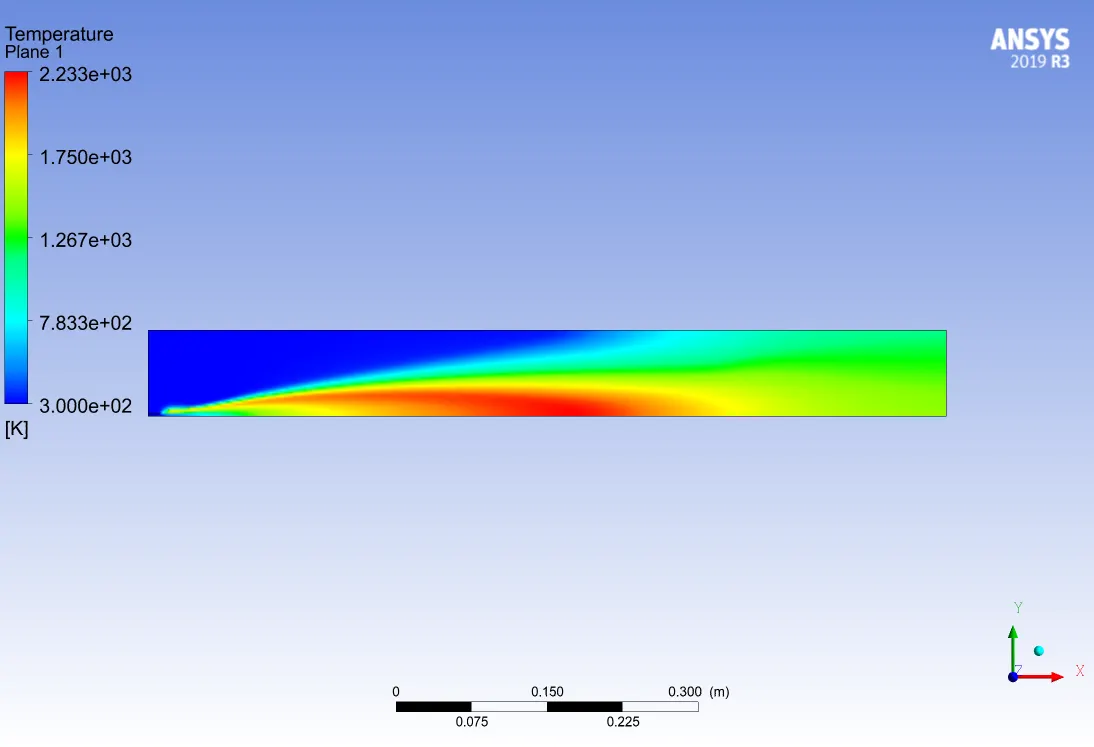
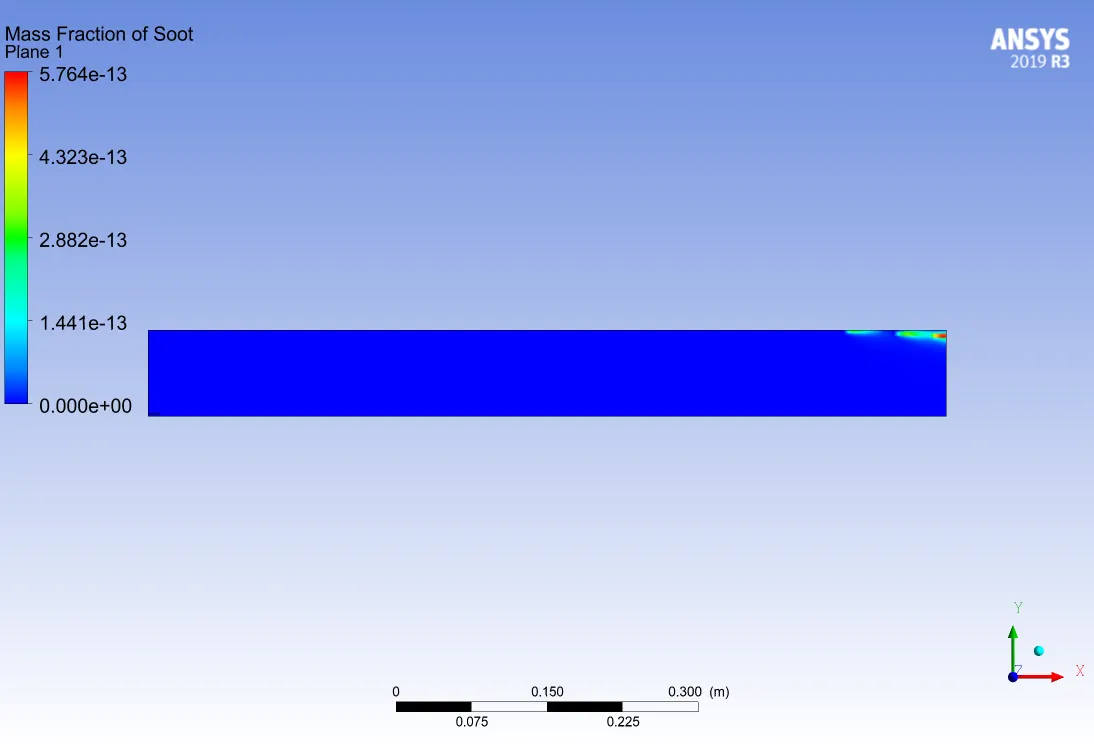
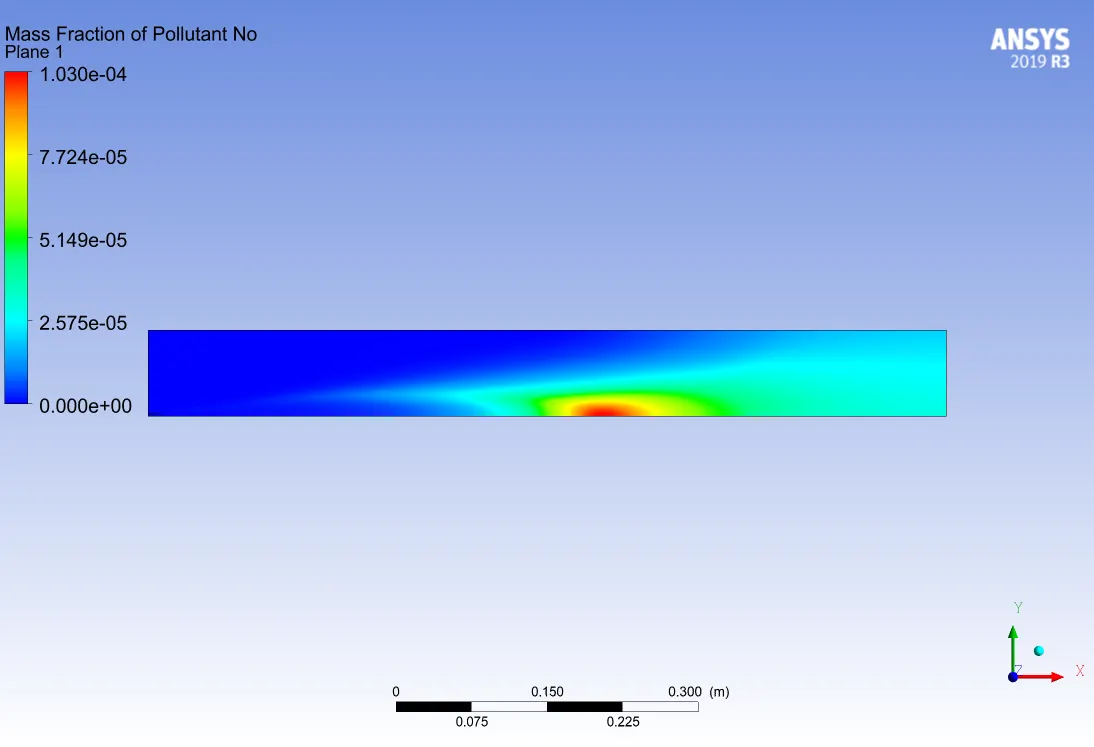
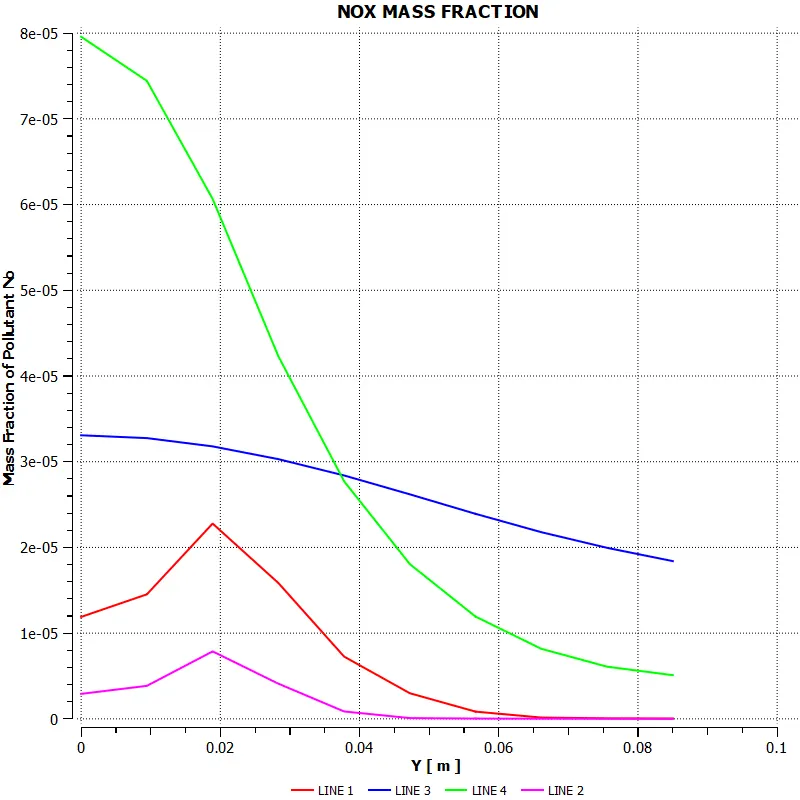
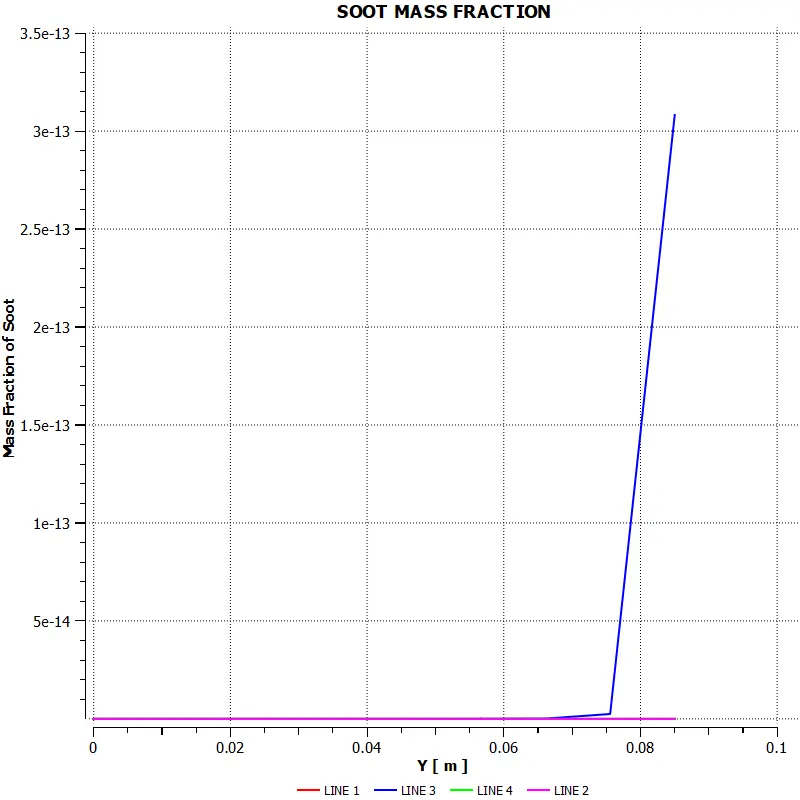
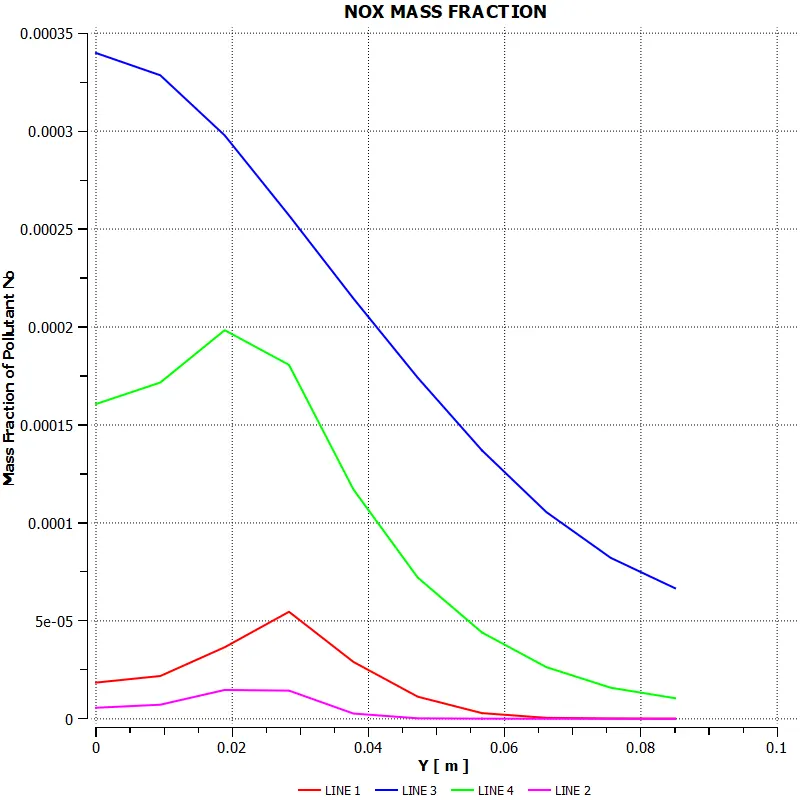
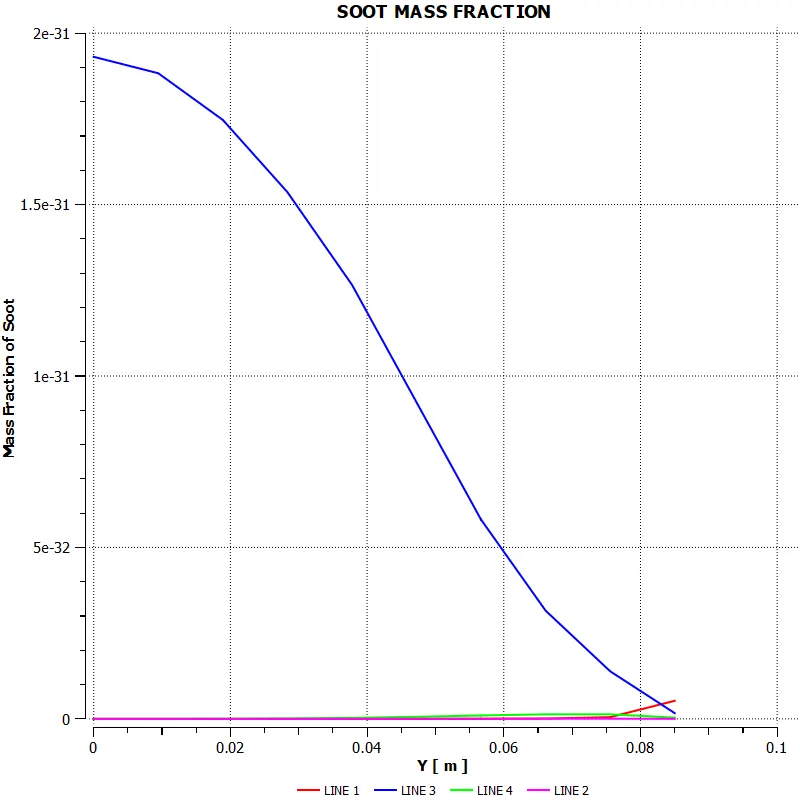
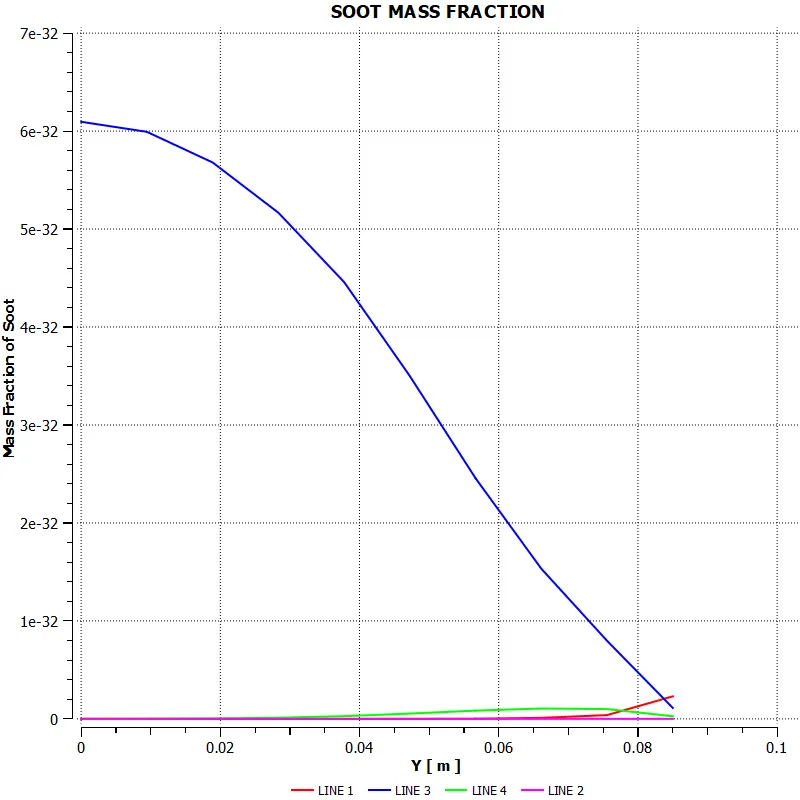
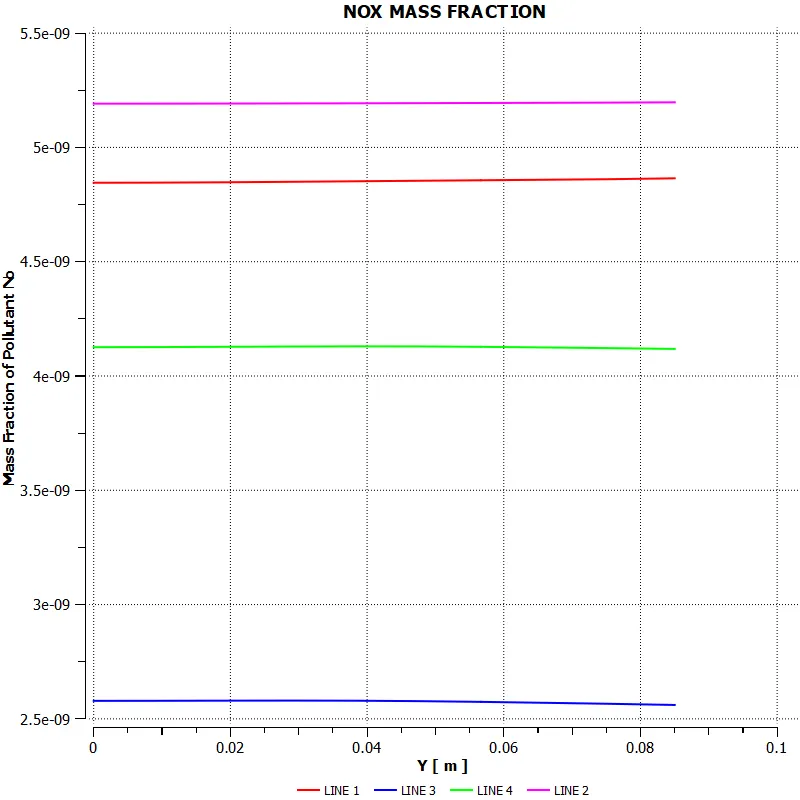
Comparison of soot and nox by adding water in the reactant side.

- Conclusion
- We have used eddy dissipation model to note down the turbulence effect on the combustion without taking the context of ignition.
- Once the combustion occurs different products mix in the air including pollutants. as these pollutants are harmful in next step we have added h2O in terms of mole fractions and noted down effects.
- Nox and soot which are the main pollutants seems to like decreasing in almost 3 cases.even overall maximum temperature is decreasing in all cases.
reference paper:
1. https://www.sciencedirect.com/science/article/pii/S1876610217337724
2. https://link.springer.com/article/10.1007/s00773-015-0303-8