Benchmarking
- TITLE OF THE PROJECT:
To prepare a report by explaining about Bench-Marking and comparing various vehicles for the customer’s requirements.
2. OBJECTIVE:
1.Benchmark with presently available cars in the market for the following case.
Mr. D.S. Pughazhyendhii is a married man who lives in Bangalore which is a highly crowded city. His Family comprises five members including his wife, a five-year-old boy, his father, and his mother. He visits his native place Madurai which is 500kms away from Bangalore once a month. Also, he will be using his car to commute to his office. His budget falls between 8 to 10 lakhs on road. Please suggest to him options so that he will buy a good car for his family.
Note: Pughazhyendhii is fond of big cars.
2. Prepare a report explaining what is Bench-Marking.
3. Compare at least 4 vehicles.
4. Provide a proper conclusion for the report, suggesting a single suitable vehicle among the comparison made with images.
3. INTRODUCTION:
Benchmarking:
Benchmarking is the practice of comparing business process and performance metrics to industry bests and best practices from other companies. Dimensions typically measured are quality, time and cost.
Types Of Benchmarking:
Benchmarking can be internal (comparing performance between different groups or teams within an organization) or external (comparing performance with companies in a specific industry or across industries). Within these broader categories, there are three specific types of benchmarking:
1) Process benchmarking,
2) Performance benchmarking and
3) Strategic benchmarking.
These can be further detailed as follows:
Process benchmarking - the initiating firm focuses its observation and investigation of business processes with a goal of identifying and observing the best practices from one or more benchmark firms. Activity analysis will be required where the objective is to benchmark cost and efficiency; increasingly applied to back-office processes where outsourcing may be a consideration. Benchmarking is appropriate in nearly every case where process redesign or improvement is to be undertaking so long as the cost of the study does not exceed the expected benefit.
Financial benchmarking - performing a financial analysis and comparing the results in an effort to assess your overall competitiveness and productivity.
Benchmarking from an investor perspective- extending the benchmarking universe to also compare to peer companies that can be considered alternative investment opportunities from the perspective of an investor.
Benchmarking in the public sector - functions as a tool for improvement and innovation in public administration, where state organizations invest efforts and resources to achieve quality, efficiency and effectiveness of the services they provide.
Performance benchmarking - allows the initiator firm to assess their competitive position by comparing products and services with those of target firms.
Product benchmarking - the process of designing new products or upgrades to current ones. This process can sometimes involve reverse engineering which is taking apart competitors’ products to find strengths and weaknesses.
Strategic benchmarking- involves observing how others compete. This type is usually not industry specific, meaning it is best to look at other industries, i.e. Strategic Benchmarking with the help of PIMS (Profit Impact of Marketing Stratergy).
Functional benchmarking - a company will focus its benchmarking on a single function to improve the operation of that particular function. Complex functions such as Human Resources, Finance and Accounting and Information and Communication Technology are unlikely to be directly comparable in cost and efficiency terms and may need to be disaggregated into processes to make valid comparison.
Best-in-class benchmarking - involves studying the leading competitor or the company that best carries out a specific function.
Operational benchmarking embraces everything from staffing and productivity to office flow and analysis of procedures performed.
Energy benchmarking - process of collecting, analysing and relating energy performance data of comparable activities with the purpose of evaluating and comparing performance between or within entities. Entities can include processes, buildings or companies. Benchmarking may be internal between entities within a single organization, or - subject to confidentiality restrictions - external between competing entities.
4. METHODOLOGY:
The methodology of Benchmarking:
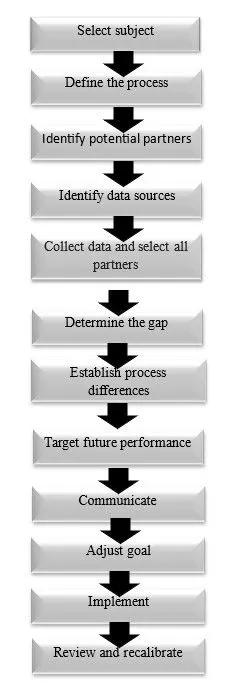
5. DESCRIBTION:
Customer requirements:
Minimum 5 seats
Budget- 8 to 10 Lakhs
Good mileage
Comparison of 4 vehicles based on customer requirements:
Consider below 4 models for suggesting a suitable vehicle for customer based on their requirement,
Maruti Vitara Brezza
Hyundai Venue
Tata Nexon
Kia Sonet
MARUTI VITARA BREZZA:
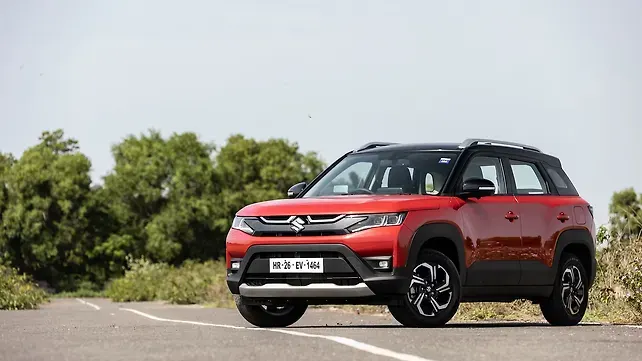
The sub-four metre SUV category is currently one of the hottest segments when it comes to cars in India and there is a model from almost every mass-market player. The Vitara Brezza has been around since 2016 and received a facelift back in 2020. With the rising competition and a slew of updates from rival brands, the Vitara Brezza has a fair bit of catching up to do. Although the new Maruti Brezza (yes, the Vitara moniker has now been dropped) is based on the same platform as the outgoing version, the company has heavily updated the new model you see in the images here. It is not just a mild facelift but a substantial change, be it the design, the features, or the new transmission.
Engine performance:
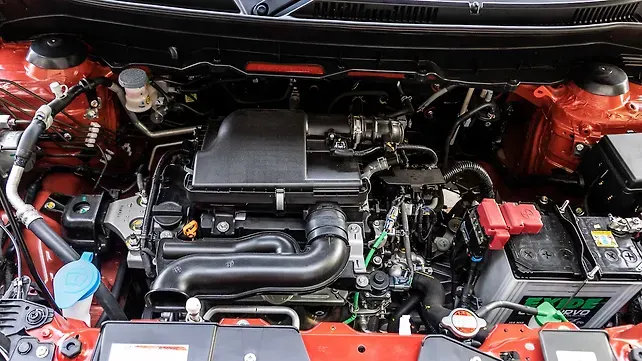
At the heart of the new Maruti Suzuki Brezza is a 1.5-litre, four-cylinder, K15C, naturally aspirated petrol engine that produces a maximum power output of 102bhp and 136.8Nm of torque. This engine is paired with a five-speed manual unit and a six-speed torque converter automatic unit. This review focuses on the manual variant, and you can watch our review of the automatic variant above. Puttering around the city is pretty easy with the Brezza, and this is what exactly Maruti has aimed for with respect to the tuning. In stop-and-go traffic, there are oodles of low-end torque on offer and at low to medium speeds, this engine is very tractable. It doesn't judder or feel like it's strained when close to idling RPM.
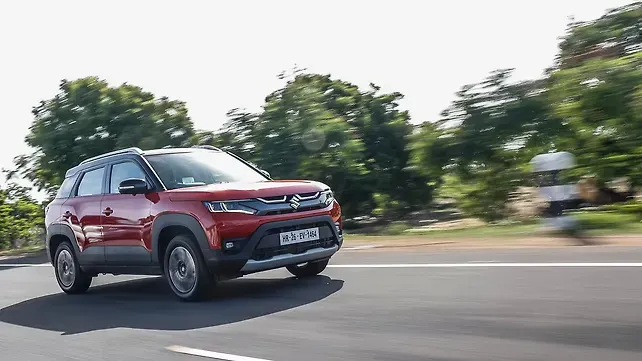
Out on the highway, the car asks you to shift early in lieu of returning a higher fuel efficiency. Up-shifts are recommended by the system around the 2,000rpm mark via the gear-shift indicator on the MID. Out on the wide open roads the Brezza is happy to cruise at speeds of 100kmph, but you would need to down shift for overtakes. The NVH seems to be pretty good when the engine is relaxed, it’s only when you start pushing the car that the engine noise filters into the cabin at 3,500rpm, which isn’t exactly intrusive if you like the sound of an internal combustion engine.
Hill-hold assist, commonly known as hill hold control, is now offered as standard across the variant line-up of the Brezza. Coming back to hill hold assist, this nifty feature holds the car in the same position for three seconds while the driver juggles between the accelerator, brake, and clutch pedals.
Ride and handling:
In terms of steering response, it is light enough for everyday usage, although with the rise in pace, it weighs up adequately. The suspension, according to Maruti, has seen a minor revision in terms of tuning due to the additional weight of 40 kgs the car has put on, courtesy of the new feature set. Over undulations and almost non-existent patches of tar and concrete that we call roads, the Brezza keeps its passengers in comfort on most occasions, with the rare chance that a pothole finds its way to unsettle the occupants of the car. Body movement isn’t quite evident either, and the car feels fairly planted even at triple-digit speeds.
Comfort, Convenience, and Features:
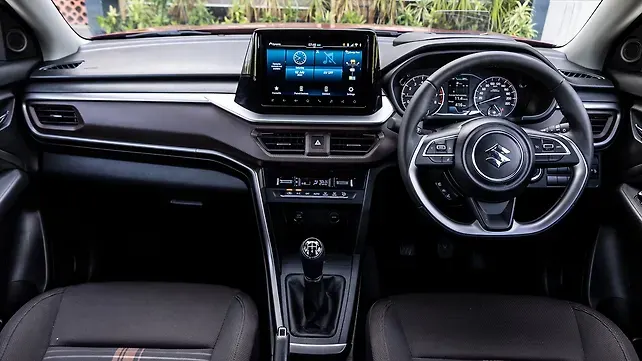
Step inside the Brezza and you are welcomed by a dual-tone upholstery theme of brown and black, which, apart from standing out in the sea of beige and black themes, gives the car a rather rich feel. The first thing that grabs one’s attention would be the new floating nine-inch SmartPlay Pro touchscreen infotainment system. Nestled on top of the new centre console, which by the way, borrows the design of the buttons from the new Baleno, the infotainment system is larger than the outgoing model by two inches. The overall quality of the interiors are on par for the segment, but the material and quality of plastics used around the AC vents could have been better.
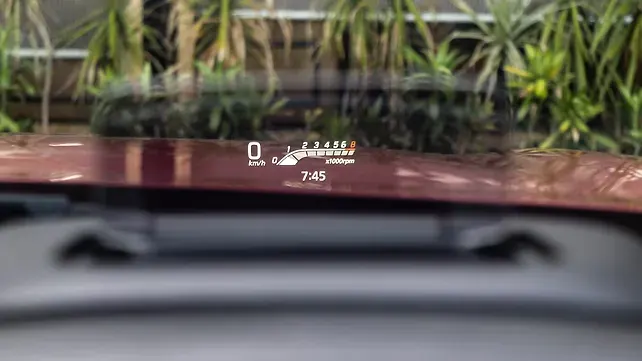
Another welcome addition is the new flat-bottom steering wheel, and placed behind the revised instrument cluster is a Head-Up Display (HUD), which also made its debut in the new Baleno. On the other hand, what does make its debut on the Brezza when it comes to Maruti Suzuki’s entire line-up though, and is the party trick for a good number of folks out there, is an electric sunroof.
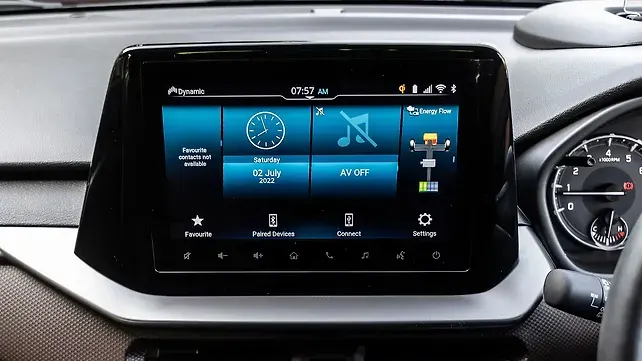
A few other notable features that add convenience for Brezza owners include a 360-degree camera, an auto-dimming IRVM, wireless charging, a cooled glove box, ambient lighting, cruise control, automatic climate control, OTA updates, and Suzuki Connect telematics. In terms of safety, ESP is standard across the variant line-up, while six airbags are limited to the top-spec ZXi Plus variant. A few other notable safety features include height-adjustable front seat belts, a rear view camera, a high-speed alert system, a seat-belt reminder system, a rear defogger, an impact-sensing door-unlock function, and an auto-dimming IRVM. A glaring omission in the SUV regarding features was the lack of ventilated seats, which was noticed in the sunny weather of Chennai that hosted us as we tested the car. We can imagine how much we’d miss this feature in the humid weather of Mumbai during peak summers.
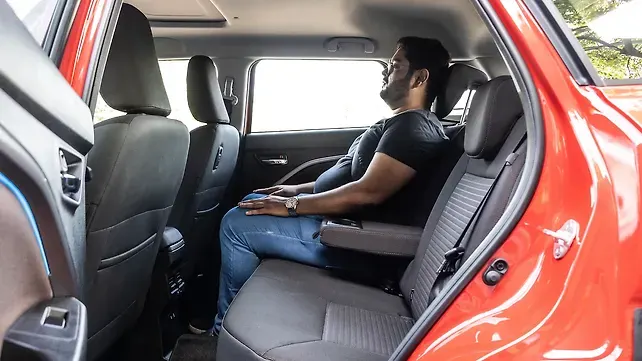
Coming to the utility, there are bottle holders on every door as well as the centre console, and all of them can hold a one-litre bottle each. There is also a front arm-rest with storage function, but don’t expect the latter to hold much excluding small knick-knacks like a wallet and a medium-sized smartphone. The second-row occupants get a separate set of AC vents behind the front arm-rest, which also houses two USB charging ports, where one is a Type-C slot. Neat addition there Maruti, and we really appreciate the thought behind this. Also on offer is a folding arm-rest with two cup-holders, should the rear occupants feel the need to indulge in a cuppa on the go.
EXTERIOR DESIGN:
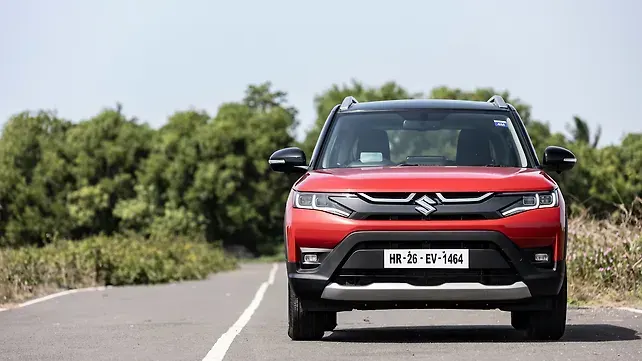
Compared to the outgoing model, the 2022 Maruti Brezza gets a new fascia, replete with new bumpers, grille, and headlamps. The new single slat grille, with its matte black finish and Y-shaped design on either side, makes the fascia rather chunky. The headlamps are entirely new, with dual L-shaped LED DRLs and LED projector headlights. Sitting further below on the bumper are new LED fog lights, while a faux skid plate with a silver finish sits right in between.
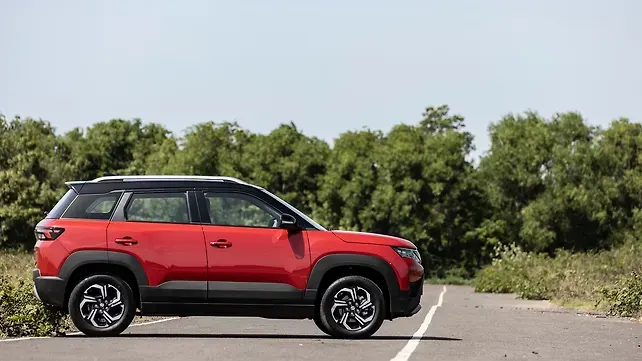
The side profile of the Brezza boasts of squared wheel arches that house the 16-inch diamond-cut alloy wheels. The ORVMs and roof get a gloss black finish, as do the A, B, and C-pillars, thus lending the SUV a floating roof design. The new shoulder line is definitely attention-grabbing and gives the Brezza a more muscular feel than the previous iteration.
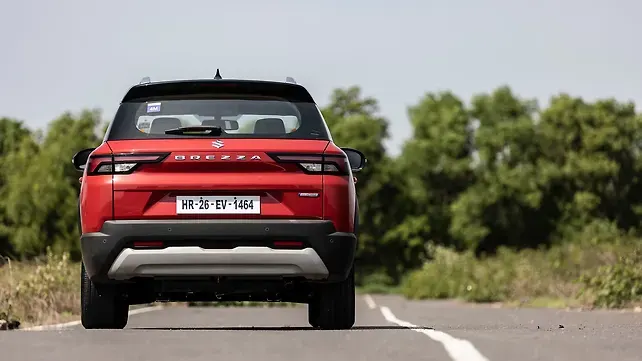
Towards the posterior, the model gets a new tail-gate with a stubby design on the corners and Brezza lettering positioned between the new two-piece wraparound LED tail lights. The new rear bumper with a silver skid plate and horizontally-mounted reflectors complete the rear profile. The redesigned front and rear profile are rather upright, and may or may not be to one’s taste. You could say it was more of the latter in my case.
Pros:
Smooth petrol engine is relaxing and fun!
Comfortable ride quality. Tackles bumps, potholes much better.
Spacious cabin for a family of five. Ample boot space too.
Cons:
Old-school 4-speed automatic feels slow on inclines and highways.
Missing features: sunroof, rear-AC vents, side and curtain airbags.
No option of a diesel engine.
HYUNDA VENUE: 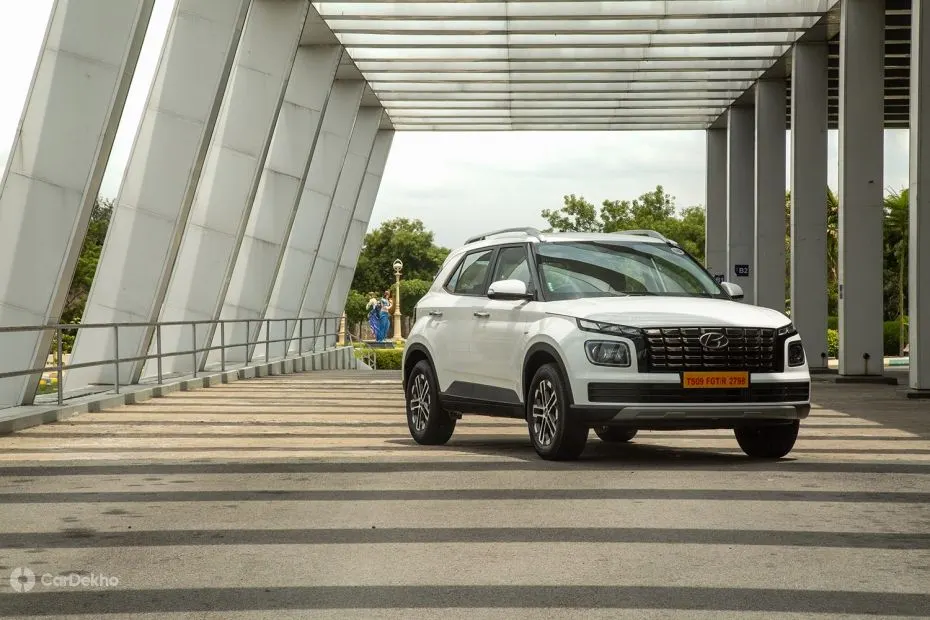
When the Venue was first launched in 2019, it gave a rather sedate segment a shot of features and premiumness which blazed the trail of its success. However, its no longer the top pick in the segment. Can the added features in this 2022 Venue facelift help it regain its mojo?
Exterior
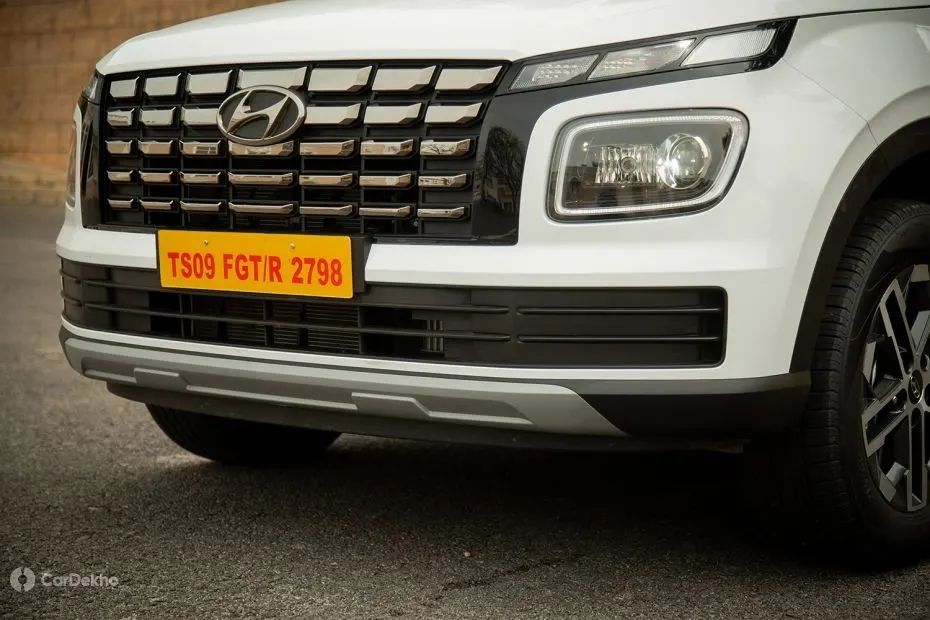
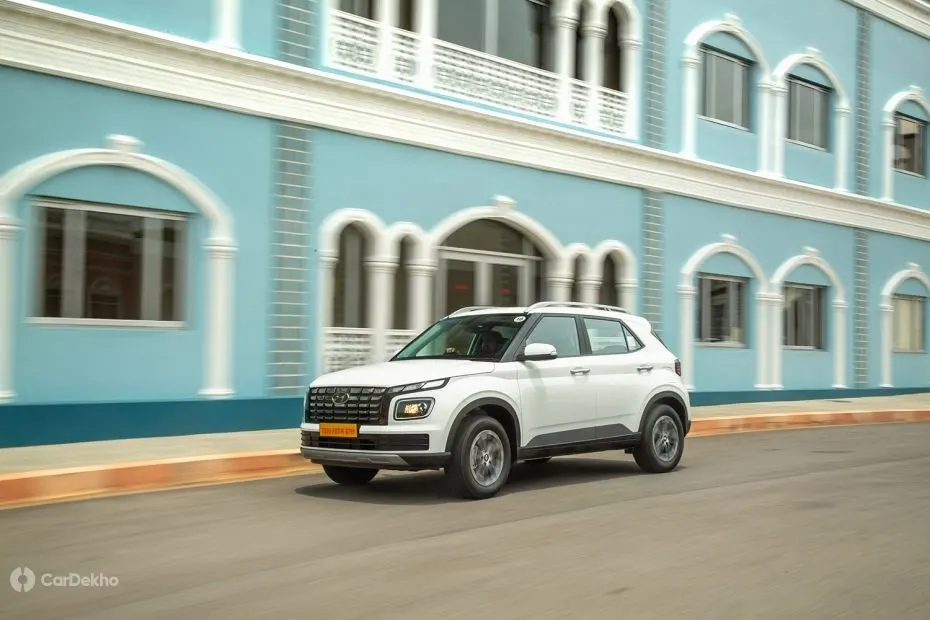
The Venue, in essence, remains identical to the pre-facelift car, but gathers a lot more attention now. The revised grille, which is now in sync with larger Hyundai SUVs, helps it look more dominant. Plus the grille gets dark chrome which, in my opinion, looks rather tasteful. Lower down, the bumper has been made more sporty and the skid plate more prominent. What buyers will also appreciate are the new LED projector headlamps emitting white light. However, the indicators are still bulbs and look out of place on this revised face.
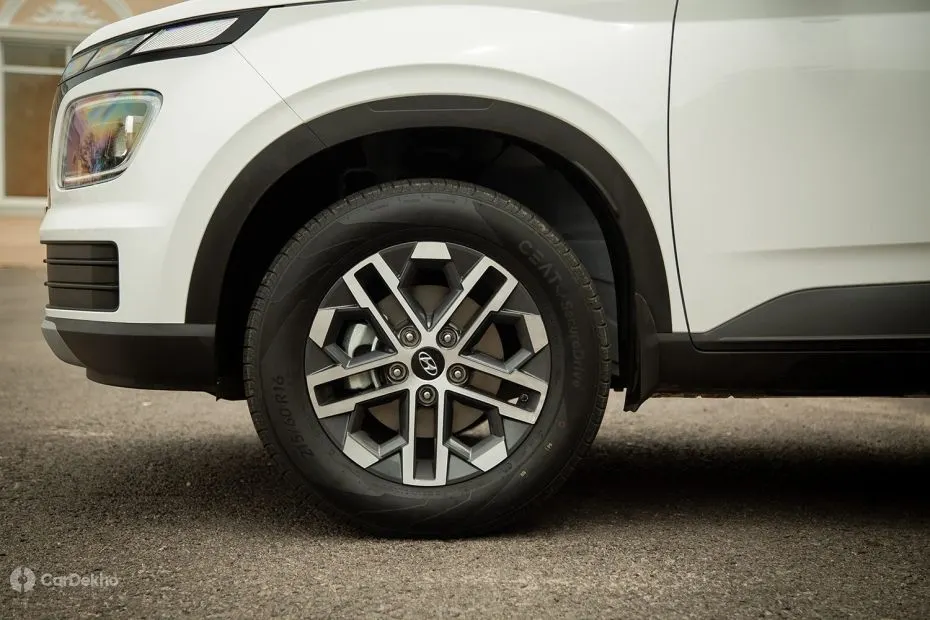
The side features bolder 16-inch dual tone alloy wheels and the ORVMs now fold in and out automatically when you lock/unlock the car. They get puddle lamps as well. Roof rails get a new design but it is hard to tell the difference. The Venue is being offered in 6 sober colors and only the red gets the option of a black roof.
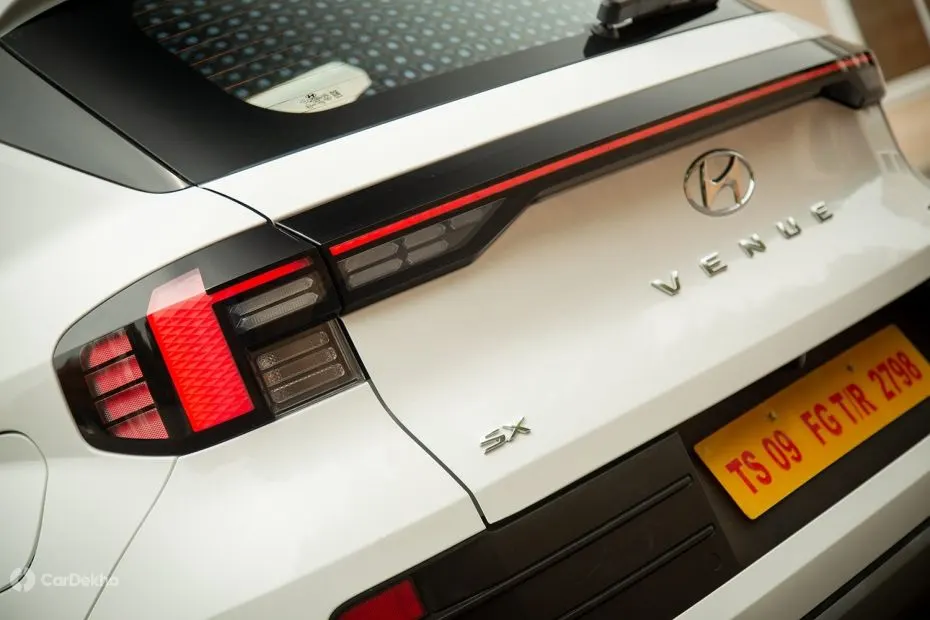
At the back is where the Venue looks properly modern. The new LED treatment looks unique with connected strip and block lighting for the brakes. Even the bumper has been given the block treatment for reflectors and the reverse light. Overall, while this is still immediately recognizable as a Venue, the changes help it look bolder and have a much better road presence.
Interior
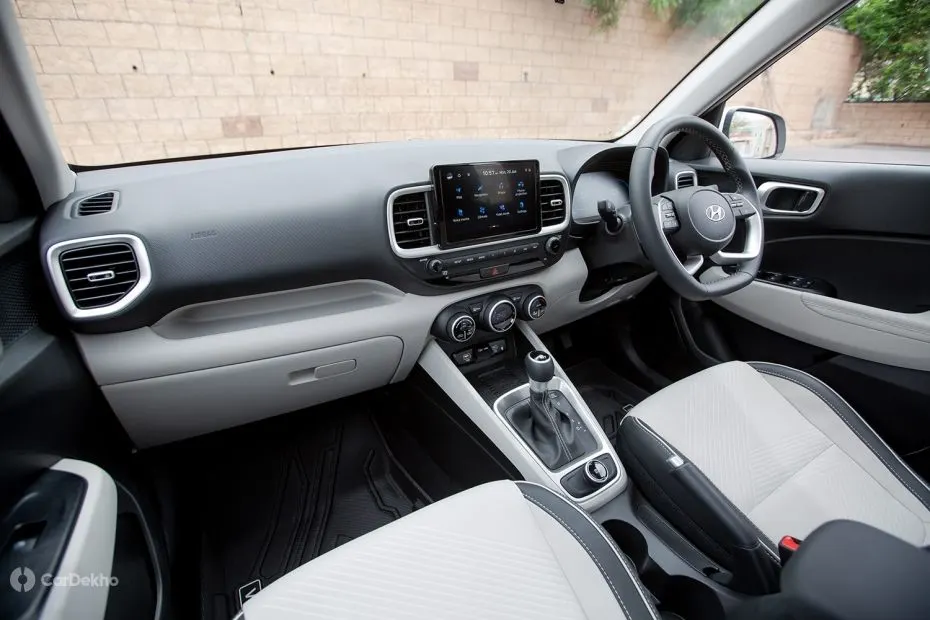
The cabin of the Venue has seen less visual changes than the exterior. The dashboard is now finished in dual tone and the upholstery has been updated to match. However, you get part-leatherette and not full leatherette upholstery which is preferred by some buyers.
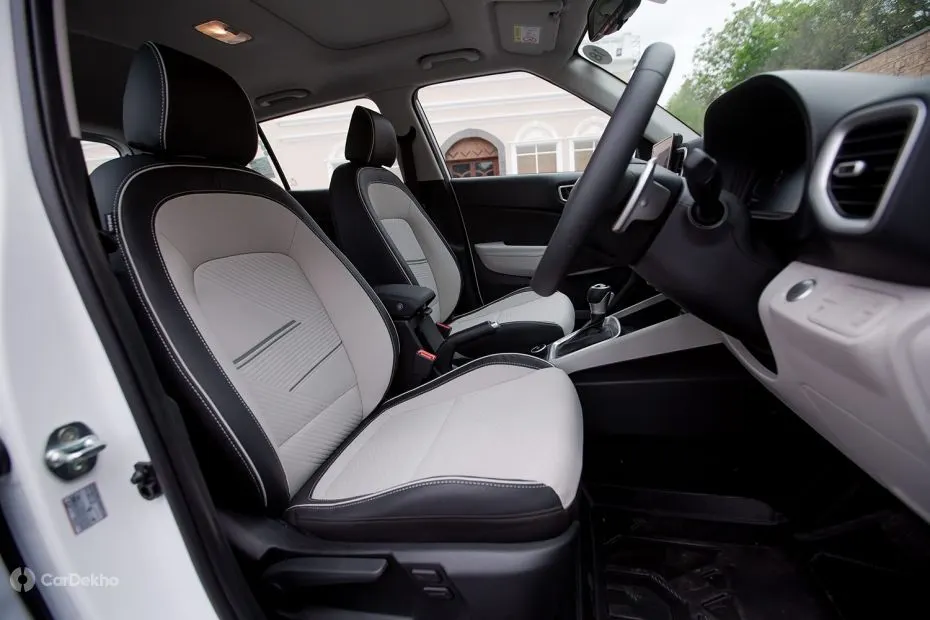
In terms of feature updates, the driver gets the most. The driver seat is now powered for recline and slide adjustment, there is a digital instrument cluster which now has a highline tyre pressure monitoring system (individual tyre pressures displayed) and turn-by-turn navigation display, and a Type-C port for device charging. The turbo-petrol-DCT powertrain also gets drive modes, which we will get to a little later.
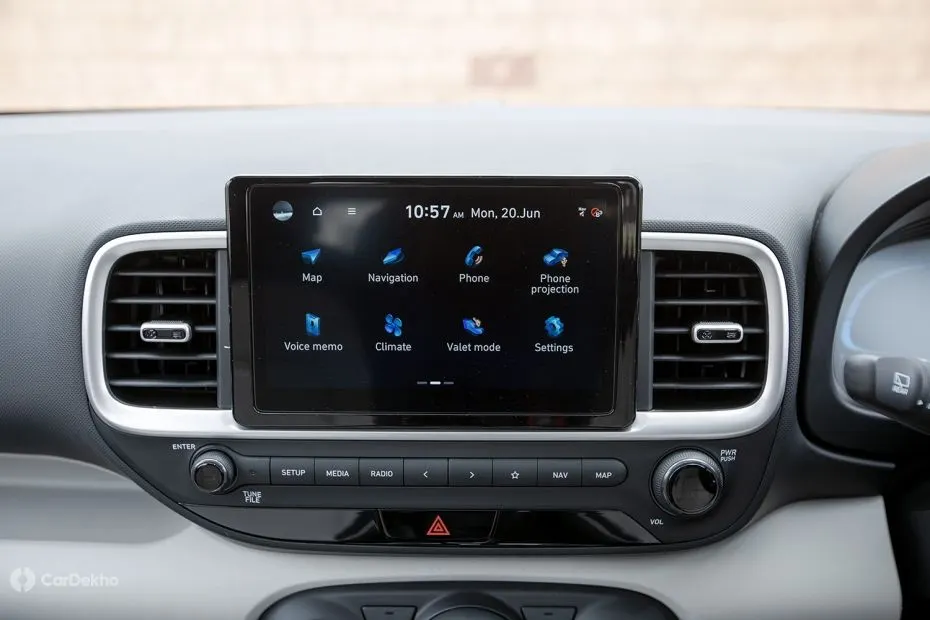
Other feature additions include an ambient light in the dashboard storage and a centre-armrest integrated air purifier, which was earlier placed in one of the cup holders. The biggest change however has been to the infotainment system. The screen still measures 8-inches and we would have liked to see a 10-inch display, but the interface is now completely new. The display is sharper and the icons look much better. The fluidity and response of the system is also smoother than before. It gets 10 regional languages to choose from and most of the voice commands are now processed by the system itself and are not network dependent, which reduces the response time. An update in the connected car tech now allows you to ask Google or Alexa at home for tyre pressures, fuel level and more. These changes improve the experience of the infotainment quite a bit.
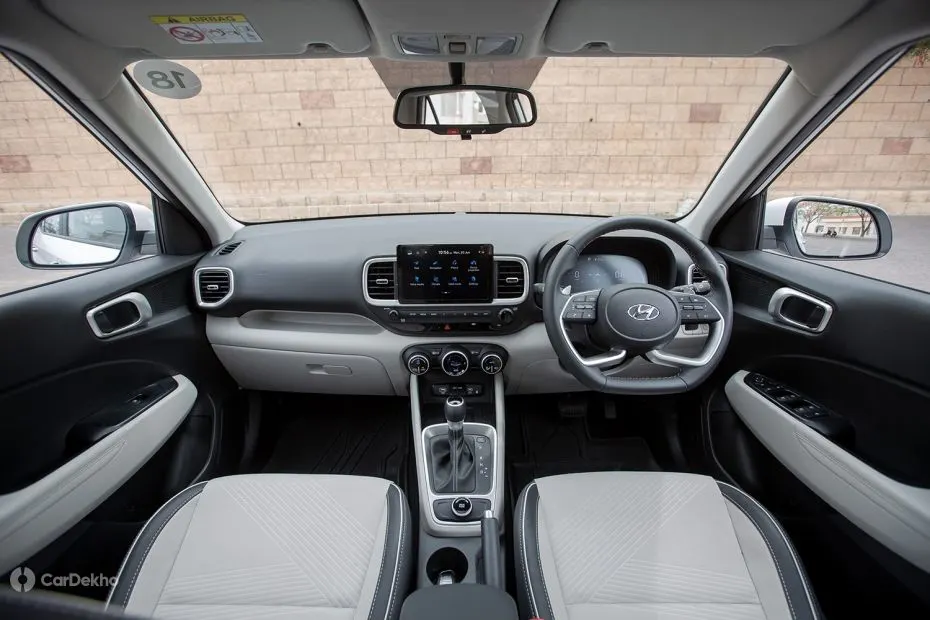
However, we expected more from this update. The Venue has some silly, and other major omissions in features which could have been avoided. The driver seat misses out on powered height adjustment and ventilated seats. Other smaller omissions include auto day/night IRVM, a branded sound system or tuning, rain-sensing wipers and telescopic steering wheel adjustment. These features, if present, could have really taken the Venue to the top spot again in the features department.
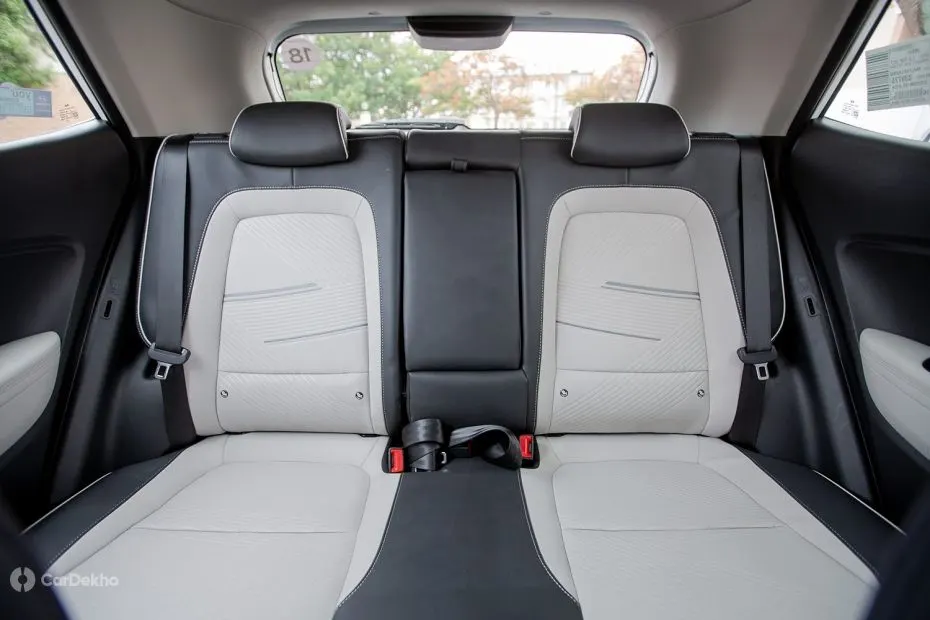
Hyundai has worked toward improving the rear seat experience as well. The front seat backs are now scooped out to offer better knee room and the seat base is tweaked to offer better underthigh support, and these have worked. The seat also features a 2 step backrest recline which adds a layer of personalised comfort for the occupants.
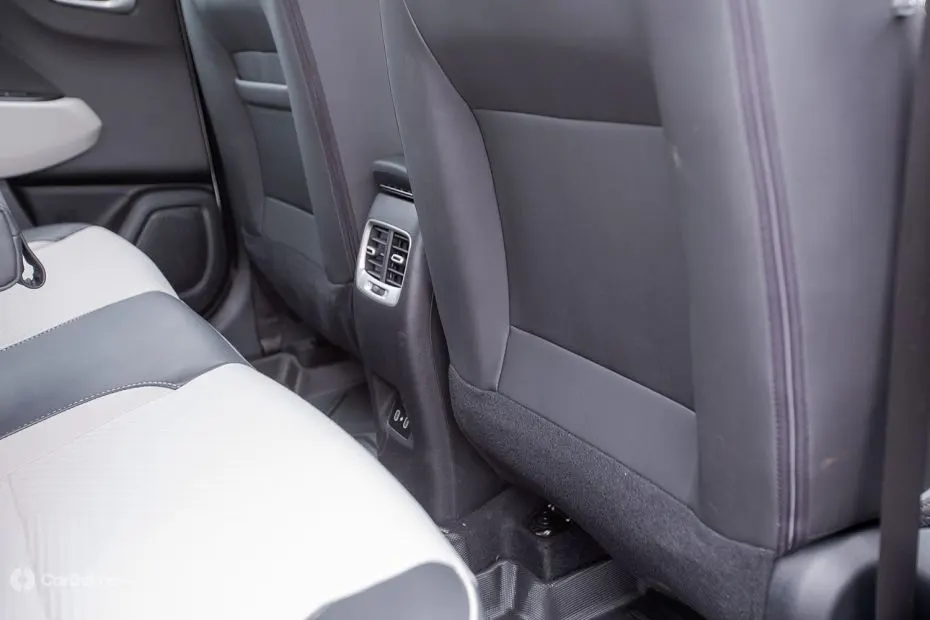
Another welcome addition are the 2 Type-C charging ports under the AC vents. The rear seat experience, with these, is better. Hyundai could have offered sunshades and better cabin insulation to improve this experience.
Safety
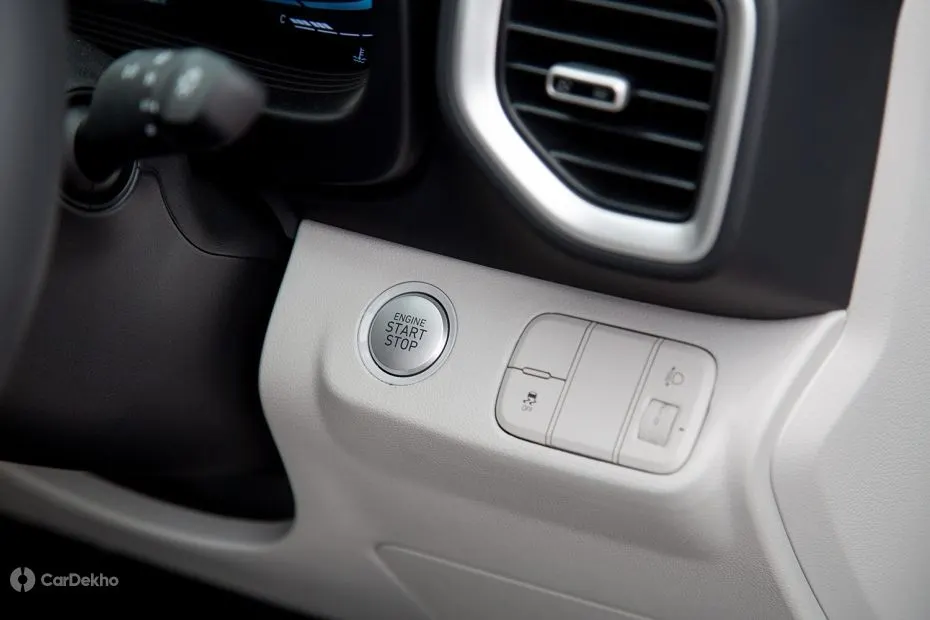
Six airbags are now being offered with the Venue, though only with top-spec SX(O) variant, while all the other variants get 2 airbags. Also, the base E variant, misses out on electronic aids like Brake Assist System (BAS), Electronic Stability Control (ESC), Vehicle Stability Management (VSM), and Hill Assist Control (HAC) but ISOFIX mounts are being offered as standard.
Performance
| 1.2L Petrol | 1.5L Diesel | 1.0L Turbo Petrol | |
| Power | 83PS | 100PS | 120PS |
| Torque | 115Nm | 240Nm | 172Nm |
| Transmission | 5-Speed MT | 6-Speed MT | 6-Speed iMT / 7-Speed DCT |
| Fuel Efficiency | 17.0kmpl | 22.7kmpl | 18kmpl (iMT) / 18.3kmpl (DCT) |
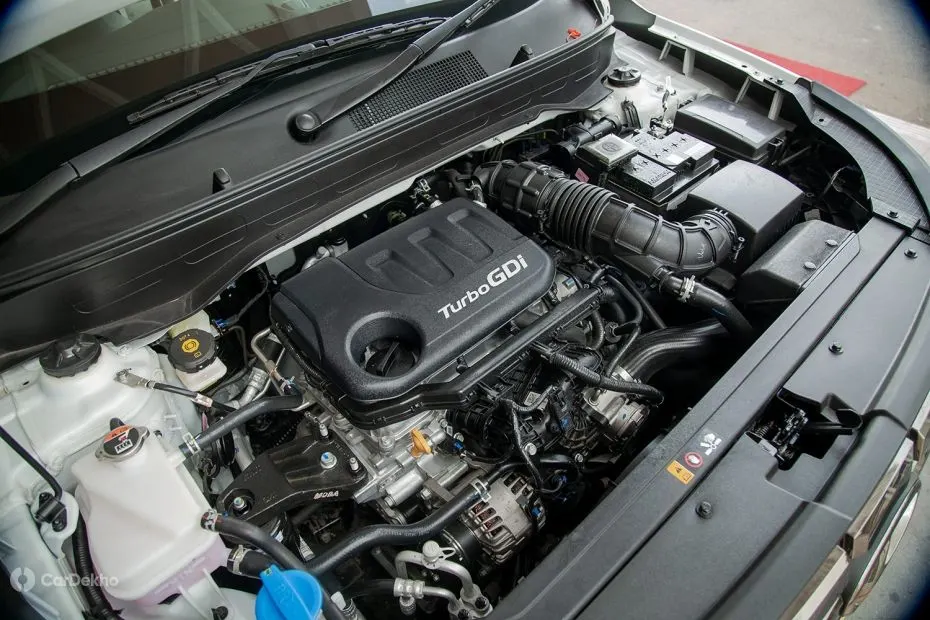
The Venue retains its engine and transmission options with no changes, except for one. The turbo-petrol engine now comes with an updated DCT transmission and drive modes. Luckily, we got our hands on this very drivetrain. What we miss however is a diesel-automatic drivetrain which the Sonet offers and was expected in the upgraded Venue as well.
Right from the get-go, this DCT feels improved. The crawl is smoother and this helps the drive experience feel more refined in crowded cities. The gear shifts are quicker too which helps the Venue feel more effortless to drive. While this is not a big improvement, it still makes the experience more refined.
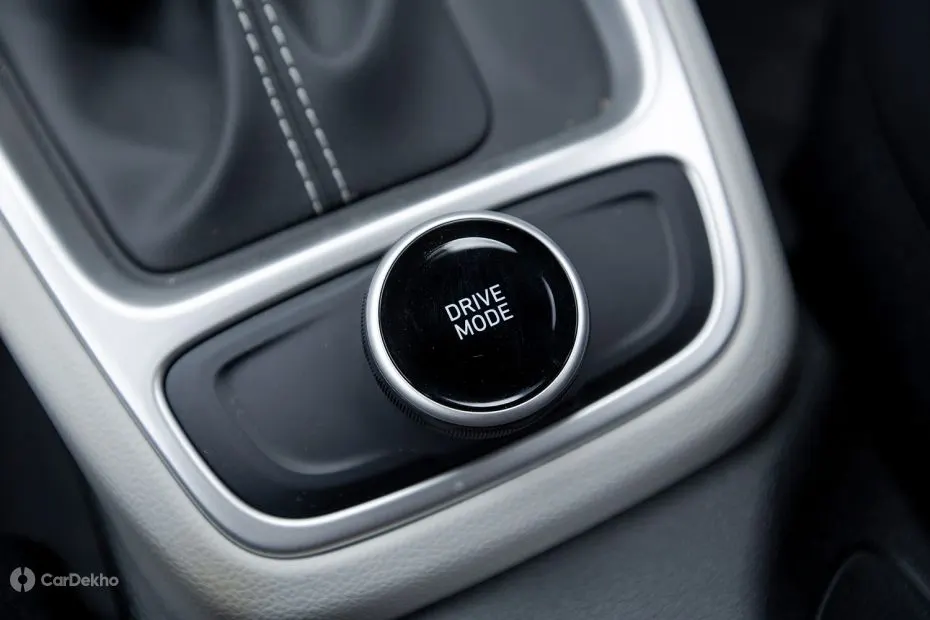
What is a prominent improvement though are the drive modes. ‘Eco’, ‘Normal’ and ‘Sport’ modes alter the transmission’s shift logic and the throttle response. In Eco, the car remains very drivable and because you are usually running a gear higher, it will help the mileage as well. Normal is the ideal mode for city and highways, and the Sport mode makes the Venue feel sporty with aggressive downshifts and sharper throttle response. The engine still feels refined and responsive for both city and highway and this remains the drivetrain to pick if you are looking for an all-round experience.
Ride and Handling
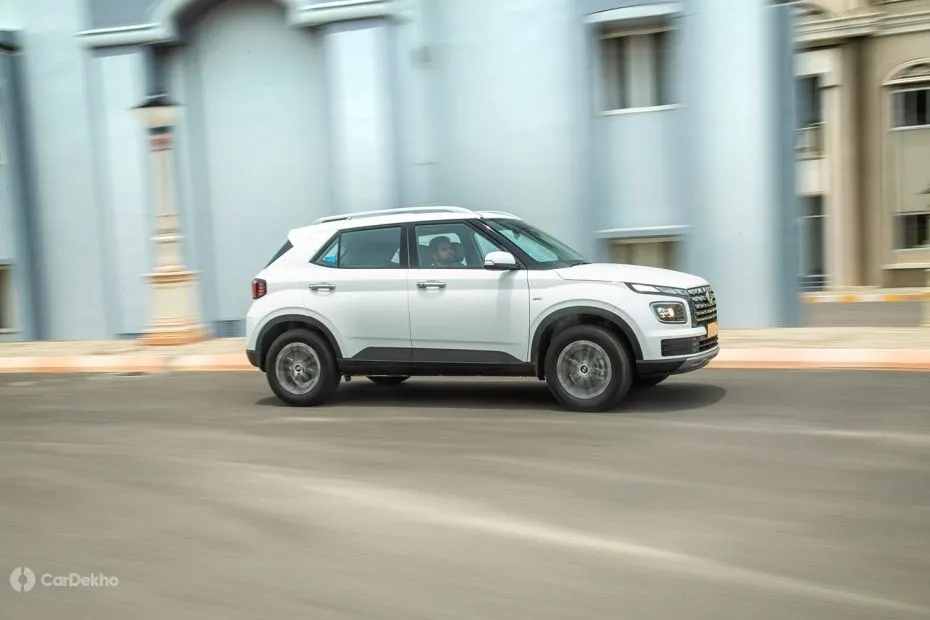
The Venue still retains its settled ride comfort. It cushions the occupants well from the harshness of the surface, be it a speed breaker or a pothole. Sharper bumps are felt in the cabin but without making the passengers uncomfortable. Out on the highways, the ride remains stable and the Venue remains a good car to cover long distances in. The handling still remains good and confidence inspiring for family road trips.
Pros:
Updated styling makes the Venue look more butch and upmarket.
Dual-tone interior is classy, good quality of materials in the cabin too.
Powered driver’s seat, Alexa/Google Home connectivity, Digital driver’s display added to an already expansive feature list.
1.2 Petrol, 1.5 Diesel, 1.0 Turbo - plenty of engine options to choose from.
Cons:
Updated styling makes the Venue look more butch and upmarket.
Dual-tone interior is classy, good quality of materials in the cabin too.
Powered driver’s seat, Alexa/Google Home connectivity, Digital driver’s display added to an already expansive feature list.
1.2 Petrol, 1.5 Diesel, 1.0 Turbo - plenty of engine options to choose from.
TATA NEXON
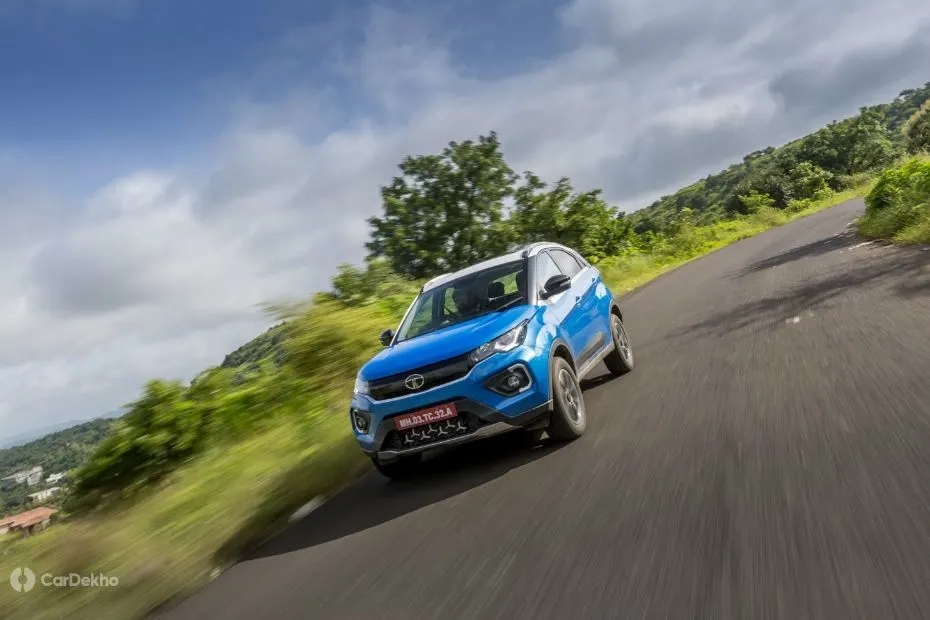
With its 5-star safety rating, the Nexon was already one of the most talked about urban SUVs in the market. Not to forget, the spacious cabin and comfortable rear seats made it the ideal pick for the family. But the competition with its modern features and attention to finer details had the heavier chunk of buyers. Came 2020 and Tata was ready with the Nexon facelift. It gets better looks, modern features and more power in the petrol engine. And even though the prices have gone up, the Nexon feels like a more complete package. Are the changes bold enough for it to be the default choice in the segment?
Exterior
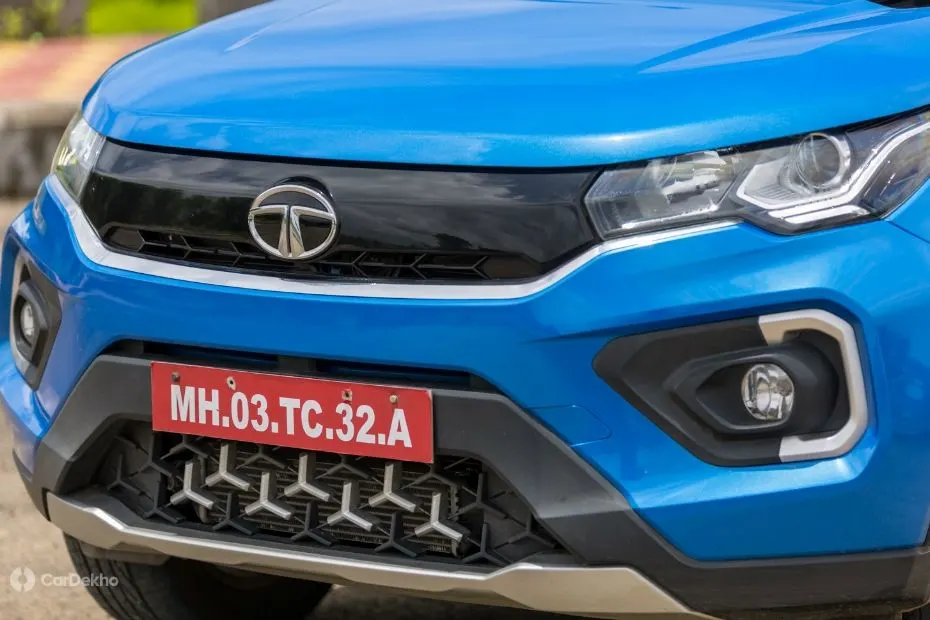
Nexon designers were told to introduce the new tri-arrow element in the design everywhere. And to their credit, they have done so beautifully. The face now looks more posh with the thick black grille and the better designed airdam with the said tri-arrow elements (replaced by bi-arrow design now). The headlamps are also revised and feature projector beams. The DRL's too are in the same tri-arrow shape and look rather well detailed. Overall, the face now looks better chiseled and more modern.
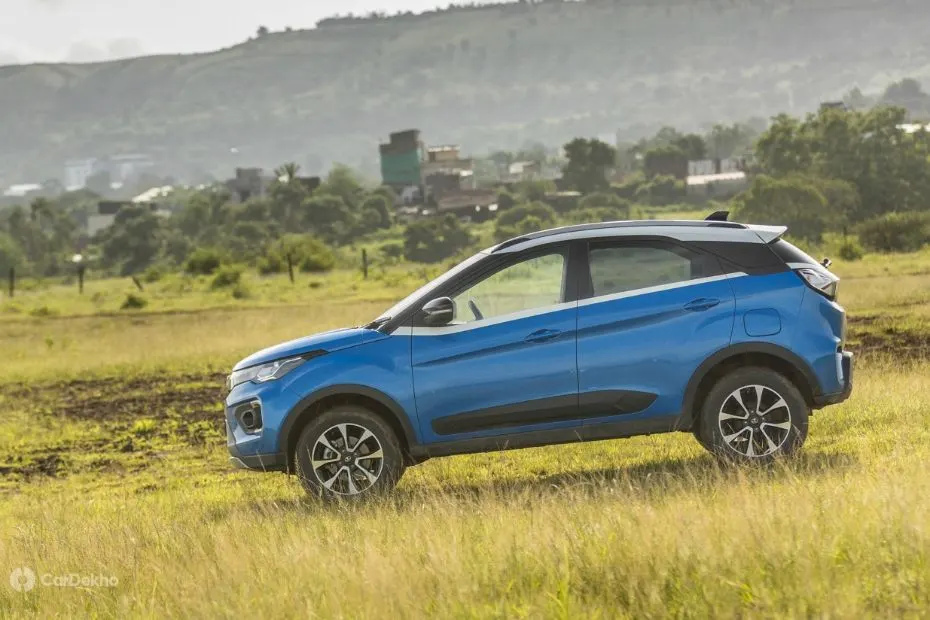
Move to the side and the Nexon looks... the same. Minor changes here are lower down with a slightly different alloy wheel design and the side cladding featuring the tri-arrow design. The C-Pillar cladding has been altered as well. At the back, there are minor tweaks. The tail lamps now feature the, you guessed it - the tri-arrow design. Lower down, ‘Nexon’ is now spelt on the boot and the bumper has gone through a sporty revision as well. Overall, the Nexon looks sharper, to a point where the older one now looks a lot more dated than it really should.
Interior
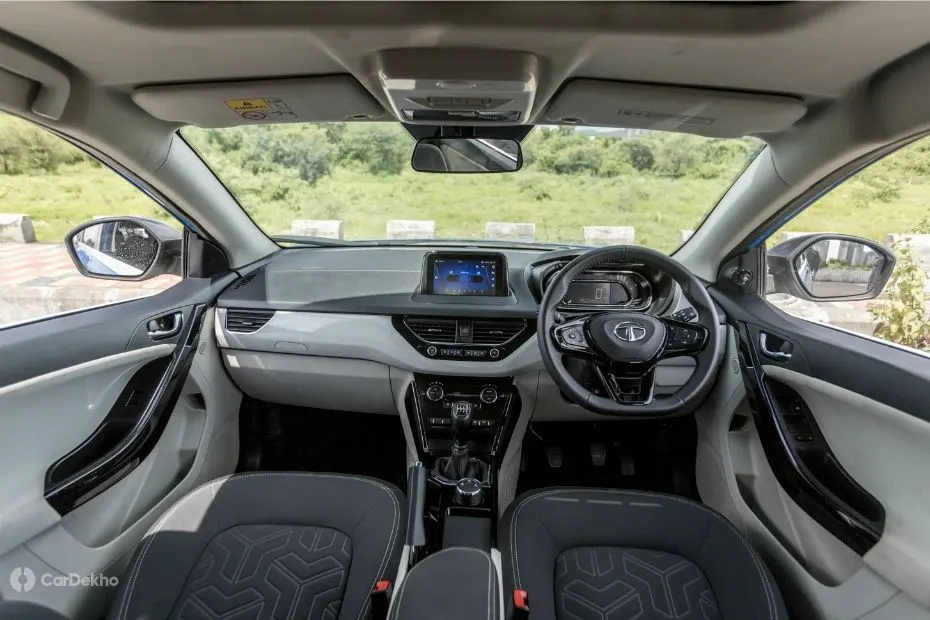
The doors of the nexon open wide and the height adjustable seat is large and comfortable. Designers have also done a commendable job to help make the Nexon look better for the passengers. The new dashboard garnish finished in a gloss white finish certainly adds to the premiumness. And it gets the tri-arrow elements too. Most areas inside the cabin are light and that adds an extra layer of airiness in a cabin that's plenty wide to begin with. The fit and finish levels are a major improvement over the older Nexon and it now feels like a well put together SUV.
The steering in this top trim comes with a leather wrap and the flat-bottom setup feels sporty. But, the final touch points here could have been better. The leather finish and the steering-mounted controls leave a bit to be desired. Because of the layered steering wheel design, pressing hard on the music/calls/cruise control buttons will see you honking accidentally. This also happens while making u-turns and is something you will have to learn to live with.
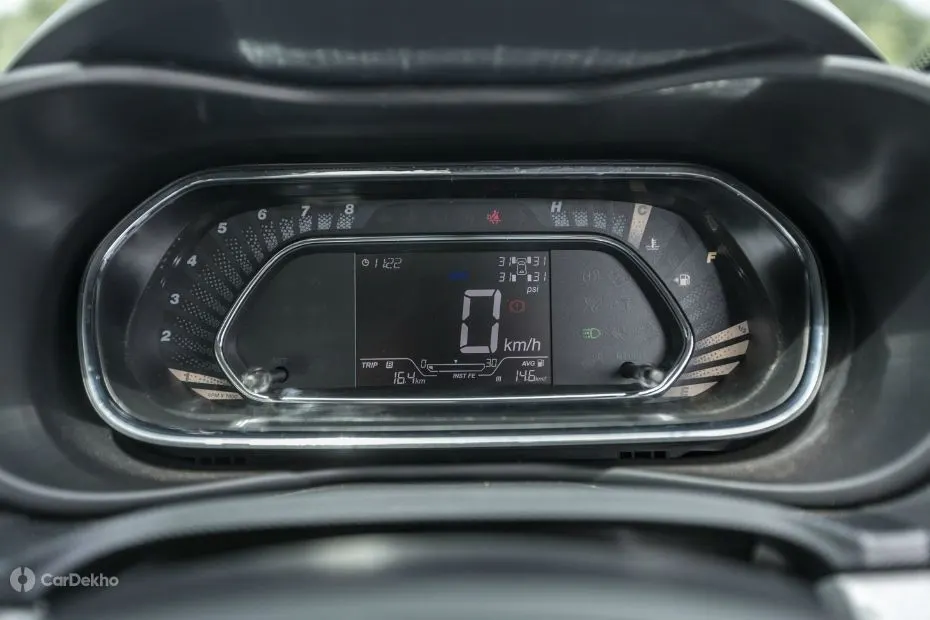
The instrument cluster is new. It displays a lot of information and looks quite cool as well. But, the display is small and with all the information like time, TPMS, trip, average efficiency and instantaneous all taking up real estate at the same time, it does feel cluttered. This means you have to focus on the screen to get a particular info while driving. We wish Tata would have used the digital display from the Nexon EV, which mimics that of the Harrier, here as well.
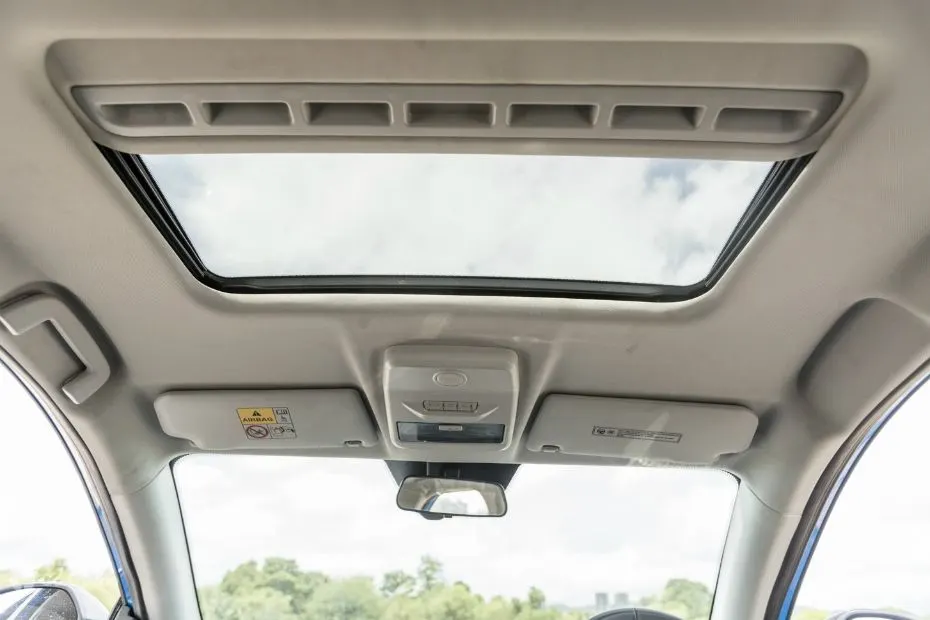
Other features like the sunroof, automatic climate control, push button start stop, automatic headlamps, rain-sensing wipers, cruise control, electric folding and adjustable ORVMs, all remain intact.
Infotainment
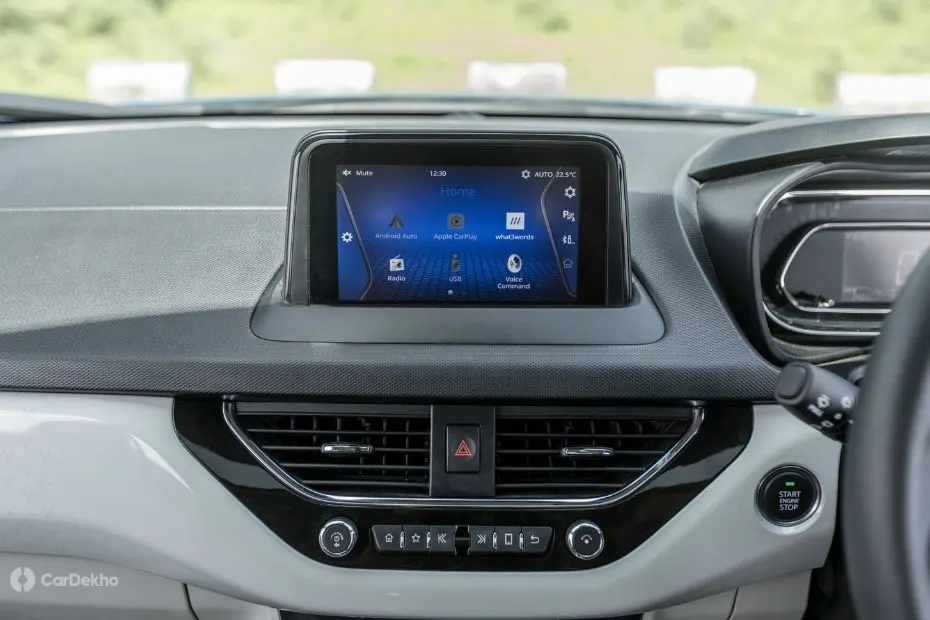
The infotainment duties are taken care of by a 7-inch touchscreen display which gets changeable colors and themes. The unit now feels smoother to operate and gets more features. It now gets IRA connected car technology by which you can have remote vehicle control like flash headlights, lock & horn, live vehicle diagnostics, vehicle location track, geo-fence and trip analytics. What you can't do however is start and switch on the AC, a feature available in the Nexon EV via the ZConnect application. This feature would have been particularly useful to pre-cool the SUV in the hot Indian summers. We could not test these features however, as they were not activated in our test car.
You also get ‘What Three Words’ in navigation, in which you can give a voice command of the three key words of the destination, and the infotainment system will find it for you. Speaking of voice commands, Nexon now accepts them for the phone, media and climate control. Also, you can give them in Hindi as well, and they work quite well. However, you cannot operate the windows or the sunroof with this feature. If you are not interested in all this tech, then you will be glad to know that the banging 8-speaker Harman sound system is still present, and is still the best in the segment.
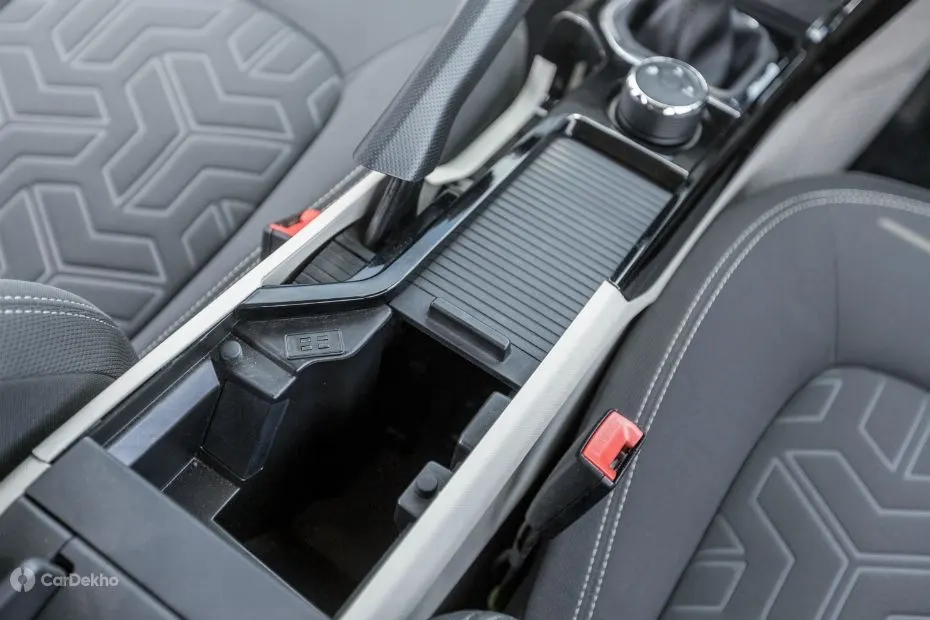
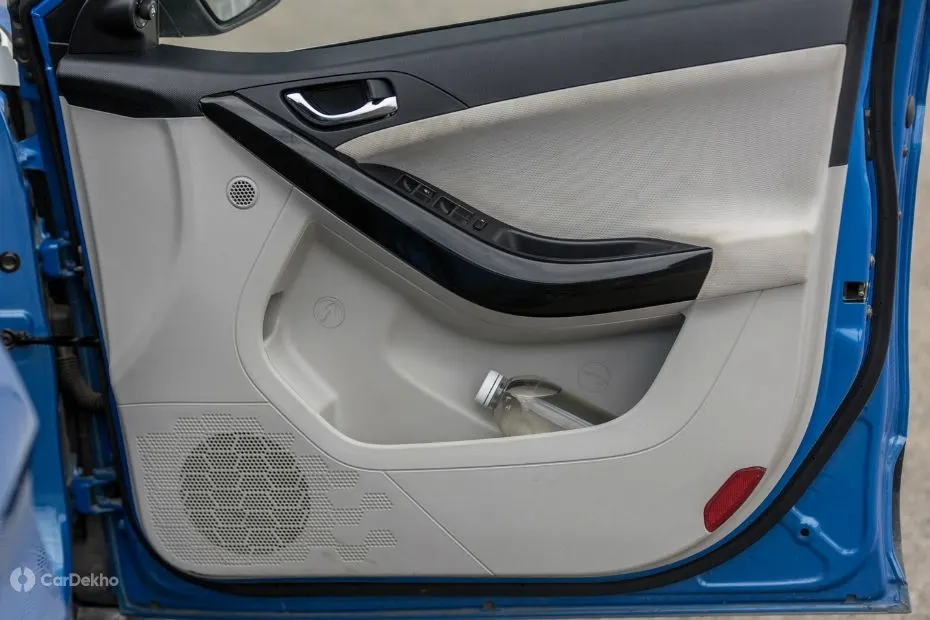
While Tata has clearly put an effort in making the cabin feel more premium and adding modern features to ease convenience, they forgot to fix the everyday practical bits. The centre storage remains a mystery as the cup holders are too deep and narrow to hold cups, the sharp edges mean you will be hesitant to store a phone there and the front USB port is still out of reach of an adult hand. If fixed, the Nexon’s cabin could easily be the most practical cabin in the segment. On the flipside, the practical bits which were good are still good, like the large door pockets with umbrella holder and the massive 15-litre cooled glovebox.
Rear seat
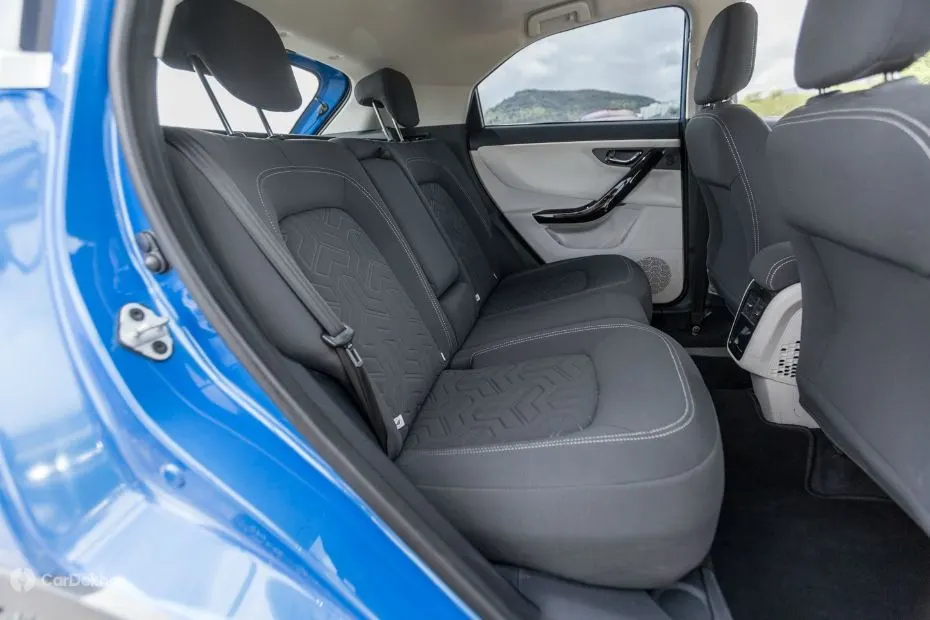
This is where Tata has dominated the segment and still does. The large rear bench ensures good comfort of the occupants. Be it leg room, headroom, under thigh support or the recline angle, these seats score highly. In fact, seating three at the back is also possible as the cabin is wide enough. Adding to the convenience are rear AV vents and a 12V socket. The armrest has two cup holders and the door pockets too can hold a 1-litre bottle with ease. If you are looking to buy a sub-4 metre SUV for the family’s comfort, look no further.
Boot Space
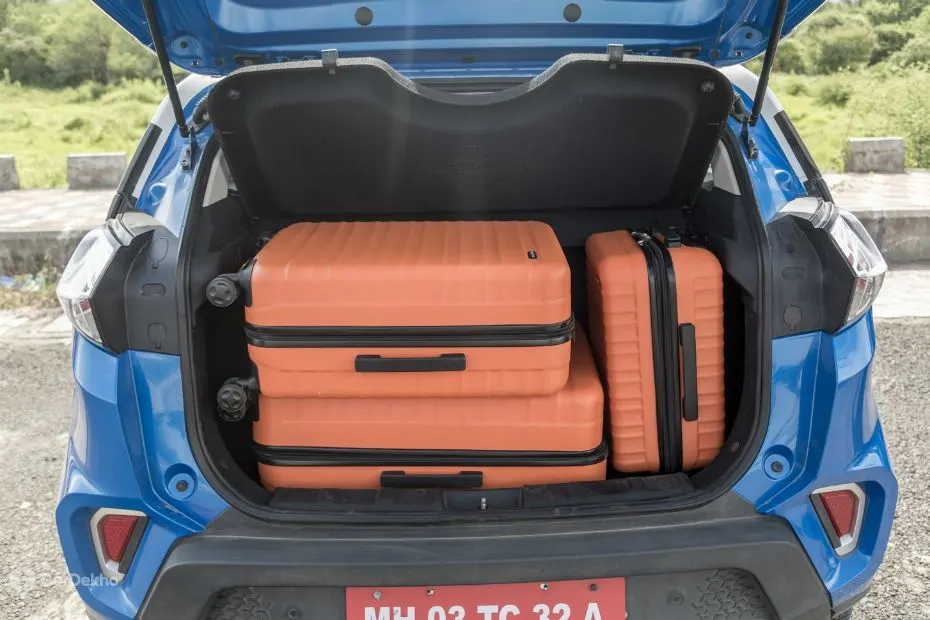
At 350 litres, the boot of the Nexon is big enough to accommodate our three test suitcases. One large, one medium and an overnighter. The boot, like the competition, could have accommodated a soft bag as well, but the intrusive wheel wells pose a challenge. If you wish to load more, the rear seats get 60:40 split and a true flat fold by folding up the rear seat bench.
Safety
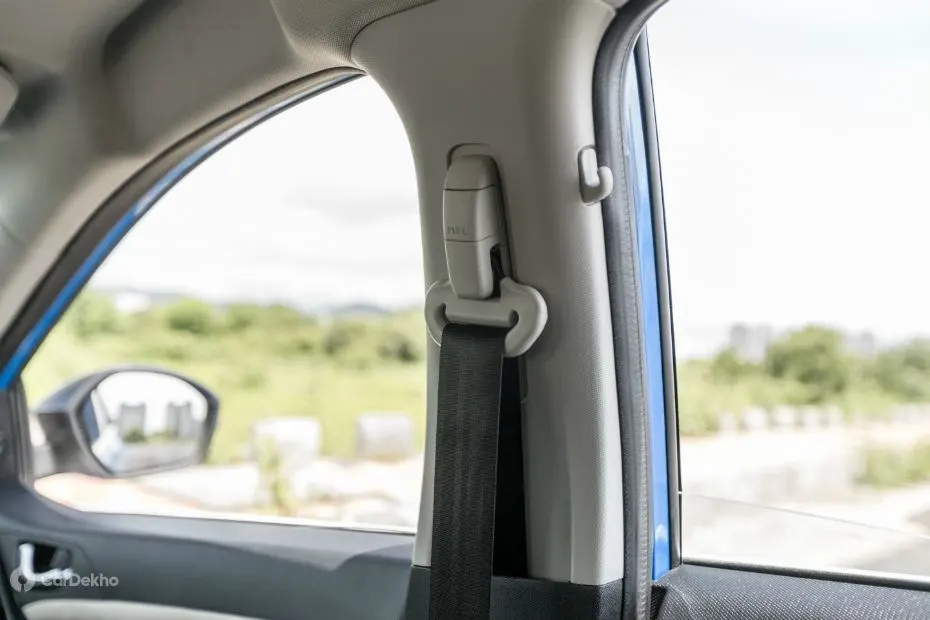
In terms of safety, the Nexon has proved to be the second most secure car in the segment with an NCAP rating of 5 stars. It gets dual airbags, ABS with EBD, ISOFIX child seat anchors, ESP and reverse parking sensors and camera.
Performance
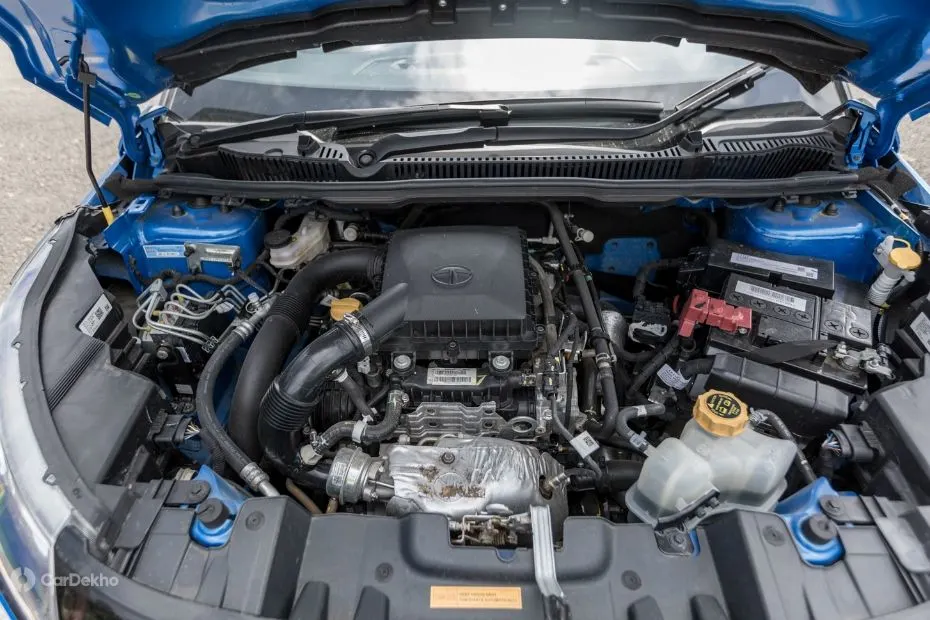
Another department of the Nexon which has seen a major update is the petrol engine. Not just a BS6 upgrade, but the engine is now also blessed with 10 more horsepower. The 1.2-litre turbocharged unit is making 120PS of power and 170Nm of torque while still being mated to the 6-speed manual transmission. And not just on brochure, this does feel better to drive as well. Refinement levels of the engine have improved, albeit marginally..
The motor still sends vibrations into the cabin at ideal and sounds a bit crude as well. But luckily, most of these vibrations are limited to idling situations only. Get going and the engine now revs more linearly than before. The spikes in power delivery are subtle and won't bother you inside the city. Adding to the ease of drive is the light clutch, which is possibly the lightest we have driven in a long time. It does take a while to locate the bite point as the action is very linear and lacks feel, but is surely a plus point in your everyday drive.
A bother however will be the turbo lag. The power feels missing at lower rpms, and this makes the bumper to bumper situation a bit dull. This will lead to a downshift, or going hard on the gas to make the revs climb faster. But, when the turbo does kick in, you get a good pull in the mid-range and ample torque for overtakes. This is where the engine feels in its zone and will offer a good efficiency as well. The in-gear acceleration has improved significantly, with the BS6 Nexon being faster than the BS4 model in both 30-80kmph in third gear and 40-100kmph in fourth gear. Highway cruising is also calm and sweet with 100kmph clocking in at 2000rpm.
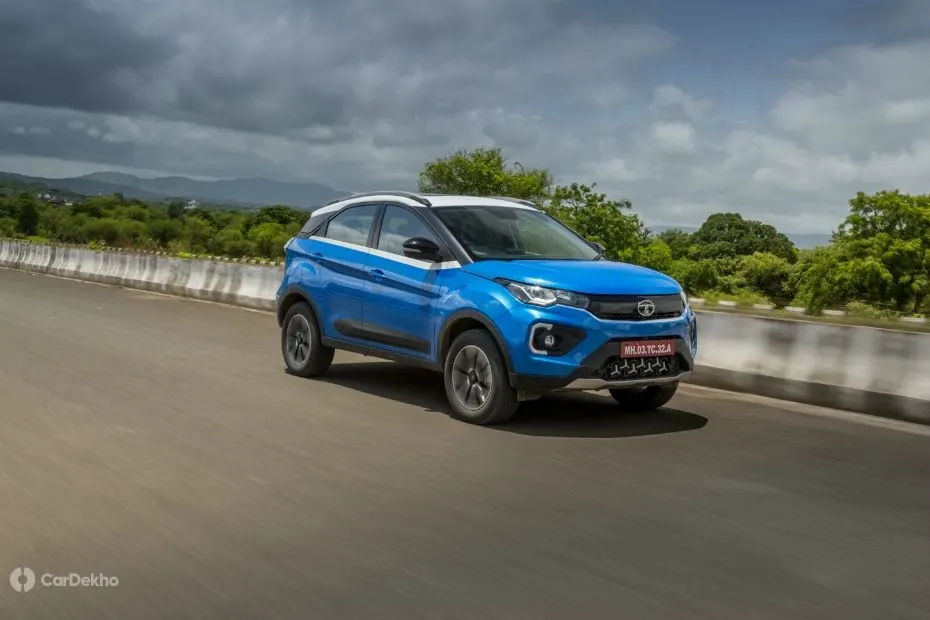
But, if you're in the mood for some fun, the top-end performance still feels missing, even in the Sport drive mode. Despite the 10 added horsepower, the Nexon doesn't feel particularly fast or quicker. The 0-100kmph run took 2 seconds more than the older Nexon petrol. And this is down to two things. First, the BS6 update has taken some pull away from the engine and hence the added power is less to make the Nexon faster, and more to make up for the performance lag. And second, the gear shifts. Inside the city, the shifts feel a bit notchy and the shift gates don't feel well defined. This becomes particularly apparent while shifting quickly. Slotting into second at higher revs requires quite a bit of force and going into third on the redline will result in a miss shift. Plus, redline shifting does result in the engine bogging down, and taking time to gain momentum again.
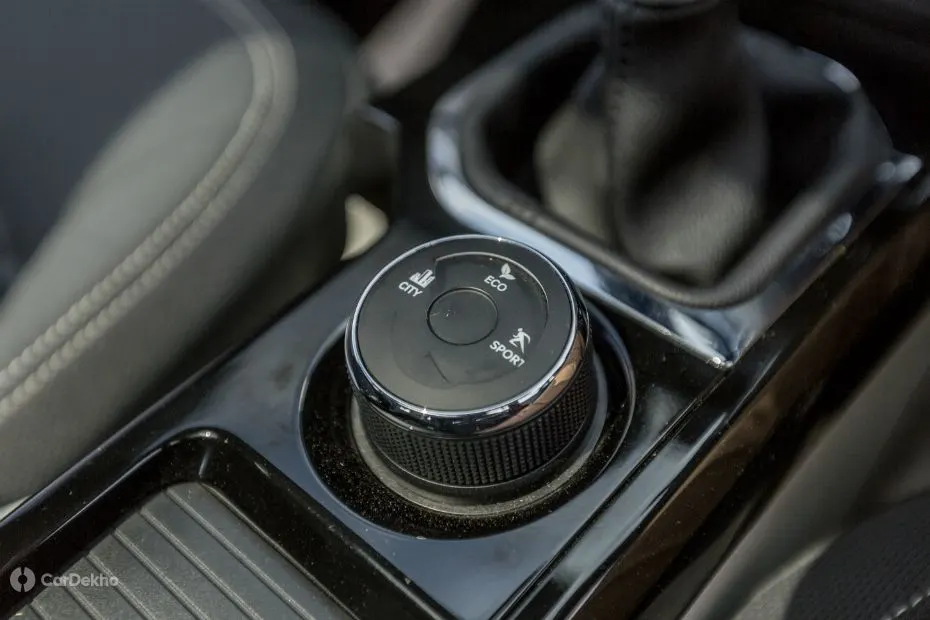
Like before, the drive modes make quite a bit of difference in the way the power is available. City is more than adequate for leisurely drives, Sport feels peppier and Eco does its job by feeling a bit too lazy.
Ride and handling
The Nexon's ride comfort will give you little reason to complain inside the city. However, the facelift changes on-road manners a wee bit. The initial firmess has been dialed up. While this means that the Nexon is quick to settle down after bumps and speed breakers, this also means that the surface undations are now more pronounced in the cabin. While driving on good roads, the passengers now have to deal with a bit of jitteriness which wasn't there before.
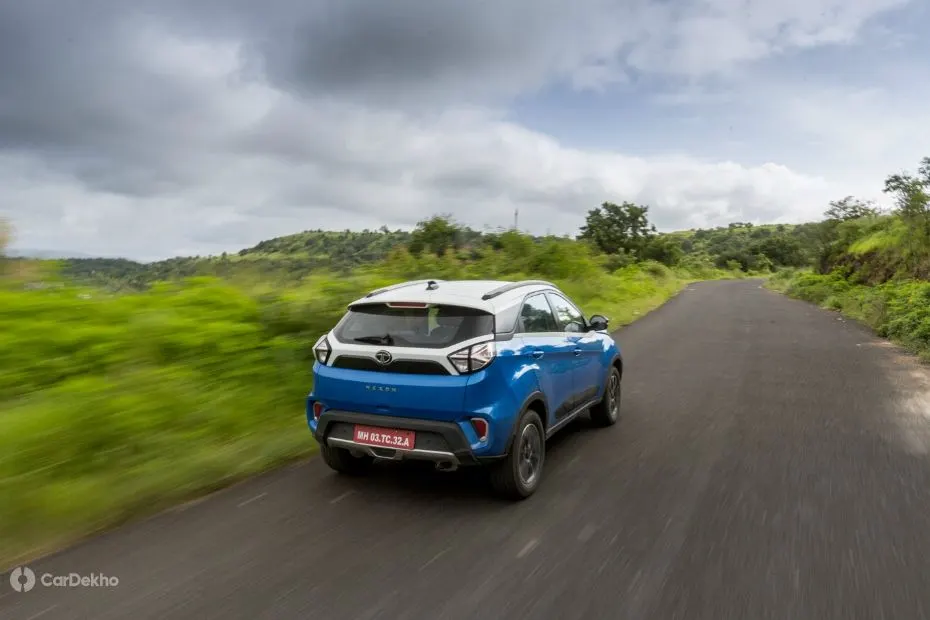
Go over a bad patch however, and the Nexon flattens it for the passengers. The suspension is silent and cushions the occupants well over most of the bigger undulations. It's only when you are driving over a particularly bad patch that the side to side movement in the cabin feels a bit jarring.
Pros:
Spacious cabin with comfortable rear seats
Comfortable ride quality
Looks attractive and modern
5-star NCAP safety rating
Cons:
Engine refinement is lacking
Infotainment system feels dated
KIA SONET:
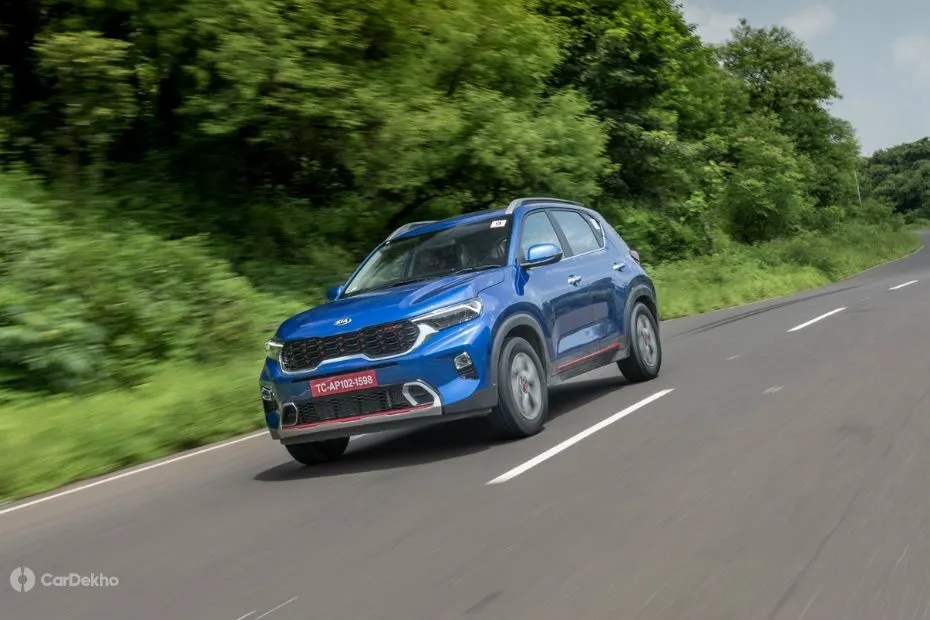
From the glitzy Auto Expo show floor to your friendly neighbourhood showroom, Kia’s Sonet has crossed the bridge virtually unchanged. There’s confidence in Kia’s actions too, an outcome of the popularity of the Seltos and the acceptance of the Carnival Indians have shown. For not much else explains why the Sonet appears as loaded as it is, or comes with the drivetrain options that it does. Kia seems to think they have a winner on their hands. To be fair, we think the same too.
Exterior
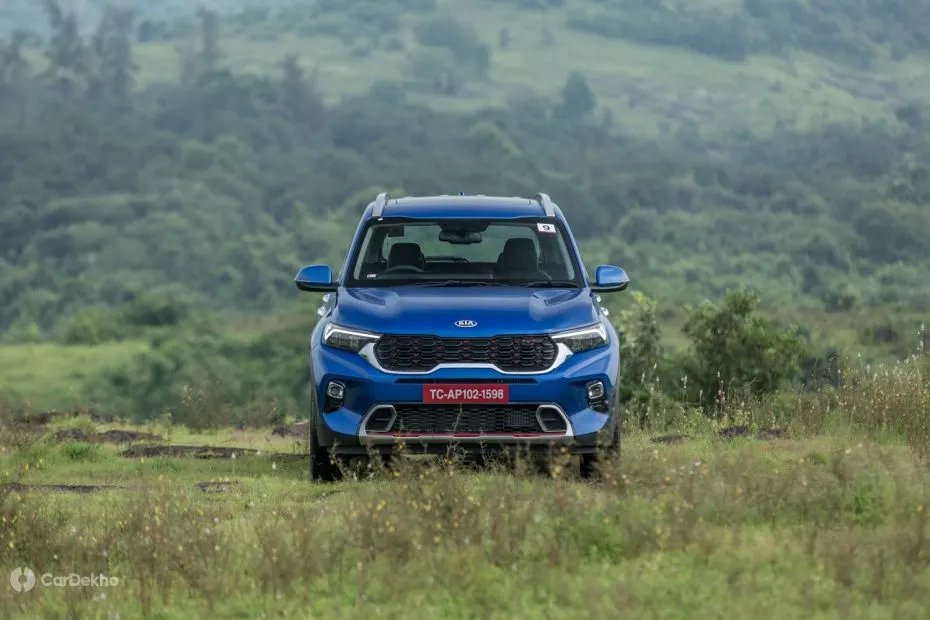
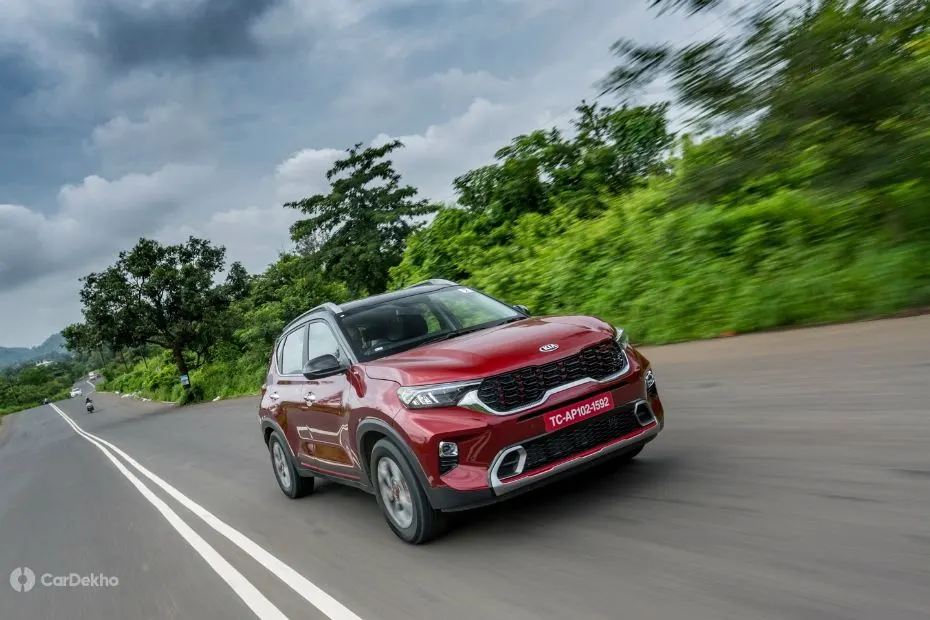
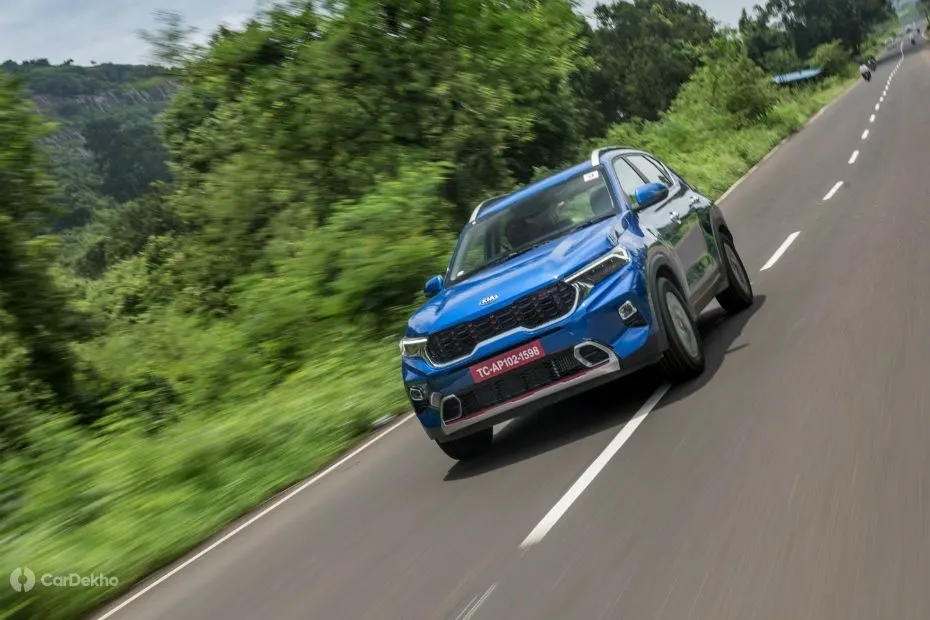
What Venue? The shared platform from its Hyundai cousin has been skilfully buried under a skin that’s dressed to impress. It’s old school in a way, with a large bonnet and a stubby rear end. Fun fact: the front overhangs on the Sonet are larger than that of the Venue, while the rear is tighter.
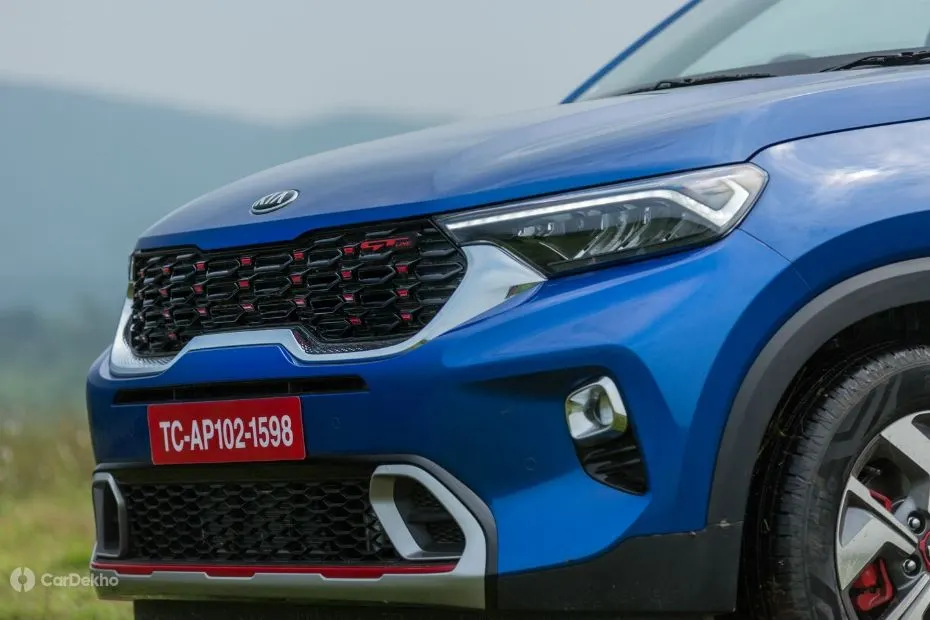
With its upright and confident face, the scaled down SUV design works well for the Sonet. In the top-spec variants, you are treated to full-LED headlamps with integrated daytime running lamps that double as turn indicators. Elements such as the wide grille (with a sweet knurled chrome outline) and the creases on the hood paired with the flared wheel arches give the Sonet much needed visual muscle. There are some intricate details you’d appreciate, like the chrome surround for the projector foglamps and the layered pattern on the grille that Kia says is inspired by the stepwells of ancient India.
| Dimensions | ||
| Parameter | Hyundai Venue | Kia Sonet |
| Length | 3995mm | 3995mm |
| Width | 1770mm | 1790mm (+20mm) |
| Height | 1605mm | 1642mm (+37mm) |
| Wheelbase | 2500mm | 2500mm |
| Ground Clearance | 190mm | 205mm (+15mm) |
| Tyre Size | 215/60 R16 | 215/60 R16 |
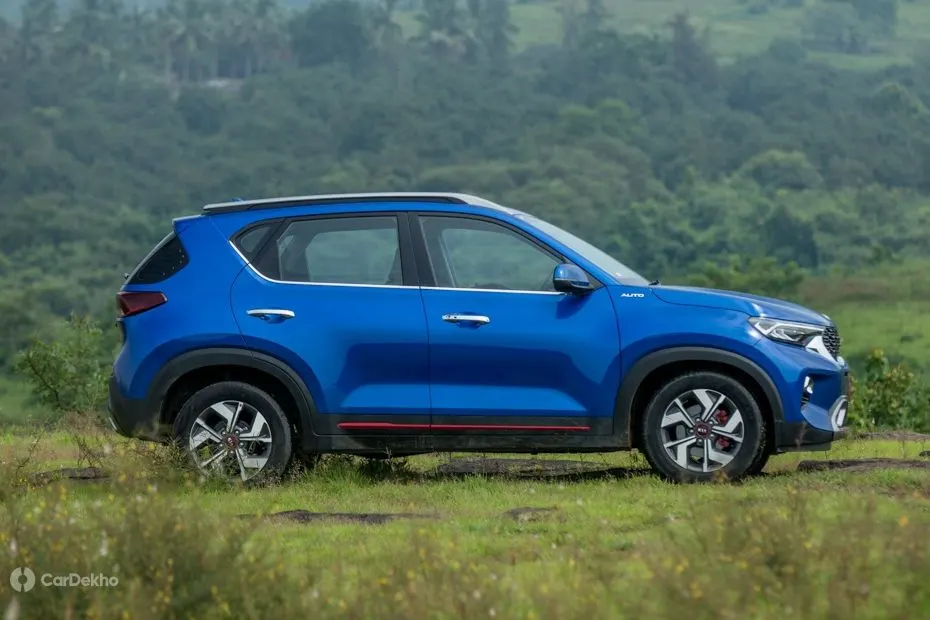
You can easily tell the Sonet is 37mm taller than its Hyundai cousin. Some of it can be attributed to the roof rails and most to the 205mm ground clearance (15mm more than the Venue). It looks like a funky sneaker viewed from the side, especially with the roll-over hoop-like design of the C-pillar. Kia has cleverly added a gloss-black panel here to make the windscreen appear wider than it really is.
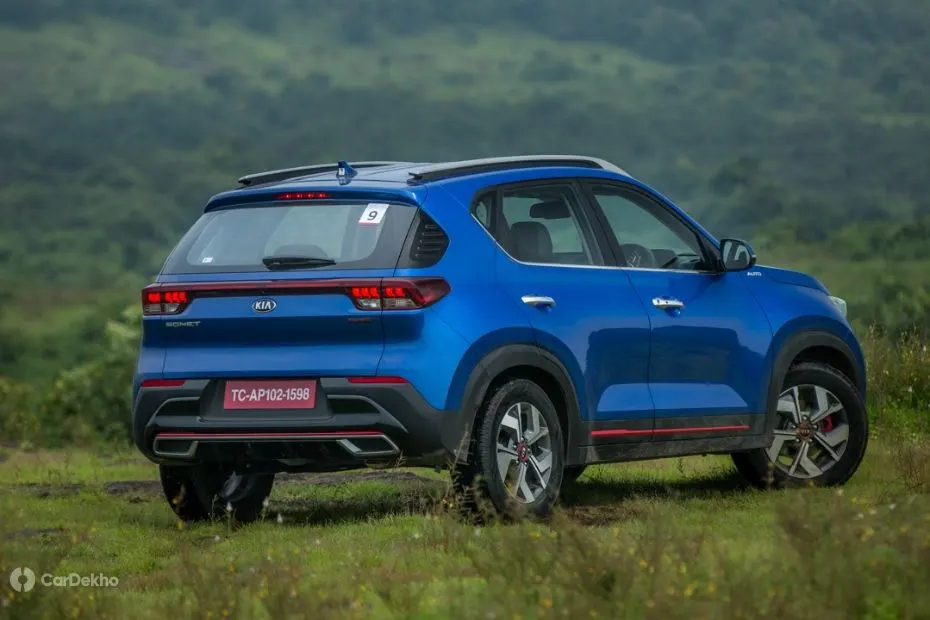
Speaking of which, the Sonet is wider than the Venue, by a full 20mm. This is most apparent viewed from the rear, with the connected tail lamps adding to the visual width of the Sonet. The LED treatment for the stop lamps is eye-catching, especially after sundown. Though, we wish the central reflector strip had a lighting element instead, just like the Sonet Concept.
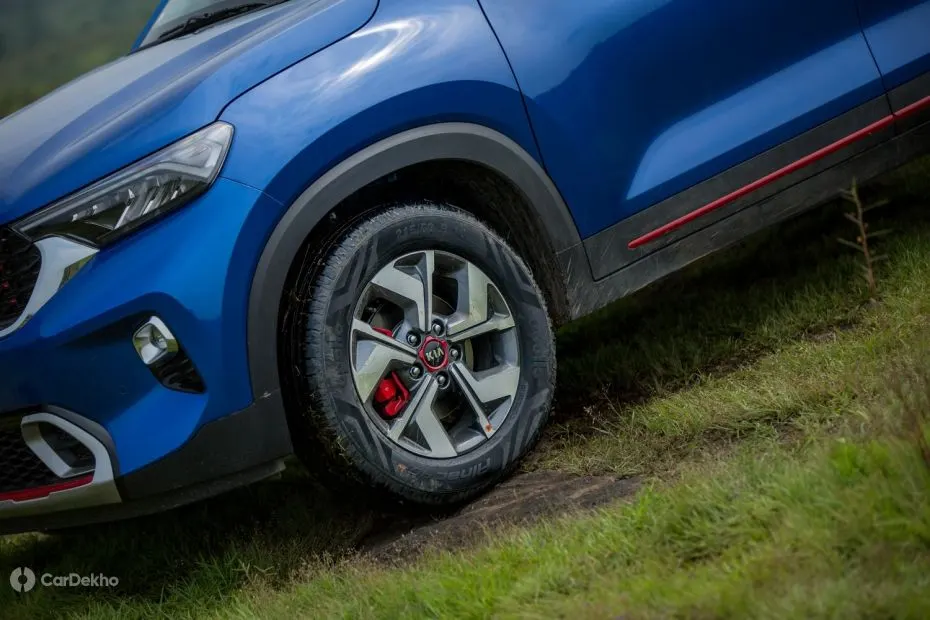
It’s slightly surprising that Kia offers 16-inch alloy wheels only on the HTX+ and GTX+ variants. The design of the alloy wheels remains the same, save for a red outline on the centre cap that the GT Line variant gets. There’s a bucketful more of red for the GT, including highlights on the cladding and grille, a different design for the faux skidplates and red brake callipers. We’d have loved to see a set of meaty exhaust tips here.
Interior
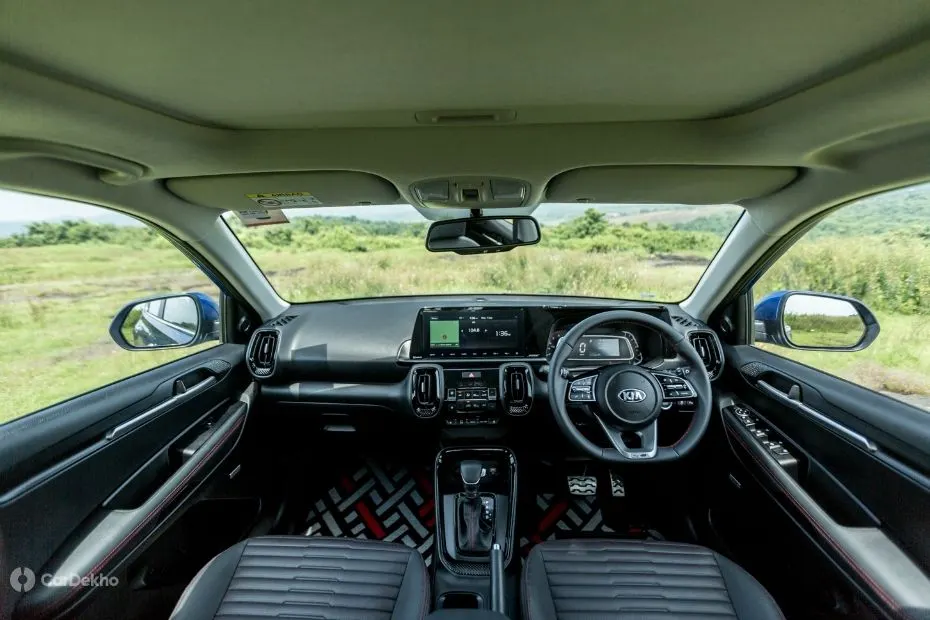
The upright stance of the Sonet means getting in and out isn’t a task even for the elderly. Seating position is noticeably higher and this feeling is accentuated by the low window line (that’s slightly below your shoulder level), the large windows and the upright but slim dashboard. There’s nothing to grumble about on the ergonomics front: everything is well within reach and the thoughtfully designed stowage spaces make it easy to get used to the cabin instantly.
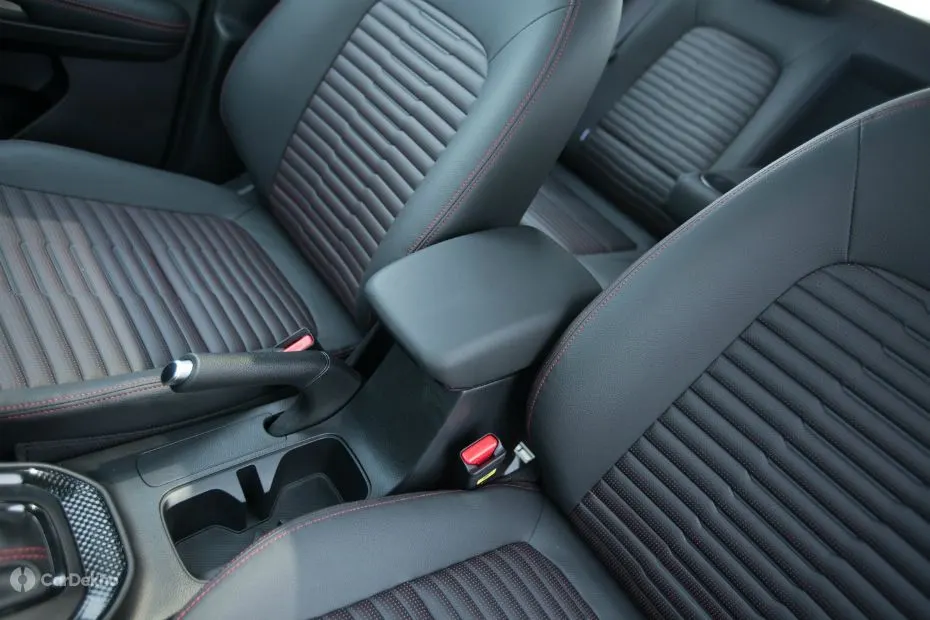
For instance, a small slit between the two cupholders can be used to either store your car key or have your smartphone ‘stand’ in that space. If not, you could choose to place it on the wireless charging tray, or the shelf underneath. Door pads have room for a 1-litre bottle, and there’s a (rather unnecessary) umbrella holder too — we just used it for a smaller 500ml water bottle. Under the front armrest, you’d find ample space for your wallet and some more knick knacks.
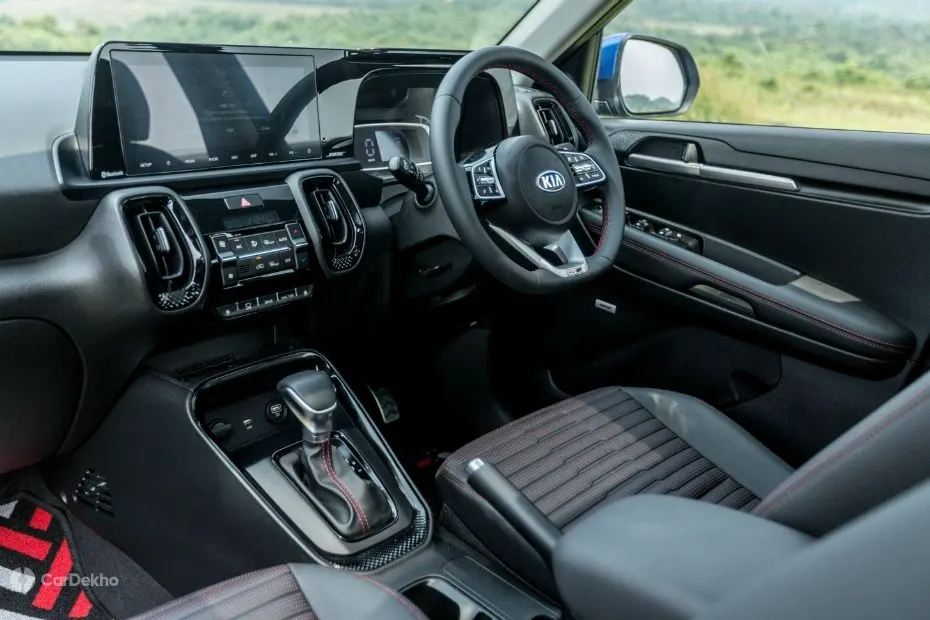
The driver’s seat can be adjusted for height from the HTK variant onwards, while a tilt-adjust steering is offered as standard. Despite the rather large ‘wall’ that Kia has built to merge the instrument binnacle with the infotainment console, new drivers will like the high seating position that lets you see the edge of the bonnet and the sides. This will boost confidence when driving through tricky spaces.
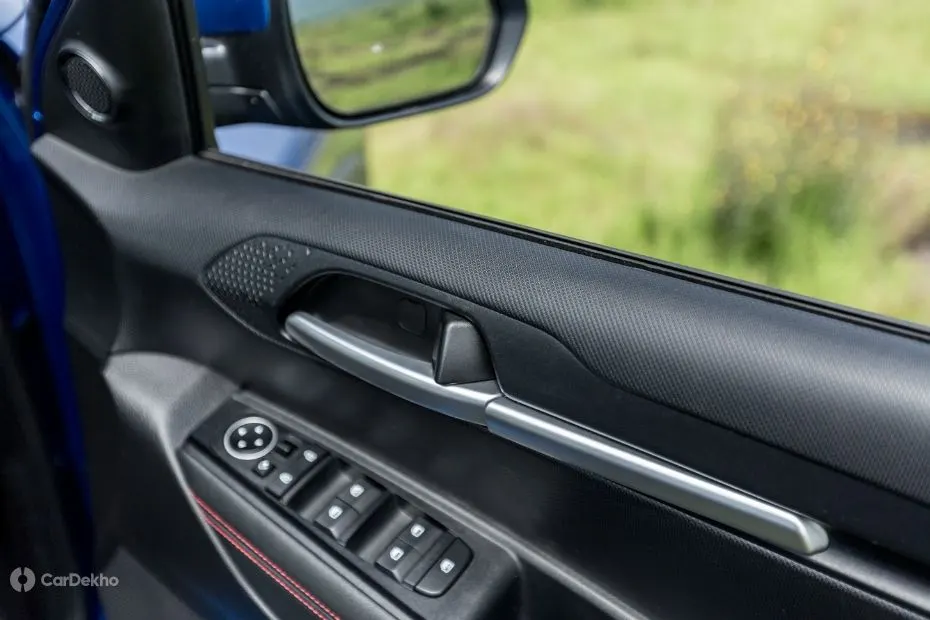
The cabin design also connects to the exterior, with the knurled finish being mimicked on the AC vents and the fog lamp bezel being replicated in plastic for the AC louvres. Interesting triangular detailing can be seen on the speaker grilles and the door pads.
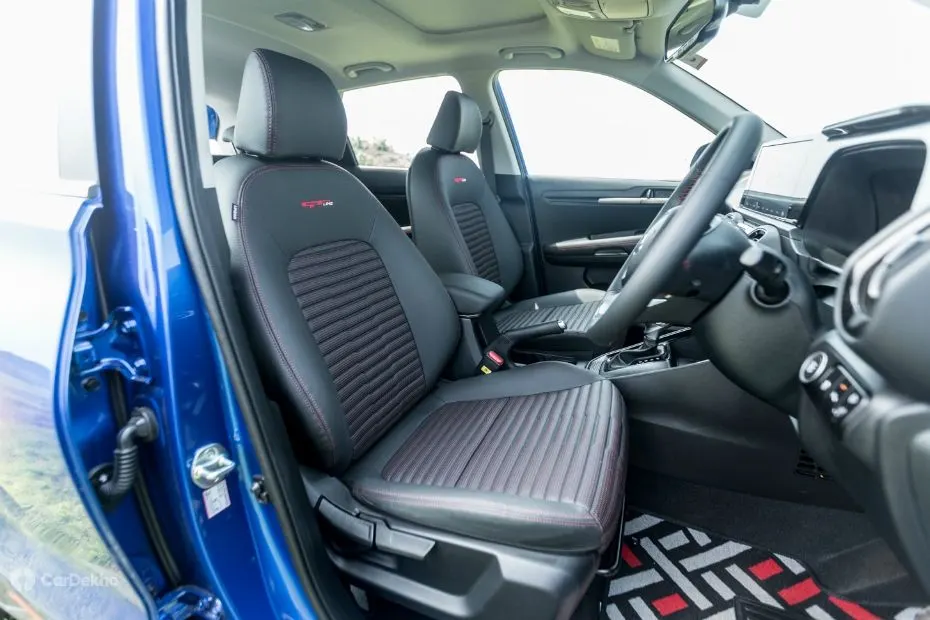
What truly stands out is the graining of the plastic used for the top half of the dash. It’s smooth to the touch and feels rich. The same plastic continues over onto the top half of the door pads. The lower half of the dashboard has harder and slightly cheaper looking plastics. Kia’s adding another layer of feel good by way of rich leatherette upholstery for the seats, the flat-bottom steering and the elbow rests on the door pads. Neat.
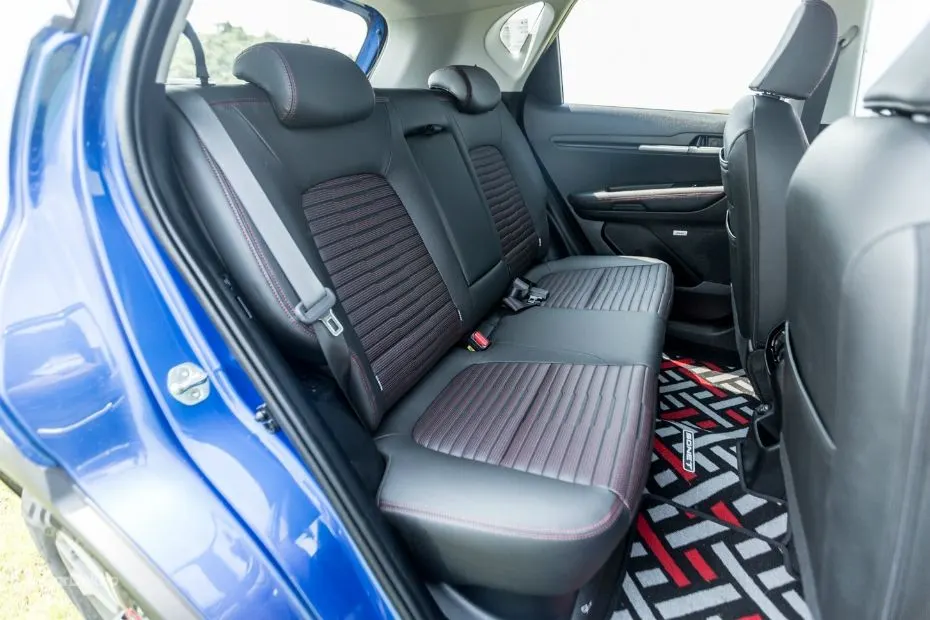
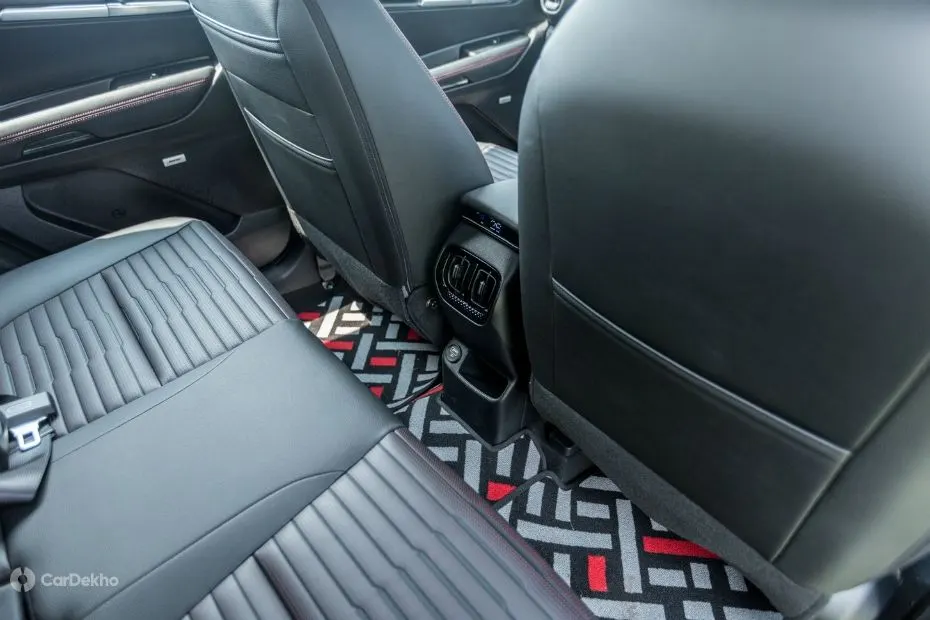
Rear seat occupants are pampered by the same smooth leatherette elbow rest pads, and a set of rear air-conditioning vents that are offered as standard. There are also twin seatback pockets, and ample space in the door pads for a few rolled up magazines or water bottles.
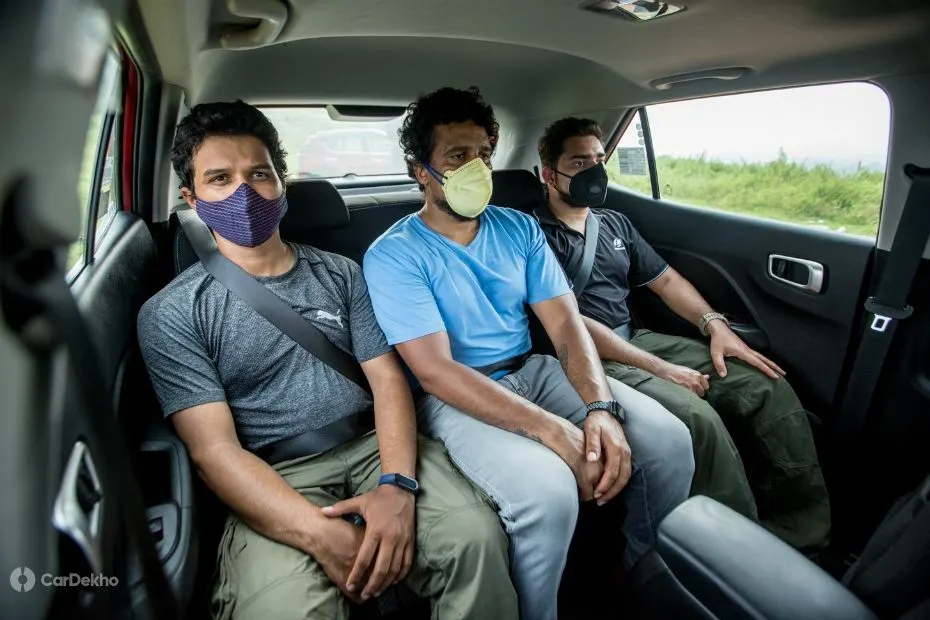
The Sonet is happy accommodating four six-footers with ease. While kneeroom is just about enough, there’s no dearth of headroom or foot room. You could ask for slightly firmer seat cushioning, a more relaxed backrest angle, and an extra helping of underthigh support. The cabin’s lack of width is felt sharply here, though, and it will make the centre occupant feel unwelcome pretty quickly. For one, the seat back is contoured to suit just two occupants. Then Kia’s also skipped offering a third headrest. Take the cue.
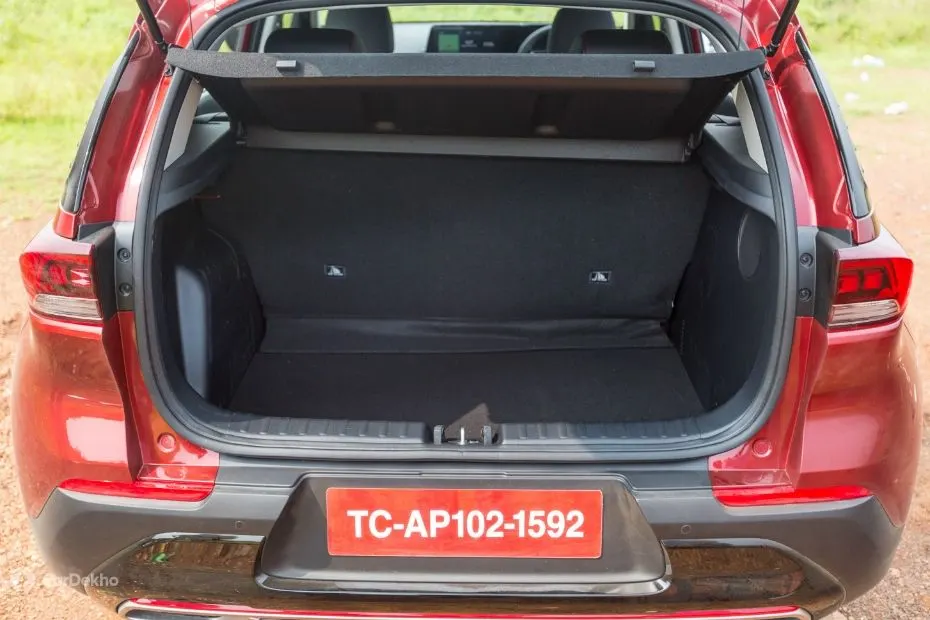
Kia is trying to make up for it with a cavernous 392-litre boot. Strangely, 60:40 split isn’t on offer. The boot itself is low, wide and has a large opening. Considering it is at roughly knee level, you don’t need to put a lot of effort in loading up the Sonet.
Technology and Features
Phew, where do we begin this? The lengthy feature list on the Sonet will make you question if paying more for larger vehicles such as the Creta and the Seltos is warranted. Let’s take the already loaded Seltos for reference. The Sonet barely skips a beat in keeping up with the elder brother. Sure, there’s no side view camera or heads-up display here. But practically everything else has been bundled in.
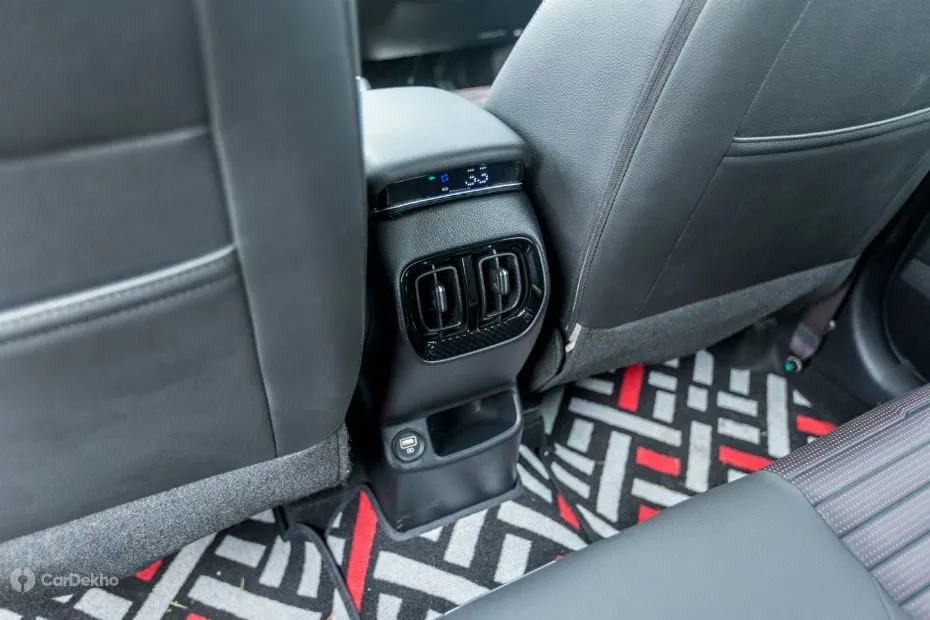
We appreciate the addition of an air purifier that claims to protect against bacteria and viruses. This, Kia says, is made possible by using UV light and a HEPA filter. It’s also neatly integrated into the rear-AC tower, but can be controlled only through the touchscreen. Our only complaint is that of a noisy blower. There’s a perfume dispenser too, in case your BMW 7 Series owning neighbour acts too snooty.
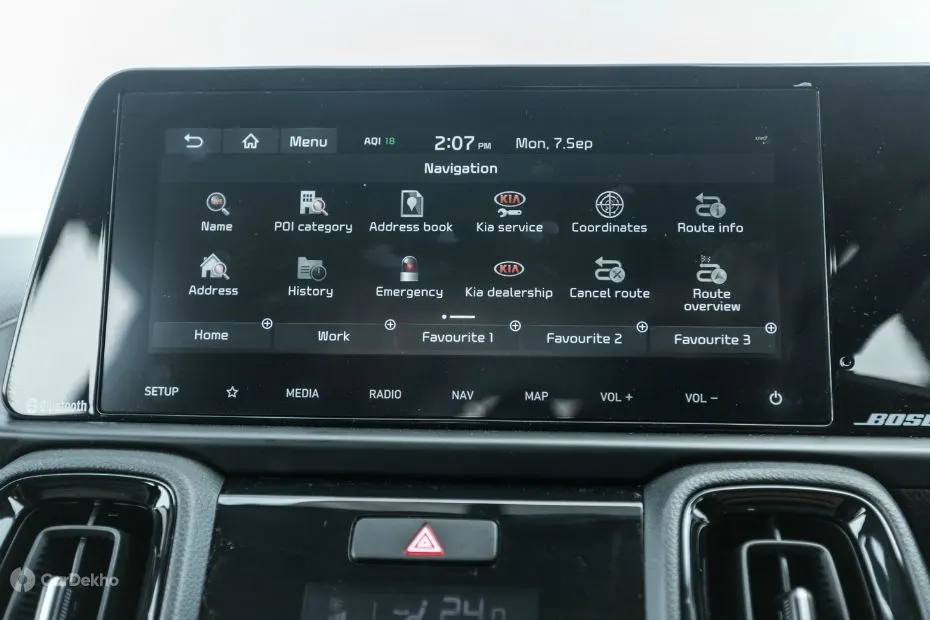
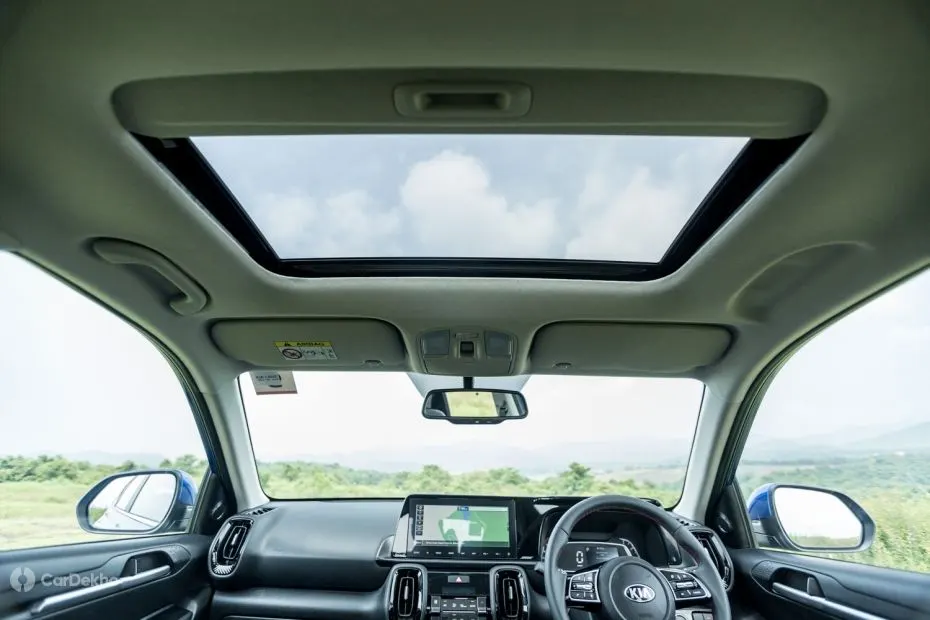
There’s an electric sunroof, climate control, cruise control, auto-dimming IRVM and a wireless charger with a thoughtful cooling function. The party piece is of course ventilated seats, nothing less than lifesavers in our sweltering conditions. And since cars are now gadgets that can be driven, the Sonet gets either an 8- or 10.25-inch touchscreen (depending on the variant you pick) — each with their own party trick. With the smaller touchscreen, you get a nifty ‘wireless projection’ feature that lets you run Android Auto and Apple CarPlay without connecting the phone via a cable.
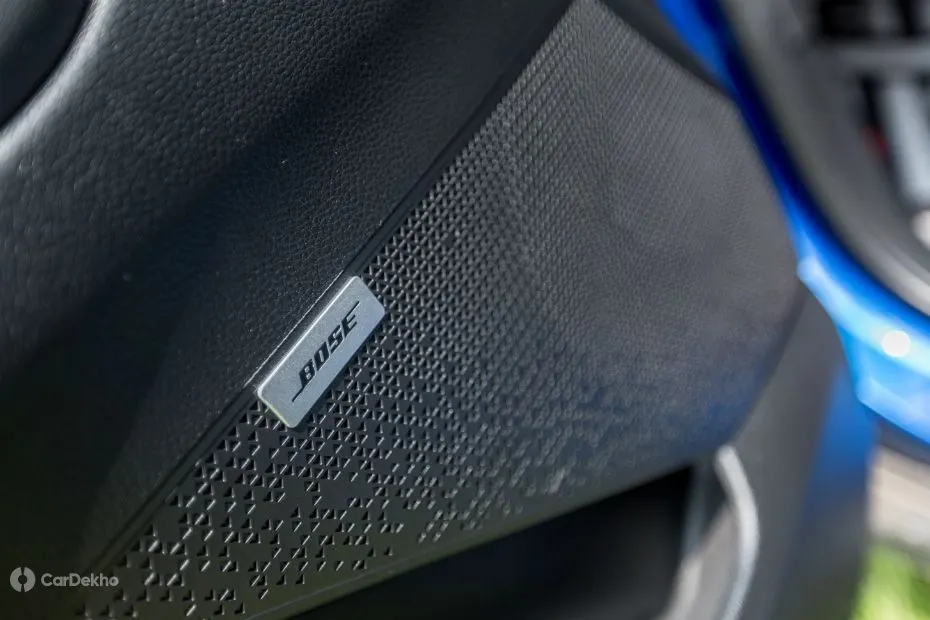
The larger touchscreen is paired with an outstanding 7-speaker Bose sound system. More than the Seltos, the sound system on the Sonet does live up to the Bose name. With the subwoofer, this system will appeal to those who listen to a lot of EDM or hip hop — thanks to the thumping bass.
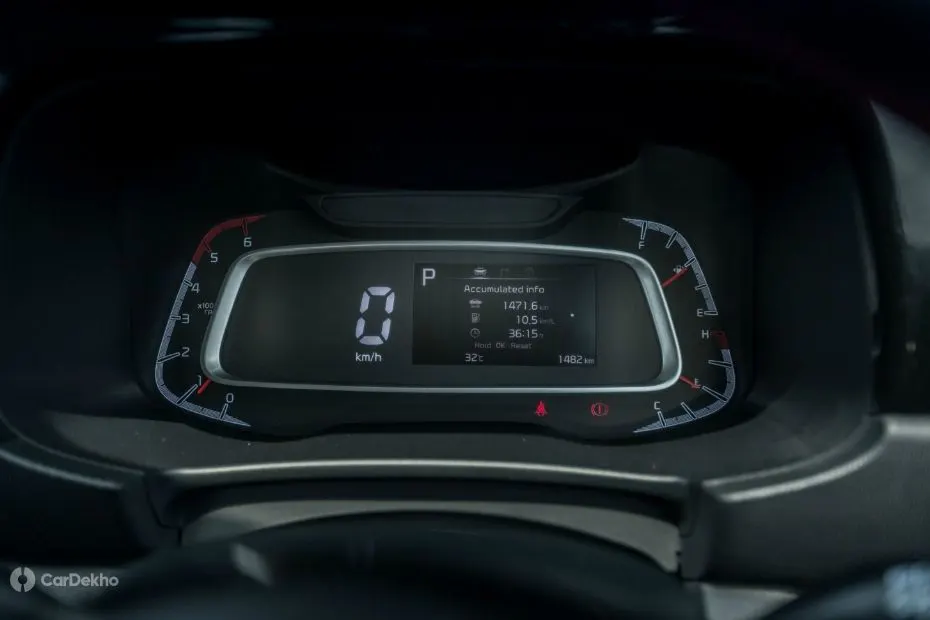
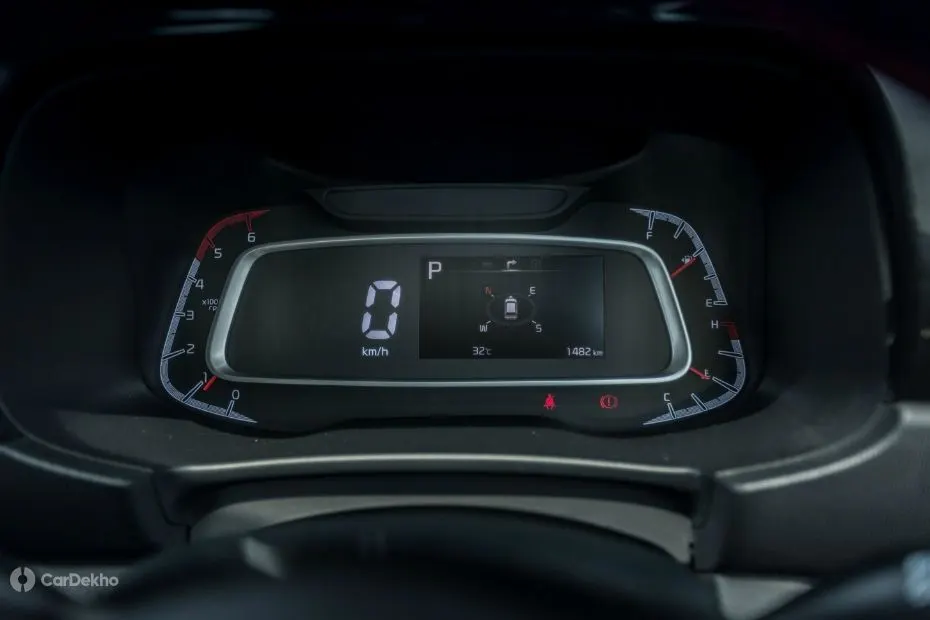
There’s another coloured 4.2-inch screen inside the instrument cluster that has neat graphics for instant fuel consumption, and basic readouts for trip information. It also shows you the title of the track being played (albeit only when you change tracks) and navigation updates when you use on-board navigation. You also get to see a (pretty pointless) compass here.
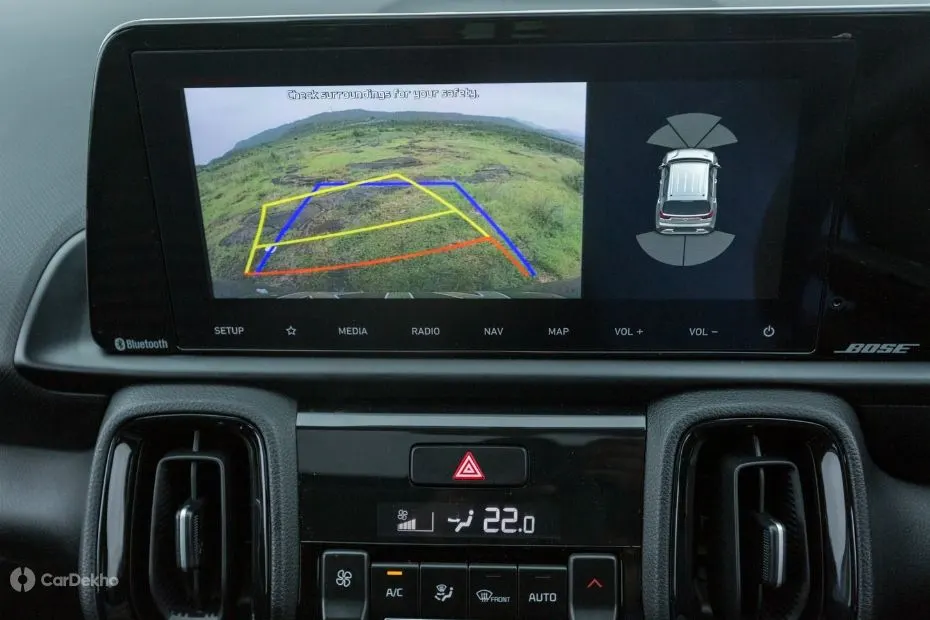
To make parking easier, you get 4 front parking sensors and 2 at the rear. Feed from the camera is crisp and the guidelines turn with steering input too.
Misses are few and far between. Omissions such as 60:40 split seats, an adjustable front armrest and a cooling function for the glovebox are surprising. On the other hand, not having a backlight for the power window switches (except for the driver’s) is plain silly in our books.
Safety
Dual airbags, and ABS with EBD are offered as standard across variants. The top-spec GTX+ variant additionally gets side and curtain airbags. If ISOFIX child seat mounts are a must have for you, that’s available from the HTX variant onwards. Electronic stability control, hill assist and vehicle stability management are offered as standard for the Turbo-DCT variants, and across drivetrain options on the GTX+ variant. A tyre pressure monitor is bundled in for the top two variants.
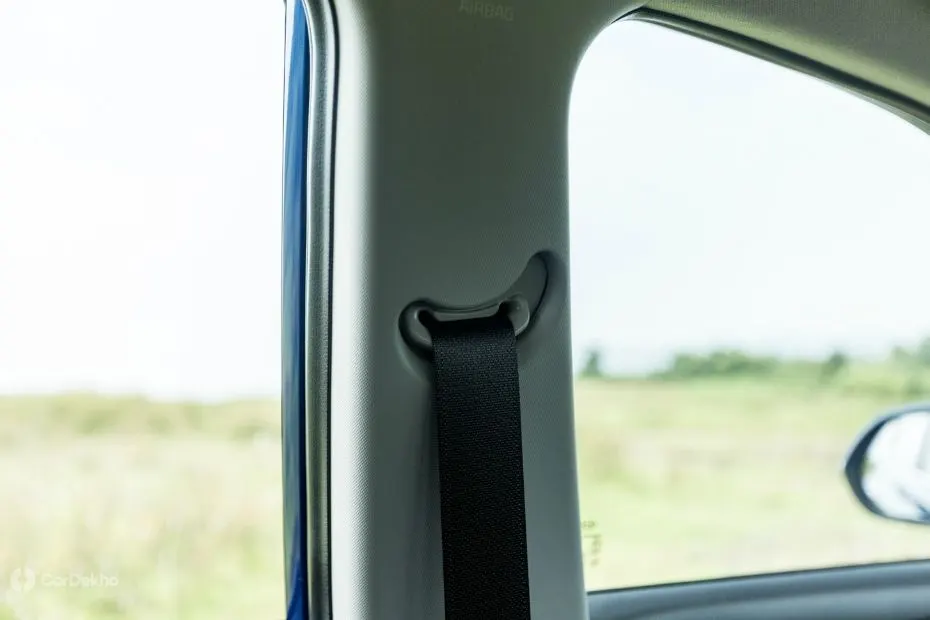
The Kia Sonet is yet to be crash tested by an independent authority.
Performance
Petrol
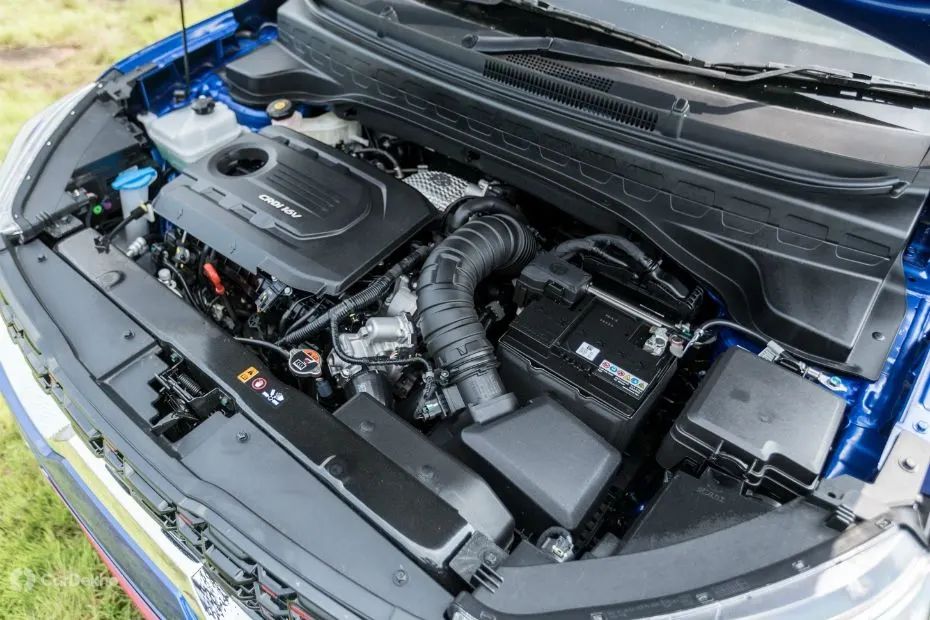
The Sonet is offered with two petrol engines: a 1.2-litre naturally aspirated petrol (with a 5-speed manual) and a 1.0-litre turbocharged petrol (with a 6-speed iMT or a 7-speed DCT). Both engines have been borrowed from the Venue, and the outputs remain unchanged too.
| Kia Sonet Petrol | ||
| Power | 83PS @ 6000rpm | 120PS @ 6000rpm |
| Torque | 115Nm @ 4200rpm | 172Nm @1500-4000rpm |
| Gearbox | 5-speed MT | 6-speed iMT / 7-speed DCT |
| Fuel Efficiency (Claimed) | 18.4kmpl | 18.2kmpl (iMT) / 18.3kmpl (DCT) |
1.0-litre Turbo
Fire up the three-cylinder engine, and it comes to life with a slight shake and stir you’d feel on the floorboard. Post that, you’ll have next to nothing to complain about. Surprisingly, this doesn’t have much to do with the engine itself. Kia has beefed up the insulation on the Sonet and used different engine mounts to tackle the noise and vibrations.
The engine itself is versatile, as we’ve seen in the Venue and the Verna. While the numbers suggest a sporty demeanour, it’s clearly tuned to make everyday usability hassle free. Get past the slight lag under 1500rpm, and the engine will be happy commuting around town in second or third, or cruising at triple digits in sixth or seventh gear.
iMT
We raised an eyebrow at the exclusion of a manual from the Sonet’s list. However, after driving the clutchless manual (iMT) for nearly 500km, we can confirm that you wouldn’t miss the third pedal at all. The iMT is tuned brilliantly, and is a cost-effective solution that not only takes the sting out of bumper-to-bumper commutes but also keeps the fun intact around twisties. Through gear changes, the operation of the clutch is smoother than most drivers that call themselves enthusiasts. Much like the Venue, momentarily lifting your foot off the accelerator (as you would do in a manual) while upshifting makes the experience seamless. There’s no headnod or jerks to speak of. We’d urge you to experience it just for the sheer novelty and ease of use.
7DCT
The Sonet’s 7-speed DCT doesn’t particularly shine. It simply gets the job done. You’d be underwhelmed if you compared it to say Volkswagen’s DSG. That said, you would appreciate that the shifts are super smooth, and it’s rare that the gearbox gets confused or selects the wrong gear. You get a manual mode in case you want sprightlier acceleration, but there are no paddle shifters on offer.
Considering the price difference between the DCT and the iMT, we’d tilt in favour of the latter. It offers nearly the same level of convenience, both inside the city and on the highway.
Diesel
The only engine to be offered across variants of the Sonet is the 1.5-litre diesel. It’s offered in two different states of tune when paired with a 6-speed manual or a 6-speed torque converter automatic.
| Kia Sonet Diesel | ||
| Power | 100PS @ 4000rpm | 115PS @ 4000rpm |
| Torque | 240Nm @ 1500-2750rpm | 250Nm @ 1500-2750rpm |
| Gearbox | 6-speed MT | 6-speed AT |
| Fuel Efficiency (Claimed) | 24.1kmpl | 19kmpl |
Compared to Hyundai’s old 1.6-litre diesel, refinement levels on the 1.5-litre motor has clearly taken a beating. The motor’s gruff note and clatter can be heard inside the cabin, with minor vibrations being felt on the floor and pedals. The amped up insulation does help negating a portion of the racket, but that doesn’t eliminate it. You’d have to turn up the volume on the sound system a little more on the diesel compared to the petrol.
6MT
This engine doesn’t dump the torque, it rather delivers it smoothly. Don’t expect to be pinned to your seat while accelerating hard. Stomping on the throttle in attempts to pick gaps (even in city traffic) won’t catch you by surprise.
Driving the manual within the city isn’t going to be a headache. Sure, the travel for the clutch could’ve been shorter but the weight is very close to that of a petrol engine. Gears too slot in with a satisfying sense of ease. We see this engine being a potent highway cruiser, and should be on your radar if you intend on undertaking roadtrips often.
6AT
The Sonet is currently the only vehicle to offer a proper torque converter paired with a diesel motor in a segment that offers just AMTs. As a bonus, you also get the Seltos’ engine tune with an additional 15PS of power and 10Nm.
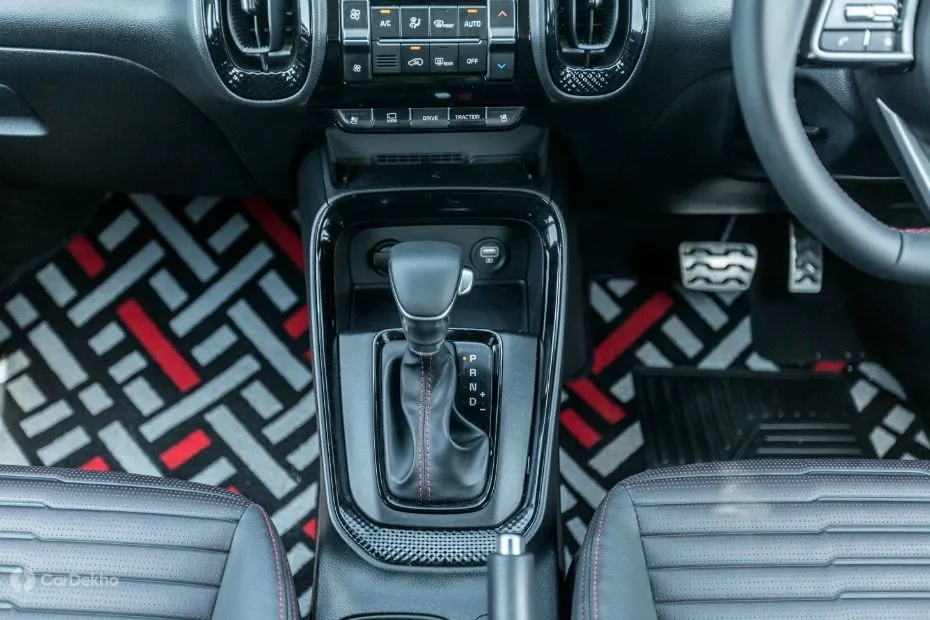
This drivetrain is best appreciated on long highway trips, where you’d want to cover over 500km a day. The smooth (but slightly slow) shifts from the automatic will keep fatigue at bay, while the diesel engine will ensure the wallet is happy by being frugal. For city usage, it feels responsive thanks to all that torque the engine has to offer.
Note: Drive Modes and Traction Modes
Automatic variants of the Sonet get 3 drive modes (Eco, Normal, Sport), and 3 traction modes (Mud, Snow, Sand). For everyday office commutes, Eco mode works just fine. Better fuel efficiency will be a bonus. You could choose to switch to Normal when you want to pick gaps in traffic more swiftly. Sport lets you play with all of the engine’s potential, and is best suited for fast highway cruises.
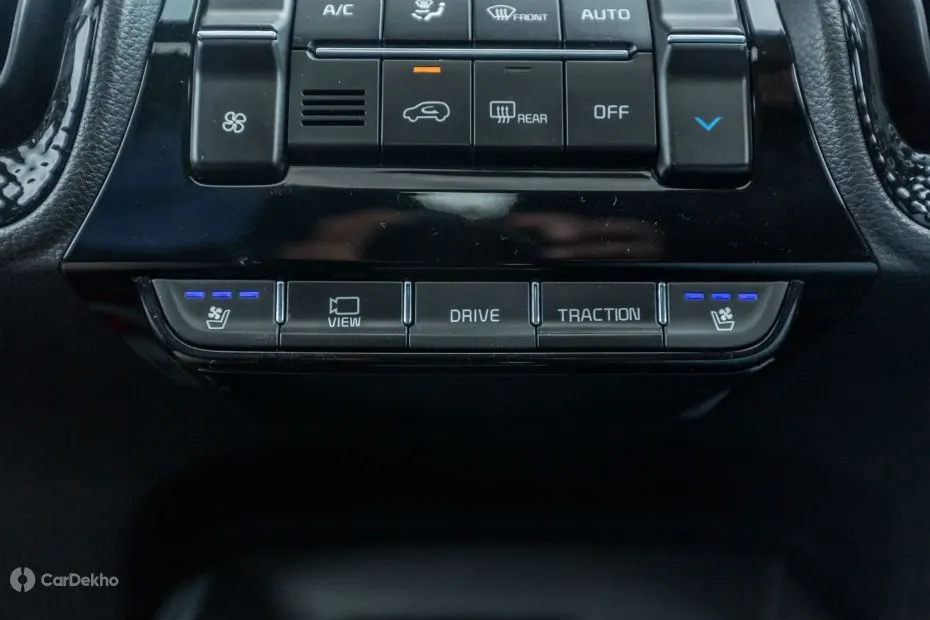
The three traction modes are practically useless for everyday driving but they might just be handy when you want to get adventurous on a roadtrip. Just don’t mistake them for off-road modes. It’s a 2-wheel drive vehicle that looks like an SUV at the end of the day.
Ride and Handling
Tuned for comfort. That’s pretty much the ride and handling package of the Sonet. In itself, the suspension battles harsh road surfaces, surface level changes and potholes with confidence. What amplifies this confidence is the insulation. You hear little of the tyre and road surface, making you believe the ride is plusher.
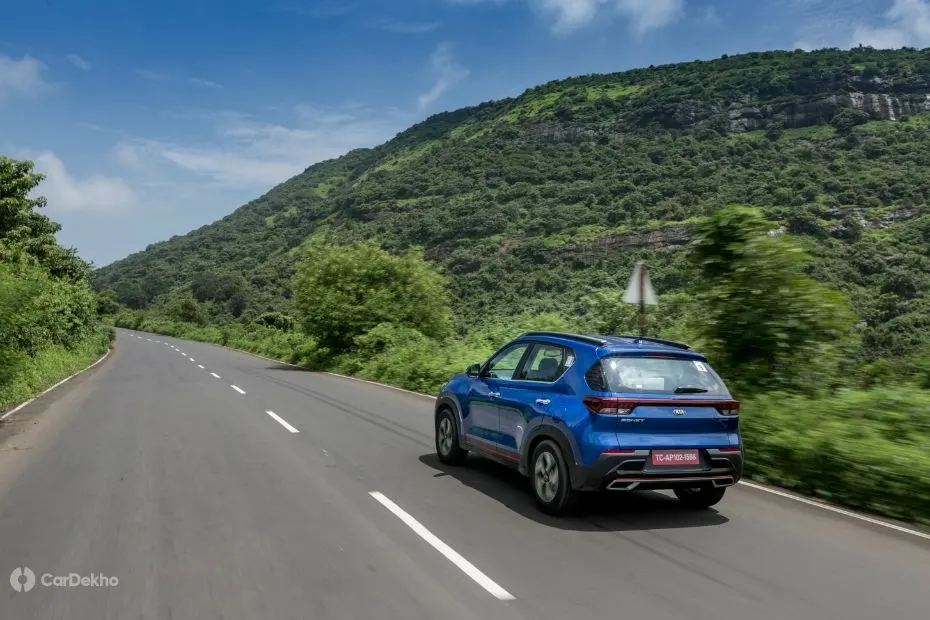
Large craters at low speeds are shrugged off with little side-to-side movement. Over sharp edges and expansion joints, you’d notice some vertical movement before the suspension settles. This never gets tiresome though, even on fast expressways.
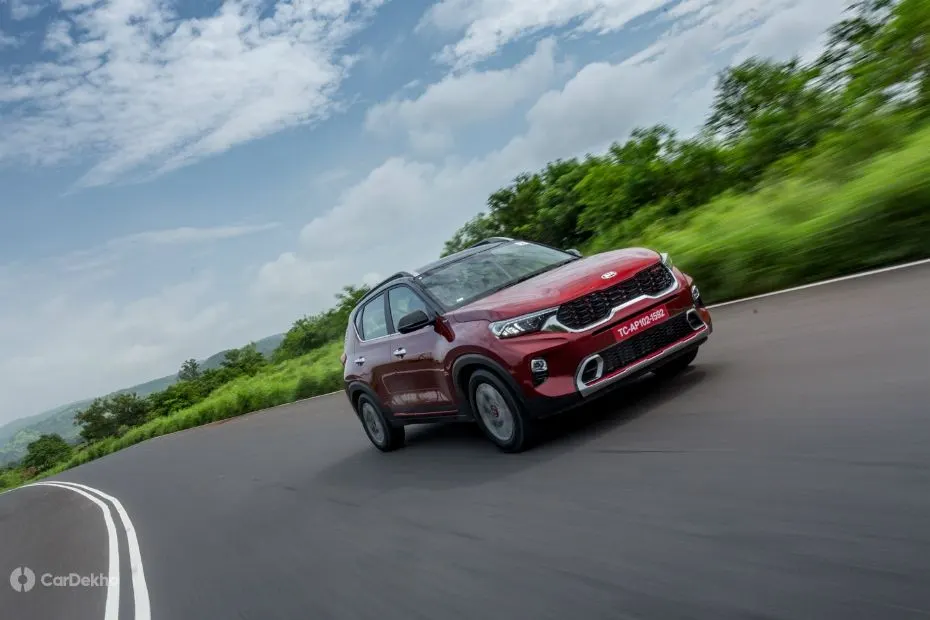
Both the steering and braking performance seem par for the course. The steering is light enough for city duties and weighs up enough for the highways. Enthusiasts could harp on about wanting more feedback, but for the Sonet’s intended use it does just fine. It holds its line well (albeit with slight body roll) and lets you have some cornering fun in the twisties.
Pros:
Presence. Tall height and bonnet gives the Sonet a strong stance.
Feature packed: ventilated seats, wireless charging, ambient lighting, Bose sound system and lots more.
‘Proper’ automatic options: 7-speed DCT for the turbo-petrol, 6-speed AT for the diesel.
Comfortable ride quality: equally adept at tackling bad roads and high-speed cruising.
Cons:
Limited rear-seat width limits usability as a 5-seater.
Silly cost-cutting measures: backlight only for driver’s power window, missing chilled glovebox, adjustable front armrest.
Automatic transmissions limited to mid-spec HTK+ and top-spec GTX+ variants only.
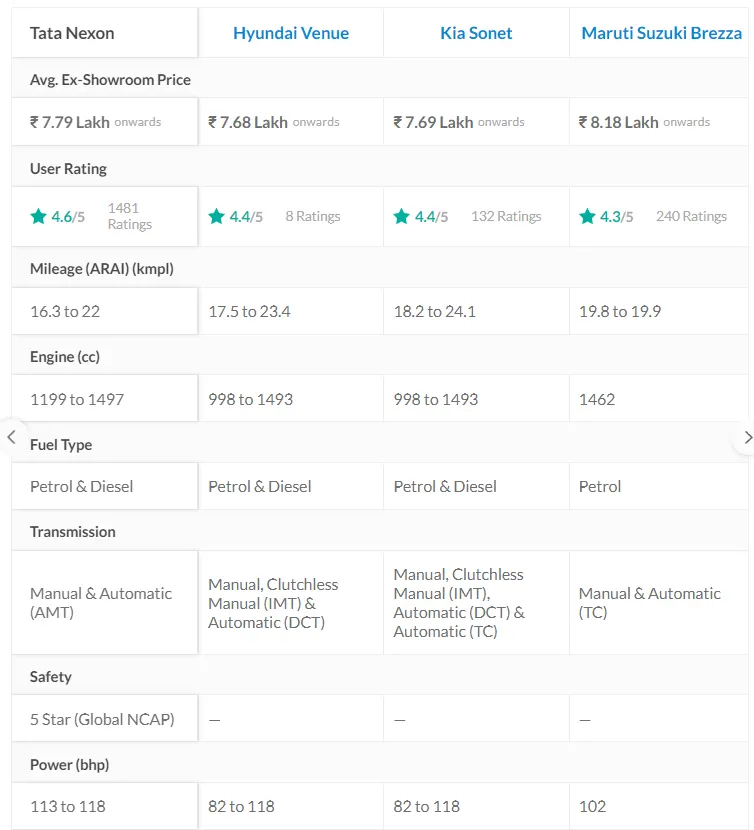
Compare Nexon with Alternatives:
CONCLUSION:
By the above observations of 4 models and based on customers’ requirements I would suggest TATA NEXON. Because Tata Nexon has made a lot of improvements in this facelift. It looks better, feels more premium on the inside and now has a feature list to walk shoulder to shoulder with much of the competition. Reasons to buy the Nexon however remain the same: its 5 star safety, ride comfort, the sound system, rear seat space and value for money mid variants.