Benchmarking
AIM: To make a detailed report on under-body coating, its types and its pros and cons.
WHAT IS THE UNDERBODY COATING?
- Underbody coating is usually a dense cladding (often based on rubber) applied uniformly to the undercarriage of the automobile. It is normally sprayed or painted on when the car is just out of the dealership and is clean. But even if you are getting the undercoating applied after a couple of years, it’s fine too. This is because it can prevent further damage to the undercarriage.
- The main purpose of undercoating is to check rust especially in the body components like frame rails along with other exposed metal parts. Underbody coating can also reduce wear and tear.
- In Indian road conditions, a cars underbody is most prone to corrosion. Underbody coating provides long term protection from corrosion to car’s underbody. It also protects parts like internal body panels, frame rails and other inner cavities that are not physically accessible but are prone to corrosion.
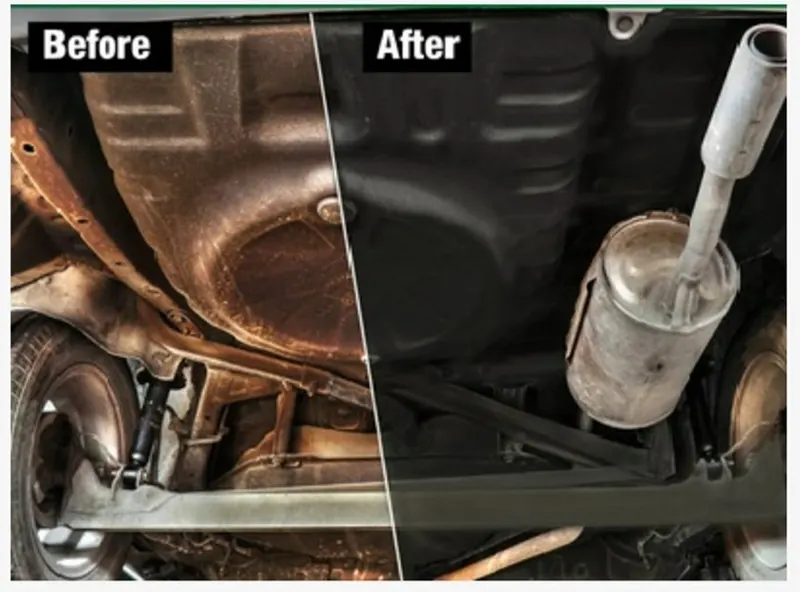
Underbody coating
TYPES OF UNDERBODY COATING
- Rubberized Underbody Coating.
- Wax Based Underbody Coating.
- Asphalt Based Automotive Undercoating.
- Polyurethane Underbody Coating.
Rubberized Underbody Coating
- Rubberized Asphaltic Underbody Coating means a coating applied to the wheel wells, the inside of door panels or fenders, the underside of a trunk or hood, of the underside of the motor vehicle itself for the purpose of sound deadening or protection.
- This is generally thought of as the best underbody coating for your car. It preserves the underbody well, protecting it from scratches. Applying this to the undercarriage is not much of a hassle either.
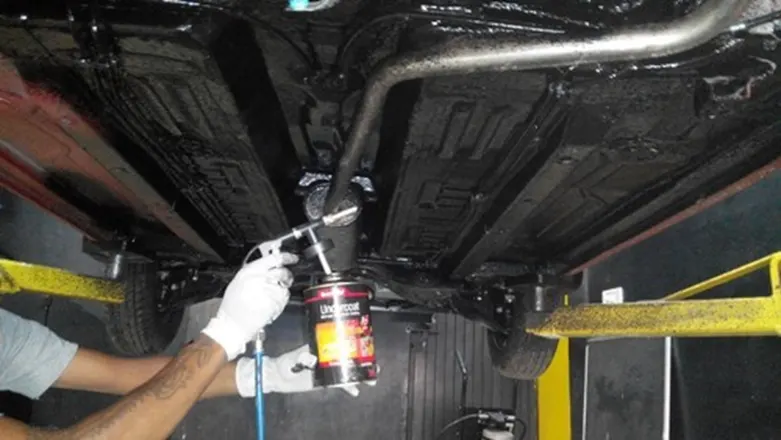
Wax Based Underbody Coating
- This – more or less – ephemeral undercoating will wear away in a few months’ time. On the upside, wax-based undercoating puts up a big fight against moisture. It is also the most affordable option out there.
Asphalt Based Automotive Undercoating
- It's formulated with some bits of rubberized material to aid in noise reduction. It offers extra protection against chips and moisture but is not paintable and, therefore, only suitable for undercarriages.
- Best suited for lorries, trucks and large vehicles this provides a greater degree of protection compared to rubber-based coatings. The process of applying this coating is a bit time-consuming though.
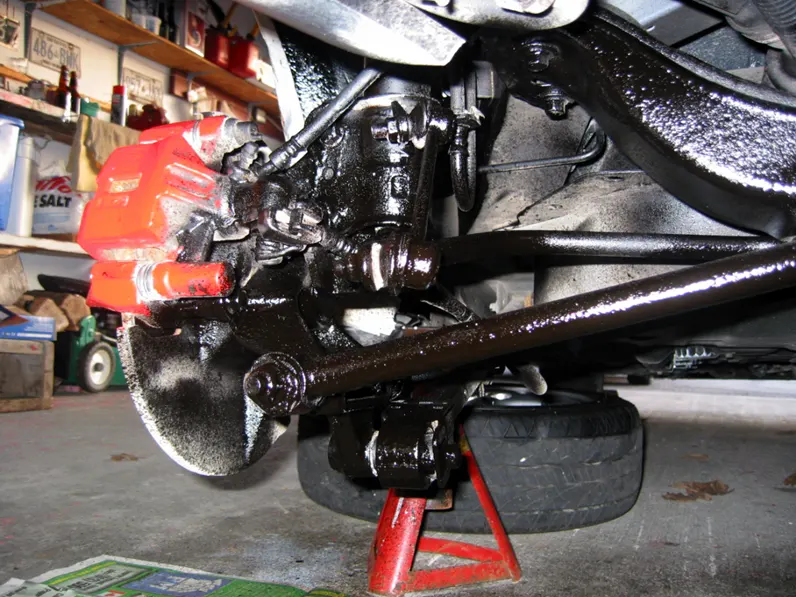
Polyurethane Underbody Coating
- This coating closes up splits and fractures on the underbody of the vehicle. It offers up good protection against corrosion and also bonds with the metal. Unlike in the case of asphalt-based coating, you can paint over the polyurethane coating.
Advantages of Undercoating
Good undercoating not only defends the underbody from corrosion but also protects the engine and transmission as well! Less rusting coupled with slower wear and tear can surely add years to the lifespan of your vehicle. There would be fewer dents, dings, and scratches on the undercarriage.
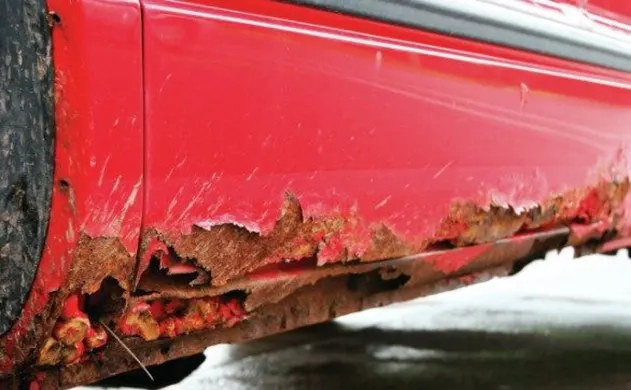
- Fights Rust
It plays an important role in keeping corrosion at bay. Underbody coating can come in handy especially if you live near the sea, where there is too much humidity, and rusting is just one of those everyday things. You should also seriously consider undercoating if you reside in a place where it snows in winter.
- Absorbs Noise
The undercoating serves as an extra layer of insulation, reducing the noise from penetrating inside components. Thus padding acts as a barrier between you and the source of the noise. If the road noise bothers you while driving your car, truck, or SUV, then applying to undercoat can help you.
- Keep the value of car
A car could keep a high value while it is well maintained. It means that if a car is well treated on under body protection, it could keep the car in a good condition and extend the car’s service life, or you could charge a higher price in a used-car trading.
Disadvantages of undercoating
Undercoating will work best on new vehicles that have not been exposed to road conditions. A used vehicle may already have residue on the bottom of the car or even have spots of rust and corrosion. Undercoating will not help you if corrosion already exists and the corrosion needs to be removed first before it can be applied, which can be expensive for you.
- Dosen't work so well on old car
Cars Undercoating doesn’t work so well on old cars because the residue from under the car has to be removed before the undercoating is applied. If you don’t remove the debris first, the already-present debris will be sealed in.
- Your vehicle’s warranty might be voided
Your vehicle’s warranty might be voided if you opt for a third-party undercoating treatment. Some new cars already come with undercoating so adding anything else risks your warranty.
Conclusion
As a final conclusion we can say that Underbody coating is a must to make sure the underbody is given a layer of protection from all grime and grit and annual clean up and touch up is necessary.