Assignment 4-RADIOSS Material Laws Challenge
Objective- to find differences in material behaviour when certain materail properties are changed.
Case 1:
TOTAL NUMBER OF CYCLES : 49380
ELAPSED TIME = 158.09 s
mass error = 0%
energy error is in the range of -0.6% to 1.3%
simulation pictures in order:







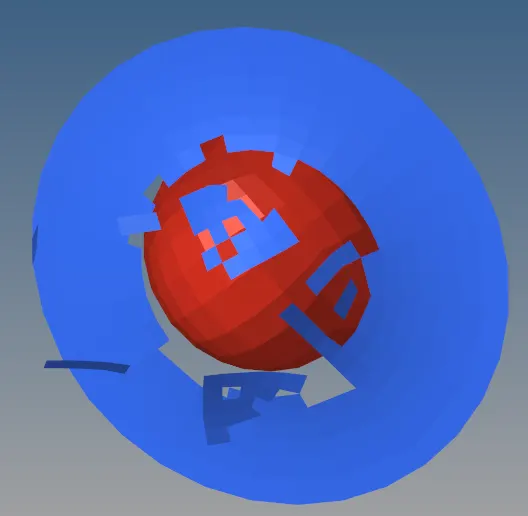
From the simulation it is observed that crack propagates in a cross fashion and part of the model are shattered.
Energy plots:
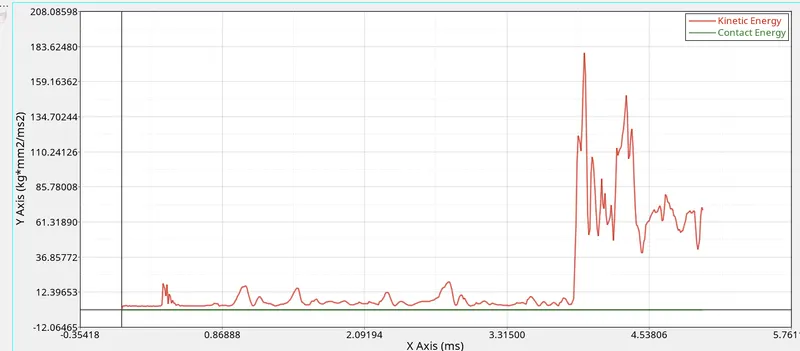
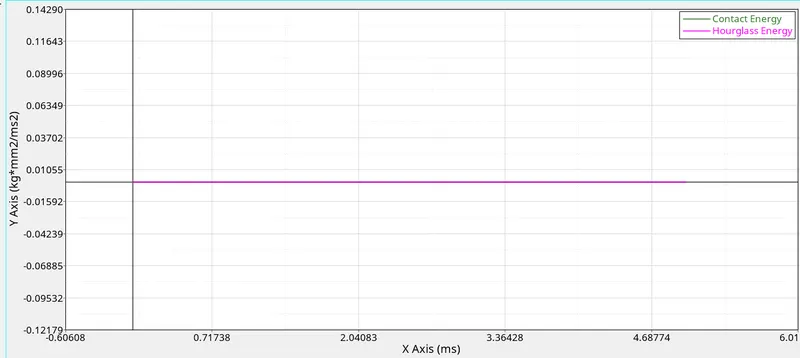
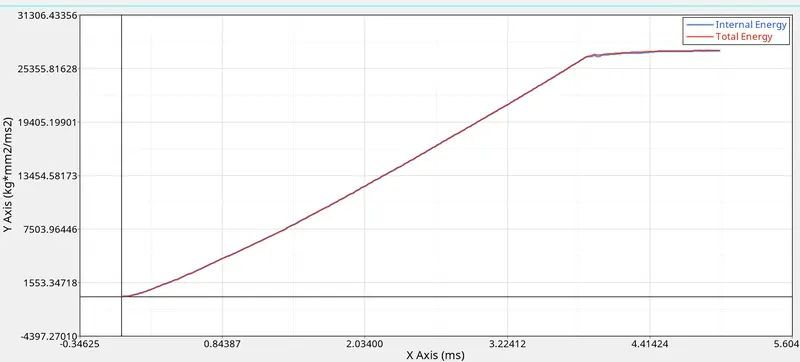
Internal energy shows a near linear rise with time till 3.8ms in the simulation. After this internal energy is nearly constant. Kinetic energy spikes about 3.8ms in the simulaiton. Hourglass energy and contact energy is nearly 0.
case 2:
TOTAL NUMBER OF CYCLES : 49217
ELAPSED TIME = 175.67 s
mass error = 0%
energy error is in the range of -1.1% to 5.9%
simulation pictures in order:

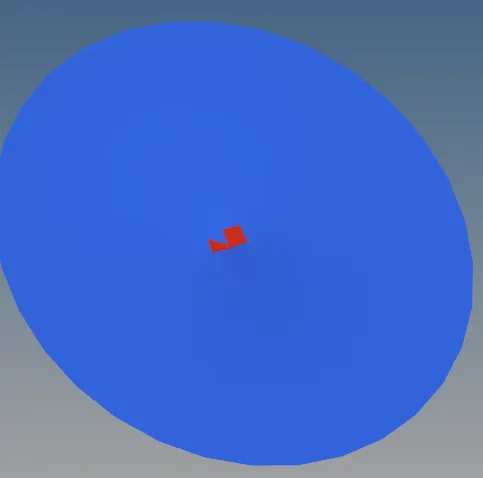


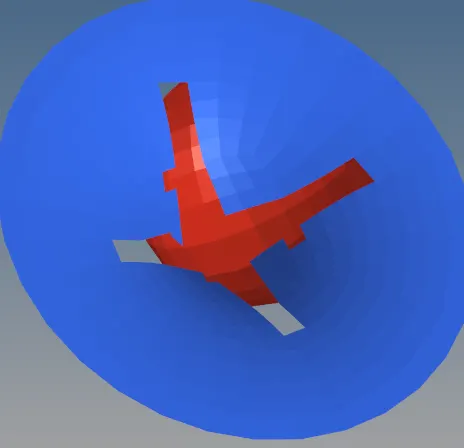


crack in the model occurs and failure happens gradually.
Energy plots:
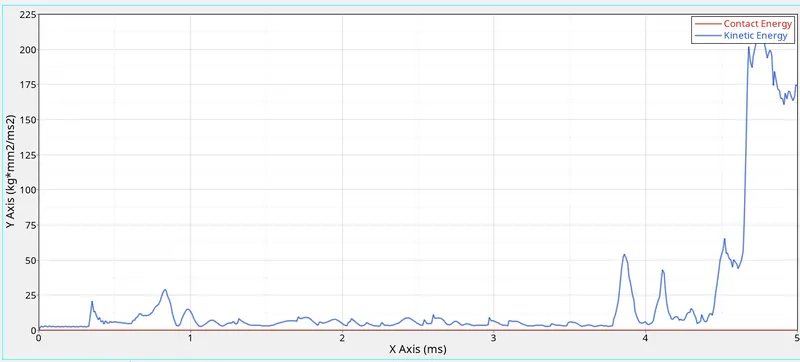
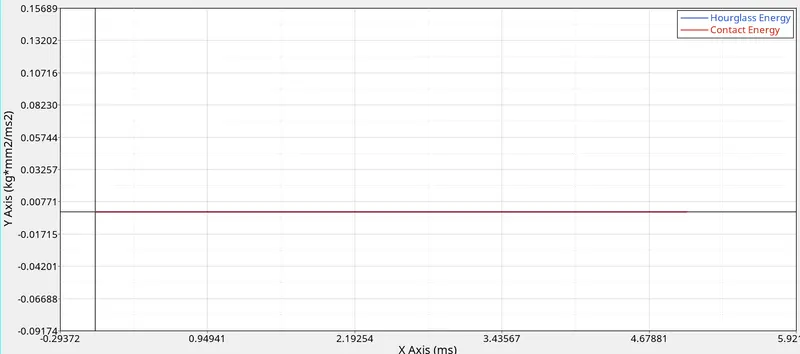
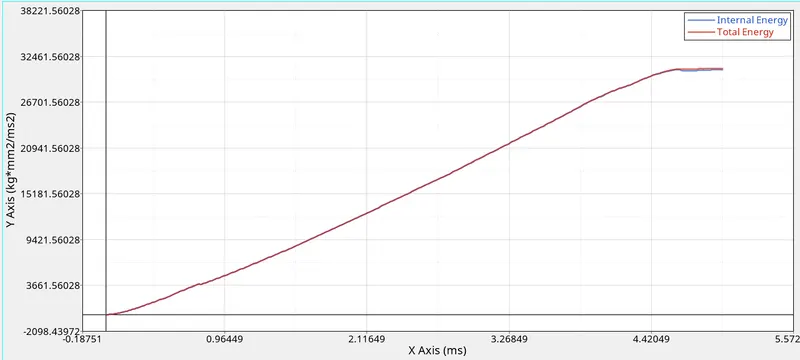
Internal Energy rises nearly linearly till about 4.7ms. After this internal energy is nearly constant. Kinetic energy spikes about 4.7ms in the simulaiton. Hourglass energy and contact energy is nearly 0.
Case 3:
TOTAL NUMBER OF CYCLES : 49408
ELAPSED TIME = 166.23s
mass error = 0%
energy error is in the range of -0.6% to 1.2%
Simulation pictures in order:
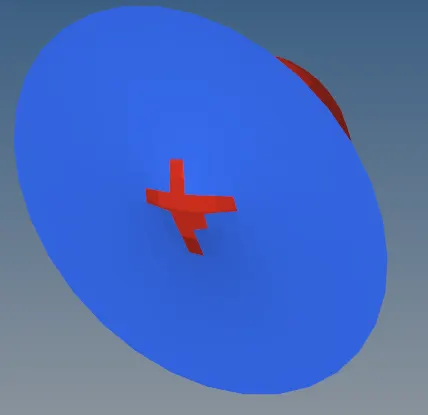
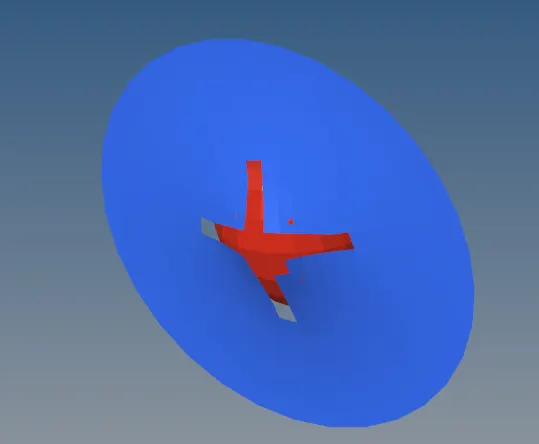
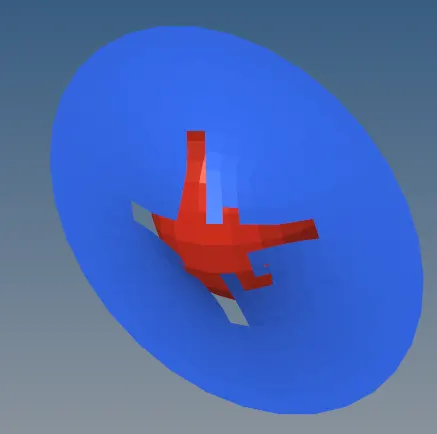
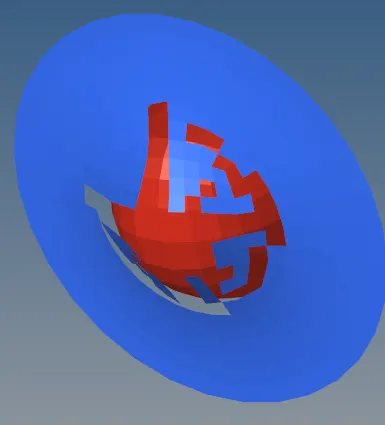
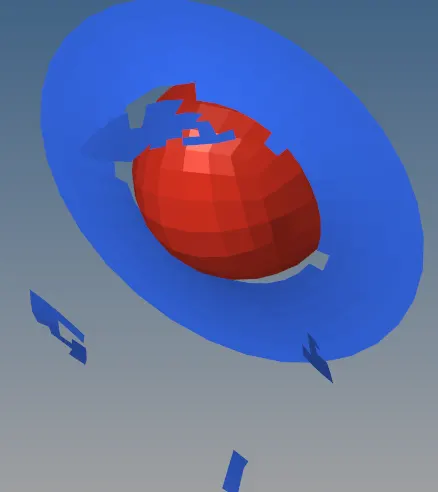
Crack propagation occurs in cross fashion. Element failure occurs around the ball.
Energy plots:
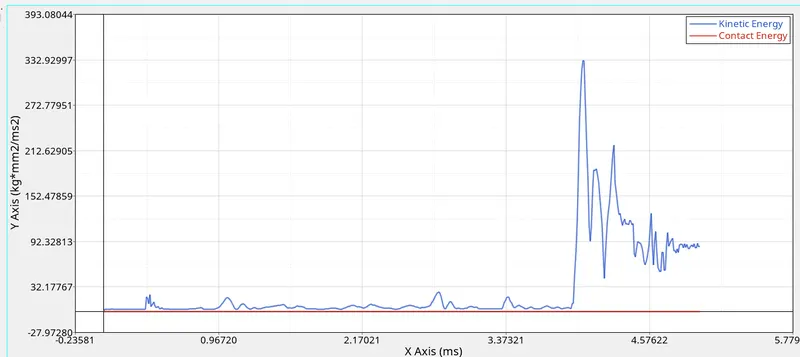
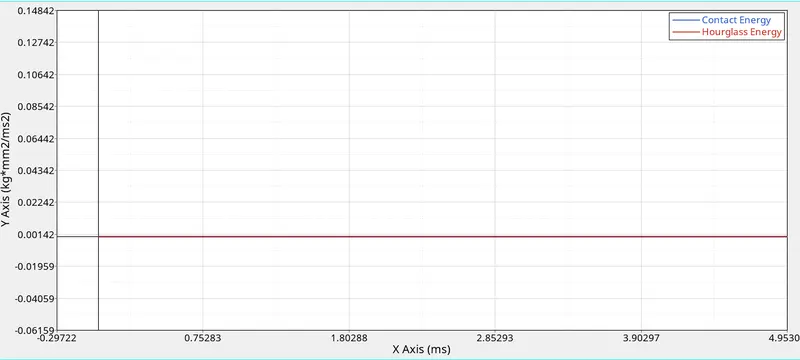
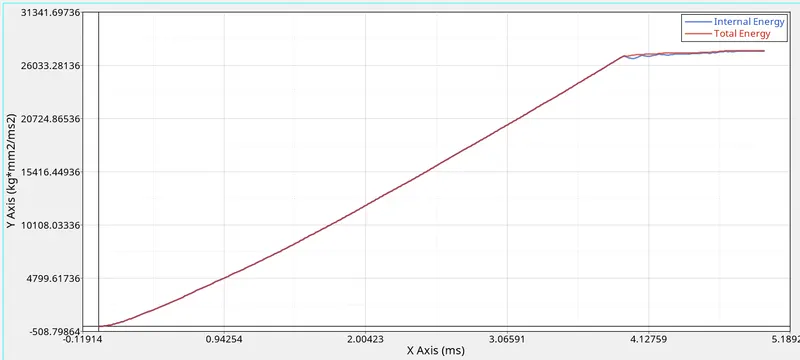
Internal Energy rises nearly linearly till about 3.9ms. After this internal energy is nearly constant. Kinetic energy spikes about 3.9ms in the simulaiton. Hourglass energy and contact energy is nearly 0.
Case 4:
TOTAL NUMBER OF CYCLES : 49304
ELAPSED TIME = 150.05 s
mass error = 0%
energy error is in the range of -0.6% to 1.2%
simulation pictures in order:
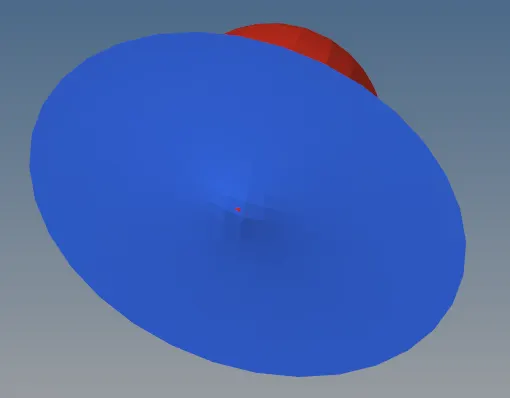
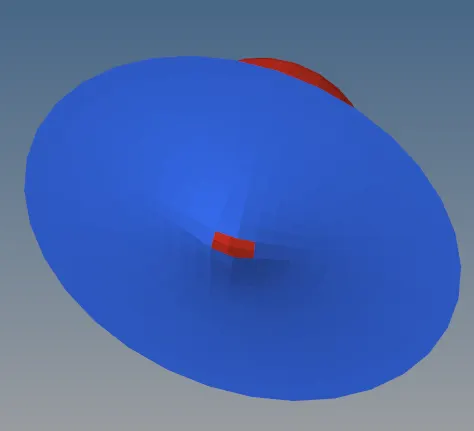
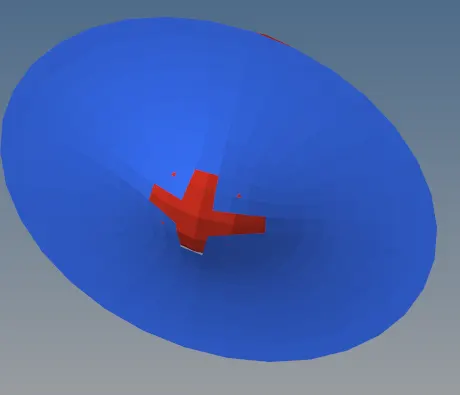
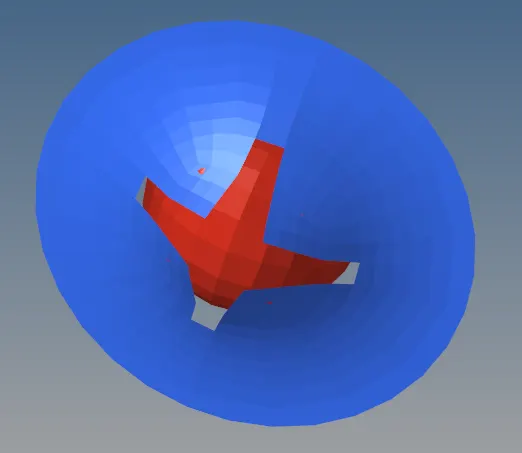
crack propagation happens in cross fashion but shattering of material pieces does not happen.
Energy plots:
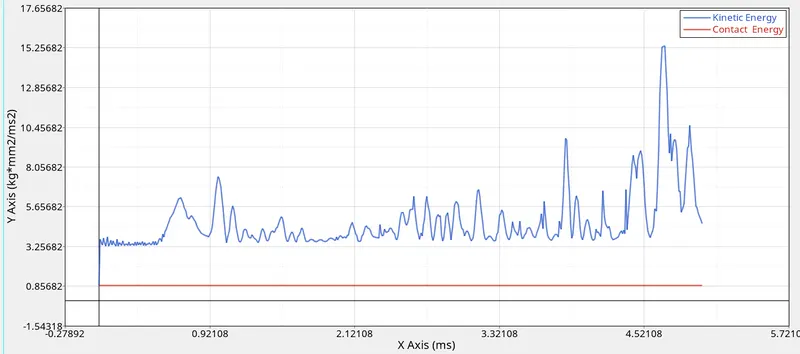
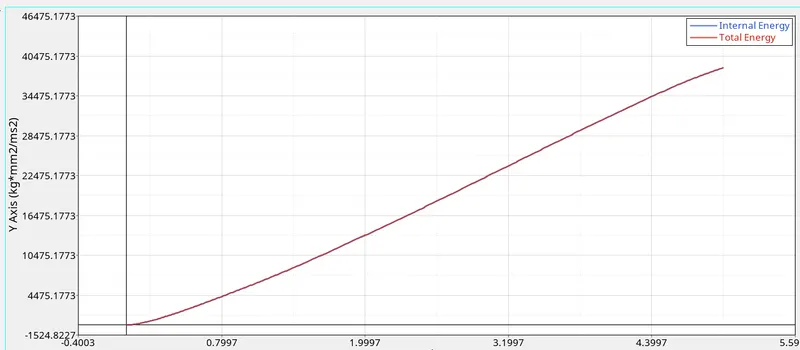
Internal energy rises in a near linear fashion throughout the simulation. Contact energy is not as negligible as the other cases.
Case 5:
TOTAL NUMBER OF CYCLES : 47969
ELAPSED TIME = 134.49 s
mass error = 0%
energy error is in the range of -0.6% to 4%
simulation pictures in order:
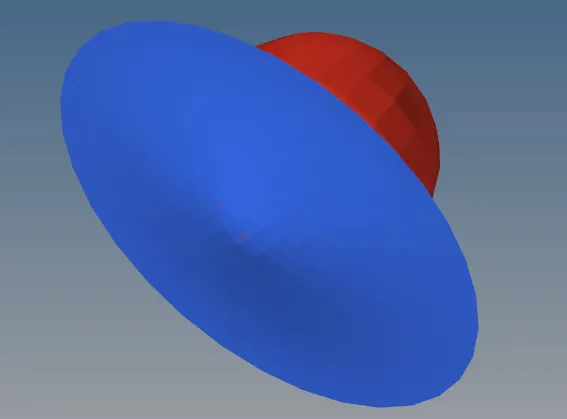
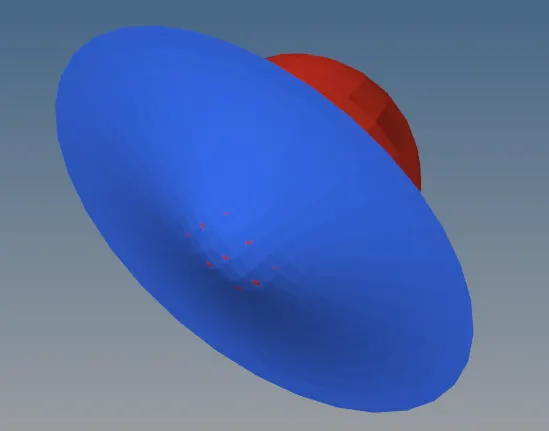
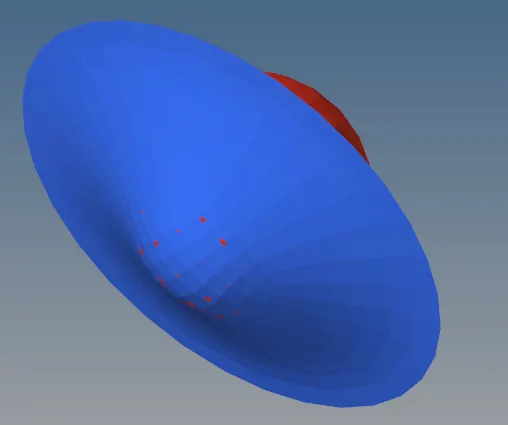
No element failure occurs in this case and the deformation is elastic in nature.
Energy plots:
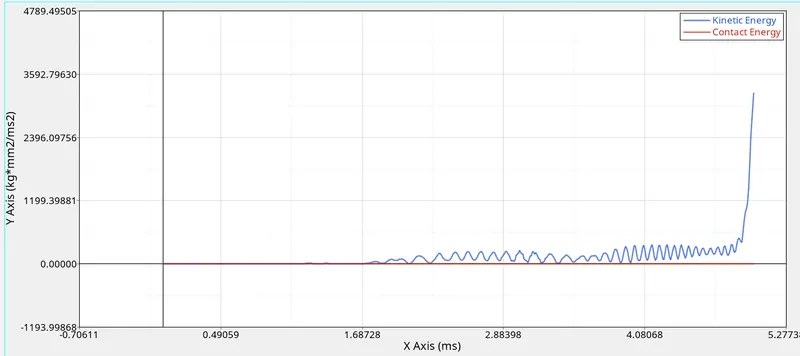
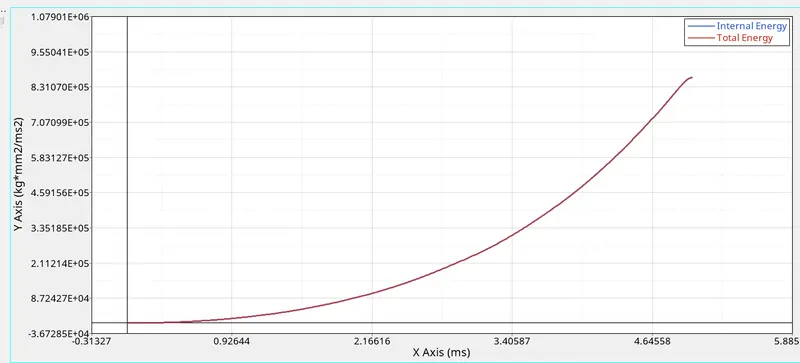
Internal energy rise is nearly parabolic thoughout the simulation. Kinetic energy spike occurs after about 4.6ms. Contact energy is negligible.
Case 6:
TOTAL NUMBER OF CYCLES : 49416
ELAPSED TIME = 174.59 s
mass error = 0%
energy error is in the range of -0.6% to 1.2%
simulation pictures in order:
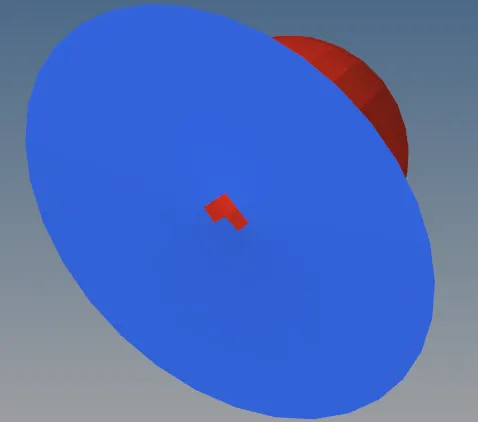
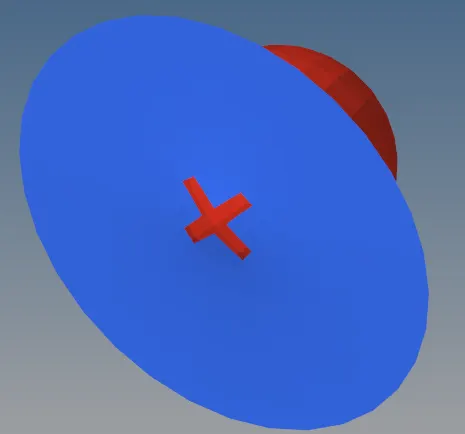
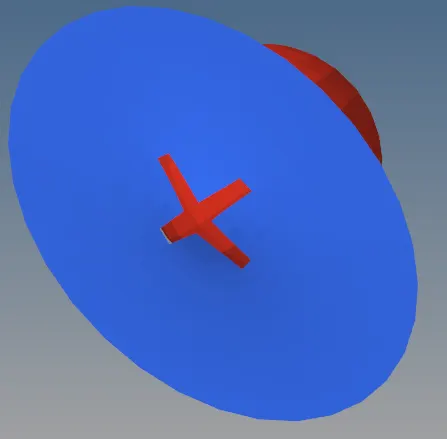
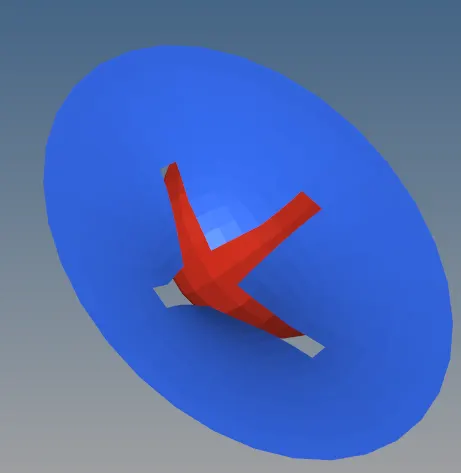


Element shattering does not happen in this case.
Energy plots:
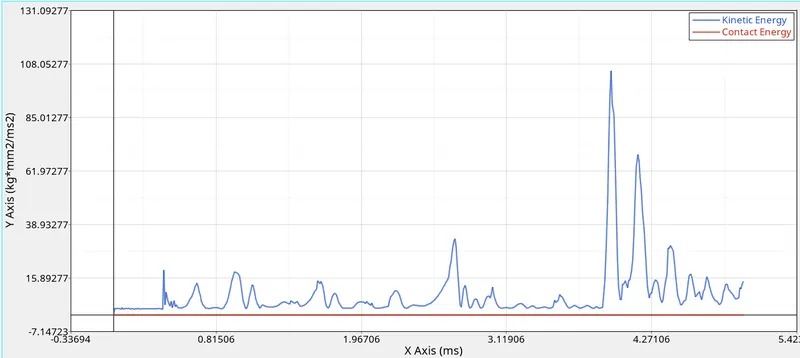
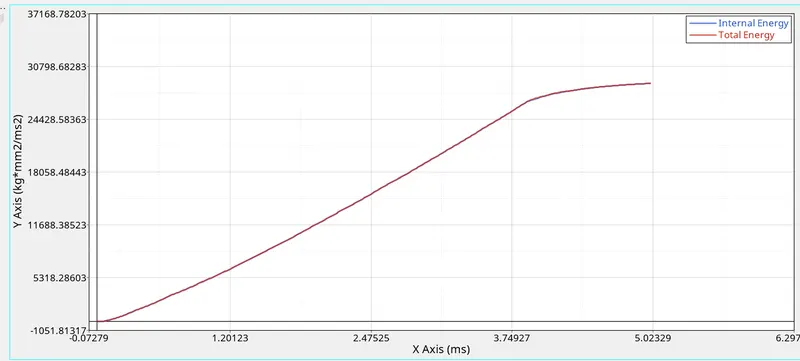
Kinetic energy spike occurs about 3.8ms in the simulation. Internal energy is nearly linear till 3.8ms. contact energy is negligible .
Case 7:
TOTAL NUMBER OF CYCLES : 52176
ELAPSED TIME = 220.25s
mass error = 0%
energy error is in the range of -1.8% to 0.7%
simulation pictures in order:

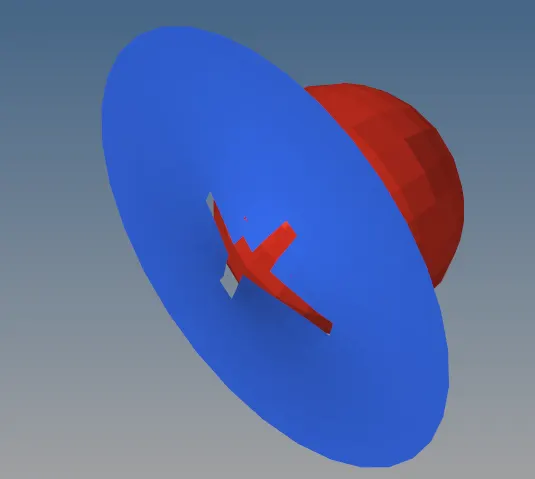
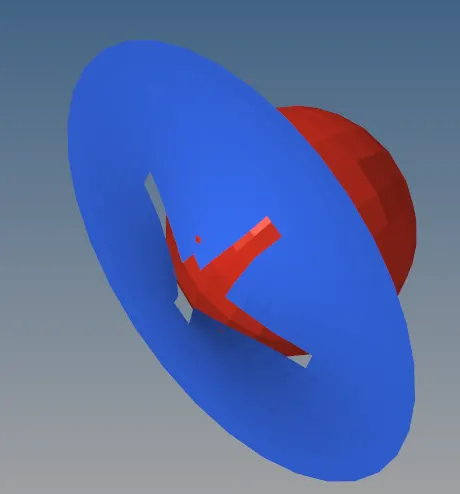
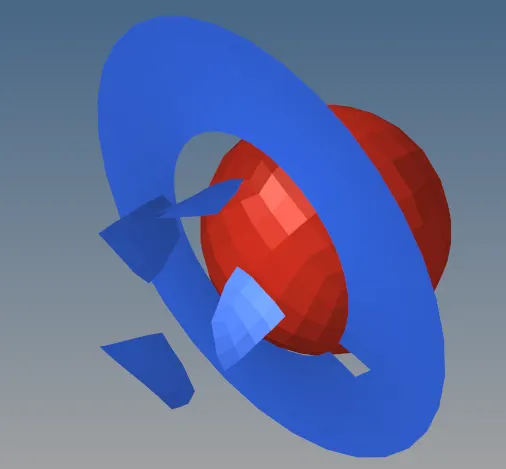
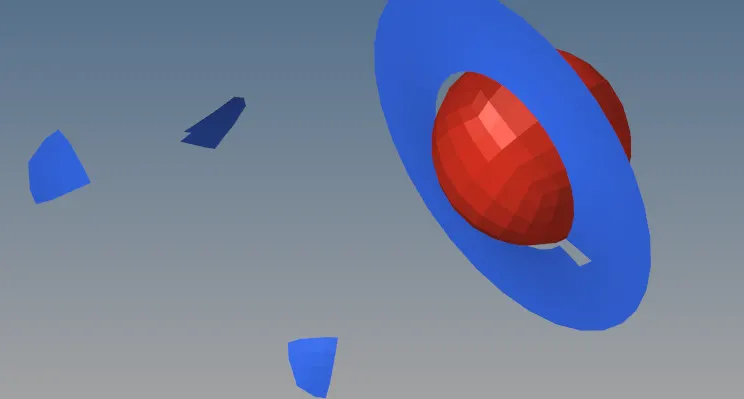
Element shattering happens forcefully in this case.
Energy plots:
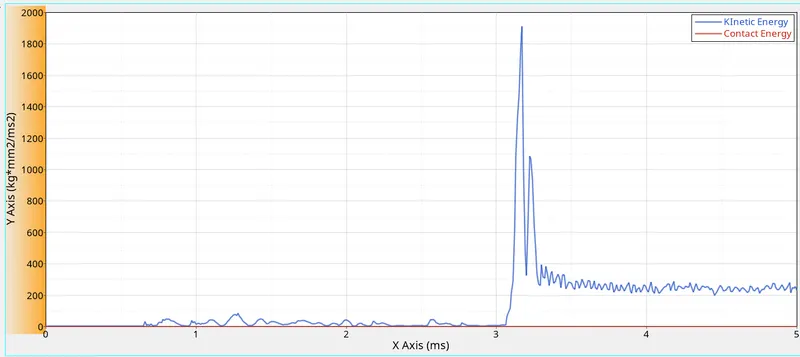
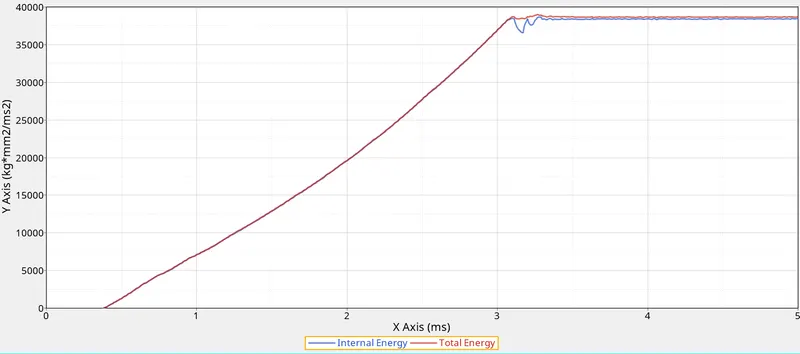
Kinetic Energy spike occurs about 3.1ms. Internal energy also shows near linear rise till 3.1ms. After about 3.1ms, Internal energy is nearly constant.