 Free · 6 lessons · no payment
Advanced Medical Image Processing in Clinical Applications: 6 free lessons
Six free lessons from Skill-Lync's Advanced Medical Image Processing in Clinical Applications course. They compare image processing with computer vision and graphics, cover direct and indirect imaging, sampling, quantization and reading images with OpenCV, then define medical image segmentation and its applications, and teach Otsu thresholding, region growing and watershed.
Last updated 16 Nov 2026 · 6 free lessons (2 h 26 min) · full course: 48 lessons (21 h 26 min), paid · ₹40,000
 Free lesson 1 · 27 minDigital Image Fundamentals, Imaging Modalities and Image Processing Domains
What will you learn in the free Advanced Medical Image Processing in Clinical Applications lessons?
- Direct versus indirect imaging and the Radon transform
- Sampling, aliasing and bit depth in digital images
- Segmentation as a pixel to label mapping
- Otsu thresholding, region growing and watershed
Free lessons you can watch now
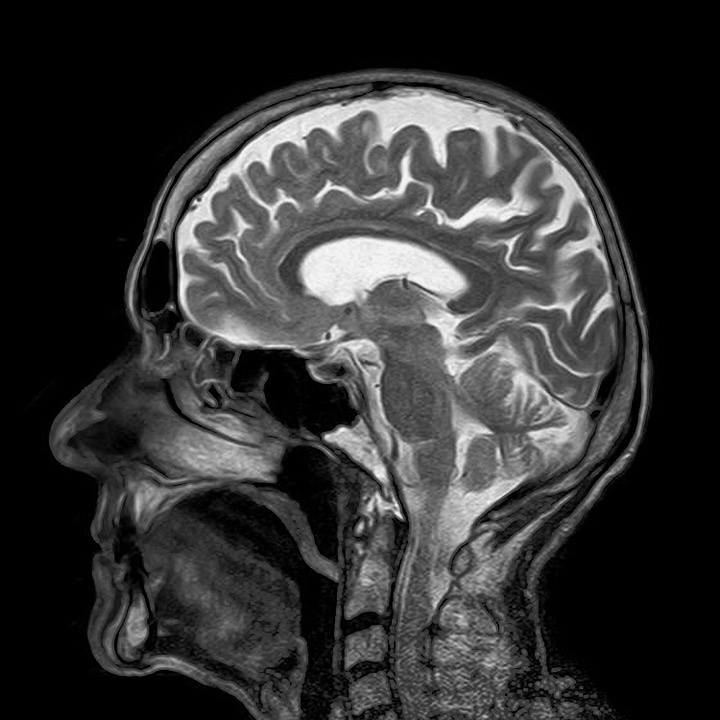
- Lesson 1 · 27 minDigital Image Fundamentals, Imaging Modalities and Image Processing DomainsThe lesson outlines the week, then separates image processing, computer vision, computer graphics and AI by their input and output types. It covers direct and indirect imaging with reconstruction, and classifies images by physical principle, from optical reflectance to ultrasound and X-ray.
 Lesson 2 · 34 minStages of Image Processing, System Components and Image FormationThe lesson walks through the image processing pipeline from acquisition and filtering to enhancement and restoration. It covers system components such as GPUs, frame grabbers and software like ImageJ and 3D Slicer, then image formation as illumination times reflectance.
 Lesson 3 · 22 minSampling, Quantization and Reading Images in PythonThe lesson explains how analog images become digital through sampling and quantization, including sampling pitch, aliasing and the Nyquist frequency. It covers 8, 10, 12 and 14-bit depth, then reads, converts and saves images in Python using OpenCV and NumPy.
 Lesson 23 · 18 minMedical Image Segmentation: Motivation and Clinical ApplicationsThe module opens with its outline and defines image segmentation as finding object boundaries. It contrasts natural and medical images, explains why manual annotation needs clinical training, and presents applications such as 3D bone visualization, vasculature analysis and radiation therapy planning.
 Lesson 24 · 12 minDefining Image Segmentation and Comparing Segmentation ApproachesThe lesson defines segmentation formally as mapping each pixel to a label, with background and organ classes in medical images. It outlines method categories, based on intensity, texture and edges, and weighs the pros and cons of image-based, shape-model and hybrid approaches.
 Lesson 25 · 33 minThresholding, Otsu's Method, Region Growing and Watershed SegmentationThe lesson covers classical segmentation methods, starting with thresholding and variants such as Otsu's method using the grey-level histogram. It then explains region growing with seed points, split and merge, and the watershed algorithm with its over-segmentation issue and related graph methods.
Which lessons of Advanced Medical Image Processing in Clinical Applications are free?
The first 6 lessons are free on Grow by Skill-Lync: 2 h 26 min of video from Skill-Lync's Advanced Medical Image Processing in Clinical Applications course that you can watch here at no cost: leave your name and phone number once and they play (as of 16 Nov 2026). The full course is paid (₹40,000); its other 42 lessons are listed in the outline below so you can see what each one covers.
How long is the Advanced Medical Image Processing in Clinical Applications course?
The full course has 48 lessons and 21 h 26 min of recorded video, plus the projects and assignments that come with enrolment. The free lessons alone take about 2 h 26 min, so you can finish them in an evening and decide whether to continue.
What comes after the free lessons?
Lesson 4 onwards is in the paid Advanced Medical Image Processing in Clinical Applications course on Skill-Lync, with mentor support and a certificate. A counsellor can tell you which course or program fits your goal.