DussehraFestive scholarship on Skill-Lync courses, this week onlyFestive scholarship is openOffer ends Wed, 21 Oct, 11:59 pm IST.

Dussehra 2026

Start your next chapter this Dussehra

Tell us where you want to work. A counsellor will match you to the right course and confirm the festive scholarship you qualify for.

  • Festive scholarship on course fees, confirmed on your call
  • Free 20-minute call to map the right course to your goal
  • Real industry projects and placement support with every course

Offer ends Wed, 21 Oct, 11:59 pm IST

3,905 engineers placed since 2019 · 1,277 hiring companies

By submitting you agree to our Terms and Privacy Policy.

You're on the list

Browse courses
Electrical · Course

Development of Hybrid Drives using MATLAB & Simulink

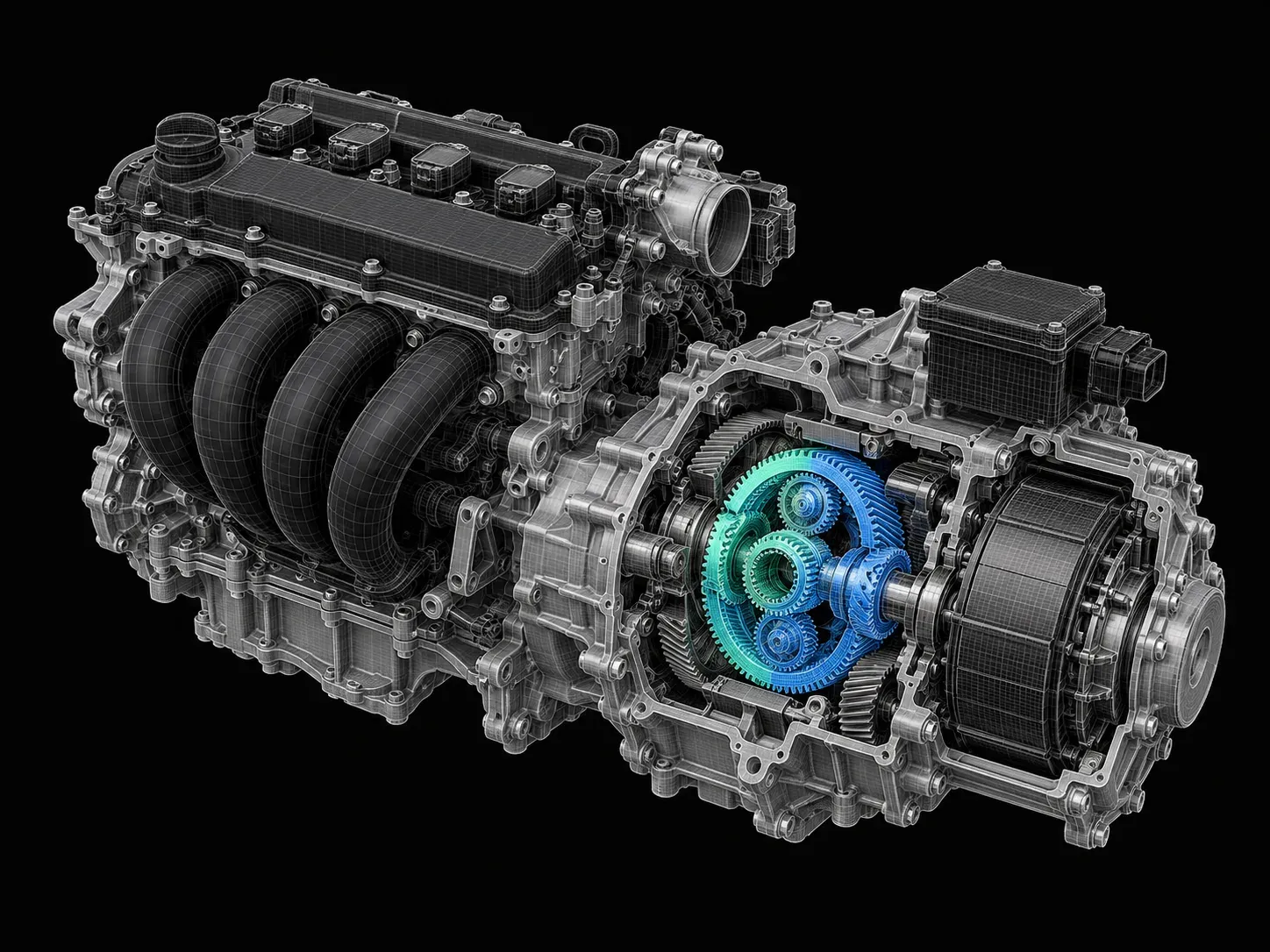
A 3 month course which discusses about the basics of hybrid electric powertrains used in the automotive industry, different existing and future architectures, current trends, powertrain system design and modeling, simulation and controls related to such powertrains.

Duration
12 weeks
Content
21 hours
Projects
2
Mode
Online
Overview

What you'll
be able to do.

  • The students will gain a thorough knowledge of how hybrid electric drives work in the automotive industry.
  • Students will gain exposure to:
    • Basics of Hybrid Electric Powertrains
    • Existing and Future Architectures
    • Powertrain System Design Modelling
    • Simulation and Controls related to Powertrains
  • The students are exposed to the modern trends and standard practices being followed in the industry right now.
  • The main goals of this course are to teach the concepts of hybrid electric vehicles and to assist in the creation of a complete electric vehicle using MATLAB and Simulink.
  • This course forms the foundation for anyone willing to take up a career as a Modelling and Simulation Engineer.
Tools you'll use
MATLABSimulink
Curriculum

12 modules,
built with industry.

  1. 01Development of Hybrid Drives using MATLAB & Simulink12 modules
    1. Introduction to Course: Objectives and ScopeW01

      The following topics are covered this week.

      • Current Transportation Scenario
      • Driving Factors
      • Automotive Trends
      • Technologies
      • Hybrid Vehicles
      • Course Outline
    2. Vehicle Dynamics: Longitudinal Traction Equations and Road Load EquationsW02

      The following topics are covered this week.

      • Longitudinal Lumped Dynamics of a Vehicle
      • Tractive Forces
      • Loads Acting on a Vehicle
      • Power Requirement Calculations
    3. System Development and Testing, Drive CyclesW03

      The following topics are covered this week.

      • Testing Objective and Parameters
      • Drive Cycles
      • Energy and Power Requirement for the Cycle
      • Different Test Procedures
    4. Energy and Performance: Analysis and ModelingW04

      The following topics are covered this week:

      • Fuel Efficiency
      • Energy Consumption
      • Acceleration Performance
      • Drive Quality
      • Purpose/Applications and Types of Modeling
      • Energy Flow
      • Forward and Backward Models
    5. Hybrid ArchitecturesW05

      Hybrid drives are drivetrains that consist of an engine and an electric motor. There are different architectures for hybrid drives, each having its own advantages and disadvantages. This week, the following topic is discussed in detail.

      • Hybrid Drive Architecture
    6. IC EnginesW06

      The following topics are covered this week.

      • Drivetrain Basics
      • Engine Basics
      • Operation
      • Engine Maps
      • BSFC
      • Efficiency
      • Emissions
    7. TransmissionW07

      The following topics are covered this week.

      • Transmission Types:
        • MT, AMT, AT, CVT, DCT, EVT, and DHT
      • Torque Converters
      • Planetary Gear Sets
      • Clutches
      • Function
      • Losses
    8. Electric Motors & Power ElectronicsW08

      The following topics are covered this week.

      • Principle of Operation
      • Different Types:
        • DC, AC, PMSM, Induction, and SRM
      • Efficiency
      • Losses
      • Advantages
      • Disadvantages
      • Electric Drives
      • Inverters
      • Motor Control and Other Power Electronics
    9. Energy Storage SystemsW09

      The following topics are covered this week.

      • Flywheels
      • Batteries
      • Ultracapacitors
      • Hydrogen
      • Battery definitions:
        • C-rate
        • Capacity
        • SOC
        • Specific Energy
        • Specific Power
      • Modeling
      • Controls
      • BMS
    10. Energy and Performance ManagementW10

      The following topics are covered this week.

      • Energy Management Strategies
      • Charge Sustaining/Depleting
      • Ways to Improve Fuel Economy
      • Performance
    11. Optimization of Hybrid DrivesW11

      In this week, the following topics are covered.

      • Optimal Design and Optimal Control of Hybrid Drives
      • Optimization of Hybrid Drives for Accurate and Efficient Operation
    12. Current architecturesW12

      In this week, the following topics are covered.

      • Vehicles that use Hybrid Drivetrains
      • The Benefits of using Hybrid Drivetrains
Industry projects

2 projects
you'll ship.

Our projects are designed by experts in the industry to reflect industry standards. By working through our projects, Learners will gain a practical understanding of what they will take on at a larger-scale in the industry. In total, there are 2 Projects that are available in this program.

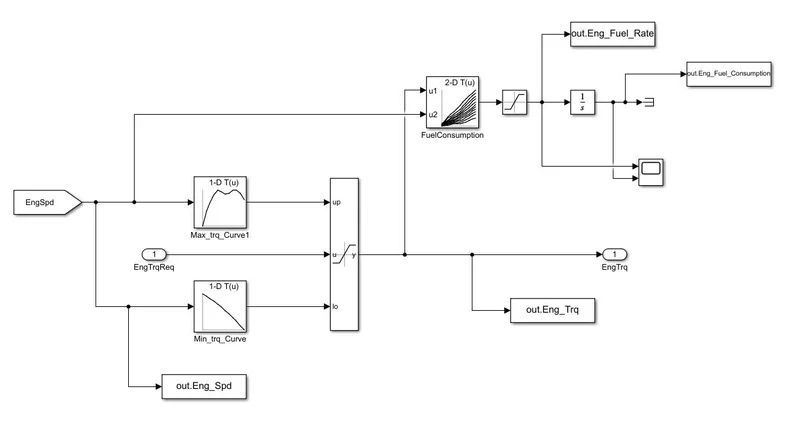
Development of  Forward Energy Based Fuel Consumption Model of a Conventional Vehicle

Development of Forward Energy Based Fuel Consumption Model of a Conventional Vehicle

During this project, the students will learn about the modeling process, how to write scripts in MATLAB, modeling in Simulink, and how to analyze data and generate plots.
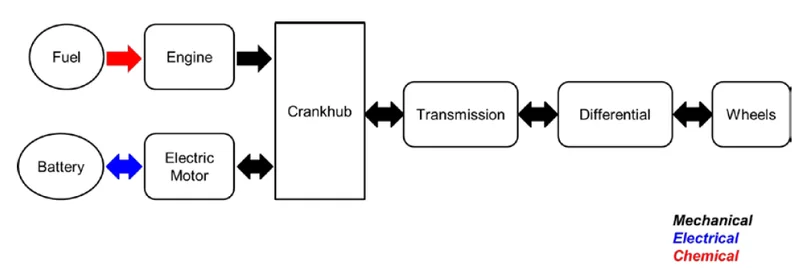
Development of a Forward Energy Based Fuel Consumption Model of a P1 Hybrid Vehicle

Development of a Forward Energy Based Fuel Consumption Model of a P1 Hybrid Vehicle

The main goal of this project is to understand the functionality of a P1 hybrid and be able to model it. Also, the fuel economy numbers for an EV is studied during this project.

Fee

One fee.
Everything included.

Become job ready with our comprehensive industry focused curriculum for freshers & early career professionals

Premium
₹40,000
Inclusive of all charges
  • 1 Year Access
  • Personalized Page
  • Live Individual & Group Sessions
  • Personalized & Hands-On
  • Job-Oriented Industry Relevant Curriculum
Check eligibility →
FAQ

Questions,
answered.

Who can enroll in this course?

All graduate/ post-graduate students, as well as freshers and experienced engineers who wish to learn about hybrid vehicle powertrain technology basics, can enroll in this MATLAB and Simulink online course.

Will I get a merit certificate after the completion of this course?

Yes, if you are among the top 5% of the class, you will be eligible to receive a merit certificate, or else you will be given a course completion certificate.

Which companies will I get a job in after this course?

The course makes you eligible to work in all automotive and supplier companies operating in the field of developing Hybrid Electric powertrains. 

What are the eligibility criteria for the development of hybrid drives using MATLAB and the Simulink online training program?

Although there are no fixed criteria for this certification program, the course will benefit mechanical and automotive engineers.

What kind of salary can I expect after this course?

You can expect a CTC anywhere between Rs 2.5 to 6 LPA. If you are an experienced professional, you can expect a hike between 10-45%.

What is the duration of this online program?

The development of hybrid drives using MATLAB and the Simulink course is scheduled for a period of three months.

What software skills are taught in this course, and how well are these tools used in the industry?

The course covers MATLAB, a high-performance language for technical computing that integrates visualization, computation, and programming in an easy-to-use environment, and Simulink, a graphical programming environment for modelling, simulating and analyzing multi-domain dynamical systems.

Next step

Not sure it's
the right fit?

A counsellor will walk you through the syllabus, projects and fee options — and tell you honestly if another course suits you better.

Get the syllabus + a call back

We'll email the full syllabus and call within one working day.

By submitting you agree to our Terms and Privacy Policy.

Call usEnquire

Talk to a career counsellor

Free 20-minute call. We'll map the right course to where you want to work.

By submitting you agree to our Terms and Privacy Policy.