Why Magnesium is Preferred for Biomedical Applications?
Imagine a material three times stronger and two times lighter than steel capable of being implanted inside the body and delivering drugs to target specific body parts.
 Anup KumarH S·14 Feb 2023·2 min read
Imagine a material three times stronger and two times lighter than steel capable of being implanted inside the body and delivering drugs to target specific body parts. This versatile and novel medical material, magnesium, has been used in industries for many years. However, its applications in the biomedical field are only starting to be explored. In this blog, we will take a look at how magnesium and its alloys are used in the medical world.
What is Magnesium?
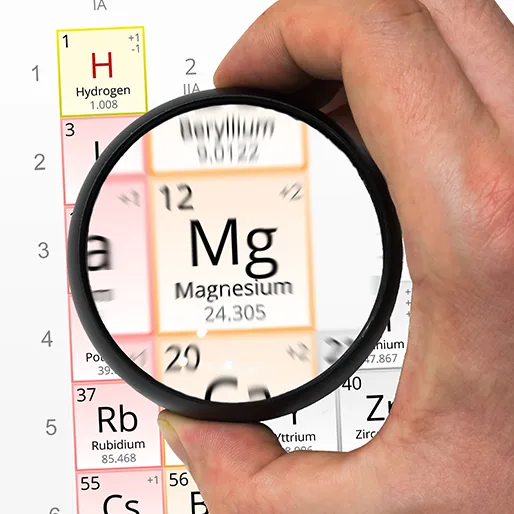
Magnesium is the eighth most abundant element in the Earth’s crust. However, in nature, it is never found in its pure form. Magnesium metal is used in products ranging from auto parts to medical implants.
Properties of Magnesium and its Alloys
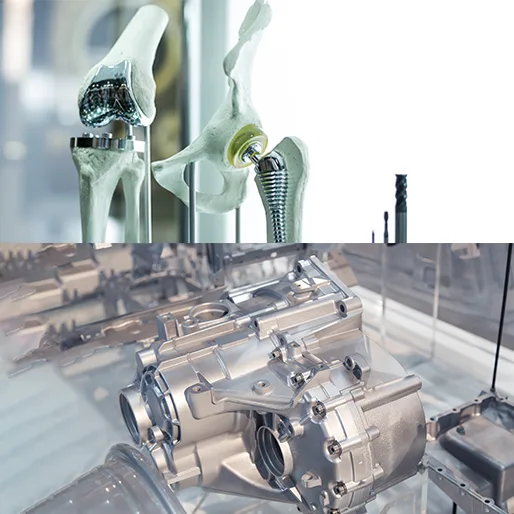
Magnesium is strong, stiff, lightweight, and corrosion-resistant. Magnesium has a density of 1.7 g/cm3, making it the lightest structural metal and Young’s modulus of 45 GPa. Magnesium alloys find widespread application in several industries, including,
-
Aerospace Industry
Magnesium alloys are used in the aerospace industry for their high strength-to-weight ratio.
-
Automotive Industry
Magnesium is used to make engine blocks and transmission cases in automotive applications because of its weight-saving properties.
-
Electronics Industry
Magnesium alloys are used in electronic devices such as laptops and cell phones due to their electromagnetic shielding properties.
-
Biomedical Industry
Magnesium is used in biomedical applications such as,
- Bone Replacement
- Injectable Drugs
- Implantable Devices
Biomedical Applications of Magnesium
Magnesium is biocompatible, meaning it does not cause an immune response when implanted into the body. This makes magnesium a suitable material for use in biomedical applications.
- It is non-toxic and does not cause adverse reactions when used in the human body.
- It is used in bone density scanners and X-ray machines because it absorbs X-rays.
- Mg alloys are strong and lightweight, making them well-suited for medical devices and medical equipment manufacturing.
- Its anti-inflammatory properties make it an ideal metal for medical implants and other devices that come into contact with the human body.
- Magnesium compounds are injected into the veins of heart attack victims to stabilise their heart rhythms.
- MgSO4 (Magnesium sulphate) has been used as a tocolytic agent in some settings to inhibit uterine activity in women in preterm labour to prevent preterm birth.
- It is also used to treat eclampsia and pre-eclampsia, conditions that can lead to serious health problems or even death for both mother and child.
Challenges of Using Magnesium in the Medical Field
The medical field has long been using magnesium metals and their alloys for various biomedical applications. However, there are several challenges associated with using magnesium in the medical field.
- It is very difficult to weld or join magnesium together, which can limit the ability to create certain types of medical devices
- magnesium metals and alloys are very expensive, which can be a barrier to widespread adoption in the medical field.
Conclusion
Magnesium metal and its alloys have demonstrated considerable promise in addressing various medical issues. To learn more about the nature of cells in the human body and develop biocompatible implants and surgical instruments, enrol in Skill-Lync’s Anatomy and Physiology course specially structured for biomedical engineers. Our PG program in Bioengineering will teach you various industry-standards for testing the quality of medical equipments.
Talk to Skill-Lync’s experts and to know more about our offerings