Technology that is Revolutionising the Engineering Industry
If you were to time travels 100 years into the past and tell a person from that time about all the modern technology we have today, you would most likely be hanged for being a witch.
 Navin Baskar·12 Feb 2023·4 min read
If you were to time travels 100 years into the past and tell a person from that time about all the modern technology we have today, you would most likely be hanged for being a witch. This is the rapid pace of innovation humanity has witnessed over the past century, thanks to the technology developed by engineers. This is mainly driven by technology like the computer. The engineering industry is undergoing a massive transformation thanks to technological advances like 3D printing and Artificial Intelligence (AI). So hop in your time machines and join us as we explore the technology revolutionising how engineers design, build and maintain products and systems, giving you a glimpse of the future!
Introduction
Technology has been a major driving force behind this change, revolutionising how engineers work and interact with their clients. In recent years, technology has enabled engineers to work more efficiently, allowing them to complete projects faster and with greater accuracy. There are a few key technologies that made this possible.
-
Advanced software and hardware
- By utilising cutting-edge software and hardware, engineers can now create complex designs and simulations in a fraction of the time it used to take.
- This has allowed engineers to take on more projects and complete them more quickly, resulting in increased productivity and profits.
-
Cloud-based software
- By utilising cloud-based software, engineers can easily share designs and simulation results with other team members and clients, allowing faster feedback, collaboration, and more efficient communication.
-
Internet
- By utilising the internet, engineers can now access various databases, software, and other resources to help them complete their projects more quickly and accurately.
Engineering Technologies
Engineering is one of the oldest disciplines in the world, and its importance has only grown over time. Technology has a major impact on engineering, transforming how engineers work and the types of projects they can take on. Some of the technologies fueling this rapid phase of development are as follows.
-
3D Printing
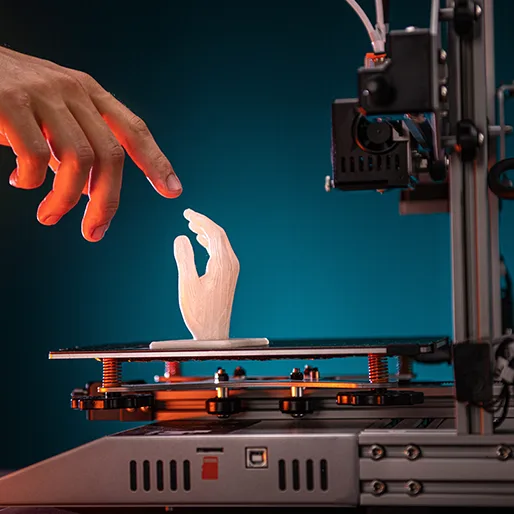
- 3D printing technology has revolutionised how engineers can create prototypes and test new designs.
- With 3D printing, engineers can quickly and easily create a physical representation of their designs without needing expensive and time-consuming traditional manufacturing processes.
-
Artificial Intelligence (AI)
- Artificial intelligence has also had a huge impact on engineering.
- AI can be used to automate many of the tedious and time-consuming tasks associated with engineering, allowing engineers to focus on more complex and creative tasks.
- AI can also analyse data and identify patterns to help engineers better understand their designs and create more efficient and effective solutions.
-
Internet of Things (IoT)
- IoT has enabled engineers to create smarter and more connected products. By connecting devices to the internet, engineers can create products that can communicate with each other and provide real-time data that can be used to improve the performance of the products.
The Benefits of Technology in Engineering
Here are some of the key benefits of technology in engineering:
-
Increased Efficiency
- Technology has enabled engineers to work faster and more efficiently. By automating processes, engineers can complete tasks in a fraction of the time.
- This increased efficiency helps engineers to stay on top of projects and complete them within tight deadlines.
-
Improved Accuracy
- Technology has improved the accuracy of engineering projects. Engineers can use sophisticated software and tools to ensure that their designs and calculations are precise and accurate.
- This reduces the possibility of errors and ensures that projects are completed adhering to the defined safety and industrial standards.
-
Enhanced Collaboration
- Technology has enabled engineers to collaborate with other teams more effectively. Using cloud-based tools, engineers can share designs, documents and data with colleagues and clients, no matter where they are.
- This makes it easier for teams to work together on complex projects.
-
Revolutionary Innovation
- Technology has enabled engineers to explore new ideas and create innovative solutions. Using advanced software and tools, engineers can develop new products and processes that can revolutionise the industry.
Conclusion
The future of technology in engineering looks very bright and will bring about many new and exciting opportunities. To learn advanced engineering technologies, do check out the courses offered by Skill-Lync. We provide various programs and courses in all the major engineering domains, including electrical, electronic, computer science, civil, biomedical, and mechanical. Explore our courses on AI, including Machine Learning Fundamentals In Depth, Math behind Machine Learning & Artificial Intelligence using Python, and PG Program in Data Science and Machine Learning.
Courses in IOT like the Internet of Things (IoT) in Healthcare and Programming the Internet of Things (IoT). Industrial experts with several years of experience have carefully curated our courses.
So, what are you waiting for? Start your learning journey today with Skill-Lync!


