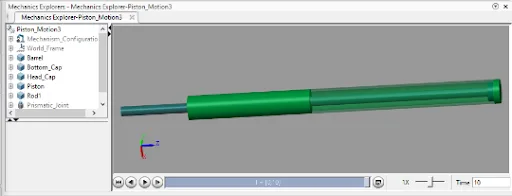
Double-acting Actuator Model using Simscape
Students will have to develop a double-acting actuator model using Simscape Multibody and Components. They will have to deliver the Analysis document, Simulink/Simscape (*.slx) mod…
DussehraFestive scholarship on Skill-Lync courses, this week onlyFestive scholarship is openOffer ends Wed, 21 Oct, 11:59 pm IST.
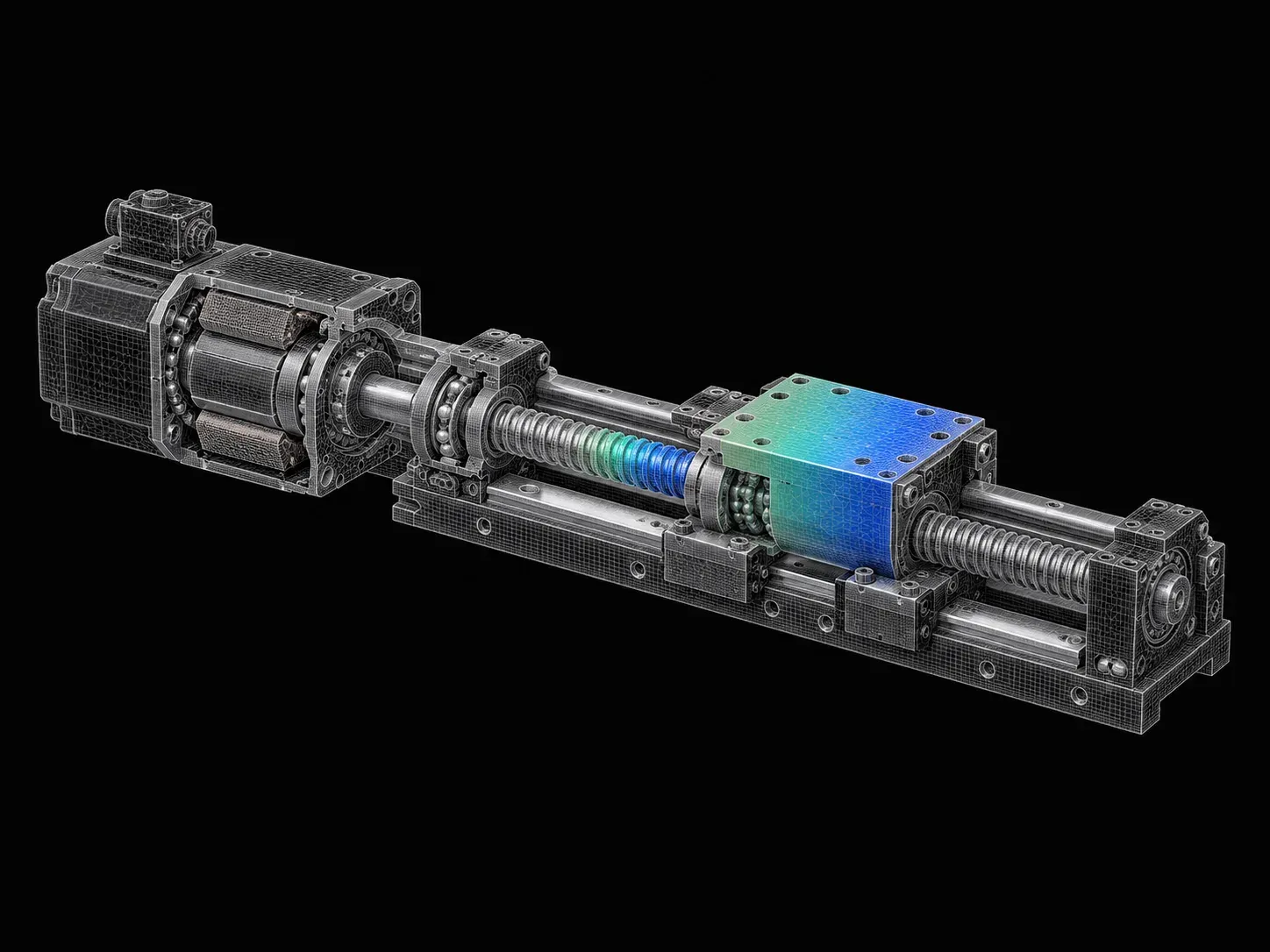
Learn about system modeling and simulation using industry-level software like Simulink and Simscape.
System modeling and simulation helps engineers design and solve real-world problems. They use software tools to design, analyze, and understand the performance of a system by modeling and simulating it virtually before it is physically modeled in the real-world. This reduces associated costs and time, and optimizes design efficiency by identifying errors early on in the process.
Simulink and Simscape are used by engineers to model and simulate systems. While Simulink is used to model, simulate, and analyze a system, Simscape is used for physical modeling. By doing this, engineers can understand how different components in a system function together.
This 6 week course will take students through the fundamentals of system modeling and simulation, as well as the basic concepts of control systems and implementing logic. In each week, students will be immersed in the use of Simulink and Simscape to model and simulate real-world systems.
This course will equip students with a conceptual understanding of system modeling and simulation, as well as the associated software skills needed to excel in the industry.
At the end of each week, students will have to complete a challenge that tests their understanding of the concepts and software skills learned.
At the end of the course, students will have to complete a project in which they will have to develop a double-acting actuator model using Simscape multibody and components.
Who can enroll in this course?
Modeling and simulation use models to demonstrate a system, and understand their behavior and operation with respect to time and space. Both Simulink and Simscape are heavily used in modeling and simulation as they can develop models and systems across domains.
In Week 1, students will learn about:
Free body diagrams (FBD) illustrate the forces acting on a physical body and/or its components. By using Simulink and Simscape, the forces in a system can be modeled to understand its behavior under different conditions. Instead of representing a model with the mathematics behind it, physical modeling models and simulates systems that have physical components. Physical elements such as pumps and motors are mapped to Simscape blocks.
In Week 2, students will learn about:
Multi-domain modeling includes a whole model that is composed of models from different domains (For example, electrical, mechanical, and electronic domains). When multi-domain physical models are combined with control processing algorithms, errors can be identified in the initial stages of the design process.
In Week 3, students will learn about
Multibody models have bodies joined together with joints and constraints. These models also have forces that define their kinematic properties to understand the response of components in the model. CAD models can be imported into the Matlab environment and integrated with CAD modules in Simscape.
In Week 4, students will learn about
Physical modeling models and simulates systems that have physical components. Physical elements such as pumps and motors are mapped to Simscape blocks. There are many elements that can be connected to make the system. Elements from different domains can also be added to model a multidomain physical system. Through physical modeling and simulation, we can predict how different systems will behave in the real-world, identify errors, and optimize their performance.
In Week 5, students will learn about
Hydraulic and thermal liquid block libraries in Simscape are used to factor in their respective effects on a system. Using these blocks, students can build and model fluid systems. Once the model is prepared for analysis by adding sensors for data collection, it can be simulated to log the data.
In Week 6, students will learn about
Our projects are designed by experts in the industry to reflect industry standards. By working through our projects, Learners will gain a practical understanding of what they will take on at a larger-scale in the industry. In total, there are 1 Projects that are available in this program.
Students will have to develop a double-acting actuator model using Simscape Multibody and Components. They will have to deliver the Analysis document, Simulink/Simscape (*.slx) mod…
Become job ready with our comprehensive industry focused curriculum for freshers & early career professionals
Students and graduates of electrical engineering and related engineering streams can take up the System Modelling and Simulation using Simulink and Simscape course.
Yes, the system modelling and simulation course is 100% online.
The CAE online course is a 6-week course covering all the basic to advanced level concepts essential for modelling and simulation complex virtual systems.
According to Ambitionbox, the average annual salary of a Simulation Engineer reaches up to INR 5.6 Lakhs per annum. However, your pay package varies with your experience and expertise.
Yes, you shall be given a course completion certificate after completing the modelling and simulation course. The top 5% of the scorers will receive a merit certificate alongside the course completion certificate.
Yes, you can clear your doubts during coursework from our technical support team through email and forum support.
Modelling and simulation is the process of creating a virtual model that involves mechanical and electrical systems and testing them. This process provides space for decision-making and determining the feasibility of the system.
Skill-Lync is among India’s leading EdTech platforms dedicated to transforming engineering education. We equip young engineers with the latest skill sets and cutting-edge tools in new-age technologies.
The brainchild of two engineers from Chennai, Skill-Lync, is on a mission to bridge the skill gap between aspiring professionals and the industry’s demands through job-oriented courses.
A counsellor will walk you through the syllabus, projects and fee options — and tell you honestly if another course suits you better.