Python or Java - Which One is Better for a Thriving Career?
Java and Python each have benefits and drawbacks, and both are used for website development. Find out which language is best to study by reading on
 Anup KumarH S·16 Jan 2023·4 min read
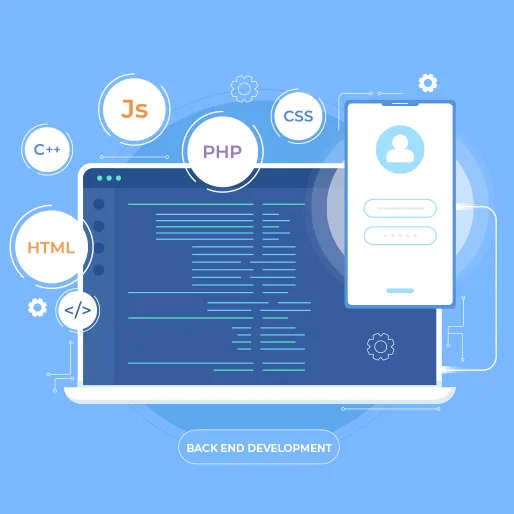
Java and Python each have benefits and drawbacks, and both are used for website development. Find out which language is best to study by reading on.
Two of the most widely used programming languages are Java and Python. Java is the swifter out of the two, but Python is relatively easy and more straightforward to understand. Each is well-known, cross-platform, and a part of a massive, friendly community.
When discussing Python vs Java, keep in mind that each language has a variety of applications and advantages and disadvantages to consider.
What Are the Advantages of Using Java?
Code written in compiled computer languages, like Java, can be instantly translated into machine code. This gives you greater control over hardware features like CPU consumption while enabling the processor to operate much more swiftly and effectively.
Moreover, Java has other benefits, such as the following:
- It's easy: It is simple to write due to the clear syntax. It employs automatic memory allocation and is less complicated than other programming languages like C++.
- It offers platform independence: As long as your computer has the Java Virtual Machine (JVM) platform, you can use Java on various platforms, including Windows, iOS, Unix, and Linux.
- It is object-oriented: This language provides a more logical method for developing large projects since you can build classes that include data, functions, and objects that are members of those classes. It also offers adaptability and makes troubleshooting simpler.
Apart from the above points, Java features a sizable global community, which is beneficial if you're learning Java or have any issues.
With Java, you may execute many threads simultaneously. They share a common memory space to improve efficiency and performance when executing several threads.
Finally, it is safe because Java doesn't use explicit references, runs in a virtual machine called a sandbox, checks for criminal code using byte-code verifiers, and provides library-level safety in addition to Java security package and run-time security checks.
What Are the Advantages of Using Python?
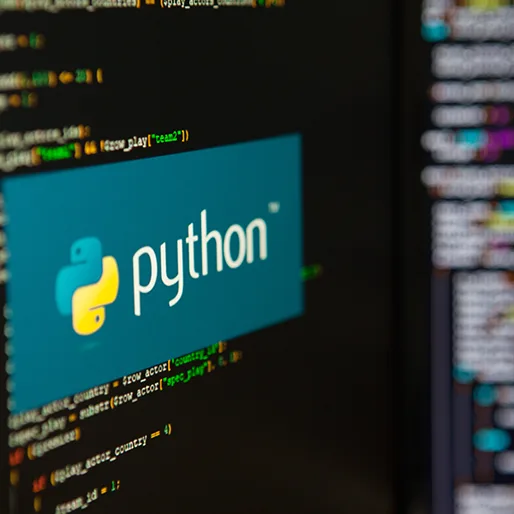
Python's adaptability is hard to match, and because of its flexibility, experimentation is encouraged. This prevents programmers from being restricted to creating only a certain kind of application. You can create new and unique things with just one language that you learn.
Python also has the following benefits:
- Python is cross-platform, just like Java so that you can use it on Windows, Linux, macOS, and other operating systems. All you will need is a platform-specific interpreter.
- It enables quick development. Python is quick and user-friendly for development since it has dynamic typing. Additionally, it employs asynchronous programming, allowing each code unit to execute independently to deal with situations and obstacles more quickly.
- Most importantly, it provides a variety of libraries. Its extensive library supports everyday tasks and commands. Additionally, it has code that may be used for various tasks, like creating documentation, unit testing, and CGI.
- Programming language Python supports various programming languages and concepts, giving it a more adaptable approach to programming. This makes it suitable for start-ups that might need to switch strategies suddenly and for programmers who prefer flexibility.
Because Python is so simple to learn and has one of the biggest and most active communities, you should be able to start writing code in just a few minutes after downloading it for free.
Last but not least, most programmers believe Python is more productive than Java because of its dynamic typing and simple syntax. It also provides integration features and control capabilities that can increase the productivity of programmes.
Java vs Python Which Is Better for the Future?
Compared to Java, Python is a more productive language. Python is a fantastic option for scripting and rapid application development across a wide number of areas because of its simplified syntax and interpreted nature.
Java is a statically typed programming language where variables must be explicitly declared, whereas Python is a dynamically typed programming language where this is not necessary.
The primary strengths of Python have always been server-side technology, non-programmer software creation, and as an embedded scripting engine for reputable plugins, and it continues to excel in these fields.
Java vs Python - Salary
In India, a Python coder makes an average yearly pay of ₹5.10 Lakhs. Beginning professionals in this industry make about ₹2.31 Lakhs annually, whilst experienced developers can make up to ₹12.61 Lakhs annually.
Tata Consultancy Services, Accenture, and Wipro are well-known companies that hire Python developers in India.
In India, a Java developer makes an average salary of ₹4.43 Lakhs annually. Java developers with experience can earn up to ₹11 Lakhs annually, while freshers in this profession typically make approximately ₹1.99 Lakhs.
Sign up for Grow by Skill-Lync to earn free access to 50+ Courses, 100+ Assessments, 100+ Job Alerts and 500+ Workshops.
Since the growth of the web development and mobile development industries, there has been a significant increase in the demand for Java and Python developers. Moreover, Java developers are in high demand across the online platforms, GUI, and mobile development industries, which is a significant factor in their careers. If you desire to step into this world, consider expanding your learning horizon via Skill-Lync.


