Automotive Sheet Metal Design using Siemens NX CAD / CATIA V5
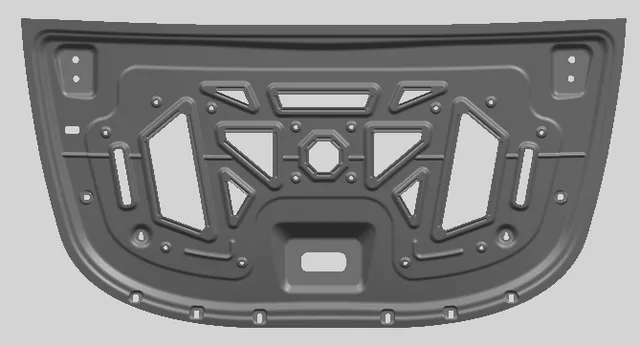
Designing of Hood
In this particular project, you will be working on designing the inner panel of the hood, according to EURO NCAP standards.
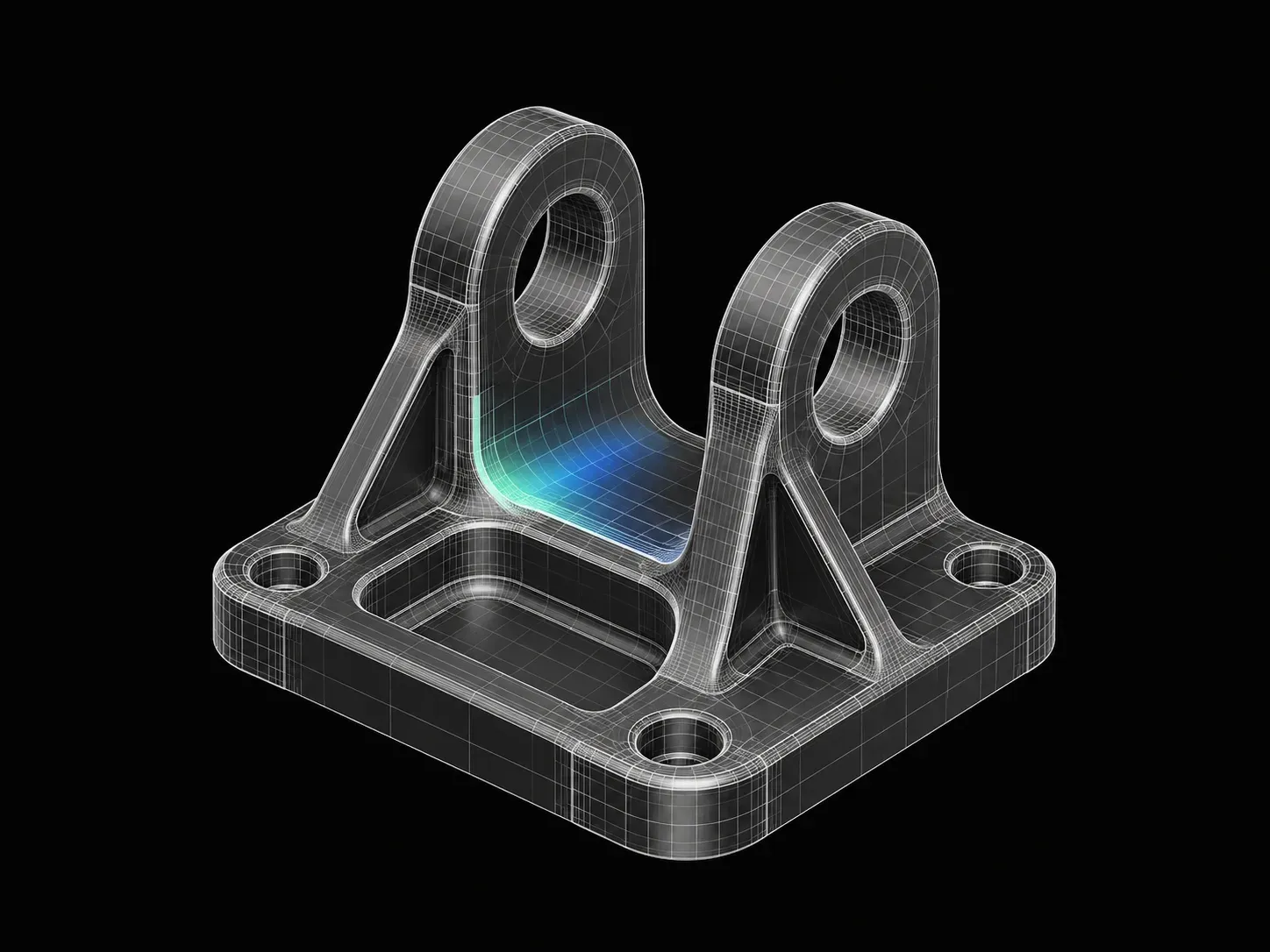
An ideal design course for mechanical engineers, this course provides industry-oriented training in CAD software tools like CATIA V5, Autodesk Alias, SOLIDWORKS, and Siemens NX CAD. Training for this CAD course is provided online and will help students develop expertise in fundamental skill sets.
The Post Graduate Program in CAD is an online PG program from Skill-Lync: 48 weeks, 203 hours of content, 7 courses and 32 industry projects.
Design of Machine Elements: 26 chapters mapped to the Anna University, VTU, SPPU, Mumbai University and KTU syllabi, with interactives and worked examples.
Compare all 21 Skill-Lync automotive design courses · Compare all 23 Skill-Lync CATIA courses · Compare all 12 Skill-Lync Siemens NX courses · Compare all 14 Skill-Lync SOLIDWORKS courses · Best certification courses for mechanical engineers: other providers compared · Best mechanical design course in India: other providers compared
Our projects are designed by experts in the industry to reflect industry standards. By working through our projects, Learners will gain a practical understanding of what they will take on at a larger-scale in the industry. In total, there are 32 Projects that are available in this program.
In this particular project, you will be working on designing the inner panel of the hood, according to EURO NCAP standards.
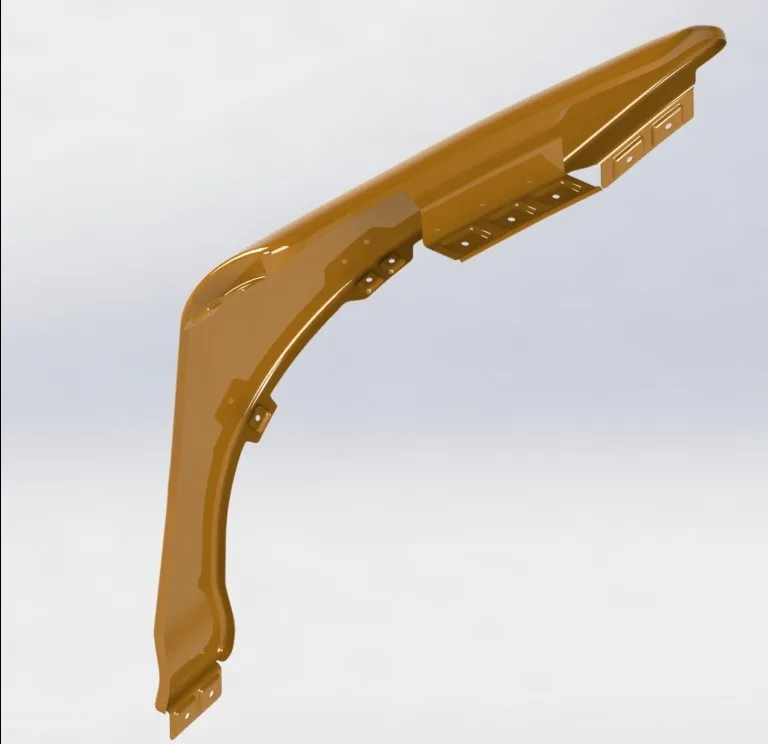
In this particular project, you will be working on designing the Fender, according to EURO NCAP standards.
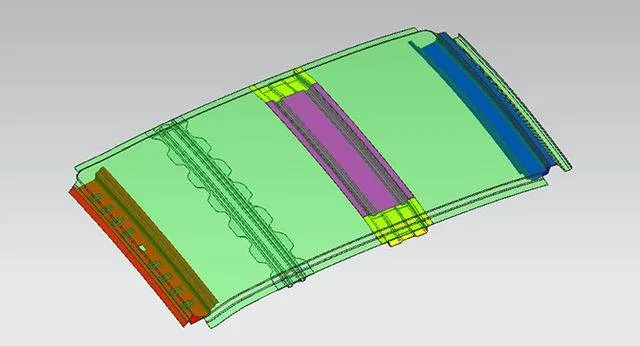
In this particular project, you will design a complete roof assembly with all the necessary reinforcements using automotive standards.
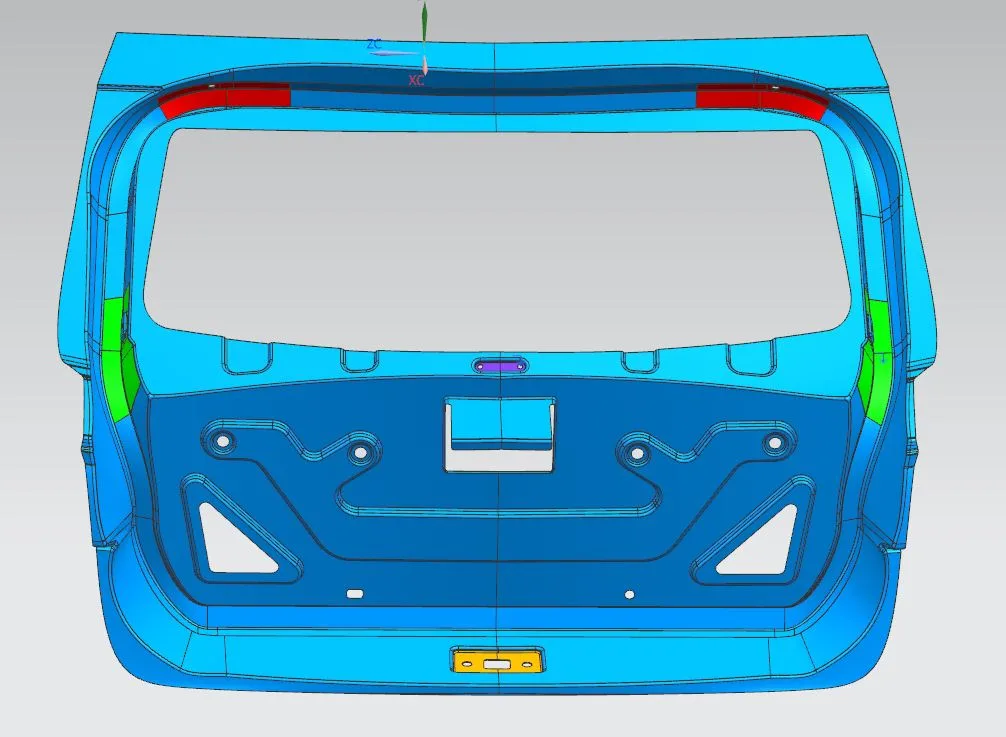
In this project, you will design and develop the complete Tailgate assembly using the given styling data.
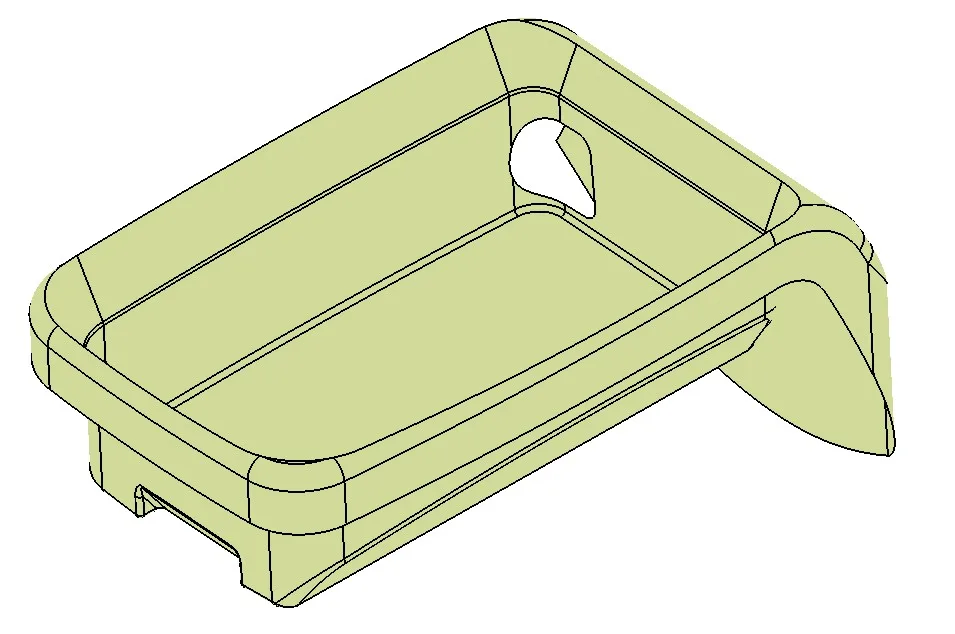
In this project, you will design a coin holder plastic trim part from the given Class-A surface. Check if the product is manufacturable.
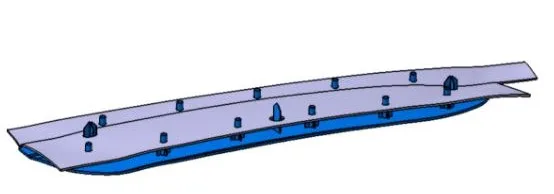
In this project, the students will design heat stakes for joining the plastic door. The students will apply the 3-2-1 principle for designing the plastic applique.
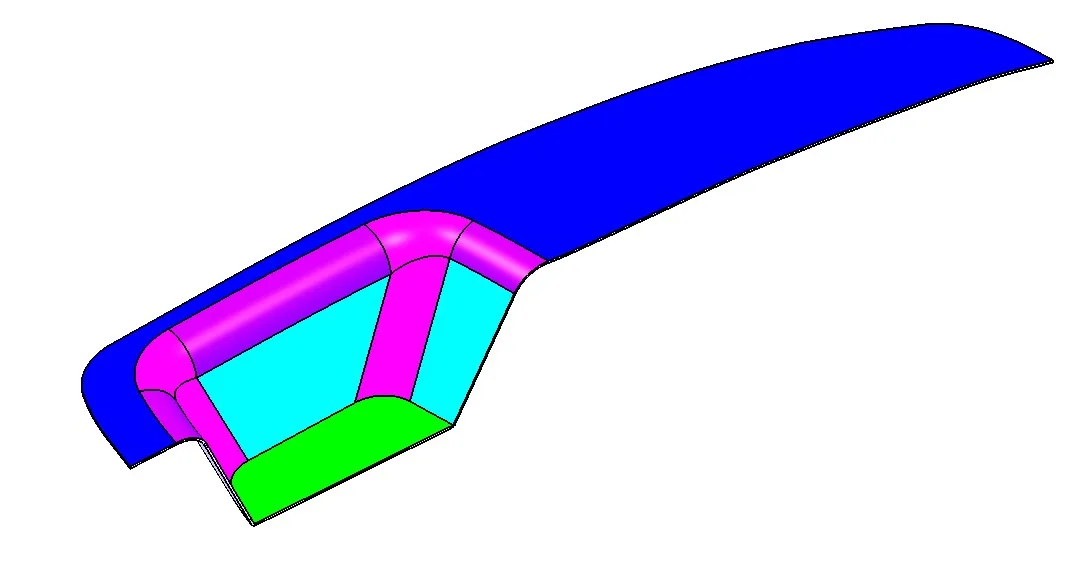
This project is about the development of a car side door switch bezel. You will be creating the CAD model of the switch bezel from the given inputs.
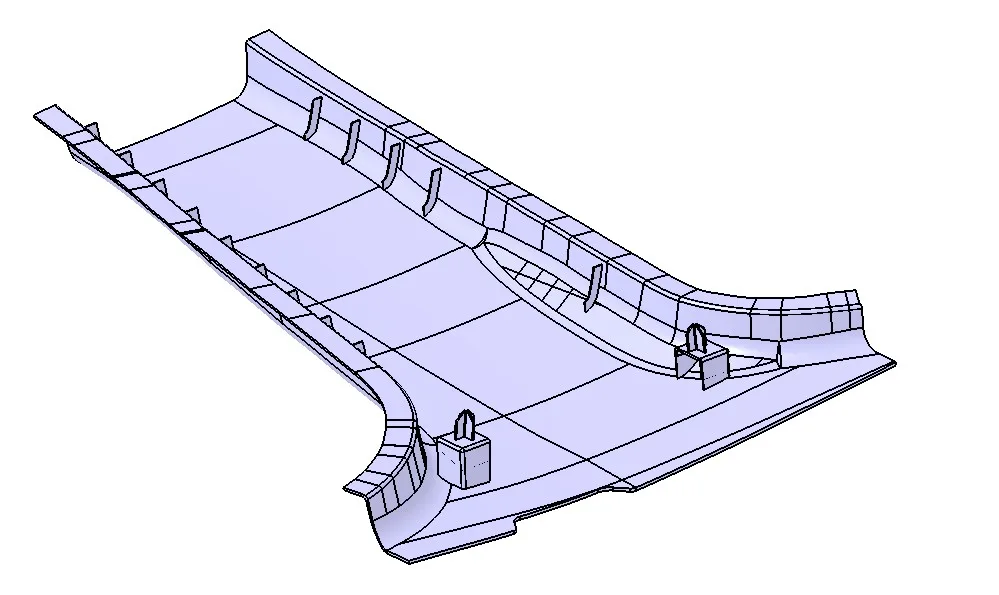
The project deals with the design of a B-pillar cover. The students will create a Plastic B pillar trim from the given class-A surface.
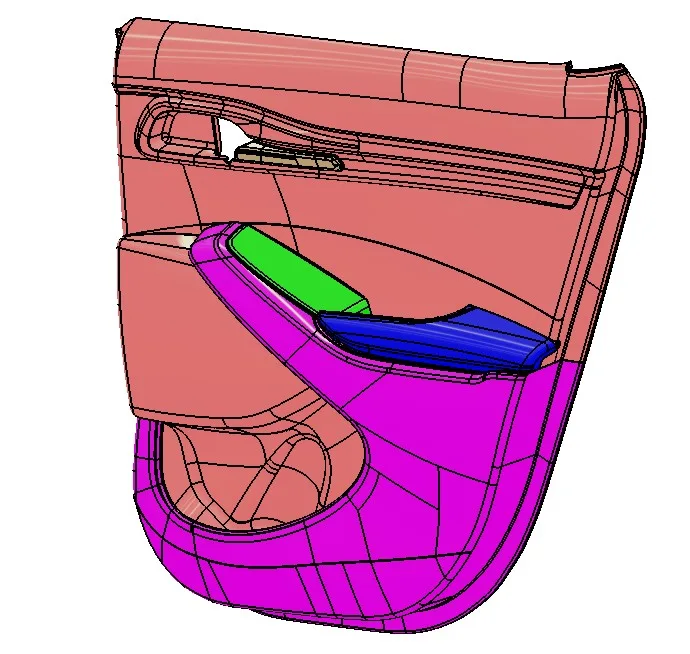
In this project, you will create a complete side door panel. You will design all the sub-assemblies like the armrest, map pocket, and the lower substrate.
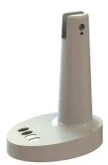
This project is about creating the mold for a table fan outer casing with consideration of side cores.
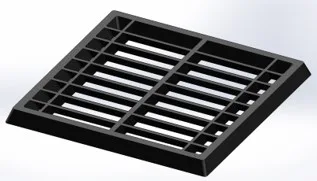
This project is about designing the mold for a fan bezel. In this project, you will be extracting Core & Cavity for a fan bezel.
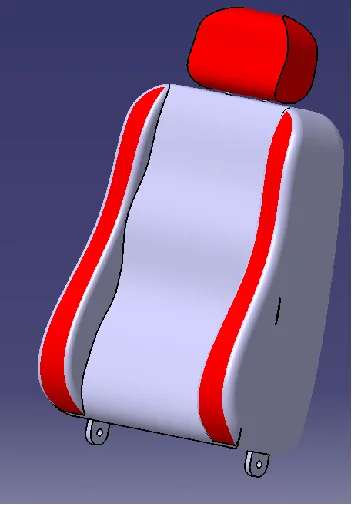
In this project, you will design a parametric front row back foam. Use Underbuild / Overbuild Technique and foam terminology standards for making the parts.
+ 20 more projects in the full syllabus
Videos from Skill-Lync's YouTube channel.
by the Skill-Lync team
You design real car parts, one system at a time: body-in-white sheet metal panels in Siemens NX, then plastic trims, a wiring harness, seat foams and tail lamps in CATIA V5. You also pick one of two specialisations: sketching plus Class A surfacing in Autodesk Alias, or welding fixtures plus mold design.
The program runs 48 weeks, about 203 hours. The five courses both tracks share, with their projects:
The sketching track adds Automotive Sketching (pencil, marker and digital) and Class A surfacing in Alias: a Kia Sportage from blueprints, alloy wheels and rendering. The manufacturing track adds BIW fixture design in CATIA V5 (a robot and a manual welding fixture) and Mold Design in SOLIDWORKS (a table-fan casing mold with side cores, a fan-bezel core and cavity). The sketching track runs sheet metal, plastics, harness, sketching, Alias, seating, lighting. The manufacturing track starts with plastics and ends with lighting and seating.
Skill-Lync's free sheet metal lessons set the tone. The instructor says "no OEM needs a CAD designer but every OEM needs an engineer", then walks through the vehicle development process and benchmarking, such as the 436 parts in a Nissan Murano's body against 490 in a Mazda CX-5's. They are free to watch on Grow.
Start from the part's base wall thickness T, size every fillet, rib and locator as a fraction of it, and leave a gap for tolerances. In the free lighting lesson the instructor models a boss and two locator types in CATIA V5 with T = 2 mm, linked by formulas so one change updates everything.
His rules, worked for T = 2 mm:
Because the model is parametric, a 2.5 mm wall gives ribs of mm and fillets of 0.625 mm without remodelling. Building those relations into a design table is the lesson's challenge. The mounting concept behind it, the 3-2-1 principle (three points on one face, two on a second, one on a third, fixing all six degrees of freedom), returns in the heat-staking project of the plastic design course.
Candela (cd) is how bright a light is in one direction. Lumen (lm) is the total light a source gives out in all directions, and 1 lm = 1 cd·sr (a steradian is a unit of solid angle). Lux (lx) is light landing on a surface, 1 lm per m².
That is how the free lighting lesson defines them, adding luminance (cd/m²): light reflected off a surface into your eye. Three checks you can do yourself:
Bulb codes are readable too. P21/5W is a pin-type bulb with two filaments: 21 W for the stop light, 5 W for the tail light. On a 12 V system that is 1.75 A and 0.42 A. PY21W adds Y for amber (indicators) and W5W is a 5 W wedge bulb.
Where lamps go is set by ECE R48. For the low beam the lesson lists two white lamps, outer edge at most 400 mm from the vehicle's extreme edge, at least 600 mm between the lamps, mounting height 500 to 1,200 mm, and visibility 10° inboard, 45° outboard, 15° up and 10° down. On a 1,750 mm wide car with 200 mm wide lamps set 350 mm in, the inner edges are mm apart, so the 600 mm rule passes. All three lessons are free on Grow.
Not for most of this program. Five of the seven courses are engineering CAD in CATIA V5 and Siemens NX, where you build parts from surfaces you are given. Drawing matters only in the sketching specialisation, which teaches it from scratch. Pick sketching to shape how a car looks, manufacturing to make parts buildable.
What each track adds:
What is Class A surfacing? Class A surfaces are the visible outer surfaces a customer sees and touches. The Alias course covers control points (CVs), patch layout and continuity between patches: G0 means the edges meet, G1 means they are also tangent, G2 means the curvature matches too. Surfaces are checked with reflection lines and comb plots and refined from Class B up to Class A.
Both tracks meet in the shared courses. In the free lighting lesson the instructor explains that the Class A surface arrives from the customer, and the lamp engineer builds the B-surfaces, housing and mounting features behind it. The plastic and seating projects start the same way. The sheet metal instructor's point holds for either track: anyone can learn the commands, but knowing "the reason behind giving each value" is what is called engineering. If you only want CATIA, see this CATIA course comparison.
Mostly design engineer jobs at automotive engineering-services companies, starting near ₹3.5 LPA. As of 17 Nov 2026, Skill-Lync's placement records list 988 learners from this program, placed at 327 companies. The median salary is ₹3.5 LPA (949 disclosed), and the middle half earned ₹3.0 to 4.25 LPA.
Two caveats. Most of these placements (846 of 988) happened from 2021 to 2023; 2024 has 113 and 2025 has 21, so the recent sample is smaller. And these are entry-level offers at services firms, which design parts such as body panels, trims, harnesses and lamps for car makers. For the wider market, see design engineer salaries in India and companies hiring mechanical freshers.
| Course | Length | Projects | Tools | Fee |
|---|---|---|---|---|
| PG Program in CAD (this page)48 weeks: BIW, plastics, harness, seats, lamps + one specialisation | 48 weeks, 203 h | 32 | CATIA V5, Autodesk Alias, Siemens NX CAD, SOLIDWORKS | ₹2,75,000 |
| PG Program in Complete Passenger Car Design & Product Development24 weeks: the same core with Alias Class A, no sketching course | 24 weeks, 122 h | 19 | Autodesk Alias, CATIA V5, Siemens NX CAD | ₹2,75,000 |
| PG Program in Automotive Design using CATIA V524 weeks: the five core courses plus BIW fixture design | 24 weeks, 118 h | 18 | CATIA V5, Siemens NX CAD | ₹2,75,000 |
| PG Program in Manufacturing Design24 weeks: plastics, sheet metal, GD&T, fixtures and molds | 24 weeks, 107 h | 16 | CATIA V5, Siemens NX CAD, SOLIDWORKS | ₹2,75,000 |
| Post Graduate Program on Automotive BIW Design and DevelopmentBIW only, in depth in NX, plus fixtures and crash analysis | 24 weeks, 92 h | 11 | CATIA V5, HyperMesh, Radioss, Siemens NX CAD | ₹2,75,000 |
| Basics of CATIA V54-week CATIA V5 starter: sketch, part, assembly, surfaces | 4 weeks, 5 h | 2 | CATIA V5 | ₹40,000 |
Lengths, projects and fees are taken from each course page on 17 Nov 2026; fees are the Premium plan in INR, including all charges.
Become job ready with our comprehensive industry focused curriculum for freshers & early career professionals
To enroll for this mechanical design course, you must have completed your B.Tech or B.E. in Mechanical, Automotive or any related engineering disciplines.
As this is one of the best design courses in mechanical engineering, you are expected to complete their projects on your own. Skill-Lync’s technical support team will provide the necessary support you need to complete those challenges.
Yes. Graduates in mechanical, automotive or related engineering can join; work experience is not required. In Skill-Lync's placement records (as of 17 Nov 2026), 696 of the 988 learners placed from this program were freshers.
Yes. The Premium plan lists Career Service Assurance and personalised career-services mentorship. An internship is not part of the listed plan features, so ask a counsellor what is available for your batch. The guide above shows where past learners were placed.
Yes, you will receive a course completion certificate after the successful completion of the mechanical design course. Also, the top 5% of the scorers will receive a merit certificate.
You can clear queries through email and forum support and individual and group video sessions. The Premium plan adds live individual and group sessions and personalised career-services mentorship.
Yes, you can pay the CAD course fees in installments with a 0% EMI option.
A CAD (computer-aided design) course teaches the 3D modelling tools design engineers use at work. In this program the shared courses use CATIA V5 and Siemens NX; the sketching track adds Autodesk Alias and the manufacturing track adds SOLIDWORKS for mold design.
Design engineering is the biggest entry route in Skill-Lync's placement data: 988 learners from this program were placed at 327 companies as of 17 Nov 2026, most as design engineers at engineering-services firms such as Cyient and Tata Technologies. Tools change, so keep learning.
Across various industries and many automotive OEMs hire CAD engineers in R&D and production departments. Some designations include CAD design engineer, part modeling engineer, and 3D assembly engineer.
A counsellor will walk you through the syllabus, projects and fee options — and tell you honestly if another course suits you better.