Explore the Top 6 Applications of Advanced Driver Assistance Systems (ADAS) in Automobiles
This article explores the top 6 applications of ADAS technology and how they can assist drivers.
 Anup KumarH S·14 Feb 2023·4 min read
Every year, approximately 1.3 million people die in car crashes; on average, 3,700 people lose their lives on the roads daily. Most of these accidents could have easily been prevented with a little due diligence. Imagine if there was a system to make those tiny, split-second corrections that could save a life. Well, this magical system is what ADAS is.
This article explores the top 6 applications of ADAS technology and how they can assist drivers.
Introduction to ADAS
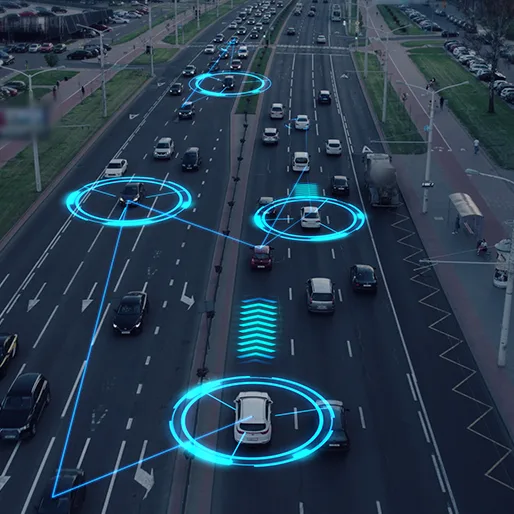
Advanced Driver Assistance Systems (ADAS) are a series of interconnected systems implemented to assist the driver with steering, braking, and accelerating tasks. They aim to improve road safety and reduce the number of accidents.
ADAS can be broadly classified into two categories:
- Active safety systems
- Passive safety systems
Active safety systems require the driver to take action, such as braking or steering, to avoid an accident.
Passive safety systems do not require the driver to take any action; they automatically engage when an accident is about to occur.
ADAS technology is constantly evolving, and new applications are being developed rapidly.
To get an overview of the ADAS systems, watch the video below.
Applications of ADAS
- Electronic Stability Control (ESC)
- Autonomous Emergency Braking (AEB)
- Adaptive Cruise Control (ACC)
- Lane Departure Warning (LDW)
- Blind Spot Detection (BSD)
- Parking Assistance System (PAS)
1. Electronic Stability Control (ESC)
The most common application of ADAS is Electronic Stability Control or ESC, which helps the driver maintain control of the vehicle in slippery conditions. ESC uses sensors to detect when a vehicle is starting to lose traction. It then applies the brakes to the vehicle's wheels to help keep it on track and prevent it from skidding uncontrollably.

2. Autonomous Emergency Braking (AEB)
AEB systems use sensors to detect potential obstacles in the road ahead. The technology will automatically use the brakes to help avoid or minimise a collision if an obstacle is detected and it determines that a collision is likely. In circumstances where the driver might not have enough time to react (such as when another vehicle is fast approaching or a pedestrian is crossing unexpectedly), this system is beneficial.
AEB is proven to be effective at reducing accidents and injuries. According to a recent IIHS study, these systems reduce pedestrian crashes by 27%, though they are less effective at night. To encourage manufacturers to improve system performance in the dark, the IIHS recently added a nighttime pedestrian AEB evaluation to its ratings. As AEB systems evolve, their effectiveness and accuracy are expected to improve.
3. Adaptive Cruise Control (ACC)
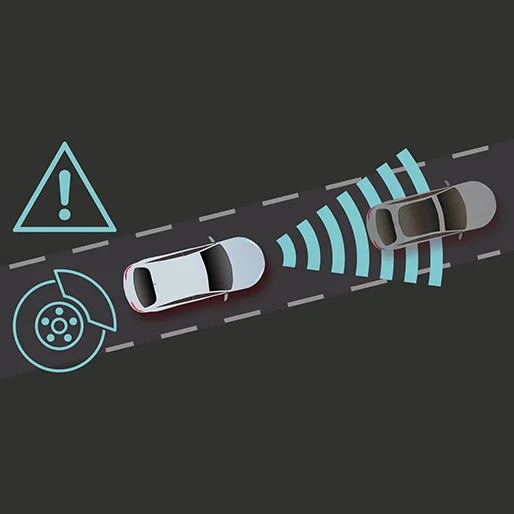
ACC system deployed in autonomous cars uses sensors and cameras to detect the speed and distance of the surrounding obstacles and vehicles. It then uses this information to help vehicles maintain a safe distance. ACC will automatically slow down the car if the car in front of you suddenly slows down. This helps to avoid accidents by keeping a safe distance between the cars in front of and behind you. It would be highly-beneficial in stop-and-go traffic situations or highways where the driver’s reaction time may not be enough.
4. Lane Departure Warning System (LDWS)
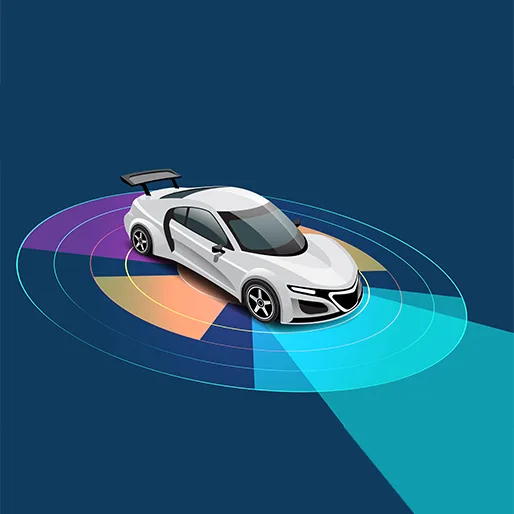
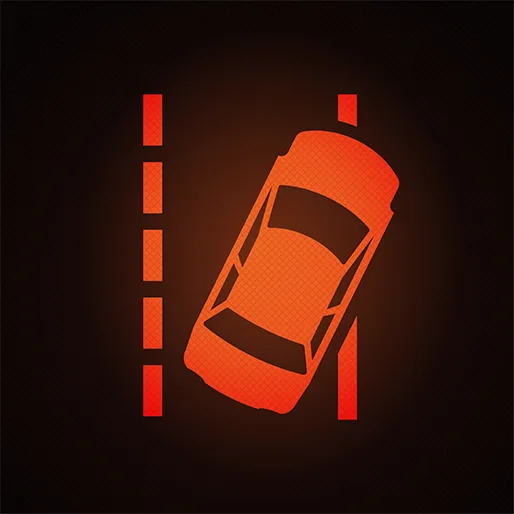
The LDWS is designed to alert drivers when their vehicle begins to veer out of its lane. This can happen for several reasons, including driver fatigue, distraction, or impairment. The system uses sensors to monitor the vehicle's position and emits a warning sound or an indicator on the dashboard if it detects that the vehicle is veering out of its lane. Some advanced systems go a step further to automatically correct the steering if the driver does not respond to the warnings.
LDWS is an important safety feature that can help prevent accidents. It is particularly useful on long trips or in bad weather when visibility is reduced. Many newer vehicles come with LDWS as standard, but it can also be added to older vehicles as an aftermarket upgrade.
5. Blind Spot Detection System (BSDS)
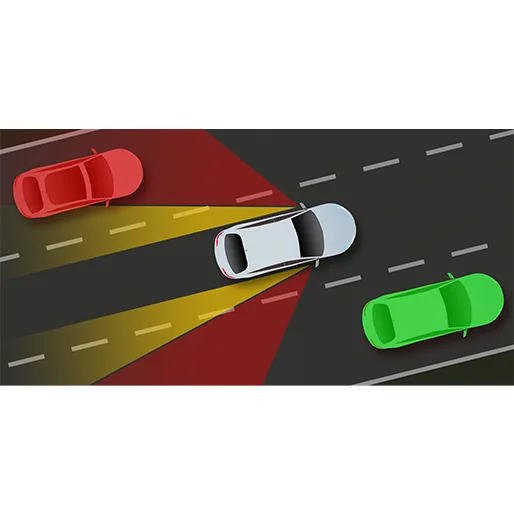
BSDS is a system that uses sensors to detect vehicles in the driver’s blind spot and provide an audible or visual warning to the driver. The system can also be integrated with other ADAS features, such as lane departure warning (LDW) and adaptive cruise control (ACC).
6. Parking Assistance System (PAS)
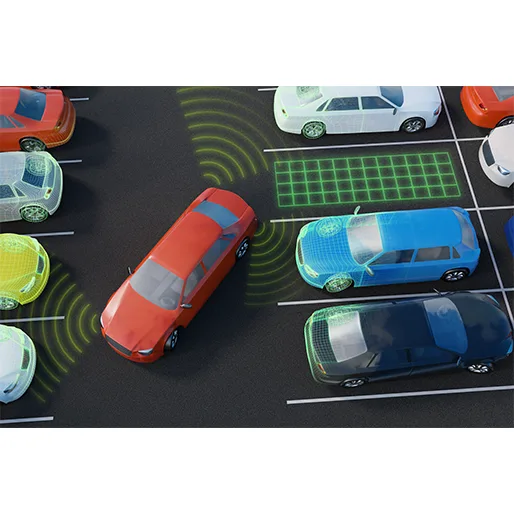
The newest vehicles now come with Parking Assistance System (PAS). This technology uses sensors to detect available parking spaces and steer the vehicle into the spot. PAS can make parallel parking a breeze, even for novice drivers. Some systems have the ability to automatically park the car, eliminating the need for a driver!
Conclusion
With continued development and innovation, there will be no limit to what ADAS can do to improve safety on our roads. Check out Skill-Lync's courses to learn more about this technology that could save lives. We offer detailed courses with a hands-on approach to learning. Some courses we offer include topics like Motion Planning and Trajectory Generation (ADAS), Introduction to the Future of Vehicle Validation-ADAS, and Introduction to ADAS using MATLAB and Simulink.
Talk to our experts and kick-start your learning journey.


