Computer Science · Course

SQL for Data Science

With the SQL certification course, learn to handle structured databases essential for data science applications. Our industry experts will teach you data extraction and data exploration, which is the initial step for data visualisation through the SQL for data science course.

Duration
12 weeks
Content
22 hours
Projects
2
Mode
Online
Fee
₹40,000
Overview

What you'll
be able to do.

Structured Query Language, or SQL, is used to manage and interface with relational databases. All industries operate on versatile databases that hold their information. With SQL, data can be accessed, manipulated, stored, and extracted efficiently. For data scientists and other professionals in the field, knowledge on SQL is mandatory to working with structured data.

This course will provide students with an elaborate understanding of the following:

  • Database Management System (DBMS)
  • Relational Database Management System (RDBMS)
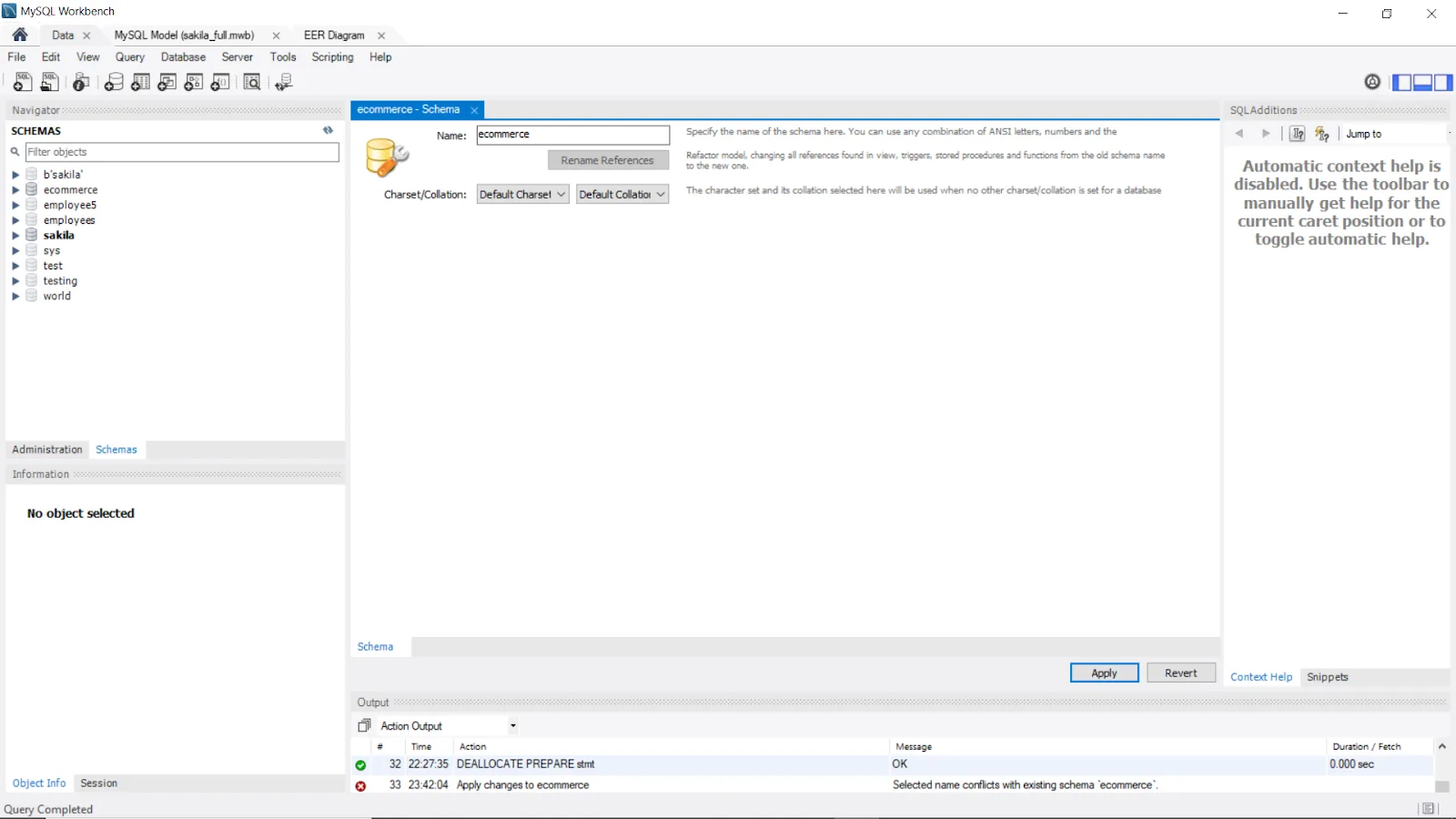
  • Database creation, manipulation, selection, exploration
  • Querying multiple tables
  • Index, view, transaction
  • Querying with conditions
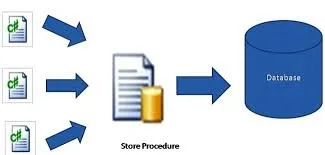
  • Stored procedures
  • Integrating SQL with Excel and Python

Throughout this course, students will get to complete challenges and projects that require extensive handling of structured data.

Who can enrol in this course?

Engineering graduates and working professionals with a background in similar fields.

Tools you'll use
MySQLPythonAnaconda
Curriculum

12 modules,
built with industry.

  1. 01SQL for Data Science12 modules
    1. IntroductionW01

      In this week, students will learn about

      • Data Science: Introduction
      • Data Science Applications
      • Why SQL is required for Data Science
      • Database Management System (DBMS)
      • Relational Database Management System (RDBMS)
      • Basic terminology in RDBMS
      • Data Constraints
      • Entity Relationship Model
      • What SQL is
      • Categories of SQL Commands
      • Hands-on execution of simple SQL statements on RDBMS tool
    2. Database Creation and ManipulationW02

      In this week, students will learn about

      • Detailed SQL Data types
      • Creating databases
      • Create Tables
      • Using Constraints
      • Inserting Table
      • Altering Table structure
      • Dropping Database and Table
      • Deleting and Updating
      • Hands-on importing of sample database schema
    3. Database SelectionW03

      In this week, you will learn about

      • Select statements
      • Removing Duplicate use of Alias
      • Use of Where
      • Use of Wildcards
      • Limit clause
      • Arithmetic Operators
      • Mathematical Functions
      • Hands-on creating of backups and restore for large database
    4. Database SelectionW04

      In this week, students will learn about

      • Generating Strings
      • String Functions
      • Date Functions
      • Conversion Functions
    5. Database SelectionW05

      In this week, students will learn about

      • Comparison Operators
      • Logical Operators
      • Order By
      • Group By
      • Aggregate Functions
      • Using aggregate functions with Group by clause
      • Union Operator
      • Sub-query
    6. Querying Multiple TablesW06

      In this week, students will learn about

      • The need to Join Multiple Tables
      • Cartesian Product
      • Inner Join
      • Left Join
      • Right Join
      • Self Join
      • Delete Join
      • Update Join
      • Hands-on demonstration of joining more than two tables in a sample database
    7. Data ExplorationW07

      In this week, students will learn about

      • What Data Exploration is
      • Structure of Data
      • Understanding the E-R Diagram
      • How to Use SQL for Data Exploration
      • Significance of
        • Joins
        • Sub queries
        • Inbuilt functions
      • Other important capabilities of SQL for data exploration
      • Hands on demonstration
      • Working with NULL values
      • Making trends in Data
      • Identifying Outliers
      • Creating Data Summary
    8. Index, View, TransactionW08

      In this week, students will learn about

      • Creating Index
      • Use of Index
      • Type of Index and Ine
      • X Strategies
      • Views
      • Views for Data Analysis
      • Multi-user database
      • What is Transaction
      • Save points
      • Hands-on working on Multi user database environment
    9. Querying with ConditionsW09

      In this week, students will learn about

      • Querying with Conditions
      • The Searched Case Expression
      • The Simple Case Expression
      • Applications of Case Expression
      • Common Error Codes
      • Hands-on working with Json type data
    10. Stored ProceduresW10

      In this week, students will learn about

      • Stored Procedures for Data Analysis
      • Creating Stored Procedures
      • Removing Stored Procedures
      • Altering Stored Procedures
      • Conditional Statements
      • Loops
      • Hands-on working with cursors
    11. Integrating SQL with ExcelW11

      In this week, you will get a hands-on understanding of the following

      • Accessing MySQL data with MS Excel
      • Running SQL statements with Excel
      • Combining Excel and SQL statements for data representation
    12. Integrating SQL with PythonW12

      In this week, you will get a hands-on understanding of the following

      • Working with Python
      • Accessing SQL data with Python
      • Running basic SQL statements with Python
      • Running inbuilt python functions on SQL data
Industry projects

2 projects
you'll ship.

Our projects are designed by experts in the industry to reflect industry standards. By working through our projects, Learners will gain a practical understanding of what they will take on at a larger-scale in the industry. In total, there are 2 Projects that are available in this program.

C2C E-Commerce User’s Behaviour Analysis

C2C E-Commerce User’s Behaviour Analysis

In this project, students are expected to analyze user behavior in a C2C E-Commerce business. Analyzing the user’s database will help understand the business perspective. The…

Analyzing the choice of career for the Alumni of Engineering College.

Analyzing the choice of career for the Alumni of Engineering College.

In this project, students are expected to analyze the career choices of alumni from an institution based on given data.

Fee

One fee.
Everything included.

Become job ready with our comprehensive industry focused curriculum for freshers & early career professionals

Premium
₹40,000
Inclusive of all charges
  • 1 Year Access
  • Personalized Page
  • Live Individual & Group Sessions
  • Personalized & Hands-On
  • Job-Oriented Industry Relevant Curriculum
Check eligibility →
FAQ

Questions,
answered.

What are the prerequisites for joining this course?

Interested students and graduates in computer science and related engineering domains cap opt for SQL training.

Should all data scientists know SQL?

Yes, SQL is the most essential language for a data scientist. It is SQL that helps in processing, analyzing, and interpreting the data effectively.

What will you learn from this course?
  • To create simple, plain, and meaningful queries instead of complex ones.
  • Difference between DBMS and RDBMS.
  • Use of and the difference between various constraints and functions.
  • Creation of effective procedures.
What is the need for SQL in Data Science?

Data Science is concerned with large amounts of data that must be stored in databases. SQL is required to function efficiently on a database with such large amounts of data. With the use of simple, short queries, SQL is quite successful in producing results.

How difficult is it to master SQL?

SQL is a language that is very similar to the English language. A person without any prior knowledge of programming can easily understand and learn SQL.

How long is it going to take you to master SQL?

As it is a pretty simple language, you can master it in 2-3 months. But it also depends on the tutor, the way he teaches, and the pace at which the learner can grasp the knowledge. 

Next step

Not sure it's
the right fit?

A counsellor will walk you through the syllabus, projects and fee options — and tell you honestly if another course suits you better.

Get the syllabus + a call back

We'll email the full syllabus and call within one working day.

By submitting you agree to our Terms and Privacy Policy.

₹40,000Course
Enquire

Talk to a career counsellor

Free 20-minute call. We'll map the right course to where you want to work.

By submitting you agree to our Terms and Privacy Policy.